

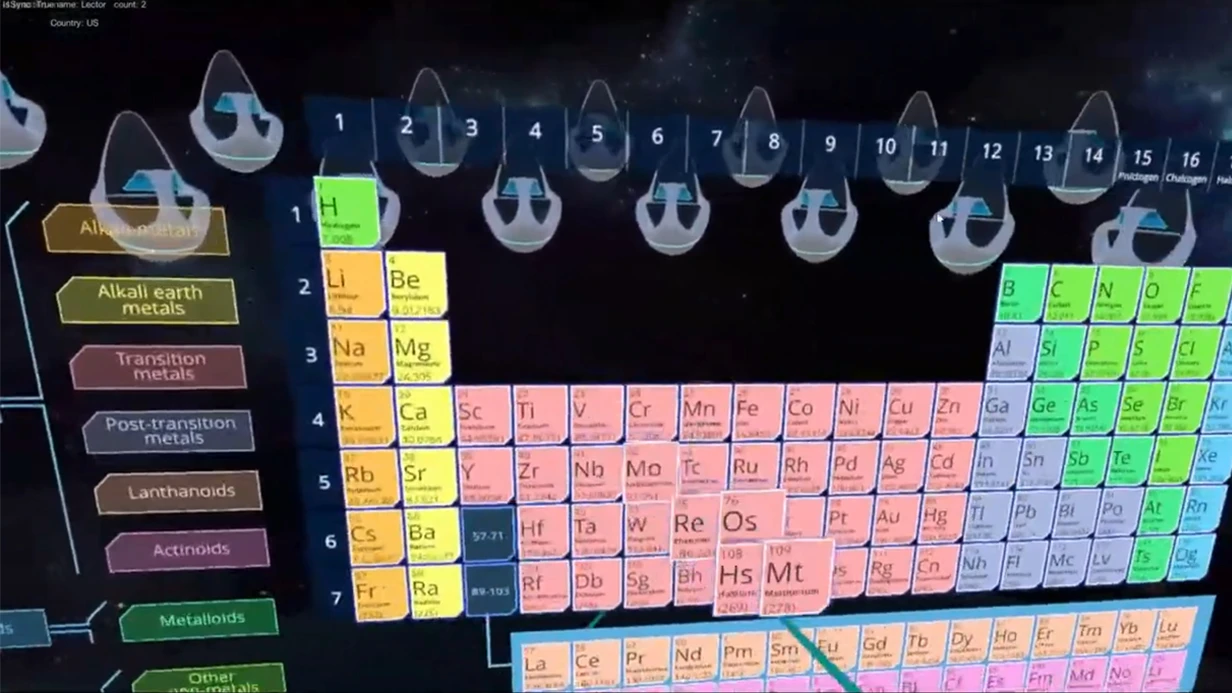


דיגיטציה של אוספי מוזיאון: מתערוכות לגישה דיגיטלית
כל מוזיאון מחזיק אלפי מוצגים, אך המבקרים רואים רק חלק קטן מהם. השאר נשאר במחסנים — בלתי נראה, בלתי נגיש, ולא מייצר עניין או הכנסות.
אך דווקא האוספים הנסתרים מכילים פעמים רבות את הפריטים היקרים והנדירים ביותר, שאנשים מוכנים לנסוע עבורם על פני העיר או אפילו המדינה.
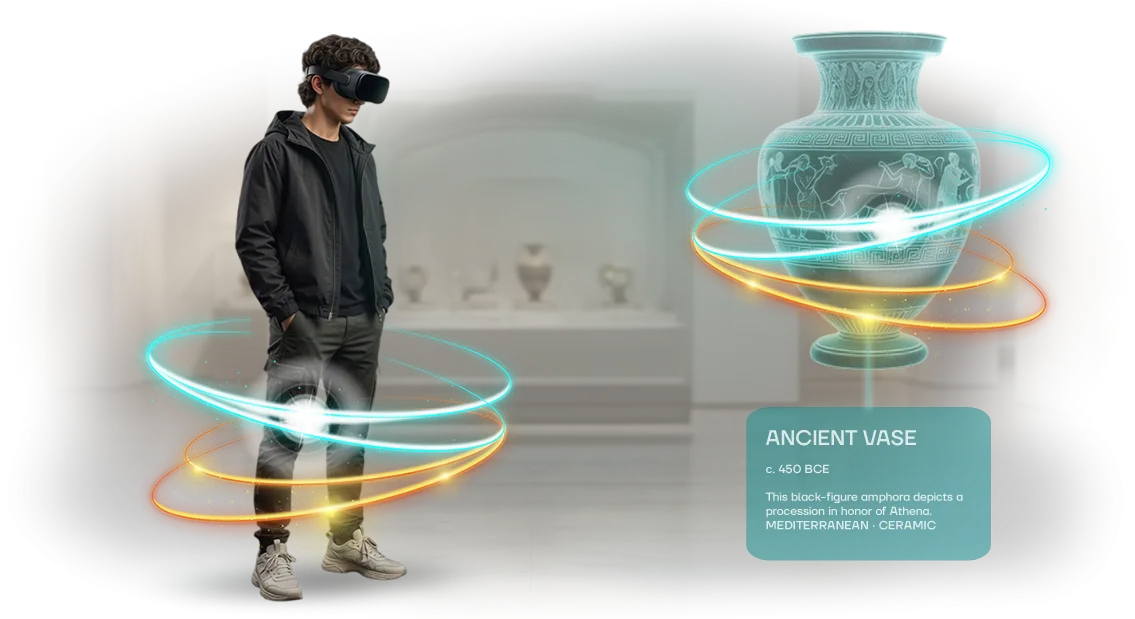
דיגיטציה של אוספי מוזיאון פותרת בעיה זו. היא יוצרת מוזיאון דיגיטלי שבו הגישה למוצגים זמינה בכל זמן ומכל מקום בעולם.
תערוכה וירטואלית אינה מחליפה ביקור פיזי; היא מרחיבה אותו: היא מושכת את אלה שאינם יכולים להגיע, מפנה תשומת לב לאולמות הקבועים, ומעניקה לקהל סיבות חדשות להתחבר למוזיאון שלכם.
על ידי המרת האוסף שלכם לצורה דיגיטלית, אתם מנצלים את מה שכבר נצבר. פריטים ייחודיים מפסיקים להיות "משקל מת" ומתחילים לפעול למען הכרה, מוניטין מדעי ובניית שותפויות.
גישה מקוונת למוצגים גם מפשטת פרויקטים משותפים עם חוקרים, אוניברסיטאות ומוסדות תרבות.
אנחנו עוזרים למוזיאונים לבצע דיגיטציה תוך התחשבות במאפייני האוסף ובמשימות הנוכחיות — מאולמות בודדים ועד אלפי פריטים.
כתוצאה מכך, המוזיאון מקבל לא רק ארכיון תמונות אלא תערוכה וירטואלית מלאה שניתן להטמיע בקלות באתר, ברשתות החברתיות ובתוכניות חינוכיות.
כך הפוטנציאל הנסתר של האוספים הופך לערך אמיתי עבור הקהל ולמקור של הזדמנויות פיתוח חדשות.
מה תערוכה וירטואלית נותנת למוזיאון: מספרים ועובדות
תערוכה וירטואלית הופכת מוזיאון ממקום מקומי לאוסף פתוח הנגיש מכל מקום בעולם.
היתרון המרכזי שלה הוא הסרת מחסומים: אולם פיזי מקבל מאות מבקרים ביום, בעוד פלטפורמה מקוונת אוספת אלפי צפיות בשבוע — וזה לא תנועה מופשטת אלא משתמשים אמיתיים שבוחנים מוצגים, חוזרים אליהם ומשתפים קישורים.
הניסיון שלנו מאשר: מוזיאונים שמשיקים תערוכות תלת-ממד מגדילים את טווח הקהל הכולל שלהם פי 3–5. חלק מהאורחים המקוונים מבקרים מאוחר יותר במוזיאון פיזית — לפי הפרויקטים שלנו, כ-15% מהמבקרים הווירטואליים קונים כרטיס לתערוכה פיזית בתוך חצי שנה. כך עובד קהל "חם": הם כבר מכירים את המוצגים ומגיעים לחוויה חיה.
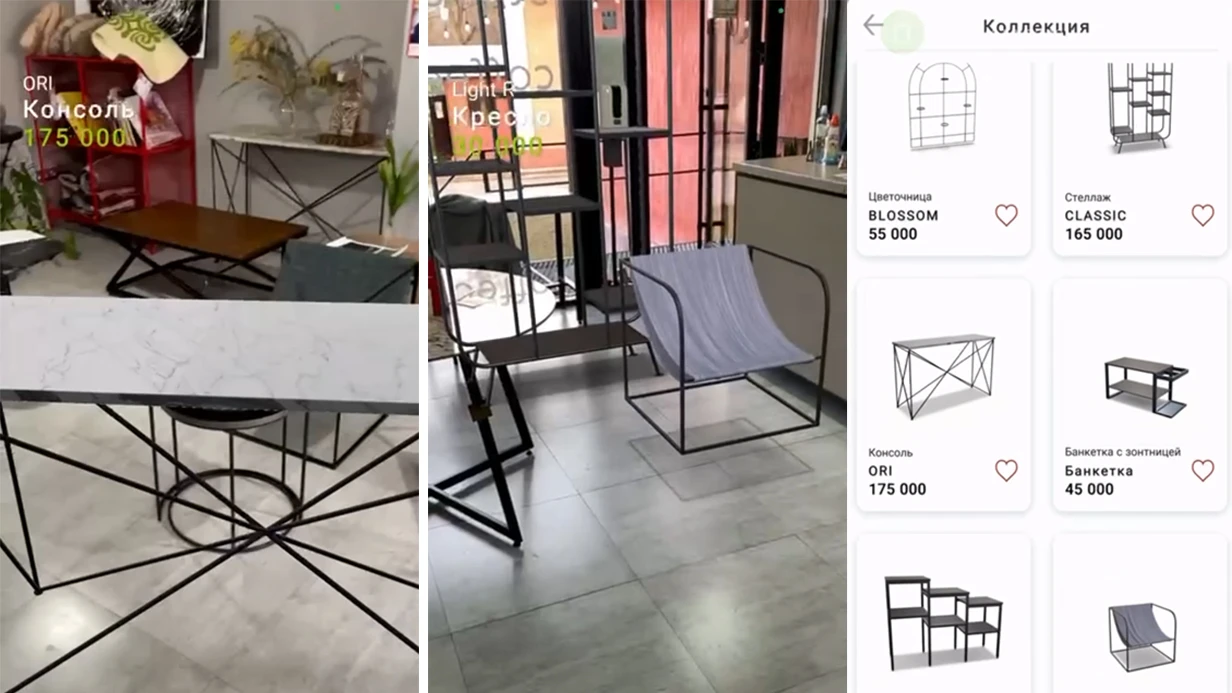
הפורמט הדיגיטלי פותח ערוצי הכנסה נוספים. ערוצי מכירה דיגיטליים לכרטיסים, מדריכי שמע ומזכרות ניתנים לשילוב קל בתערוכה — זה חשוב במיוחד למעורבות של צעירים שרגילים לעשות הכל באינטרנט.
במקביל, עלות התחזוקה של אולם וירטואלי נמוכה לאין שיעור משכירת שטח נוסף.
הנוחות של בחינת מוצגים היא יתרון נוסף. במרחב וירטואלי אפשר לבחון פרטים שקשה לראות בויטרינה — ובקצב שלכם.
השילוב הזה של נגישות, הכנסות ומעורבות הוא מה שנותן למוזיאון צמיחה בת קיימא בנוכחות ובהכרה — כמו בפלטפורמת Artefact, שבה פתרונות דומים כבר הוכיחו את יעילותם.
פורמטים של תערוכה וירטואלית: איזה מהם מתאים למוזיאון שלכם
בחירת פורמט תערוכה וירטואלית אינה עניין של טכנולוגיה אלא של מטרות המוזיאון והקהל שלו. חלק מהתערוכות עדיף להציג במלואן, אחרות כמוצגים בודדים, ואחרות עדיף לנווט דרך קטלוג אינטראקטיבי. לדוגמה, פורמט אחד עשוי להתאים למשיכת תיירים, בעוד אחר מתאים לעבודת מחקר.
הפורמט הנכון קובע כמה אנשים יראו את האוסף וכמה קל להם לעבוד איתו. השווינו את הפורמטים המרכזיים של תערוכות וירטואליות שאנחנו משתמשים בהם לרוב בעת דיגיטציה של אוספי מוזיאון. כל אפשרות מתאימה למטרות ולתקציבים שונים.
| פורמט | למי | מה הוא נותן למוזיאון |
|---|---|---|
| סיור מוזיאון תלת-ממדי (סיור מקוון) | מוזיאונים עם תערוכה ייחודית | תחושת נוכחות, גידול בביקורים פיזיים |
| אולם תצוגה תלת-ממדי של מוצגים | אוספים עם פריטים יקרי ערך | בחינה מפורטת, תשומת לב תקשורתית |
| קטלוג אינטראקטיבי | מוזיאונים עם אוספים גדולים | חיפוש מהיר, נוחות לחוקרים |
| תערוכה וירטואלית | תערוכות ופרויקטים זמניים | תוכן לרשתות חברתיות, טווח קהל חדש |
זו אינה רשימה מלאה — אנחנו משלבים פורמטים למשימה ספציפית. לדוגמה, אנחנו מוסיפים אולם תצוגה תלת-ממדי של מוצגים מרכזיים לסיור תלת-ממדי כך שהמבקרים מקבלים גם רושם כללי וגם פירוט מעמיק. אם התקציב מוגבל, אפשר להתחיל עם פורמט אחד ולהוסיף את השאר בשלבים מאוחרים יותר.
כדי לבחור את הפורמט הנכון, אנחנו מנתחים את האוסף, הקהל והתקציב. לאחר מכן אנחנו מציעים אפשרות שתניב תוצאות מקסימליות בעלות סבירה.
אם אתם מתלבטים, התחילו עם סיור מקוון, והוסיפו את הקטלוג ואולם התצוגה התלת-ממדי מאוחר יותר, ברגע שתראו את תגובת המבקרים.
איך אנחנו יוצרים תערוכה וירטואלית: 7 שלבים
עבור דיגיטציה של אוספי מוזיאון, בנינו תהליך שמניב תוצאה צפויה: אתם יודעים מראש את לוח הזמנים, התקציב ואיך תיראה התערוכה. להלן שבעת השלבים שאנחנו עוקבים אחריהם. בכל שלב אתם מבינים מה קורה ומה התועלת למוזיאון שלכם.
- בריף ומטרות. אנחנו צוללים למשימה: מגדירים את קהל היעד, המוצגים המרכזיים וההשפעה הצפויה. כתוצאה מכך, אתם מקבלים הערכה ברורה ותוכנית עבודה ללא חיובים נסתרים.
- ניתוח אוסף. אנחנו לומדים את המוצגים, מצבם ומאפייניהם. אנחנו מציעים את רמת הפירוט האופטימלית — היכן מספיקות תמונות והיכן נדרש מידול תלת-ממדי מפורט, כדי שלא תשלמו יותר מדי.
- תכנון ותסריט. אנחנו יוצרים את המבנה של המרחב הווירטואלי: אולמות, מסלול ונקודות הדגשה. אתם רואים את התכנון לפני תחילת ההפקה ויכולים לבצע שינויים בעוד זה זול.
- אישור. אנחנו קובעים את לוח הזמנים והרכב הצוות. ברגע שהתוכנית נחתמת, אנחנו מתחילים בעבודה — זה מבטיח שהפרויקט יסופק בזמן.
- צילום ומידול תלת-ממדי. ציוד מקצועי ותאורה מבוקרת מעבירים מרקם וצבע. המוצגים לעולם לא עוזבים את המחסן שלכם; אתם מקבלים עותקים דיגיטליים מוגמרים.
- פיתוח פלטפורמה. אנחנו מרכיבים את התערוכה הווירטואלית ומגדירים ניווט, תיאורים ומדריכי שמע. אנחנו בודקים על סמארטפונים, טאבלטים ומחשבים ניידים כך שהמבקרים ירגישו בנוח מכל מכשיר.
- השקה ותמיכה. אנחנו מפרסמים את התערוכה, מאמנים את הצוות להוסיף מוצגים ולעדכן טקסטים. אנחנו נשארים בקשר ועוזרים לפתח את הפרויקט לאחר ההשקה.
מה כלול במסירת התערוכה הווירטואלית
הרכבנו חבילה מלאה להשקת תערוכה וירטואלית — מהדיגיטציה ועד הכשרת הצוות שלכם. לא תצטרכו להרכיב קבלנים חלק אחר חלק: כל מה שצריך לתפעול מגיע תחת חוזה אחד. זה חוסך מכם תיאום בין ספקים שונים ומאיץ את השקת הפרויקט.
הנה מה שכלול במסירה:
- מודלים תלת-ממדיים של מוצגים — עותקים דיגיטליים מדויקים, כולל כל עבודת הסריקה והעיבוד. מבקר יכול לצפות בפריט מכל הצדדים ולהתקרב לפרטים שמוסתרים על ידי זכוכית או תאורה באולם הפיזי.
- סיור וירטואלי אינטראקטיבי — תערוכה זמינה באתר המוזיאון וברשתות החברתיות. אורחים נעים בין האולמות, פותחים כרטיסים עם תיאורים ומאזינים למדריך שמע ללא התקנת יישומים נוספים.
- לוח בקרה למנהל — אתם משנים טקסטים בעצמכם, מוסיפים פריטים שעברו דיגיטציה חדשה ושולטים בזמינות התערוכה. אין צורך במתכנתים או בידע מיוחד.
- חומרי הדרכה ומפגש מעשי לצוות — העובדים שלכם שולטים במערכת תוך כמה שעות ואז עובדים איתה ללא עזרתנו.
- תיעוד טכני — הוראה ברורה לתפעול, גיבוי ועדכון התערוכה.
- קבצי מקור של הפרויקט — כל המודלים, הסיור ותוצרי העבודה נשארים אצלכם, והזכויות עליהם שייכות למוזיאון. אתם לא תלויים בנו ויכולים להמשיך לפתח את הפרויקט עם כל צוות.
כתוצאה מכך, אתם מקבלים לא רק תוכן תלת-ממדי אלא כלי עבודה שמבקרים ועמיתים משתמשים בו מהיום הראשון. ואם יידרשו שיפורים עתידיים, אנחנו נשארים זמינים — אבל אתם לא מחויבים לחזור אלינו.
מקרה בוחן: דיגיטציה של אוסף והגדלת נוכחות המוזיאון
אחד הפרויקטים שלנו כלל דיגיטציה של האוסף של מוזיאון אזורי עם 500 מוצגים. לפני כן, המוזיאון פעל כולו במצב לא מקוון: מעט מבקרים, אזור מוגבל, ומוצגים צוברים אבק במחסנים.
ההנהלה רצתה להנגיש את האוסף אך לא ידעה איך לעניין קהל מקוון.
מה עשינו
ביצענו צילום מקצועי וסריקה תלת-ממדית של כל הפריטים והרכבנו סיור וירטואלי עם צפייה מפורטת בכל מוצג. הקדשנו תשומת לב מיוחדת להצגה: כרטיסים עם היסטוריה, הקשר ויכולת לבחון פרטים עדינים. הסיור הושק באתר המוזיאון וברשתות החברתיות.
תוצאות
בתוך החודש הראשון, תנועת האתר הוכפלה ומספר צפיות המוצגים שולש. הסיור הווירטואלי משך מבקרים מערים ומדינות אחרות. מנהל המוזיאון ציין שאנשים רבים מגיעים פיזית אחרי שהתוודעו לאוסף באינטרנט.
המוזיאון מתכונן כעת לשלב השני של הדיגיטציה — כבר קיבלנו הזמנה חוזרת.
הדיגיטציה פתרה לא רק משימות תדמיתיות אלא גם מעשיות: היא הפחיתה את העומס על המוצגים, סייעה להשיג מענק פיתוח והנגישה את האוסף לחוקרים. עבורנו, זו דוגמה לאיך הפורמט הדיגיטלי הופך שגרת מוזיאון לנקודת צמיחה.
איך לבחור פורמט תערוכה וירטואלית?
יש לבחור את פורמט התערוכה הווירטואלית לא לפי טרנדים אלא לפי שלושה דברים: מה אתם מציגים, למי ולמה.
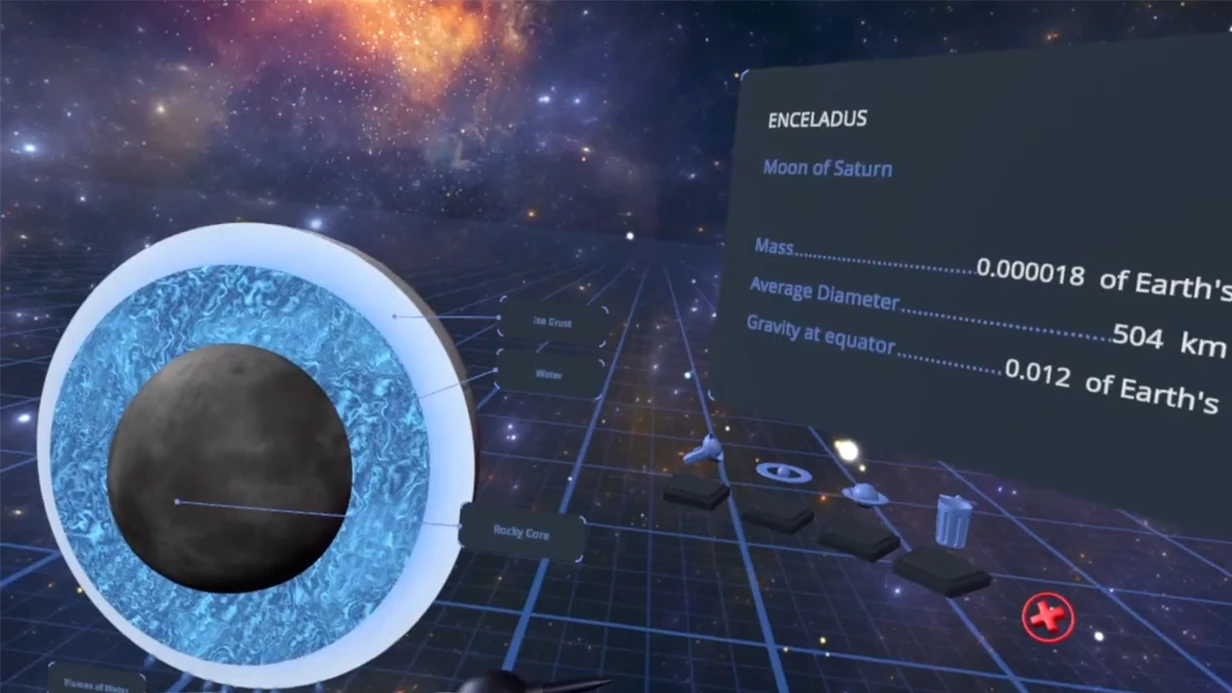
אם האוסף הוא תלת-ממדי — פיסול, ארכיאולוגיה, טכנולוגיה — המבקר צריך לראות את הפריט מכל הצדדים, ולכן נדרש פורמט עם סקירה מפורטת.
עבור ציורים, גרפיקה ומסמכים, המפתח הוא שחזור מדויק של צבע ומרקם; כאן, אולמות "שטוחים" עם יכולת זום עובדים טוב יותר. עבור אוספים מעורבים, מבנה היברידי הוא אופטימלי, שבו חלק מהפריטים מוצגים בתלת-ממד ואחרים כתמונות באיכות גבוהה.
הגורם השני הוא מטרות המוזיאון. אם אתם צריכים להרחיב את הקהל ולהציג את האוסף למי שלא יכול לבקר, סיור כללי עם ניווט מספיק.
אם המשימה היא חינוך וביקורים חוזרים, הוסיפו שכבות אינטראקטיביות: סיפורים מאחורי המוצגים, מדריך שמע, חידונים. אם אתם רוצים למשוך נותני חסות ושותפים, כדאי ליצור גרסת פרימיום עם חומרים בלעדיים וגישה מוגבלת לאורחי VIP.
התקציב חשוב לא פחות. תערוכה וירטואלית יכולה להיות פתרון קומפקטי לכמה מוצגים או עותק מלא של האולם. אנחנו עוזרים לכם לבחור את ההיקף שמתאים ליכולותיכם: אפשר להתחיל עם אזור מרכזי אחד ולהרחיב את האוסף בהדרגה.
במקביל, ההשקעה מחזירה את עצמה דרך עניין גובר, מכירות כרטיסים ומשיכת מענקים. עלות הפורמט הבסיסי מחושבת לאחר ביקורת; מעבר לכך, הכל תלוי במספר הפריטים וברמת הפירוט.
לבסוף, קחו בחשבון את המוכנות הטכנית של הצוות שלכם ואת מצב האוסף. אם כבר יש לכם תמונות ותיאורים באיכות גבוהה, הדיגיטציה תהיה מהירה יותר. אם אין חומרים, אנחנו מטפלים בצילום ובעיבוד בעצמנו.
אתם תמיד יכולים להתייעץ איתנו: שלחו מידע על האוסף, המטרות והתקציב, ואנחנו נציע 2–3 אפשרויות פורמט עם הבדלים בלוח הזמנים ובעלות. כך תקבלו תערוכה וירטואלית שפותרת את משימות המוזיאון, לא רק תמונה יפה.
תשובות לשאלות על תערוכה דיגיטלית
תערוכה דיגיטלית פותחת את האוסף לאורחים שאינם יכולים לבקר פיזית ומגבירה את ההכרה במוזיאון. לפני תחילת פרויקט, למנהלים יש פעמים רבות שאלות מעשיות — כאן אנחנו עונים על הנפוצות ביותר כדי שתבינו את התהליך ואת התוצאה.
כמה זמן לוקחת דיגיטציה של אוסף?
לוח הזמנים תלוי בהיקף ובפורמט החומרים. תערוכה קטנה אפשר לדיגיטציה תוך כמה שבועות; עבור אוספים גדולים, אנחנו יוצרים לוח זמנים בשלבים. אתם מקבלים תוכנית עבודה מראש ויכולים לראות באיזה שלב נמצא הפרויקט.
האם המקוריים ייפגעו והאם הנתונים מאובטחים?
המקוריים נשארים במוזיאון ולעולם לא עוזבים את שטחו — אנחנו עובדים עם חומרים ארכיוניים או מגיעים אליכם. עותקים דיגיטליים מאוחסנים בשרתים מאובטחים עם גיבויים, ואתם שולטים בגישה אליהם. החוזה מפרט את הזכויות ואת נוהל השימוש בחומרים.
האם נדרש ציוד מיוחד?
לא המוזיאון ולא המבקרים יצטרכו ציוד נוסף. התערוכה הווירטואלית נפתחת בדפדפן רגיל במחשב, טאבלט או סמארטפון. המבקרים צריכים רק קישור — אין מה להתקין או להגדיר. הממשק נוח גם עם עכבר וגם עם מסך מגע.
האם קשה לשלב את התערוכה באתר הנוכחי?
אנחנו נכין מדור נפרד או נטמיע את התערוכה בעמוד הדרוש באתר. האינטגרציה אורכת פחות זמן מהדיגיטציה עצמה ואינה דורשת עיצוב מחדש של המשאב. לאחר ההשקה, אנחנו עוזרים לצוות לעדכן תוכן ולהוסיף מוצגים חדשים.
מה קורה אחרי הפנייה שלכם: הצעדים הבאים
לאחר שתשלחו פנייה לתערוכה וירטואלית, ניצור איתכם קשר תוך יום עסקים אחד. ראשית, אנו עורכים ייעוץ ראשוני: מבהירים את המשימות, היקף האוסף והתוצאה הרצויה. בשלב זה, מתמקדים בהבנת הצרכים.
לאחר מכן המומחים שלנו מעריכים את עלות הדיגיטציה: אנו בוחנים את הרכב האוסף, מספר המוצגים, פורמטי החומרים ולוח הזמנים. אתם מקבלים הערכה שקופה ללא עמלות נסתרות.
לאחר אישור ההערכה, אנו עורכים תוכנית עבודה: סדר הדיגיטציה, עיבוד החומרים, יצירת המרחב הווירטואלי ובדיקות. זהו לוח זמנים עם אבני דרך — אתם תמיד רואים באיזה שלב נמצא הפרויקט.
מה אתם מקבלים אחרי הפנייה שלכם:
- מענה תוך יום עסקים אחד.
- ייעוץ ראשוני עם מומחה לתערוכות וירטואליות ואולמות תצוגה תלת-ממדיים.
- הערכת עלות הדיגיטציה עבור האוסף.
- תוכנית עבודה מפורטת עם שלבים ולוחות זמנים.
- היכולת להתאים משימות לפני ההתחלה.
אנחנו עובדים לפי תקן ניהול האיכות ISO — התהליך שקוף, וכל ההסכמות מתועדות. לאחר אישור התוכנית, אתם מקבלים מנהל פרויקט אישי שעונה על שאלות בכל שלב.
גישה זו מאפשרת למוזיאונים וגלריות להשיק תערוכות וירטואליות ללא כאוס ועבודה חוזרת. ההערכה, התוכנית והיקף העבודה נשארים בכתב.