



אילו דוגמאות לתצוגות תערוכה מביאות לידים אמיתיים?
כל מנהל יודע איך נראה דוכן תערוכה קלאסי: עיצוב עמוס, גרפיקה גנרית, ומשווקים שמחכים שהמבקרים ייגשו אליהם בכוחות עצמם.
דוכן כזה דוחה לקוחות בשקט — יש חשיפה, אבל אין שיחות, ולידים הולכים לאיבוד בשניות הראשונות. המבקר מעיף מבט, לא מוצא שום דבר מעניין, ועובר למתחרה.
בינתיים, תקציב ההשתתפות זהה לכולם, אבל התוצאות משתנות פי כמה מחברה לחברה.
דוגמאות נכונות של דוכני תערוכה עובדות כמו מגנטים: הן עוצרות את העין, יוצרות רגש, ומובילות את המבקר לשיחה. מדד ההצלחה הוא לא מספר הפרטים, אלא מספר הלקוחות הפוטנציאליים שמשאירים את פרטי הקשר שלהם אחרי המפגש עם הדוכן. המרה היא הקריטריון המרכזי שגורם להשתתפות בתערוכה להשתלם.
זו הסיבה שאנחנו מתמקדים בתערוכות וירטואליות ובאולמות תצוגה בתלת-ממד.
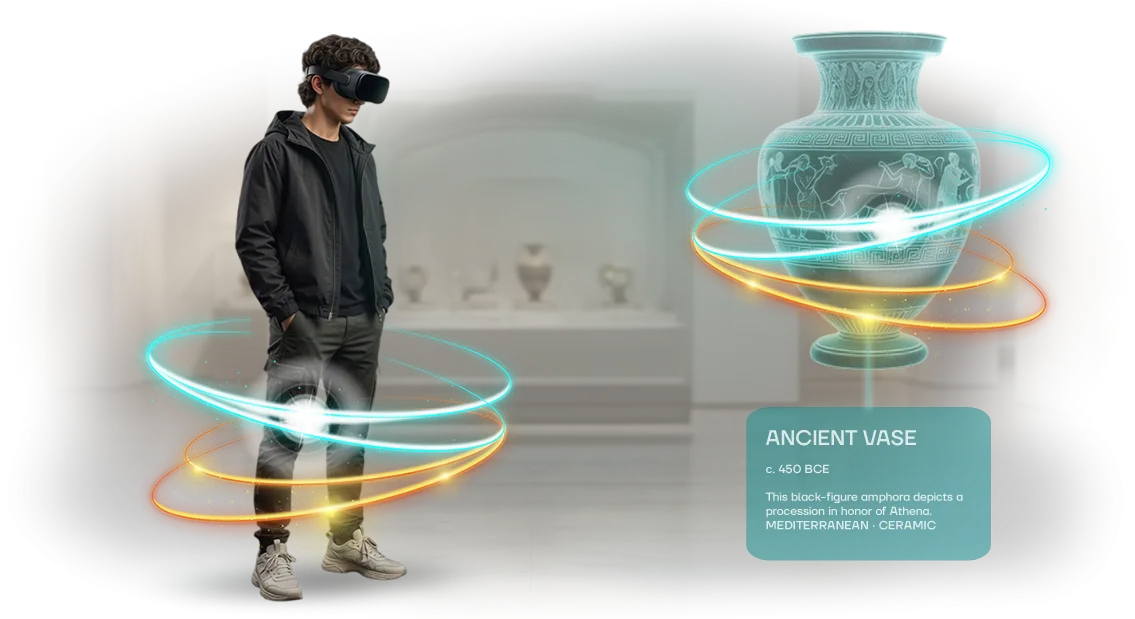
הפורמט הדיגיטלי מאפשר להציג את המוצר באור הטוב ביותר ללא המגבלות של דוכן פיזי: המבקר חוקר את הפרטים בעצמו, ואנחנו מתכננים את התרחיש מראש כדי לכוון אותו לפנייה.
דוכן כזה נבנה תוך מספר שבועות וניתן לעדכן אותו בקלות לכל אירוע. ואחרי שהאירוע מסתיים, אולם התצוגה ממשיך לעבוד כקטלוג וממשיך לייצר לידים ללא השקעה נוספת.
בכנס תעשייתי אחד, TechExpo, משתתפים שעברו דרך אולם התצוגה הדיגיטלי שלנו השאירו את פרטי הקשר שלהם פי אחד וחצי עד פעמיים יותר מאשר מבקרים בתערוכה רגילה.
כבר עזרנו לחברות בתעשייה, בקמעונאות ובשירותים עסקיים להכפיל את מספר הפניות מתערוכות. ספרו לנו על המשימה שלכם — ואנחנו נציע פתרון שהופך את ההשתתפות שלכם לזרם קבוע של לידים.
מה מקבלים מתערוכה וירטואלית: 4 יתרונות מרכזיים
תערוכה וירטואלית היא לא רק מודל תלת-ממד יפה, אלא כלי מכירה לכל דבר. היא עובדת מסביב לשעון, לא תלויה בלוח האירועים, וממשיכה להביא פניות זמן רב אחרי שהדוכן הפיזי פורק. עבור עסקים, זה אומר ארבעה יתרונות ישירים.
ראשון — מודעות למותג. דוכן וירטואלי קל להטמעה באתר, לשליחה בניוזלטר, או להשארה כלינק ברשתות החברתיות. מבקרים זוכרים את החוויה האינטראקטיבית הבהירה, משתפים אותה עם עמיתים, והחשיפה גדלה ללא תקציב פרסום נוסף. כל צפייה כזו עובדת עבור התדמית שלכם כיצרן אמין ומודרני.
שני — משיכת תשומת לב. בניגוד לעמוד סטטי עם תמונות, תערוכה וירטואלית מחזיקה אדם פי כמה יותר זמן. הם פותחים חלונות ראווה בעצמם, בוחנים את המוצר, מפעילים הדגמה — עניין נולד באופן טבעי, לא בכפייה. מעורבות גבוהה מגדילה את הסיכוי שהמבקר יזכור את החברה שלכם בין המתחרים.
שלישי — יצירת לידים. בתוך הדוכן אפשר להציב בקלות טופס פנייה, כפתור ליצירת קשר עם מנהל, או כרטיס ביקור וירטואלי. אתם רואים מי ביקר, באילו מוצרים הסתכל, ויכולים לפנות בזמן. זה הופך ביקור פשוט לפניות אמיתיות ולעסקאות נוספות.
רביעי — חיסכון. השכרת שטח פיזי בתערוכה גדולה עולה סכום נכבד, בלי לספור הקמה, לוגיסטיקה ונסיעות. הפורמט הווירטואלי עולה פי כמה פחות ומשמש לאורך כל השנה.
ברגע שמשקיעים בפיתוח, מקבלים ערוץ רכישת לקוחות קבוע ללא תשלומים חודשיים עבור שטח.
כבר יצרנו דוכנים וירטואליים כאלה ליצרנים ומפיצים, וכל אחד מהם החזיר את ההשקעה דרך הפחתת עלויות ההשתתפות הפיזית. אם אתם רוצים להפיק את המרב מהתערוכה שלכם — נעזור לכם לתכנן פתרון למשימות שלכם.
פורמטים של תערוכה וירטואלית ואולם תצוגה בתלת-ממד למשימה שלכם
לפני השקת מתחם וירטואלי, חשוב להבין איזה פורמט יניב את התוצאה המקסימלית לעסק שלכם. חלק מהחברות צריכות רק קטלוג עם מודלים תלת-ממדיים, אחרות צריכות סיור וירטואלי מלא בדוכן.
ההבדל הוא בעומק המעורבות של המבקר ובכמות הערך למחלקת המכירות שלכם.
להלן השוואה בין הפורמטים המרכזיים שאנחנו מיישמים במפתח פתוח. בחרו את זה שפותר את המשימה שלכם: הצגת מגוון מוצרים, קיום מצגת, או איסוף מאגר אנשי קשר.
| פורמט | למי זה מיועד | מה זה נותן ללקוח |
|---|---|---|
| קטלוג מקוון | חברות עם מגוון מוצרים רחב | הצגת מוצרים מהירה ללא תלות במקום, לינקים נוחים ללקוחות |
| אולם תצוגה בתלת-ממד | יצרנים ומפיצים | הדגמה ויזואלית בפרופורציות אמיתיות, אמון מוגבר במוצר |
| סיור וירטואלי בדוכן | משתתפי תערוכות ואירועים | תחושת נוכחות, המבקר חוקר את התערוכה בעצמו ונשאר זמן רב יותר עם המותג |
| תערוכה מקוונת אינטראקטיבית | מארגני אירועים ועמותות | שילוב דוכנים רבים על פלטפורמה אחת, איסוף סטטיסטיקות ולידים |
כל פורמט מותאם למותג שלכם ולתרחיש מעורבות המבקרים: מהעיצוב ועד ללוגיקת התקשורת עם מנהלים. אנחנו גם משלבים פורמטים — למשל, אולם תצוגה עם סיור וירטואלי בדוכן ובקשת התקשרות חוזרת משולבת. נעזור לכם לבחור את האפשרות למשימה ולתקציב שלכם, ואז נבנה את הפלטפורמה במפתח פתוח.
כתוצאה מכך, אתם מקבלים כלי שעובד עבור מודעות למותג ומכירות לאורך כל השנה, לא רק בימי התערוכה. מבקרים רואים את המוצר בפירוט, והצוות שלכם מקבל נתוני ביקוש ברורים ואנשי קשר חמים.
איך אנחנו יוצרים תערוכה וירטואלית: 7 שלבים מבריף ועד השקה
בנינו את התהליך כך שתראו תוצאות בכל שלב — בלי המתנות ארוכות או הפתעות. כל שלב מסתיים בתוצר קונקרטי שאתם מאשרים, ואתם מקבלים את הגרסה הסופית במסגרת הזמן המוסכמת.
- בריף. אנחנו צוללים לתוך המשימות והקהל שלכם, ומתעדים מטרות, ציפיות ומגבלות. אתם מקבלים מפרט טכני ברור שמגן מפני שינויים מיותרים בדרך.
- קונספט. אנחנו מציעים תרחיש למתחם הווירטואלי: איך המבקר נע, אילו אזורים ואובייקטים אינטראקטיביים יופיעו. אתם רואים את הכיוון לפני תחילת העיצוב.
- עיצוב. אנחנו יוצרים מודלים תלת-ממדיים, תאורה, חומרים ואווירה. אתם מאשרים את הוויזואליזציות, ורק אז עוברים לפיתוח.
- פיתוח והרכבה. אנחנו משלבים עיצוב עם פונקציונליות: ניווט, אנימציות, סרטונים ומסמכים. אנחנו עובדים על מנוע מקצועי כדי שהתערוכה תיפתח בצורה אמינה בכל מכשיר.
- בדיקות. אנחנו בודקים את התרחיש במכשירים שונים ובמהירויות אינטרנט שונות, ומתקנים כל מה שעלול להפריע למבקר. אתם מקבלים גרסה יציבה לתצוגה מקדימה.
- השקה. אנחנו מפרסמים את התערוכה דרך לינק, מטמיעים אותה באתר שלכם או בפלטפורמת האירוע. אנחנו עוזרים להגדיר גישה ולוודא שהכל עובד בתנאים אמיתיים.
- תמיכה. אנחנו עוקבים אחר הביצועים, מעדכנים תוכן, מוסיפים דוכנים וחומרים. אתם לא נשארים לבד עם הפרויקט — אנחנו נשארים בקשר אחרי ההשקה.
מה כלול במסירת פרויקט תערוכה וירטואלית
אנחנו לא מוסרים רק קבצים — אתם מקבלים מוצר דיגיטלי שלם וכל מה שצריך לתפעול השוטף שלו. המסירה מכסה את כל הצרכים: מעיצוב ותוכן ועד הכשרת צוות ותמיכה בשבועות הראשונים. הנה בדיוק מה שכלול בחבילה:
- מודלים של דוכנים וחללים. כל האזורים המרכזיים — מקבוצת הכניסה ועד חדרי ישיבות — בסגנון אחיד, תוך התחשבות בספר המותג ובלוגיקת זרימת המבקרים.
- אלמנטים אינטראקטיביים. ניווט בין אולמות, תיאורים קופצים של מוצגים, סרטונים ותמונות באיכות גבוהה. האורח חוקר את התערוכה באופן עצמאי, בלי לחכות לעזרה של מנהל.
- פאנל ניהול. אתם משנים טקסטים, תמונות, חדשות ולוחות זמנים בלי לערב מפתחים. שינויים לוקחים דקות, לא ימים.
- הוראות ונהלים. מדריכים קצרים על השקה, הגדרה ותרחישים טיפוסיים: איך פותחים את התערוכה, מוסיפים חומר ומזמינים אורחים.
- הכשרת מנהלים. אנחנו מקיימים 2-3 מפגשים מעשיים לצוות שלכם: העובדים לומדים להוביל סיור, להדגים פונקציונליות ולענות על שאלות מבקרים.
- תקופת ניסיון. יחד אנחנו בודקים ביצועים במכשירים ותרחישים אמיתיים לפני הפתיחה הרשמית. אתם רואים איך התערוכה מתנהגת בשימוש אמיתי.
- תמיכה לאחר מסירה. במהלך תקופת ההסתגלות, יש לכם קו ישיר למהנדס שלנו לייעוץ ופתרון מהיר של בעיות.
זו חבילה מלאה, לא קבצים מפוזרים: כל פריט נבדק מול רשימת בדיקה, ואחרי ההכשרה אתם יכולים להפעיל את התערוכה בעצמכם. זו הסיבה שהפרויקט לא נשאר "על הנייר" — הוא מתחיל לעבוד עבור המותג שלכם ומניב תוצאות מהיום הראשון.
מקרה בוחן: איך אולם תצוגה וירטואלי הכפיל המרה
הלקוח השתתף באופן מסורתי בתערוכה תעשייתית: שכירת שטח, בניית דוכן, צוות משווקים. ההוצאות כוסו, אבל זרימת המבקרים הייתה מוגבלת לתאריכים ולמיקום — אחרי סגירת התערוכה, העניין במוצרים דעך.
הצענו ליצור אולם תצוגה וירטואלי לחברת Name ששיקף את דוכן התערוכה. במרחב התלת-ממדי, הקונה בוחן את המוצרים מכל זווית, מסובב דוגמיות, ושואל שאלות בצ'אט — בלי לנסוע למקום. המוצר נראה אמיתי לחלוטין, כך שהאמון במותג גבוה יותר.
הפורמט הזה מועיל במיוחד למחזורי מכירה ארוכים: הלקוח חוזר לאולם התצוגה, משווה דגמים, ומקבל החלטה בלי לחץ מצד מנהל.
מספרים אחרי ההשקה
במהלך האירוע, ההמרה לפניות הוכפלה, ומספר הפניות מאזורים אחרים גדל בכמעט שליש. החשיפה לקהל הייתה רחבה פי 4 ממספר המבקרים הפיזיים בדוכן: הלינק שותף באופן פעיל על ידי אלה שלא יכלו להגיע אישית.
אחרי התערוכה הראשונה, אולם התצוגה נשאר פתוח ללקוחות קבועים. עכשיו הלקוח משתמש בו גם כקטלוג מוצרים וגם כתחליף לאולם הדגמה יקר למשא ומתן מרחוק. קיבלנו הזמנה חוזרת לעונה החדשה לפני שהדוכן אפילו נבנה — המכירות נמשכו.
שאלות נפוצות על פיתוח תערוכות וירטואליות
לפני הזמנת תערוכה וירטואלית, לקוחות מודאגים לרוב מלוחות זמנים, עלות, מורכבות וערבויות יציבות. אספנו תשובות לשאלות אלה — קצרות ולעניין.
כמה זמן לוקח הפיתוח?
דוכן בסיסי לוקח 1-2 שבועות, אולם תצוגה מלא לוקח חודש עד חודש וחצי. לוחות הזמנים קבועים בחוזה, ואנחנו מציגים גרסאות ביניים.
כמה זה עולה?
המחיר תלוי בהיקף: העלות מחושבת אחרי בדיקה. אחרי הבריף, אנחנו נותנים לכם שתיים או שלוש אפשרויות תקציב.
אפשר לראות דוגמאות של דוכנים?
התיק כולל מקרים ליצרנים ולקמעונאים. במהלך שיחה, אנחנו מציגים הדגמות של פתרונות דומים כדי שתוכלו לראות את התוצאה לפני ההתחלה.
האם קשה לנהל?
המרחב אינטואיטיבי: מבקרים נעים, מתקרבים לאובייקטים וקוראים חומרים. מנהלים צריכים רק מפגש הכשרה אחד — הכל נפתח דרך לינק בדפדפן.
אילו ערבויות יציבות יש?
הערבויות קבועות בחוזה. בימי אירוע, אנחנו עוקבים אחר הביצועים ומשתמשים בארכיטקטורת שרתים אמינה — כל תקלה מטופלת תוך שעה.
מוכנים להשיק את התערוכה הווירטואלית שלכם? בואו נדבר על הפרויקט
לעשות את הצעד הראשון קל יותר ממה שזה נראה. השאירו פנייה — ואנחנו נטפל בכל הארגון: מייעוץ ועד השקת התערוכה הווירטואלית המוכנה.
אתם לא משלמים על שום דבר מיותר: היקף העבודה וההערכה קבועים לפני ההתחלה ולא משתנים בדרך.
מה אתם מקבלים אחרי פנייה אלינו:
- ייעוץ ראשוני — נסקור את המשימות שלכם, קהל היעד ומטרות התערוכה כדי להציע פתרון שמניב תוצאות.
- הערכת עלות וזמן להיקף שלכם: מדוכן בודד ועד ביתן וירטואלי שלם, עם הערכה שקופה וללא עמלות נסתרות.
- תוכנית פעולה עם שלבים ואבני דרך — אתם תמיד יודעים מה קורה ומתי התוצאה תהיה מוכנה.
- הכנת הפרויקט והשקה: אנחנו מטפלים בפיתוח, תוכן, בדיקות ופרסום בעצמנו.
- הכשרת הצוות שלכם לעבודה עם המרחב הווירטואלי — אין צורך בכישורים מיוחדים או ידע טכני.
- תמיכה לאחר ההשקה: אנחנו עוזרים לעדכן את התערוכה, להוסיף דוכנים חדשים ולהצמיח את התערוכה יחד עם העסק שלכם.
השאירו פנייה — ניצור קשר תוך יום עסקים אחד, נברר את הפרטים ונכין הצעה אישית. אתם יכולים להתחיל את הפרויקט מיד אחרי הסכמה על התוכנית וההערכה.
איך לבחור את הפורמט הנכון לתעשייה שלכם?
בחירת פורמט תערוכה וירטואלית מתחילה לא ביכולות טכניות, אלא בתשובה לשאלה פשוטה: מה הלקוח שלכם צריך להרגיש ולעשות אחרי הביקור?
יצרן של ציוד מורכב צריך את היכולת לבחון את המוצר בפירוט מכל זווית ולראות אותו בפעולה. מפיץ בגדים או רהיטים צריך את האווירה של אולם תצוגה שבו אפשר "להסתובב" בין חלונות ראווה ולדמיין את המוצר במרחב אמיתי. חברת שירותים צריכה ניווט ברור וקשר מהיר עם מנהל כדי שלידים לא ילכו לאיבוד.
לכל תעשייה יש פורמט שעובד. מפעלים תעשייתיים ירוויחו מאולמות תצוגה אינטראקטיביים בתלת-ממד שמתמקדים בבנייה, בקנה מידה ובפרטים טכניים — כאן הקונה מקבל החלטה שקולה, ולכן חשוב לספק מידע מקסימלי בלי עומס יתר.
מותגי אופנה ולייף סטייל ירוויחו מביתנים וירטואליים סוחפים שיוצרים מצב רוח, מעוררים רגש ואת הרצון לשתף את החוויה ברשתות החברתיות.
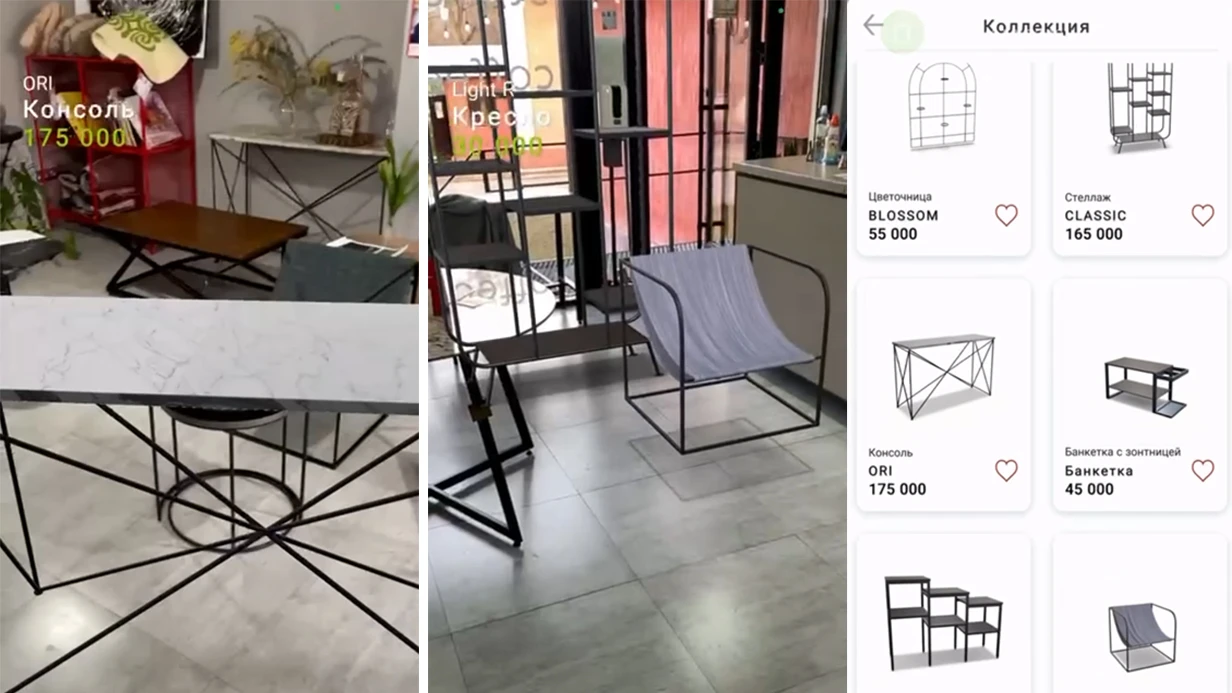
קמעונאות תרוויח מחנות וירטואלית שבה אפשר ללחוץ על מוצר, לראות את ההרכב, המחיר, ולהמשיך ישירות להזמנה.
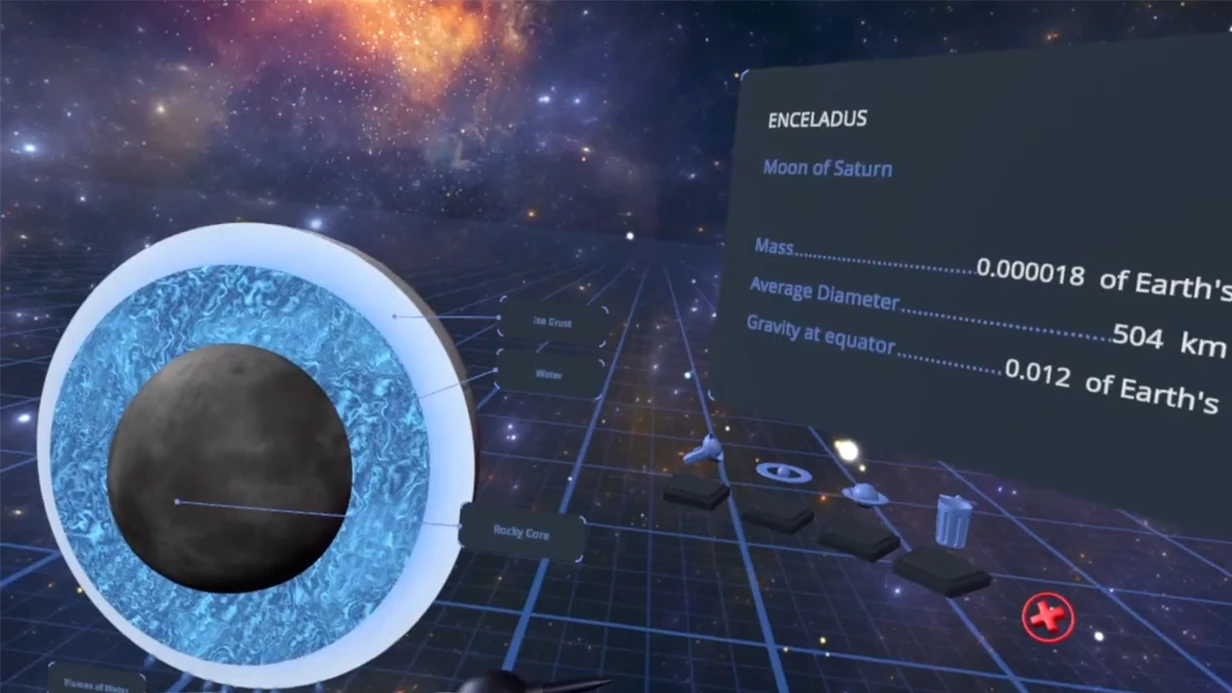
פרויקטים חינוכיים ותרבותיים ירוויחו מסיורים וירטואליים עם קו עלילתי שמחזיק תשומת לב ומנחה את המבקר דרך "נרטיב".
רוב הטעויות קורות כשמעתיקים פתרונות טרנדיים בלי התחשבות בנישה. מה שעובד לציוד B2B ייראה רשמי מדי למותג ילדים, בעוד פורמט בידורי יגרום לחוסר אמון בקרב קונים ארגוניים.
לפני שמזמינים לקוח לבקר בתערוכה, העריכו: מה רמת המודעות שלו למוצר, כמה זמן הוא מוכן להשקיע בחקירה, ואילו התנגדויות צריך לטפל בהן.
זה מה שקובע את מבנה המרחב, את מספר הצעדים לפעולת היעד, ואת עומק הפירוט של האובייקטים.
אנחנו בוחרים את הפורמט לפי המשימה הספציפית שלכם, תוך שימוש בדוגמאות מוכחות של דוכני תערוכה מהתעשייה שלכם.
אם אתם לא בטוחים איזו אפשרות תעבוד — התחילו בייעוץ מקדים, שבו ננתח את הקהל והמתחרים שלכם ונציע פתרון שבאמת מוכר, לא רק נראה מרשים.