

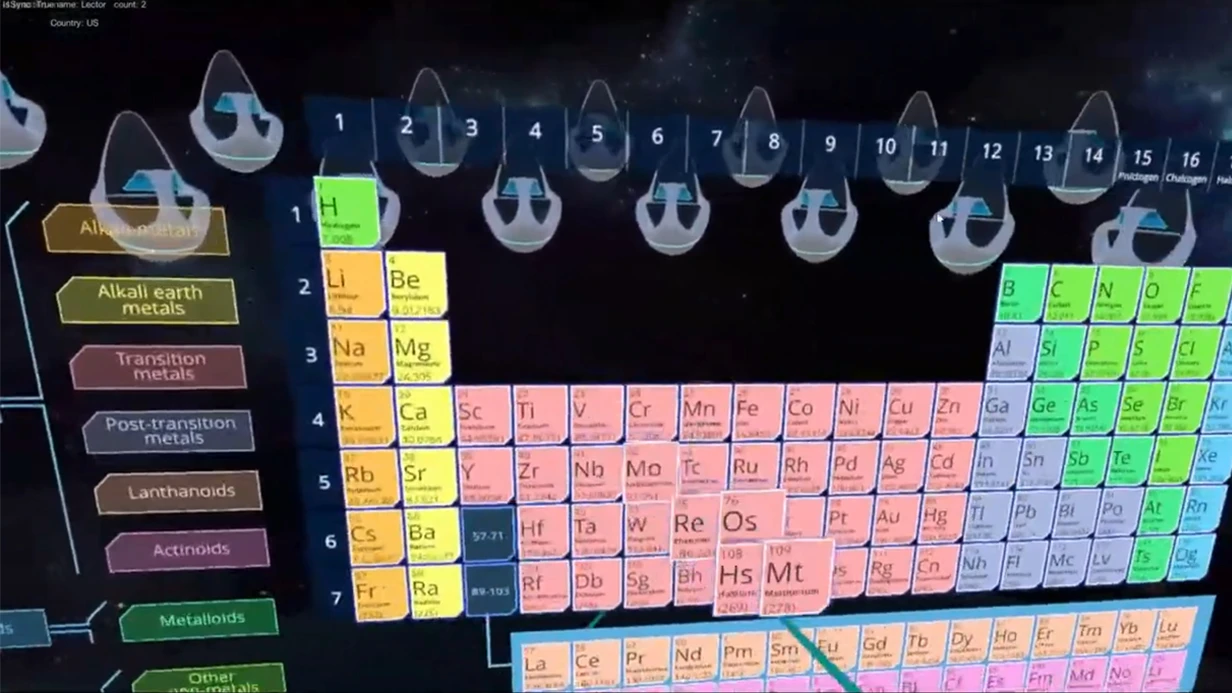


תערוכות וירטואליות של ציוד לייצור תרופות
ציוד מפתח לייצור תרופות הוא לא משהו שאפשר להציג בדוכן רגיל.
קווי מילוי, כורים ומערכות אריזה משתרעים על פני עשרות מטרים ושוקלים טונות: להביא דוגמה לתערוכה זה קשה, והקונה מקבל החלטה בלי לראות את המכונות בפעולה.
כאן אובד חלק משמעותי מהעסקאות הפוטנציאליות: לקוח ארגוני הולך למתחרה שהצליח להציג את המוצרים שלו בצורה ברורה יותר.
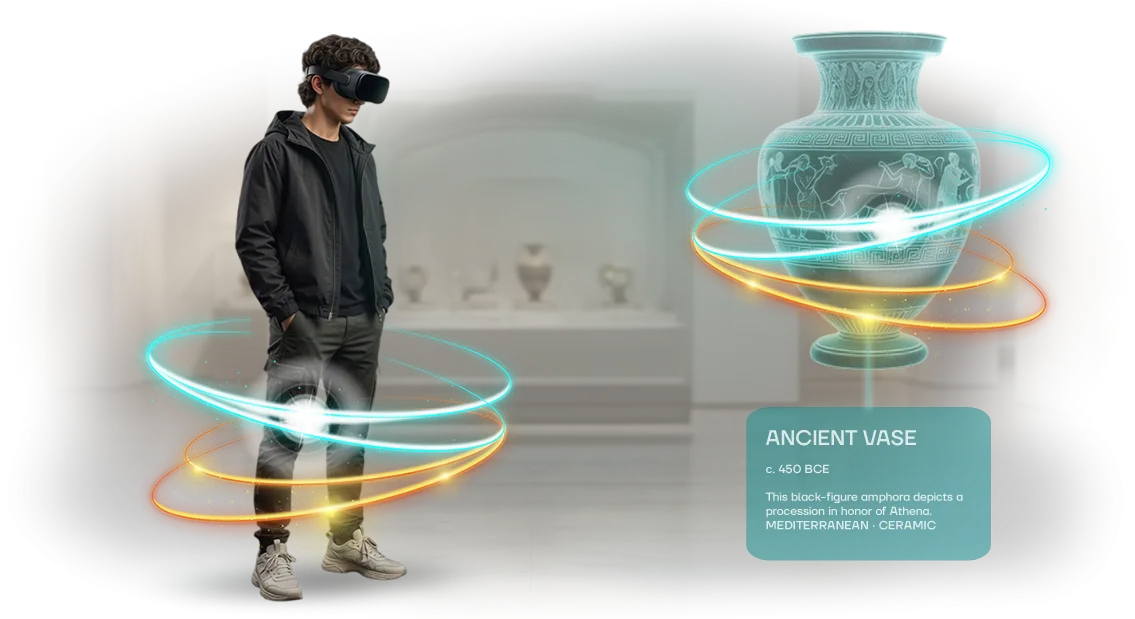
תערוכות וירטואליות וחדרי תצוגה בתלת-ממד פותרים את הבעיה הזו. אנחנו יוצרים מרחב דיגיטלי שבו אפשר לבחון ציוד לייצור תרופות מכל צד, "לפתוח" את הרכיבים שלו, ולשנות את זווית הצפייה בלחיצה אחת.
הקונה מקבל מושג חי על ההיקף והמבנה בלי לנסוע לאתר הייצור — כלי שיווק B2B שמאיץ משאים ומתנים ומגביר את האמון בספק.
אנחנו דואגים להקמה הטכנית של חדר תצוגה כזה: אנחנו יוצרים מודלים תלת-ממדיים משרטוטים, מגדירים תרחישי הדגמה ומשיקים את התערוכה על כל מכשיר.
המומחים שלכם לא צריכים להתקין תוכנות מורכבות, והלקוחות מקבלים גישה דרך קישור או על מסך בחדר הישיבות. הפורמט הזה עובד מסביב לשעון ולא דורש נוכחות של מהנדס לצורך ההדגמה.
התוצאה העיקרית — ההמרה לעסקה גדלה כבר במצגת הראשונה. הלקוח מתלבט פחות לגבי המפרטים ומאשר את הרכישה מהר יותר, ואנחנו מלווים את הפרויקט מהבריף ועד ההשקה ומכינים תשובות עוד לפני שהשאלות עולות.
אילו יתרונות העסק שלכם יקבל
חדר תצוגה וירטואלי הוא לא רק מודל תלת-ממדי אלא כלי עבודה שמועיל לכל מחלקה. השיווק מקבל פורמט מצגת מודרני, המכירות מקבלות נתיב מהיר להחלטת לקוח, וההנהלה מקבלת מדדים שקופים וחיסכון בתקציב.
לשיווק
חדר תצוגה תלת-ממדי איכותי הופך את הציוד למוחשי עוד לפני הפגישה עם הלקוח. במקום תמונות סטטיות וקטלוגי PDF — אובייקט אינטראקטיבי: אפשר לבחון אותו מכל צד, לשנות את התצורה ולהראות אותו בפעולה.
זה בונה אמון במותג ומבדל אתכם מהמתחרים, במיוחד בתערוכות בינלאומיות שבהן דוכן וירטואלי זמין מסביב לשעון בלי עלויות שכירת רצפה.
מנקודת מבט תקציבית, היתרון ברור גם כן: אין הוצאות על הובלת ציוד או הדפסת באנרים. חדר תצוגה שנוצר פעם אחת עובד בכל הערוצים — אתר, דיוורים, קטלוגים, מצגות.
למחלקת המכירות
המנהלים מקבלים כלי שמקצר את מחזור העסקה. במקום משאים ומתנים ארוכים עם תמונות ותיאורים — הדגמה חיה: הלקוח מסובב את המודל בעצמו, מתקרב לרכיבים ומפעיל את אנימציית הפעולה.
זה חשוב במיוחד במכירת ציוד תרופתי מורכב שבו טכנולוגים ומקבלי החלטות קובעים את הטון. מוצר ויזואלי מסיר התנגדויות ומאיץ אישורים בתוך החברה של הלקוח.
המכירות הופכות לקלות יותר גם בשווקים בינלאומיים: ההדגמה לא דורשת מהנדס בשטח ולא תרגומים טכניים — הכל ברור בלי מילים מיותרות.
להנהלה
חדר תצוגה וירטואלי הוא השקעה בהישג יד גלובלי. אתם מציגים ציוד ללקוחות בכל מקום בעולם בלי נסיעות עסקים או עלויות לוגיסטיקה. התוצאה ניתנת למדידה: כמה צפיות, אילו פונקציות מעניינות לקוחות, באיזה שלב הם מקבלים החלטה. הנתונים האלה עוזרים לשפר את המכירות ואת המוצר עצמו.
הפיתוח מחזיר את עצמו דרך גידול במגעים איכותיים והמרה גבוהה יותר. הצוות שלנו בונה פתרונות כאלה כבר למעלה מ-10 שנים, כך שאתם מקבלים לא "סתם מודל" אלא כלי מוכן שמשולב במערכת המכירות והשיווק שלכם.
התוצאה היא אחת — אמון גדול יותר, מחזור עסקה קצר יותר, חיסכון בתקציב וכניסה לשווקים חדשים. זו התרומה לצמיחת המכירות של הציוד התרופתי שלכם.
פורמטים של תערוכה וירטואלית לציוד תרופתי
לא תמיד נוח לקונה של ציוד תרופתי לנסוע לתערוכה או להזמין ספק למשרד שלו. אבל הם מוכנים לפתוח קישור ולהסתכל על מכונה, מנתח או קו ייצור בפירוט.
לכן הצוות שלנו בונה תערוכות וירטואליות שעובדות כחדר תצוגה 24/7: בלי עלויות שכירת רצפה ולוגיסטיקה.
ליצרנים
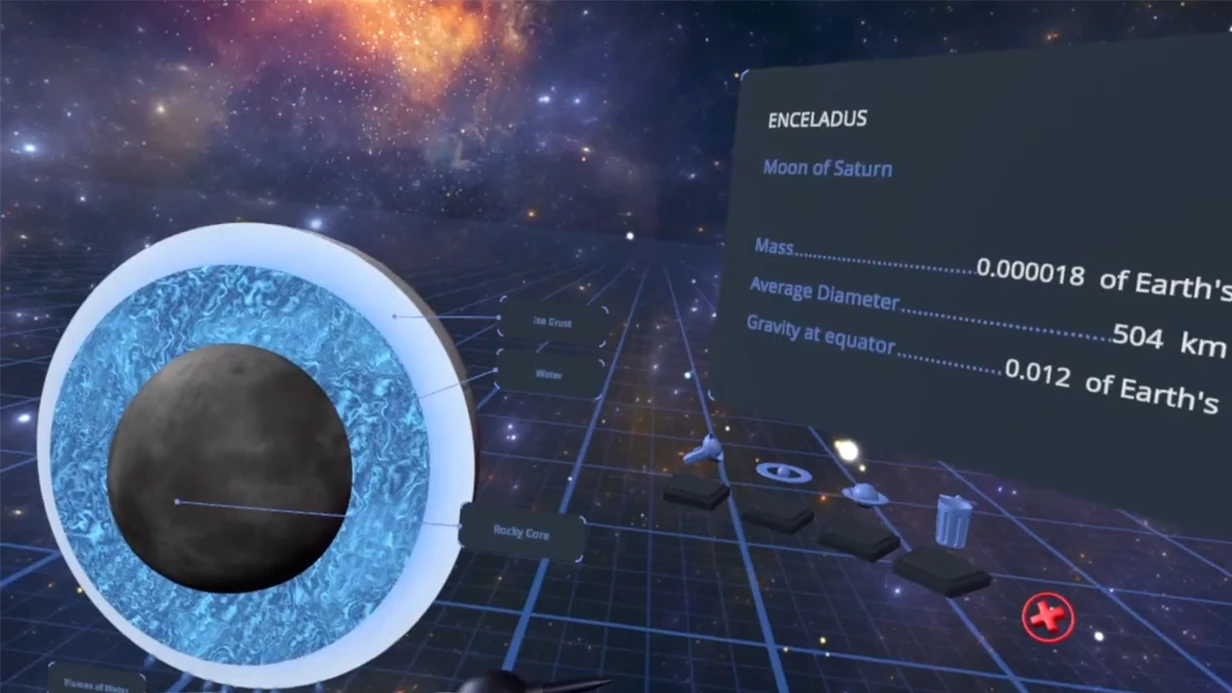
חדר תצוגה תלת-ממדי מציג את הציוד בנפח מלא: אפשר "לפתוח" את המעטפת, לבחון רכיבים ולראות את תנועת המנגנונים. המבקר לומד את המוצר בעצמו — המנהלים לא מבזבזים זמן על שאלות בסיסיות.
עבור מכונות גדולות, חשוב במיוחד להראות קנה מידה וארגונומיה בלי להרכיב אותן באולם הדגמה.
למפיצים
דוכן מקוון הופך לחלק מהמצגת: שלחו קישור — והשותף כבר רואה את המוצר מכל צד, מוריד את המפרט ומשאיר פנייה. סיור וירטואלי באתר הייצור או באתר ההתקנה מוסיף אמון ומקצר את מחזור העסקה.
לתערוכות
פורמט היברידי משלב דוכן פיזי והעותק הדיגיטלי שלו. מי שלא יכול היה להגיע מגיע לתערוכה דרך מסך, ומי שנמצא בשטח משתמש בגרסה הווירטואלית לניווט וייעוץ מהיר. ככה מרחיבים את טווח ההגעה ואוספים אנשי קשר גם אחרי שהאירוע נגמר.
| פורמט | למי | מה זה נותן ללקוח |
|---|---|---|
| חדר תצוגה תלת-ממדי | יצרנים | הבנה מלאה של המוצר בלי נסיעות עסקים או אולמות הדגמה |
| סיור וירטואלי | מפיצים | אמון במוצר, היכרות ברורה עם הייצור וההתקנה |
| דוכן מקוון | מחלקת מכירות | מצגת מהירה דרך קישור, פחות שאלות שגרתיות |
| תערוכה היברידית | משתתפי תערוכה | טווח הגעה מורחב ופניות ממי שלא הגיע פיזית |
לכל משימה אנחנו בוחרים את הפורמט המתאים ומשתמשים בכלי גרפיקה תלת-ממדית מקצועיים כדי שהתמונה תהיה ריאליסטית והניווט אינטואיטיבי. התוצאה היא לא רק חלון ראווה אלא כלי מכירות עובד שמחזק את המומחיות שלכם וחוסך זמן לצוות.
איך עובד פיתוח במפתח מלא
בנינו את תהליך הפיתוח כך שתמיד תבינו באיזה שלב נמצא הפרויקט ומה תקבלו כתוצאה. אין "קופסאות שחורות" — רק שלבים ברורים, אישורים ולוחות זמנים קבועים.
זה חשוב במיוחד עבור ציוד תרופתי מורכב: אתם צריכים לראות איך המוצר ייראה ויפעל לפני שהוא מושק.
-
שלב 1: בריף והתעמקות במשימה. בשיחה, אנחנו קובעים את המטרות: מה בדיוק צריך להראות — קו ציוד, תהליך ייצור או תרחיש הדרכה.
אתם שולחים תמונות, שרטוטים ומצגות — אנחנו מרכיבים את התמונה המלאה ומציעים פתרון טכני במסגרת התקציב שלכם.
-
שלב 2: תוכנית והערכת עלות. אנחנו מכינים תוכנית מפורטת: הרכב המרחב הווירטואלי, מספר המודלים התלת-ממדיים, לוחות זמנים ועלות. אתם מקבלים מסמך שקוף בלי תשלומים נסתרים, מאשרים אותו ומאשרים את ההתחלה.
-
שלב 3: אב טיפוס וקונספט. אנחנו יוצרים את האב-טיפוס האינטראקטיבי הראשון — תוכנית הניווט, הסגנון החזותי והסצנות המרכזיות. אתם רואים איך מבקר ינוע בחדר התצוגה ומה הוא יראה על המסך, ואתם עורכים שינויים לפני שהפיתוח העיקרי מתחיל.
-
שלב 4: פיתוח ותוכן. אנחנו בונים מודלים תלת-ממדיים של הציוד ומוסיפים תיאורים, מפרטים, תמונות וחומרי וידאו.
במקביל, אתם מקבלים גרסאות ביניים — חדר התצוגה מתמלא בהדרגה בתוכן בזמן שאתם עוקבים אחר דיוק הצגת המוצר.
-
שלב 5: אישור ותיקונים. אנחנו מציגים את הגרסה הסופית. אתם בודקים את התרחישים: בדיקת ציוד, פתיחת כרטיסי מוצר, מעבר בין אולמות. אנחנו מתעדים את כל המשוב ומבצעים תיקונים במסגרת ההיקף המוסכם — בלי תוספות מחיר בלתי צפויות.
-
שלב 6: השקה ואינטגרציה. אנחנו ממקמים את חדר התצוגה באתר שלכם או בעמוד נפרד ומגדירים גישה לעובדים וללקוחות. אנחנו בודקים ביצועים על מכשירים שונים — ממחשבים ועד טאבלטים — ומוודאים שהכל נטען במהירות ובאמינות.
-
שלב 7: תמיכה וצמיחה. אחרי ההשקה, אנחנו נשארים בקשר: מעדכנים מודלים, מוסיפים מוצגים חדשים ועוזרים בשאלות טכניות. אם מופיעות משימות חדשות — הרחבת התערוכה או הוספת פיצ'ר — אתם כבר יודעים לאן לפנות.
מה כלול במסירת פרויקט וירטואלי
כשאתם מזמינים פרויקט וירטואלי, אתם מקבלים לא רק מודל תלת-ממדי אלא כלי מכירות מוכן. להלן חבילת המסירה המלאה כדי שתדעו בדיוק מה כלול בעבודה ואילו יכולות הצוות והלקוחות שלכם מקבלים.
חבילה בסיסית
- מתחם וירטואלי מוכן. חדר התצוגה עובד בדפדפן על כל מכשיר — המבקרים לא צריכים להתקין כלום. יצרן ציוד תרופתי יכול להציג מודלים בתלת-ממד, להתקרב לרכיבים, לבחון פרטים ולהעריך את קנה המידה — זה מסיר חסמים במכירת מכונות מורכבות.
- חומרי קידום להזמנת אורחים. באנרים, הודעות וסרטון קצר לדיוורים עוזרים לכם לאסוף קהל במהירות לפתיחת חדר התצוגה ולשמור על עניין.
- גישה לצוות שלכם. אנשי שיווק ומנהלים יכולים לעדכן תיאורי מודלים, להוסיף יחידות ציוד חדשות ולהעביר את המיקוד בעצמם — בלי לערב מפתח.
- מערכת אנליטיקה. אתם רואים אילו מודלים נצפו הכי הרבה זמן, אילו קטעים נפתחו הכי הרבה וכמה זמן אורחים בילו בחדר התצוגה. זה נתונים למחלקת המכירות: הם מראים עניין אמיתי של לקוחות עוד לפני המגע הראשון.
- הדרכה ותמיכה טכנית. אנחנו מעבירים סמינר מקוון לצוות שלכם, מקליטים מדריך וידאו ומספקים מדריך כתוב מפורט. אחרי ההשקה, אנחנו עונים על שאלות ועוזרים להגדיר תהליכים — כך שהעובדים מתעדכנים מהר, והתמיכה הטכנית נשארת איתכם לכל תקופת ההפעלה.
- הוראות מפורטות. אנחנו מתארים את כל התרחישים: איך להיכנס למערכת, להוסיף מודל, לשנות מחירים, לצפות בסטטיסטיקה — כך שכל עובד יכול להבין תוך כמה שעות.
אפשרויות נוספות
- אינטגרציה עם CRM: פניות ונתוני מבקרים נכנסים אוטומטית למערכת שלכם.
- שפות נוספות: תרגום חדר התצוגה לשווקי יצוא.
- עיצוב מותאם אישית: עיצוב בקנה אחד מלא עם זהות המותג שלכם.
- מפגשים וירטואליים מודרכים: אירוח סיורים חיים בחדר התצוגה ללקוחות.
- מודול השוואה: מבקרים יכולים להציב כמה מודלים זה לצד זה ולהשוות מפרטים.
בסופו של דבר, אתם מקבלים כלי עובד שעוזר להציג ציוד תרופתי באור הטוב ביותר בלי עלויות לוגיסטיקה או דוכנים פיזיים. ועם אנליטיקה והדרכה, הצוות יתחיל במהירות להשתמש בחדר התצוגה כערוץ מכירות מלא.
מקרה בוחן: חדר תצוגה וירטואלי ליצרן ציוד
האתגר
יצרן ציוד תרופתי קידם את עצמו באופן מסורתי דרך תערוכות בתעשייה. דוכנים הביאו אנשי קשר אבל בעלות גבוהה, וטווח ההגעה היה מוגבל לכמה ימים של האירוע.
למפיצים וטכנולוגים מערים אחרות היה קשה להעריך מכונות בקנה מידה גדול בלי לבקר במפעל, וכל ביקור כזה דרש תיאום וזמן. כתוצאה מכך, רוב הלקוחות הפוטנציאליים מעולם לא הגיעו להיכרות מפורטת עם המוצרים.
הפתרון
פיתחנו חדר תצוגה וירטואלי ששיחזר את יחידות הציוד העיקריות בפירוט גבוה. מבקר יכול לבדוק את המכונה מכל צד, ללמוד את הרכיבים המבניים שלה ולראות איך המחזור העבודה רץ.
עבור הלקוח, זה עובד כקטלוג אינטראקטיבי זמין 24/7: אין צורך לחכות לתערוכה או לנסיעת עסקים — פשוט פותחים את הקישור. ולמחלקת המכירות, הטמענו מנגנון לכידת אנשי קשר — כל ביקור יכול להפוך לפנייה.
התוצאה
במשך שישה חודשים, חדר התצוגה זכה לביקור של יותר מ-1,500 טכנולוגים ואנשי רכש — כמעט פי שלושה ממה שהחברה אספה בכל דוכני התערוכה בשנה.
מספר הפניות מהאתר גדל ב-40%, וההמרה למשא ומתן מתוזמן גדלה פי 2.5.
הזמן להדגמה הראשונית ירד משעתיים לחמש עשרה דקות: הלקוח מגיע כבר מכיר את המוצר, והמנהל צריך רק לענות על שאלות ספציפיות.
בעקבות החודשים הראשונים, החברה חידשה את החוזה והחלה להכין חדרי תצוגה לדגמים חדשים.
"ציפינו לעניין, אבל לא לאפקט כזה. חדר התצוגה הווירטואלי החזיר את עצמו תוך חודשיים וממשיך להביא לידים כל יום", אומר אלכסיי סמירנוב, המנהל המסחרי ב-PharmProm.
איך לבחור את הפורמט המתאים למשימה שלכם?
אין פורמט "נכון" יחיד — הכל תלוי במטרות שלכם, בלוחות הזמנים ובהיקף המשימה.
לכן כדאי לענות על שלוש שאלות קודם: מה אתם רוצים להראות, באיזו תדירות הפתרון ישמש, ואיזה תקציב מוקצה לקידום.
זה קובע מה יביא את התשואה המקסימלית: סיור וירטואלי קל, חדר תצוגה אינטראקטיבי מלא או מתחם תלת-ממדי רב-תכליתי לעבודה שוטפת.
אם אתם צריכים להציג מוצר במהירות בתערוכה קרובה או בפגישת שותפים, סיור וירטואלי הוא הבחירה האופטימלית.
הוא נוצר בפרק זמן קצר, משתלב בקלות באתר ובדיוורים, והכי חשוב — הוא לא דורש התקנת תוכנה או ציוד מיוחד מהמבקרים.
אורחים פותחים קישור בדפדפן ומיד מוצאים את עצמם בסדנה או באולם ההדגמה שלכם, מה שחשוב במיוחד בעבודה עם לקוחות בינלאומיים שלא יכולים לבקר פיזית.
אם אתם משתתפים בקביעות בתערוכות וכנסים בתעשייה, כדאי לשקול חדר תצוגה תלת-ממדי אינטראקטיבי. הוא מאפשר לפרק ציוד לרכיבים, להראות את המבנה הפנימי ולהדגים עקרונות פעולה בתנועה.
זה משנה את פורמט השיחה עם הקונה: במקום הסבר "על האצבעות", אתם נותנים לו את ההזדמנות ללמוד את המוצר בעצמו בקצב נוח. פתרון כזה מחזיר את עצמו דרך שימוש חוזר — בכל אירוע הבא, אתם פשוט מעדכנים את התוכן.
עבור ייצור תרופתי, התרחיש שבו מודל תלת-ממדי משפר את ההדרכה של מפיצים וטכנולוגים הוא בעל ערך מיוחד.
הדגמה ברורה של קווי מילוי, אריזה או אזורים סטריליים מקצרת את זמן ההטמעה של עובדים חדשים ומפחיתה את הסיכון לשגיאות תפעול. תאום דיגיטלי שנוצר פעם אחת ממשיך לעבוד עבורכם כל הזמן: במכירות, בהדרכה ובתמיכה טכנית.
אנחנו עוזרים לכם להחליט על הפורמט בשיחת ייעוץ: אנחנו מנתחים את המשימות שלכם, הקהל ואופק התכנון. אחרי זה, אנחנו מציעים פתרון שמכסה את הצורך הנוכחי שלכם בלי לשלם יותר מדי על פונקציונליות מיותרת.
אם המשימה תשתנה בעוד שנה, חדר התצוגה מתרחב בקלות — אנחנו מוסיפים מודלים חדשים, תרחישים וגרסאות שפה.
שאלות נפוצות על תערוכות וירטואליות
לפני הזמנת תערוכה וירטואלית, עולות שאלות: פורמט, אבטחה, אינטגרציה, תאימות. עבור יצרן ציוד תרופתי, זה חשוב במיוחד. הנה תשובות לחמש החששות המרכזיים.
מה אם הפורמט לא מתאים לציוד שלנו?
לפני ההשקה, אתם רואים אב טיפוס שנבנה על המודלים והשרטוטים שלכם. אם הניווט או ההצגה לא נוחים, אנחנו משנים אותם לפני המסירה. בסופו של דבר, אתם מקבלים כלי מותאם למוצר שלכם.
האם חדר התצוגה ישתלב באתר הקיים שלנו?
אנחנו משלבים אותו באתר שלכם או בכתובת נפרדת. אנחנו מגדירים העברת פניות ל-CRM וחיבור לקטלוג שלכם — העובדים עובדים במערכת המוכרת, וחדר התצוגה הופך לערוץ מכירות חדש.
עד כמה זה מאובטח עבור הנתונים שלנו?
אנחנו יוצרים אזורים סגורים: גישה דרך קישור או סיסמה, ורק האנשים הנכונים רואים קטלוגים ומפרטים. אתם מחליטים מה להציג בגלוי ומה לחסום מאחורי בקשת יצירת קשר.
האם זה יעבוד על המכשירים של הלקוחות?
זה נפתח בדפדפן על מחשבים ניידים, טאבלטים וסמארטפונים בלי התקנת תוכנות. אנחנו מתאימים אותו לביצועי המכשיר כך שגם מחשבים חלשים יותר ישמרו על תמונה חלקה.
מי יעזור לנו אחרי ההשקה?
אנחנו מוסרים הוראות, מאמנים את הצוות שלכם ונשארים בקשר אחרי ההשקה. עדכון מודל או הוספת מוצר הוא שיפור, לא פרויקט חדש.
גלו את לוח הזמנים והעלות של הפרויקט שלכם
כל פרויקט חדר תצוגה תלת-ממדי לציוד תרופתי הוא משימה אישית. לוחות זמנים ותקציב תלויים במספר המוצגים, ברמת פירוט המודלים ובאיך אתם מתכננים להשתמש באולם הווירטואלי: למפיצים, בתערוכות או ללקוחות באתר שלכם.
לכן הערכה מדויקת בלתי אפשרית בלי בריף — אבל אחרי שיחה קצרה, תקבלו תוכנית ריאלית ומספרים שאפשר לסמוך עליהם.
השאירו פנייה — ותוך יום עסקים אחד נכין חבילה מלאה להחלטה שלכם. מה כלול:
- ייעוץ — אנחנו מפרקים את המשימה שלכם, מראים דוגמאות של חדרי תצוגה בנישה שלכם וממליצים על הפורמט האופטימלי למטרות שלכם.
- חישוב עלות — הערכה שקופה בלי סעיפים נסתרים או תוספות מחיר בלתי צפויות בשלב הפיתוח.
- תוכנית פרויקט — מפת דרכים שלב אחר שלב: שלבים, לוחות זמנים ומה אתם מקבלים בכל שלב.
- אב טיפוס של סצנה מרכזית — אב טיפוס חזותי כדי שתוכלו לראות את הסגנון ורמת האיכות לפני שהפיתוח המלא מתחיל.
- הבטחות — אנחנו קובעים לוחות זמנים ותקציב בחוזה ומסכימים על אבני דרך לאישור לפני ההתחלה.
גישה זו חוסכת את הזמן שלכם: תוך 2–3 ימים מהפנייה שלכם, תדעו מה יעלה הפרויקט, כמה זמן ייקח היישום ואיך הכל יהיה מסודר.
תוכלו להשוות את ההצעה שלנו עם אחרות ולהתחיל את העבודה בביטחון מלא בתוצאה. כשאתם משאירים פנייה, אתם לא מפסידים כלום — אתם רק מרוויחים פרטים שיעזרו לעסק שלכם לקדם את המוצרים שלו מהר יותר.