



קשה למכור מטבח בלי התנסות וירטואלית
לקוחות שקונים מטבחים נתקלים בבעיה מרכזית — הם לא יכולים לדמיין איך המטבח ייראה בדירה שלהם. אפילו תמונות וקטלוגים באיכות הגבוהה ביותר לא מצליחים להעביר את הקנה מידה, העומק, ואיך הצבעים משתלבים עם פנים אמיתי.
כתוצאה מכך, הלקוח מהסס, דוחה את ההחלטה, ולעתים קרובות בסופו של דבר הולך למישהו שיכול להראות את המוצר "במציאות".
זה בולט במיוחד במכירות מקוונות של רהיטי מטבח.
בלי היכולת לראות את המטבח בהקשר של החלל שלהם, משתלט פחד מטעות: "מה אם זה לא יתאים מבחינת גודל, צבע או סגנון." הפחד הזה הוא המניע העיקרי לדחיות, החזרות ועסקאות אבודות, שכל אלה פוגעים בהכנסות ובמוניטין המותג.
התנסות וירטואלית במטבח מסירה את המתח הזה. אנחנו מעבירים את המטבח שלכם למרחב תלת-ממדי שבו הקונה ממקם אותו בעצמו על תכנית הרצפה של המטבח שלו, ומשנה חזיתות, משטחי עבודה ואביזרים בזמן אמת.
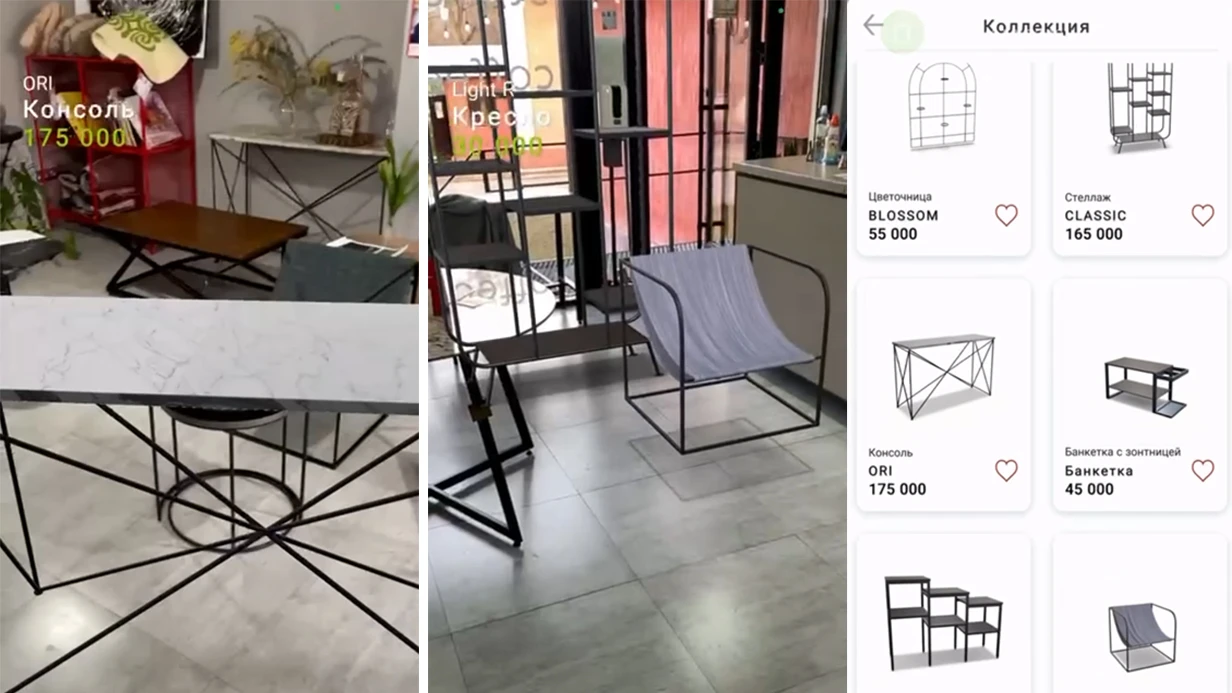
קטלוג אינטראקטיבי של רהיטי מטבח הופך פריטים מפוזרים למרחב אחד שקל לעבוד איתו: להתקרב, לסובב, להשוות אפשרויות גימור.
עבורכם, זהו כלי מכירה שעובד בלי אולם תצוגה ובלי מגבלות גיאוגרפיות. הקונה מקבל החלטה מהר יותר, מבקש החזרות פחות, ומוכן יותר להוסיף מודולים נוספים להזמנה — כי הוא כבר יכול לראות איך הכל משתלב יחד.
והמותג משדר ביטחון ואכפתיות בשלב הבחירה, עוד לפני המגע הראשון עם מנהל.
אנחנו מכסים את הצורך הזה מקצה לקצה: מהתסריט ועד ההשקה. הלקוח מקבל בהירות ודרך קלה לרכישה; אתם מקבלים המרה גבוהה יותר ונאמנות לקוחות — אנשים שחוזרים לקנות עוד רהיטים וממליצים עליכם לחברים.
מה אולם תצוגה וירטואלי עושה לצמיחת המכירות
כשבוחרים מטבח, לקונה כמעט תמיד יש ספקות: איך הדגם ישתלב בחלל אמיתי, האם הוא יתאים לגימורים ולתאורה.
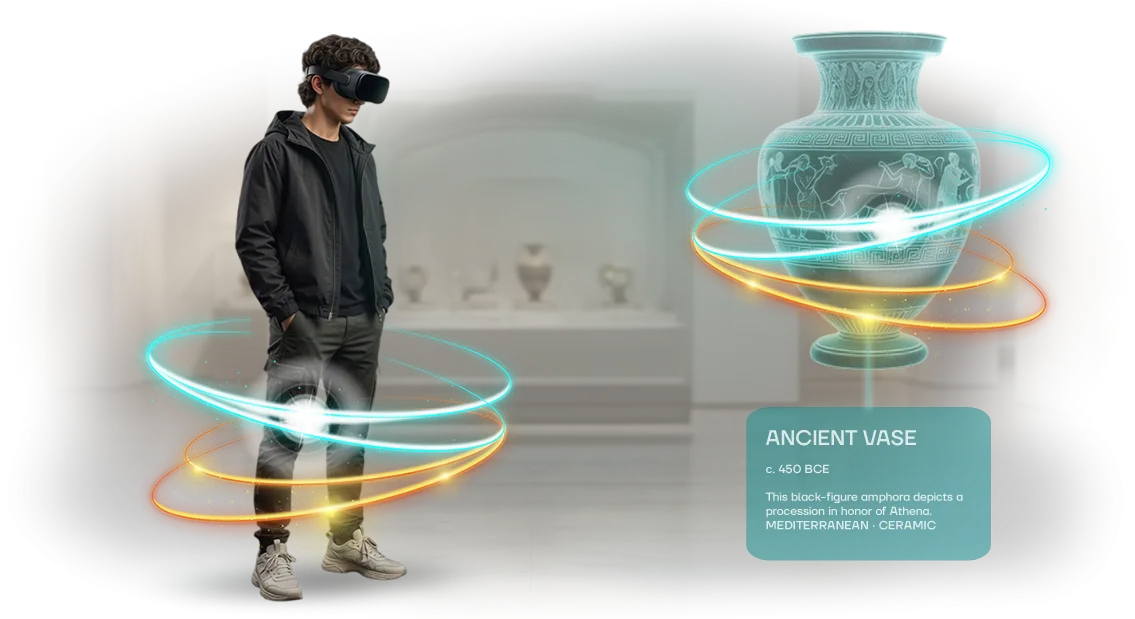
אולם תצוגה וירטואלי מסיר את השאלות האלה לפני שהלקוח בכלל פונה לסלון: האדם נכנס למרחב תלת-ממדי, משנה צבעי חזיתות, מזיז מודולים, ורואה את המטבח העתידי מהזווית הנכונה.
זה הופך גלישה בקטלוג לחוויה רגשית של "זה כמעט כבר שלי", שלאחריה החלטת הרכישה מגיעה מהר יותר ובביטחון רב יותר.
עבור העסק, ההשפעה העיקרית היא המרה גבוהה יותר. כשמבקר באתר מבלה כמה דקות באולם תצוגה וירטואלי ולומד את המטבח לפרטים, הסבירות לבקשת הצעת מחיר או ביצוע הזמנה גדלה פי כמה.
אתם מקבלים לידים חמים — לא עוד עניין מופשט אלא פניות ממוקדות מאנשים ש"ניסו" את המטבח בעצמם.
מעורבות עובדת במקביל: תצוגה אינטראקטיבית מחזיקה את תשומת הלב של מבקרי האתר פי שניים עד שלושה יותר מאשר גלריה רגילה, וכל ביקור כזה הוא מגע ישיר עם המותג.
בונוס נוסף הוא זיהוי. הפורמט החריג עצמו הופך לסיבה לשיתוף: לקוחות שולחים את הקישור לחברים, מראים אותו בהודעות, ומשאירים ביקורות.
בדרך זו, אולם התצוגה פועל כערוץ קידום חינמי, ומרחיב את טווח ההגעה בלי תקציב פרסום נוסף. במקביל, אתם מקבלים נתונים על התנהגות לקוחות — אילו דגמים נצפים יותר, איפה אנשים מתעכבים יותר, מה הם משנים בקונפיגורטור. הידע הזה עוזר להתאים את המבחר ואת מלאי המחסן לביקוש בפועל.
ההטמעה לא דורשת מכם לארגן מחדש את התהליכים: אולם התצוגה משתלב באתר הקיים שלכם, והלקוחות מקבלים גישה דרך קישור.
אנחנו מגדירים הכל סביב הקטלוגים שלכם והמאפיינים של המטבחים שלכם, בעוד המנהלים שלכם ממשיכים לעבוד כרגיל — רק שהשיחה עם קונה פוטנציאלי הופכת לקונקרטית יותר, כי הם כבר ראו את המוצר בכל פרט.
פורמטים של תערוכות וירטואליות למטבחים
את אותו מוצר אפשר להציג בעשרות דרכים — וכל פורמט פותר משימה משלו. לחלק, מספיק להציג במהירות את כל הדגמים והגוונים כדי שהקונה לא ילך למתחרה.
לאחרים, המטרה היא לאפשר ללקוח "לנסות" את המטבח: לפתוח ארונות, להחליף משטח עבודה, להרגיש את המידות. עומק האינטראקציה עם המטבח הווירטואלי משפיע ישירות על המהירות שבה מתקבלת החלטת הרכישה.
להלן השוואה בין הפורמטים המרכזיים של תערוכות ואולמות תצוגה וירטואליים, כדי שתוכלו לבחור את זה שמתאים לצרכי המכירה שלכם.
| פורמט | למי זה מיועד | מה זה נותן ללקוח |
|---|---|---|
| קטלוג תלת-ממדי | יצרנים עם מגוון דגמים רחב | הצגה מהירה של כל האפשרויות בלי צילומים יקרים, השוואה נוחה של חזיתות וצבעים. |
| אולם תצוגה וירטואלי בדפדפן | סלוני רהיטים ומשווקים | המבקר מסתובב באולם התצוגה בעצמו, מסובב את המטבחים, מתקרב לפרטים — בלי להתקין תוכנות או אפליקציות. |
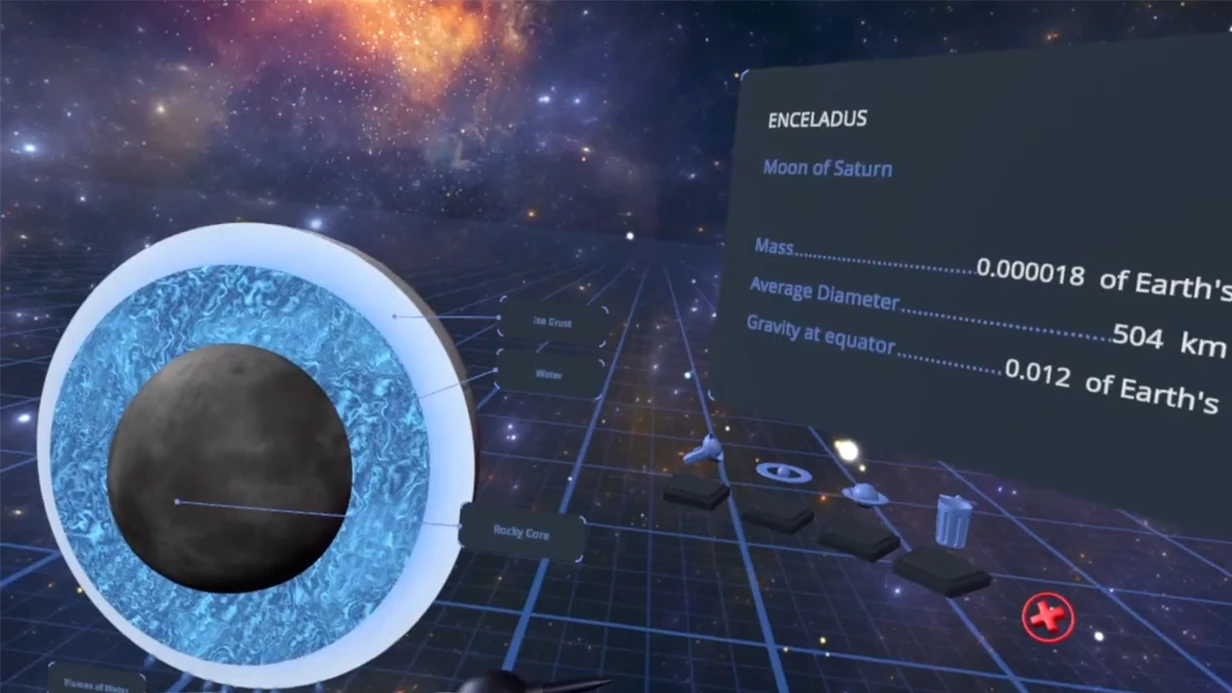
| אולם תצוגה VR בהתעמקות מלאה | פלח פרימיום, בוטיקים ואולמות תצוגה | נוכחות מלאה: הלקוח "עומד" ליד המטבח, פותח את הדלתות, בודק את הארגונומיה. רמת התעמקות זו מעלה ניכר את הסל הממוצע. |
כל פורמט עוקב מעמיק את המעורבות הרגשית של הקונה אבל דורש יותר משאבי פיתוח. לכן חשוב לבחור את הפורמט למשימה ספציפית: השקת מוצר חדש, הכשרת משווקים, או תמיכה במכירה באולם התצוגה.
אנחנו עוזרים לכם לבחור את רמת ההתעמקות האופטימלית ולספק אותה כך שהפרויקט ישתלם ויפיק תוצאה מדידה — יותר פניות, סל ממוצע גבוה יותר, או גיאוגרפיית מכירות רחבה יותר.
אתם מקבלים בדיוק את הפורמט שפותר את המשימה העסקית שלכם, לא "מצגת תלת-ממד אופנתית" מופשטת.
איך מפתחים תערוכה וירטואלית: מהקונספט ועד ההשקה
אנחנו מבינים: מי שמזמין אולם תצוגה וירטואלי למטבחים רוצה להישאר בשליטה בכל שלב. לכן תהליך הפיתוח שקוף — אתם משתתפים בנקודות מפתח, מאשרים את הקונספט, ורואים את התוצאה לפני ההשקה הסופית. להלן הדרך מהרעיון שלכם לתערוכה עובדת.
-
בריף והתעמקות במשימה. אנחנו מגדירים את המטרות: הצגת קולקציות חדשות, הגדלת טווח הגעה, האצת מצגות. אנחנו מגדירים את הקהל, מספר המטבחים והפונקציונליות הנדרשת.
-
קונספט ואב-טיפוס. אנחנו מציעים את פריסת החלל, לוגיקת הניווט ותסריט השימוש. אתם מקבלים תיאור בשפה פשוטה — בלי פרטים טכניים, אבל עם חזון ברור של אולם התצוגה העתידי.
-
אישור הפרויקט. אנחנו דנים בקונספט, מבצעים תיקונים, ומאשרים את הגרסה הסופית. נקודת ביקורת זו מסירה סיכון: מכאן ואילך, אנחנו עובדים בלי שינויים בלתי צפויים.
-
יצירת המרחב התלת-ממדי. אנחנו מדגמנים את המטבחים, בוחרים חומרים, תאורה ומרקמים. הדימויים קרובים ככל האפשר למוצר האמיתי כדי שהמבקר יוכל להעריך פרטים וצבע.
-
הגדרת תכונות. אנחנו מוסיפים ניווט באולם התצוגה, תיאורי דגמים ומסלול להזמנה. אולם התצוגה הופך לכלי מכירה מלא, לא רק לחלון ראווה.
-
בדיקות וקדם-השקה. אנחנו בודקים את התערוכה במכשירים שונים ומתקנים כל בעיה. אתם מקבלים גרסת בדיקה ויכולים להעריך את החוויה בעצמכם.
-
השקה ותמיכה. אנחנו מפרסמים את התערוכה ומוסרים את הקישור וההוראות ללקוחותיכם. לאחר ההשקה, אנחנו נשארים בקשר ועוזרים בכל צורך.
התוצאה — אתם מקבלים פרויקט ניתן לניהול עם לוחות זמנים ברורים ותוצאה מוגדרת. כל שלב מסוכם, כך שעם השחרור המוצר עונה על הציפיות שלכם ומיד עובד למשיכת לקוחות.
מה כלול במסירת אולם התצוגה הווירטואלי
כשמזמינים אולם תצוגה וירטואלי, חשוב להבין שמה שמקבלים בסוף הוא לא רק מודל אלא מוצר מוכן לעבודה. אנחנו מרכיבים את חבילת המסירה מראש כדי שההשקה תתבצע בלי עיכובים או שאלות מיותרות. הנה מה שהמסירה הסטנדרטית כוללת.
- מודל תלת-ממדי מדויק של המוצר — עותק דיגיטלי של המטבח שלכם עם חומרים וצבעים ריאליסטיים. אפשר לצפות בו מכל זווית, להתקרב ולבחון אותו לפרטים, בדיוק כמו הדבר האמיתי.
- חבילת ויזואליזציה — כמה זוויות באיכות גבוהה לקטלוגים, לאתר, לרשתות החברתיות ולמצגות. אתם מקבלים תמונות מוכנות שתוכלו להשתמש בהן בפרסום מיד.
- אב-טיפוס אינטראקטיבי — אולם תצוגה שנפתח בדפדפן בכל מכשיר. המבקר מסתובב בחלל, פותח מגירות ומשנה את התצורה בעצמו.
- ממשק משתמש — כפתורי ניווט ברורים, תוויות ומעבר בין אפשרויות גימור. אנחנו מעצבים אותו כך שלא ידרוש הכשרה ונוח גם לאנשים שרואים אולם תצוגה וירטואלי בפעם הראשונה.
- הוראות השקה ותיעוד — מדריך שלב אחר שלב להצבת אולם התצוגה באתר, ברשתות החברתיות או בתערוכה. בנוסף, תיאור של כל הקבצים ומטרתם, כך שהצוות שלכם יוכל להתעדכן במהירות בלעדינו.
- התקנה ומסירת קבצי מקור — אתם מקבלים את כל קבצי המקור ופרטי גישה. בלי הגבלות "שכירות": אולם התצוגה הוא כולו שלכם, גם אם תחליטו להחליף קבלנים בעתיד.
זו החבילה הבסיסית שאנחנו כוללים בכל פרויקט. בהתאם למשימה, אפשר להרחיב אותה: הנחיות קוליות, אינטגרציה עם קטלוג, מצב התנסות. אבל הנקודה המרכזית היא — כשאנחנו מוסרים את הפרויקט, יש לכם כל מה שצריך כדי להראות את המוצר ללקוח כבר למחרת.
מקרה בוחן: תערוכה וירטואלית הגדילה את מספר פניות הלקוחות
עבור מותג מטבחים, האתגר המרכזי הוא להראות את המוצר כך שהלקוח יראה את הפרטים, החומרים והקנה מידה בלי לבקר בסלון. קונים מסתפקים לעתים קרובות בתמונות קטלוג ואז הולכים למתחרים שאולם התצוגה שלהם קרוב יותר לבית.
הצענו ליצרן להחליף תמונות שטוחות בתערוכה וירטואלית: אולם תלת-ממדי מלא עם הקולקציות שלהם, שבו המבקר הולך בין המטבחים, פותח חזיתות ומשנה ערכות צבע בעצמו.
הפורמט הזה מסיר את ההתנגדות המרכזית: "אני צריך לראות את זה בעיניים." הלקוח נכנס לאולם התצוגה מכל מקום בארץ, בכל שעה נוחה, מטלפון או מחשב. זהו מקרה של תערוכה וירטואלית שהביא לעסק תוצאה מדידה.
מה השתנה לאחר ההשקה
אולם התצוגה החל לעבוד כמחלקת מכירות נוספת. בחודש הראשון ביקרו בו יותר משלושת אלפים איש — פי כמה ממה שסלון פיזי יכול היה לקבל בחצי שנה.
מספר הפניות למדידות והצעות מחיר הוכפל, והזמנות החלו להגיע לא רק מעיר הבית אלא גם מאזורים שכנים.
הגדרנו אנליטיקה ברורה כך שהיצרן יוכל לראות אילו מטבחים נחקרו הכי הרבה זמן ובאיזה נקודה הלקוח עזב. בהתבסס על הנתונים האלה, המותג התאים את מערך התצוגה ואת מיקוד הפרסום.
אמון ופניות חוזרות
כשקונה רואה מטבח בסביבה ריאליסטית — עם מרקם עץ, אביזרים ותאורה — הוא מוכן הרבה יותר להשאיר את פרטי הקשר שלו. בפרויקט הזה, כל מבקר רביעי השאיר פרטי קשר.
ואחרי ההשקה המוצלחת, הלקוח הזמין מאיתנו אולם וירטואלי שני לקולקציה החדשה, בנוסף לסיורים מקוונים למשווקים.
הפורמט הזה משתלם לא רק דרך יותר פניות. תערוכה וירטואלית עובדת מסביב לשעון, לא דורשת שטח מושכר, ומאפשרת להציג את כל קווי המוצר בבת אחת במקום חלון ראווה אחד.
אם תרצו, נראה לכם את הפרויקט הזה בפעולה ונסביר איך ליישם אותו על מבחר המטבחים שלכם.
איך לבחור פורמט תערוכה וירטואלית למשימה שלכם?
בחירת פורמט תערוכה וירטואלית או אולם תצוגה תלת-ממדי תמיד מתחילה בשאלה, "מה הכלי הזה אמור לעשות עבור העסק?" חלק צריכים להציג במהירות קולקציית מטבחים חדשה למשווקים בערים שונות; אחרים צריכים קטלוג שוטף לקונים באתר; ויש שרוצים אירוע מרשים עם אפקט התעמקות.
תוכן החלל, שיטות האינטראקציה ואפילו דרישות הוויזואליזציה — הכל תלוי בזה.
קריטריוני הבחירה המרכזיים הם המטרה, הקהל ותסריט השימוש.
אם המוצר מורכב — נניח, מטבח עם הרבה אפשרויות גימור ופריסה — הלקוח צריך יותר מסתם תמונה: הוא צריך "להרגיש" את הדגם: לפתוח את החזיתות, לשנות את הצבע, להסתכל פנימה.
אולם תצוגה תלת-ממדי אינטראקטיבי עם פרמטרים הניתנים להגדרה מתאים למשימה הזו. אם המטרה היא ליצור אירוע עם טווח הגעה וב�uzz, תערוכה וירטואלית עם כמה אזורים, ניווט ונקודות מגע עם המותג היא הבחירה הטובה יותר.
כדאי גם לשקול איך המבקרים ייכנסו לחלל: האם יש צורך בטעינה מהירה בלי התקנת אפליקציה, האם סצנות סטטיות יספיקו, או שנדרשת התעמקות מלאה?
אנחנו תמיד מציעים אפשרויות לתקציבים ותנאים טכניים שונים — מגרסאות web קלות ועד מרחבי VR מלאים.
ובמקרה של מטבחים, שבהם פרטי החומר והתאורה הריאליסטית הם החשובים ביותר, אנחנו משתמשים בעיבוד מקצועי כך שהלקוח רואה את המוצר בדיוק כמו שהוא נראה במציאות.
לכן הדבר הראשון שאנחנו עושים הוא לדון במשימה, לא לדחוף "חבילה סטנדרטית." אנחנו עוזרים לכם לנסח מה חשוב: כמות המוצר, תדירות העדכון, האם יש צורך בדיאלוג מקוון עם המבקר, ואיך יימדדו התוצאות.
ואז אנחנו בוחרים את הפורמט שמספק את הערך הגדול ביותר — בין אם זו תערוכה וירטואלית להשקת קולקציה או אולם תצוגה לעבודה שוטפת עם קונים.
ואם אתם לא בטוחים, בואו לייעוץ: נראה לכם דוגמאות ונעזור לכם לבחור את הפתרון הנכון למשימה שלכם.
שאלות נפוצות על פיתוח תערוכות ואולמות תצוגה וירטואליים
שאלות טיפוסיות על תערוכות וירטואליות ואולמות תצוגה תלת-ממדיים למטבחים נוגעות בדרך כלל ללוחות זמנים, עדכונים ואחריות. אנחנו עונים על העיקריות כדי שתבינו מראש איך העבודה בנויה ומה מקבלים בסוף. חידדנו את התהליך במשך עשר שנים, אז אנחנו משיקים פרויקטים בלי הפתעות.
כמה זמן ייקח הפיתוח?
פרויקט סטנדרטי למטבחים אורך 3 עד 6 שבועות. לוח הזמנים תלוי במספר הדגמים. אנחנו קובעים את התוכנית בהתחלה ומדווחים על התקדמות כל שבוע.
האם נוכל לעדכן את הקטלוג בלי מתכנת?
כן, יש פאנל ניהול פשוט לזה. אתם משנים דגמים, מחירים ותיאורים בעצמכם — השינויים מופיעים באולם התצוגה מיד. ההכשרה אורכת שיחת טלפון אחת.
האם זה יעבוד עם האתר שלנו?
כן, קל להטמיע את אולם התצוגה באתר הקיים או בדף האירוע. המבקרים רק צריכים לפתוח קישור — בלי תוכנות נוספות.
אילו אחריות ותמיכה יש לאחר ההשקה?
אנחנו מבטיחים פעילות יציבה ונשארים בקשר לאחר המסירה. התאמות, ייעוץ ועדכונים זמינים לפי בקשה. התנאים מפורטים בחוזה.
הזמינו תערוכה וירטואלית וקבלו יותר לקוחות
הזמנת תערוכה וירטואלית למטבחים פירושה קבלת כלי מכירה שעובד בלי לשכור שטח או לשלוח דוגמאות.
הקונה רואה את המוצרים שלכם באולם תצוגה תלת-ממדי ריאליסטי, משנה צבעי חזיתות ופריסות, ומיד מדמיין את המטבח בדירה שלו. זה מסיר את ההתנגדות המרכזית: "אני לא מבין איך זה ייראה אצלי בבית."
אנחנו מנהלים את הפרויקט מהבריף ועד ההשקה, כך שלא תצטרכו להתעסק בפרטים טכניים. לאחר ההזמנה, אתם מקבלים:
- אולם תצוגה וירטואלי מותאם למבחר המטבחים שלכם — הלקוח בוחן דגמים לפרטים ובוחר את התצורה.
- אינטגרציה פשוטה עם האתר שלכם: התערוכה נפתחת מכפתור או באנר, בלי התקנת אפליקציה או ידע מיוחד מצד המבקר.
- הכשרה למנהלים שלכם: הם יכולים לערוך סיורים בעצמם ולעזור ללקוחות בבחירה.
- גישה מוגנת ועדכונים שוטפים — הוסיפו דגמים חדשים ושנו מחירים בלי לערב מפתחים.
- תמיכה לאחר ההשקה: אנחנו זמינים אם צריך להתאים או לשפר משהו לפורמט מכירה חדש.
כדי להזמין תערוכה וירטואלית, השאירו פנייה ואנחנו נכין חישוב עלות לאולם התצוגה. נשלח לכם את ההערכה, לוחות הזמנים ודוגמאות עבודה תוך יום עסקים אחד — בלי התחייבויות ובלי עמלות נסתרות.
נראה לכם איך תערוכה כזו מגדילה המרה בנישה שלכם ונציע פתרון שמתאים לתקציב שלכם.