

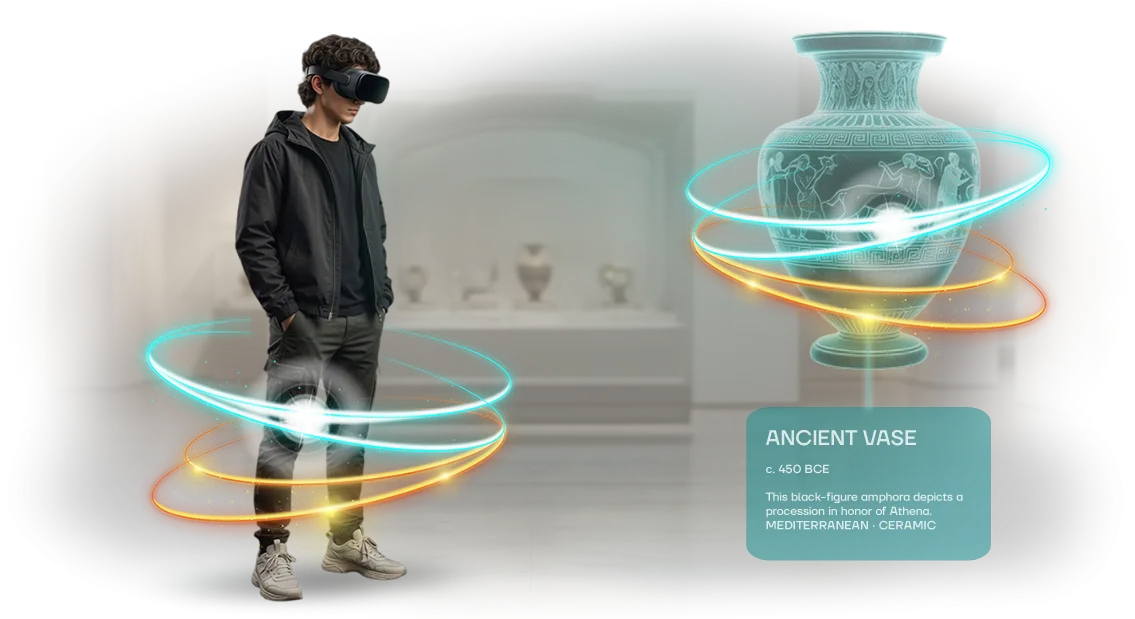
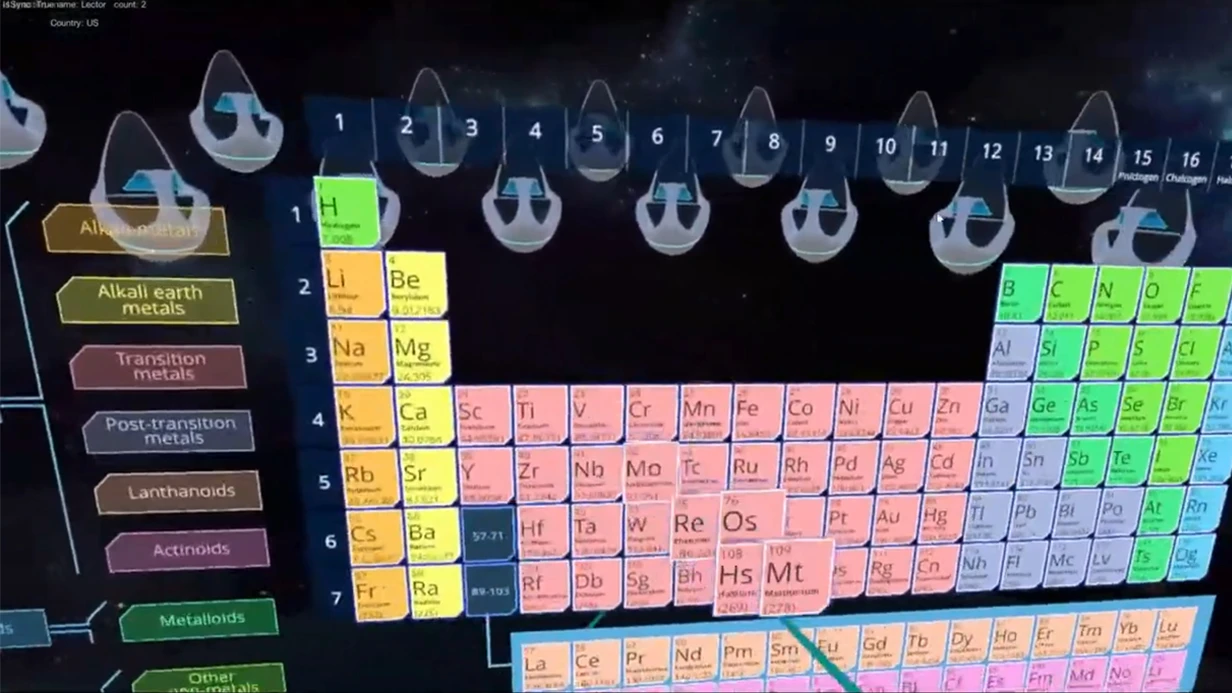


סיורים וירטואליים לתערוכות מוזיאונים ומתחמי תערוכות
אפילו התערוכה החזקה ביותר מתמודדת עם אותה בעיה: האולם הפיזי נראה רק על ידי חלק קטן מהקהל הפוטנציאלי.
תלמידי בתי ספר מערים אחרות לא יכולים לנסוע, אנשי מקצוע עסוקים לא יכולים לבקר בשעות הפתיחה, ותיירים לומדים על התערוכה רק לאחר שנסגרה.
כתוצאה מכך, המוזיאון מאבד מבקרים — ואת ההזדמנויות שהעניין האמיתי שלהם באוסף יוצר.
סיורים וירטואליים לתערוכות מוזיאונים ומתחמי תערוכות מסירים את המגבלות הללו. תערוכה מקוונת עובדת מסביב לשעון, נגישה מכל מכשיר, ואינה דורשת הזמנת כרטיסים.
כך מוזיאון מושך מבקרים חדשים: אלה שחקרו את האולם באינטרנט מגיעים לראות את המקור, בעוד קהלים מחוץ לעיר נשארים מחוברים למותג דרך המסך.
עבור מתחמי תערוכות, זה גם מאריך את חיי הפרויקט. תערוכה פיזית נמשכת חודש או חודשיים, בעוד שהעותק הווירטואלי שלה ממשיך לספק חשיפה במשך שנים.
קבוצות בית ספר מתכוננות לטיולים מראש, חוקרים בוחנים פרטים, שותפים משתפים קישורים — התערוכה ממשיכה לבנות הכרה גם לאחר הפירוק.
אנו יוצרים סיורים כאלה לצרכים הספציפיים של מוזיאון מסוים: תוך התחשבות במאפייני החלל, במאפייני המוצגים ובקהל היעד שלכם.
זו לא רק קבוצה של פנורמות אולמות, אלא תערוכה מקוונת שלמה שמעבירה את האווירה של המקור ופותר את המשימה של משיכת מבקרים.
אילו יתרונות תערוכה וירטואלית מביאה למותג שלכם
תערוכה וירטואלית פותחת את התערוכה למי שלא יכול לבקר באופן אישי והופכת כל מבקר לערוץ לקידום מותג המוזיאון. זה לא רק עותק דיגיטלי של אולם, אלא כלי עצמאי שמטפל בחשיפה, מעורבות ויצירת לידים.
הגעה לקהל ללא גבולות
מוזיאון פיזי יכול לקבל רק כמה אורחים שמרחב הרצפה ושעות הפתיחה שלו מאפשרים. תערוכה וירטואלית זמינה מסביב לשעון מכל מקום בעולם: מבקרים יכולים לגשת אליה מסמארטפון, טאבלט או מחשב מבלי לבזבז זמן על נסיעות.
כתוצאה מכך, הקהל של תערוכה אחת גדל פי עשרה, והטווח הגיאוגרפי מתרחב מעבר לעיר ואפילו למדינה.
מעורבות והכרת מותג המוזיאון
בניגוד לתמונות סטטיות, מרחב תלת-ממדי מחזיק את תשומת הלב של אורח למשך מספר דקות: הם בוחנים פרטים, מתקרבים למוצגים ובונים מסלול משלהם. אינטראקציה כזו נזכרת בצורה חיה יותר, ולכן מבקרים משתפים את התרשמותם ברשתות החברתיות. כל פוסט כזה הוא אזכור של מותג המוזיאון ללא כל תקציב פרסום נוסף.
יצירת לידים לתערוכות עתידיות
ניתן להטמיע בתוך התערוכה הווירטואלית טפסי הרשמה לאירועים אמיתיים, הרשמות לעדכונים והזמנות לפתיחות. העניין של המבקר הופך לאיש קשר שמשמש מאוחר יותר להזמנת אנשים לתערוכות חדשות ולאירועי מתחם.
אנו עובדים על מנוע ה-Unity המקצועי — זה מבטיח תמונה חלקה וביצועים יציבים בכל מכשיר. נראה לכם דוגמאות של פרויקטים שהושלמו עבור מוזיאונים ומתחמי תערוכות ונתאים את הפתרון לצרכים שלכם.
פורמטים של פתרונות וירטואליים למשימות שונות
לכל תערוכה יש משימה משלה: אחת חייבת להציג את האוסף, אחרת חייבת להשאיר את המבקר בחלל, ושלישית חייבת לספק התעמקות עמוקה בהיסטוריה של אובייקט.
אין פורמט אוניברסלי, ולכן אנו בוחרים פתרון על סמך מטרה ספציפית ולא "מוכרים תבנית אחת." פורמט שנבחר כראוי הופך תצוגה רגילה של מוצגים למסלול בלתי נשכח ומגדיל את ערך המוזיאון בעיני המבקר.
להלן השוואה בין שלושת הפורמטים העיקריים שאנו מיישמים עבור תערוכות מוזיאונים ומתחמי תערוכות. הם נבדלים בעומק האינטראקציה, במורכבות היישום ובתוצאה הסופית עבור הקהל.
| פורמט | למי | מה זה נותן ללקוח |
|---|---|---|
| סיור וירטואלי | מוזיאונים עם תערוכות קבע, מקומות עם זרימת מבקרים גבוהה | סקירה מהירה של החלל ללא נסיעה: המבקר "הולך" דרך האולמות מטלפון או מחשב. מרחיב את החשיפה ומסיר את החסם של הביקור הראשון. |
| אולם תצוגה תלת-ממדי | מתחמי תערוכות, תערוכות זמניות, הצגות של אוספים חדשים | מרחב דיגיטלי מלא שניתן לפתוח לפני ההשקה הרשמית. בונה עניין, אוסף בקשות ביקור ויוצר תחושת נוכחות. |
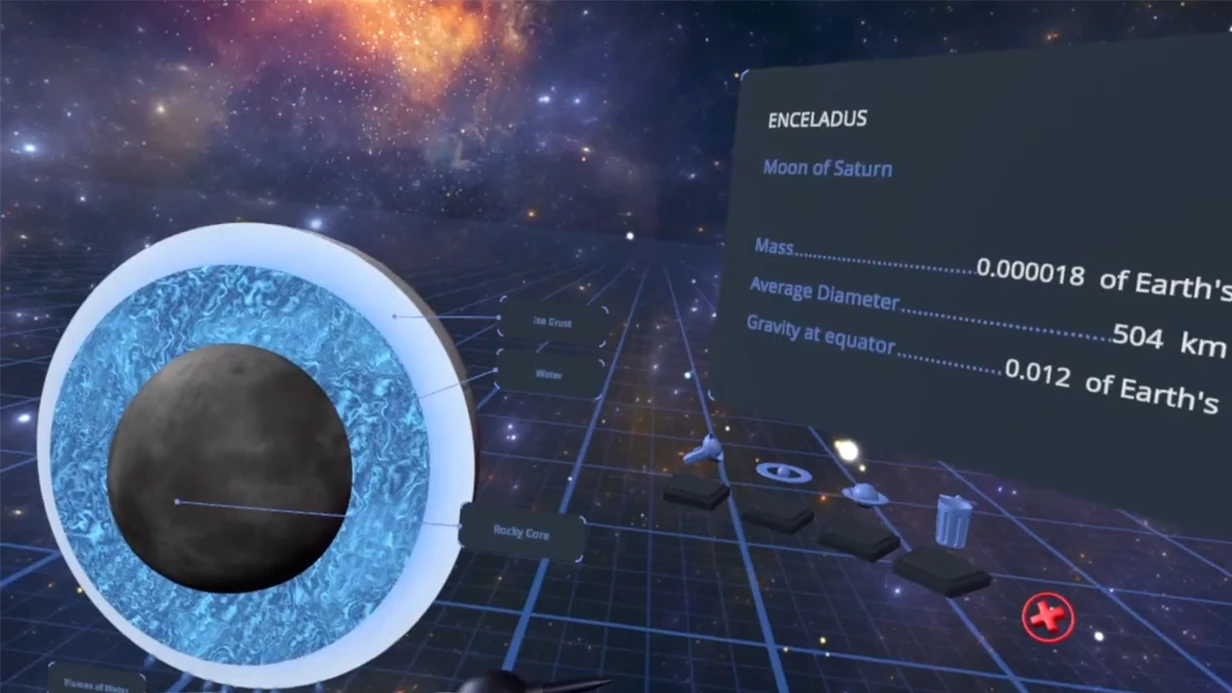
| מדריך אינטראקטיבי | תערוכות עם היסטוריה עשירה, אובייקטים הדורשים הסבר | המבקר בוחר את התרחיש שלו: לצפות בקצרה או להעמיק. מגדיל את זמן השהייה באתר ואת עומק חקר החומר. עובד היטב על טאבלטים וקיוסקים עם מסך מגע. |
לעתים קרובות האפקט הטוב ביותר מגיע משילוב פורמטים: למשל, סיור וירטואלי להיכרות מהירה ואולם תצוגה תלת-ממדי עם מדריך אינטראקטיבי להתעמקות מפורטת.
אנו עוזרים לכם לבחור שילוב שמתאים לתקציב ולמטרות של פרויקט ספציפי במקום לדחוף אפשרויות מיותרות.
איך אנו יוצרים פרויקט וירטואלי: תהליך שלב אחר שלב
אנו מבינים כמה חשוב למוזיאון או למתחם תערוכות לראות מראש מה תהיה התוצאה וכמה זמן זה ייקח.
לכן בצוות שלנו בנינו תהליך שקוף: אתם תמיד יודעים באיזה שלב נמצא הפרויקט, מה מאושר ומתי התוצאה תהיה מוכנה. אנו מחלקים את כל העבודה לשישה שלבים ברורים — מהבריף הראשוני ועד לתמיכה לאחר ההשקה.
- בריף והתעמקות במשימה. אנו לומדים את התערוכה שלכם, את מטרות הפרויקט ואת הקהל. אנו מבהירים אילו אולמות ומוצגים צריך להציג וכיצד מבקרים יתקשרו עם המרחב הווירטואלי. על סמך זה, אנו קובעים את לוח הזמנים ואת היקף העבודה.
- קונספט ותרחיש. אנו מציעים את המבנה של הסיור הווירטואלי: מסלולים דרך האולמות, נקודות תצפית מרכזיות ואפשרויות למעבר בין מוצגים. אתם רואים את ההיגיון של הפרויקט לפני שמודלים תלת-ממדיים מתחילים ויכולים להתאים אותו.
- יצירת אולם התצוגה התלת-ממדי. אנו מדמים את האולמות והמוצגים, משחזרים את התאורה והאווירה של החלל האמיתי. בשלב זה מופיעה גרסה מקדימה — טיוטה שנוח להראות לצוות הפנימי.
- אישור הפרויקט. אנו מציגים את התוצאה הבינונית, אוספים משוב ומשכללים את הפרטים: כיתובים, הדגשת אובייקטים, זוויות מצלמה והיגיון תנועה. חשוב שכל השינויים נעשים לפני הבנייה הסופית, כך שאין צורך לעשות מחדש את המוצר המוגמר.
- מילוי תוכן. אנו מוסיפים טקסטים, תמונות, סרטונים, מדריכי שמע ואלמנטים אינטראקטיביים. אנו מגדירים זום למוצגים, תיאורים קופצים ומכניקות אחרות שהופכות את הביקור הווירטואלי לשימושי ומרתק.
- השקה ותמיכה. אנו מפרסמים את הסיור הווירטואלי המוגמר באתר שלכם או בפלטפורמה נפרדת ובודקים את ביצועיו במכשירים שונים. אנו מעבירים גישה ובמידת הצורך תומכים בפרויקט לאחר ההשקה: מעדכנים תוכן, מוסיפים אולמות חדשים ועוזרים באינטגרציה.
גישה זו חוסכת את זמנכם: אין צורך להיכנס לפרטים טכניים — אתם פשוט מפקחים על כל שלב ומקבלים תוצאה שתואמת לחלוטין את הציפיות שלכם.
מה כלול במסירת אולם תצוגה וירטואלי
כאשר אתם מזמינים אולם תצוגה וירטואלי, אתם מקבלים לא רק קבוצה של פנורמות אלא כלי מוכן להצגת התערוכה באינטרנט. כל מה שצריך להשקה ארוז בחבילה אחת: מצילום האולמות ועד לכפתור "מעבר לאתר". להלן ערכת המסירה שאנו מספקים ללקוח.
- פנורמות של כל האולמות והאובייקטים המרכזיים. כל נקודה נפתחת תוך 2–3 שניות ללא הקפאות בכל מכשיר — מסמארטפון של מבקר ועד מסך גדול בלובי.
- ניווט מחושב: מעברים בין אולמות, מפת תערוכה ורמזי חצים. המבקר לא הולך לאיבוד אלא עוקב אחר המסלול שהגדרתם.
- אלמנטים אינטראקטיביים: כיתובים קופצים למוצגים, מדריך שמע, וידאו וחומרי עזר. אתם יכולים לספר את הסיפור של כל אובייקט ולהגדיל את זמן השהייה באתר.
- אינטגרציה עם האתר שלכם: אולם התצוגה מוטמע בקטע הרצוי, עובד על הדומיין של המוזיאון ואינו דורש התקנת תוכנה. קישור אחד מספיק לשליחה בניוזלטרים וברשתות חברתיות.
- פאנל ניהולי. אתם יכולים לשנות כיתובים, להוסיף מוצגים חדשים ולעדכן מידע בעצמכם ללא מעורבות מפתחים.
- ערכת מסמכים: הוראות פרסום, חומרים לרשתות חברתיות והמלצות לקידום הסיור הווירטואלי.
אנו גם מעבירים בנפרד חומרי מקור וגישה. אתם נשארים הבעלים של כל התוכן ויכולים להשתמש בו לחומרים מודפסים, פרסום חיצוני או מצגות.
כתוצאה מכך, המסירה היא מוצר שלם מוכן לשימוש. לאחר המסירה, אין צורך לשכלל דבר: אולם התצוגה כבר פרוס, נבדק ומוכן לקבל את המבקרים הראשונים שלו.
כל מה שנשאר הוא לספר על כך לקהל שלכם — וההוראות הכלולות בחבילה יעזרו בכך.
מקרה בוחן: סיור וירטואלי למוזיאון מהפרקטיקה שלנו
מוזיאון "אחוזת העיר" עמד בפני האתגר של הרחבת קהל ללא בניית אולמות חדשים.
התערוכה הייתה עשירה, אך רוב המבקרים היו תושבים מקומיים, בעוד תיירים וקבוצות בית ספר מערים שכנות לא יכלו לחקור את האוסף — היה חוסר בפורמטים נוחים.
הצענו סיור תלת-ממדי וירטואלי לתערוכות מוזיאונים: עותק דיגיטלי של האולמות שבו מבקרים יכולים לנוע בצורה חלקה, לבחון מוצגים, לקרוא הערות ולהפעיל מדריך שמע. זו הייתה הדוגמה הראשונה ליישום תערוכה וירטואלית המבוססת על מוזיאון אמיתי.
השקנו את הסיור תוך חודש וחצי. צוות המוזיאון לא נזקק לציוד מיוחד: מבקרים פותחים את הסיור מכל סמארטפון, מחשב או טאבלט. עבור המוזיאון הממלכתי, לקחנו בחשבון את הדרישות להגנה על תמונות וזכויות יוצרים על מוצגים.
התוצאות עבור המוזיאון עלו על הציפיות. בשלושת החודשים הראשונים, הסיור הווירטואלי זכה ליותר מ-12,000 מבקרים — פי שלושה מהנוכחות הפיזית באותה תקופה.
משך הפגישה הממוצע היה 7–8 דקות: אנשים לא רק דפדפו בתמונות אלא חקרו את האולמות והפעילו את מדריך השמע.
חלק המעברים מהסיור המקוון לאתר המוזיאון הגיע ל-18%, ובקשות לטיולים מחברות תיירות גדלו ברבע.
צוות המוזיאון השתמש במקרה בוחן זה של תערוכה וירטואלית בתוכניות חינוכיות: מורים החלו להעביר שיעורים ישירות באמצעות קישור הסיור.
לאחר שישה חודשים, המוזיאון הזמין הרחבה — הוספנו סיור באולם התערוכות הזמניות וגרסה אדפטיבית לשולחנות אינטראקטיביים בלובי.
אנו תומכים כעת בפרויקט: מעדכנים את התערוכות, מוסיפים מופעים עונתיים ומוודאים שהמרחב הווירטואלי תמיד תואם למציאות.
איך לבחור את הפורמט הנכון למשימה שלכם?
בחירת הפורמט תלויה לא בטכנולוגיות אופנתיות אלא במשימה הספציפית: את מי אתם רוצים להביא לתערוכה, מה להציג ואיזו תוצאה להשיג.
אין פתרון אוניברסלי אחד לתערוכות מוזיאונים ומתחמי תערוכות — לקוח אחד צריך סיור וירטואלי כללי, בעוד אחר צריך אולם תצוגה תלת-ממדי מלא עם אינטראקטיביות ותרחישים.
הסתכלו תחילה על שלושה קריטריונים: מספר ומורכבות המוצגים, התנהגות הקהל שלכם, והתקציב ולוח הזמנים.
אם יש לכם תערוכת קבע גדולה עם אובייקטים נדירים שחשוב לבחון בפירוט, אולם תצוגה תלת-ממדי מפורט עם אפשרות להתקרב לאובייקטים ולחקור אותם מכל הצדדים יעבוד היטב.
אם המשימה היא להראות במהירות את האווירה הכללית ולמשוך מבקרים לאירוע חי, סיור פנורמי עם נקודות מסלול מרכזיות מספיק.
הנקודה החשובה השנייה היא מי ישתמש בפורמט וכיצד. עבור קהל רחב, פשטות היא בעלת ערך: פתיחת קישור, צפייה ללא התקנת אפליקציות, שיתוף קל ברשתות חברתיות.
עבור מבקרים מקצועיים — אוצרים, שותפים, נותני חסות — עומק הפירוט הוא בעל ערך: היכולת להשוות מוצגים, לצפות בחומרים נלווים ולשמור פריטים מעניינים. דונו בכך לפני ההתחלה, והפורמט יעמוד מיד בציפיות.
אנו בכוונה לא מציעים את האפשרות היקרה ביותר כברירת מחדל. בתחילת פרויקט, אנו נפגשים אתכם, מנתחים את המטרות, את היקף התערוכה ואת התקציב, ורק אז בוחרים פורמט שיספק תשואה מקסימלית בתנאים שלכם.
כתוצאה מכך, אתם משלמים רק על מה שבאמת עובד עבור הקהל שלכם ומקבלים פתרון שקל לעדכן ולהטמיע באתר המוזיאון או מתחם התערוכות.
אם אתם מתלבטים, התחילו בקטן: סיור וירטואלי קצר יראה את תגובת המבקרים, ועל סמך הניתוח שלו נחליט יחד אם להרחיב אותו לאולם תצוגה תלת-ממדי מלא.
גישה זו מפחיתה סיכון ומאפשרת לכם לחלק את התקציב בין משימות עם ההשפעה הגדולה ביותר.
שאלות נפוצות על סיורים וירטואליים: התשובות שלנו
שאלות נפוצות על סיורים וירטואליים: התשובות שלנו
הלקוח תוהה לעתים קרובות: האם יצירת סיור וירטואלי למוזיאון או מתחם תערוכות היא מסובכת מדי, גוזלת זמן ויקרה? במציאות, זה פשוט יותר ממה שזה נראה, והתוצאה עובדת למשיכת מבקרים ופרויקטים של שותפים.
האם סיור וירטואלי לא "יאכל" מבקרים חיים?
להיפך — הסיור הופך לפוסטר של התערוכה. אורח תחילה מכיר את החלל באינטרנט, מבין שהוא מעניין, ומגיע כבר מוטיבציה. עבור שותפים מחוץ לעיר ומחו"ל, זו הדרך היחידה לראות את המתחם ללא נסיעה. ולמבקרים קבועים, זו סיבה לחזור ולראות מה השתנה.
כמה זמן לוקח ליצור סיור?
פרויקט טיפוסי לתערוכה אחת לוקח שבועיים עד ארבעה שבועות, כולל צילום, עיבוד והגדרת ניווט. אם אתם צריכים השקה דחופה לפתיחה או תערוכה, אנחנו יכולים לעשות גרסה מואצת תוך 7–10 ימים. אנו מאשרים כל שלב אתכם כך שהסיור יהיה מוכן בדיוק למועד האירוע.
איך אדע שהסיור החזיר את ההשקעה?
אל תסמכו הכנסה ישירה; סמכו חשיפה ומעורבות. הסיור נשאר זמין 24/7: ניתן להטמיע אותו באתר שלכם, בניוזלטרים, ברשתות חברתיות ובקודי QR על פוסטרים.
הוא ממשיך להביא מבקרים במשך חודשים ומספק ניתוח ברור — מי צפה, באילו סצנות התעכבו ואילו מוצגים חזרו אליהם. הנתונים האלה הופכים לטיעון עבור נותני חסות ושותפים.
אם עדיין יש לכם שאלות — נשלח לכם מחיר מחושב לאחר בדיקת התערוכה שלכם, נראה דוגמאות של סיורים לחללי מוזיאון ונייעץ אילו אזורים כדאי להציג ראשונים.הזמינו סיור וירטואלי היום וקבלו את היתרון
השאירו בקשה לפיתוח, ולמחרת נראה לכם איך ייראה הסיור הווירטואלי שלכם. זה לא מחייב: תחילה תקבלו ייעוץ, אחר כך תוכנית יישום, ורק לאחר אישור נתחיל בעבודה.
אם אתם אחראים על תערוכת מוזיאון או מתחם תערוכות, אתם יודעים כמה קשה למשוך מבקר שיש לו מעט זמן והרבה אפשרויות בילוי.
סיור וירטואלי פותר את הבעיה הזו: הוא נגיש מכל מכשיר, אינו תלוי בשעות הפתיחה של המקום, ועובד להכרת המותג גם כשהדלתות סגורות.
מה תקבלו כשתחליטו להזמין סיור וירטואלי היום:
- ייעוץ אישי: ננתח את המשימות של התערוכה שלכם ונציע פורמט מתאים — מהליכה פנורמית ועד אולם תצוגה תלת-ממדי מפורט.
- הערכה מדויקת של לוחות זמנים והיקף לפני תחילת הפרויקט — ללא שלבים נסתרים או עלויות נוספות בלתי צפויות.
- צילום ועיבוד בציוד מקצועי: הלקוח מקבל תמונה ברורה באופן עקבי ללא בוהק, עיוותים או "אזורים מתים."
- סיור מוכן לשימוש: ניווט, נקודות עזר, מדריך שמע וקטעי וידאו — כל מה שמבקר צריך להתעמקות מלאה.
- התאמה לאתר ולרשתות החברתיות שלכם: הסיור ייפתח במהירות בכל מכשיר, כך שלא תאבדו צופים מזדמנים.
- תמיכה לאחר ההשקה: אנו מבצעים עריכות במהירות, מוסיפים אובייקטים חדשים ועוזרים לעדכן תוכן.
כדי לקבל ייעוץ ולתאם זמן נוח לבריף, פשוט שלחו בקשה לפיתוח באמצעות הטופס למטה.
נגיב תוך שעה, נשלח דוגמאות של עבודתנו על תערוכות מוזיאונים ומתחמי תערוכות, ואז נראה לכם איך הפרויקט שלכם ייראה כבר בשלב גרסת הבדיקה.