



לקוחות לא יכולים לראות את מגוון הריצוף באופן אישי
הקונים בוחרים ריצוף באקראי. בקטלוג הם רואים תמונה שטוחה, אבל למינציה, אריחים או פרקט היא טקסטורה חיה — אור, קנה מידה של הדוגמה.
דוגמה בכף היד לא מעבירה את התחושה של חלל: לא ברור איך החומר ייראה על פני 20 מטרים רבועים ואיך הוא ישתלב עם הרהיטים.
חוסר הוודאות הזה מספיק כדי לדחות רכישה. בזמן שהמנהל שלך מסביר את ההבדלים בין הקולקציות בטלפון, הקונה פותח את האתר של המתחרה ומשווה.
העסקה נמשכת שבועות או נופלת — גם אם המגוון שלך רחב יותר והמחירים טובים יותר.
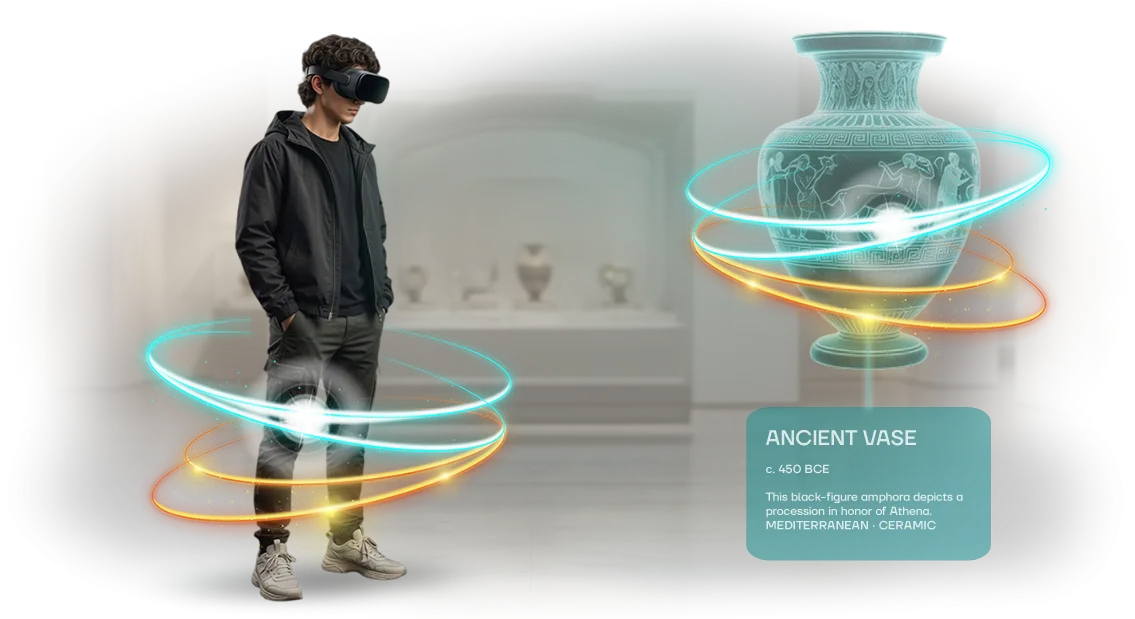
בצוות שלנו אנחנו פותרים את זה עם אולם תצוגה וירטואלי לריצוף. זהו מרחב מקוון שבו הקונה רואה את החומר בפנים ריאליסטיים ומתקרב כדי לבחון את הטקסטורה.
התערוכה התלת-ממדית עובדת מכל מכשיר — אפשר להראות את הקולקציה ללקוח ישירות במהלך שיחה או לשלוח קישור כדי שיוכל לחקור אותה בקצב שלו.
אולם תצוגה וירטואלי הופך את הבחירה מהגרלה להחלטה בטוחה. הקונה רואה איך החומר הנבחר נראה באור יום ובאור ערב, משנה צבעי קירות ופריסת רהיטים. הוא לא צריך להשלים את התמונה בראש — וזה מסיר את הפחד העיקרי מרכישה.
לעסק, זה אומר יותר מצגות קולקציה מקוונות, פחות ויכוחים על "אבל איך זה ייראה בבית שלי", ועלייה ניכרת בהמרה להזמנות.
המגוון כבר לא מוגבל על ידי רצפת אולם התצוגה הפיזי: אתה מציג מאות קולקציות בלי לדיגיטציה או אחסון דוגמאות. מכירות הריצוף מגיעות לרמה חדשה — פניות הופכות לעסקאות מהר יותר.
למה אתה צריך אולם תצוגה וירטואלי לריצוף: 5 יתרונות
אולם תצוגה וירטואלי לריצוף מחזיק את תשומת הלב של הלקוח הרבה יותר מקטלוג רגיל: המבקרים עוברים בחדרים בעצמם, בוחרים זוויות צפייה, ובוחנים טקסטורות תחת תאורה שונה.
ככל שקונה פוטנציאלי לומד את המוצר זמן רב יותר, כך המעורבות והמוכנות לרכישה גבוהות יותר.
תערוכת ריצוף וירטואלית מוחקת גיאוגרפיה. קולקציות נראות על ידי קהלים מערים ומדינות שונות — בלי שכירת שטח, לוגיסטיקת דוגמאות, או השקעות גדולות. טווח ההגעה גדל בעוד תקציב השיווק נשאר זהה.
הפורמט מוביל את המבקרים באופן טבעי לפניות: הם יכולים לבקש דוגמה, לשאול על התקנה, או להזמין ייעוץ בלי לצאת מאולם התצוגה.
לידים מהתערוכה מגיעים חמים — האדם כבר ראה את הריצוף בסביבה ריאליסטית ויודע מה הוא רוצה.
פורמט יוצא דופן ומודרני מקדם את המותג בעצמו. לקוחות מעבירים את הקישור לעמיתים, משתפים אותו ברשתות החברתיות, וחוזרים לבחון שוב את האפשרויות המועדפות עליהם.
המודעות למותג גדלה — בלי הוצאות פרסום נוספות ועם יתרון ניכר על פני מתחרים שמסתמכים על קטלוגים שטוחים.
בניגוד לאירוע לא מקוון, אולם תצוגה וירטואלי אף פעם לא נגמר. הוא נשאר באתר שלך, מושך מבקרים, ואוסף נתונים על אילו כיסויי רצפה נצפים הכי הרבה.
הנתונים האלה מקלים על התאמת המגוון והשקת קמפיינים ממוקדים — אפקט התערוכה נמשך חודשים.
פורמטים של תערוכה וירטואלית ואולם תצוגה תלת-ממדי
כשעולה השאלה של הצגה דיגיטלית של קולקציית ריצוף, לעתים קרובות נראה שצריך פורמט אוניברסלי אחד.
במציאות, פורמטים של תערוכה וירטואלית פותרים משימות שונות: הצגת מוצרים חדשים ללקוחות קיימים, החלפת דוכן פיזי באירוע תעשייתי, או ניהול תערוכה מקוונת רחבת היקף לאלפי מבקרים.
אנחנו מתאימים את הפורמט למטרה שלך — מאולם תצוגה תלת-ממדי קומפקטי ועד תערוכה וירטואלית מלאה עם אווטארים ודוכן אינטראקטיבי. להלן השוואה של האפשרויות העיקריות.
השוואת פורמטים
| פורמט | למי | מה זה נותן ללקוח |
|---|---|---|
| אולם תצוגה תלת-ממדי | יצרני ומפיצי ריצוף | הצגת קולקציה מהירה בלי שכירת אולם, גישת לקוח 24/7, מודעות מותג מוגברת |
| דוכן וירטואלי | משתתפי תערוכות סחר תעשייתיות | מחליף או משלים דוכן פיזי, אוסף אנשי קשר, יוצר תחושת נוכחות למי שלא הגיע |
| תערוכה מקוונת | מארגנים וקבוצות מותג | פלטפורמה אחת לכל המשתתפים, טווח הגעה רחב, ניווט נוח בין דוכנים וחומרים |
| תערוכה עם אווטארים | חברות שצריכות אינטראקציה חיה | ייעוץ אישי בזמן אמת, תחושה של אירוע אמיתי, מעורבות גבוהה של אורחים |
אנחנו משפרים כל אחד מהתרחישים האלה עם אלמנטים אינטראקטיביים: דוגמאות חומר, סקירות וידאו, והערכת עלות מקוונת. כך דוכן וירטואלי הופך לכלי מכירה עובד, לא רק תמונה יפה.
איך עובד יצירת אולם תצוגה וירטואלי: שלבי הפרויקט
יכולת חיזוי חשובה בבניית אולם תצוגה וירטואלי לריצוף: אתה יודע מראש מה תקבל, באיזה לוח זמנים, ואילו החלטות דורשות את אישורך. לכן התהליך בנוי כרצף שקוף של שלבים עם נקודות ביקורת ברורות ללקוח. בכל שלב אתה רואה את התוצאה הביניים ויכול לבקש שינויים.
-
בריף וניתוח משימה. אנחנו דנים במטרות התערוכה, קהל היעד והמגוון: אילו קולקציות ריצוף צריך להציג בתלת-ממד. אנחנו קובעים איך המבקרים יתקשרו עם החלל — חקר חופשי, תרחישי בחירת מוצר, או הדגמות של קווים חדשים.
-
פיתוח קונספט ומבנה אולם התצוגה. אנחנו מכינים את פריסת החלל הווירטואלי: תוכניות קומה של האולם, לוגיקת ניווט, ונקודות מוקד על מוצרי מפתח. אנחנו מיישרים את מבנה הקטלוג ותרחישי המעבר בין אזורים — כך שלקוחות יוכלו לחקור את הקולקציות בנוחות.
-
מידול תלת-ממדי וויזואליזציה. אנחנו יוצרים מודלים באיכות גבוהה של פנים וריצוף. בשלב הזה אתה מקבל את הגרסאות הראשונות של תאורה, טקסטורות ואווירה כללית — אתה יכול להעריך איך המותג והמוצרים נראים בנפח ולהתאים את הסגנון אם צריך.
-
סקירת פרויקט ותיקונים. אנחנו בונים גרסה אינטראקטיבית של אולם התצוגה ומוסרים אותה לבדיקה. אתה בודק את נוחות הניווט, הוויזואליה והתוכן. תיקונים נעשים באופן איטרטיבי — עד שהתוצאה מספקת אותך לחלוטין.
-
השקת התערוכה. אנחנו מפרסמים את אולם התצוגה הווירטואלי באתר שלך או בדף נחיתה ייעודי. אנחנו מגדירים גישת מבקרים, בודקים ביצועים במכשירים שונים, ומבטיחים יציבות בעומסי שיא. אתה מקבל כלי מוכן להצגת קולקציות ללקוחות.
-
תמיכה וצמיחת פרויקט. אנחנו נשארים בקשר אחרי ההשקה: אנחנו עוזרים לעדכן קולקציות, להוסיף חדרים חדשים, ולשפר ניווט לפי בקשה. אם צריך, אנחנו מחברים אנליטיקה כדי שתוכל לראות אילו אזורים ומוצרים מושכים את מירב העניין.
גישה זו מסירה את השאלות "מה קורה ומתי זה ייגמר" — אתה תמיד יודע איפה עומדת התערוכה הווירטואלית.
נקודות ביקורת מוסכמות מראש, וכל איטרציית ביקורת מקרבת אותך לכלי עובד שפותר את המטרות העסקיות שלך: הצגת מוצרים במיטבם ועזרה ללקוחות לבחור.
מה כלול בחבילת אולם התצוגה הווירטואלי
הכנו חבילת מפתח — כל מה שצריך כדי להשיק אולם תצוגה וירטואלי לריצוף. אתה מקבל פתרון שעובד מיד: מבקרים בוחנים את המגוון שלך בפירוט, בעוד הצוות שלך עורך סיורים במהירות וסוגר שאלות.
-
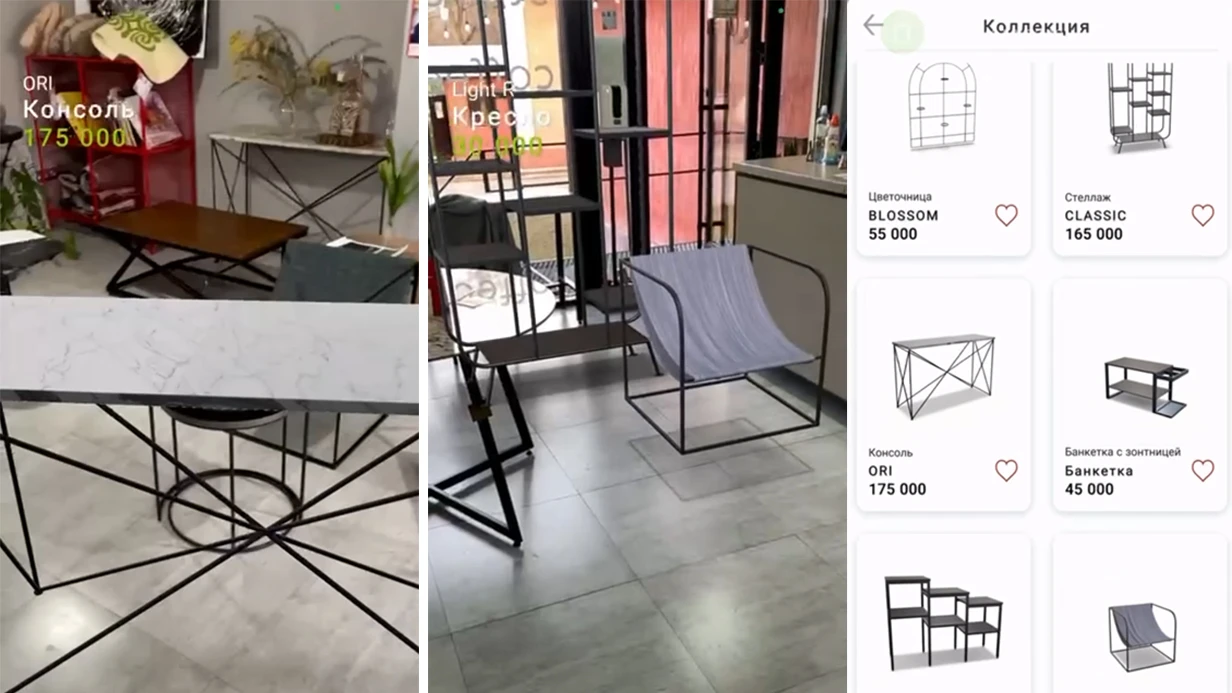
מודלים תלת-ממדיים של כיסויי רצפה עם שחזור מדויק של טקסטורה, צבע וברק. מבקרים יכולים להתקרב לקטע, לסובב דוגמה, ולשנות תאורה — זה מסיר ספקות לפני רכישה.
-
סצנת אולם תצוגה וירטואלי מוכנה — חדר, משרד או חלל מכירה שבו הריצוף הנבחר "מונח" על הרצפה. ברור מיד איך החומר משתלב עם רהיטים, אור ודקורציה.
-
ממשק אולם תצוגה אינטואיטיבי: בחירת דוגמאות, מעבר בין סצנות והשוואה. מבקרים מבינים את זה בלי הדרכה, ואתה לא מבזבז זמן בהסבר מכניקת ניווט.
-
לוח ניהול למנהל שלך — עדכון מגוון בשירות עצמי, שינויי מחירים והגדרת סצנות. אתה שולט בתוכן לחלוטין בלי לערב מפתחים.
-
רמזים מובנים למבקרים — הוראות קצרות שמדריכות את הלקוח צעד אחר צעד: צפה, השווה, בקש מידע.
-
הדרכת צוות: אנחנו מקיימים מפגש מקוון, מספקים מדריך עזר, ועוברים על כל תרחישי השימוש. הצוות שלך משתמש באולם התצוגה בביטחון בתוך השעות הראשונות אחרי ההשקה.
אחרי ההשקה אתה לא נשאר לבד עם המערכת: אנחנו זמינים לתמיכה טכנית, עדכונים וצמיחת פרויקט. חומרי מקור ופרטי גישה מועברים אליך במלואם — הפתרון נשאר בידיים שלך.
מקרה בוחן: אולם תצוגה וירטואלי לסלון חומרי גמר
סלון חומרי הגמר Parket-Profi התמודד עם נקודת כאב קלאסית: מגוון ריצוף עצום, אבל אולם תצוגה פיזי שהציג רק חלק קטן ממנו.
קטלוגים ותמונות לא יכולים להעביר את הטקסטורה, קנה המידה, או איך החומר ייראה בפנים אמיתיים — קונים היססו ודחו החלטות.
בנינו אולם תצוגה תלת-ממדי וירטואלי לסלון שבו מבקרים עוברים בדירה עם חדרים שונים ומחליפים את הריצוף בלחיצה אחת.
זה לא רק מודל תלת-ממדי אלא סלון דיגיטלי מלא: אפשר להשוות למינציה ופרקט, לראות איך האור פוגע במשטח, ולבחור צבע לתוכנית הרצפה שלך. התוצאה הייתה מקרה בוחן של אולם תצוגה וירטואלי שהשתלם במהירות.
מה השתנה לעסק
התוצאות של התערוכה התלת-ממדית עלו על הציפיות. תוך חודשיים מההשקה, מספר הפניות באתר שולש — מבקרים הפסיקו לעזוב והחלו לחקור את המגוון באריכות.
המעורבות גם שולשה: זמן ממוצע בדף גדל מכמה דקות לעשר, וביקורים חוזרים היוו כמעט שליש מהתנועה.
הסלון הווירטואלי פתר בעיה נוספת: אנשי מכירות הפסיקו לבזבז זמן בהסבר "איך זה ייראה". קונים מגיעים עם החלטה כמעט סופית — רק פרטים ומחיר צריכים דיון. כתוצאה מכך, ההמרה לפניות עלתה, וצוות המכירות התחיל לעבוד עם לידים חמים יותר.
למה זה עבד
העיקר: אדם רואה את החומר בהקשר של חלל מגורים, לא על מדף. היכולת להחליף ריצוף בקנה מידה אמיתי מסירה את הפחד מטעות. ללקוח, זה אומר פחות החזרות, יותר אמון, וצמיחה צפויה בפניות.
אחרי ההצלחה של הגרסה הראשונה, הסלון הזמין מודול נוסף לפנים מסחריים. הזמנה חוזרת היא ההוכחה הטובה ביותר שכלי וירטואלי מספק ערך מדיד לעסק.
שאלות נפוצות על אולמות תצוגה וירטואליים
אנחנו מבינים: לפני השקת אולם תצוגה וירטואלי, עולות ספקות — האם יהיה קל למבקרים להשתמש בו, כמה מהר אפשר ליישם אותו, האם הטכנולוגיה תיכשל ברגע הקריטי ביותר. להלן אנו מתייחסים לארבעת החששות העיקריים שלקוחות מביאים אלינו. לא מצאת את השאלה שלך? פשוט תתקשר — נסביר בכנות איך זה יעבוד עבורך.
באילו מכשירים אולם התצוגה הווירטואלי עובד?
מבקרים פותחים את אולם התצוגה דרך קישור רגיל ממחשב, טאבלט או סמארטפון. אין מה להוריד או להתקין — דפדפן מספיק. זה מסיר את חסם הכניסה, שומר על האורחים נקיים מטרדות טכניות, ופירושו שאתה לא צריך לשלוח הוראות.
האם מבקר ללא ניסיון יכול להתמודד?
הניווט אינטואיטיבי: אורחים גולשים בכיסויי רצפה, מתקרבים לטקסטורות, ומחליפים צבעים ופורמטים. רמזים על המסך מדריכים אותם צעד אחר צעד, כך שלא נדרשת הדרכה. אפילו מי שנתקל במרחב תלת-ממדי בפעם הראשונה מבין את זה תוך דקה.
כמה זמן לוקחת ההשקה?
פרויקט טיפוסי לוקח שבועיים עד ארבעה שבועות מרגע קבלת החומרים. במהלך הזמן הזה אנחנו בונים את החלל, מגדירים את התרחיש, ובודקים אותו במכשירים שונים. כל מה שאתה צריך לעשות זה לשלוח את הקישור — ואולם התצוגה מתחיל לעבוד.
מה אם הטכנולוגיה תיכשל במהלך מצגת?
אנחנו בעלי יציבות: אנחנו מריצים בדיקות עומס לפני ההשקה, והמהנדס שלנו בתורנות ביום המצגת. אם צריך, הם מעבירים את הסטרים לערוץ גיבוי או מתאימים את התרחיש במקום. התערוכה לא תיכשל — אפילו בעומסי שיא.
איך לבחור את פורמט התערוכה הווירטואלית המתאים למשימה שלך?
בחירת פורמט תערוכה וירטואלית — ותשובה ל"איזה אולם תצוגה כדאי לי לבחור" — מתחילה לא בטכנולוגיה אלא בשלושה פרמטרים: מטרה, לוח זמנים ותקציב לתערוכה התלת-ממדית.
המטרה קובעת את עומק ההפקה: להצגת קולקציה מהירה, אולם תצוגה תלת-ממדי קומפקטי מספיק; לאירוע רחב היקף עם תוכנית עסקית, תערוכה וירטואלית מלאה עם אולמות מרובים ואזורים אינטראקטיביים היא הדרך.
אם אתה צריך להציג ריצוף בפנים ריאליסטיים ולתת ללקוחות להשוות אפשרויות, אולם תצוגה עם קטלוג והגדרות פרמטרים הוא ההתאמה הטובה ביותר. הוא מושק מהר יותר ולא דורש אישורים ארוכים — זו הבחירה כשמהירות חשובה.
תערוכה וירטואלית בפורמט מלא מציעה יותר הזדמנויות מעורבות: מפגשים חיים, ייעוצים, מצגות קולקציה חדשות. היא מוצדקת כשאתה מתכנן למשוך מספרים גדולים של מבקרים ולמדוד את הפעילות שלהם.
שקול גם מי ישתמש בפתרון. אם התערוכה מכוונת לקונים סיטונאיים ומעצבים, המפתח הוא צפייה נוחה בדוגמאות וגישה מהירה למפרטים. אם המטרה היא מודעות מותג בקרב צרכנים סופיים, השפעה ויזואלית ופשטות ניווט מקבלים עדיפות.
בשני המקרים, אנחנו מתאימים את הפורמט למשימה ולתקציב כך שלא תשלם יותר מדי עבור אפשרויות מיותרות.
העיקר הוא לא לנסות לנחש את הפורמט מראש. בהתחלה, אנחנו מנתחים את המטרות, הקהל ולוח הזמנים שלך, ואז מציעים שתיים או שלוש אפשרויות עם הבדלים ברורים בפונקציונליות ובהיקף העבודה. כך אתה מחליט על סמך תרחישי שימוש אמיתיים, לא מפרטים טכניים מופשטים.
הזמן פיתוח אולם תצוגה וירטואלי וקבל תוצאות
אתה כבר יודע שאולם תצוגה וירטואלי לריצוף מקצר את המסע של הלקוח מצפייה להזמנה. אבל כדי לקבל תוצאות, אתה צריך קבלן שמטפל בהכל — מקונספט ועד השקה.
בצוות שלנו, ככה בדיוק אנחנו עובדים: אנחנו מחויבים ללוחות זמנים, מראים דוגמאות, ותומכים בפרויקט אחרי ההשקה.
לריצוף, חשוב במיוחד להראות קנה מידה, טקסטורה ושילובי צבעים — תמונות רגילות לא יכולות להעביר את אלה. תערוכה תלת-ממדית מאפשרת לקונים "להיכנס" לחלל עם המגוון שלך, לשנות גימורי קירות ותאורה. זה מסיר ספקות ומאיץ את הבחירה.
מה אתה מקבל אחרי שליחת פנייה:
- פורמט אולם תצוגה וירטואלי מותאם למשימות ולתקציב שלך.
- הערכת עלות תוך 1-2 ימי עסקים — בלי עמלות נסתרות.
- תוכנית פרויקט עם שלבים ולוחות זמנים.
- קישורים לתערוכות תלת-ממדיות מוגמרות בנישה שלך.
- מנהל ייעודי לכל מחזור הפרויקט.
- תמיכה טכנית אחרי ההשקה.
השאר בקשה — ונכין הצעה מסחרית, תוכנית עבודה ודוגמאות של פרויקטים דומים. נשלח הערכת עלות ואפשרויות יישום לקטלוג שלך. תקבל אולם תצוגה וירטואלי שעובד למשיכת לקוחות והנעת מכירות. כתוב או התקשר — נגיב תוך יום עסקים אחד.