



מדוע יש צורך בתערוכה וירטואלית של ציוד ומכשור מדעי
השתתפות בתערוכה פיזית של ציוד ומכשור מדעי דורשת תמיד תקציבים רציניים: השכרת דוכן, לוגיסטיקה, התקנה, נסיעות עובדים.
בינתיים, הדוכן עובד רק כמה ימים, והטווח שלו מוגבל למבקרים של מקום אחד בלבד — התנועה שקיבלת מסתיימת יחד עם האירוע.
כמעט בלתי אפשרי להציג ציוד מורכב על תצוגה פיזית: מתקנים בקנה מידה גדול, מתחמי מעבדה ומכשירים עדינים לרוב לא ניתנים לשינוע לעיר אחרת בשל סיכונים ועלויות.
בגלל זה, לקוחות פוטנציאליים מאזורים ומדינות אחרות פשוט לעולם לא לומדים על הפתרון שלך, ואתה מפסיד שווקים שלמים. זו הבעיה העיקרית של תערוכות פיזיות — הן מזמינות את הלקוח לבוא אליהן, במקום ללכת אל הלקוח בעצמן.
בינתיים, קונים כבר מזמן רגילים לחקור מוצרים באינטרנט — הם צריכים מצגת מהירה וברורה שניתן לפתוח ממחשב נייד תוך דקה.
אם למתחרים כבר יש תערוכה וירטואלית או קטלוג קל להבנה, ואילו לך יש רק דוכנים בכמה ערים, הלקוח בוחר במי שקל יותר להכיר. אתה אפילו לא תדע שהפסדת את העסקה בשלב הצגת המוצר.
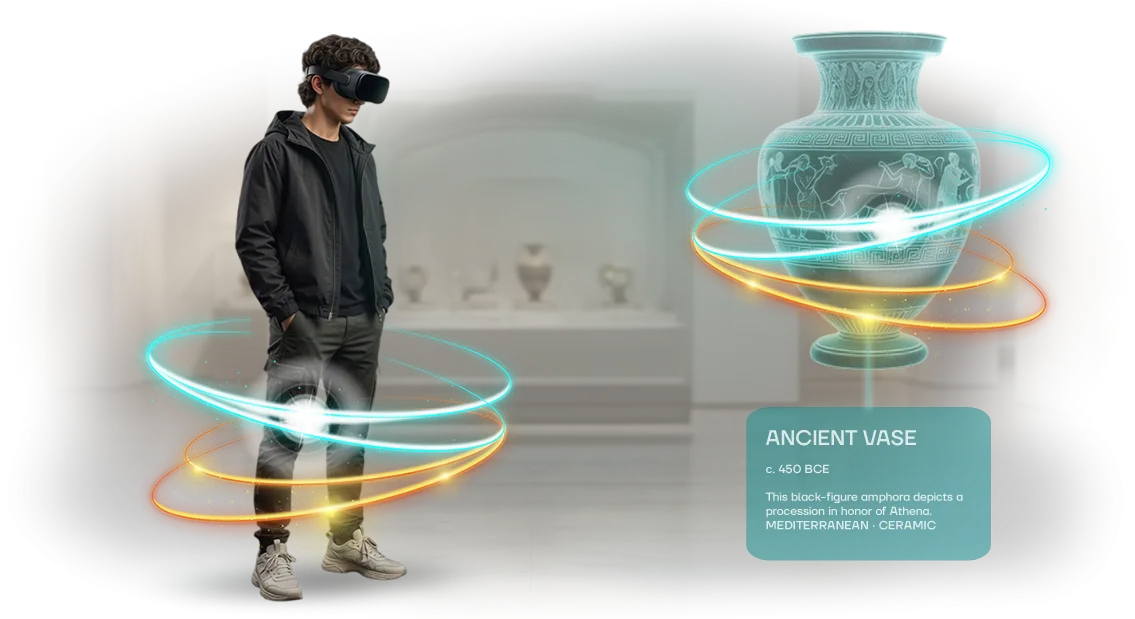
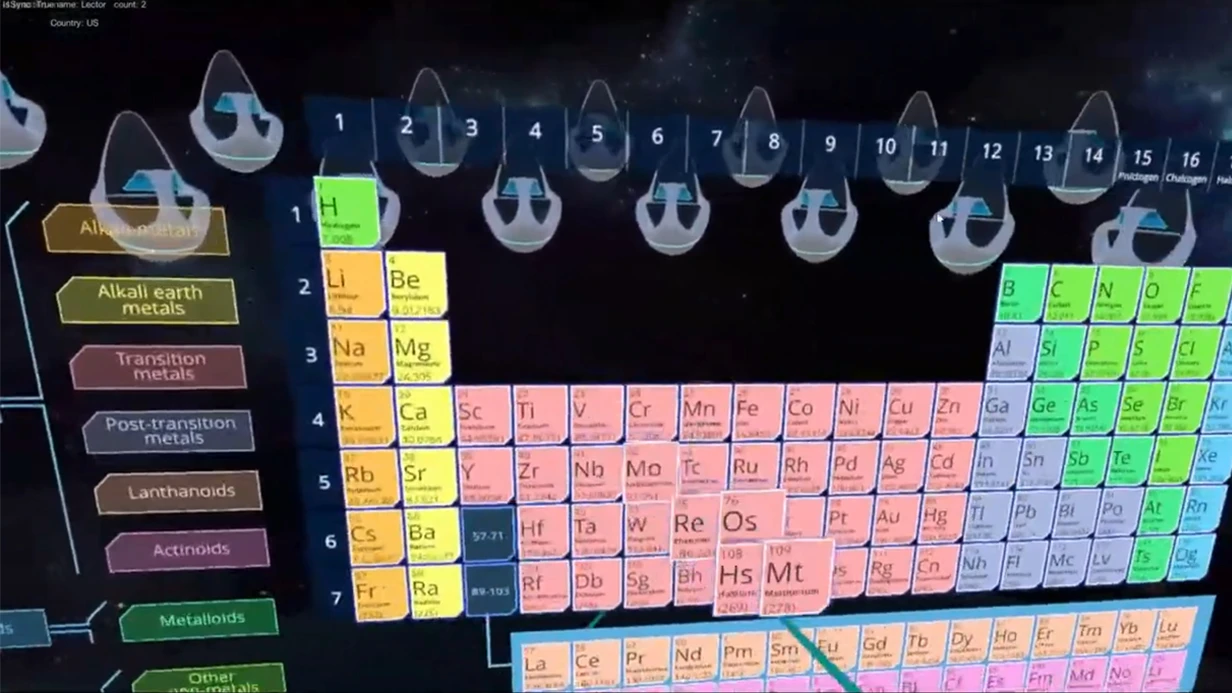
תערוכה וירטואלית וחדר תצוגה בתלת-ממד פותרים את הבעיות האלה: הציוד והמכשור המדעי שלך זמינים מסביב לשעון, מכל מקום בעולם, בפירוט, עם אפשרות לבחון כל רכיב.
זה בדיוק הפורמט שאנחנו עוזרים ליצור בצוות שלנו — כך שהמוצר שלך תמיד מוצג, ופניות מגיעות בלי להיות קשורות ללוח אירועים או ללוגיסטיקה גיאוגרפית.
מה חדר תצוגה בתלת-ממד נותן לציוד ומכשור מדעי
הדגמת ציוד מדעי היא משימה מורכבת: מכשירים מגושמים, דורשים תנאים מיוחדים, והלקוח צריך לראות איך הרכיבים עובדים לפני הרכישה.
חדר תצוגה בתלת-ממד מסיר את המגבלה הזו — המודל זמין בפירוט, במבט מפורק, ובהקשר של מעבדה.
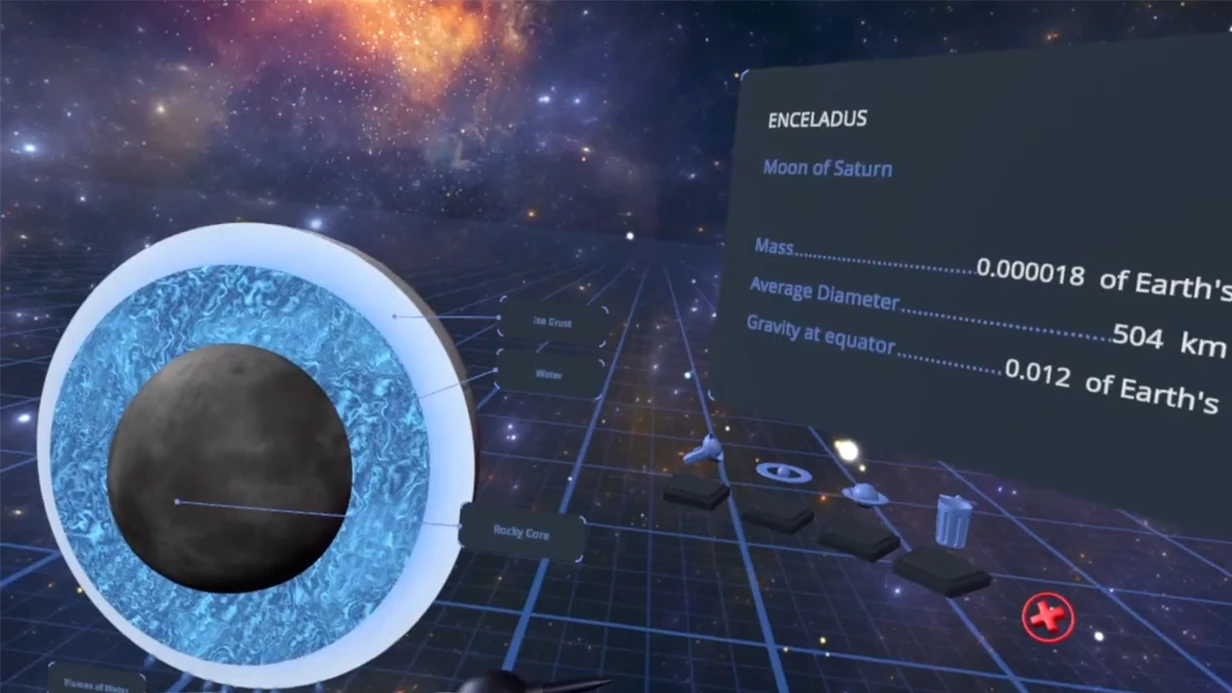
המבקר מחליט בעצמו במה להסתכל: לסובב את המעטפת, להסתכל פנימה, לבדוק את התצורה. סוג כזה של חקירה מחזיק תשומת לב פי שניים עד שלושה יותר מאשר קטלוג ובונה אמון.
חדר התצוגה עובד באינטרנט, כך שלקוחות מאזורים ומדינות אחרות מכירים את המכשיר בלי נסיעות עסקים ושיחות טלפון ראשוניות.
פניות לאחר הביקור מגיעות ממוקדות: הקונה כבר מבין את המוצר ומוכן לדון בתנאי משלוח. זה מקצר את מחזור העסקה ומפחית את העומס על מחלקת המכירות.
בנוסף, חדר התצוגה מחזק את ההכרה — הפורמט הלא קונבנציונלי זוכה לאזכורים במדיה החברתית ובסקירות בתעשייה, ומחזק את התדמית המקצועית.
טבלה עוזרת לבחור את התפקיד של חדר התצוגה:
| פורמט | למי זה מיועד | מה זה מספק |
|---|---|---|
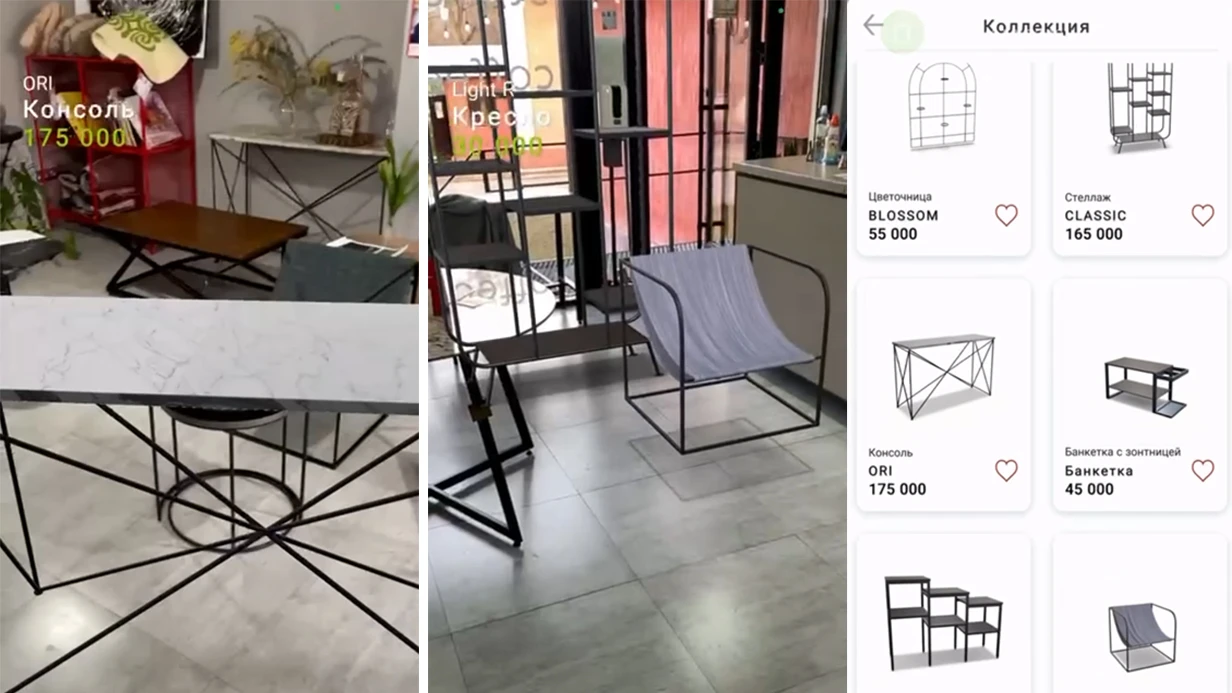
| קטלוג אינטראקטיבי | מחלקת מכירות | פחות שאלות סטנדרטיות |
| סיור וירטואלי במעבדה | קונים, טכנולוגים | הערכת תנאים בלי נסיעת עסקים |
| מצגת VR בתערוכה | שיווק | דוכן חי, סיבה ליצירת קשר |
ההשפעה מאושרת על ידי דוגמה: "לקוח מאזור אחר אישר את העסקה אחרי חצי שעה של לימוד המודל התלת-ממדי, למרות שהמשא ומתן נמשך שלושה חודשים לפני כן", אומר ראש החברה PriborStan. בהמשך, נסקור שאלות נפוצות על יישום.
פורמטים של תערוכה וירטואלית למשימה שלך
כדי להציג ציוד ומכשור מדעי, אתה לא חייב לאסוף לקוחות באולם תצוגה אחד.
תערוכה וירטואלית עובדת כפלטפורמת מכירות מלאה: המבקר מכיר את המוצרים, לומד את הפרטים ומקבל החלטת רכישה — wherever הוא נמצא.
השאלה היחידה היא איזה פורמט הכי מתאים למשימה שלך: חדר תצוגה VR, סיור וירטואלי או קטלוג אינטראקטיבי.
פורמטים של תערוכה וירטואלית נבדלים בעומק המעורבות ובטווח הקהל. חלק מהלקוחות צריכים לבחון את המכשיר בפירוט, אחרים צריכים להשוות דגמים במהירות, ואחרים צריכים את התחושה של נוכחות במעבדה. בחירת הפורמט קובעת באיזו מהירות מבקר עובר מהקדמה לפנייה.
| פורמט | למי זה מיועד | מה זה נותן ללקוח |
|---|---|---|
| חדר תצוגה VR | למהנדסים, טכנולוגים וקונים שצריכים להעריך ציוד בפעולה | שקיעה מלאה: המבקר "בתוך" התערוכה, בוחן את המכשיר מכל הצדדים, מפעיל את ההדגמה ומבין את עקרון הפעולה בלי דגם פיזי |
| סיור וירטואלי | לקהל רחב ולשותפים שרוצים לצפות במהירות בתערוכה | גישה קלה בדפדפן, סביבה ריאליסטית, חיסכון בזמן על נסיעות ויכולת להראות ציוד בהקשר של מעבדה או מתקן ייצור |
| קטלוג אינטראקטיבי | לשיווק ומכירות, כשצריך להעביר במהירות מפרטים ויתרונות | מאגר נתונים מובנה עם מודלים תלת-ממדיים, מסננים והשוואת דגמים: הלקוח מוצא את המכשיר המתאים ומשאיר פנייה |
כל פורמט פותר את המשימה שלו: חדר התצוגה VR יוצר תחושת נוכחות, הסיור הווירטואלי מספק סקירה מהירה של התערוכה, והקטלוג האינטראקטיבי מציע ניווט נוח בין דגמים.
אנחנו עוזרים לך לבחור את האפשרות האופטימלית או לשלב ביניהם כדי לכסות מומחים טכניים, קונים וצוותי שיווק. כתוצאה מכך, אתה מקבל כלי שעובד על הכרת המותג ועל מספר פניות גדל, בלי הוצאות מיותרות על ארגון תערוכות פיזיות.
איך אנחנו יוצרים תערוכה וירטואלית ב-5 שלבים
תהליך ברור פירושו תוצאות ולוחות זמנים צפויים. כשאתה מזמין תערוכה וירטואלית של ציוד מדעי, אתה לא צריך להבין בפרטים טכניים: אתה יכול לראות מה קורה בכל שלב, היכן נדרש אישור, ומתי הפרויקט המוגמר יהיה מוכן. מבננו את העבודה כך שאתה שולט בכל שלב ומקבל החלטות ברגע הנכון.
- בריף וסקירת משימה — אתה מספר לנו על התערוכה, המטרות והקהל שלך, ואנחנו מציעים מה ואיך להראות כדי שזה יפתור את המשימות העסקיות שלך. התוצאה היא תוכנית, היקף עבודה ולוחות זמנים.
- יצירת מודלים תלת-ממדיים של ציוד — בהתבסס על השרטוטים, התמונות או דגם בפועל שלך, אנחנו מדמים עותקים מדויקים של המכשירים. עבור ציוד מורכב, אנחנו מכינים כמה מצבי צפייה: מהמבט הכללי ועד למבנה הפנימי.
- פיתוח אינטראקטיביות — אנחנו מגדירים התנהגות מודל: סיבוב, חתך רוחב, פעולת חלקים נעים, תוויות לרכיבים. בשלב זה, אתה רואה תוצאות ביניים ועורך שינויים בלי לבזבז זמן.
- הרכבת החלל הווירטואלי — אנחנו מסדרים את הציוד לפי ההיגיון של הדוכן או האולם שלך, מוסיפים ניווט ואזורי הדגשה, כך שהמבקר מבין מיד לאן להסתכל ומה לחקור.
- השקה ותמיכה — אנחנו מפרסמים את התערוכה בדומיין שלך או בפלטפורמה שלנו, עורכים בדיקות עם תרחישי שימוש אמיתיים ומספקים הוראות ברורות. אחרי ההשקה, אנחנו נשארים בקשר: עדכונים ועדכוני תוכן נעשים במהירות.
התהליך כולו אורך בין שבועיים לחודש — לוח הזמנים תלוי במספר ובמורכבות המודלים. אתה תמיד יודע מה קורה ורואה את התוצאה בכל שלב, בלי "קופסה שחורה" או הפתעות. אנחנו קובעים את לוחות הזמנים בחוזה כדי שתוכל לתכנן את האירועים שלך בביטחון.
מה כלול במסירת חדר התצוגה הווירטואלי
אתה מקבל לא רק דף תלת-ממדי אלא כלי עבודה מלא שניתן למלא ולשנות בלי מעורבות מפתחים. המסירה הסטנדרטית כוללת את כל מה שצריך כדי להשיק ולהשתמש בחדר תצוגה וירטואלי של ציוד מדעי על בסיס יומי.
- מודלים תלת-ממדיים ריאליסטיים של המכשירים והמתקנים שלך — עם פרטים וזוויות נכונות. מבקר יכול לבחון את הציוד כאילו באופן אישי, גם אם הוא נמצא פיזית בעיר אחרת.
- ממשק נוח למבקר: ניווט בין אולמות, תרחישי צפייה, תיאורי מפרט קופצים. האורח בוחר במה להסתכל ולא מתבלבל מהפקדים.
- פאנל ניהול לצוות שלך: דרכו אתה מעדכן את רשימת המוצגים, משנה תיאורים, מעלה מודלים תלת-ממדיים חדשים ומסדר אותם בין אולמות בלי מתכנת.
- הכשרת צוות: אנחנו עורכים סדנה קצרה למנהלים ולאנשי השיווק שלך כדי שיוכלו לנהל את חדר התצוגה ולהשתמש בו במשא ומתן ובקמפיינים בדוא"ל.
- הוראות מפורטות: מדריך שלב אחר שלב לעבודה עם הפאנל, הגדרת התערוכה ותרחישים אופייניים — למקרה שעולות שאלות אחרי ההשקה.
עם החבילה הזו, אתה משיק במהירות חדר תצוגה וירטואלי ומקבל כלי שעובד למכירות: מבקרים מכירים את הציוד בלי לוגיסטיקה ונסיעות עסקים, והמומחים שלך מבזבזים פחות זמן על מצגות חוזרות.
מקרה בוחן: איך חדר תצוגה תלת-ממדי הכפיל את מספר הפניות
אחד הלקוחות שלנו — יצרן ציוד מדעי LabSystems — התמודד עם בעיה אופיינית לשוק: תערוכות וקטלוגים קבועים הפסיקו לספק את זרם הפניות הדרוש.
היה יקר וגוזל זמן לשנע דגמים בין ערים, והיה קשה לקונים לקבל החלטה על סמך תמונות ותיאורים.
הצענו להחליף נסיעות עסקים בחדר תצוגה וירטואלי תלת-ממדי שבו ניתן היה לבחון את המכשירים בפירוט, כאילו באופן אישי.
בחדר התצוגה, מהנדסים וקונים מסובבים את המודל, פותחים מפרטים ומשווים תצורות.
אין צורך להוריד שום דבר — הכל עובד ישירות בדפדפן, כך שאין מחסום של "תתקין קודם, ואז תצפה". זה נוח גם למוכר וגם ללקוח: החלטת הרכישה מתקבלת מהר יותר.
תוצאות
בחודשים הראשונים לפעילות, חדר התצוגה זכה לביקור של יותר מ-1,200 מומחים מאזורים שונים — פי כמה יותר ממה שעובר בדרך כלל בדוכן פיזי.
מספר הפניות מהאתר גדל ביותר מפי שניים, וההוצאות על נסיעות עסקים ודוכני תערוכה ירדו בכמעט 60%.
החברה זכתה לא רק בגידול בפניות אלא גם ביכולת להציג ציוד חדש בלי חודשים של הכנות לאירועים פיזיים.
משוב לקוח
"בעבר, בילינו חודשים בארגון תערוכות ולא תמיד קיבלנו את התוצאה שרצינו. עכשיו קונים באים אלינו בעצמם, לאחר שכבר למדו את הציוד.
הפניות הפכו למפורטות ואיכותיות יותר — אנשים מבינים מה בדיוק הם צריכים", מציין ראש המכירות בחברת הלקוח.
המקרה הזה הוא הוכחה ברורה שחדר תצוגה וירטואלי משתלם: הוא מרחיב את הטווח, מאיץ מכירות וחוסך תקציב. אם המוצר המורכב שלך קשה להצגה באתר רגיל, חדר תצוגה תלת-ממדי עשוי להפוך לערוץ הפניות היעיל ביותר שלך.
מה אם תערוכה וירטואלית לא מתאימה לעסק שלי?
תערוכה וירטואלית לא תתאים אם היא לא פותרת את המשימה העסקית שלך — להראות לקונה איך הציוד עובד בתנאים אמיתיים. אנחנו לא מוכרים סיורי תלת-ממד תבניתיים: עבור כל פרויקט, אנחנו בוחרים פורמט על סמך הקהל ומאפייני המוצר.
עבור מכשירים מדעיים, זו יכולה להיות תערוכה אינטראקטיבית עם מפרטים מפורטים, הדגמת VR לסוחרים או גרסת אינטרנט קלה לטווח המוני.
הסיכון ש"הפורמט לא יעבוד" מסולק עם השקה פיילוט. אנחנו בוחרים מוצר אחד או קהל אחד, מיישמים גרסה מינימלית ומודדים את התוצאה מול המדדים שלך: זמן צפייה, מספר פניות, עומק אינטראקציה. אם המספרים לא גדלים, אנחנו חוזרים לאסטרטגיה או מקפיאים את הפרויקט בלי לאבד תקציב.
מה מבטיח שהפרויקט ישתלם?
אנחנו לא מבטיחים "הצלחה" מופשטת אלא קובעים את תוצאת הפיילוט: לוחות זמנים, איכות מודלים, תמיכה טכנית בהשקה.
אם התערוכה הווירטואלית לא מראה את ההשפעה הצפויה בנישה שלך, אנחנו מתאימים את הפורמט לערוץ אחר, קהל אחר או סוג אינטראקציה אחר.
מה אם לקוחות לא אוהבים את הממשק?
שבוע לפני ההשקה, אנחנו עורכים מצגות ניסיון עם קונים אמיתיים ואוספים משוב. על סמך התוצאות, אנחנו משנים את התרחיש, את היגיון הניווט ואת רמת הפירוט — אפילו בשלב הפיילוט, ברור מה מדבר לקהל הספציפי שלך.
כמה זמן אורכת ההשקה?
אנחנו משיקים פרויקט פיילוט תוך 2–4 שבועות מהבריף. זה מספיק כדי ליצור מודל מדויק של מוצר אחד, להרכיב תרחיש ולערוך הדגמות ראשונות.
התחל עם פיילוט — זו דרך מהירה לבדוק את ההשערה בלי השקעות גדולות. באחד או שניים מחזורים, תקבל תמונה ברורה: האם תערוכה וירטואלית עובדת עבור הציוד שלך, מה העלות של יישום מלא ואיזו תשואה לצפות על פני הקטלוג כולו.בואו נדון במשימה שלך — קבל הערכת פרויקט
כל פרויקט מתחיל בשיחה. ספר לנו על המשימה שלך — נציע את הדרך הטובה ביותר להציג את הציוד והמכשור המדעי שלך בתלת-ממד, נציע פורמט שיעבוד עבור הקהל שלך ונענה על שאלות לגבי לוחות זמנים ותקציב.
אנחנו לא מוכרים תבניות — אנחנו בונים כל פרויקט סביב המשימות שלך והמאפיינים הספציפיים של התערוכה שלך.
לאחר ייעוץ קצר, תקבל:
- הערכת פרויקט למשימה שלך: פורמט, פונקציונליות, לוחות זמנים;
- הצעה מסחרית עם מבנה שקוף — בלי סעיפים נסתרים;
- המלצות לתרחיש התערוכה הווירטואלית ולהיגיון הניווט;
- תוכנית אינטגרציה: ממודלים תלת-ממדיים ועד השקה בדומיין או בחומרה שלך;
- תיאור ברור של שלבי הפיתוח ותשובות לשאלות טכניות;
- ביטחון שהתוצאה תיראה במצגת הראשונה עצמה.
זה ללא התחייבות. אחרי זה, אתה מחליט בעצמך אם לעבוד איתנו או פשוט להשתמש בחומרים לתכנון פנימי.
אנחנו משתמשים בפלטפורמת הגרפיקה המקצועית Unity — זה מבטיח פעולה חלקה של חדר התצוגה בכל מכשיר מודרני, ממחשבים ועד משקפי VR.
במשך יותר מ-10 שנים, סיפקנו עשרות פרויקטים ליצרני ציוד B2B ולמדנו להפוך מפרטים טכניים מורכבים לתרחיש ברור שמניע מכירות.
אתה מקבל לא רק תמונה יפה אלא כלי שעוזר ללקוחות להבין את המוצר מהר יותר ולקבל החלטת רכישה.
השאר בקשה "הזמנת חדר תצוגה תלת-ממדי" — נדון במשימה שלך ונכין הערכה והצעה מסחרית תוך שני ימי עסקים. פיתוח התערוכה יתחיל מיד לאחר אישור התוכנית.