



לקוחות לא יכולים לראות את המרקם של חומרי גימור וציפויי בניין
קונה חומרי גימור הוא העורך הראשי של הפנים העתידיים שלו. לא מספיק לראות דוגמית על המסך — הוא צריך להבין איך המרקם ייראה, איך הציפוי יתנהג על הקיר, ואיזה גוון הוא ייתן תחת תאורת ערב.
קטלוג רגיל או תמונה שטוחה לא יכולים להעביר את זה — כך שהלקוח מהסס, דוחה את הרכישה, או הולך למתחרה שהראה את החומר "בחיים האמיתיים".
עבור העסק, זהו אובדן ישיר: המרה נמוכה יותר, דוגמיות נוספות, החזרות ועסקאות מתארכות. קונה סיטונאי דוחה את ההחלטה עד שהוא רואה את החומר בעיניים שלו.
תחזוקת מחסן דוגמיות ענק והצגתו לכולם היא יקרה, ותמונות סטטיות אינן תחליף לחוויה המישושית. לכן אנחנו מעבירים את אולם התצוגה לסביבה וירטואלית.
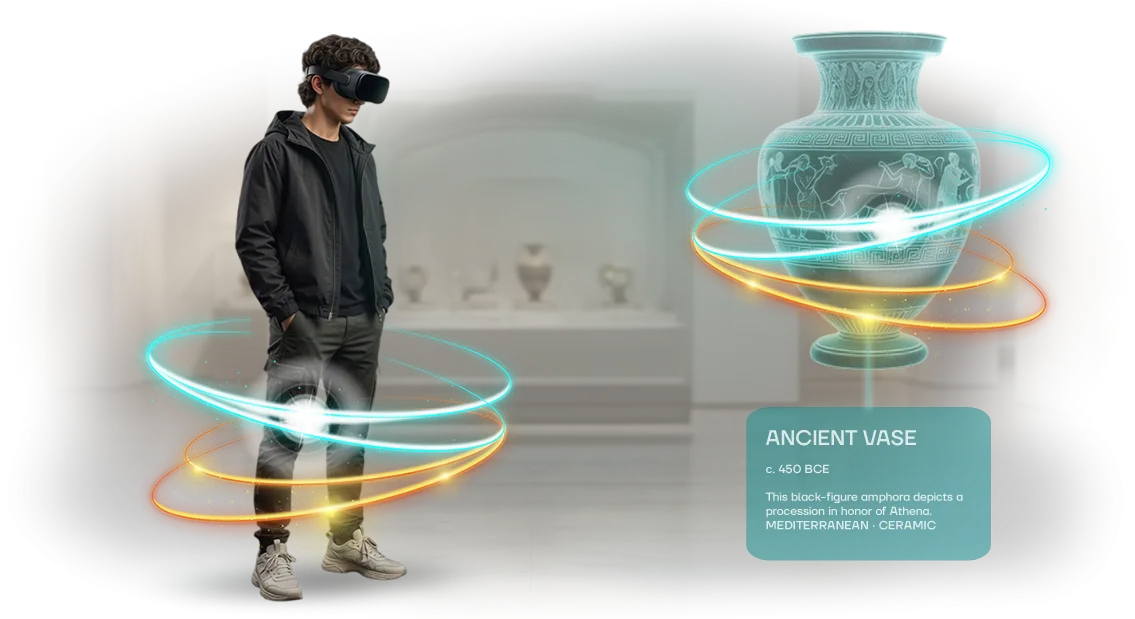
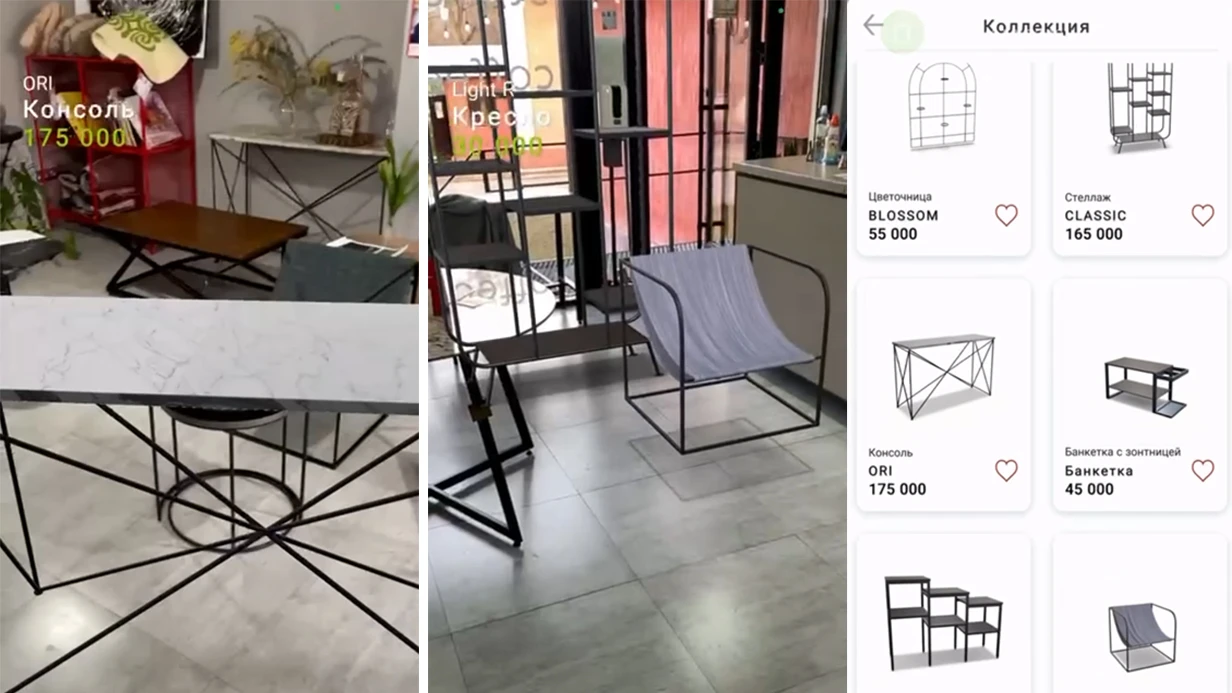
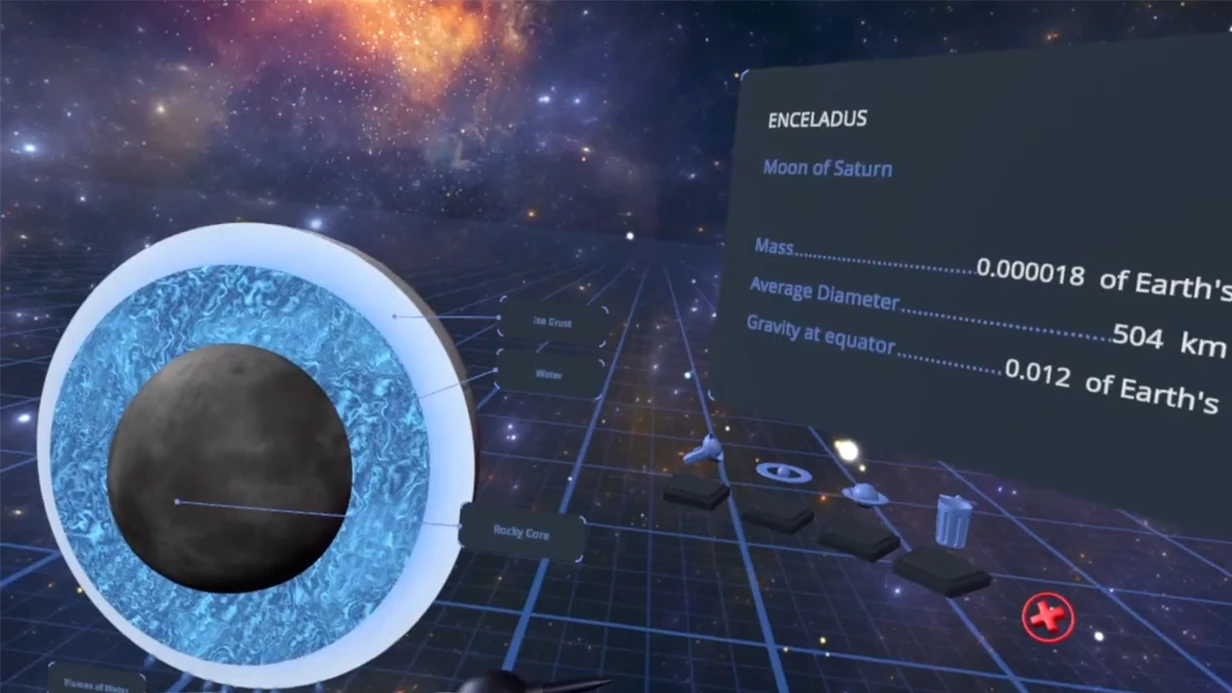
אולם תצוגה תלת-ממדי מאפשר להציג חומרי גימור וציפויי בניין בפירוט הרב ביותר: מרקם ריאליסטי, נפח, עומק צבע והתנהגות תחת תאורה שונה.
קונים יכולים להתקרב למשטח, לסובב אותו, להשוות קולקציות שכנות, ואפילו לראות את החומר בפנים מוגמרים — בסלון, באמבטיה או במטבח. זה מסיר את החסם המרכזי: חוסר היכולת "לגעת" במוצר.
תערוכה וירטואלית יוצרת בנוסף תחושת נוכחות: הלקוח עובר באולמות, בוחן דוכנים, מחליף אפשרויות — ועושה זאת בכל זמן, מכל מקום בעולם. פורמט זה בונה אמון במותג, מזרז את הבחירה ומפחית החזרות.
אנחנו מטפלים בפיתוח, בהגדרה ובתמיכה — אתם מקבלים כלי מכירה עובד במקום צילומים אינסופיים ודוגמיות בדואר.
אילו יתרונות העסק שלכם מקבל מאולם תצוגה תלת-ממדי
אולם תצוגה תלת-ממדי לחומרי גימור וציפויי בניין הוא כלי מכירה שעובד עבורכם מסביב לשעון. במקום לדפדף בקטלוג משעמם, הלקוח נכנס לחלל שבו הוא יכול לבחון מרקמים, לשנות תאורה ולדמיין את החומר בפנים. היכרות כזו היא בלתי נשכחת וגורמת לאנשים לרצות לשתף את הקישור.
היתרון הראשון הוא גידול בעניין מצד מעצבים, אדריכלים וקונים פרטיים. אנשים מבלים יותר זמן באולם תצוגה כזה מאשר בעמוד מחירון, זוכרים טוב יותר את המבחר ומחליטים לקנות מהר יותר.
היכולת לצפות בציפוי בתנאים שונים מסירה ספקות ומעודדת אותם לשלוח פנייה.
השני הוא הרחבת טווח ההגעה ללא שכירת חללים או לוגיסטיקה. עם קישור אחד, אתם פותחים אולם תצוגה בכל עיר — בכל מקום שבו נמצאים הלקוחות הפוטנציאליים שלכם.
אתם מעבירים את ההצעה שלכם לאלה שבעבר לא יכלו להגיע לתערוכה או למשרד, ונכנסים בביטחון לאזורים חדשים.
השלישי הוא זרם קבוע של לידים. מבקרים יכולים לשלוח פנייה, לשאול שאלה או להזמין דוגמיות ישירות בתוך אולם התצוגה. אתם מקבלים אנשי קשר חמים מאנשים שכבר מכירים את המוצר, כך שההמרה לעסקה גבוהה יותר מאשר בפניות רגילות באתר. טפסים מובנים מבטיחים שלא תאבדו אף לקוח.
הרביעי הוא הגברת המודעות למותג. חברה שמציגה חומרים בפורמט תלת-ממדי מודרני נתפסת כמובילת טכנולוגיה. זה מחזק את האמון בקרב שותפים קבועים ועוזר לבנות תדמית פרימיום עם לקוחות חדשים.
בקיצור: אולם תצוגה תלת-ממדי מביא יותר מבקרים מעורבים, טווח הגעה רחב וזרם צפוי של לידים. מחלקת המכירות שלכם מקבלת כלי שמגביר מכירות ללא תלות בתערוכות או במשרד.
פורמטים של תערוכה וירטואלית למטרות שונות
עבור חומרי גימור וציפויי בניין, קטלוג אינו מספיק: קונים צריכים לראות מרקם וקנה מידה. אנחנו בוחרים את הפורמט בהתאם למטרה שלכם — מסיור מהיר באולם תצוגה ועד תערוכה מקוונת רחבת היקף.
| פורמט | למי | מה הוא נותן ללקוח |
|---|---|---|
| סיור וירטואלי | סוחרים, סיטונאים, מבקרי אתר | צפייה באולם תצוגה קיים בפורמט 360° ללא נסיעות עסקים |
| אולם תצוגה תלת-ממדי | אדריכלים, מעצבים, לקוחות קמעונאיים | בחירת צבע, מרקם ותאורה — הקונה "מנסה" את החומר על הפרויקט שלו |
| תערוכה וירטואלית | שיווק ומכירות להשקת קולקציה | שילוב מותגים וקווי מוצרים בחלל אחד, הגדלת טווח הגעה ולידים |
סיור וירטואלי עוזר כשיש לכם אולם תצוגה מוביל וצריך להראות אותו ללקוחות מרוחקים. אולם תצוגה תלת-ממדי הוא כלי מכירה עצמאי: הוא מאפשר לשנות ציפויים וצבעים בזמן אמת, ומגדיל את המרת הפניות.
להשקת קולקציה חדשה, תערוכה וירטואלית עובדת הכי טוב — היא מביאה כמה מותגים יחד בחלל ממותג אחד ועובדת מצוין כתוספת למצגת פיזית.
בכל פורמט, אתם מקבלים ניווט ברור, תאימות לכל המכשירים ואנליטיקה: אילו חומרים נצפו הכי הרבה וכמה זמן בילו המבקרים. נתונים אלה עוזרים לכם להתאים את מגוון המוצרים ואת קמפיינים הפרסומיים.
שלבי הפרויקט: מהבריף ועד ההשקה
אנחנו מבינים שחשוב לכם לא להיכנס לפרטים טכניים, אלא לראות תהליך ברור ולשלוט בלוחות זמנים.
לכן אנחנו מפרקים את כל המסע מהרעיון ועד ההשקה לשלבים — אתם תמיד יודעים מה קורה, מה מאושר ואיזו תוצאה אתם מקבלים בכל שלב.
-
בריף והתעמקות. אתם מספרים לנו על המשימה: אילו חומרי גימור וציפויי בניין צריך להציג, מי הקהל שלכם ואיזו תוצאה אתם מצפים. אנחנו ממלאים שאלון קצר או עורכים שיחה — זה לוקח יום או יומיים.
-
קונספט ותסריט. אנחנו מציעים את המבנה של אולם התצוגה הווירטואלי: איך מבקר נע בחלל, מה הוא רואה קודם, ואילו חומרים וציפויים מוצגים. אתם מקבלים תיאור ותוכנית לאישור.
-
אישור. אנחנו מבצעים תיקונים לפני תחילת ההפקה. אנחנו דנים בתוכן: שמות קולקציות, תיאורים ואזורי הדגשה. אנחנו גם קובעים לוחות זמנים להפקה כדי שתוכלו לתכנן את השקת התערוכה או מצגת ללקוח.
-
הפקה. מומחים מרכיבים את החלל הווירטואלי: פריסה, תאורה, מרקמי חומרים וניווט. אתם מקבלים גרסאות ביניים לבדיקה — זה מונע תוצאה שונה מהציפיות.
-
השקה ומסירה. אנחנו מארחים את הפרויקט באתר שלכם או בכתובת נפרדת ובודקים אותו במכשירים שונים. אנחנו מוסרים גישה והוראה קצרה — אתם יכולים מיד לשלוח את הקישור ללקוחות, לסוחרים או למבקרי תערוכה.
-
תמיכה לאחר ההשקה. אנחנו נשארים בקשר: מתקנים בעיות במהירות, עוזרים להוסיף קולקציות חדשות או להתאים את הסצנה לאירוע הבא.
אנחנו משתמשים בתהליך עבודה זה בפרויקטים ליצרני חומרי גימור וציפויי בניין — הוא חוסך זמן באישורים ומבטל הפתעות. אתם יודעים מראש באיזה שלב נמצא הפרויקט ויכולים להצטרף לדיון בכל רגע.
מה כלול: חבילה למחלקת המכירות שלכם
סיור וירטואלי למחלקת המכירות הוא כלי מוכן, לא פיתוח "גולמי". אנחנו מספקים חבילה שניתן להשתמש בה מיד לאחר המסירה — ללא מתכנתים, קבלנים או אישורים ארוכים. כל מה שהמנהל שלכם צריך לעשות הוא לפתוח את הקישור ולהתחיל במשא ומתן.
- סיור וירטואלי במבחר שלכם. מבקרים מסובבים דוגמיות של חומרי גימור וציפויי בניין, מתקרבים למרקמים ומשווים גימורים מזוויות שונות. זה עובד כמו קטלוג אינטראקטיבי שלעולם לא מתיישן ותמיד בהישג יד של המנהל.
- הגדרות גישה לעובדים. כל מנהל מקבל קישור אישי או גישה דרך הפורטל הארגוני. אתם יכולים לראות מי פותח את הסיור ומתי, ולהבין אילו פריטים מושכים עניין של לקוחות.
- חומרי הדרכה למחלקת המכירות. מדריכים קצרים וסרטונים: איך להראות את הסיור ללקוח, אילו מאפייני ציפוי להדגיש ואיך להתמודד עם התנגדויות. היישום לוקח יום אחד, לא שבועות.
- שלושה תסריטי מצגת מוכנים. לפגישה פנים אל פנים, לשיחת וידאו ולחקירה עצמאית של הלקוח. המנהל לא צריך להמציא מבנה — רק לבחור את הפורמט המתאים.
- ארכיון חומרי מקור. כל המודלים התלת-ממדיים, התמונות והמרקמים נשארים אצלכם. אתם יכולים להשתמש בהם לחומרים מודפסים, למדיה חברתית או לעדכונים עתידיים של הסיור — ללא תשלום נוסף.
- תמיכה ועדכונים. לתקופה מוסכמת, אנחנו תומכים בפרויקט, עונים לשאלות עובדים ומבצעים עריכות במהירות אם המבחר או המחירים משתנים.
חבילה זו מכסה את הסיכון המרכזי — השבתה במחלקת המכירות. במקום להבין איך לעבוד עם פורמט חדש, מנהלים משתמשים בסיור למשא ומתן ולצמיחה בהכנסות תוך יום. כל מה שאתם צריכים לעשות הוא לתת גישה לצוות שלכם.
מקרה בוחן: אולם תצוגה וירטואלי לסלון אריחים
סלון האריחים Dom Keramiki התמודד עם בעיה אופיינית לחומרי גימור וציפויי בניין: לקוחות מסתכלים על דוגמיות אבל לא יכולים לדמיין איך הקולקציה תיראה על קירות אמבטיה או מטבח.
פרויקטי עיצוב לא עזרו לכולם — הלקוח היה עוזב "לחשוב על זה" ולעתים קרובות לא חוזר.
פיתחנו אולם תצוגה וירטואלי שבו כל קולקציית אריחים מוצגת בפנים ריאליסטיים: תאורה שונה, שילובים עם חומרים אחרים ואפשרויות פריסה.
מבקרים יכולים לעיין במבחר באינטרנט מכל מכשיר, אפילו לפני ביקור בסלון — ללא הזמנת מעצב או המתנה.
תוצאה לעסק
ההשקה שינתה את התנהגות הלקוחות. בחודש הראשון, אולם התצוגה זכה ל-500+ מבקרים — פי שניים מתנועת הרגל הממוצעת של הסלון הפיזי.
ההמרה מצפייה לפנייה גדלה פי 1.8: אנשים הגיעו עם קולקציה שכבר נבחרה, וזמן הבחירה קוצר משבועיים ליומיים.
חשוב מכך, חלק הפניות החוזרות. לאחר שלושה חודשים, 28% מהזמנות האריחים הגיעו מלקוחות שחקרו לראשונה את המבחר באולם התצוגה התלת-ממדי. חלקם ביצעו הזמנות מרחוק, מערים אחרות — בעבר מכירות כאלה היו נדירות.
למה הלקוח נשאר איתנו
הלקוח קיבל לא מבצע חד-פעמי אלא כלי מכירה עובד: אנחנו מאמנים מנהלים, מוסיפים קולקציות חדשות ומעדכנים פנים.
אולם התצוגה ממשיך לייצר פניות לאחר ההשקה, וחוזה התמיכה כבר חודש פעמיים — עבורנו, זה המדד המרכזי לערך שאנחנו מספקים.
איך לבחור את פורמט התערוכה הווירטואלית המתאים לתקציב שלכם?
הקריטריון המכריע הוא לא התקציב עצמו, אלא המטרות שהתערוכה הווירטואלית צריכה להשיג. עבור חומרי גימור וציפויי בניין, זה בעיקר אומר הדגמה ברורה של מרקמים, צבעים ושילובים בפנים.
אם הלקוחות שלכם צריכים לראות איך אריח או למינציה נראים תחת תאורה שונה בחדר מוגמר, בחרו פורמט עם איכות ויזואליזציה גבוהה. אם המשימה העיקרית היא להציג במהירות קטלוג מוצרים, אולם תצוגה תלת-ממדי פשוט יותר יספיק.
הקריטריון השני הוא מספר ה-SKU ותדירות העדכונים. עבור קולקציה של 20–30 דוגמיות, הגיוני לבנות אולם תצוגה קומפקטי שבו כל חומר מוצג בכמה סצנות אופייניות.
אם המבחר שלכם כולל מאות פריטים ומשתנה כל עונה, תצטרכו פורמט עם מאגרי מידע ומסננים מוכנים לפי קולקציה, סדרה ומאפיינים. זה מיד קובע את התקציב ועוזר להימנע מתשלום יתר על אפשרויות מיותרות.
כמו כן, העריכו את הקהל שלכם: מעצבים ואדריכלים ילמדו פרטים וישוו חומרים, בעוד קונים קמעונאיים בדרך כלל רוצים תגובה רגשית מהירה.
במקרה הראשון, השקיעו בכלי השוואה ומרקמים מקרוב; במקרה השני, התמקדו בפשטות הניווט ובמהירות הטעינה. הרצף הנכון הוא: קודם הגדירו את פרופיל המבקר, אחר כך בחרו את הפונקציונליות, ורק אז קבעו את התקציב הסופי.
הכלל האחרון: אל תרדפו אחרי חידושים טכניים; בחרו פורמט שפותר בדיוק את משימת המכירה שלכם ולא ידרוש מבנה מחדש בעוד שישה חודשים. אפשרות טובה היא השקה בשלבים: התחילו עם הבסיס והוסיפו אפשרויות כשאתם רואים תוצאות.
אנחנו עוזרים לכם לבחור תערוכה וירטואלית לתקציב שלכם, ומסבירים בדיוק על מה אתם משלמים ואיזו תוצאה תקבלו.
תשובות לשאלות נפוצות לפני שמתחילים
לפני תחילת פרויקט, לקוחות שואלים שלוש שאלות עיקריות: האם נעמוד בלוחות הזמנים, איך אולם התצוגה יעבוד עם האתר, והאם המבקרים יצטרכו ציוד מיוחד. אנחנו עונים עליהן מיד כדי שתוכלו לקבל החלטה בבהירות מלאה.
כמה זמן לוקח לפתח תערוכה וירטואלית?
לוחות הזמנים תלויים במספר החדרים וברמת הפירוט של האובייקטים. אולם תצוגה טיפוסי לקולקציית חומרי גימור מוכן תוך 2–4 שבועות, בעוד פרויקט מורכב עם כמה אולמות לוקח 6–8 שבועות.
אנחנו קובעים את לוח הזמנים המדויק בחוזה לאחר הבריף, כך שאין סיכון לעיכובים. אם אתם צריכים לזרז, אפשר לדון בהשקה בשלבים.
איך אולם התצוגה הווירטואלי ישולב עם האתר שלנו?
אנחנו מטמיעים את הפתרון המוכן בעמוד שלכם דרך קישור פשוט או בלוק הטמעה — זה עובד ללא התקנה מסובכת. מבקרים פותחים את אולם התצוגה בדפדפן בכל מכשיר, ואתם יכולים להוסיף אותו לתפריט, לבאנר או למייל ללקוח.
השילוב אינו דורש עיצוב מחדש של האתר, ואם תרצו, נוכל לעזור להוסיף מעבר מקטלוג המוצרים שלכם.
האם המבקרים יצטרכו ציוד VR?
לא, התערוכה הווירטואלית עובדת בדפדפן רגיל במחשב, בטאבלט או בסמארטפון. משקפי VR הם בונוס נחמד למי שרוצה חוויה מקסימלית, אבל הגרסה הבסיסית זמינה לכולם ללא מכשירים נוספים. זה אומר שהלקוחות שלכם יכולים לצפות בחומרים ללא התקנת אפליקציות או הגדרות מיוחדות.
אנחנו גם מטפלים בכל העניינים הטכניים: עוזרים עם אירוח, בדיקות במכשירים שונים ועדכון תוכן לאחר ההשקה. אתם מקבלים כלי מכירה מוכן שעובד מיד ואינו דורש ידע מיוחד מהעובדים שלכם.קבלו הערכת עלות לאולם תצוגה תלת-ממדי עוד היום
כל יום של עיכוב משמעותו הזמנות אבודות מקונים שלא יכולים "לחוש" את המבחר שלכם באופן אישי. אולם תצוגה תלת-ממדי משתלם כי לקוחות בוחרים את הגימורים שלהם מהר יותר ונוטים פחות להחזיר מוצרים עקב אי-התאמה לציפיות.
אבל כדי להעריך את הכלכלה של פרויקט, אתם צריכים מספרים קונקרטיים למשימה שלכם — לא הבטחות מופשטות.
שלחו פנייה, ותוך יום עסקים אחד תקבלו חבילה מלאה לקבלת החלטה. ללא התחייבויות וללא שירותים שנדחפים — רק עובדות, לוחות זמנים ואפשרויות יישום לתקציב שלכם.
מה כוללת ההערכה:
- ייעוץ פורמט — נבין איזה סוג של אולם תצוגה וירטואלי מתאים למבחר שלכם: קטלוג עם צפייה תלת-ממדית, אולם סוחף או שילוב באתר.
- הערכה שלב אחר שלב — פירוט עלויות שקוף: דיגיטציה של חומרים, פיתוח סצנה, הגדרת תאורה ושילוב. ללא עמלות נסתרות.
- דוגמאות לפרויקטים דומים — נציג מקרי בוחן לחומרי גימור וציפויי בניין כדי שתראו את רמת הפירוט ואיכות התמונה.
- לוח זמנים להשקה — לוח עבודה ריאלי המבוסס על הצוות שלכם וגודל הקטלוג. תדעו מתי אולם התצוגה יתחיל לקבל את המבקרים הראשונים.
- יתרונות עסקיים — חישוב החזר: איך אולם התצוגה יקצר את מחזור המכירה ויגדיל את ערך ההזמנה הממוצע באמצעות מכירות נוספות של פריטים נלווים.
- דרישות טכניות — מה האתר והציוד שלכם צריכים כדי להשיק ללא הפתעות.
להערכה, אנחנו צריכים רק מידע מינימלי: מספר הפריטים בקטלוג שלכם, הפורמט (אריח, טפט, צבעים, ציפויים) וקישור לאתר שלכם.
נעצב את אולם התצוגה בסגנון המותג שלכם — מהמסך הראשון, הלקוחות ימצאו את עצמם באווירה מוכרת.
מלאו את הטופס או שלחו הודעה — זה לוקח כמה דקות. נדון בפרטים בשיחת ייעוץ קצרה ונשלח את ההערכה תוך יום. נתחיל עם הקטלוג שלכם — השאר יבוא בעקבותיו.