



כיצד להציג יצירות אמנות ופסלים ללא ביקור פיזי
אספנים וחובבי אמנות ממעטים לקבל החלטת רכישה על סמך תמונה אחת בלבד.
הם צריכים להקיף פסל, לבחון את מרקם החומר ולראות את קנה המידה בסביבה אמיתית — דבר בלתי אפשרי אם הגלריה נמצאת בעיר אחרת או שהמדינה סגורה לביקורים.
כתוצאה מכך, טווח ההגעה לקהל מוגבל גיאוגרפית, וחלק מהקונים הפוטנציאליים פשוט פונים לאלה שיודעים להציג יצירה מרחוק.
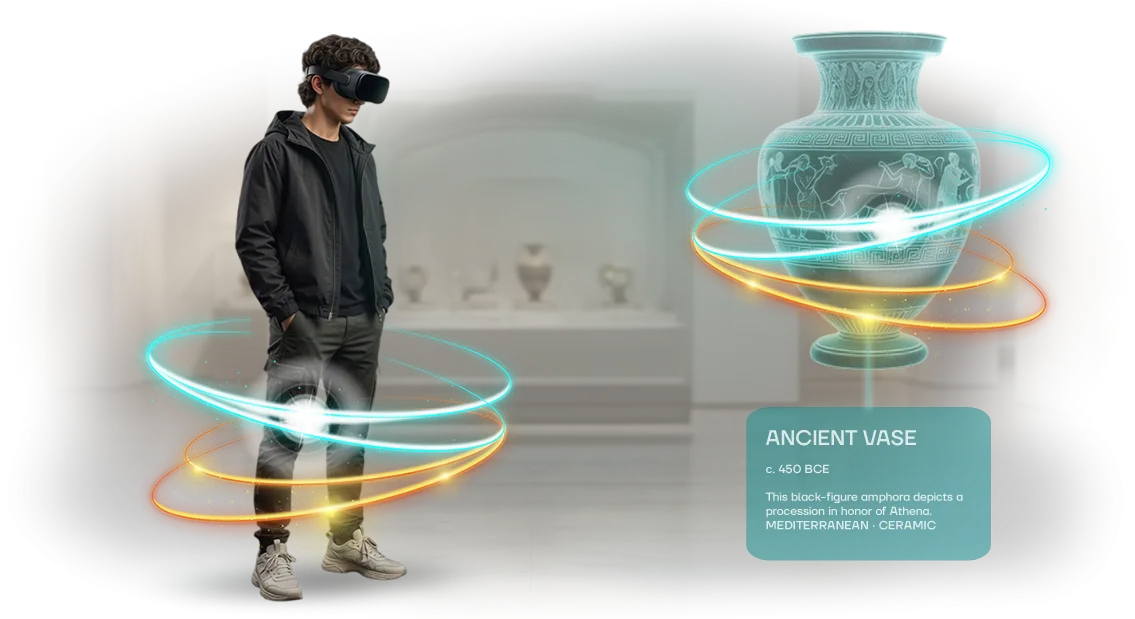
תערוכה וירטואלית או שואורום תלת-ממדי ליצירות אמנות ופסלים פותר בעיה זו. זה לא תחליף לצפייה פיזית אלא כלי שמאפשר להציג אוסף לקהל בלתי מוגבל ויוצר אפקט של נוכחות אישית.
בעזרת מידול תלת-ממדי המעביר במדויק מרקמים ופרטים, הצופה יכול לבחון את האובייקט מכל זווית — בעוד היצירה עצמה לעולם לא עוזבת את האחסון, כך שהסיכון לנזק במהלך הובלה מתבטל.
עבור בעל עסק, משמעות הדבר היא יותר פניות ללא הרחבת שטח פיזי: הצגה מקוונת של יצירות אמנות זמינה בכל עת, והלקוח בוחר את קצב הצפייה שלו.
גישה זו מקצרת את הדרך מהתעניינות ראשונית לפניית מחיר, כי לקונה כבר יש תחושה של "ראיתי את היצירה בעיניי", מה שמסיר את הספקות העיקריים לפני העסקה.
השואורומים הווירטואליים שלנו משתלבים בקלות באתר, במדיה החברתית ובקמפיינים בדוא"ל — פשוט שתפו קישור, והאוסף הופך זמין ללקוחות מכל אזור.
אנחנו יוצרים מרחב שבו האמנות מדברת בעד עצמה, והמשימה היחידה שלכם היא לקבל את ההזמנה ולתאם משלוח.
מה שואורום וירטואלי נותן לעסק שלכם
שואורום וירטואלי פותר את הבעיה המרכזית של עסקי האמנות: הצגת קנה המידה והחומר של יצירות למי שלא יכול לבקר פיזית. גלריה פיזית מוגבלת בשטח הרצפה ובשעות הפתיחה. גרסה דיגיטלית פותחת את האוסף לעולם והופכת את הצפייה לאירוע.
יתרון: תגובה רגשית מהאורחים
אורחים זוכרים לא את התצוגות אלא את הרושם. במרחב וירטואלי, המבקר "מסתובב" בין פסלים, בוחן פרטים וחש באווירה — בדיוק כמו בביקור אישי. זה מעורר רגשות שאנשים רוצים לשתף. כל אורח מספר לחברים ולקולגות על הפרויקט, ומספק המלצות חינמיות.
יתרון: הגעה ללא גבולות
התערוכה זמינה ביום ובלילה, מכל מקום על פני כדור הארץ. אספן מעיר אחרת יכול לצפות בה בזמן נוח ללא תיאום נסיעה. זה מרחיב את הקהל עשרות מונים בהשוואה לתצוגה אופליין ואינו דורש שכירת שטח נוסף.
יתרון: הכרת המותג
שואורום דיגיטלי מודרני מבדל אתכם מגלריות שמפרסמות רק צילומים. אנו יוצרים מרחב ממותג בסגנון המותג שלכם, שניתן להשתמש בו במצגות, באתר ובמדיה החברתית. פורמט מוכר נזכר ומחזק את מעמדכם בשוק.
יתרון: לידים לעסקי האמנות
חלון הראווה עובד גם ככלי לאיסוף פניות. מבקר יכול להשאיר פרטי קשר, לשאול שאלה על יצירה או להזמין צפייה אישית. כל צפייה הופכת לאות ברור של עניין, והצוות מקבל מאגר של קונים פוטנציאליים להמשך עבודה.
פורמטים של תערוכות וירטואליות לפסלים ואובייקטי אמנות
עבור פסלים ואובייקטי אמנות, גלריית תמונות רגילה אינה מעבירה לא את הנפח, לא את מרקם החומר ולא את קנה המידה של היצירה.
הצופה צריך לבחון מזוויות שונות, להתקרב לפרטים ולהרגיש את החלל — זה מה שקובע אם היצירה תיזכר.
אנו בוחרים את פורמט התערוכה הווירטואלית על סמך האוסף, הפלטפורמה ומטרות התצוגה.
אנו מזהים את הקהל — גלריסטים, אספנים פרטיים או הציבור הרחב — ובונים סביבם את החלל, רמת הפירוט ותרחיש האינטראקציה. הניסיון מראה שפורמט שנבחר נכון מגדיל באופן ניכר את זמן הצפייה ואת מספר פניות הרכישה.
| פורמט | למי זה מיועד | מה זה נותן ללקוח |
|---|---|---|
| גלריה וירטואלית | גלריות, מוזיאונים, חללי אמנות | הצגה מהירה של אוסף ללא שכירת אולם, הגעה לכל גיאוגרפיה |
| סיור תלת-ממדי לפסלים | אמנים, פסלים, סטודיו | בחינה מפורטת של אובייקט מכל הצדדים, העברת מרקם וחומר |
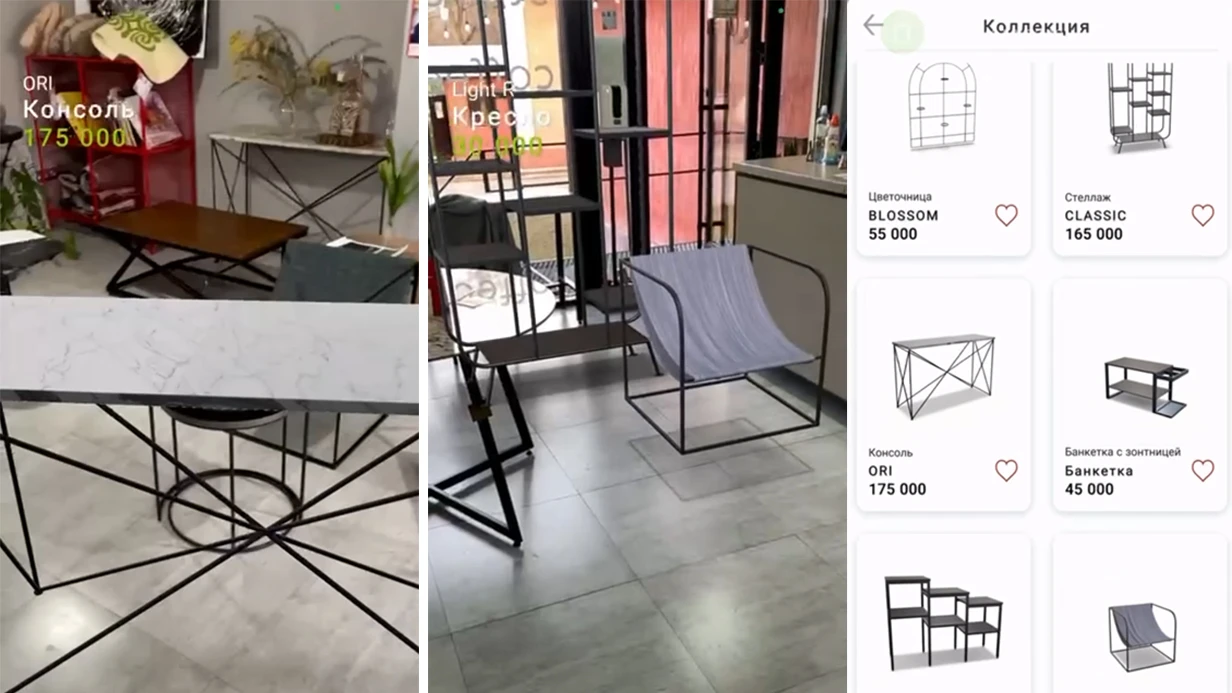
| שואורום לאובייקטי אמנות | גלריות פרטיות, סוחרי אמנות | מכירות ללא תצוגות פיזיות, לכל יצירה יש תיאור ומחיר משלה |
| אולם VR מלא ומרתק | מוזיאונים, ירידים, תערוכות גדולות | המבקר "מסתובב" באולם, מתקרב ליצירות — תחושת נוכחות חזקה יותר |
אנו מכינים כל פורמט עם ציוד מקצועי, כך שרמת הפירוט נשארת גבוהה והטעינה מהירה. אתם מקבלים תערוכה דיגיטלית שעובדת למען המוניטין והמכירות שלכם, לא רק תמונה יפה לדוח.
איך אנחנו יוצרים שואורום וירטואלי: שלבי העבודה
בנינו את התהליך כך שתמיד תדעו מה קורה עם הפרויקט בכל רגע: מהשיחה הראשונה ועד לרגע שבו השואורום הווירטואלי נפתח למבקרים.
אינכם צריכים להבין בנבכי מידול תלת-ממדי או "מנועים" — אתם מקבלים נקודות ביקורת ברורות, לוחות זמנים ותוצאה שפותר את משימת הצגת יצירות האמנות באור הטוב ביותר.
- בריף והתעמקות במשימה — אנו דנים באוסף, בפסלים, בפורמט התערוכה ובקהל היעד. אתם מספרים לנו על המטרות שלכם, ואנחנו מציעים תרחיש תצוגה ומבנה חלל.
- סקיצת חלל וקונספט — אנו משרטטים תוכנית של השואורום העתידי: כיצד המבקר ינוע, אילו אובייקטים יהיו במרכז הבמה, כיצד מסודרים תאורה והדגשים. אנו מסכימים על הקונספט לפני תחילת עבודת התלת-ממד.
- יצירת מודלים תלת-ממדיים של אובייקטים — על סמך התמונות, המידות או ההפניות שלכם, אנו יוצרים עותקים דיגיטליים של פסלים ואובייקטי אמנות. הדיוק חשוב כאן כדי שהפרופורציות, המרקם והאופי של המקור יישמרו במרחב הווירטואלי.
- פריסת חלל ותאורה — אנו מסדרים אובייקטים ומגדירים את המצגת: תצוגות כלליות, תצוגות פרטים, תקריבים. אתם רואים רינדורי ביניים ומבצעים עריכות לפני תחילת ההרכבה הסופית.
- הרכבת הסיור הווירטואלי והממשק — אנו מחברים הכל למרחב אחד, מוסיפים נקודות ניווט, כיתובים ליצירות ויכולת מעבר מאובייקט אחד למשנהו. אתם מקבלים קישור בדיקה לסקירה.
- בדיקות ואישור — אנו בודקים כיצד השואורום נפתח במכשירים שונים, כמה מהר נטענות סצנות והאם כל החומרים נראים. אתם משאירים הערות אחרונות, ואנחנו מבצעים התאמות.
- השקה ותמיכה — אנו ממקמים את השואורום באתר שלכם או בדומיין נפרד ומחברים אותו למערכת אנליטיקה. לאחר ההשקה, אנו נשארים בקשר: עורכים טקסטים, מוסיפים יצירות חדשות או מעדכנים את התערוכה העונתית.
התוצאה הסופית היא לא רק "תמונה יפה" אלא כלי עבודה שקל לשתף: אורחים נכנסים דרך קישור ללא התקנת אפליקציות, והלקוחות שלכם יכולים לבחון פסל בפירוט גם ממרחק אלפי קילומטרים.
מה כלול במסירת התערוכה הווירטואלית
תערוכה וירטואלית היא לא רק סצנת תלת-ממד אלא מוצר לכל דבר שחייב לעבוד ביום הפתיחה ולהניב תוצאות. אנו מוסרים כל מה שהלקוח צריך כדי להשיק את הפרויקט ללא מעורבות מפתחים — מעותקים דיגיטליים של יצירות ועד הדרכת צוות.
חבילת המסירה כוללת:
- מודלים תלת-ממדיים של יצירות אמנות ופסלים, מותאמים לצפייה בכל מכשיר — מסמארטפון ועד משקפי מציאות מדומה. אורחים יכולים לבחון פרטים שבדרך כלל היו מאחורי זכוכית במוזיאון.
- ממשק שואורום עם ניווט נוח, מידע על יצירות ויכולת הוספת מדריך קולי או סרטונים. המבקר בוחר את תרחיש הצפייה שלו — זה שומר על תשומת הלב ומגדיל את זמן השהייה.
- לוח ניהול לעדכון תוכן עצמאי. אתם משנים תיאורים, מוסיפים אובייקטים חדשים או משנים את סדר התערוכה ללא מעורבות הקבלן.
- הוראות השקה ותפעול, כתובות בשפה פשוטה עבור המנהל והצוות. כל מה שצריך לדעת על ניהול התערוכה מרוכז במסמך אחד.
- הדרכת עובדים: מפגש אחד או שניים שבהם הצוות שלכם לומד לנהל את המערכת, לסייע לאורחים ולפתור במהירות בעיות נפוצות. חומרים נוספים נשארים אצלכם לעיון.
- תמיכה במהלך תקופת האירוע ולאחריו — אנו מגיבים תוך יום עסקים אחד כך שכל בעיה לא תשפיע על חוויית המבקרים.
בסופו של דבר, אתם מקבלים חבילה עם כל מה שצריך להשקה: עותקים דיגיטליים של יצירות, ממשק ברור, הוראות והדרכה. כל מה שנשאר הוא להזמין אורחים — כל השאר כבר נעשה.
מקרה בוחן: שואורום וירטואלי לאוסף מוזיאוני
עבור מוזיאון פרטי עם אוסף פסלים, בנינו שואורום וירטואלי שבו היצירות זמינות מסביב לשעון. בעבר, מבקרים יכלו לראות אותן רק בשעות פתיחת האולם — כעת התערוכה פתוחה מכל מקום בעולם.
המוזיאון הגיע עם משימה: להציג את האוסף לקהל שלא יכול לבקר פיזית ולאסוף נתונים על אילו יצירות מייצרות את מירב העניין.
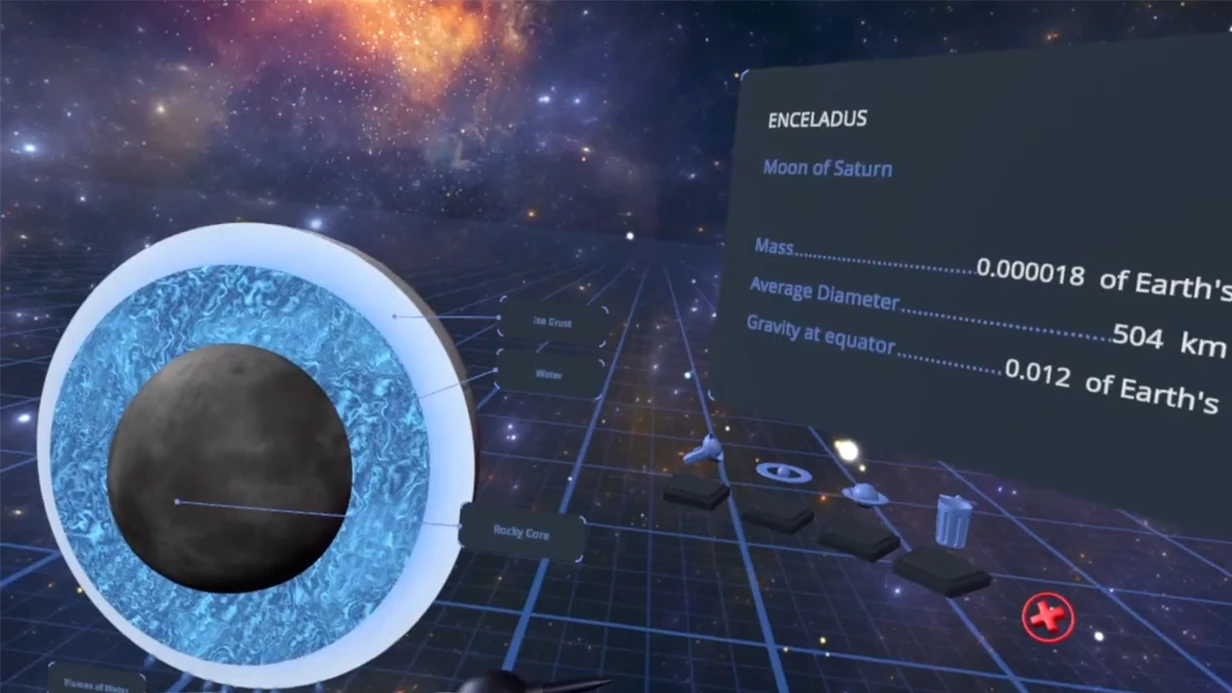
יצרנו מרחב תלת-ממדי שבו ניתן לבחון כל אובייקט מכל הצדדים, להתקרב לפרטים ולקרוא חומרים נלווים.
תוצאות הפרויקט
בחודשיים הראשונים, התנועה לתערוכה הווירטואלית שולשה, וזמן הצפייה הממוצע היה גבוה יותר מאשר באולם הפיזי. צוות המוזיאון קיבל סטטיסטיקות ברורות: אילו פסלים שומרים על תשומת הלב ובאילו נקודות במסלול המבקרים עוצרים זמן רב יותר.
תוצאות מפתח במספרים:
- תנועה לשואורום הווירטואלי — פי 3 מהמתוכנן.
- חלק הביקורים החוזרים — כל מבקר רביעי חוזר.
- המוזיאון המשיך לעבוד איתנו על תערוכה שנייה — ההזמנה מאשרת את התוצאה.
עבור מוזיאונים, פורמט זה פותר שתי משימות בו-זמנית: הוא הופך את האוסף לנגיש למי שלא יכול לבקר באולם והופך צפייה מקוונת ללימוד מלא. ללא לוגיסטיקה מורכבת — אנו מטפלים בדיגיטציה של אובייקטים, בהרכבת החלל ובהגדרת אנליטיקה.
שאלות נפוצות על פיתוח תערוכות וירטואליות
כל פרויקט תערוכה וירטואלית מתחיל בשאלות — על לוחות זמנים, תאימות ואבטחת מידע. אספנו תשובות לשאלות שהלקוחות שואלים הכי הרבה כדי שתוכלו לקבל תמונה ברורה מראש על איך תתנהל העבודה.
אם השאלה שלכם לא כאן — כתבו לנו: נדון בפרטים תוך יום עסקים אחד.
כמה זמן לוקח לפתח תערוכה וירטואלית?
לוח הזמנים תלוי במספר היצירות ובמורכבות הסצנות. בדרך כלל, פרויקט לוקח בין שבועיים לארבעה שבועות: במהלך תקופה זו, אנו עוברים מבריף לפלטפורמה מוגמרת שמבקרים יכולים לפתוח בדפדפן. בתחילת הדרך, אנו קובעים תוכנית לוח שנה ועומדים בה.
באילו מכשירים התערוכה תעבוד?
מרחבים וירטואליים נפתחים ברוב המחשבים המודרניים, הטאבלטים והסמארטפונים — ללא התקנת תוכנות נוספות. המבקר צריך רק דפדפן וחיבור לאינטרנט. כך, אתם לא מאבדים קהל בגלל מגבלות טכניות.
מה לגבי אבטחה ובטיחות תוכן?
ניתן להגביל את הגישה לתערוכה באמצעות קישור או להגן עליה בסיסמה — כך שרק אורחים מוזמנים יראו את היצירות. אנו מאכסנים נתונים על שרתים מאובטחים, כך שתוכלו לשתף חומרים להכנת הפרויקט ללא חשש מהדלפות.
מי תומך בפרויקט לאחר ההשקה?
אנו נשארים בקשר לאחר הפרסום: אנו עוזרים בתמיכה טכנית, מעדכנים תוכן ומוסיפים יצירות חדשות במידת הצורך. אתם יכולים לחתום על הסכם תחזוקה — ולסמוך עלינו בעוד חודש ובעוד שנה.
הזמינו שואורום וירטואלי לאוסף שלכם
לאחר ההזמנה, אתם מקבלים לא רק קישור למרחב תלת-ממדי אלא כלי מוכן להצגת האוסף שלכם. אנו מטפלים בפיתוח במפתח אחד: מדיגיטציה של אובייקטים ועיצוב אולמות ועד הגדרה טכנית והשקה. כל מה שנותר לכם הוא להזמין אורחים — כל השאר כבר עובד.
מה כלול בתוצאה:
- שואורום וירטואלי מוגמר, נגיש מכל מכשיר — מבקרים נכנסים ללא התקנת אפליקציות.
- מפגש הדרכה לצוות שלכם: כיצד לנהל את התערוכה, לעדכן תיאורים ולהוסיף יצירות חדשות.
- תמיכה בפרויקט לאחר ההשקה: אנו עונים על שאלות, מבצעים עריכות ומנטרים פעילות יציבה.
- אפשרויות אינטגרציה: הטמעה באתר, שימוש כעמוד עצמאי או כחלק מקמפיין פרסומי.
- חומרים ברורים: מדריך מנהל וסקירת וידאו למקרה שהצוות משתנה.
- מחיר מחושב לאחר בדיקה: היקף התערוכה, מספר המבקרים בו-זמנית ולוחות הזמנים מותאמים לפרויקט.
גישה זו מסירה את הפחד המרכזי של הלקוח — לקבל מוצר "גולמי" ולהישאר לבד איתו. אנו מלווים את הפרויקט עד שהוא פועל בביטחון, כך שתוכלו להתמקד בעיקר: הרושם שהשואורום שלכם עושה על לקוחות ושותפים.
הזמינו שואורום וירטואלי לאוסף שלכם — נדון בפורמט, נראה לכם דוגמאות ונתן לכם מושג על לוחות זמנים. השאירו פנייה באתר: זה לגמרי לא מחייב.
איך בוחרים את הפורמט הנכון של תערוכה וירטואלית למשימות שלכם?
אותו פרויקט יכול להיות מיושם בעשרה פורמטים שונים — השאלה היא איזה מהם יעבוד למען המטרה שלכם. סיור וירטואלי, שואורום תלת-ממדי אינטראקטיבי ומרחב VR מלא פותרים משימות שונות: מהגדלת מודעות למותג ועד מכירות ישירות.
לכן אנו שואלים תחילה שלוש שאלות: מה אתם רוצים להשיג, מי הקהל שלכם ואיזה תקציב הקציתם.
אם המטרה שלכם היא טווח הגעה רחב ומעורבות קהל, בחרו בסיור אינטראקטיבי עם ניווט וסיפורים מובנים על היצירות.
אם אתם צריכים למכור יצירות אמנות או פסלים, שואורום תלת-ממדי מתאים ביותר — שבו המבקר יכול לבחון אובייקט מכל צד, להתקרב למרקם החומר ולעבור מיד להזמנה.
למצגות סגורות לאספנים או שותפים, אנו יוצרים תרחישי VIP עם גישה מוגבלת ותוכן מותאם אישית.
גם זהות המבקרים חשובה. קהל צעיר וטכנולוגי מאמץ בקלות פורמטי VR מרתקים, בעוד גלריסטים ואספנים מעריכים לעתים קרובות יותר מצגת רגועה עם דגש על פרטים, אור ומרקמים.
בפרויקט אחד, אפשר לשלב את שתי הלוגיקות: גרסה ציבורית לקהל רחב ומצב פרטי נפרד למשא ומתן — זה מרחיב את טווח ההגעה ללא השקעה נוספת בהפקת תוכן.
לבסוף, התקציב קובע לא את האיכות אלא את ההיקף. אנו מציעים מספר רמות: מסיור פנורמי 360 ועד מרחב וירטואלי עם אנימציות, סאונד ותרחישי אינטראקציה.
בשיחת ייעוץ, אנו מפרקים את המשימה שלכם, מראים דוגמאות רלוונטיות ועוזרים לבחור פורמט שמספק את התוצאה הנדרשת — מבלי לשלם יותר מדי על תכונות שלא תשתמשו בהן.
ואם הצרכים שלכם גדלים, אפשר תמיד להרחיב את הפרויקט: התחילו בסיור בסיסי, ואז הוסיפו חלון ראווה, קטלוג או מצב VR.
בואו עם השאלה "איך זה צריך לעבוד" ולא "איזה פורמט לבחור" — יחד נקבע את הפתרון למטרות ולתקציב שלכם, ואנחנו נדאג לכל השאר.