



ציוד חקלאי זקוק להדגמה חיה
קונים של ציוד חקלאי מקבלים החלטות על סמך תחושת קנה מידה ופרטים. תמונות וקטלוגים לא יכולים להעביר ממדים, תצורות או איכות בנייה. כתוצאה מכך, לקוח מהסס נוסע להדגמה של מתחרה — והעסקה אבודה.
הכאב הזה מוכר לכל סוחר. ראש המכירות של AgroTech הודה: "הראינו את הטרקטור בתמונות ובמודל תלת-ממדי, אבל קונים עדיין ביקשו 'לגעת' בו — ללא הדגמה חיה הם לא האמינו לגודל האמיתי של המכונה. איבדנו לידים בשלב הצגת הציוד."
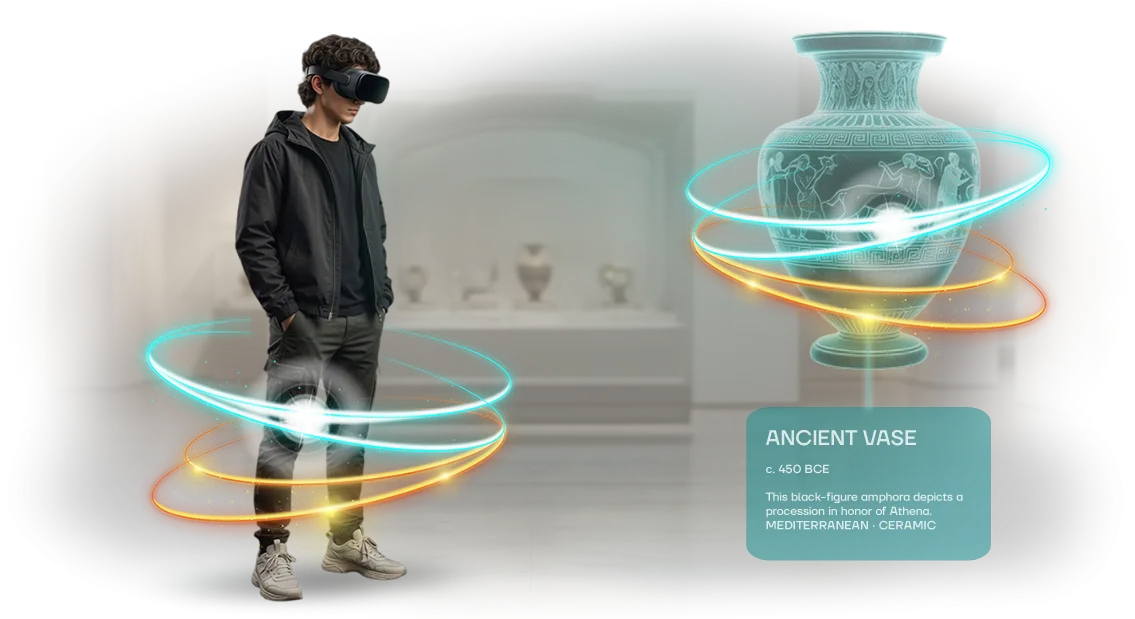
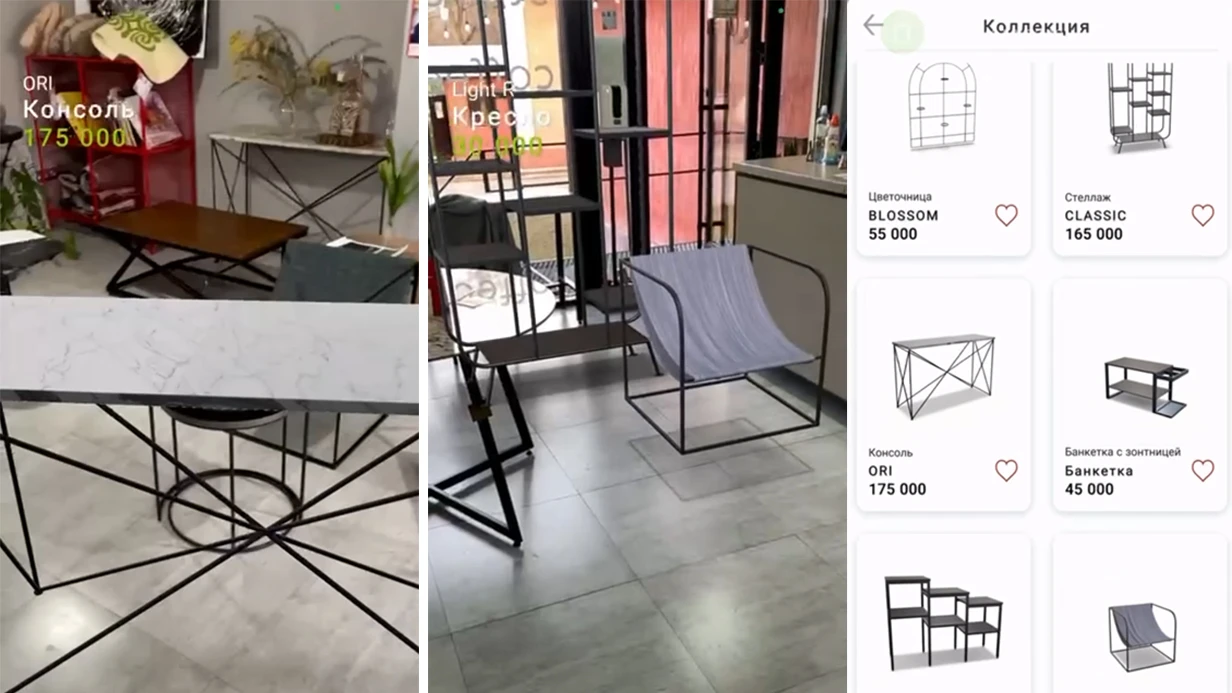
תערוכה וירטואלית פותרת את הבעיה הזו. אנו יוצרים אולם תצוגה מקוון שבו ניתן לבחון מכונות בקנה מידה אמיתי, להסתובב סביבן ולבדוק אותן מבפנים בתא הנהג. רמת הפירוט שווה לבדיקה חיה — ללא עלויות לוגיסטיקה או השכרת אולם.
פורמט זה שומר על תשומת הלב ומסיר התנגדויות לפני הביקור. הקונה כבר רואה את המכונה, משווה אותה למתחרים, ומגיע לסוחר מוכן לקנות. עבור הסוחר, זה אומר מחזור מכירה קצר יותר ויותר לידים מכל פנייה.
אנו מיישמים את התערוכה הווירטואלית כחלק ממשפך המכירות: השיווק מקבל כלי הצגה, המכירות מקבלות טיעון לסגירת עסקה, והלקוח מקבל ביטחון בבחירתו. כל שלב בעבודה מכוון לכך שהמכונה תמכור את עצמה.
מה אולם תצוגה וירטואלי נותן במקום קטלוג סטטי
בקטלוג סטטי, קונה רואה תמונות ומפרטים של טרקטור אך אינו יכול להעריך את ממדיו האמיתיים, את ארגונומיית תא הנהג או את פרטי הבנייה.
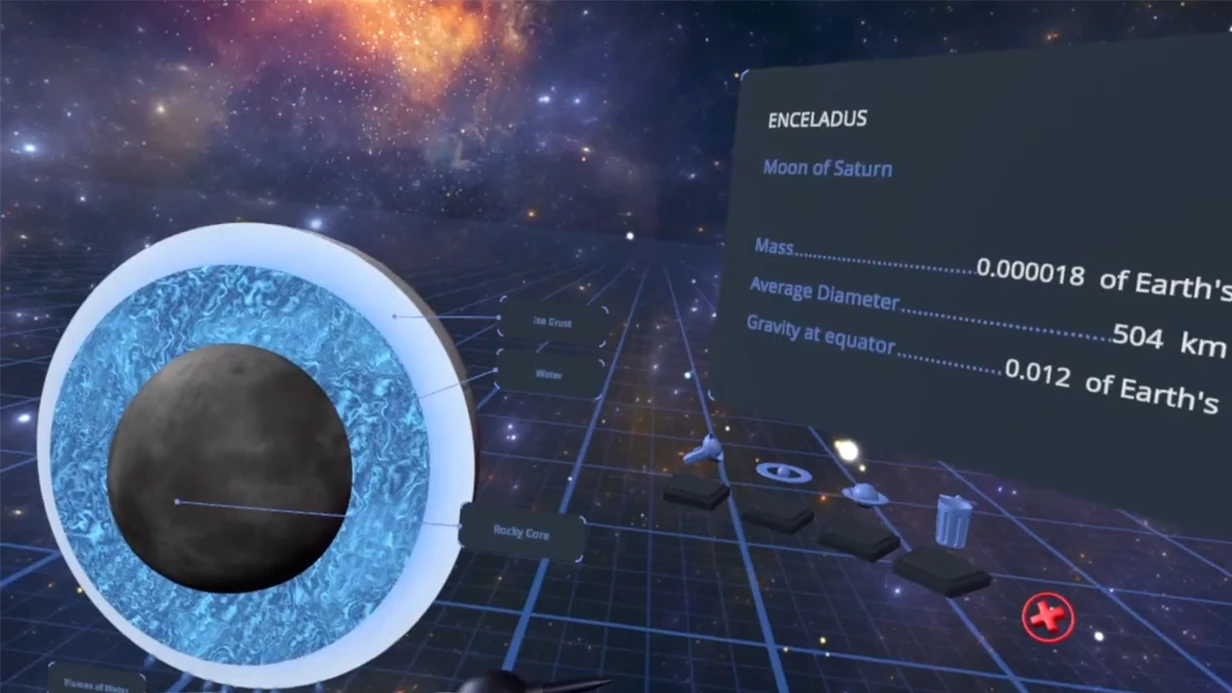
אולם תצוגה תלת-ממדי וירטואלי מסיר מגבלה זו: המבקר "מסתובב" סביב המכונות, מתקרב לרכיבים, פותח דלתות — ומקבל תמונה מלאה של המוצר מבלי לצאת מהבית.
הבנה מלאה של המכונות
סובבו את המודל, בחנו אותו מכל זווית, הציצו לתא הנהג ומתחת למכסה המנוע. אינטראקציה זו מחליפה בדיקה אישית בתערוכה ומסייעת לקבל החלטת רכישה מהר יותר. ככל שהלקוח רואה יותר פרטים, כך נותרות פחות ספקות.
יותר פניות מקונים מתעניינים
אדם שלמד את המכונות בפירוט מגיע אליכם כשהוא כבר מבין את היתרונות שלהן. כך שהשיחה עם מנהל מתחילה לא בהסברים אלא בדיון על תנאי העסקה.
כפי שהפרקטיקה מראה, לאחר הצגת אולם תצוגה תלת-ממדי, מספר הפניות מהאתר גדל באופן ניכר ואיכות הלידים משתפרת.
אמון במותג
פורמט הצגה מודרני מעיד על אמינות החברה. קונה רואה שאתם משקיעים בנוחות הלקוח ועומדים בקצב הטכנולוגיה — זה מחזק את התדמית שלכם ומבדל אתכם ממתחרים המוגבלים לתמונות שטוחות.
גישה זו מאושרת על ידי הדוגמה של הלקוח שלנו — מפעל הציוד החקלאי AgroTech. לאחר השקת אולם תצוגה תלת-ממדי לקו הטרקטורים שלו, זמן השהייה בעמוד גדל פי כמה, ומספר הפניות מהאתר הוכפל. הלקוח היה מרוצה מהתוצאה וחזר אלינו לאולם תצוגה לדגם הבא.
פורמטים של תערוכה וירטואלית לציוד חקלאי
קונים של ציוד חקלאי לא מחליטים על סמך תמונה אחת: הם צריכים לראות את המכונה מכל הצדדים, להשוות דגמים ולהעריך ממדים וציוד. הבאת מוצג חי לכל אזור היא יקרה, וקטלוג מסורתי חסר את הבהירות הנדרשת.
תערוכה וירטואלית סוגרת את הפער הזה — המכונות זמינות בתלת-ממד מסביב לשעון, ללא לוגיסטיקה או עלויות השכרת אולם.
הפורמט נבחר לפי המשימה: מקטלוג תלת-ממדי קל ועד תערוכה מקוונת מלאה עם דוכנים אינטראקטיביים. להלן האפשרויות שאנו מיישמים והיתרונות העסקיים שלהן.
הציוד והפלטפורמה שלנו מקצועיים, כך שהפרויקט פועל ביציבות על כל מכשיר — מלפטופ ועד סמארטפון של לקוח בשטח.
| פורמט | למי | מה הוא נותן ללקוח |
|---|---|---|
| אולם תצוגה תלת-ממדי קומפקטי | רשת סוכנויות, מחלקת מכירות | הדגמה מהירה של מכונות בכל שיחה — עד 20 דגמים עם תצוגת 360° ומפרטים מרכזיים. הקונה רואה את המכונה בפירוט רב כמו באולם תצוגה. |
| תערוכה וירטואלית עם אולמות מרובים | יצרן המארגן הצגה עונתית | תצוגה מקוונת לפי קטגוריות: טרקטורים, קומביינים, כלים מחוברים. מבקרים נעים בין אולמות, פותחים פרטים ומשאירים פנייה מבלי לעזוב את החלל. |
| דוכן אינטראקטיבי למוצר אחד | שיווק להשקת דגם חדש | תשומת לב מרבית על מכונה אחת: פתיחת אלמנטים, השוואה למתחרים, נקודות מכירה. דוכן זה משמש לעתים קרובות באירועים היברידיים — חיים ובשידור. |
| תערוכה מקוונת מלאה עם לוח זמנים | מארגן אירוע תעשייתי | שילוב דוכנים, סמינרים מקוונים וייעוץ מומחים בחלל אחד. מבקרים משתתפים במפגשים חיים, שואלים שאלות ובוחנים מכונות בתלת-ממד, בעוד המארגן מקבל סטטיסטיקות לכל דוכן. |
כדי לבחור פורמט, פשוט ענו על שתי שאלות: כמה דגמים אנו מציגים, ואיזו פעולה אנו מצפים מהמבקר — שיחת טלפון, פנייה או לימוד ממושך של הקטלוג.
אנו נכין מבנה לתקציב וללוחות הזמנים שלכם, ונתאים את העיצוב והתוכן לסגנון הארגוני שלכם.
כיצד עובד פיתוח תערוכה וירטואלית
אתם מקבלים תהליך ברור שבו כל שלב מאושר אתכם. אנחנו לא מציעים "קופסה שחורה": קודם אנו מגדירים מטרות, אחר כך מציגים אב טיפוס, אתם מאשרים את העיצוב, ורק אז משיקים את התערוכה הווירטואלית. כל התהליך אורך מספר שבועות ואחריו תמיכה לאחר השקה.
- בריף והגדרת משימה. אתם מספרים לנו למי מיועדת התערוכה, אילו דגמי מכונות להציג וכיצד מבקרים צריכים ליצור אינטראקציה עם התצוגה. אנו מציעים מבנה אולם ופורמט למטרות שלכם.
- תסריט ומבנה. אנו קובעים כיצד אורח ינוע בחלל הווירטואלי ואילו אזורים להדגיש — בדיקת מכונות, קונפיגורטור, סקירות וידאו, חומרים להורדה. זה הבסיס שקובע את נוחות המבקר.
- יצירת מודלי תלת-ממד של מכונות. אנו מפתחים עותקים דיגיטליים מדויקים של המכונות שלכם — מהצללית הכללית ועד פרטים אופייניים. המכונות נראות מציאותיות וניתן לבחון אותן מכל צד.
- אישור עיצוב. אתם מקבלים אב טיפוס אינטראקטיבי של התערוכה: ניווט, עיצוב אולם, מיקום מכונות. אתם עורכים תיקונים, משנים את סדר המוצגים ומאשרים את הגרסה הסופית.
- מילוי תוכן. אנו מוסיפים תיאורים, מפרטים, לוגואים, תמונות וסרטונים. במידת הצורך, אנו מחברים טפסי פנייה וכפתורי "קבלו ייעוץ" כך שהתערוכה תייצר לידים.
- השקת התערוכה הווירטואלית. אנו בודקים ביצועים במחשבים ובמכשירים ניידים ומספקים קישור להטמעה באתר או בדיוור. מבקרים נכנסים לאולם התצוגה ללא התקנת תוכנה נוספת.
- תמיכה בפרויקט. לאחר ההשקה, אנו מעדכנים תוכן, מוסיפים דגמי מכונות חדשים, עוקבים אחר סטטיסטיקות ביקורים ומסייעים בבעיות טכניות של מבקרים. אתם לא נשארים לבד עם המוצר המוגמר.
מה כלול במסירת אולם תצוגה וירטואלי
כאשר אתם מזמינים אולם תצוגה וירטואלי, אתם מקבלים לא רק סט של מודלי תלת-ממד אלא כלי מכירה מוכן שעובד עבור העסק שלכם. אנו מרכיבים חבילה למשימה שלכם ומוסרים אותה מוכנה לשימוש מלא — ללא צורך בגיוס מומחה נפרד או לימוד תוכנות מורכבות.
הנה מה שכלול במסירה הסטנדרטית:
-
מודלי תלת-ממד מדויקים של מכונות — המכונות והכלים שלכם משוחזרים בפירוט גבוה. הלקוח רואה כל חלק, פותח את תא הנהג ובוחן כלים מחוברים, בדיוק כאילו המכונה עמדה מולו. זה מסיר שאלות של "מה יש בפנים?" לפני שמנהל בכלל מתקשר.
-
תסריטי בדיקה לשלבי מכירה — אנו מתכננים מראש את לוגיקת ההדגמה: מהתצוגה הכללית של קו הדגמים ועד פירוט מעמיק של דגם ספציפי. המנהל מוביל את הלקוח לפי תסריט ולא "נודד בעיוורון" סביב המודל. ללימוד עצמאי, קיים מצב תצוגה חופשית.
-
פונקציית השוואת דגמים — הקונה מציב שתי מכונות זו לצד זו ורואה הבדלים בממדים, בפריסה ובמפרטים. זה מזרז את הבחירה ומפחית את הסיכון לטעות ברכישת ציוד יקר.
-
הוראות שימוש באולם התצוגה — מדריכים פשוטים וברורים למנהלים שלכם: כיצד להתחיל הדגמה, להחליף מצבים, להקרין את התצוגה למקרן או לפגישה מקוונת. אין נהלים מסובכים — אפשר ללמוד בערב אחד.
-
הכשרת הצוות שלכם — אנו עורכים סדנה קצרה למחלקת המכירות.
אנו מראים כיצד לשלב את אולם התצוגה הווירטואלי בשיחת לקוח, כיצד לענות על שאלות טיפוסיות וכיצד להשתמש בהדגמה לטיפול בהתנגדויות — כך שהכלי יניב פניות אמיתיות כבר בשבוע הראשון.
-
פורמט גישה גמיש — אולם התצוגה נפתח על הלפטופ של מנהל, טאבלט או מסך גדול באולם התערוכה. הכל עובד דרך דפדפן או אפליקציה קלה, ללא התקנת תוכנות כבדות על כל מחשב.
-
תמיכה טכנית ועדכונים — לאחר ההשקה אנו נשארים בקשר: אנו מסייעים בהתקנה, מוסיפים דגמים חדשים ככל שהצי שלכם משתנה, ומוודאים שאולם התצוגה פועל ביציבות גם בימי שיא של תערוכות ומכירות עונתיות.
שינוי לפורמטים לא סטנדרטיים אפשרי — מקטלוג אינטראקטיבי לסוכנויות ועד אזור VR בתערוכה. בכל מקרה, אתם מקבלים חבילה שאנשי המכירות שלכם יכולים להשתמש בה מיד לאחר המסירה, לא "חומר גלם" שדורש שבוע לשליטה.
אם אתם צריכים לבחור חבילת מסירה לקו המכונות ולזרימת העבודה של מחלקת המכירות שלכם, נשלח דוגמאות של יישומים לחברות חקלאיות. פשוט כתבו לנו וספרו לנו על הפורמט הנוח ביותר עבורכם.
מקרה בוחן: סוחר פתח מכירות ללא אולם תצוגה
כשסוחר ממרכז רוסיה פנה אלינו לאולם תצוגה וירטואלי, מחלקת המכירות שלו עבדה רק עם חקלאים מקומיים. אי אפשר לבנות אולם תצוגה פיזי בכל אזור — אבל קוני מכונות מצפים לראות את הקומביין במלואו, לגעת בו ולהשוות.
הצענו ל-AgroTechCenter אולם תצוגה תלת-ממדי אינטראקטיבי: מכונות באתר בפרופורציות אמיתיות, שינויי תצורה וכפתור פנייה. מנהל מצטרף לצפייה אם מבקר נשאר על דגם יותר מחמש דקות.
תוצאות מרכזיות
- מספר הפניות מהאתר גדל ב-40% בחודשיים הראשונים לאחר ההשקה.
- עומק הצפייה הממוצע גדל משניים לשישה עמודים, וזמן השהייה באתר שולש.
- הסוחר החל לקבל פניות מוסמכות מאזורים שכנים ללא פתיחת סניפים או מחסנים.
"בעבר, לקוחות נסעו 200 ק"מ כדי לראות את המכונות. עכשיו אנחנו מראים הכל באינטרנט, ורק חוזים חתומים מגיעים לפגישה. המכירות הלכו מהר יותר," — המנהל המסחרי של הסוחר.
שישה חודשים לאחר מכן, הלקוח חזר למודול שני — לקו חדש של מסעות זרעים. עבורנו, זה המדד הטוב ביותר: אולם התצוגה הווירטואלי אינו טרנד חד-פעמי אלא כלי מכירה עובד שמחזיר את ההשקעה בעונה אחת.
אותו מודל יעבוד גם לעסק שלכם — מכונות, חומרי בניין או ציוד, הכל נמכר דרך בדיקה מקוונת ברורה.
כיצד לבחור פורמט תערוכה וירטואלית למשימה שלכם?
תשובה ישירה: בחרו פורמט לא לפי טרנדים אלא לפי האופן שבו המכונות שלכם מגיעות לקונה. אם אתם משיקים קומביין חדש או דגם טרום-ייצור, לקוחות זקוקים לבדיקה מקרוב ומפורטת — עם אפשרות לבחון את תא הנהג, רכיבים וחלקי עבודה.
הצגת מוצר תלת-ממדית אינטראקטיבית מתאימה יותר לכך. אם יש לכם רשת סוכנויות רחבה ועשרות פריטי קטלוג, סיור וירטואלי בכל אולם התצוגה יעיל יותר, שבו הקונה נע בין דגמים באופן עצמאי.
השוו את התרחישים המרכזיים — זה יעזור לכם להחליט מבלי להיכנס לפרטים טכניים.
| פורמט | מתי לבחור | מה הוא נותן ללקוח |
|---|---|---|
| סיור וירטואלי | רשת סוכנויות רחבה, דגמים רבים בקטלוג, המשימה היא לכוון את הלקוח במהירות | חוסך זמן למנהלים, מגדיל כיסוי עד 100% מטווח הדגמים ללא לוגיסטיקת דוגמיות |
| הצגת מוצר תלת-ממדית | דגם חדש או טרום-ייצור שלא ניתן להציג במקום פיזי | מכירות מוקדמות עוד לפני תחילת הייצור, הדגמה ברורה של יתרונות מרכזיים |
| אולם תצוגה תלת-ממדי מלא | חברות שרוצות לשלב את כל הפורמטים ולבנות חלל אחיד למשרדים אזוריים | הכרת מותג, ביקורים חוזרים של לקוחות, פלטפורמה מרכזית למשא ומתן |
אין פורמט "הטוב ביותר" אוניברסלי. לכן אנו מרבים לשלב: אנו משתמשים בסיור וירטואלי כבסיס, ולמוצרים חדשים מוסיפים הצגות תלת-ממד מעמיקות.
זה מכסה גם את הצורך בהכרות רחבה וגם את הצורך בבדיקה מפורטת של דגם ספציפי — ללא עלויות לוגיסטיקה נוספות ועלויות שטח תצוגה.
העיקר הוא שהפורמט פותר את הבעיה העסקית שלכם: האצת זמן היציאה לשוק, קיצור מחזור המכירה או תמיכה בסוכנים אזוריים. אנחנו מטפלים בשאר — מצילום ומודלים תלת-ממדיים ועד השקה והכשרת צוות.
שאלות נפוצות של לקוחות על תערוכות וירטואליות
כשמדובר בתערוכות וירטואליות של ציוד חקלאי, לקוחות שואלים לרוב על אמינות ותמיכה שוטפת. זה מובן: התערוכה פועלת מסביב לשעון, והשבתה או אובדן נתונים עולים יותר מדוכן לא מקוון.
להלן תשובות לשאלות המרכזיות לפני הזמנה. אם התרחיש שלכם לא מופיע, פשוט כתבו לנו — נציע פתרון למשימה שלכם.
מה אם אתר התערוכה נופל בשיא האירוע?
אנו מארחים את אולם התצוגה על ארכיטקטורת שרתים שעומדת בעומסי שיא. אנו מנטרים יציבות מסביב לשעון ומשחזרים גישה במהירות אם מתרחש כשל. עבור הלקוח, זה אומר שמבקרים לא יראו שגיאות אפילו בתנועה מרבית.
אילו ערבויות אתם מספקים לאולם התצוגה הווירטואלי?
אנו מציינים לוחות זמנים להשקה, היקף עבודה והתחייבויות תמיכה בחוזה. לאחר המסירה, אתם מקבלים תקופת אחריות שבה אנו מתקנים כל בעיה ללא תשלום ומסייעים בעדכונים.
האם ניתן לעדכן את התערוכה לאחר ההשקה?
כן, זה אחד היתרונות המרכזיים. אתם יכולים להוסיף דגם מכונה חדש, להחליף סרטון או לשנות תיאור בכל עת — אין צורך לבנות מחדש את כל הדוכן. אנו מבצעים עדכונים לפי בקשתכם לאחר הסכמה על תזמון והיקף.
כיצד מובטחת אבטחת הנתונים?
רק העובדים שלכם מקבלים גישה לניהול התערוכה, וכל הנתונים מועברים בערוצים מאובטחים. אנו לא משתפים מידע על מבקרים עם צדדים שלישיים. זה חשוב במיוחד לציוד חקלאי, שכן קטלוגים ומחירים מכילים לעתים קרובות סודות מסחריים.
מוכנים להשיק תערוכה וירטואלית שיזכרו?
תערוכה וירטואלית היא כלי שמתחיל לעבוד מהיום הראשון לאחר ההשקה: היא מושכת תשומת לב, מובילה את הלקוח לפנייה ונשארת אתכם לשנים.
אנו נעזור לכם ליצור בדיוק פרויקט כזה — עבור המכונות שלכם, הקונים שלכם והיעדים העסקיים שלכם.
מה תקבלו כשתפנו אלינו:
- נדון במשימה ונציע פתרון לפורמט שלכם — מאולם תצוגה תלת-ממדי ועד תערוכה וירטואלית מלאה.
- נחשב את לוח הזמנים והתקציב לפרויקט — ללא שלבים נסתרים או תוספות מחיר בלתי צפויות.
- נראה דוגמאות חיות של תערוכות וירטואליות לתעשיות דומות כדי שתוכלו לראות את התוצאה לפני שמתחילים.
- ניצור מודלי תלת-ממד של מכונות עם פירוט שמוכר: הלקוח בוחן את המכונה מכל הצדדים ומשנה תצורות.
- נספק השקה מלאה: אירוח, התקנה, בדיקות והכשרת הצוות שלכם.
- נוסיף אנליטיקה: אתם רואים כמה מבקרים אתם מקבלים, אילו דגמים נצפים בתדירות הגבוהה ביותר ומאיפה מגיעות פניות.
אם אתם רוצים להזמין תערוכה וירטואלית, השאירו פנייה — ונכין פתרון ראשוני תוך יום אחד ונספק הערכות זמנים. תקבלו תוכנית ברורה וביטחון שהתערוכה תשתלם דרך תשומת לב לקוחות ומכירות מוגדלות.
מוכנים להתחיל? כתבו לנו — נדון בפרטים וניצור פרויקט שיזכרו.