

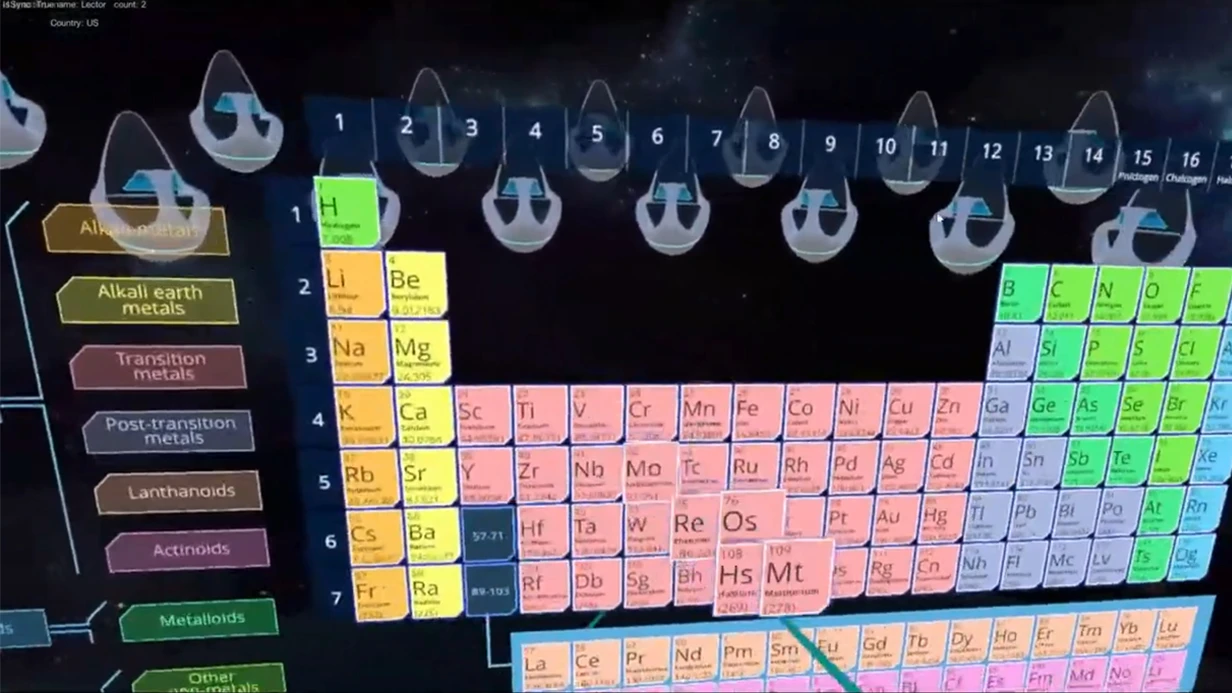


מדוע לקוחות לא סומכים על מפעל כימי ללא סיור וירטואלי?
ללא סיור וירטואלי, מפעל הוא "קופסה שחורה" עבור הלקוח: לא ברור כיצד מאורגן הייצור, מה מבדיל אותו מהמתחרים, ומדוע אפשר לסמוך עליו.
אפילו מצגות מושלמות לא יכולות להחליף מבט אמיתי פנימה אל תוך בית המלאכה, ומעטים מוכנים לנסוע כדי לבקר באתר. כתוצאה מכך, ההחלטה מתבססת על מה שהמוכר הצליח להראות — ולקוחות בוחרים במי שהראה יותר.
בזמן שאתם מדברים על איכות ובטיחות במילים, המתחרים פותחים את המתקנים שלהם עם סיור וירטואלי.
שותף פוטנציאלי רואה בתי מלאכה, מעבדות ומערכת בקרת איכות מבלי לבזבז ימים על נסיעת עסקים — ומשיג את הטיעונים הדרושים לאישור העסקה בתוך החברה שלו.
סיור וירטואלי במפעל מספק בדיוק את ההוכחה החזותית שהופכת "נראה" ל"אנחנו חותמים".
האמון בייצור נבנה מפרטים: ניקיון בבתי המלאכה, אוטומציה של תהליכים, עמידה בתקנות בטיחות. להסתיר זאת מאחורי טקסט ותמונות פירושו למסור את היתרון לאלה שמראים הכל בגלוי.
לקידום מפעלים תעשייתיים, הסיור הווירטואלי הפך לכלי שהופך את ההצעה למוחשית לפני הביקור הרשמי הראשון.
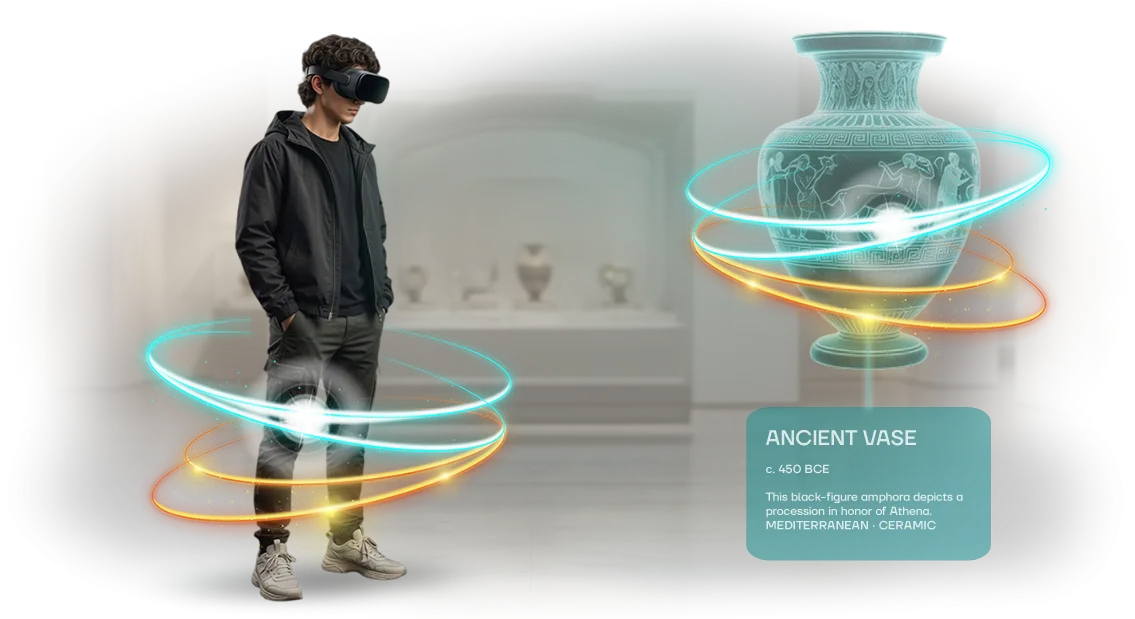
לקוחות ומבקרים בסיור תלת-ממדי מקבלים את ההזדמנות "להיות" באתר בכל זמן ומכל מקום בעולם. זה מקצר את הדרך מהמגע הראשון לפנייה, מסיר התנגדויות ומעלה את ערך המוצר בעיני הקונים.
כאשר ניתן ללמוד את הייצור על מסך, השאלה "האם אתם באמת כל כך מודרניים?" מפסיקה להיות מכשול לעסקה.
לכן אנו יוצרים סיורים וירטואליים שבונים את המוניטין של המפעל והופכים עניין לחוזים. אנו עוזרים לבטל את הסיכון המרכזי עבור הלקוח — חוסר אמון בייצור — ולבנות תקשורת שבה בתי המלאכה שלכם מדברים בעד עצמם.
מה מקבלים מתצוגת תלת-ממד: 5 תוצאות מדידות
תצוגת תלת-ממד וירטואלית היא כלי שעובד למען מדדים עסקיים קונקרטיים, לא רק "גימיק" מרשים באתר.
בניגוד לקטלוגים סטטיים, היא מערבת את הלקוח בחקר המוצר, מסירה חסמי חוסר אמון ומקצרת את הדרך מהמפגש הראשון להצעה מסחרית. להלן חמש תוצאות מדידות שתקבלו לאחר ההשקה.
הגברת האמון במתקן התעשייתי. סיור תלת-ממדי במפעל כימי מציג את הייצור מבפנים, גישה אליו סגורה בפני גורמים חיצוניים.
הלקוח רואה את היקף בתי המלאכה, אוטומציה של תהליכים ובקרת איכות — זה משכנע יותר מכל מצגת או חוברת פרסום.
נראות המוצר והטכנולוגיה. מחזורי ייצור מורכבים לא ניתן להציג בתצלומים שטוחים.
מודל תלת-ממדי מאפשר לצופה לבחון רכיבים מרכזיים, לעקוב אחר שלבי יצירת המוצר ולהבין את היתרונות של הייצור שלכם מבלי צורך לשאול את המנהל שאלות רבות.
יותר פניות איכותיות. מבקר שבילה זמן בבית מלאכה וירטואלי מגיע למחלקת המכירות כבר "חם" ומעוניין.
משא ומתן כזה מתנהל מהר יותר ופרודוקטיבי יותר: ההמרה הישירה לפניות גדלה בממוצע בשליש מכיוון שהספקות של הלקוח מופחתים.
חיסכון בתקציב השיווק. אין עוד צורך לשכור דוכנים ענקיים בתערוכות או להעביר מודלים יקרים. תצוגה וירטואלית אחת עובדת 24/7 וללא ימי חופש — הציגו אותה בטאבלט, בחדר ישיבות, או שלחו קישור לכל מקום בעולם תוך חיסכון בנסיעות עסקים.
יתרון תחרותי והכרת המותג. בזמן שהמתחרים מתארים את המפעל שלהם בטקסט, אתם מדגימים אותו בפעולה.
קל לשתף את קישור הסיור התלת-ממדי: לקוחות ושותפים מעבירים בעצמם את התרשמותם לעמיתים, ומרחיבים את טווח ההגעה שלכם ללא השקעה פרסומית נוספת.
פורמטים של תערוכות וירטואליות למשימות מחלקתיות שונות
כל מחלקה זקוקה לתרחיש הצגת מוצר משלה: המכירות רוצות להראות במהירות את המוצר ולטפל בהתנגדויות, השיווק רוצה לבנות טווח הגעה ולערב את הקהל, וההנהלה צריכה להציג את המתקן למשקיעים ולשותפים.
אותו אובייקט תלת-ממדי יכול להיות מוצג בפורמטים שונים — עבור משימה עסקית ספציפית, תקציב וקהל.
להלן הפורמטים הבסיסיים שבהם אנו משתמשים בפרויקטים. שילובים והיקף נדונים בנפרד, אך עקרון הבחירה ברור מיד.
| פורמט | למי | מה הוא נותן ללקוח |
|---|---|---|
| סיור תלת-ממדי במתקן | מחלקת מכירות, מומחים מול לקוחות | מציג את המפעל, בית המלאכה או המוצר "מבפנים" ללא צורך בביקור באתר. הלקוח רואה את ההיקף והאיכות של הייצור, המכירות מתבצעות מהר יותר, פחות פגישות באתר. |
| תצוגת תלת-ממד וירטואלית | שיווק, פרסום, יחסי ציבור | הצגה מסוגננת של מוצרים או אובייקטים לאתר ולרשתות החברתיות. המבקרים בוחנים את הפרטים, מצלמים צילומי מסך ומשתפים אותם — טווח ההגעה גדל ללא תקציב פרסום נוסף. |
| תערוכה וירטואלית | שיווק, צוות אירועים, הנהלה | מספר אובייקטים או פתרונות מרוכזים בחלל אחד — נוח למצגות, כנסים ותערוכות. מחליפה דוכן פיזי, חוסכת בשכירות ולוגיסטיקה. |
בחירת הפורמט תלויה במטרה: אם צריך להדריך במהירות לקוח במתקן, בחרו בסיור. אם איכות ההצגה ותוכן לאורך זמן חשובים יותר, בחרו בתצוגה. לאירוע רחב היקף או הדגמת תיק עבודות, בחרו בתערוכה.
אנו עוזרים לכם להחליט במהלך בריף חינמי: אנו מציגים דוגמאות של פרויקטים דומים ומציעים פורמט שפותר את הבעיה של המחלקה שלכם, לא רק תמונה יפה.
כיצד מפתחים סיור וירטואלי: 6 שלבים
הלקוח מקבל לא רק קישור לסיור, אלא כלי עבודה שנבנה למשימה: להציג ייצור בבטחה, להכיר את המוצר מרחוק ולהוביל אורח דרך האזורים המרכזיים של מפעל כימי.
כדי להבטיח שהפרויקט יתנהל בצורה חלקה, חילקנו את התהליך לשישה שלבים — אתם רואים את התוצאה בכל שלב.
-
בריף לסיור וירטואלי. אנו דנים במטרות, בקהל היעד, באובייקטים המרכזיים ובאילוצים הטכניים. אנו מגדירים את תרחיש התנועה דרך בתי המלאכה — זה הבסיס לכל השלבים הבאים.
-
ביקור באתר. אנו חוקרים את השטח, האזורים הזמינים וההיגיון של תהליכי הייצור. אנו מתאמים את המסלול עם מחלקת הבטיחות שלכם ופותרים אזורים מורכבים מראש.
-
הרכבת החלל הווירטואלי. אנו יוצרים מודל תלת-ממדי של הסיור עם מעברים בין נקודות, תוויות ציוד והערות טכנולוגים. תוך מספר ימים, אתם מקבלים את גרסת ההדגמה הראשונה.
-
בחינת הסיור התלת-ממדי. אנו מבצעים עריכות בטקסטים, בדגשים וברצף הצפייה. אנו עובדים באופן אינטראקטיבי: ההחלטות מתועדות ביומן שינויים כך ששום פרט לא הולך לאיבוד.
-
אינטגרציה ובדיקות. אנו מגדירים אחסון באתר שלכם או בדוכן התערוכה, בודקים פתיחה במכשירים שונים, מהירות טעינה וביצועי מעברים בתנאים אמיתיים.
-
השקה ותמיכה. לאחר הפרסום, אנו נשארים זמינים: אנו מעדכנים מידע, מוסיפים נקודות חדשות, עונים על שאלות הצוות. הסיור ממשיך לעבוד כחלק מהשיווק שלכם.
לכל שלב יש תוצאה ברורה, וההשקה הסופית מתבצעת לפי לוח הזמנים המוסכם. אתם תמיד יודעים היכן עומד הפרויקט ויכולים להשפיע על תהליך העבודה ללא התכתבויות מיותרות.
מה כלול בתערוכה וירטואלית: החבילה המלאה
תערוכה וירטואלית למפעל כימי היא לא רק מודל תלת-ממדי, אלא כלי מוכן להצגת הייצור ללקוחות, שותפים ומשקיעים.
אתם מקבלים חבילה מלאה שתוכלו להתחיל להשתמש בה מיד: מהעתקים מדויקים של בתי המלאכה ועד תמיכה טכנית לאחר ההשקה.
מה כלול:
- מודלי תלת-ממד מוכנים של בתי מלאכה וציוד. העתקים מדויקים של חללים שניתן לצפות בהם מכל זווית — ברורים ובטוחים לייצור.
- תרחישי סיור וירטואליים. אתם מגדירים מראש מסלולים לקהלים שונים: טכנולוגים, מומחי סביבה או משקיעים יראו בדיוק מה שחשוב להם.
- אינטגרציה עם האתר. התערוכה מתארחת בדומיין שלכם, ללא הפניה למשאבי צד שלישי. זה שומר על קשר עם המבקר ואוסף פניות ישירות למערכת החשבונאות שלכם.
- הכשרת צוות. אנו עורכים מפגש הכשרה למנהלים ומשווקים: כיצד לתת סיור, לענות על שאלות ולהשתמש בחומרים במכירות ובמשא ומתן.
- תמיכה טכנית. אנו מספקים תמיכה לאחר ההשקה: עדכונים, גיבויים, עזרה בהגדרות למשימות חדשות.
- תיעוד והוראות. מדריכים לעובדים, תיאורי תכונות והוראות למנהלים.
- אנליטיקת ביקורים. אתם רואים כמה אורחים וירטואליים היו ואילו אובייקטים נחקרו בתדירות הגבוהה ביותר. נתונים אלה עוזרים לשפר את חומרי ההצגה.
- תוכנית פיתוח. אנו משאירים אפשרות להוסיף בתי מלאכה או ציוד חדשים ללא בנייה מחדש מלאה — התערוכה יכולה לגדול יחד עם הייצור שלכם.
מקרה בוחן: סיור וירטואלי במפעל כימי הכפיל את ההמרה
כאשר מפעל מייצר מוצרים כימיים מורכבים, הקונה מתקשה לדמיין את הייצור מטקסט ותמונות. מנהלים מבזבזים שעות על הסברים ומיילים — אבל הלקוח הפוטנציאלי עדיין הולך למתחרה שקל יותר להבין אותו. פתרנו בעיה זו עבור חברה כימית גדולה — יצרנו סיור וירטואלי במפעל.
מקרה בוחן: KhimProm — מפעל עם תהליך ייצור במחזור מלא. לפני הסיור, ההמרה של האתר לפניות הייתה כ-1%. לאחר השקת הסיור התלת-ממדי, ההמרה הוכפלה ונשמרה על 2% במשך מספר חודשים.
במקביל, זמן השהייה הממוצע בדף גדל מ-40 שניות ל-4.5 דקות — המבקרים לא רק מציצים שטחית; הם חוקרים את בתי המלאכה והציוד.
מה הסיור הווירטואלי סיפק
לקוחות עוברים בייצור בקצב שלהם: הם רואים כורים, קווי אריזה ומעבדות. זה מסיר את ההתנגדות המרכזית — "לא ברור מה יש לכם בפנים". מנהלים מקבלים פניות מלידים "מחוממים" שכבר אינם זקוקים להסברים בסיסיים. מספר הפניות החוזרות מאלה שכבר נמצאים במשא ומתן גדל גם הוא באופן ניכר.
ניסיון בתעשייה
עבדנו עם מפעלים כימיים בגדלים שונים, ולכן אנו מבינים את הפרטים: לא כל בתי המלאכה פתוחים, יש להציג תהליכים בבטחה, והתוצאה חייבת לעבוד על מחשב רגיל ללא התקנת תוכנה.
לאחר ההשקה הראשונה, המפעל הזמין סיור שני — עבור קו מוצרים חדש. המרה כזו והזמנה חוזרת מדברות בעד עצמן טוב יותר מכל מילים.
שאלות נפוצות על סיורים וירטואליים: חששות ותשובות
לפני השקת סיור וירטואלי במפעל כימי, לכל לקוח יש אותם ספקות: האם זה יעבוד על המכשירים של האורחים, כמה מהר ייעשה הסיור, ומה יקרה אם משהו ייכשל. הנה תשובות קצרות וישירות.
האם הסיור מותאם למכשירי המבקרים?
הסיור עובד על כל מחשב מודרני, טאבלט או סמארטפון ללא הגדרה נוספת. המבקרים לא צריכים להוריד שום דבר — הם פותחים קישור ומיד מוצאים את עצמם בתוך המפעל.
מה קורה אם משהו נשבר במהלך אירוע?
אנו בונים סיורים על פלטפורמה אמינה ובודקים כל פרויקט לפני המסירה. אם משהו אכן משתבש, תמיכה טכנית מרחוק מתחברת במועד ההשקה ופותרת את הבעיה תוך דקות.
כמה זמן לוקח פיתוח הסיור?
פרויקט טיפוסי אורך שבועיים עד ארבעה שבועות, תלוי במספר האובייקטים. אנו עובדים לפי תוכנית ברורה: לאחר הבריף, אתם מקבלים לוח זמנים של שלבים ותאריך סיום מדויק.
האם קל להשתמש בסיור?
הבקרות פשוטות: המבקרים צופים באובייקטים ונעים ביניהם באופן אינטואיטיבי, ללא הוראות. עובדים ולקוחות מבינים זאת תוך כמה דקות — הסיור עובד גם למתחילים.
כיצד לבחור את פורמט התערוכה הווירטואלית המתאים למשימה שלכם?
בחירת פורמט תערוכה וירטואלית אינה שאלה טכנולוגית, אלא שאלה של המטרה העסקית שלכם. אותו אובייקט יכול להיות מוצג כסיור תלת-ממדי פנורמי, תצוגה אינטראקטיבית או תערוכה מלאה עם מספר אולמות.
אז הצעד הראשון הוא להגדיר למי אתם יוצרים את הפתרון ואיזו תוצאה אתם רוצים מכל מבקר.
קריטריון הבחירה המרכזי הוא הקהל. אם אתם מציגים ייצור, למשל מפעל כימי, למהנדסים וטכנולוגים, הפרטים חשובים: היכולת להתקרב לרכיבים, לבחון בתי מלאכה ולקרוא קריאות מכשירים.
אם הקהל הוא לקוחות פוטנציאליים, משקיעים או אורחי אירועים, הרושם הכללי והניווט הברור הם בראש סדר העדיפויות. לסיור עיתונאים, תרחיש דינמי עם נקודות מפתח נוח יותר; להכשרת צוות, מצב רגוע עם הערות ותוויות עזר עובד הכי טוב.
הקריטריון השני הוא מטרת התרחיש. להדגמת מתקן אמיתי, סיור תלת-ממדי איכותי מספיק: הוא יוצר תחושת נוכחות ומאפשר להציג בבטחה את השטח והמתחמים ללא הנפקת תעודות או סיכון בטיחות הייצור.
להצגת קו מוצרים, תערוכה וירטואלית עם מוצגים וכרטיסי מוצר עדיפה. ואם המתקן עדיין בבנייה או בשלב תכנון, תצוגת תלת-ממד עם אפשרות לנוע באזורים עתידיים היא הכרחית. בחירת הפורמט משפיעה ישירות על התקציב ועל לוחות הזמנים של ההשקה.
הקריטריון השלישי הוא כיצד ייעשה שימוש בפתרון. פתרון שעובד באופן קבוע באתר או במכירות שונה מפורמט לתערוכה או אירוע חד-פעמי. חשוב לתכנן מראש את העומס, מספר המשתמשים בו-זמנית וכיצד תעדכנו תוכן.
בחירת פורמט חכמה בהתחלה חוסכת זמן וכסף, ואנו עוזרים לכם לבחור את האפשרות לפני תחילת הפיתוח. אתם מקבלים פרויקט מפתח — מתרחיש ועד פרסום סופי, עם ניהול ברור ומבנה נוח ללקוחות ולעובדים שלכם.
הזמינו תערוכה וירטואלית וקבלו ייעוץ
השאירו פנייה באתר — ונחזור אליכם תוך יום עסקים אחד, נבחן את המשימה שלכם ונציע אפשרויות יישום. תקבלו חישוב עלות שקוף, לוחות זמנים ריאליים והמלצות פורמט המותאמות לייצור שלכם.
מה תקבלו בשלב זה:
- ייעוץ עם מומחה תערוכות וירטואליות וסיורי תלת-ממד;
- חישוב מקדים של עלות ולוח זמנים לפרויקט שלכם — מיד, ללא "נחזור אליכם מאוחר יותר";
- המלצה על הפורמט האופטימלי: סיור בבית מלאכה, תצוגת מוצר או דיאגרמת מפעל תלת-ממדית אינטראקטיבית;
- דוגמאות של פרויקטים שהושלמו למפעלים תעשייתיים וקישורים לסיורים פעילים;
- תוכנית עבודה אישית עם שלבים, נקודות ביקורת ותאריך השקה;
- בונוסים בהזמנה: הנחה על הפרויקט הראשון וסטטיסטיקת ביקורים מורחבת לסיור הווירטואלי.
העבודה עצמה אורכת בין שבועיים לשישה שבועות, תלוי במספר המיקומים ובמורכבות האינטראקטיביות. לאחר הבריף, אנו מאשרים את הקונספט, יוצרים פנורמות, ממלאים אותן בסרטונים, דיאגרמות ותיאורים, ולאחר מכן מרכיבים את הסיור המוגמר. אתם רואים תוצאות ביניים בכל שלב ומבצעים עריכות ללא חיובים נוספים.
מלאו את הטופס הפשוט למטה או כתבו לנו בהודעה — נשלח הערכת עלות ונענה על כל שאלותיכם תוך יום עסקים אחד. הייעוץ מתמקד בכך שתקבלו את המספרים ולוחות הזמנים, ואז תחליטו בעצמכם.