



סיור וירטואלי בכפר קוטג'ים: למה נכסים לא נמכרים
כפרי קוטג'ים ממוקמים בדרך כלל רחוק מהעיר — זה היתרון המרכזי שלהם למגורים, אבל החיסרון העיקרי למכירות. קונים רוצים לראות את הבית personally, אך הקבוצות המעטות שמגיעות להצגות מושכות רק קומץ משתתפים, והצגות אישיות נמתחות על פני שבועות. במהלך הזמן הזה, הלקוח מצליח להשוות אפשרויות אחרות ובוחר במתחרה.
לקוחות מרוחקים — תושבי ערים ומדינות אחרות — לרוב לא מגיעים להצגות בכלל. מה שחסר להם הוא לא רצון, אלא היכולת להעריך במהירות את הנכס: התכנון, המגרש, תשתית הקהילה והנוף מהחלונות. בלי חומר ויזואלי, העניין דועך, והקונה הולך לאלה שמציגים נכסים מרחוק.
ההוצאות על משיכת קונים גדלות, לידים נכנסים, אבל הצגות נכסים נופלות או נדחות ללא הגבלת זמן. כל ביטול כזה הוא עסקה אבודה במכירות נדל"ן ופגיעה באמון בקהילה. המוכר הופך לבן ערובה של הגיאוגרפיה: ככל שהנכס רחוק יותר, כך קשה יותר להציג אותו.
סיור וירטואלי בכפר קוטג'ים שובר את המעגל הזה: הוא זמין לקונים מסביב לשעון, מכל מכשיר ומכל מקום בעולם.
הלקוח עובר בין בתים ומגרשים בלי לתאם או לחכות, והיזם מקבל פניות מאנשים שכבר ראו הכל.
אנחנו מטפלים בנקודת הכאב הזו: אנחנו יוצרים סיור וירטואלי שמוכר את הנכס בלי נוכחות המוכר ובלתי תלוי במרחק. הקהילה הופכת לנגישה לכולם — ומכירות הנדל"ן מפסיקות להיות מוחזקות על ידי הגיאוגרפיה.
אילו יתרונות סיור וירטואלי מספק ליזם
סיור וירטואלי מאפשר להציג כפר קוטג'ים בלי להיות קשור למקום או לזמן. קונה מעיר אחרת יכול לבדוק את השטחים, הבתים והתכנונים בלי לבזבז יום נסיעה.
זה מסיר את ההתנגדות המרכזית — "קודם אני אראה במו עיניי" — ומאיץ את תהליך קבלת ההחלטות.
חיסכון בזמן — היתרון הראשון למחלקת המכירות. מנהל לא צריך לנסוע עם לקוחות באתר הבנייה או לחזור על אותם מסלולים כמה פעמים ביום. במקום זה, קליק אחד פותח את הסיור, והקונה בוחן את הנכס באופן עצמאי בקצב שלו. השעות המתפנות מוקדשות לעבודה עם לידים חמים וסגירת עסקאות.
טווח הקהל גדל בלי להרחיב את תקציב הפרסום. הסיור זמין באתר, ברשתות החברתיות ובמסרונים — אפשר לשלוח אותו כקישור לכל אדם מתעניין.
אתם מושכים קונים מאזורים ומדינות אחרות שעבורם נסיעה לנכס הייתה בלתי אפשרית. פניות נכנסות מסביב לשעון, לא רק בשעות הפעילות של משרד המכירות.
האמון גדל בזכות השקיפות: הלקוח רואה את השטחים, התכנונים והגימורים בפועל, לא רק תמונות בחוברת. זה מסיר ספקות לגבי היושרה של היזם.
הקונה מבין מראש בדיוק מה יוצג באתר הבנייה, ולכן הוא מגיע מוכן לסגור עסקה ולא להתרשם.
התוצאה — מכירות מוגברות בלי הגדלת הוצאות פרסום או כוח אדם. כל מגע עם הסיור מקרב את הלקוח להחלטה, ומנהלים משקיעים זמן רק באנשים שמוכנים לקנות.
קהילה שאפשר לראות מכל מקום בעולם נראית אמינה יותר ממתחרים שמוגבלים לתצלומים רגילים.
פורמטים של סיור לכפר קוטג'ים לכל משימה
אנחנו בוחרים פורמט סיור לכל כפר קוטג'ים — כך שהוא פותר בעיה ספציפית ולא רק "הוא תמונה תלת-ממדית." הקונה צריך דרך מהירה להעריך את השטחים, התשתית והבתים, בעוד היזם צריך כלי שמוביל להצגה או לשיחה. לכן אנחנו יוצרים סיורים החל מסקירה בסיסית ועד לאולם תצוגה אינטראקטיבי מלא.
| פורמט | למי זה מיועד | מה זה נותן ללקוח |
|---|---|---|
| סיור בסיסי | יזמים שרוצים להציג את הקהילה לקהל רחב | היכרות מהירה עם השטחים, מיקום הבתים ומתקני החברה. האורח מקבל רושם כללי תוך 3-5 דקות |
| סיור מורחב | מחלקות מכירות וקונים בשלב הבחירה | בדיקה מפורטת של חזיתות, תכנונים ומגרשים. האדם מבין אם הבית מתאים לו וסביר יותר שיזמין הצגה |
| סיור עם אלמנטים אינטראקטיביים | אנשי שיווק וצוותי אירועים שצריכים להחזיק תשומת לב | היכולת לפתוח דלתות, לשנות גימורים ולבחון פרטים. המבקרים מבלים זמן משמעותי יותר בסיור וזוכרים את המותג |
| הצגת הקהילה | לתערוכות, משאים ומתנים עם שותפים ומשקיעים | חומר ויזואלי שעובד בלי דוכן או מתווך. עוזר להדגים במהירות את ההיקף והיתרונות התחרותיים |
הסיור הבסיסי מכסה את משימת החשיפה ההמונית, הסיור המורחב מכסה את משימת המכירות, ואלמנטים אינטראקטיביים הופכים את הצפייה לפעילות מרתקת. בכל פרויקט אנחנו משלבים את הפורמטים האלה לקהל ולפלטפורמה ספציפיים.
כבר בשלב הבריף אנחנו מציגים דוגמאות ומציעים מבנה שיניב תוצאות מדידות — בין אם זה שיעור הביקורים החוזרים או מספר הפניות מהאתר.
איך אנחנו יוצרים סיור וירטואלי: שלבי העבודה
קונה בוחר קוטג' מרחוק: הוא גולל בין עשרות תצלומים אבל לא מרגיש את קנה המידה של המגרש, תכנון הבית או האווירה של הקהילה.
כל רגע לא ברור הוא סיבה לדחות את העסקה או לעבור למתחרה שבו "הכל נראה." סיור וירטואלי מסיר את הספקות האלה ומאיץ את החלטת הרכישה.
כדי להבטיח שהתוצאה באמת מוכרת ולא רק נראית יפה, בנינו תהליך ברור: אתם שולטים בכל שלב, ואנחנו מטפלים בכל העבודה הטכנית. להלן — איך אנחנו עובדים, כמה זמן כל שלב לוקח ומה אתם מקבלים כתוצאה.
-
בריף והגדרת פרויקט — יש לנו שיחה או פגישה, דנים במטרות הסיור: מה להציג קודם, לאיזה קהל אנחנו מכוונים ואילו נקודות מכירה צריכות "לפגוע בלב." אנחנו קובעים את לוח הזמנים והתקציב.
-
סקירת אתר ותסריט סיור — אנחנו לומדים את הקהילה, התוכנית הראשית, הבתים והמגרשים. אנחנו מתכננים את המסלול: איך הקונה ינוע בסיור, אילו נופים וחפצים יהיו בפריים ואיפה להוסיף אינטראקטיביות.
-
צילום והכנת חומרים — אנחנו נוסעים לאתר עם ציוד מקצועי ומצלמים חומר צילומי ווידאו באיכות גבוהה. במקביל, אנחנו מכינים גרפיקה וסצנות תלת-ממדיות לאזורים מרכזיים.
-
הרכבת הסיור הווירטואלי — אנחנו תופרים את הפנורמות, מחברים אותן למסלול אחד ומוסיפים ניווט, חלונות קופצים ומידע על הבתים. כבר בשלב הזה אפשר לראות איך קונה "ילך" בקהילה.
-
בחינה ותיקונים — אנחנו שולחים לכם גרסת הדגמה, אוספים משוב ומבצעים התאמות. אנחנו מראים את הגרסה הסופית לפני ההשקה הרשמית.
-
השקה והטמעה — אנחנו מפרסמים את הסיור באתר שלכם, ברשתות החברתיות ואם צריך, בפלטפורמות צד שלישי. אנחנו מוודאים שהוא נפתח במהירות ומוצג כראוי בכל מכשיר — מסמארטפון ועד מחשב נייד.
-
תמיכה ופיתוח — אחרי ההשקה, אנחנו נשארים בקשר. נעזור לעדכן מידע, להוסיף בתים או אזורים חדשים כשהקהילה מתרחבת ולפתור כל בעיה טכנית במהירות.
אישור בכל שלב מגן עליכם מהפתעות: אתם רואים מראש איך ייראה הסיור ויודעים בדיוק איפה אנחנו בתהליך. במקביל, אנחנו לא מושכים את העבודה — פרויקט טיפוסי לוקח שבועיים עד ארבעה שבועות בהתאם להיקף הקהילה.
אתם מקבלים תהליך שקוף עם לוחות זמנים ברורים ועלות קבועה. כל התיקונים בשלב האישור כבר כלולים בעבודה — בלי עמלות נסתרות או הפתעות.
הדברים היחידים שנצטרך מכם הם גישה לנכס במהלך הצילום ומשוב על גרסת ההדגמה.
רוצים לראות איך סיור ייראה במיוחד עבור הקהילה שלכם? השאירו פנייה — בייעוץ הקרוב נראה דוגמאות ונערוך תוכנית עבודה ללוח הזמנים שלכם.
מה כלול בסיור וירטואלי מושלם
סיור וירטואלי מושלם של כפר קוטג'ים הוא לא רק אוסף פנורמות אלא כלי מכירה מלא. אתם מקבלים חבילה שעובדת מהיום הראשון כדי למשוך תשומת לב של קונים ולחסוך זמן בהצגות.
החבילה כוללת:
- פנורמות של כל האזורים המרכזיים — קבוצת הכניסה, השדרות, החצרות ואזורי הבילוי. כל נקודה מצולמת כדי להעביר את קנה המידה, התכנון והאווירה של הקהילה.
- מפת אתר אינטראקטיבית — המבקרים רואים מיד את גבולות המגרשים, מיקום הבתים, מתקני החברה ואזורים ירוקים. זה עוזר להם להתמצא במהירות ולהחליט על הצגה.
- ניווט מעוצב היטב — חיצי כיוון, מעברים בין נקודות ומפה עם סמנים. האורחים נעים בשטחים באופן עצמאי בלי לאבד עניין או להתבלבל.
- כרטיסי מידע לנכסים — קליק חושף את שטח הבית, מספר הקומות, מאפייני המגרש והתשתית הקרובה. קונים יכולים להשוות בקלות אפשרויות בלי שיחות או שאלות נוספות.
- ממשק מקצועי אחיד — הפקדים אינטואיטיביים אפילו למשתמש לא מנוסה. הסיור נראה מוקפד ובונה אמון ביזם.
- התאמה לכל המכשירים — עובד מצוין במחשב, בטאבלט ובסמארטפון. הלקוח רק צריך לקבל קישור במסרון — בלי התקנות.
- הטמעה באתר שלכם וסיוע בפרסום ברשתות החברתיות — הסיור נפתח דרך קישור ישיר, אפשר להטמיע אותו בדף נחיתה, לשלוח בתגובה לפנייה או להציג במשרד המכירות.
החבילה הזו מחליפה עשרות תצלומים ודפי תיאורים. קונה רק צריך לעקוב אחרי הקישור כדי להרגיש כאילו הוא בתוך הקהילה — ואתם לא צריכים לנהל סיורים קבועים או לחזור על אותם דברים בטלפון.
מקרה בוחן: סיור וירטואלי עזר למכור מהר יותר
הצגת כפר קוטג'ים לקונים מרוחקים היא תמיד בעיה: עד שאדם לא הלך בשטחים וראה את התכנון, הוא לא מוכן לשלם.
ארגון נסיעה לאתר לכל לקוח מעיר אחרת הוא איטי ויקר, ובלעדיו ההחלטה נמתחת על פני שבועות.
יצרנו סיור וירטואלי של הקהילה והבתים עבור יזם. קונים "הולכים" ברחובות, נכנסים לקוטג'ים ובוחנים את המגרשים — מכל מכשיר, בלי להתקין תוכנה.
בחודש הראשון, מספר הצפיות הוכפל, ופניות החלו להגיע מאזורים שלא ידעו על הפרויקט קודם.
תוצאות עבור היזם
- מספר צפיות הפרויקט הוכפל תוך חודש מהשקת הסיור.
- הזמן מהמגע הראשון ועד הפגישה התקצר — לקוחות מגיעים עכשיו כשכבר בחרו בית.
- כמה קונים הזמינו קוטג'ים בלי ביקור אישי בנכס.
- התנועה לאתר מחיפוש ומרשתות חברתיות גדלה — הסיור משותף ומועבר.
המלצת לקוח
היזם "Usadba-Park" ציין: "בעבר, קונים מערים אחרות היו 'נעלמים' אחרי השיחה הראשונה — היה להם קשה לדמיין את הבית מתצלומים. עם הסיור הווירטואלי, אדם כבר יודע את התכנון והמיקום בשלב הפנייה. הם מגיעים לא להצגה, אלא לסגור עסקה."
המסקנה המרכזית: סיור וירטואלי מאיץ מכירות על ידי הסרת הפחד מהלא נודע.
הקונה מרגיש בטוח שהוא רואה את הנכס האמיתי ומקבל החלטה מהר יותר — לקוחות כאלה לא "שוקלים" את האפשרויות שלהם כל כך הרבה זמן ופחות חוזרים לשאלה אחרי הצגה.
איך לבחור את הפורמט הנכון של סיור וירטואלי?
פורמט הסיור הווירטואלי צריך להיבחר לא על סמך טכנולוגיות אופנתיות, אלא על סמך המטרה העסקית שלכם. עבור כפר קוטג'ים, המפתח הוא לעזור לקונים להבין במהירות איך השטחים, הבתים והתשתית מסודרים ולגרום להם לרצות לבקר.
חלק מהפורמטים טובים יותר בהצגת הפנורמה הסובבת, אחרים בפרטי הפנים, ועוד אחרים מספקים תחושת נוכחות מלאה.
התחילו בשאלה: מה הלקוח צריך לעשות אחרי צפייה בסיור — להזמין הצגה, לבחור בית ספציפי או פשוט לזכור את הקהילה?
אם המטרה היא להראות קנה מידה ומיקום, סיור פנורמי עובד היטב: הקונה הולך בשטחים, רואה את הבתים, מגרשי המשחקים ואזורי הבילוי.
אם התכנון ואיכות הגימור חשובים, אתם צריכים מודל תלת-ממדי של הבית שאפשר לבחון מבחוץ ומבפנים, עם היכולת להיכנס לחדרים.
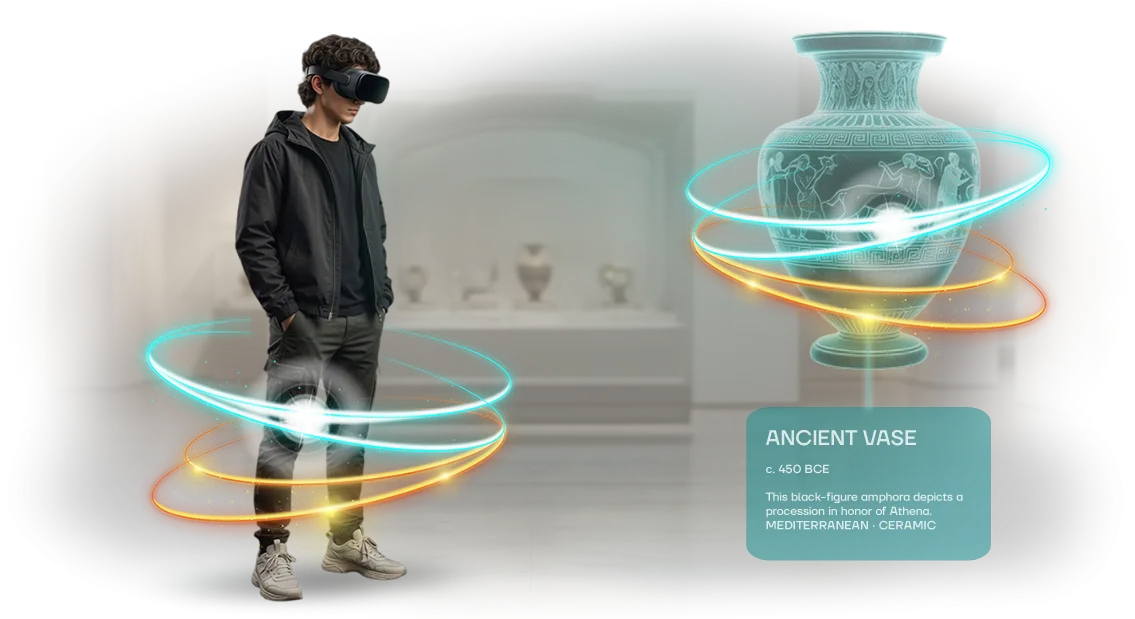
וכשאתם רוצים להרשים ולהעביר חוויה רגשית, אתם מוסיפים מצב מציאות מדומה: הלקוח מרכיב משקפיים ומוצא את עצמו ממש על המגרש, הולך בשבילים ונכנס לסלון. זה לא רק תמונה יפה — זה כלי שמקצר את מחזור המכירות.
בפועל, עבור כפרי קוטג'ים, התוצאות הטובות ביותר מגיעות משילוב של פורמטים. סיור פנורמי מכסה את השטחים, מודל תלת-ממדי מציג בית ספציפי, ומציאות מדומה מוסיפה תחושת נוכחות.
הגישה הזו מטפלת בהתנגדויות של קונים: הם לא צריכים לנסוע על פני העיר כדי להבין אם בית מתאים להם. אתם מקבלים פניות איכותיות יותר, ולקוחות מגיעים כבר עם החלטה.
אנחנו עוזרים לכם לבחור את האפשרות הנכונה בלי ניסויים מיותרים. אנחנו מנתחים את הקהל שלכם ואת השאלות הטיפוסיות, ואז בוחרים תסריט — מסקירה פנורמית פשוטה ועד סיור מלא של כל הקהילה.
אתם מקבלים פתרון ברור שמשתלם דרך הגדלת ההמרות וחיסכון בזמן למנהלים שלכם.
שאלות נפוצות על סיורים וירטואליים
לפני הזמנת סיור וירטואלי של כפר קוטג'ים, לבעלים ולאנשי שיווק יש את אותן שאלות: כמה זה עולה, כמה מהר אפשר להציג את הנכס, והאם ההשקעות האלה באמת ישתלמו? להלן, אנחנו עונים על החששות המרכזיים — בלי פרטים טכניים או תנאים נסתרים.
כמה עולה סיור וירטואלי ומה משפיע על המחיר?
העלות מחושבת אחרי סקירת היקף הצילום, מספר הבתים ומורכבות התסריט. עבור כפר קוטג'ים, אנחנו מכינים הצעת מחיר לפי מיקום: השטחים, בית, כמה אפשרויות תכנון וקבוצת הכניסה.
אנחנו נותנים לכם את המספר המדויק אחרי בריף קצר — אנחנו מתאימים את הפורמט לתקציב ולמטרות שלכם, בלי תוספות מיותרות.
מה לוחות הזמנים לפיתוח?
פרויקט סטנדרטי לוקח 5–10 ימי עסקים אחרי הצילום. לוח הזמנים תלוי בגודל השטחים, מספר הנכסים ומספר התיקונים.
אנחנו מסכימים על לוח זמנים לפני התחלה וקובעים את התאריך בחוזה — תדעו מראש מתי הסיור יופיע באתר ויהיה מוכן לשליחה ללקוחות.
האם אנחנו באמת צריכים סיור אם כבר יש לנו תמונות?
תצלומים ותוכניות קומה מציגים את הנכס בחלקים, בעוד סיור וירטואלי מספק תמונה מלאה. הקונה הולך בבית ובמגרש בעצמו, רואה את ההיגיון של החלל וחוזר לסיור כמה פעמים.
חומרים כאלה בונים אמון ומפחיתים את מספר שאלות ההמשך שמנהלים צריכים לטפל בהן.
עדיין יש ספקות לגבי המחיר, לוח הזמנים או ההכרח? שאלו אותם בייעוץ — נראה דוגמאות של סיורים לנכסי פרברים ונחשב את העלות המדויקת עבור הקהילה שלכם.השאירו פנייה לסיור וירטואלי
השאירו פנייה — ואנחנו נטפל בכל התהליך: מהבריף ועד להשקת הסיור המוגמר.
אתם לא צריכים להבין בצילום, בהרכבת פנורמות או בהטמעה באתר — כל העניינים הטכניים מטופלים על ידי המומחים שלנו, ואתם רק מפקחים על התוצאה.
ברגע שתשלחו פנייה או תתקשרו אלינו, אנחנו פועלים לפי מפת דרכים שקופה — אתם תמיד יודעים איפה הפרויקט עומד ומה הלאה.
- ייעוץ ראשוני — נדון במשימה, בפורמט הסיור ובקהל היעד, וניתן לכם הערכה של לוח הזמנים והעלות.
- הכנת הצעה מסחרית — נגדיר את היקף העבודה, התקציב ומדדי ההצלחה המרכזיים כך שלא יהיו עלויות נסתרות.
- תיאום לוח זמנים — תקבלו תוכנית צילום והפקה עם תאריכים לכל שלב.
- הצגת דוגמאות — נדגים דוגמאות של סיורים וירטואליים לכפרי קוטג'ים כדי שתדעו למה לצפות.
- חוזה והתנעת פרויקט — נדון בפרטים, נחתום על ההסכם ונתחיל בצילום בתאריך שנוח לכם.
- תמיכה עד ההשקה — מנהל ייעודי נשאר בקשר, אתם מקבלים גרסאות ביניים ויכולים לבצע תיקונים בלי לבזבז זמן.
תוך כמה ימי עסקים בלבד, יהיה לכם כלי מכירה מוגמר שעובד למשיכת קונים גם בשעות שהמשרד סגור. הזמנת סיור עכשיו משמעה להתחיל לקבל פניות מלקוחות מרוחקים לפני המתחרים שלכם.
מלאו את הטופס באתר או כתבו לנו במסרון — תוך יום עסקים אחד, נדון בפרויקט שלכם ונציע פתרון שמתאים לתקציב וללוח הזמנים שלכם.