



סיור וירטואלי במרכז תרבותי: לשם מה הוא נחוץ
מרכז תרבותי חי בגבולות הרובע שלו: אליו מגיעים אלה שממילא נמצאים בקרבת מקום, ושאר הקהל פשוט לא יודע שיש בפנים מה לראות. סיורים, תערוכות והרצאות ממלאים אולמות, אבל מחוץ לעיר שופטים את המרכז לפי שורה אחת בלוח האירועים. שותפים ונותני חסות מגיעים לעיתים רחוקות — ואינם רואים את ההיקף שאתם משקיעים במרחב ובתוכניות.
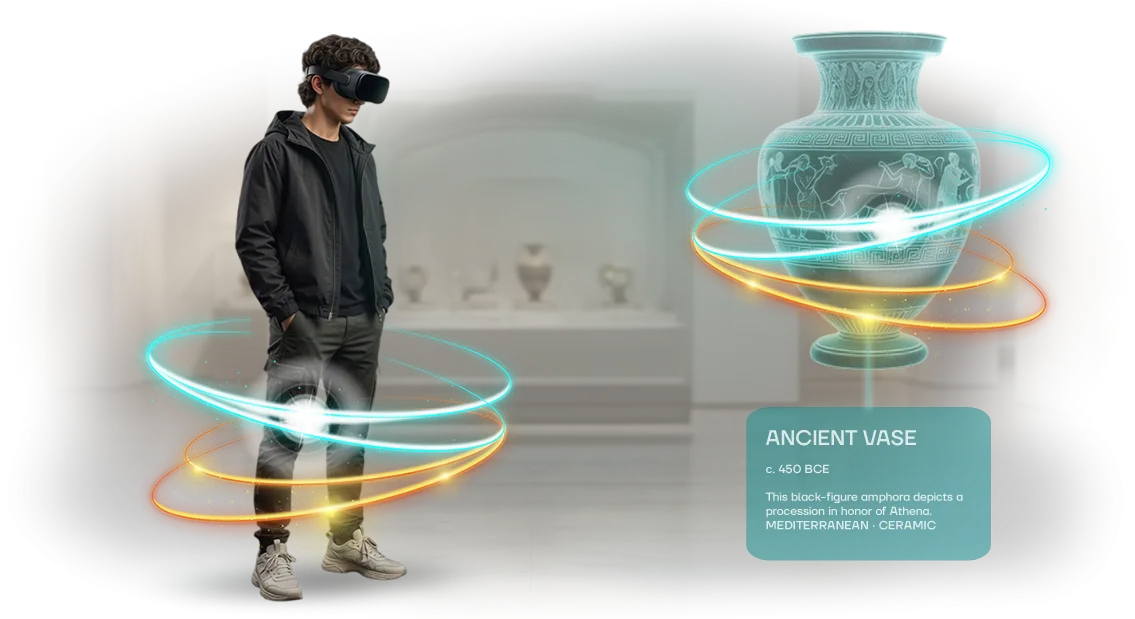
סיור וירטואלי במרכז תרבותי מסיר את המגבלה הזו. הוא הופך את הבניין והתצוגות לביקור מקוון, הזמין מכל עיר ובכל זמן: אדם עובר בין האולמות, בוחן את המוצגים, ומבין במה אתם שונים מהמקומות השכנים.
הקהל המרוחק מפסיק להיות מספר מופשט בדוח — הוא הופך לצפיות ממשיות, לפניות לביקורים קבוצתיים ולרישומים ללוח האירועים.
עבור המרכז זה פועל בבת אחת בשלושה כיוונים. המודעות גדלה מחוץ לגיאוגרפיה הרגילה: הסיור חי באתר, ברשתות החברתיות ובמכתבים לשותפים, וממשיך להביא אנשים גם כשהתערוכה כבר הוחלפה. בתי ספר וקבוצות תיירות מקבלים אפשרות לתכנן את הביקור מראש ולהגיע מוכנים.
ונותני חסות וקרנות מענקים רואים את המרחב במו עיניהם — להם קל יותר להעריך במה הם משקיעים, ולחזור עם פרויקט חדש.
אנחנו עושים סיורים כאלה עבור מוזיאונים, גלריות ומקומות תרבות, ויודעים היכן מזמינים מאבדים קהל: ניווט לא ברור, זוויות צילום חלשות, סיור שננטש לאחר ההשקה. לכן אנחנו בונים לא מצגת חד-פעמית, אלא כלי עבודה — עם מסלול ברור של המבקר מהמסך הראשון ועד ההרשמה לאירוע.
מה מקבל מרכז תרבות מסיור וירטואלי
חשיפה לקהל שאינה מוגבלת בקירות ובלוח זמנים
סיור במרכז תרבות כיום נתקל בגבולות פיזיים: האולם מכיל מספר מוגבל של אנשים, קבוצות פועלות לפי לוח זמנים, ואורחים מחוץ לעיר ומחו"ל לעיתים קרובות פשוט לא מגיעים. סיור וירטואלי מסיר את המגבלות הללו — ניתן לבקר במרכז באופן מקוון בכל זמן, מכל מכשיר ומכל מקום בעולם. עבור המנהל משמעות הדבר היא שאותה תערוכה מתחילה לעבוד על קהל רחב פי כמה מאשר בקבלה רגילה.
הכרת המותג ועניין של נותני חסות
סיורים מקוונים חיים בחיפוש וברשתות החברתיות: מעבירים אותם הלאה, משתלים אותם בכתבות, מציגים אותם בבתי ספר ובפלטפורמות מקצועיות. כל נגיעה כזו פועלת להכרת המרכז ומעצבת מוניטין של פלטפורמה מודרנית.
לשותפים ולנותני חסות זה גם חשוב — להם קל יותר לתמוך בפרויקט שיש לו חשיפה דיגיטלית מדידה וקהל מובן, ולא רק קירות וכרזה.
הקלה על הצוות ונגישות לכולם
הסיור הווירטואלי לוקח על עצמו את ההיכרות הראשונית: המבקר רואה מראש את האולמות, המסלול והמוצגים המרכזיים, מגיע מוכן, ומדריכי הסיורים משקיעים את זמנם בתקשורת חיה ולא במבואות חוזרים ונשנים.
ערך נפרד הוא הנגישות: אנשים עם מוגבלות בניידות, משפחות עם ילדים ומי שאינו יכול להגיע מקבלים גישה מלאה לאוסף. אנו בונים סיור כזה עבור מרכז ספציפי — עם התערוכה, הטון והמשימות שלו בתחום החשיפה.
פורמטים של סיור וירטואלי בהתאמה למשימה של המרכז
הפורמט של הסיור הווירטואלי קובע מי ייכנס אליכם ולשם מה: מבקר לפני ביקור, תייר מעיר אחרת, מארגן אירוע או נותן חסות. להלן ארבעה פורמטים עובדים, שאנו בונים בהתאמה למשימה מסוימת של המרכז, ולא "ליתר ביטחון".
| פורמט | עבור מי | מה נותן למרכז |
|---|---|---|
| סיור פנורמי | מבקרים ותיירים שבוחרים לאן ללכת | מציג את האולמות ואת האווירה לפני הביקור, מסיר את השאלה "מה יש אצלכם בפנים" |
| שואורום תלת-ממדי | שותפים, נותני חסות, מארגני אירועים | נותן זירה למשא ומתן ולמצגות בלי תלות בכתובת |
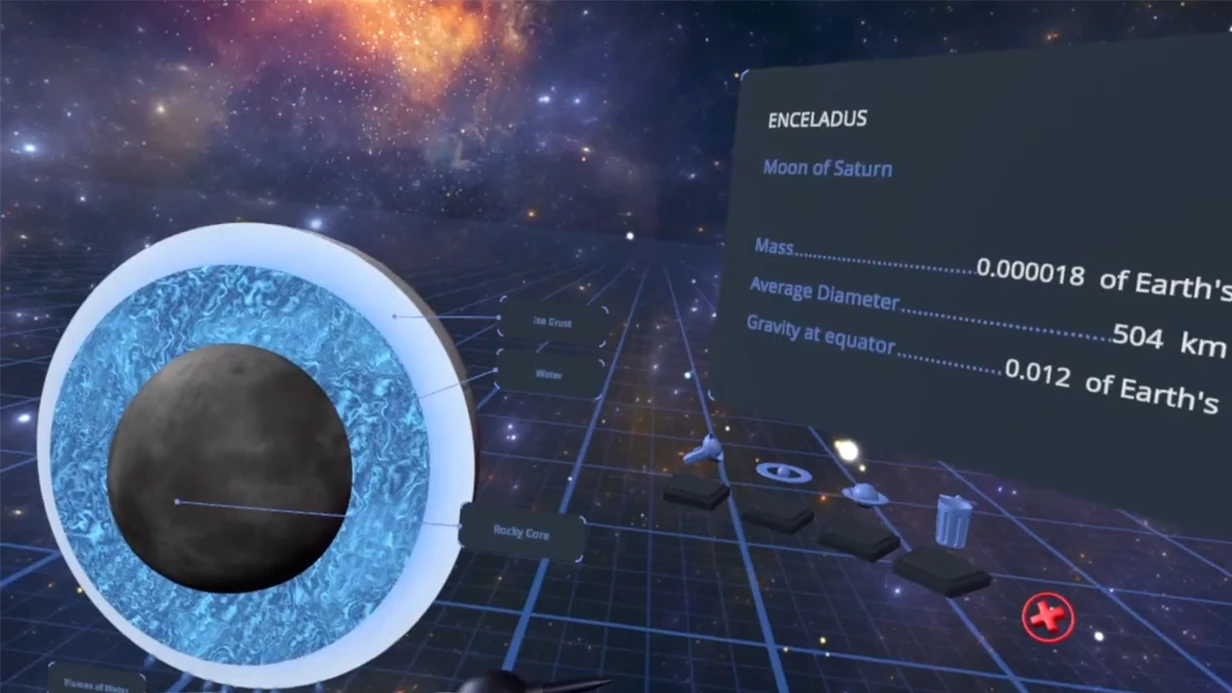
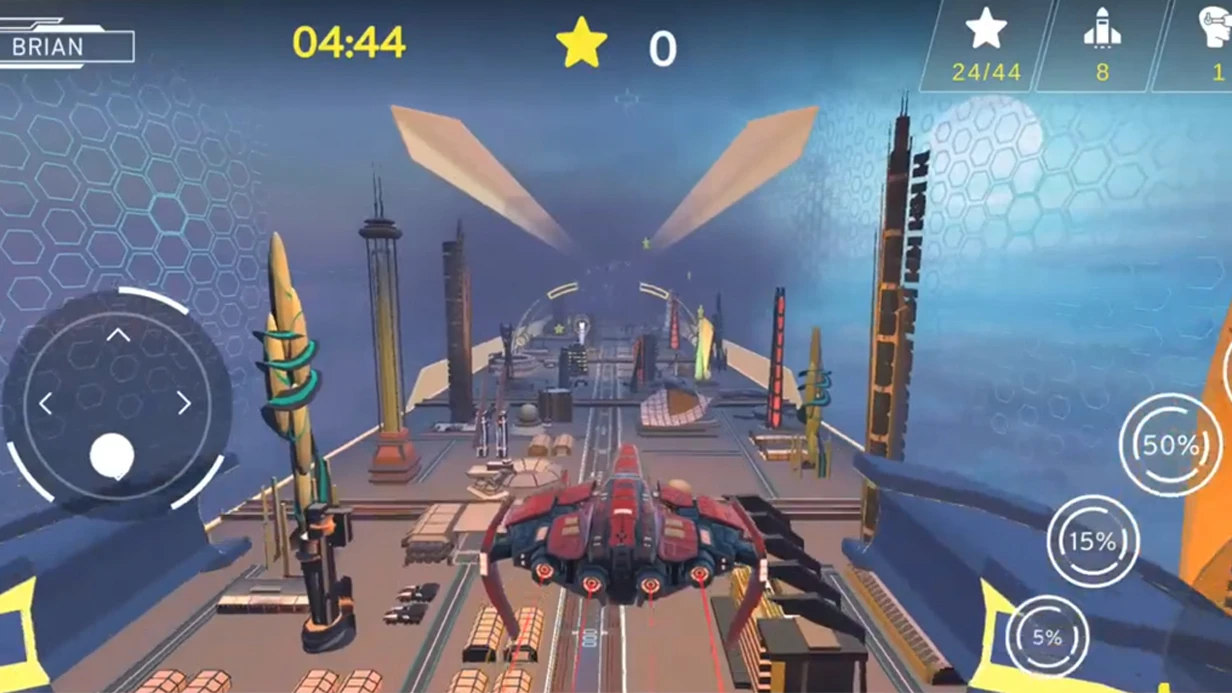
| תצוגה אינטראקטיבית | תלמידי בית ספר, סטודנטים, משפחות עם ילדים | משלב בנושא דרך משחק ומשימות, מחזיק את הקשב זמן רב יותר מסיור רגיל |
| סיור עם אודיו-מדריך | אורחים מחו"ל, אנשים עם מגבלות ראייה | מאפשר לעבור את המסלול באופן עצמאי ובקצב אישי |
הפורמטים אינם סותרים זה את זה: סיור פנורמי הופך לעיתים קרובות לבסיס, שעליו מוסיפים נקודות אינטראקטיביות וליווי אודיו. כך המרכז מקבל מסלול אחד שעובד גם להיכרות ראשונה וגם לעמקות מעמיקה.
כיצד לבחור פורמט בהתאם למטרה
אם המשימה היא למשוך יותר מבקרים לאירועים פיזיים, מתחילים בסיור פנורמי ובאודיו-מדריך: הם משפיעים ישירות על ההחלטה להגיע. אם צריך למכור את המקום לשותפים ולקיים מצגות מרחוק — שמים דגש על שואורום תלת-ממדי עם תצוגה אינטראקטיבית.
אנו מנתחים את הקהל שלכם ואת המטרות, ולאחר מכן מציעים פורמט אחד או שניים, ולא את כל הרשימה בבת אחת. כך התקציב הולך למה שבאמת מביא תוצאה: גידול במספר הביקורים, פניות חוזרות והגעה למי שלא מגיע פיזית למרכז.
איך מתנהלת העבודה על הסיור: שלבי הפרויקט
העבודה על סיור וירטואלי עבור מרכז תרבות מתנהלת בשלבים שקופים — אתם תמיד מבינים מה קורה כעת ומה יהיה בהמשך. להלן שבעה צעדים שהפרויקט עובר מהשיחה הראשונה ועד לתמיכה לאחר ההשקה.
- תדריך. דנים במשימה: אילו אולמות ותצוגות להציג, מי קהל היעד שלכם — מבקרים, תיירים, שותפים — ואיזו תוצאה אתם מצפים לה. מגדירים מטרות ומסגרת, כדי שלא לבזבז זמן על מיותר בהמשך.
- תוכנית ואומדן. מכינים את מבנה הסיור, המסלול בין האולמות, רשימת נקודות הצילום ולוח זמנים. אתם רואים את היקף העבודה והמועדים לפני ההתחלה, ולא תוך כדי.
- אישור. מאשרים את התסריט, ההדגשים והטקסטים. תיקונים בשלב זה הם בחינם ומהירים — זול יותר לתקן תוכנית מאשר לצלם מחדש סיור מוגמר.
- צילום. מגיעים בזמן הנוח למרכז, עובדים בקפידה ולא מפריעים למבקרים. ציוד מקצועי מעניק איכות יציבה גם בתאורה מורכבת של האולמות.
- הרכבה. מחברים את הפנורמות, מוסיפים ניווט, כיתובים למוצגים, סאונד ואינטראקטיב. הסיור מורכב כך שהמבקר יבין לאן ללכת, בלי הוראות.
- השקה. מפרסמים את הסיור באתר ובפלטפורמות, בודקים בטלפונים ובמחשבים, מעבירים לכם גישות. מראים לכם איך לעדכן תצוגות בכוחות עצמכם.
- תמיכה. לאחר ההשקה נשארים בקשר: עוזרים עם תיקונים, מוסיפים אולמות חדשים, דואגים לעבודה יציבה.
מה זה נותן לכם כ�לקוח
אתם לא צוללים לפרטים טכניים ולא מבזבזים זמן על בקרת כל צעד — לפרויקט יש אחראי אחד ולוח זמנים ברור. אישור בשלבים מוקדמים מפחית את הסיכון לעבודות מחדש, ותמיכה לאחר ההשקה משמעה שהסיור נשאר רלוונטי כשהתצוגה משתנה.
תארו את המשימה — נחזור עם אומדן ותוכנית עבור מרכז התרבות שלכם.
מה ייכלל באספקה
אתם מקבלים לא אוסף של קבצים מפוזרים, אלא סיור וירטואלי עובד של מרכז תרבות, שניתן להציג מיד למבקרים, לשותפים ולתורמים. את כל מה שדרוש להפעלה ולניהול עצמאי של הפרויקט אנו מוסרים באספקה אחת — עם מבנה ברור וללא צורך ב"השלמות" מצד הצוות שלכם.
- סיור מוכן בכל האולמות — חללים מקושרים זה לזה: תצוגה קבועה, תערוכות זמניות, אזור הכניסה. המבקר עובר את המסלול כולו, כמו במרכז אמיתי, ולא צופה בפנורמות בודדות.
- גרסה לנייד — הסיור נפתח כראוי בטלפונים ובטאבלטים, שבהם משתמשים רוב האורחים. בנפרד אנו מכינים גרסה להצגה על מסכים גדולים בלובי ובאירועים.
- לוח בקרה — אתם בעצמכם משנים טקסטים, מוסיפים מוצגים ואולמות חדשים, מעדכנים את לוח האירועים. העריכות אינן דורשות מפתח ולוקחות דקות, ולא שבועות של המתנה.
- הדרכת הצוות שלכם — אנו מראים לעובדים כיצד לנהל את הסיור: להעלות חומרים, לשנות תיאורים, לשמור על סדר במדורים. לאחר ההדרכה נשארים ברשותכם הוראות ותיעוד של המפגש.
- אחריות ותמיכה — אנו מלווים לאחר ההפעלה: עונים על שאלות, מסייעים בעדכונים, דואגים שהסיור יעבוד ביציבות בכל המכשירים.
- חומרים לקידום — סרטונים קצרים ותמונות מתוך הסיור, שניתן לפרסם ברשתות החברתיות ובאתר, ולהזמין מבקרים חדשים.
ערכה כזו סוגרת את המשימה כולה: הסיור מופעל, מתקיים ומתעדכן ללא השתתפותכם הקבועה. אתם מקבלים כלי שעובד לטובת החשיפה והמוכרות של המרכז, ולא פרויקט חד-פעמי "לצורך היציאה ידי חובה".
מקרה בוחן: כיצד סיור וירטואלי שינה את עבודת המרכז
המשימה
מרכז תרבות עם תערוכה קבועה וזרם של קבוצות בית ספר ותיירים. האולמות עמוסים בשעות שיא, המדריכים פיזית לא מספיקים לשרת את כל המעוניינים, וחלק מהקהל — אורחים מערים אחרות ומחו"ל — פשוט לא מגיע למרכז. במקביל הכין המרכז בקשות לנותני חסות ונזקק להוכחה חזותית של היקף החשיפה.
מה עשינו
הצוות שלנו עשה דיגיטציה של התערוכה והרכיב סיור וירטואלי במרכז התרבות: המבקר עובר בין האולמות בקצב נוח, עוצר ליד הפריטים המרכזיים ומאזין להסברים. הסיור פועל ישירות בדפדפן — ללא התקנת אפליקציות וציוד מיוחד, מה שמסיר את המחסום עבור קהל מבוגר ותלמידי בית ספר.
התוצאה במספרים
- הביקורים המקוונים גדלו באופן משמעותי: הסיור הפך לערוץ עצמאי, ולא תוספת לביקור פיזי.
- העומס על המדריכים פחת: קבוצות סיור כלליות חלקית עברו למרחב המקוון, והמדריכים החיים התרכזו בתוכניות מעמיקות יותר.
- השיחה עם נותני החסות הפכה עניינית יותר — המרכז מציג היקף חשיפה וגיאוגרפיה של הקהל, ולא רק סטטיסטיקת קופות.
- חלקם של הפניות החוזרות גדל: בתי ספר משתמשים בסיור כהכנה לביקור, ושותפים — למצגות.
מדוע זה עבד
התחלנו מהשאלה "אילו משימות של המרכז פותר הסיור", ולא ממפרט טכני. לכן בבסיס — תרחיש הביקור והצגת החומר, ולא אוסף אפקטים. צילום מקצועי וארכיטקטורת שרת יציבה מספקים תמונה חלקה בכל מכשיר — המבקר לא נתקל בתקיעות ולא עוזב.
בנפרד אציין את הפרויקט עבור המרכז התרבותי העירוני: לאחר השקת הסיור קיבל המרכז כלי שפועל מסביב לשעון ואינו דורש נוכחות צוות. כעבור חצי שנה הצוות חזר אלינו להרחבה — הוספנו אולמות חדשים וגרסה עבור אורחים מחו"ל.
איך בוחרים את הפורמט המתאים למשימה?
הפורמט של סיור וירטואלי כמעט תמיד נקבע על ידי המשימה, ולא להיפך. אם המטרה היא להציג את המרכז התרבותי עצמו לאורחים ולשותפים עתידיים, מספיק סיור פנורמי באולמות עם ניווט ברור ונקודות עניין.
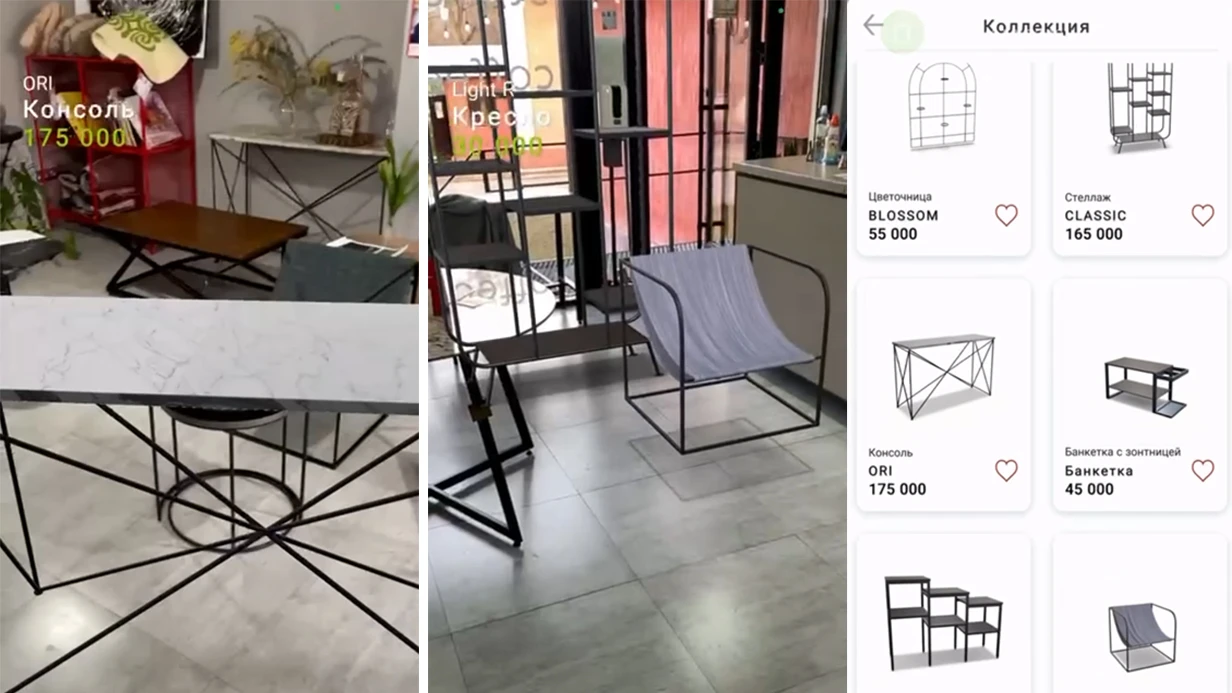
אם צריך להעביר את האווירה של אירוע, תערוכה או את סיפור התצוגה — כדאי להוסיף סצנות אינטראקטיביות, שמע מודרך ורכיבי מציאות רבודה. וכאשר המרכז משכיר את החלל לאירועים, הסיור הופך לכלי מכירה: המזמין "עובר" מראש במרחב, רואה את הקיבולת ואת תרחישי הסידור.
התקציב כאן אינו המגבלה העיקרית, אלא נקודת ייחוס להיקף. על העלות משפיעים מספר האולמות והסצנות, עומק פירוט הפרטים, קיום קריינות, והעובדה שהסיור צריך לעבוד באותה מידה טובה בכל המכשירים.
לכן אנחנו קודם מנתחים את מטרות המרכז, ורק אחר כך מציעים שניים-שלושה פורמטים עם היקף שונה — מסיור קומפקטי באזורים המרכזיים ועד שואורום תלת-ממדי מלא עם אינטראקטיב. כך אתם רואים על מה אתם משלמים ומה תקבלו בסוף.
ההמלצה פשוטה: לא לרדוף אחרי מורכבות מקסימלית במקום שבו נדרשים הפעלה מהירה ותועלת ברורה. לעתים קרובות דווקא הפורמט שפותר משימה אחת קונקרטית מנצח — למשוך מבקרים, לתמוך בשותפים או להאריך את חיי התערוכה הזמנית.
אנחנו עוזרים לבחור את הפורמט הזה כבר בהתחלה, כדי לא לעשות מחדש סיור מוגמר ולא לבזבז זמן על סצנות מיותרות.
אם אתם מתלבטים בין האפשרויות, תארו את המשימה ואת קהל היעד — נחזור עם הערכה ותוכנית, איזה פורמט ייתן לכך את המענה הטוב ביותר.
שאלות נפוצות לפני הזמנת סיור וירטואלי
לפני השקת סיור וירטואלי, אצל מנהל מרכז תרבות עולים בדרך כלל אותן ספקות: מה יקרה אם משהו ישתבש ברגע הכי לא מתאים, מי יוביל את הפרויקט לאחר המסירה, והאם יהיה צורך להזמין מפתחים בכל פעם לתערוכה חדשה. להלן תשובות כנות למה ששואלים הכי הרבה לפני ההתחלה.
מה יקרה אם הסיור "ישתבש" או ייתקע במהלך התצוגה?
סיור וירטואלי הוא מוצר המתארח על שרת, ולא תוכנה על מחשב בודד, ולכן אין לו היכן "להשתבש": המבקר פותח קישור בדפדפן ורואה את הגרסה המעודכנת.
אנו מארחים את הסיור על תשתית שרתים אמינה ודואגים ליציבות הפעילות — אם משהו ישתבש, אנו מטפלים בכך בצד שלנו, בלי הגעה אליכם ובלי השבתת התצוגה.
האם המבקרים זקוקים לאינטרנט מהיר או לציוד מיוחד?
לא. הסיור נפתח בסמארטפון, בטאבלט או במחשב נייד רגילים — ישירות בדפדפן, בלי להתקין אפליקציות. אנו מייעלים את החומרים כך שגם בחיבור חלש הסצנות והפנורמות ייטענו בצורה חלקה, והמבקר לא ימתין ולא יעזוב. למי שרוצה טבילה מלאה, הסיור עובד גם במשקפי מציאות מדומה — אך זו אופציה, ולא תנאי הכרחי.
איך מעדכנים את הסיור כשהתצוגה משתנה או כשמופיעה תערוכה חדשה?
זו אחת הסיבות העיקריות להזמין דווקא סיור וירטואלי: עדכונים לא דורשים צילום מחדש של כל המרכז. אנו מחליפים אולמות בודדים, מוסיפים מוצגים חדשים, מתקנים טקסטים וכיתובים — והסיור נשאר מעודכן בלי השקעת זמן רבה. אנו מלמדים את הצוות שלכם לבצע עריכות פשוטות בעצמו, ושינויים מורכבים אנו לוקחים על עצמנו לפי בקשה.
מי מוביל את הפרויקט לאחר המסירה ומה כולל התמיכה?
לאחר ההשקה אתם לא נשארים לבד עם המוצר. אנו מלווים את הסיור: עוזרים בעדכונים, דואגים לתקינות הפעילות, ומייעצים לעובדים שלכם בכל שאלה.
אם צריך — אנו מלמדים את צוות המרכז לעבוד עם הסיור, כך שמשימות שגרתיות נפתרות מבפנים, ואנו מצטרפים לפיתוח: אולמות חדשים, סיורים מודרכים, אינטגרציות עם האתר ומערכת הכרטיסים.
אם נותרו שאלות שלא מופיעות ברשימה — שאלו אותן אותנו ישירות. תארו את המשימה, ונחזור עם תוכנית ברורה: מה ייכלל בסיור, באילו לוחות זמנים הוא יהיה מוכן ואיך יתוחזק בהמשך.
בואו נדבר על הסיור הווירטואלי שלכם במרכז התרבותי
סיור וירטואלי במרכז תרבותי מתחיל לא בציוד ולא בבחירת טכנולוגיה, אלא בשיחה על המשימה שלכם. מה חשוב להציג: תצוגה קבועה, תערוכות מתחלפות, בניין היסטורי, במה, מחסנים? מי הקהל שלכם — תיירים, קבוצות בית ספר, חוקרים, תורמים?
מהתשובות האלה תלויים גם מבנה הסיור, וגם אילו חללים אנחנו מצלמים ראשונים, ואילו אנחנו מרכיבים כמודל תלת-ממדי.
כשהמשימה ברורה, אנחנו חוזרים עם הערכה ותוכנית עבודה: שלבים, לוחות זמנים, מה נדרש מהצוות שלכם בכל שלב. אתם רואים את כל מסלול הפרויקט לפני ההתחלה, ולא מגלים את הפרטים תוך כדי. לאחר מכן — צילום, הרכבה, אכלוס והשקה, עם בקרה בכל שלב.
לאחר ההזמנה אתם מקבלים:
- סיור וירטואלי מוכן שנפתח בדפדפן ללא התקנת תוכנות;
- ניווט ברור בין האולמות והתצוגות — המבקר לא הולך לאיבוד ומגיע למוצג הרצוי;
- טקסטים מלווים, כיתובים ורמזים, מעוצבים בסגנון שלכם;
- גרסה למכשירים ניידים — רוב הקהל נכנס מהסמארטפון;
- הצבה באתר שלכם או בעמוד נפרד עם אפשרות להטמיע במדור קיים;
- הדרכת הצוות שלכם: כיצד לעדכן תצוגות ולהוסיף אולמות חדשים בכוחות עצמכם;
- תמיכה לאחר ההשקה — עונים על שאלות ועוזרים עם התאמות.
כדי להתחיל, תארו את המשימה: איזה חלל, מה מטרת הסיור, האם יש לוחות זמנים הקשורים לפתיחת תערוכה או לאירוע. אנחנו נלמד את החומרים, במידת הצורך נשאל שאלות הבהרה ונחזור עם הערכה ותוכנית עבודה.
לאחר מכן יישאר רק לאשר את השלבים ולקבוע את מועד תחילת הפרויקט — והתצוגה שלכם תהפוך לנגישה למי שלא יכול להגיע אישית.