

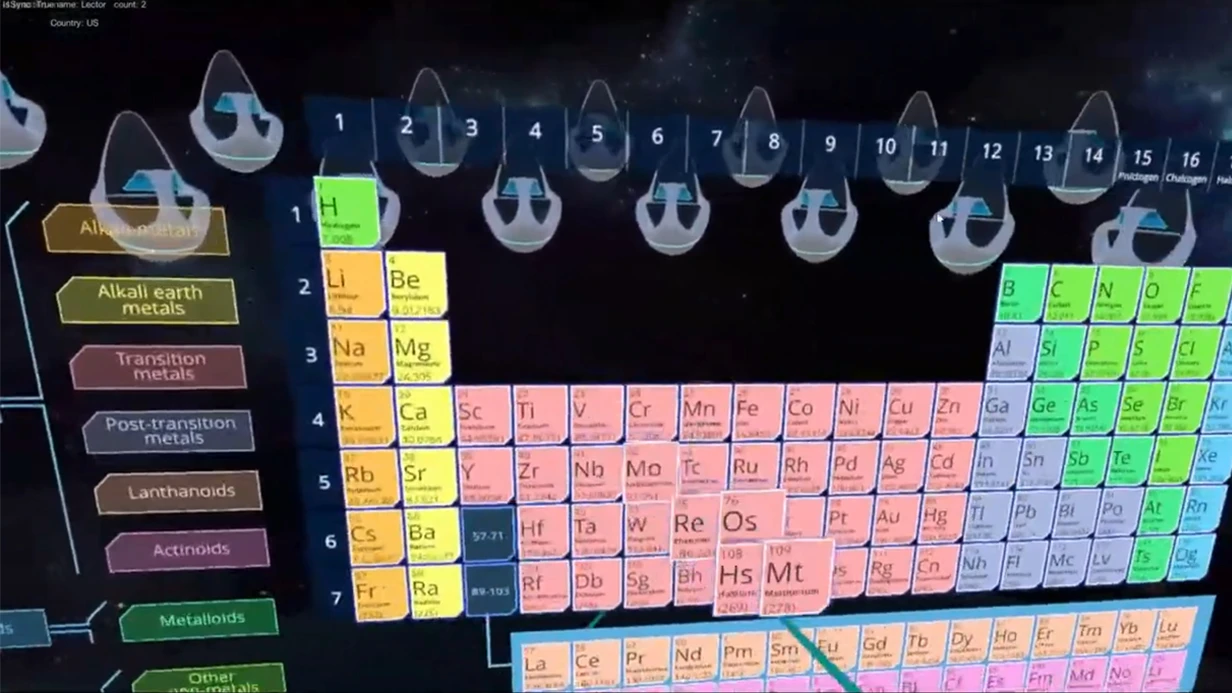


למה מוזיאון לא מקבל מספיק מבקרים?
מבקר לא מגיע למוזיאון רק בגלל שהוא קיים. היום מוזיאון מתחרה ברשתות חברתיות, בבידור מקוון ובעשרות אפשרויות פנאי אחרות. כדי שאדם יבחר בכם, הוא צריך סיבה—רגש חי, נוחות, תחושה שזה שווה את הזמן שלו.
בלי צעד ראשון ברור, קהלים פוטנציאליים נשארים מחוץ לדלת, והנוכחות יורדת גם כשהתערוכה באמת חזקה.
הבעיה השנייה היא נגישות פיזית. אנשים מערים וממדינות אחרות לא ייסעו בשביל תערוכה אחת, ולצעירים מקומיים אין לרוב הרגל ללכת למוזיאון בלי קודם "להכיר" אותו באינטרנט.
אנשים לא רוצים לסכן ערב שאולי יתברר כמשעמם. כתוצאה מכך, מוזיאון מאבד תיירים, קהלים מקומיים חדשים ואלה שפשוט לא מצאו סיבה לעצור.
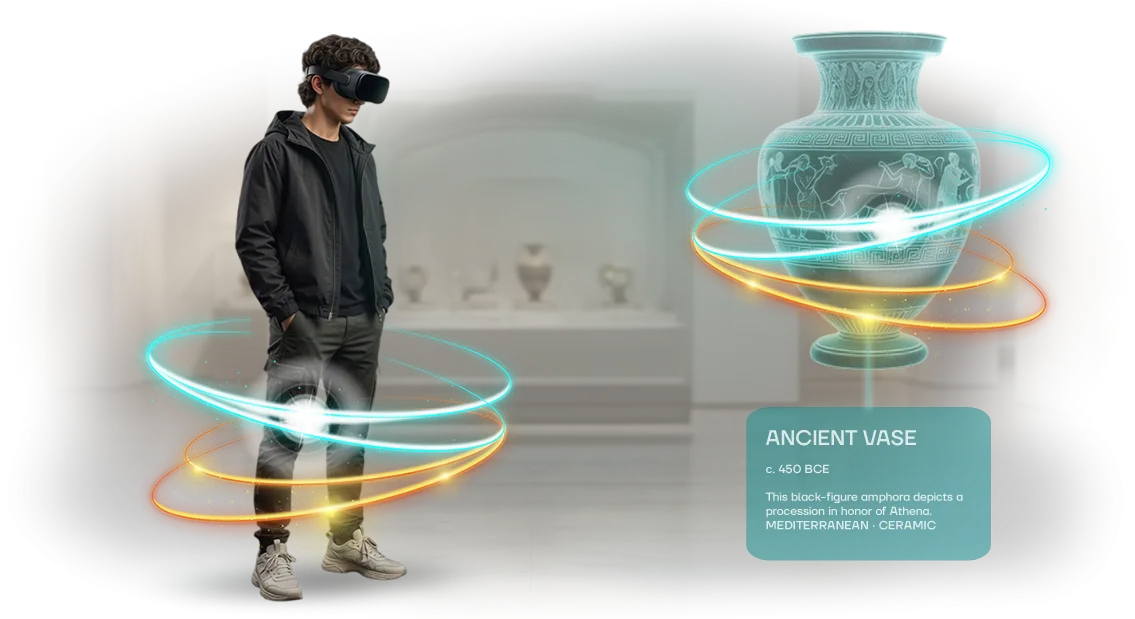
הדיגיטציה של המוזיאון פותרת את הבעיה הזו. סיור וירטואלי מאפשר למבקר "לנסות" את התערוכה לפני הביקור: להסתכל סביב החלל, לחוש את האווירה ולבחור אולמות מעניינים.
זה מסיר את הפחד מהלא נודע והופך מוזיאון מרעיון מופשט למקום שאנשים באמת רוצים לבקר בו. למי שלא יכול להגיע פיזית, סיור וירטואלי הופך לחלופה מלאה—והמוזיאון זוכה לטווח הגעה מעבר לעיר שלו.
זה בדיוק מה שמטפל בנקודת הכאב המרכזית: במקום עניין יורד, אתם מושכים מבקרים דרך ערוץ דיגיטלי מוכר.
אנחנו מפתחים סיורים וירטואליים למוזיאונים כבר יותר מעשר שנים ויודעים איך ליצור תערוכה דיגיטלית שעובדת לנוכחות—לא רק תוספת נחמדה לאתר.
אילו יתרונות מביא סיור וירטואלי
הצוות שלנו הופך מוזיאון למרחב פתוח מסביב לשעון ולכל העולם. המבקר המקוון כבר לא תלוי בשעות פתיחה או בעיר שבה הוא נמצא.
וסיור וירטואלי נותן למוזיאון הזדמנויות חדשות להציג את האוסף שלו ולהגדיל את הקהל שלו.
נגישות ללא גבולות
סיור וירטואלי מספק גישה חופשית לאולמות בכל זמן: בלילה, בחגים, בימי סגירה. למבקרים עם מוגבלות בניידות, זו לרוב הדרך היחידה לחקור את התערוכה.
במקביל, צופה מקוון לא מחליף מבקר אמיתי—הוא הופך לאורח עתידי של המוזיאון.
טווח הגעה עולמי
קופת הכרטיסים הפיזית מוגבלת למי שנמצא בקרבת מקום. סיור מקוון מביא למוזיאון אורחים מערים וממדינות אחרות, ומרחיב את הקהל ללא עלויות פרסום.
כל צופה משתף את הקישור לסיור הווירטואלי, וכל לחיצה יוצרת אזכור נוסף של המוזיאון ברשתות החברתיות ובחיפושים.
תכונות אינטראקטיביות שתופסות תשומת לב
תצלום רגיל מחזיק את העין לכמה שניות, בעוד סיור אינטראקטיבי מחזיק אותה לכמה דקות. המבקר בוחר את המסלול שלו, מתקרב לפרטים ומאזין לסיפורים על המוצגים. ככל שהמגע ארוך יותר, כך הזיכרון של המותג חזק יותר והסיכוי לביקור חוזר גבוה יותר.
צמיחה בהכרה ובתדמית
מוזיאון עם סיור וירטואלי נתפס כמודרני ופתוח. זה עוזר במשא ומתן עם שותפים, בקבלת מענקים ובפרסומים בתקשורת. "כרטיס ביקור" וירטואלי עובד להכרת המותג הרבה יותר זמן מאשר באנר פרסומי חד-פעמי.
פורמטים של סיורים וירטואליים למוזיאונים: איך לבחור
סיור וירטואלי למוזיאון הוא כבר לא רק "תמונה באתר". היום זה כלי עבודה: הוא מאריך את חיי התערוכה, מושך מבקרים מערים אחרות ומספק פלטפורמה לפרויקטים של שותפים.
אבל לפני שמזמינים פיתוח, חשוב להבין איזה פורמט פותר את המשימה הספציפית שלכם—הצגת מוצגים בתקריב, שחזור חללי פנים שאבדו או משיכת קהל בית ספרי. אנחנו מייצרים את כל שלושת הסוגים ונייעץ בכנות איזה מהם יעבוד במקרה שלכם.
| פורמט | למי הוא מיועד | מה הוא נותן למוזיאון |
|---|---|---|
| סיור 360° | מוזיאונים עם תערוכת קבע עשירה ואולמות מבוססים | סקירה מהירה של כל האולמות, נוח להכרות ראשונית, קל להטמעה באתר |
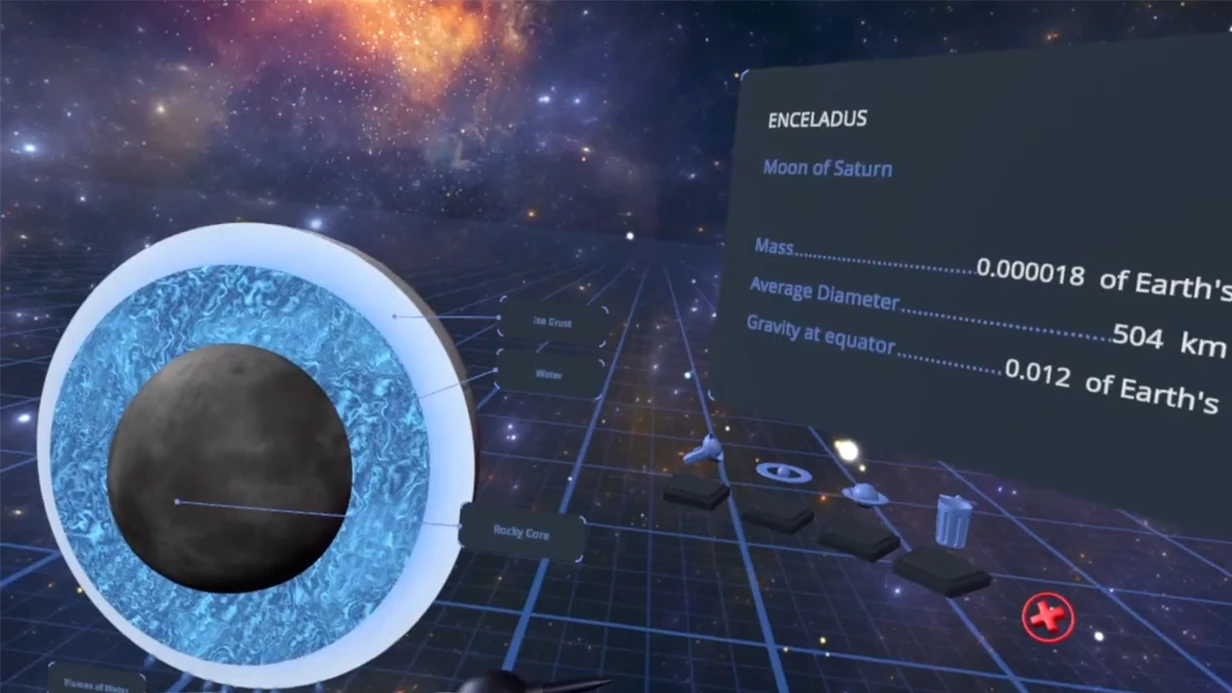
| סיור תלת-ממדי | מוזיאונים עם מוצגים ייחודיים, פרויקטי שימור | בחינה מפורטת של חפצים מכל הכיוונים, תחושת נוכחות אישית |
| סיור מודרך אינטראקטיבי | תוכניות ילדים, פרויקטים חינוכיים, תערוכות יובל | תסריט עם משימות ורקע היסטורי, מחזיק תשומת לב עד 15 דקות |
אין פורמט "הטוב ביותר" יחיד—יש את זה שמתאים למטרות שלכם. אם אתם רוצים טווח הגעה מקסימלי והשקה מהירה, בחרו בסיור 360°: הוא הופך את המוזיאון לנגיש לאנשים עם מוגבלות בניידות ומושך תיירים עוד לפני הטיול.
אם חשוב להראות פרטים שבחיים האמיתיים נראים רק תחת זכוכית מגדלת, בחרו בסיור תלת-ממדי של מוצגי מפתח.
אנחנו עובדים עם ציוד מקצועי ומצלמים ברזולוציה גבוהה—זה מבטיח שהסיור הווירטואלי לא ייראה כמו צילום חובבני. בשלב הייעוץ אנחנו מראים דוגמאות של פרויקטים דומים ועוזרים לבחור פורמט שמתאים לתקציב ולתוצאה הצפויה שלכם.
אגב, מניסיוננו, פורמט אינטראקטיבי מגדיל את זמן השהייה בעמוד המוזיאון פי שלוש עד ארבע, מה שמשפיע לטובה על מיקומי החיפוש של האתר.
תארו את התערוכה שלכם בכמה מילים—אנחנו נציע את הפורמט שישתלם.
איך מתנהל פיתוח סיור וירטואלי: שלבים
פיתוח סיור וירטואלי למוזיאון הוא לא רק צילום וחיבור פריימים; זה תהליך מובנה שבו כל שלב מקרב אתכם למוצר המוגמר.
אנחנו מטפלים בהכל, מהרעיון ועד ההשקה, כדי שתקבלו תוצאה בלי להיכנס לפרטים טכניים. להלן המסלול הממוקד שכל פרויקט עובר.
-
בריף והתעמקות במשימה. אנחנו דנים במטרות הסיור, בקהל היעד ובמוצגי המפתח שצריך להראות קודם. אנחנו קובעים את לוח הזמנים והפורמט: סיור כללי, מסלול נושאי או אולמות בודדים.
-
אישור תסריט. אנחנו מגדירים את ההיגיון של התנועה במרחב, נקודות מוקד וטקסטים נלווים. בשלב הזה אתם רואים איך המבקר ינוע במוזיאון ויכולים לבצע שינויים לפני תחילת הצילום.
-
צילום ויצירת תוכן. אנחנו עובדים עם ציוד מקצועי כדי להפיק פנורמות באיכות גבוהה ללא עיוותים. במקביל, אנחנו מכינים אלמנטים אינטראקטיביים: כיתובים למוצגים, מדריך שמע וכרטיסיות קופצות.
-
הרכבה ובדיקות. אנחנו מחברים את הסצנות לסיור אחד, מגדירים מעברים ובודקים איך זה עובד במחשבים, בטאבלטים ובסמארטפונים. אנחנו מוודאים שהטעינה מהירה והשליטה אינטואיטיבית אפילו למשתמש חסר ניסיון.
-
השקה והטמעה. אנחנו מספקים קישור להטמעה באתר המוזיאון או ברשתות החברתיות. אנחנו עוזרים בפרסום כך שהסיור יהיה זמין למבקרים מיד לאחר סיומו.
-
תמיכה ופיתוח. אחרי ההשקה אנחנו נשארים בקשר: מעדכנים תוכן, מוסיפים אולמות חדשים ומשפרים את הניווט אם התערוכה משתנה. אתם מקבלים לא שירות חד-פעמי אלא כלי עבודה שחי יחד עם המוזיאון.
כל המחזור—מבריף ועד השקה—אורך בממוצע שבועיים עד ארבעה שבועות בהתאם להיקף. בכל שלב אתם רואים תוצאות ביניים ויכולים לבצע התאמות, כך שהמוצר הסופי תואם בדיוק לציפיות שלכם.
יצירת סיור איתנו היא תהליך צפוי עם שלבים ברורים ותוצאה סופית שעובדת למשיכת מבקרים.
מה כלול במסירת סיור וירטואלי
סיור וירטואלי הוא לא רק קישור לסצנה תלת-ממדית, אלא כלי מוכן שמשתלב מיד בפעילות המוזיאון. אנחנו מוסרים חבילה מלאה כך שהצוות שלכם יוכל להשתמש בפתרון ללא השקעות נוספות או ידע מיוחד.
- סיור וירטואלי מוכן: אולמות מצולמים, מוצגי מפתח, מדריך שמע ומעברים בין מיקומים—הכל כבר מורכב, מוגדר ועובד.
- גרסאות לכל המכשירים: מבקרים פותחים את הסיור ממחשב, טאבלט או סמארטפון ללא התקנת אפליקציות—רק קישור או קוד QR מספיקים.
- הוראות ברורות לצוות: איך למקם את הסיור באתר, ברשתות החברתיות, בקופות או בטאבלט בלובי—אין צורך להמציא שום דבר.
- לוח ניתוח נתונים: סטטיסטיקות ביקורים, מוצגים פופולריים, זמן צפייה ממוצע—אתם יכולים לראות מה באמת מעניין את האורחים.
- תמיכה לאחר ההשקה: אנחנו נשארים בקשר אם צריך לעדכן תיאור, להוסיף אולם חדש או לתקן מידע.
- הדרכה לצוות: אנחנו מראים איך לנהל את הסיור ולבצע שינויים בלי לערב מתכנתים.
- חומרי שיווק: קודי QR מוכנים, קישורים ותצוגות מקדימות בווידאו לפוסטרים, לאתר, לרשתות החברתיות ולפרסום חיצוני.
חבילה כזו מאפשרת להעלות את הסיור לפעילות בשבוע שלאחר המסירה. הצוות לא צריך להבין בטכנולוגיה—הכל נבדק על מבקרים אמיתיים ועובד בצורה אמינה.
כתוצאה מכך, המוזיאון מקבל לא שירות חד-פעמי אלא נכס שממשיך לעבוד אחרי ההשקה.
תיירים מכירים את התערוכה לפני הביקור, תלמידים מתכוננים לשיעורים, ואנשים עם מוגבלות בניידות חוקרים את האוסף באינטרנט—עבורכם זה אומר טווח הגעה רחב יותר וסיבה להחזיר את אלה שכבר היו במוזיאון.
מקרה בוחן: איך סיור וירטואלי הגדיל את הנוכחות במוזיאון
מוזיאון היסטורי אזורי—מותג ידוע—אבל האולמות היו ריקים והקהל הזדקן: אורחים נסעו לערים גדולות, והמוזיאון שלהם נתפס כ"טיול בית ספר משעמם". המשימה שלנו הייתה להציג את התערוכה ברמה ארצית ולמשוך תיירים בלי להזיז אף מוצג.
יצרנו סיור וירטואלי למוזיאון: המבקר "מטייל" באולמות, בוחן פרטים באיכות גבוהה ומאזין לסיפורו של האוצר.
הכל עובד על ציוד מקצועי ונגיש מכל סמארטפון—ללא התקנת אפליקציה או הרשמה. השקנו את הסיור באתר הרשמי של המוזיאון וברשתות החברתיות. תוצאות אחרי החודשיים הראשונים:
- 12,000 איש השלימו את הסיור המקוון—פי 15 יותר מהנוכחות החודשית של האולמות הפיזיים.
- 40% מהם היו מבקרים חדשים שהתעניינו בתערוכת הקבע וגילו את המוזיאון.
- זמן השהייה הממוצע בסיור היה 12 דקות: אורחים באמת מקשיבים לסיפורים במקום לדפדף בין עמודים.
- הביקוש לסיורים מודרכים אמיתיים גדל ב-25%—הסיור עובד כ"חלון ראווה" והכרזה, לא כתחליף לביקור בפועל.
מנהל המוזיאון מדגיש את העיקר: הסיור משך מבקרים חדשים שמעולם לא הגיעו קודם ועכשיו מתכננים את הביקור שלהם במיוחד.
המקרה הראה שפורמט וירטואלי הוא לא "שעת בידור" אלא השקעה בהכרה: אנשים משתפים את הסיור עם חברים, מדברים עליו ברשתות החברתיות וחוזרים למסלולים חדשים.
אנחנו מוכנים ליצור סיור כזה גם עבורכם—אנחנו מטפלים בצילום, בעריכה ובהשקה במפתח אחד. העסק שלכם יקבל נקודת משיכה מקוונת וזרם מדיד של מבקרים חיים.
ספרו לנו על המשימה שלכם בטופס הפנייה—נראה דוגמאות לתחום שלכם ונחשב את לוח הזמנים.
איך לבחור את פורמט הסיור הנכון למטרות שלכם?
בחירת פורמט סיור מתחילה לא בטכנולוגיה אלא במשימה שאתם רוצים לפתור: למשוך מבקרים חדשים, להראות את התערוכה למי שלא יכול להגיע פיזית, או ליצור תחושת נוכחות בפתיחת תערוכה.
לטווח הגעה רחב והתחלה מהירה, סיור פנורמי מתאים—אפשר להרכיב אותו בכמה ימים ולהטמיע בקלות באתר.
אם חשוב לתת לצופה חופש תנועה ולהראות את כל החלל, בחרו באולם תצוגה תלת-ממדי שבו אפשר "ללכת" בין האולמות ולצפות במוצגים מזוויות שונות.
חשבו מי הקהל שלכם ובאילו מכשירים הם יצפו בסיור. אם זה מבקר המוני עם סמארטפון, התמקדו בפשטות ובמהירות טעינה, עם מינימום שלבים לכניסה.
לקהל מקצועי, כמו אספנים או חוקרים, הפרטים חשובים: היכולת להתקרב למרקם, לקרוא תווית ולהשוות בין חפצים. ככל שתגדירו במדויק יותר את פרופיל הצופה, כך יהיה קל יותר לבחור את הפורמט האופטימלי.
הקריטריון הבא הוא עומק ההתעמקות ורמת הפירוט. סיור פנורמי טוב לצפייה באולמות ולניווט, אבל הוא מוגבל על ידי נקודות הצילום. סיור תלת-ממדי מלא מאפשר להראות חפץ מכל הכיוונים, כולל אלמנטים שקשה להגיע אליהם.
אם האוסף שלכם כולל מוצגים שאי אפשר לגעת בהם או לסובב אותם בחיים האמיתיים, מודל תלת-ממדי נותן למבקרים דרך לבחון אותם בפירוט. זה מגדיל את ערך הסיור ומבדיל אותו מתצלומים שטוחים.
אל תשכחו לוחות זמנים ושלבים. אם תערוכה כבר פתוחה ואתם צריכים סיור עובד במהירות, התחילו בצילום פנורמי. זה מניב תוצאות בזמן קצר ואם צריך, אפשר להשלים אותו בקלות עם חפצי תלת-ממד בודדים.
לבכורה או לתערוכה ארוכת טווח, עדיף לבנות מודל מרחבי מההתחלה—הוא יישאר רלוונטי גם אחרי שהרכב המוצגים ישתנה.
בסופו של דבר, בחירת פורמט היא איזון בין מטרה, קהל ולוח זמנים להשקה.
התחילו בתשובה לשאלה: "מה המבקר צריך לעשות אחרי הצפייה—להזמין סיור, לשתף את הקישור או לחקור את הפרטים?" אנחנו נעזור לכם לבחור את האפשרות שפותר את המשימה הספציפית שלכם ונכין סיור שיפעל לבניית ההכרה של המוזיאון והעניין באוסף שלו.
שאלות נפוצות על סיורים וירטואליים למוזיאונים
סיור וירטואלי למוזיאון הוא פתרון שעובד שנים רבות וחייב להתאים לתקציב המוסד. לכן אספנו תשובות לחששות שלפני ההזמנה: עלות, לוחות זמנים, תאימות ותמיכה.
הצוות שלנו מלווה את המוזיאון מהבריף הראשון ועד ההשקה ועונה בכנות—בהתבסס על פרויקטים שהושלמו.
כמה עולה סיור וירטואלי למוזיאון?
העלות תלויה במספר המיקומים, במורכבות המודלים התלת-ממדיים ובאפשרויות הנדרשות: סיור רגיל באולמות הוא דבר אחד, אולם תצוגה אינטראקטיבי עם מולטימדיה הוא דבר אחר.
אנחנו מחשבים אומדן למשימה הספציפית שלכם ומראים בדיוק על מה אתם משלמים. בדרך כלל, תוך יומיים או שלושה אחרי הבריף, אנחנו מספקים טווח תקציב.
כמה זמן לוקח ליצור סיור?
פרויקט טיפוסי אורך משבועיים עד חודש וחצי. לוח הזמנים תלוי במספר המוצגים, ברמת הפירוט של המודלים ובתדירות האישורים.
אנחנו עובדים בשלבים: אתם מקבלים גרסאות ביניים ומבצעים שינויים במקום לחכות לתוצאה בסוף.
האם הסיור יעבוד באתר שלנו וברשתות החברתיות?
כן. הסיור הווירטואלי המוגמר קל להטמעה בכל עמוד ונפתח בסמארטפונים, בטאבלטים ובמחשבים—ללא התקנת תוספים. מבקרים יראו את המרחב האינטראקטיבי ישירות בדפדפן, ואתם לא תהיו תלויים בפלטפורמות צד שלישי.
מה כוללת התמיכה לאחר ההשקה?
תמיכה כלולה בתנאים הבסיסיים. אנחנו עוקבים אחרי ביצועי הסיור, מתקנים תקלות ומעדכנים תוכן לפי הצורך. עבור מוזיאון, זו ערובה לכך שהתערוכה המקוונת לא תתיושן ותמשיך למשוך מבקרים.
הזמינו סיור וירטואלי למוזיאון שלכם עוד היום
כל מוזיאון צריך להראות את התערוכה שלו לכמה שיותר אנשים. סיור וירטואלי פותר את הבעיה הזו: הוא זמין מסביב לשעון ואינו תלוי בשעות פתיחה או בגיאוגרפיה של המבקרים.
ככל שתתחילו את הפרויקט מוקדם יותר, כך המוזיאון יקבל מהר יותר כלי מודרני למשיכת אורחים, שותפים ומימון.
השקה מהירה היא העדיפות שלנו. אנחנו לוקחים על עצמנו את כל השלבים—מהייעוץ הראשון ועד הקישור המוכן באתר שלכם—כך שלא תצטרכו להיכנס לפרטים טכניים. אתם פשוט שולחים פנייה, ואז רק מקבלים את התוצאה ורואים איך העניין במוזיאון שלכם גדל.
הנה מה שקורה אחרי שפונים אלינו:
- אנחנו יוצרים קשר תוך יום עסקים אחד, מבהירים את המטרות שלכם ומציעים פורמט למוזיאון הספציפי שלכם.
- אנחנו מסכמים על תוכנית העבודה ולוח הזמנים—אתם יודעים מראש מתי הסיור יהיה מוכן.
- אנחנו מצלמים את החלל והמוצגים עם ציוד מקצועי, בלי לפגוע בוויטרינות או בחפצים.
- אנחנו בונים את הסיור עם ניווט נוח, תיאורי אולמות ונקודות אינטראקטיביות במוצגי מפתח.
- אנחנו מוסרים את המוצר המוגמר: קישור לאתר, קבצים למסכים דיגיטליים באולמות וחומרים לרשתות החברתיות.
- אנחנו מאמנים את הצוות שלכם לעדכן תוכן—הוספת מוצגים חדשים ושינוי תיאורים ללא עזרה ממפתחים.
התחילו עכשיו—ובתוך השבועות הקרובים המוזיאון שלכם יהיה פתוח למבקרים מכל מקום בעולם. הזמנת סיור היא פשוטה: מלאו את הטופס למטה, ואנחנו נכין הצעה אישית על לוח זמנים והיקף עבודה למוזיאון שלכם.