



סיור וירטואלי במסעדה: למה זה חשוב
אורחים בוחרים מסעדה תוך דקות ספורות: הם גולשים באתר, מסתכלים בתמונות ומעריכים את האווירה.
אם הם רואים רק כמה צילומים של האולם, הם לא יכולים להרגיש את האור והחלל, ונשארת בהם תחושת ספק: מה אם במציאות זה נראה אחרת?
ברגע זה, רבים עוברים למתחרים שכבר יש להם סיור וירטואלי — והמקום מפסיד הזמנות בלי לדעת למה.
סיור וירטואלי במסעדה מסיר את המחסום הזה: האורח "מסתובב" בתוך האולם, בוחן פרטי עיצוב, סידור שולחנות, תאורה ודקורציה. הכל נראה אמיתי וברור, כך שההחלטה להזמין מתקבלת מהר יותר ובלי שיחות טלפון מיותרות.
האורח לא צריך לשאול איך נראה האולם — הוא כבר ראה אותו ויכול לדמיין את הערב שלו, והאמון גדל.
הסיור משפיע גם ישירות על התדמית של המקום. מסעדה שמציגה את עצמה במלואה נראית בטוחה בעצמה וטכנולוגית, ואכפת לה מהאורח כבר מהמגע הראשון.
זה מבדיל אותה ממתחרים שמסתפקים בגלריה סטטית ובמשפטים כלליים, והמבקר מבין: המקום הזה מעריך את הזמן והחוויה של הלקוחות עוד לפני הביקור.
אנחנו יוצרים בדיוק את הסיורים האלה — אנחנו מעבירים את האווירה של האולם ועוזרים לכם למקם את הסיור באתר ובמדיה החברתית כך שהוא יעבוד עבור ההזמנות שלכם.
לא תצטרכו להבין בפרטים הטכניים: אתם מקבלים פתרון מוכן ומקבלים אורחים חדשים שכבר ראו את המסעדה בעיניים שלהם.
מה סיור וירטואלי ותצוגת תלת-ממד יביאו למקום שלכם
אורחים בוחרים מסעדה לא רק בגלל המטבח אלא גם בגלל האווירה. תמונות שטוחות לא מעבירות כמה נעים בפנים, איך מסודרים השולחנות או איך נראה הנוף מהחלונות.
כתוצאה מכך, רבים מהססים עד הרגע האחרון, וחלק מהמבקרים הפוטנציאליים עוברים בכלל למתחרים. סיור וירטואלי בתלת-ממד פותר את הבעיה: האורח בוחן את האולם מראש, מתעמק בפרטי העיצוב, ומגיע למקום בלי ספקות.
הצגה פתוחה כזו יוצרת אמון. מסעדה שמציגה את עצמה בתלת-ממד נתפסת כמודרנית ובטוחה באיכות שלה. זה מבדיל אותה ממתחרים שמסתמכים על תמונות סטטיות — האורח הפוטנציאלי רואה שלמקום אין מה להסתיר.
כתוצאה מכך, התדמית מתחזקת, והמבקרים מוכנים יותר להזמין שולחנות, כולל לאירועים ופגישות עסקיות.
סיור וירטואלי הוא גם כלי חשיפה שעובד מסביב לשעון. מקמו אותו באתר, במדיה החברתית ובמפות, והוא ימשוך כל הזמן את תשומת הלב של אלה שמחפשים מקום לסעוד בו.
אורחים משתפים את ההתרשמות שלהם מהסיור, וכל פוסט כזה מגדיל את החשיפה בלי עלויות נוספות. במהותו, אתם מקבלים אמצעי פרסום שלא דורש תקציב קידום ומחזיר את ההשקעה שוב ושוב.
התוצאה העיקרית היא הגדלת ההזמנות. כשהאורח כבר ראה את האולם מראש, סביר יותר שהוא יבחר במסעדה שלכם במקום להמשיך לחפש.
הסיור עוזר להם להחליט להזמין אירוע או ארוחה רומנטית, מה שאומר שלא רק מספר ההזמנות גדל אלא גם החשבון הממוצע. הטמעת סיור וירטואלי ותצוגת תלת-ממד היא השקעה שמחזירה את עצמה תוך כמה חודשים ומביאה למקום רווח יציב.
תצוגת תלת-ממד שימושית במיוחד למסעדות עם אולמות אירועים וטרסות קיץ: אורחים יכולים לבחור את המקום הטוב ביותר מראש.
למי שמתכנן חתונה או אירוע חברה, סיור כזה עוזר לדמיין איך האירוע יתנהל, וזה הופך לטיעון מכריע בבחירת המקום.
לבעלים, זו גם דרך להראות את היתרונות של המקום בלי מילים מיותרות, ולהפוך מבקרים ללקוחות קבועים.
איזה פורמט של תערוכה וירטואלית מתאים למסעדה?
לפני השקת תערוכה וירטואלית, חשוב להבין איזו משימה הפורמט פותר. עבור מקום אחד, המטרה העיקרית היא להראות אווירה ונעימות; עבור אחר, להציג את אולם האירועים או לאסוף בקשות לטעימות.
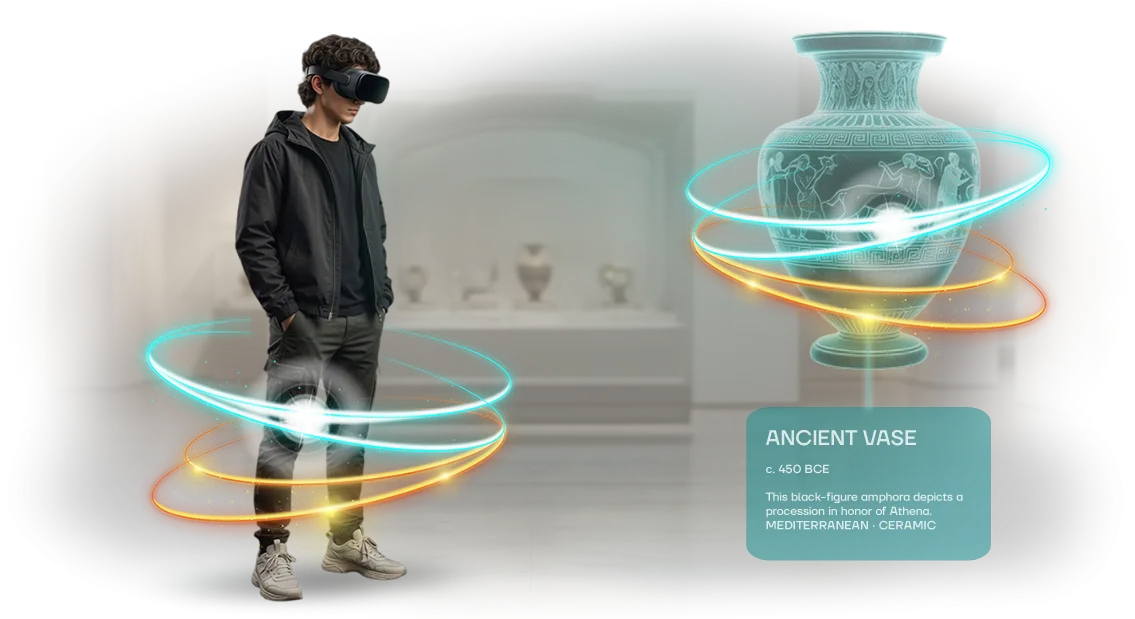
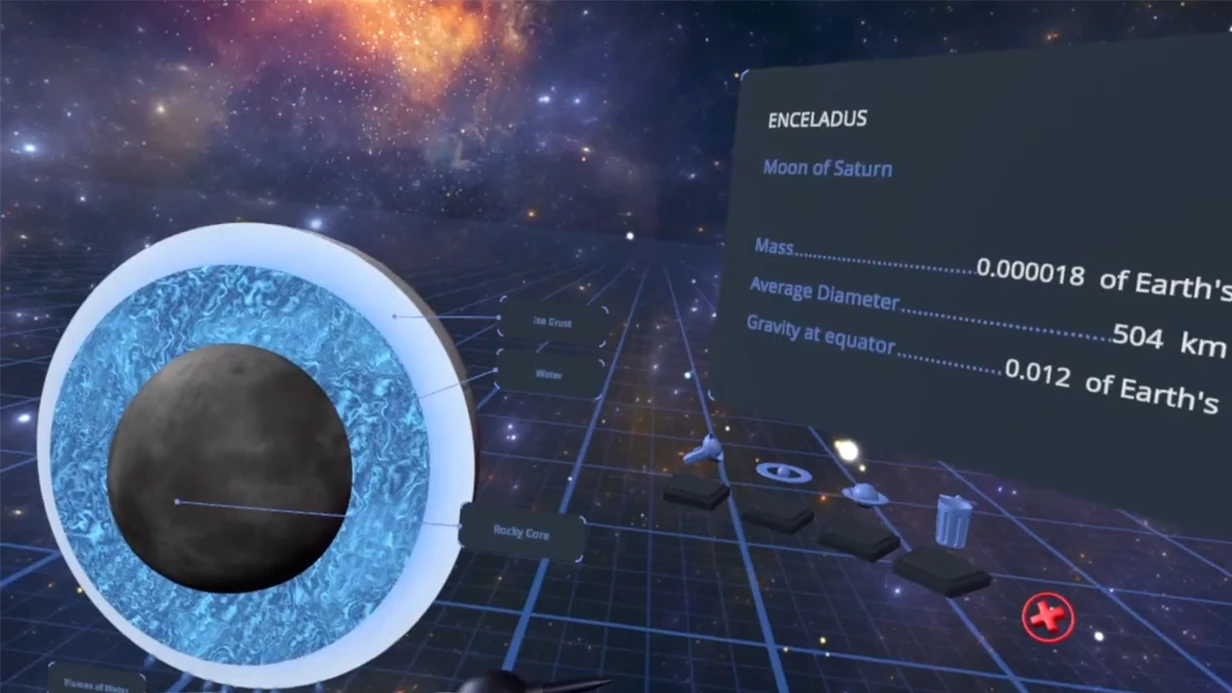
השווינו שלושה פורמטים פופולריים — סיור וירטואלי, תצוגת תלת-ממד ותערוכה אינטראקטיבית — והדגשנו באיזה מקרה כל אחד מביא תועלת מקסימלית למסעדה.
| פורמט | למי | מה הוא נותן ללקוח |
|---|---|---|
| סיור וירטואלי | אורחים שבוחרים מקום לארוחת ערב, דייט או חגיגה משפחתית | מטביע את האדם באווירת המקום בלי ביקור — הם רואים את האולמות, העיצוב והנוף מהחלון, מזמינים שולחן בביטחון ומבטלים פחות |
| תצוגת תלת-ממד | מארגני אירועים, חתונות, אירועי חברה ושאר אירועים | מאפשרת ללמוד את הפריסה, סידורי הישיבה ואפשרויות העיצוב לפני הפגישה עם המנהל. הלקוח מקבל החלטה על הזמנת אולם האירועים מהר יותר |
| תערוכה אינטראקטיבית | מבקרים בפסטיבלים, ימי פתוח והצגות תפריט חדש | מערבת אורחים במשחק או בטעימה מהמטבח, יוצרת סיבה לשתף התרשמות במדיה החברתית — המסעדה זוכה לחשיפה חיה ונשארת בזיכרון |
הסיור הווירטואלי הוא הפורמט המבוקש ביותר למסעדה כי הוא עובד בשתי מטרות בו-זמנית: הוא מסיר ספקות עבור אורחים חדשים וחוסך זמן למנהלים, שכן הם עונים על פחות שאלות טיפוסיות כמו "איך זה נראה בפנים?" במקביל, תצוגת התלת-ממד חזקה יותר בעבודה עם לקוחות עסקיים: במקום תריסר תמונות והתכתבויות ארוכות במייל, המארגן מקבל מודל ברור של האולם ויכול "לסדר" שולחנות לפי הצורך לאירוע שלו.
התערוכה האינטראקטיבית מתאימה למבצעים ואירועים חד-פעמיים כשהמקום רוצה לעשות הצהרה נועזת. בפורמט הזה, אורחים לא רק צופים — הם משתתפים: הם בוחרים מנות, בונים תפריטים, עונים על שאלות על המסעדה. זה הופך את ההיכרות עם המקום למשחק ומשאיר רושם חי.
אנחנו נעזור לכם לבחור את הפורמט למשימה שלכם ולפתח אותו במפתח מלא: מהקונספט ועד הפרסום. תארו מה חשוב למקום שלכם — נציע פתרון שמביא לידים ומגדיל את החשיפה.
איך מתנהל פיתוח סיור וירטואלי: שלבים ולוחות זמנים
סיור וירטואלי הוא לא רק אוסף תמונות אלא כלי עבודה שעוזר לאורחים לבחור את המסעדה שלכם עוד לפני הביקור. לכן תהליך הפיתוח שלנו שקוף: אתם תמיד יודעים באיזה שלב נמצא הפרויקט ומתי תקבלו את התוצאה הסופית.
זה חוסך לכם זמן ומאמץ — אתם לא צריכים להבין בפרטים טכניים; אתם רק שולטים בתוצאה.
- בריף והערכת עלות. אנחנו דנים במטרות, באזורים המרכזיים ובסגנון ההצגה. אנחנו מכינים תוכנית עבודה ולוח זמנים — זה בדרך כלל לוקח 1–2 ימים.
- הכנה וצילום. אנחנו מסדרים את המיקום ומצלמים את הפנים עם ציוד מקצועי. צילום אולם אחד לוקח כשעה.
- הרכבת החלל. אנחנו מחברים את הפריימים לסיור תלת-ממד חלק ומגדירים מעברים חלקים בין סצנות.
- אינטראקטיביות. אנחנו מוסיפים נקודות ניווט, כרטיסי מנות, כפתורי הזמנה ואנשי קשר — כל מה שמפשט את הדרך של האורח לקבלת החלטה.
- בדיקות ותיקונים. אנחנו בודקים את הסיור במכשירים שונים ומבצעים התאמות אחרונות. אתם מקבלים קישור וקוד QR לפרסום.
- השקה ותמיכה. אנחנו עוזרים לשלב את הסיור באתר ובמדיה החברתית, ומעדכנים תוכן אחרי שינויים בתפריט אם צריך.
בממוצע, הפיתוח לוקח 7–12 ימי עבודה — לוח הזמנים המדויק תלוי בשטח המקום ובמספר הסצנות. אנחנו קובעים את התאריכים בחוזה, כך שתוכלו לתכנן קמפיין פרסומי או אירוע מראש.
אחרי ההשקה, הסיור עובד עבורכם 24/7 ולא דורש צילומים חוזרים: אם מופיעה מנה חדשה בתפריט, מספיק לעדכן את הכרטיס בסיור הקיים.
מה כלול במסירה: חבילה מלאה לפרויקט שלכם
פרויקט מסעדה הוא לא רק תצלומים. אתם מקבלים כלי מוכן שאפשר מיד להראות לאורחים: באתר, במדיה החברתית, במהלך דיונים על אירוע או השכרת אולם. אנחנו משלבים את כל האלמנטים לחבילה אחת ומוודאים שכל אחד עובד ללא תקלות.
הנה מה שכלול במסירה:
- פנורמות אינטראקטיביות של כל האזורים — אולמות, טרסת קיץ, בר ומטבח אם תרצו. האורח "מסתובב" במסעדה ורואה את האווירה האמיתית, לא תמונות סטטיות.
- ניווט במרחב — מפה ברורה או מעברי חצים בין אזורים. המבקר מבין את הפריסה ומוצא בקלות את המקום המתאים: חדר פרטי, אזור ליד החלון, כניסה.
- מדריך קולי — קול מספר על הקונספט של המסעדה, מנות הדגל או יתרונות האולם לאירועים. אופציונלית, אפשר להוסיף מוזיקת רקע לשיפור החוויה.
- אינטגרציה עם האתר שלכם — הסיור מוטמע בקטע הרצוי בלי מעורבות של מתכנתים. פשוט הדביקו קישור או בלוק מוכן — והעמוד מתחיל "למכור" את הפנים.
- אינטגרציית הזמנות — ישירות מהסיור, אורח יכול ללחוץ על "הזמן שולחן" או "הזמן אירוע". השרשרת מהתרשמות לפעולה לוקחת קליק אחד.
- התאמה לכל המכשירים — הסיור עובד מצוין במחשבים, טאבלטים וסמארטפונים. אין צורך בהתקנות או הרשמות; הכל נפתח בדפדפן.
- עדכונים אחרי ההשקה — אם המסעדה מחליפה רהיטים, משפצת או פותחת אולם חדש, אפשר לעדכן את הפנורמות. אתם אף פעם לא נשארים לבד עם חומר מיושן.
בסופו של דבר, אתם מקבלים לא פנורמה "גולמית" אלא סיור וירטואלי מלא שכבר מוגדר, נבדק ומוכן לפרסום. כל מה שנשאר זה להראות אותו לאורחים — ולהגדיל את ההמרות ממבקרי אתר להזמנות אמיתיות.
מקרה אמיתי: הזמנות גדלות אחרי השקת הסיור
המסעדה «Времена года» במרכז העיר מתמחה באירועים וחגיגות משפחתיות.
אירועים מביאים כ-70% מההכנסות, אבל ההזמנות נתקעו לעתים קרובות בשלב "אנחנו נבוא לראות": אורחים מאזורים אחרים לא רצו לבזבז ערב על סיור באולם, ואחרי הביקור שלהם, מתחרים יירטו חלק מההזמנות.
התמונות באתר לא העבירו עומק ואור, כך שכל בקשה שנייה דרשה שיחות טלפון נוספות ומצגות וידאו.
פיתחנו סיור וירטואלי של אולם האירועים והחללים הסמוכים — עם תצוגות 360 מעלות, מעברים בין אזורים וכתוביות לפרטים מרכזיים: במה, רחבת ריקודים, סידורי שולחנות.
צילמנו עם ציוד מקצועי כדי להעביר את הצבעים והאווירה של הפנים בלי עיוותים. הסיור הוטמע בעמוד הראשי של האתר ובפרופילי המדיה החברתית — הוא נטען תוך כמה שניות אפילו בטלפון.
התוצאה אחרי חודשיים: מספר בקשות האירועים גדל ב-40%, וחלק ההזמנות המאושרות אחרי השיחה הראשונה גדל פי 1.5. אורחים הגיעו לביקורים אישיים רק אחרי שראו את האולם על המסך, כך שהמשא ומתן היה מהיר יותר והביטולים פחתו.
הסיור החזיר את ההשקעה בחודש הראשון והתחיל לייצר הזמנות חוזרות מאורחי חגיגות קודמות.
מנהל המסעדה שיתף המלצה: "בעבר, עד 30% מהבקשות אבדו אחרי הבקשה 'תראו לנו שוב את האולם'. עכשיו אין כמעט כאלה — לקוחות מגיעים כבר מוכנים להזמין." הסיור הווירטואלי הפך לשלב הראשון במשפך ונעשה בו שימוש בניוזלטרים ובקמפיינים פרסומיים כדי לסנן לידים לא רלוונטיים ולהפחית את זמן הטיפול בבקשות.
גם החשבון הממוצע השתנה: כשהאורחים כבר מכירים את הפנים מראש, הם בוחרים יותר באפשרויות נוספות — קייטרינג, קייטרינג, שירותי מנחה.
משפך ההזמנות התקצר, ומחלקת המכירות הפסיקה לבזבז זמן על הצגות חוזרות ומצגות אולם.
איך לבחור את הפורמט הנכון למשימה שלכם?
בחירת הפורמט תלויה ישירות במטרה שלכם ובתקציב הזמין. למסעדה שרוצה להראות את האווירה ואת האולם, מספיק סיור וירטואלי עם פנורמות של האזורים המרכזיים.
אם המטרה היא למשוך תיירים ושותפים, כדאי להוסיף אלמנטים אינטראקטיביים: נקודות עם מידע על מנות, היסטוריה של המקום ומעבר קל להזמנה.
אם התקציב מוגבל, התחילו עם סיור בסיסי: צילום האולם הראשי, אזור הבר והטרסה. הפתרון הזה מכסה את המשימה העיקרית — האורח רואה את המקום מראש ומרגיש בטוח יותר.
מאוחר יותר, קל להרחיב את הבסיס על ידי הוספת חדרים ותכונות חדשות בלי לצלם מחדש את השלב הראשון.
הכנת המקום לוקחת מעט זמן: פנו את המעברים, סדרו כיסאות, הדליקו אורות והוציאו פריטים מיותרים. אין צורך בסדר מושלם — העיקר שהאולם ייראה נקי וטבעי, והעיצוב יהיה קריא.
אנחנו מספקים רשימת בדיקה מפורטת לפני הצילום כדי שהכל יתנהל בביקור אחד ובלי הפתעות.
למשיכת תיירים, הבחירה הטובה ביותר היא פורמט אינטראקטיבי עם מעברי תלת-ממד וסיפורים. אורחים מערים אחרות יכולים "להסתובב" באולם, להעריך את האווירה ולהחליט אם לתכנן ערב שם.
קל למקם סיור כזה באתר, במדיה החברתית ובשירותי תיירות — הוא עובד כמו חלון ראווה 24/7 ומחזיר את התקציב המושקע דרך החשיפה.
אם אתם לא בטוחים איזה פורמט לבחור, נעזור לכם בייעוץ קצר: נראה דוגמאות, נסביר את ההבדל ונמצא פתרון שמתאים למשימה, לתקציב וללוח הזמנים שלכם. העיקר להתחיל עם מטרה ברורה; השאר מטופל צעד אחר צעד.
שאלות נפוצות על סיורים וירטואליים למסעדות
בעלי מסעדות שואלים אותנו לרוב את אותן שאלות: כמה זמן ייקח ליצור את הסיור, מה קורה אם האתר מתעדכן, ומי יטפל בזה אם הסיור יפסיק לעבוד. אנחנו עונים על השאלות האלה בכנות — כדי שתדעו מה אתם מקבלים לפני שהפרויקט מתחיל.
כמה זמן לוקח ליצור סיור וירטואלי למסעדה?
בממוצע, 5–10 ימי עבודה מרגע הצילום. לוח הזמנים תלוי בשטח האולם ובמספר הסצנות: לבית קפה קטן מספיקות שלוש נקודות צילום; למסעדה עם אולם אירועים וטרסת קיץ צריך יותר.
בכל מקרה, אתם מקבלים תוכנית עבודה ברורה עם תאריכים ויודעים מתי הסיור יופיע באתר שלכם.
מה קורה אם הפנים משתנים או מתווספות מנות חדשות?
אפשר לעדכן את הסיור בכל עת. בדרך כלל, אנחנו מצלמים מחדש רק את האזור שהשתנה, ושאר הסצנות נשארות זהות — זה מהיר וזול יותר מאשר ליצור הכל מאפס. הסיור המעודכן מתפרסם תוך 2–3 ימים, והאורחים תמיד רואים את התמונה העדכנית.
האם אצטרך תמיכה טכנית אחרי ההשקה?
הסיור ממוקם באתר שלכם — משם הוא עובד מעצמו. אם משהו משתנה באתר (עדכון פלטפורמה, מעבר לדומיין חדש) או שאורחים מתלוננים על מהירות הטעינה, אנחנו נכנסים לפעולה ופותרים את הבעיה. אנחנו נותנים אחריות על כל העבודות: אם הטעות היא שלנו, נתקן בחינם.
מה אם הסיור "נשבר" אחרי זמן מה?
סיור וירטואלי הוא קבצים וקישור, לא מבנה הנדסי מורכב. שבירה קורה בדרך כלל בגלל גורמים חיצוניים: תוסף ישן שהושבת, אי-תאימות לעדכון דפדפן. אנחנו עוקבים אחרי מקרים כאלה ומשחררים תיקונים במהירות. עבורכם, זה אומר שאורחים תמיד יראו סיור עובד, לא שגיאה על המסך.
אנחנו מוודאים שלא תצטרכו להבין בפרטים טכניים. אנחנו מצלמים, מרכיבים, ממקמים ונשארים בקשר אחרי המסירה — כך שהסיור הווירטואלי מביא אורחים במקום להוסיף דאגות. אם עדיין יש לכם ספקות, שאלו אותנו את השאלה שלכם — אנחנו עונים תוך יום עסקים אחד.הזמינו סיור וירטואלי שימשוך אורחים
תמונות פנים מציגות את המסעדה, אבל הן לא מעבירות את האווירה שלה — הצליל של אולם חי, התנועה של מלצרים, הנוף מהחלון. האורח מהסס לגבי הזמנת שולחן ולעתים קרובות בוחר מקום שכבר ראה "במציאות".
סיור וירטואלי פותר את זה: המבקר מסתובב באולמות, מציץ לארון היין או למטבח הפתוח, ויושב מנטלית ליד השולחן המסוים הזה. הספק נעלם, ואיתו גדל מספר ההזמנות מהאתר ומהמדיה החברתית. הסיור עובד כמו מנהל אישי שלכם, שמציג את המקום 24 שעות ביממה.
הזמינו סיור מאיתנו וקבלו:
- צילום במפתח מלא: אתם לא מבזבזים זמן בחיפוש אחר צלם וציוד.
- מיקום באתר, במפות ובמדיה החברתית — איפה שאורחים מחפשים מסעדה.
- השקה מהירה: מהצילום לפרסום לוקח רק כמה ימים.
- עזרה בבחירת המסלול: אנחנו מציגים את האולם, המטבח והטרסה ברצף הגיוני.
- עלות מחושבת אחרי בדיקה — מאולם אחד ועד מתחם שלם.
- חישוב תועלת: אנחנו מראים כמה הזמנות חדשות לצפות עם החשבון הממוצע שלכם.
השאירו בקשה לייעוץ — נענה תוך יום עסקים אחד, נמליץ איזה סיור מתאים ביותר לפורמט שלכם ונכין הערכת עלות. אחרי ההשקה, אנחנו נשארים בקשר: נעדכן את הפנורמות לעונה החדשה, נוסיף טרסות סגורות או נתאים את סידור הישיבה. אורחים יתחילו להזמין עוד לפני שהם מגיעים — כי הם כבר יודעים לאן הם הולכים.