

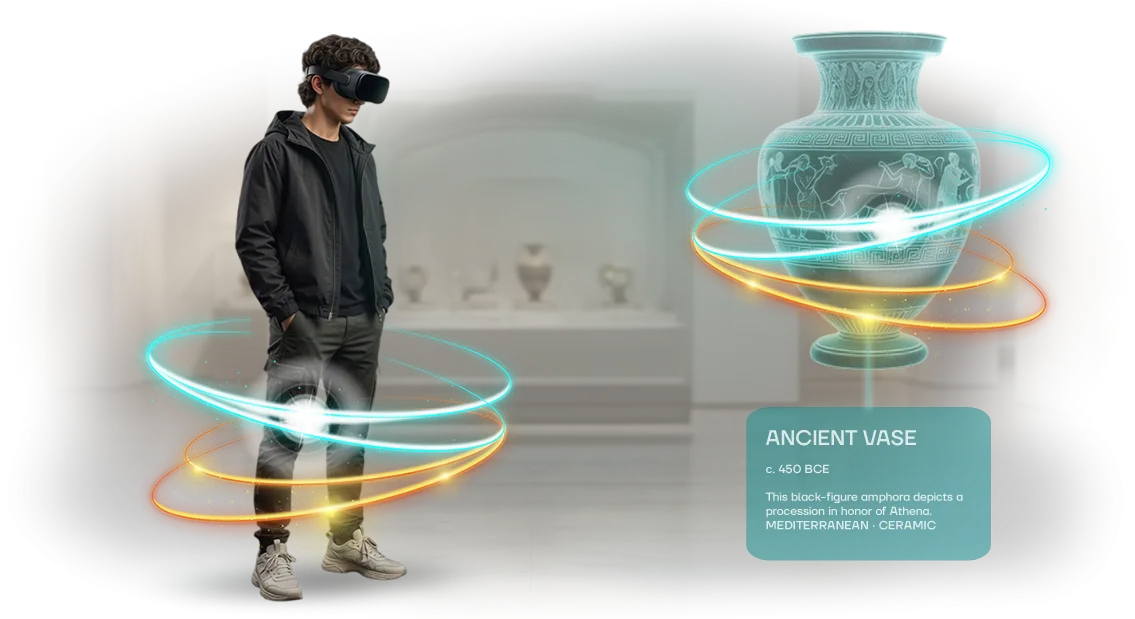
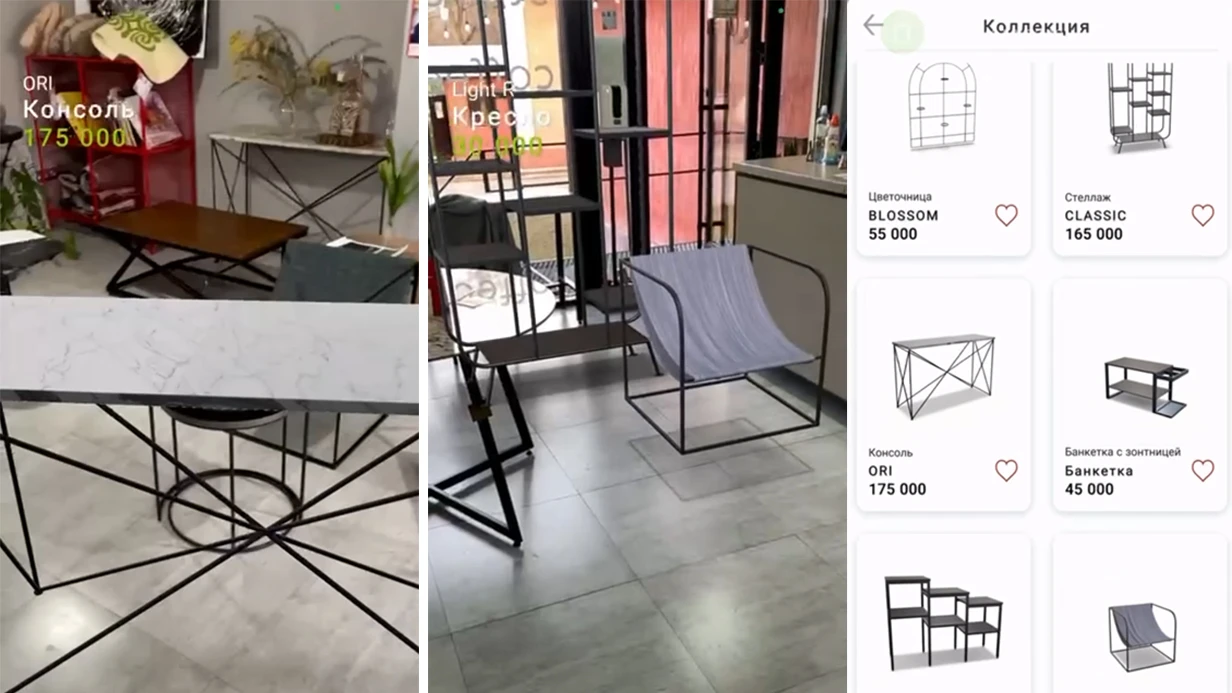
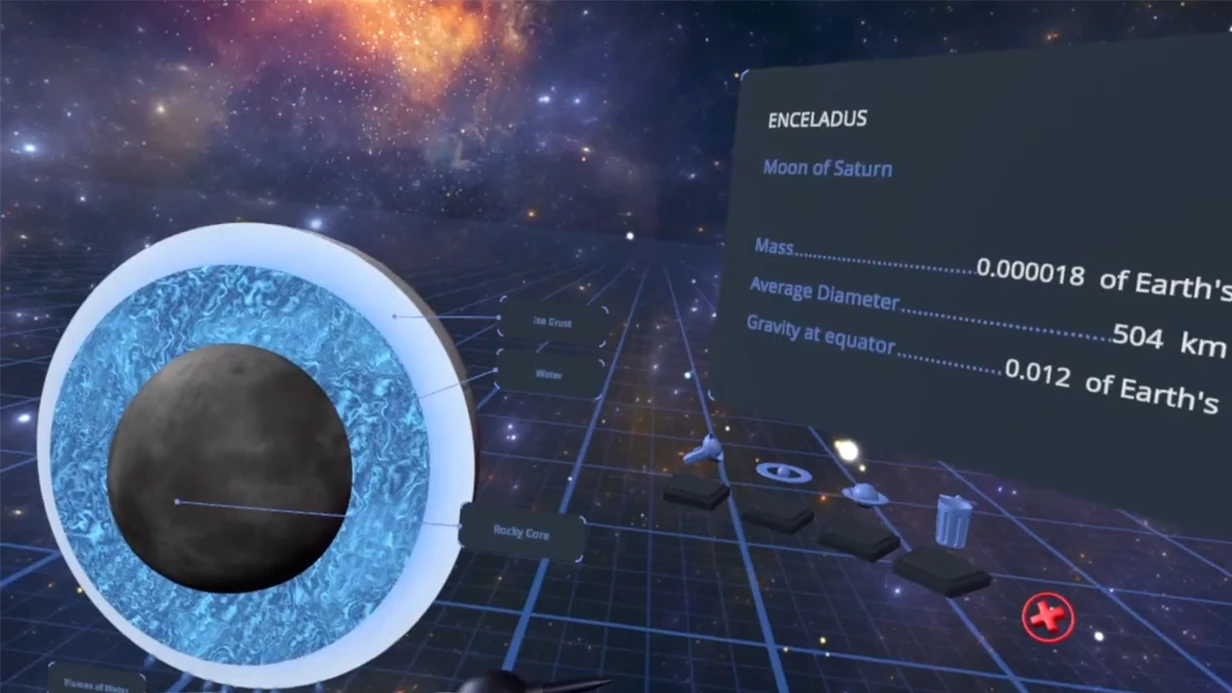
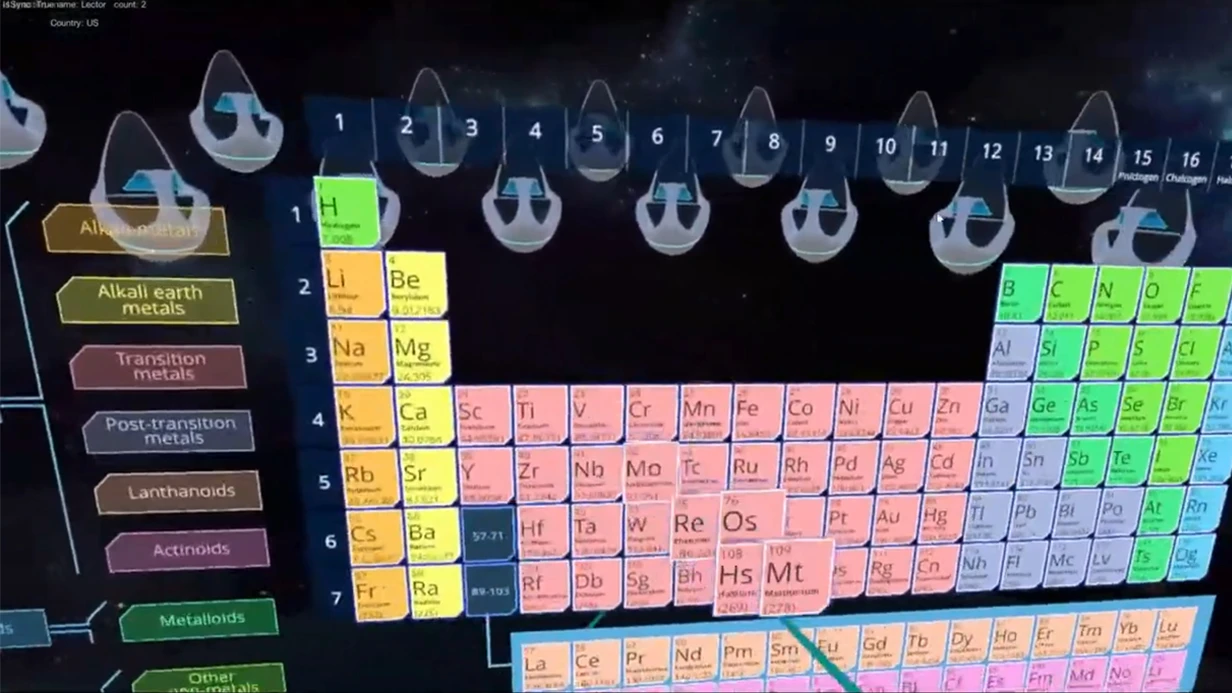


סיור וירטואלי במרכז תערוכות: המבקרים חוזרים
מרכז התערוכות שלכם פועל לפי לוח זמנים, בעוד הקהל שלכם עובד 24/7. מבקרים שלא הספיקו להגיע לדוכנים או גרים בעיר אחרת הולכים לאיבוד: הם רואים רק תמונות ותיאורים, אבל לא את האווירה של התערוכה. בינתיים, מתחרים כבר משיקים סיורים אינטראקטיביים, ומבקרים מרוחקים בוחרים בהם.
כתוצאה מכך, התערוכה מספקת פחות ממה שהיא יכולה: טווח ההגעה מוגבל לשעות הפעילות, וביקורים חוזרים קורים רק בקרב אורחים פיזיים. המותג לא מתחבר לקהל שמוכן להתערב אבל לא יכול להגיע פיזית. כל יום, עניין פוטנציאלי חולף על פניכם בלי להפוך לליד.
סיור וירטואלי במרכז התערוכות פותר את הבעיה הזו. מבקרים מכל עיר יכולים לעבור בין האולמות בכל זמן, לבחון את המוצגים בפירוט, ואפילו לחזור — הסיור זמין תמיד.
זה לא רק עותק דיגיטלי, אלא כלי שהופך עניין חד-פעמי לביקורים קבועים ומכפיל את טווח ההגעה של התערוכה. מבקרים מרוחקים כבר לא הולכים לאיבוד — הם משתתפים מרחוק ועושים את הבחירה שלהם.
אנחנו בונים סיורים אלה במפתח מלא: מצילום פנורמה ועד להרכבת פתרון מוכן באתר שלכם. אתם לא צריכים להבין בטכנולוגיה — אתם מקבלים סיור וירטואלי שעובד למודעות המותג ולמכירות.
ספרו לנו על המשימה שלכם — נציע פתרון מותאם למרכז התערוכות שלכם, ותוך מספר שבועות האורחים שלכם יוכלו לחזור אליכם אונליין.
אילו יתרונות סיור וירטואלי מביא לתערוכה שלכם
סיור וירטואלי הופך את התערוכה שלכם מאירוע חד-פעמי לנכס שעובד ברציפות.
במקום זרם יחיד של מבקרים במהלך ימי התערוכה, אתם מקבלים ערוץ בלתי מוגבל בזמן למשיכת תשומת לב: כל לקוח, שותף או עיתונאי יכול "להסתובב" בין האולמות מכל מקום בעולם — ממחשב נייד או סמארטפון. זה מרחיב דרמטית את טווח ההגעה לקהל ואת עומק המעורבות עם המוצגים.
בניגוד לתמונות רגילות, סיור וירטואלי נותן תחושה של נוכחות אישית. האורח מחליט לאן להסתכל, לאיזה דוכן להתקרב, באילו פרטים להתעמק.
המעורבות הזו גבוהה פי 2–3, מה שאומר זיכרון גבוה יותר לדוכן שלכם וסיכוי גדול יותר שמבקר ישאיר פרטים או יבקש שיחת חוזר ישירות אונליין.
אילו משימות סיור וירטואלי פותר
- מודעות מותג — ניתן להטמיע את הסיור באתר החברה וברשתות החברתיות. כל מבקר תערוכה עובר וירטואלית בתערוכה ומגבש רושם חיובי על החברה עוד לפני מגע אישי.
- טווח הגעה לקהל — אתם מציגים את התערוכה למי שלא יכול היה להגיע פיזית: לקוחות מחוץ לעיר, מקבלי החלטות, מנהלי סניפים.
- לידים מהתערוכה — הסיור כולל כפתורים כמו "השאירו פנייה," "קבלו ייעוץ," "הורידו מצגת." כל מבקר וירטואלי הופך לליד שאתם מקבלים אחרי האירוע.
סיור וירטואלי הוא כלי המכירות שלכם
הסיור ממשיך לעבוד עבורכם הרבה אחרי סגירת התערוכה. אנחנו ממקמים אותו באתר שלכם יחד עם פרטי הקשר של המנהלים האחראיים, והוא ממשיך לפעול כאיש מכירות.
לקוחות שמתלבטים חוזרים לסיור, לומדים את המוצגים, ובסופו של דבר מגיעים אליכם עם החלטה מוכנה. כתוצאה מכך, מספר הפניות והקשר החוזר גדל פי 1.5–2.
| פורמט הסיור | למי | מה הוא נותן ללקוח |
|---|---|---|
| סיור סקירה בסיסי | מארגני תערוכות | ניווט מלא בין האולמות, הדגמת קנה מידה, משיכת נותני חסות |
| שואורום תלת-ממדי של החברה | מציגים, יצרנים | הצגת מוצר מפורטת, הגדלת מודעות המותג |
| סיור אינטראקטיבי עם לכידת לידים | מחלקות מכירות, משווקים | רכישת לידים ישירה מהסיור, משוב ללא שיחות טלפון |
| סיור מצגת למשקיעים | מנהלים בכירים, בעלים | הדגמה ברורה של הפרויקט לשותפים ולמשקיעים |
אנחנו עובדים עם ציוד מקצועי וטכנולוגיות צילום מוכחות, כך שהלקוח מקבל באופן עקבי תוצאה איכותית במפתח מלא.
עבור חברת התערוכות המרכזית, בנינו סיור של המרכז עם פנורמות של כל הביתנים — לאחר הפרסום, מספר הפניות מהאתר גדל בשליש, והמציגים היו מוכנים יותר להזמין מקומות לעונה הבאה.
פורמטים של תערוכה וירטואלית ושואורום: איך לבחור
המטרה של מתחם וירטואלי היא להשיג יעד עסקי ספציפי: הגעה לקהל חדש, הצגת קטלוג גדול, או שיתוף משתתפים בשידור חי.
לכן, יש לבחור את הפורמט לא "ליופי" אלא על סמך התוצאה שאתם רוצים מההשקעה שלכם.
להלן שלוש אפשרויות ליבה שאנחנו מתאימים לאירוע שלכם או לתערוכה קבועה. כולן רצות על ציוד מקצועי וארכיטקטורת שרתים יציבה, כך שהאורחים לא יתקלו בתקיעות או בתקלות טכניות.
| פורמט | למי | מה הוא נותן ללקוח |
|---|---|---|
| תערוכה וירטואלית | מארגני אירועים בתעשייה, פורומים, ימי פתוח | הגעה למשתתפים מערים שונות ללא מגבלות שטח. מבקרים נעים בין דוכנים, צופים בחומרים, משאירים פניות. אתם מקבלים סטטיסטיקת נוכחות ותובנות על אילו מוצגים עוררו עניין |
| שואורום תלת-ממדי | יצרנים ומפיצים עם מגוון מוצרים רחב | תצוגת מוצר 24/7 עם בחינה מפורטת ויכולת עדכון הקו ללא צילום מחדש. הלקוח בוחן מוצרים בקצב שלו, והמנהל רואה אילו פריטים נצפים הכי הרבה |
| מתחם היברידי | חברות שרוצות לשלב אירוע חי עם השתתפות מקוונת | קהל מורחב: חלק מהאורחים מגיעים פיזית, אחרים מתחברים דרך סיור VR. שידורים חיים, שאלות בצ'אט וייעוצים רצים במקביל, בזמן שאתם אוספים אנשי קשר ואנליטיקה משני הערוצים |
אם המטרה שלכם היא נוכחות מקוונת קבועה, בחרו שואורום תלת-ממדי. אם אתם מתכוננים לאירוע עם תאריך ספציפי, תערוכה וירטואלית מתאימה יותר. כשחשוב לשמר תקשורת חיה תוך משיכת משתתפים מרוחקים, היברידי עובד הכי טוב.
בכל פורמט, אנחנו בונים מדידת פעילות: כמה אנשים עברו בתערוכה, איפה הם התעכבו יותר, אילו חומרים פתחו. הנתונים האלה עוזרים לכם להעריך החזר השקעה ולהתאים את הפרויקט הבא.
שלבי העבודה על פרויקט תערוכה וירטואלית
אתם מבינים מה קורה בכל שלב — מהבריף הראשוני ועד ההשקה והתמיכה השוטפת. עיצבנו את התהליך כך שתוכלו לראות תוצאות ביניים, לערוך שינויים ולקבל החלטות בלי לחץ או הפתעות.
-
בריף והתעמקות במשימה. אנחנו לומדים את התערוכה, המטרות והקהל של הסיור העתידי. אנחנו מתעדים איך מבקרים יתקשרו עם אובייקטים ואיזו תוצאה חשובה: משיכת לקוחות, טווח הגעה רחב, או חיסכון בשכירת מתחם.
-
תוכנית והערכת תקציב. אנחנו מגדירים את מבנה הסיור: אולמות, אובייקטים, פורמט — פנורמות, תצוגות 360°, תקריבים מפורטים. אנחנו מתווים לוחות זמנים ועלות כדי שתדעו את התקציב לפני תחילת העבודה.
-
אישור פריסה. אנחנו יוצרים מפת ניווט ומבנה לסיור העתידי. אתם רואים איך האורח ינוע בחלל ועורכים שינויים לפני הצילום — זה הרבה יותר זול ומהיר מאשר לתקן מוצר מוגמר.
-
צילום ועיבוד חומרים. אנחנו מבצעים צילום מקצועי של אזורי התערוכה, מאזנים את התאורה ומרכיבים סצנות. החומרים המוגמרים כבר מטביעים את הצופים באווירת האירוע ומוכנים להרכבת הסיור.
-
הרכבת הסיור ותוכן. אנחנו מחברים את הפנורמות למסלול אחד, ומוסיפים נקודות מעבר, תיאורי מוצגים קופצים וסרטונים. הסיור המוגמר עובד על כל מכשיר — מחשב, טאבלט או סמארטפון — ללא התקנת אפליקציות.
-
בדיקות והשקה. אנחנו בודקים כל תרחיש: מהירות טעינה, דיוק מעברים, תצוגה בדפדפנים שונים. אנחנו משיקים את הסיור ומספקים קישור להטמעה באתר או בקמפיינים במייל — מיד כשהוא מוכן.
-
תמיכה בפרויקט. אחרי ההשקה, אנחנו נשארים בקשר: מעדכנים מידע, מוסיפים אובייקטים חדשים ומנטרים יציבות. לא תצטרכו לחפש קבלן אחר לשיפורים — הכל מטופל במקום אחד.
מה כלול במסירת התערוכה הווירטואלית
אתם כנראה מתעניינים לא רק ב"קישור מוכן" אלא במוצר מלא שהצוות שלכם יכול להשתמש בו בלי תלות קבועה בקבלן.
לכן בצוות שלנו אנחנו בונים את המסירה ככלי עבודה: אתם מקבלים את הסיור, הזכויות עליו, כל החומרים והדרכת צוות. אין "קופסאות שחורות" — רק מה שבאמת עוזר להשיק ולעדכן את התערוכה.
הנה מה שכלול בחבילת מסירת הסיור הווירטואלי:
- סיור וירטואלי מוכן של מרכז התערוכות — מותאם לטעינה מהירה בכל מכשיר, זמין דרך קישור וניתן להטמעה באתר שלכם.
- לוח בקרה פשוט — לשינוי תיאורים, תמונות, לוגואים וניווט ללא מעורבות מפתחים.
- חומרי מקור — כל הפנורמות המעובדות, מודלי התלת-ממד ואלמנטים גרפיים מועברים אליכם כרכושכם.
- הוראות ומדריכי וידאו — איך להשתמש בסיור, להוסיף נקודות חדשות ולעדכן תוכן.
- הדרכת צוות — אנחנו מקיימים מפגש מקוון למנהלים ולמנהלי המערכת שלכם, מספקים רשימות בדיקה ועונים על שאלות.
- זכויות תוכן — כל התערוכה נשארת שלכם; אתם יכולים להשתמש בה במצגות, ברשתות חברתיות ובאירועים.
- תמיכה טכנית — במהלך תקופת האחריות, אנחנו מגיבים בימי עבודה ועוזרים בשיפורים ועדכונים.
גישה זו חוסכת לכם זמן ותקציב: אחרי ההשקה, אתם מנהלים את התערוכה בעצמכם, ואנחנו נשארים בכוננות. זו חבילת מסירה שעובדת לעסק שלכם — מההצגה הראשונה ועד לעדכונים שוטפים.
מקרה בוחן: סיור וירטואלי למרכז תערוכות הגדיל המרות
מרכז תערוכות גדול מתמודד עם בעיה טיפוסית: שוכרים בוחרים מתחם על סמך תמונות ותיאורים אבל לא רואים את קנה המידה של האולמות. חלק מהלקוחות עוזבים למתחרים עוד לפני שהם מרימים טלפון.
הצענו סיור וירטואלי של מרכז התערוכות כדי לסגור את המקרה הזה ובנינו סיור תלת-ממדי מלא של כל האזורים המרכזיים.
מרכז התערוכות Grand Hall קיבל סיור זמין באתר שלו ובקמפיינים במייל. מבקרים יכולים "להסתובב" בין האולמות, להעריך את הפריסה, אזורי הטעינה והלוגיסטיקה — בלי הזמנה להצגה אישית. עדכון הצילום לוקח רק כמה ימים, כך שהסיור נשאר רלוונטי לאירועים חדשים.
התוצאות מדברות בעד עצמן: זמן הצפייה הממוצע בעמוד שולש, וההמרה לפניות שכירות גדלה ב-40%. צוות המרכז התחיל לקבל פחות שיחות הבהרה — השאלה הבסיסית "איפה ואיך נשתלב" נענית על ידי הסיור עצמו. פניות חוזרות משוכרים גם גדלו, כי הלקוחות רואים את כל החלל לפני ההצגה.
מקרה בוחן זה של סיור וירטואלי מוכיח שסיור תלת-ממדי עובד ככלי מכירות למרכז תערוכות, לא רק כקישוט לאתר. סיור כזה מתאים את עצמו למתחם ספציפי — פריסת דוכנים, מסלולי הליכה, מיתוג.
אם אתם רוצים את אותה צמיחה בפניות, ספרו לנו על המתקן שלכם — נבחר את פורמט הסיור למטרות שלכם.
איך לבחור פורמט למשימה לא סטנדרטית ותקציב?
בחרו פורמט לא מתוך קטלוג של פתרונות מוכנים, אלא על סמך המשימה הספציפית של התערוכה והקהל שלכם. אין אפשרות "הכי טובה" אוניברסלית: מה שעובד לתערוכה אינטימית קטנה עשוי להיות מוגזם לדוכן בפורום גדול.
אז קודם כל, חשוב להגדיר מה בדיוק אתם רוצים — יותר מעורבות מבקרים, הדגמה ברורה של מוצר מורכב, או הגעה לקהל מרוחק.
תקציב הפרויקט הוא לא מגבלה אלא מסגרת שבתוכה אפשר למצוא פתרון אפקטיבי.
לפעמים שואורום תלת-ממדי מסודר עם התמקדות בכמה מוצגי מפתח מספיק; לפעמים צריך סיור וירטואלי מלא של כל מרכז התערוכות עם נקודות עניין אינטראקטיביות.
אנחנו עוזרים לקבוע סדרי עדיפויות: מה להציג קודם, איפה להוסיף פירוט, ואיפה להשתמש בצילום סקירה. זה מאפשר להישאר במסגרת התקציב בלי לאבד תוצאות.
משימות לא סטנדרטיות הן המומחיות שלנו. אם התערוכה שלכם לא הולכת לפי תרחיש סטנדרטי — למשל, היא צריכה לשלב תצוגה מקוונת עם אירוע פיזי או לערב מבקרים במשחק בדוכן התערוכה — אנחנו מציעים פורמט שפותר בדיוק את המשימה שלכם.
הנקודה המרכזית היא שהמתחם הווירטואלי הוא לא רק תמונה יפה, אלא כלי עבודה לתקשורת עם מבקרים.
אנחנו תמיד מתחילים בייעוץ: מנתחים את המאפיינים של התערוכה, פרופיל המבקר, מטרות התצוגה והתקציב. על סמך זה, אנחנו מציעים 2–3 אפשרויות יישום — מהמינימלית המספקת ועד למרשימה ביותר.
כך אתם רואים על מה אתם משלמים ואיזו תוצאה תקבלו בכל רמת השקעה. ספרו לנו על המשימה שלכם — יחד נבחר פורמט שיספק השפעה מדידה למרכז התערוכות שלכם.
שאלות נפוצות וחששות לפני השקת פרויקט
לפני השקת תערוכה וירטואלית, לקוחות לרוב חוששים מדבר אחד: מה אם מבקר לא יוכל לפתוח את הסיור במכשיר שלו. הם דואגים במיוחד למחשבים ישנים, הגבלות משרדיות או אינטרנט לא יציב ביום האירוע.
זה סיכון מובן: אם הטכנולוגיה נכשלת ברגע קריטי, ההכנה והתקציב מתבזבזים.
אנחנו מטפלים בזה ברמת הארכיטקטורה. הסיור נפתח דרך קישור דפדפן רגיל, ללא התקנת תוכנה או הגדרות מיוחדות.
הסצנות מתאימות את עצמן אוטומטית ליכולות המכשיר, כך שגם במחשב בן חמש שנים, מבקר רואה תמונה יציבה ולא מסך שחור או טעינה אינסופית. אתם והאורחים שלכם לא תצטרכו לחשוב על פרטים טכניים.
מה אם למבקר יש מחשב ישן או אינטרנט חלש?
אנחנו מתכננים במיוחד את התערוכה הווירטואלית לעבוד בביטחון שווה על מחשב מודרני חזק ועל מכשיר עם מפרט מינימלי.
הסיור נטען בהדרגה: התמונה הראשית מופיעה קודם, ואז הפרטים נטענים — זה מונע מחיבור חלש להפוך את הצפייה למשחק המתנה.
לפני ההשקה, אנחנו בודקים על מכשירים שונים, כולל תצורות "חלשות", ואם צריך, מפעילים מצב מפושט שלא פוגע באיכות החוויה.
אתם גם מקבלים ערובה שאנחנו לא נעלמים אחרי הפרסום. אם עולות שאלות לגבי טעינה או תצוגה במהלך האירוע, אנחנו תומכים בכם ובמבקרים שלכם במהירות.
וכשמופיעים מוצגים חדשים, מחירים או תיאורים — אתם שולחים לנו עדכון, ואנחנו מבצעים את השינויים בסיור. אין סיבוכים נסתרים: אתם מנהלים את האירוע, והצד הטכני נשאר באחריותנו.
בואו נחשב את הפרויקט שלכם: שלחו בקשה לסיור וירטואלי
כל פרויקט מתחיל בחישוב מדויק — כך שאתם יודעים את התקציב ולוחות הזמנים לפני תחילת העבודה. שלחו בקשה לסיור וירטואלי, ונכין תוכנית ראשונית למרכז התערוכות שלכם.
אנחנו עובדים מרחוק ומגיבים במהירות — בדרך כלל תוך יום עסקים אחד. אתם לא צריכים להבין בפרטים טכניים; רק תארו בקצרה את המשימה, ואנחנו נטפל בשאר.
מיד אחרי הבקשה שלכם, תקבלו:
- חישוב עלות ולוחות זמנים לפרויקט — על סמך השטח ומספר האזורים שצריך להציג.
- תוכנית סיור ראשונית: אילו חללים ייכללו במסלול, איך מבקרים ינועו ויתקשרו עם אובייקטים.
- דוגמאות מהעבודה שלנו לחללי תערוכה דומים — כדי שתוכלו להעריך את הרמה והסגנון לפני קבלת החלטה.
- לוחות זמנים ריאליים להשקה ושלבי פרויקט — ללא עיכובים נסתרים או תאריכים "צפים".
- ייעוץ פורמט: סיור וירטואלי, שואורום תלת-ממדי או פנורמה אינטראקטיבית — נבחר מה שפותר את המשימה הספציפית שלכם.
- השלב הבא: ננעל את הבריף ונכין חוזה עם התחייבויות ברורות.
מלאו את הטופס למטה — תוך יום עסקים אחד, תקבלו חישוב, תוכנית ראשונית והמלצות יישום. אחרי זה, כל מה שנשאר זה לסגור את הפרטים ולהשיק את הפרויקט.