



המצגת שלכם נכשלה? מאמן מצגות VR יאמן את הצוות שלכם.
מצגת כושלת היא לא רק רגע מביך בחדר הישיבות. היא חוזים שאבדו, לקוחות מאוכזבים ומוניטין פגום שלוקח חודשים לשקם.
אפילו מוצר חזק מפסיד אם הצוות לא יכול להציג אותו בביטחון בפגישה או מול הדירקטוריון.
ההכנה הטיפוסית למצגת מסתכמת בחזרות אינסופיות מול מראה או עמיתים. אבל גישה זו לא משחזרת את הדבר המרכזי—הלחץ של קהל, שאלות מסובכות והפסקות שמערערות אותך. כשאדם עולה לבמה אמיתית, הוא מתמודד עם לחץ שמעולם לא חווה.
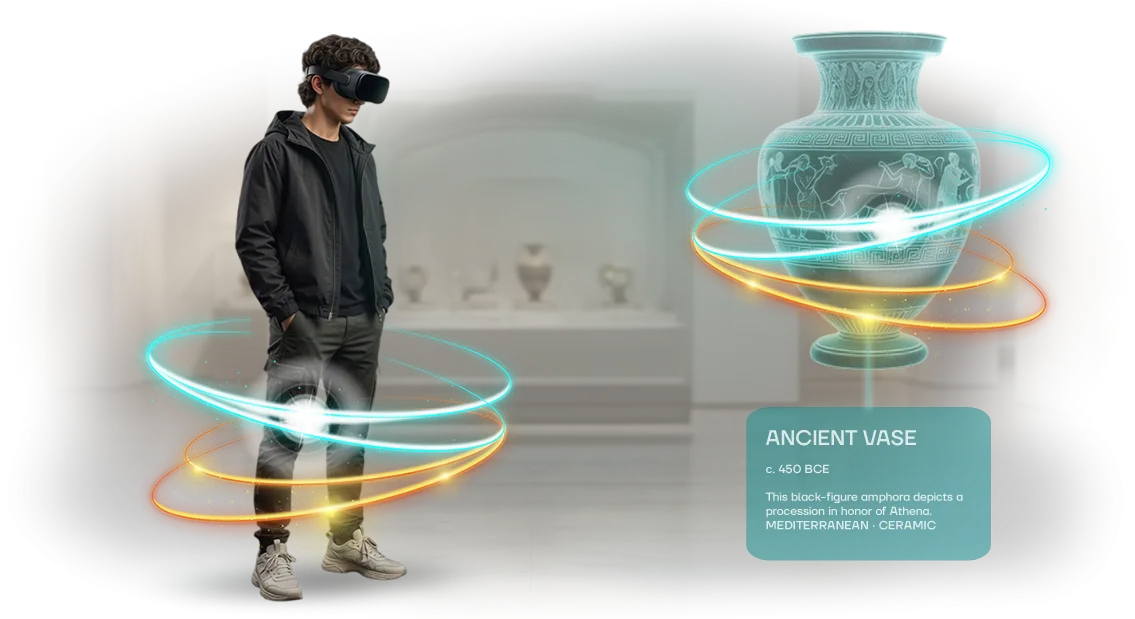
מאמן מצגות VR פותר את הבעיה הזו. אנו יוצרים תרחישים וירטואליים של הפגישות והמצגות שלכם—עם קהל, שאלות מסובכות ואווירה של אולם אמיתי.
הצוות מתאמן בתנאים קרובים ככל האפשר למציאות ומגיע למשא ומתן עם ביטחון מעודן במקום לקוות למזל. התוצאה היא מספרי הכנסות ברורים במקום עסקאות שאבדו.
אילו יתרונות תקבל העסק מאימון VR
רוב המנהלים יודעים כמה עסק מפסיד כשעובד מדבר בחוסר ביטחון במשא ומתן או במצגת מוצר. רעיון טוב ומוצר חזק לא תמיד מובילים לעסקה—הלקוח חש בחוסר הביטחון של הדובר, וההמרה יורדת.
יתרה מכך, ללמוד לדבר בפגישות אמיתיות הוא יקר: טעות של עובד יכולה לעלות בחוזה.
מאמן מצגות VR יוצר סביבה קרובה ככל האפשר למציאות: קהל וירטואלי עם תרחישי התנהגות שונים, בקרת זמן ומשוב.
אנו משתמשים בציוד מקצועי מודרני (לדוגמה, Meta Quest) כדי להפוך את האימון למציאותי ויציב—העובד מקבל תמונה מדויקת של החוזקות והטעויות שלו.
כל מפגש אורך 15–30 דקות וניתן לקיים אותו במשרד או מרחוק, ללא צורך בריכוז קבוצה חיה.
כתוצאה מכך, עובדים רוכשים מיומנויות תקשורת מהר יותר, מתנהגים בביטחון רב יותר מול כל קהל ומתמודדים עם לחץ בקלות רבה יותר.
זה משפיע ישירות על העסק: המרת המצגות גדלה, מספר משאים ומתנים מוצלחים עולה ומכירות חוזרות הופכות ליציבות יותר.
בנוסף, אימון VR מסיר את הפחד מדיבור בפני קהל—עובדים מפסיקים להימנע ממצגות ולוקחים על עצמם משימות אחראיות יותר.
החברה מקבלת כלי מוכן לפיתוח עובדים שמחזיר את עצמו דרך גידול בהכנסות וסיכונים נמוכים יותר בפגישות מפתח. עובדים מפסיקים לפחד מדיבור בפני קהל—מה שאומר שמחלקת המכירות והמנהלים תורמים יותר לכל פרויקט. מיומנות שחודדה בסביבה וירטואלית נשארת לאורך זמן ועובדת במצבים אמיתיים.
מאמן מצגות VR: פורמטים זמינים
הכנה רגילה לנאום היא טקסט ושקופיות. אבל ברגע שאתה על הבמה, החרדה משתלטת: הקול רועד, המחשבות מתבלבלות, העיניים מחפשות תמיכה. מאמן מצגות VR מציב אותך בסביבת אולם מציאותית שבה אתה יכול לחזור עד שתרגיש ביטחון. זה עובד לדובר יחיד ולצוות שלם.
המפתח הוא בחירת הפורמט הנכון. אימון אישי מתאים למי שצריך ללטש מצגת אישית: מהופעה ראשונה על הבמה ועד להגנה על אסטרטגיה מול הדירקטוריון.
הפורמט הקבוצתי מלמד צוות להציג בצורה מגובשת, לחלק תפקידים ולשמור על קצב משותף. להלן טבלה שתעזור לכם להחליט.
| פורמט | למי | מה זה נותן ללקוח |
|---|---|---|
| אימון אישי למתחילים | למי שרק מתחיל לדבר על הבמה | מסיר פחד, מביא את מבנה הנאום לאוטומטיות |
| אימון אישי למנהלים | למי שמציג פרויקטים למשקיעים ושותפים | מלמד כיצד לנהל את תשומת הלב של החדר, לשמור על טון בטוח ולענות על שאלות |
| אימון קבוצתי לצוות | לצוות לפני מצגת מוצר או דוח | בונה קו אחיד, מחלק תפקידים ומסנכרן את ההגשה |
לא משנה איזה פורמט תבחרו, אנו מתאימים את תרחיש המאמן לתעשייה ולקהל שלכם. עם מנהלים, אנו מתרגלים משאים ומתנים והגנה על החלטות; עם צוותים, מצגות קבוצתיות והגנות על פרויקטים.
כתוצאה מכך, אתם מקבלים לא רק חזרה, אלא ביטחון מוכן שמתמיר לתשומת לב, אמון וכסף.
שלבי הטמעת מאמן VR בחברה שלכם
הטמעת מאמן מצגות VR היא פרויקט מנוהל, לא פיתוח כאוטי. אנו מתחילים בבריף, מסכמים על שלבים, לוחות זמנים וקריטריוני איכות, כך שתמיד תבינו מה קורה ובעד מה אתם משלמים. להלן הדרך שלנו מרעיון למערכת עובדת.
-
בריף והתעמקות במשימה. אנו לומדים את המאפיינים של המצגות שלכם, הקהל והמטרות. זה הופך את המאמן לכלי שפותר את הבעיה העסקית הספציפית שלכם ולא "סתם טכנולוגיה."
-
יישור אבני דרך בפרויקט. אנו קובעים את תוכנית העבודה, הרכב הצוות, לוחות הזמנים ונקודות הבקרה. אתם רואים את כל המסלול ויכולים להשפיע עליו לפני תחילת הפיתוח—בלי הפתעות או עבודה נסתרת.
-
יצירת אב טיפוס ותוכן. אנו מפתחים סביבה מציאותית: אולם, קהל, מסכים, שאלות בלתי צפויות והסחות דעת. בשלב זה, אתם מקבלים בסיס ברור למאמן העתידי ויכולים להתאים פרטים.
-
בדיקות וכיול. אנו מריצים תרחישים עם משתמשים אמיתיים, אוספים משוב ומשכללים את הפתרון לתועלת מקסימלית. כל העריכות נעשות לפני ההשקה, לא אחריה—אתם מקבלים מוצר מוגמר ללא השבתה.
-
השקה ומסירה לצוות. אנו פורסים את המערכת, מאמנים את העובדים שלכם להשתמש במאמן ומספקים הוראות והמלצות. אתם מקבלים לא "פיתוח גולמי" אלא כלי שלם שניתן להשתמש בו מיד.
-
תמיכה והתפתחות. אנו מתחזקים את התפעול, מעדכנים תוכן ומוסיפים תרחישים חדשים ככל שהמשימות שלכם גדלות. הטמעת מאמן VR לא מסתיימת בהשקה—אנו נשארים קרובים כדי להבטיח שהפתרון מספק ערך לאורך זמן.
מה כלול במסירה וכיצד תקבלו את התוצאה
אתם מקבלים חבילה מוכנה לשימוש, לא רק תוכנה. אנו מכסים את כל המחזור: אנו בוחרים ציוד, מגדירים תרחישים, מאמנים את המומחים שלכם ותומכים בהשקה—כך שהמאמן מחזיר את עצמו מהשבועות הראשונים.
מה כלול במסירה
- ציוד סוהר: אנו בוחרים אותו לקהל ולמשימות שלכם, מספקים, מתקינים ובודקים אותו לפני השימוש.
- ספריית תרחישי אימון: חימום קצר, הגנה מול ועדה, דיבור בפני קהל, משאים ומתנים—אתם יכולים להתאמן לבד או בקבוצה.
- ניתוח דיבור אוטומטי: פרוטוקולים מראים קצב, הפסקות, מחוות ועוצמת קול—העובד רואה מה לשפר ואת ההתקדמות בין ניסיונות.
- הכשרת צוות: מומחי הלמידה והפיתוח שלכם ומאמנים פנימיים שולטים במערכת ביום או יומיים ואז עובדים ללא התמיכה שלנו.
- אינטגרציה עם התהליכים שלכם: אנו טוענים תרחישים ארגוניים, מחברים יומנים ומערכות דיווח—אין צורך להעביר דבר ידנית.
- בדיקות קבלה: יחד אנו קובעים קריטריוני תוצאה, מריצים מפגשי בדיקה וחותמים על תעודת הקבלה.
כיצד תקבלו את התוצאה
אנחנו לא מוסרים "מוצר גולמי"; אנו מדגימים את ההשפעה על העובדים שלכם. לפני ההשקה, אנו מודדים זמן הכנה ממוצע ורמות לחץ; אחרי, אנו מתעדים ניסיונות חוזרים ומהירות בהכנה למצגות אמיתיות.
אם המספרים לא תואמים למה שהוצהר בשלב הבריף, אנו משכללים את המערכת עם הגדרות ותרחישים ללא עלות נוספת.
התוצאה: יש לכם מערכת אימון מוכנה במקום, צוות מיומן וקריטריוני קבלה שהתמלאו. כל שנותר הוא להוסיף אותה לתוכנית פיתוח העובדים שלכם ולקבל ערך קבוע מכל שעת אימון.
דוגמה אמיתית: גידול בביטחון ובמכירות לאחר אימון VR
מנהלים ברשת סוכנויות הרכב הגדולה АвтоСити איבדו עד רבע מהקונים בשלב המצגת: הם היו לחוצים, מעדו על התנגדויות, וסקריפטים קלאסיים לא עזרו—דיאלוג חי הוא שונה, ולחץ שובר ביטויים משוננים. אימון זוגי ומבחנים נתנו תיאוריה אבל לא ביטחון בשיחה אמיתית עם לקוח.
הצענו להחליף חלק מהאימון בסדנאות וירטואליות.
במאמן ה-VR, מנהל קיים אינטראקציה עם קונים מציאותיים: סקפטי, קונה ממהר, משפחה עם ילדים ולקוח ש"רק מסתכל." כל תרחיש כלל התנגדויות אופייניות ושאלות לא סטנדרטיות, ממחיר ועד השוואות למתחרים.
טעויות לא הובילו לאובדן לקוח אמיתי, והתחקיר אחרי כל מפגש הראה היכן המנהל איבד את חוט השיחה.
מדדנו את ההשפעה חודש לאחר ההשקה. ההמרה למכירה בקרב מנהלים מיומנים עלתה ב-30% בהשוואה לקבוצת הביקורת, והסל הממוצע עלה בזכות מכירות נוספות בביטחון של ביטוחים וציוד נוסף.
הפרויקט החזיר את עצמו תוך חודשיים—רק מעסקאות נוספות, בלי לחשב חיסכון במאמנים חיצוניים. הרשת האריכה את החוזה לשנה הבאה והרחיבה את המאמן לכל 12 הסוכנויות שלה.
עבורנו, זה מאשר כלל פשוט: מכירות גדלות לא ממספר שעות תיאוריה אלא מתרגול בתנאים קרובים למציאות.
VR מספק את התרגול הזה ללא סיכון של אובדן לקוח אמיתי, והעסק מקבל תוצאה מדידה—גידול בהכנסות וצוות בטוח שלא מפחד ממשא ומתן קשה.
כיצד לבחור את הפורמט המתאים למשימה שלכם?
לפני הזמנת מאמן VR, חשוב להבין איזו משימה הוא צריך לפתור. מצגות מגיעות בצורות רבות: נאומים פומביים, משאים ומתנים עם שותפים, מכירות, הכשרת עמיתים.
כל תרחיש דורש מודל התנהגות משלו, ולכן יש להגדיר את המאמן לסיטואציה ספציפית.
אם העובדים שלכם מדברים בכנסים ומול קהלים גדולים, פורמט שמדמה את האולם, השאלות ולחץ הקהל מתאים.
למנהלי מכירות, סימולטור דיאלוג יעיל יותר, שבו הם חייבים להגיב במהירות להתנגדויות, לעבוד עם אינטונציה ולבנות טיעונים.
לצוותים שמנהלים סמינרים מקוונים קבועים, מאמן עם בקרת זמן, שמירת תשומת לב וניתוח שגיאות מפורט אחרי כל מפגש שימושי.
כמה שאלות פשוטות יעזרו לכם להחליט על הפורמט: מי בדיוק יתאמן, אילו מיומנויות אתם רוצים לשפר ובאילו תנאים אמיתיים מתקיימות המצגות. אם נדרשת מעורבות מקסימלית, בחרו בהתעמקות מלאה עם בני שיח אינטראקטיביים.
אם מהירות ופשטות חשובות יותר, אולם וירטואלי עם תגובות קהל בסיסיות מספיק. כך אתם נמנעים מעלויות מיותרות ומקבלים בדיוק את המכניקה שמספקת תוצאה מדידה לעסק.
בשלב הבריף, אנו עובדים איתכם לניתוח התרחיש, קהל היעד של המאמן ומדדי הביצוע הצפויים. המהנדסים שלנו מציעים כלים מתאימים, אבל הדבר המרכזי הוא שאנו מחברים יכולות טכניות עם המטרה העסקית שלכם.
בסופו של דבר, אתם מקבלים לא רק סימולציה וירטואלית אלא פתרון עובד לפיתוח עובדים ולצמיחה של מדדי הביצוע המרכזיים של החברה.
התשובה הסופית לשאלה פשוטה: הפורמט נקבע לפי מה שהאנשים שלכם בדיוק צריכים ללמוד. ככל שתתארו את המשימה בצורה מדויקת יותר, כך המאמן יהיה מדויק יותר. ובנתיב הזה, אנחנו השותף שעוזר לתרגם צורך עסקי למוצר מוגמר.
שאלות נפוצות על מאמן מצגות VR
לפני הטמעת מאמן מצגות VR, מנהלים שואלים לעתים קרובות את אותן שאלות: האם זה בטוח, האם זה באמת עוזר בהכנה וכמה זה עולה. אנו עונים על העיקריות—בקצרה ובלי ז'רגון.
האם מאמן ה-VR בטוח לדוברים?
האימון נעשה בקצב נוח, המפגשים קצרים והתרחיש מתאים את עצמו לכל משתמש. עובד יכול להפסיק את המפגש בכל רגע. אין צורך במיומנויות מיוחדות—רק לשים משקפיים ולעקוב אחר ההנחיות.
עד כמה זה יעיל יותר מחזרות רגילות?
מאמן VR מדמה קהל אמיתי ושאלות בלתי צפויות. הדובר מתרגל התנהגות על הבמה ומקבל המלצות לאחר המפגש. ההתקדמות נראית אחרי כמה מפגשים בלבד.
כמה זה עולה ומתי זה מחזיר את עצמו?
העלות תלויה במספר התרחישים והמשתמשים—נמצא פורמט שמתאים לתקציב שלכם. ההטמעה מחזירה את עצמה דרך חיסכון בשכירת חדרים ובזמן עובדים. ההשפעה נראית בתוך הרבעון הראשון.
מי יתמוך בפרויקט ויאמן את העובדים?
אנו מטפלים בהתקנה ובהכשרת הצוות בעצמנו: אנו עורכים הדגמה למנהלים והדרכה לדוברים. המהנדסים שלנו תומכים בפרויקט לאחר ההשקה.
מוכנים לשפר את ביצועי הצוות שלכם? השאירו פנייה
עובדים שמציגים בביטחון סוגרים יותר עסקאות ויש להם השפעה חזקה יותר על הקהל. אבל רוב הדוברים מאבדים עד חצי מהמסר שלהם בגלל עצבנות: הם מעדים, ממהרים ומאבדים קשר עם החדר.
מאמן מצגות VR מאפשר לכם לחזור על תרחישים מורכבים בסביבה בטוחה—ולהגיע לפגישה אמיתית מוכנים.
כדי לעזור לכם לראות אם זה מתאים לצוות שלכם, אנו מציעים תהליך פשוט. ראשית, ייעוץ קצר לדיון במשימה שלכם. לאחר מכן, ביקורת על מיומנויות המצגת הנוכחיות של העובדים שלכם. ורק אז, על סמך עובדות, אנו מכינים תוכנית פיתוח אישית.
מה תקבלו לאחר ביצוע הזמנה:
- ייעוץ עם המומחה שלנו—נדון בנקודות הכאב של הדוברים ובמטרות הלמידה.
- ביקורת על ההכנה הנוכחית של הצוות: נפרק חוזקות ותחומי צמיחה.
- תוכנית אימון אישית לכל משתתף—מותאמת לתרחישים ולתעשייה שלכם.
- חישוב עלות ולוחות זמנים להטמעה—נקבע את ההיקף והתקציב לפני שנתחיל.
- גישת הדגמה למאמן כדי שהמנהל יוכל להעריך אישית את הערך.
- משוב על תוצאות הפיילוט והתאמות לתוכנית.
- תמיכה לאחר ההשקה: נהיה לצד הצוות בשבועות הראשונים.
השאירו פנייה—נשיב עם הערכת עלות ונציע זמן לייעוץ. אין כאן התחייבות: נכין אפשרויות, ואתם תחליטו איזו מתאימה לצוות שלכם.