

משקפי ה-AR החכמים Rokid Air: כיצד להפחית שגיאות וזמני השבתה
דקות של השבתה יקרות במיוחד כאשר הציוד עומד בטל והמומחה הנדרש עדיין בדרך. בעוד צוות התיקון לומד את השרטוט או ממתין לרמז מעמית מנוסה יותר, כל דקת השבתה הופכת להפסדים ישירים.
הגורם האנושי מוסיף מורכבות נוספת: אפילו מכונאי מנוסה יכול לטעות בתקלה חריגה, וקריאה חוזרת במדריכי נייר עבים מבזבזת זמן יקר.
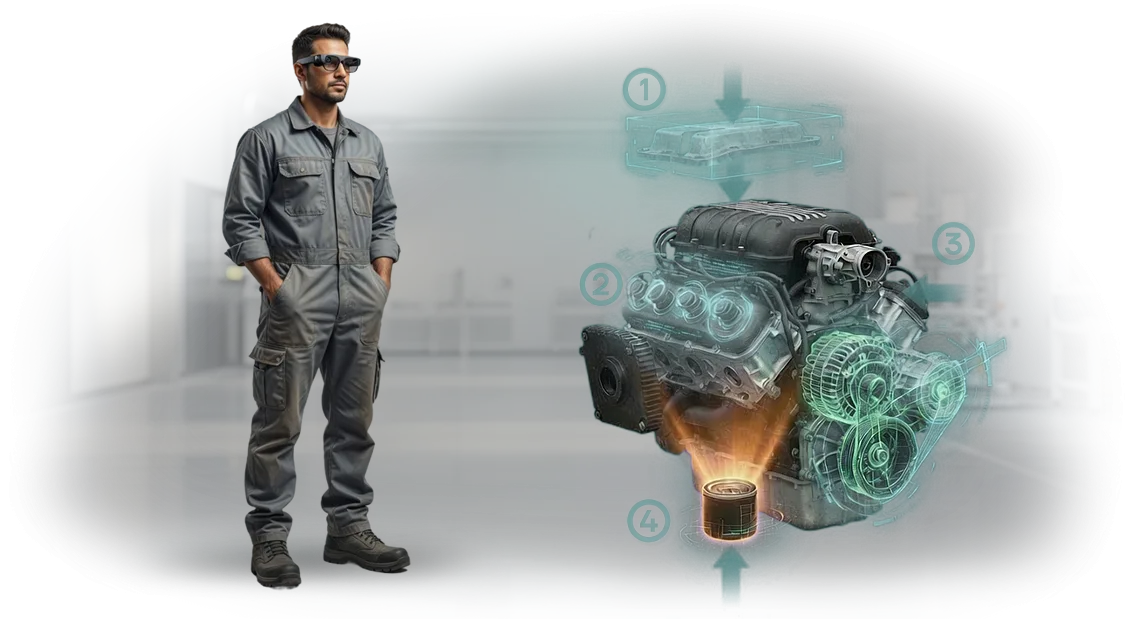
משקפי ה-AR החכמים Rokid Air פותרים אתגר זה על ידי הבאת ההוראה הדיגיטלית ישירות לשדה הראייה של העובד.
כאן ועכשיו, על רכיב מכונה ספציפי, הטכנאי רואה רמזים שלב-אחר-שלב עם חיצים ואנימציה — מאבחון ועד החלפת חלקים.
אין צורך להחזיק טאבלט ולהסיט את המבט מהעבודה: הידיים חופשיות, וכל הנתונים על מצב הציוד והיסטוריית התיקונים כבר מול העיניים.
זה הופך את התהליך מ"זכירה וחיפוש" לאלגוריתם פעולה ברור, מפחית את מספר השגיאות בפעולות מורכבות ומקצר את זמן התיקון הסטנדרטי פי שניים עד שלושה.
הוראות AR חיוניות גם להכשרת עובדים חדשים. במקום שבועות של הכנה תיאורטית, עובד חדש מבצע פעולות אמיתיות בסימולטור בטוח של ציוד מורכב בהנחיית המשקפיים.
יתרה מכך, כל הסטטיסטיקה הייצורית — אילו רכיבים נכשלים לעתים קרובות יותר, אילו פעולות גורמות לשגיאות — נאספת ומנותחת אוטומטית, מה שמאפשר למנוע תקלות במקום רק לתקן את ההשלכות שלהן.
זו הסיבה שחברות תעשייתיות בוחרות ב-Rokid Air AR ככלי אמין להפחתת זמני השבתה ושיפור איכות התיקונים. כצוות פיתוח, אנו עוזרים להפוך מכשיר חכם זה למערכת עבודה נוחה המותאמת למכונות ולנהלים שלכם.
אנו מטפלים בכל המחזור — מניתוח נקודות הכאב של הייצור שלכם ועד ליצירת תרחישי AR מוכנים ושילובם עם בסיס המסמכים שלכם — כך שתקבלו אפקט כלכלי אמיתי כבר בחודשים הראשונים.
מה הוראה דיגיטלית מעניקה לעובדים שלכם
כל דקת השבתה עולה כסף, ושגיאה בעבודה עם ציוד עלולה להוביל לתקלה או לפציעה. מדריכי נייר מיושנים, מומחים מנוסים עמוסים, ועובדים חדשים מבלים חודשים בהכשרה.
הוראה דיגיטלית במשקפיים חכמים פותרת בעיה זו: רמזים מופיעים ממש מול העיניים, בכל רגע של עבודה.
הכשרה מהירה היא התוצאה המוחשית הראשונה. עובד חדש לא צריך לשנן מאות עמודים: הוא רואה את הפעולות המדויקות על האובייקט האמיתי וחוזר עליהן. כמה מחזורים מודרכים מספיקים כדי להתחיל לעבוד באופן עצמאי. זה מקל על המנטורים ומקצר את תקופת הקליטה משבועות לימים.
מהירות התיקון והתחזוקה עולה גם היא. המומחה לא מוסח בחיפוש אחר שרטוטים — הידיים חופשיות, והקשב ממוקד ברכיב.
סדר הפירוק, הכלים ונקודות הבדיקה מוצגים מיד, כך שזמן הפעולה הממוצע יורד באופן ניכר.
פחות שגיאות הוא ערך נפרד. המערכת מדגישה פרטים חשובים ומתריעה על סיכונים לפני שהעובד נוקט פעולה שגויה. אפילו במצב חריג, העובד פועל לפי תרחיש מוכח. התוצאה: פחות גרוטאות, פחות ביקורים חוזרים ופחות השבתות.
אנו מפתחים הוראות כאלה למשקפיים החכמים Rokid Air: המידע מוצג ישירות על האובייקט האמיתי מבלי לחסום את שדה הראייה.
כתוצאה מכך, הצוות עובד מהר יותר, מדויק יותר ובביטחון רב יותר, ואתם מקבלים תהליך צפוי, חיסכון בעלויות הכשרה ועלויות תיקון נמוכות יותר.
פורמטים של פיתוח הוראות לציוד
כל משימה דורשת פורמט משלה. לעבודה שוטפת, מסמך סטטי מספיק; להכשרת עובדים חדשים, פורמט אינטראקטיבי נוח יותר; ולתיקוני שטח כאשר הידיים עמוסות, מציאות רבודה היא הכרחית.
אנו מתאימים את הפורמט לתרחיש התפעולי האמיתי — כך שההוראה עובדת ולא צוברת אבק על המדף.
להלן שלושת הפורמטים הבסיסיים שאנו עובדים איתם לרוב. ניתן לשלב אותם ולהתאים אותם לצרכים הספציפיים שלכם.
השוואת פורמטים
| פורמט | למי מיועד | מה הוא מעניק ללקוח |
|---|---|---|
| הוראה סטטית (PDF / הדפסה) | לעבודה שוטפת, תחזוקה מבוססת רשימות בדיקה, העברה לתיעוד | עלות פיתוח נמוכה, קל לאישור, פורמט מוכר למחלקת התפעול |
| הוראה אינטראקטיבית (טאבלט / טלפון) | להכשרת עובדים חדשים, דיאגרמות הרכבה מורכבות, עבודת הגדרה | אנימציה שלב-אחר-שלב, חיפוש רכיבים, רמזים — עובדים הופכים לעצמאיים מהר יותר |
| הוראת AR (משקפיים חכמים Rokid Air) | לתיקוני שטח, עבודות שירות כאשר הידיים עמוסות | דיאגרמת ציוד המוצגת על האובייקט האמיתי, רמזים שלב-אחר-שלב בשדה הראייה — פחות שגיאות, תיקונים מהירים יותר |
פורמטים סטטיים ואינטראקטיביים מכסים משימות בסיסיות, בעוד שמציאות רבודה מוסיפה רמה שונה מהותית — עבודה מעשית ללא הפרעה לתהליך.
זו הסיבה שבפרויקטים מורכבים אנו בונים לעתים קרובות פתרון היברידי: הוראה אינטראקטיבית להכשרה וגרסת AR לביקורי שירות.
כיצד אנו מיישמים הוראות דיגיטליות: שלבי הפרויקט
שלבי היישום בנויים כך שאתם שולטים בכל שלב ורואים תוצאות כבר בשבוע הראשון. הוראות דיגיטליות על משקפיים חכמים Rokid Air אינן דורשות עצירת ייצור או הכנה ממושכת — הכל מתנהל במקביל לפעולות השוטפות.
- תחקיר וסקר: אנו מתעדים אילו פעולות יש לתאר, אילו עובדים יעבדו עם הוראות AR, ואילו מדדים חשובים. אנו מאתרים את האתר לפיילוט.
- תוכנית והערכת עלות: אנו מסכמים על לוח הזמנים, מערך ההוראות וקריטריוני הקבלה. אתם מקבלים לוחות זמנים ועלות שקופים לפני תחילת העבודה.
- פיתוח ההוראה: המהנדסים שלנו ממללים פעולות אמיתיות על רצפת הייצור — הם מצלמים תהליכים, מוסיפים רמזים ונקודות בדיקה. אתם רואים גרסאות ביניים כשהן מוכנות.
- אישור הפרויקט: אנו מציגים את התרחישים המוגמרים על המשקפיים לטכנולוגים ולמפעילים שלכם ומבצעים תיקונים לפי המשוב שלהם. כאן אנו משכללים את הניסוח ואת היגיון השלבים.
- השקת פיילוט: אנו מאמנים עובדים, משחררים גרסת פיילוט באתר אחד, אוספים משוב ומכווננים פרטים.
- השקה מלאה ותמיכה: אנו פורסים את ההוראות על כל המשקפיים הנדרשים, מסייעים בעדכונים ותומכים בצוות לאחר ההשקה.
כתוצאה מכך, אתם מקבלים מערכת הכשרה ובקרה עובדת ללא השבתות. כל שלב מתועד — אתם תמיד יודעים היכן עומד הפרויקט ויכולים להשפיע על התוצאה.
מה כלול במסירה וכיצד אנו מעבירים את הפרויקט
אנחנו לא רק מפתחים הוראות AR ומוסרים קבצים: אתם מקבלים כלי עבודה מוכן לשימוש שעובדים יכולים להשתמש בו מהיום הראשון לאחר ההשקה. להלן חבילת המסירה, אותה אנו מתעדים בחוזה.
- הוראות AR מוכנות לנהלים שלכם — תרחישים שלב-אחר-שלב לפעולות טיפוסיות, מאומתים על ציוד אמיתי. העובד רואה רמזים ישירות במשקפיים החכמים Rokid Air מבלי להיות מוסח על ידי נייר או מסך.
- שילוב עם זרימות עבודה — הוראות נפתחות ממערכת החשבונאות או מרשימות הבדיקה שלכם. אין צורך ללמוד ממשק חדש: הכל מוטמע בסביבה המוכרת.
- הכשרת עובדים — מפגשים מעשיים למפעילים ומהנדסים. אנשים לומדים לעבוד עם המשקפיים ומבינים את היגיון הרמזים לפני ההשקה.
- תיעוד ונהלים — מדריך משתמש, נהלים לעדכון הוראות ופעולות במצבי חירום. הצוות שלכם אינו תלוי במומחים בודדים.
- תמיכה טכנית בשלב הפיילוט — אנו תומכים בשבועות הראשונים לאחר המסירה ומבצעים תיקונים במהירות אם משהו לא נוח בשטח.
- מסירת חומרי מקור — תרחישים, קבצי מדיה והגדרות נשארים אצלכם. אתם יכולים לפתח הוראות בעצמכם או להזמין מאיתנו מודולים חדשים.
- סיוע בהרחבה לבתי מלאכה ואתרים נוספים — באמצעות המתודולוגיה המוכחת, הוספת הוראות חדשות אורכת פי כמה פחות זמן.
לאחר מסירת הפרויקט, נשאר אצלכם צוות שמבין את המאפיינים הספציפיים של הייצור שלכם. אנו מספקים תמיכה שוטפת: אנו משכללים הוראות כאשר הציוד או הנהלים משתנים ותומכים בצוות שלכם.
כך, אתם מקבלים לא "קובץ בנושא" חד-פעמי אלא כלי ארוך טווח שמפחית שגיאות, מזרז קליטת עובדים ושומר על המומחיות הארגונית.
תוצאות היישום: מקרה בוחן ממפעל
כאשר ציוד עומד בטל, כל דקה הופכת להפסד הכנסה. תיקון רכיבים מורכבים דורש זיכרון וניסיון של מהנדס: הוראות נייר אובדות, והכשרת עובדים מחדש אורכת שבועות.
אנו מטפלים בכך באמצעות יישום הוראות AR על משקפיים חכמים Rokid Air — העובד רואה רמזים שלב-אחר-שלב ישירות על התצוגה השקופה ומבצע פעולות מבלי להביט במסמכים.
מקרה המחשה הוא מפעל לייצור מדחסים תעשייתיים. הלקוח הגיע אלינו עם נקודת כאב: זמן התיקון הממוצע לרכיב אחד היה 45 דקות, ועד 12% מהפעולות נדרשו לביצוע חוזר עקב שגיאות.
המהנדסים שלנו פירקו את הפעולה הטיפוסית, הכינו תרחישים חזותיים וטענו אותם למשקפיים החכמים.
תוצאה חודש לאחר ההשקה: זמן התיקון ירד ב-30%, ומספר השגיאות צנח בחצי. עובד חדש מגיע לקצב התקני ביומיים עבודה במקום בשבועיים.
במקביל, העומס על המפקחים הבכירים ירד — הם כבר לא צריכים לפקח כל הזמן על עובדים חדשים.
עבור המפעל, זה אומר פחות השבתות ואיכות עבודה יציבה ללא הרחבת כוח האדם. לפי הערכת הלקוח, החיסכון בקו אחד בלבד עולה על העלות שחושבה לאחר הסקר בחודש, באמצעות הפחתת זמני השבתה ועבודה חוזרת. הפרויקט הפך לתבנית, והמפעל הרחיב את הפתרון לשלושה בתי מלאכה.
רוצים תוצאות דומות? התחילו עם אתר פיילוט — נכין הדגמה על הציוד שלכם, נעריך את האפקט ונראה את ההחזר לפני חתימת החוזה.
כיצד לבחור את פורמט ההוראה המתאים למשימה שלכם?
אין פורמט הוראה "הטוב ביותר" יחיד: מה שעובד מצוין לתחזוקה שוטפת עשוי להיות מוגזם עבור כוונונים נדירים.
הבחירה הנכונה תמיד מסתכמת בשלושה קריטריונים: באיזו תדירות הפעולה מבוצעת, עד כמה התהליך מורכב, ומי מבצע אותו בפועל.
לפעולות תכופות וסטנדרטיות, רמזים פשוטים שלב-אחר-שלב במשקפיים מספיקים: העובד רואה מספרי רכיבים ופעולות קצרות. הוראה כזו דורשת כמעט ללא הכשרה וקל יותר לאמצה.
עם זאת, לתיקונים מורכבים או נדירים, נדרש מודל תלת-ממדי מונפש מלא עם דיאגרמות פירוק ונקודות בדיקה — הוא מחליף מדריכים רב-כרכים ואת הניסיון של מומחה בכיר.
קריטריון חשוב נוסף הוא תנאי האתר: רעש, אור חזק, שטח מוגבל. בסביבות כאלה, שליטה קולית ואלמנטים גדולים בממשק נוחים יותר מרשימות טקסט שאי אפשר לקרוא עם כפפות.
שאלו את עצמכם: מה חשוב יותר — לזרז פעולה יומית או להגן מפני שגיאות בהתערבויות נדירות? משם כדאי להתחיל.
העצה המרכזית: אל תשלמו יותר מדי עבור פירוט מרבי אם ניתן לפתור את המשימה בפורמט פשוט.
המהנדסים שלנו עוזרים לכם לבחור את היקף הוראת ה-AR הנכון לפני תחילת הפיתוח: אתם מקבלים פורמט שמכסה צורך ספציפי, לא "הכל בבת אחת" במחיר של מחזור מלא.
בשיחה הראשונה, נסקור את הפעולה שלכם, נציג דוגמאות של פורמטים שונים ונציע פתרון שמשתלם ולא רק מרשים.
שאלות נפוצות על היישום
לפני התחלה, מנהלים שואלים את אותן שאלות: תאימות לצי הקיים, לוחות זמנים, תקציב ומה קורה לאחר ההשקה. אנו עונים ישירות, בהתבסס על עשרות יישומים שהושלמו.
האם הוראת ה-AR תואמת לציוד שלנו?
כן. ההוראה נבנית עבור דגם מכונה או קו ספציפי, לא עבור "אידיאל" מקטלוג. אם אין מודל דיגיטלי, המהנדסים שלנו משחזרים את הרכיב משרטוטים ותמונות ישירות באתר שלכם.
כבר יצרנו הוראות AR למכונות בנות 15–20 שנה, והן עבדו ללא שינויים.
כמה זמן אורך היישום?
אנו משיקים אתר פיילוט תוך 4–6 שבועות לאחר חתימת החוזה. במהלך תקופה זו, אנו מכינים את המודל התלת-ממדי, הממשק והכשרת המפעילים. כיסוי מלא של בית המלאכה אורך זמן רב יותר, אבל אתם כבר רואים תוצאות בשלב הפיילוט ומחליטים על הרחבה על סמך עובדות, לא הבטחות.
כמה זה עולה?
זה תלוי במורכבות הרכיב ובמספר שלבי ההוראה. התקציב לרכיב טיפוסי מתחיל מעלות שחושבה לאחר הסקר — זה דומה לשכר של מהנדס הדרכה, אבל חוסך את זמנם מדי יום.
אנו מספקים הערכה מדויקת לאחר סקר קצר: אתם שולחים תמונה או שרטוט — ואנחנו נותנים לכם את המספר תוך יומיים עבודה.
מה לגבי תמיכה לאחר ההשקה?
אנחנו לא נוטשים את הפרויקט לאחר המסירה: בחודש הראשון אנו מספקים תמיכה ומבצעים תיקונים ללא תשלום. לאחר מכן, זה מנוי: עדכון הוראות כאשר התקנות משתנות, סיוע לעובדים והתאמה לדגמי ציוד חדשים. רוב הלקוחות נשארים איתנו שנים.
מוכנים לדון בפרויקט שלכם? צרו קשר
השאירו פנייה — ונספק ייעוץ: נסקור את המשימה שלכם, נספר היכן הוראות AR יניבו את האפקט הגדול ביותר, ונכין הערכת עלות תוך יום או יומיים עבודה. ללא תחקירים ארוכים והבטחות מופשטות — רק פרטים ספציפיים על הציוד והתהליכים שלכם.
מה תקבלו לאחר הפנייה:
- ייעוץ אישי עם מהנדס ומפיק פרויקט — ללא מתווכים או "מחלקת מכירות";
- הערכה ראשונית של תקציב ולוחות זמנים לתרחיש שלכם — לפני חתימת החוזה;
- ניתוח כיצד הוראות AR ישפיעו על מהירות הכשרת העובדים ומספר השגיאות בעבודה עם ציוד;
- המלצות על פורמט: מהוראת מיני לבדיקה ועד מערכת מלאה לכל הפעולות המרכזיות;
- הצעה מסחרית עם עלות קבועה ושלבי עבודה ברורים;
- גישה לדוגמאות מהפרויקטים שלנו ומשוב ממנהלים בענף שלכם.
אנחנו לא צריכים מאה עמודים של מפרט טכני — תיאור קצר של המשימה מספיק, ותבינו בפגישה הראשונה אם הפרויקט שווה ביצוע.
אם כן, נציע תוכנית שמתאימה לתקציב וללוח הזמנים שלכם, ותקבלו מדריך ליישום והכשרת צוות.
צרו קשר דרך הטופס באתר או כתבו לנו במסנג'ר נוח. נגיב תוך יום עסקים, נתקשר בזמן נוח ונדון כיצד הוראות AR יכולות לעזור לארגון שלכם לעבוד מהר יותר, בטוח יותר וללא עלויות מיותרות.
הפנייה אינה מחייבת — אבל לעתים קרובות דווקא השיחה הזו היא הצעד הראשון לחיסכון ניכר בזמן ובכסף.