

מדוע AR באנרגיה כבר אינו ניסוי אלא הכרח
במתקני אנרגיה, מחיר הטעות נמדד לא בזמן השבתה אלא בבטיחותם של אנשים ובשלמותם של ציוד יקר. לכן הם נאלצים לחפש דרכים אמינות יותר לעבודה.
רוב המפעלים עדיין מסתמכים על תקנות נייר, גיליונות נתונים וידע המועבר בעל פה. קשה לעדכן הוראות כאלה: כל שינוי בפריסה דורש הדפסה מחודשת ואישור מחדש.
בתחנות משנה מרוחקות, המצב קשה אף יותר: אין בקרבת מקום מנטורים מנוסים, והעובד נותר לבד עם תיעוד מיושן. התוצאה היא קליטת עובדים חדשים ממושכת, מצבים חריגים ועלויות מיותרות.
אפילו מומחים מנוסים עושים טעויות כאשר מידע חשוב אינו נמצא בשדה הראייה שלהם.
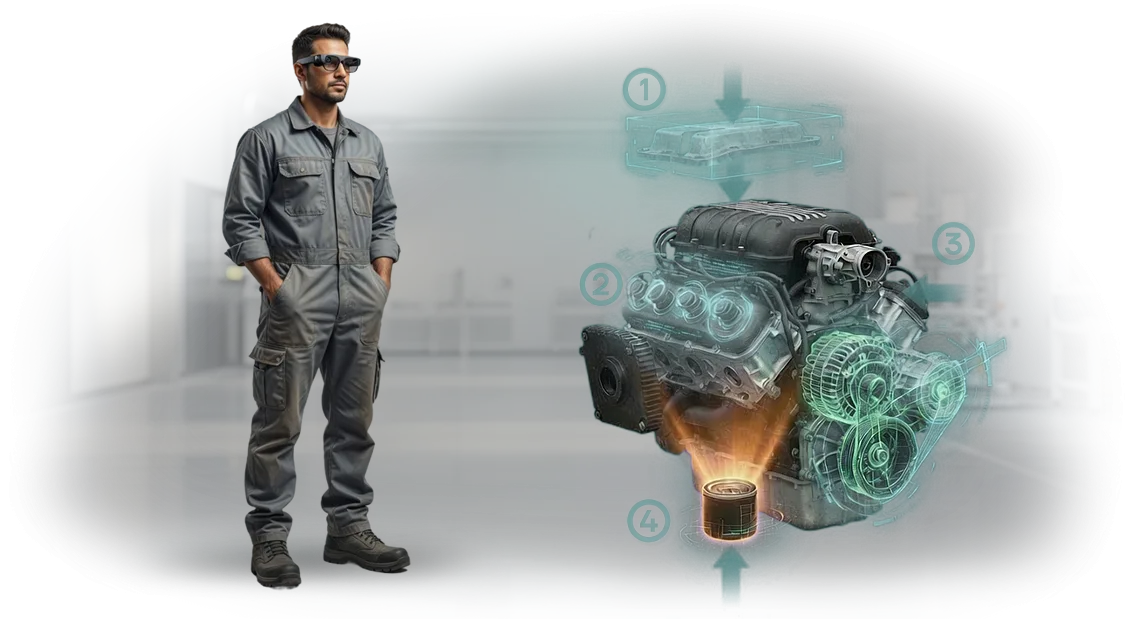
AR באנרגיה פותר בעיות אלה. רמזים דיגיטליים מוצגים ישירות על גבי הציוד, מנחים את רצף הפעולות ומתריעים מפני סכנה.
העובד אינו צריך לדפדף בגיליונות נתונים או לחפש סכמות—כל המידע הרלוונטי מוצג ברגע הנכון. הטמעת AR מזרזת את הכשרת הצוות, מפחיתה את מספר השגיאות ומבטיחה עמידה בתקנות.
אנו עוזרים לחברות אנרגיה לשלב AR בתהליכים קיימים: אנו מפתחים הוראות למתקני אנרגיה המותאמות לתקנות ולציוד שלכם, משלבים אותן במערכות קיימות ותומכים בכם מאתר פיילוט ועד להרחבה.
זו אינה התנסות אלא כלי עבודה שמחזיר את ההשקעה באמצעות הפחתת זמני השבתה ושיפור הבטיחות.
מה מספקות הוראות אינטראקטיביות: 5 יתרונות עסקיים מרכזיים
ציוד תעשייתי באנרגיה הוא מורכב, ומחיר הטעויות גבוה. הוראות נייר וקבצי PDF אינם עומדים בקצב המציאות: הצוות מבזבז שעות בחיפוש אחר הסעיף הנכון, ועובדים חדשים לומדים חודשים.
הוראות אינטראקטיביות מבוססות AR פותרות בעיה זו: הן מציגות את התהליך שלב אחר שלב ישירות על הציוד, חוסכות משאבים ומפחיתות סיכונים.
הכשרת צוות מהירה יותר
עובד חדש רואה על מסך טאבלט או משקפיים חכמים בדיוק איזה חלק לסובב ובאיזה סדר. אין צורך לשנן מאות עמודים—המערכת מציעה את השלב הבא בזמן אמת.
ההכשרה מתקצרת מכמה שבועות לכמה ימים, והמפעיל מתחיל לעבוד באופן עצמאי כמעט מיד.
בטיחות במקום העבודה
הוראות AR מזהירות מפני אזורים מסוכנים ומונעות פעולות שגויות. העובד רואה אזהרה על משטחים חמים או על מתח גבוה לפני שהוא עושה טעות. זה מפחית את מספר התאונות, ועמידה בתקנות הופכת לחלק משגרת העבודה.
פחות שגיאות בתיקונים ותחזוקה
בעת אבחון ציוד, טכנאי בודק כל שלב מול תרשים אינטראקטיבי במקום להסתמך על זיכרון. ההסתברות לערבוב רכיבים או לדילוג על שלב פוחתת פי כמה. זה משפיע ישירות על אורך חיי המכונות ועל יכולת החיזוי של התיקונים.
חיסכון בזמן ובכסף
פחות טעויות משמעותן פחות השבתות לא מתוכננות ועבודות חוזרות. החיסכון ביחידה מרכזית אחת יכול להיות משמעותי, והסכום המדויק מחושב לאחר ביקורת, הודות לפחות תאונות ולפעולות מהירות יותר.
בנוסף, עלויות ההדפסה של הוראות מעודכנות יורדות, שכן כל השינויים מתרחשים באופן מיידי במערכת הדיגיטלית.
שימור מומחיותם של ותיקים
מהנדסים מנוסים עוזבים, והידע שלהם עוזב איתם. הוראות AR מאפשרות ללכוד את המומחיות שלהם כרצף פעולות ולהעביר אותה לדור הבא ללא חונכות אישית. החברה מפסיקה להיות תלויה במומחים בודדים.
פתרונות כאלה פועלים על מכשירים מקצועיים, כגון HoloLens, ומשתלבים באופן אמין בתשתית הקיימת של הארגון. התוצאה היא איכות עבודה צפויה וביטחון בכל רמה, מהמפעיל ועד למהנדס הראשי.
פורמטים של הוראות אינטראקטיביות לציוד תעשייתי
כל תהליך ייצור דורש גישה משלו: דבר אחד הוא להכשיר עובדים חדשים לעבודה על קו ייצור, ודבר אחר הוא לתמוך בצוות שטח במהלך תיקוני גנרטורים. אנו בוחרים את הפורמט של ההוראה האינטראקטיבית למשימה ספציפית, ולא להפך.
לכן בפרויקטים שלנו משתמשים בשלוש גרסאות עיקריות: נייחת, ניידת וסימולטור AR—כל אחת מכסה סוג צרכים משלה.
ההבדל נראה בטבלה: איזה פורמט לבחור להכשרה המונית, מה מועיל יותר לצוותי שטח, ומה עוזר לתרגל תרחישי חירום נדירים ללא סיכון לציוד.
מציאות רבודה בייצור אינה עוד ניסוי אלא הופכת לכלי עבודה—רק צריך לבחור את התצורה הנכונה.
| פורמט | למי | מה הוא מספק ללקוח |
|---|---|---|
| הוראת AR נייחת | עובדי רצפת ייצור, מפעילי קו | הדמיה שלב אחר שלב של פעולות ישירות על הציוד; זמן קליטה קצר יותר ופחות שגיאות הרכבה |
| הוראת AR ניידת | צוותי שטח, מתקינים, צוותי תיקון | הוראות ותרשימים על טאבלט או סמארטפון בכל מקום; גישה מהירה לנתונים ללא מדריכי נייר מגושמים |
| סימולטור AR | מרכזי הדרכה, מחלקות בטיחות תעסוקתית | תרגול תרחישים נדירים או מסוכנים בסביבה בטוחה; הערכת פעולות עובדים ללא השבתת ציוד |
אם המטרה היא להפחית השבתות וליקויים, פורמט נייח מספיק. כאשר הצוות עובד במספר אתרים, האפשרות הניידת חוסכת שעות בחיפוש מידע.
ולהכשרה בתגובת חירום, הסימולטור מספק ביטחון שבעבר ניתן היה להשיג רק באמצעות שנות ניסיון.
אנו עוזרים לכם לבחור את פורמט ה-AR המתאים למאפיינים ולתרחישים האופייניים שלכם—בשלב הבריף, אנו מתעדים מי ישתמש בהוראה וכיצד, ומציעים שילוב אופטימלי של פורמטים.
התוצאה אינה רק הדמיה יפה אלא כלי עבודה שמחזיר את ההשקעה באמצעות פחות שגיאות והכשרה מהירה יותר.
כיצד מתבצעת ההטמעה: 7 שלבים מבריף ועד תמיכה
הטמעת AR באנרגיה אינה "קופסה שחורה" אלא תהליך ברור עם שלבים קבועים. אנו הופכים אותו לשקוף: אתם תמיד יודעים היכן עומד הפרויקט, אילו תוצאות אושרו ומה יקרה בהמשך.
זה מפחית את הסיכונים לפספוס מועדים וחריגה מתקציב, וכל שלב הטמעה מספק תוצאה מדידה.
-
בריף וניתוח משימה. אנו מתעדים איזה ציוד צריך לתמוך, אילו פעולות הצוות מבצע, ואילו שגיאות יש לבטל קודם. אנו מגדירים קריטריוני הצלחה—מהירות עבודה, מספר השבתות חירום, כמות עבודה שגרתית.
-
ביקורת תנאים. אנו חוקרים אתרים ותקנות בפועל. אנו בוחנים היכן עובדים מבזבזים זמן ואילו רמזים באמת נחוצים כדי לא להעמיס על ההוראות תוכן מיותר.
-
פיתוח אב טיפוס. אנו יוצרים דוגמה לתרחיש מפתח אחד. אתם רואים את הוראת ה-AR העתידית דרך עיני המשתמש, בודקים את ההיגיון ומבצעים עריכות לפני תחילת הפיתוח המלא.
-
פיתוח בקנה מידה מלא של הוראות AR. אנו מכינים את החבילה כולה: טקסטים, הדמיות, שכבות על גבי ציוד, נקודות ביקורת ורצפי פעולות. אנו מציגים גרסאות ביניים כדי שתוכלו לכוונן פרטים מבלי לעכב את לוח הזמנים.
-
פרויקט פיילוט. אנו משיקים AR בהיקף מוגבל—על קו אחד או במשמרת אחת. אנו מודדים מהירות פעולה, מספר שגיאות ומשוב מעובדים, ואז מתקנים את התוכן.
-
השקה והכשרה. אנו משלבים הוראות בתהליכי עבודה, מאמנים צוות ומכינים מדריכי עזר מהירים. הצוות מאמץ את המערכת ומיד רואה את יתרונותיה.
-
תמיכה. אנו מעדכנים הוראות כאשר התקנות משתנות, מוסיפים תרחישים חדשים ועוזרים להרחיב את הפתרון לאתרים אחרים.
התוצאה היא כלי מוטמע ללא הפתעות, פרויקט פיילוט ותמיכה לאחר ההשקה.
מה כלול במסירה: חבילה להשקה ולצמיחה
אנו מוסרים לא "קובץ עם תמונות" מוכן אלא כלי עבודה שהצוות שלכם יכול לפתח בלעדינו. המסירה מוגדרת כך שמהיום הראשון אתם מנהלים את המערכת בעצמכם, ללא תלות בקבלן.
החבילה המלאה כוללת את כל הדרוש להשקה ולצמיחה נוספת:
- חבילת הוראות AR לפעולות מפתח על הציוד שלכם. העובד רואה רמזים שלב אחר שלב ישירות על החלקים—אין צורך לדפדף בתקנות נייר או לזכור רצפים מורכבים.
- לוח ניהול—אתם עורכים טקסטים בעצמכם, משנים סדר שלבים ומוסיפים הוראות חדשות. אין צורך במתכנתים; מספיק ידיעת משתמש בסיסית.
- אפליקציה ניידת או גרסת אינטרנט לטאבלטים וסמארטפונים. היא פועלת על רצפת הייצור גם עם רשת לא יציבה ואינה דורשת מכשירים יקרים.
- הכשרה למומחים שלכם—שניים או שלושה מפגשים, שלאחריהם הצוות עובד עם המערכת בביטחון ומכשיר עובדים חדשים.
- תמיכה טכנית ותחזוקה—אנו מגיבים בשעות העבודה, עוזרים לפתור מצבים לא סטנדרטיים ומטפלים בבעיות במהירות.
- עדכוני תרחישים שוטפים לפי בקשותיכם במסגרת הסכם התמיכה. ההוראות מתפתחות יחד עם שינויי ציוד או תקנות.
- תיעוד ותקנות שימוש—כל הדרוש לתפעול מרוכז בצורה ברורה ומועבר לצוות שלכם.
כתוצאה מכך, אתם מקבלים לא "קופסה שחורה" אלא כלי שקוף שקל להרחיבו לאתרים וסוגי ציוד חדשים. אנו נשארים איתכם עד להשקה מלאה ומעבר לה.
מקרה בוחן: כיצד הוראות אינטראקטיביות הפחיתו את זמני ההשבתה ב-30%
פנתה אלינו חברת תפעול ציוד טורבינות גז, EnergoService: עבודה שגרתית ארכה זמן רב מדי, ומפעילים חדשים בילו שבועות בפענוח הוראות נייר.
בעת החלפת יחידה, הם נאלצו לדפדף בעשרות עמודים של תיעוד—כל שעה נוספת של השבתת יחידה גרמה להפסדים משמעותיים.
הצענו להעביר פעולות מפתח להוראות AR: המפעיל מכוון טאבלט אל הציוד ורואה הערות שלב אחר שלב ישירות על החלקים במקום תרשימים מופשטים.
לאחר מספר חודשי פעילות, המדידות הראו תוצאה עקבית. זמן פעולה טיפוסית קוצץ בחצי, וההשבתות הקשורות לגורם אנושי ירדו ב-30%. מספר הקריאות החוזרות לצוות התיקון ירד בחדות—המפעילים הפסיקו לדלג על שלבים קריטיים.
ראש מחלקת התפעול סיכם: "פעם לקח שישה חודשים להכשיר מפעיל, עכשיו מספיקים כמה שבועות. אנשים מבקשים את הטאבלט בעצמם—זה סימן שההוראה באמת עוזרת ולא צוברת אבק על מדף."
מדוע הלקוח המשיך איתנו
לאחר פרויקט הפיילוט, הלקוח הרחיב את השימוש בהוראות AR לשלושה אתרים. הם הוסיפו תקנות לציוד סמוך, וההוראות עצמן החלו לשמש כסימולטור בקליטת עובדים חדשים.
עבורנו, זה המדד המרכזי: הלקוח חוזר לא כי אנחנו מבקשים, אלא כי הוא רואה את ההשפעה בתוצאות הכספיות ובעבודה החלקה של הצוות שלו.
כיצד לבחור AR באנרגיה ולהימנע מבחירת פורמט שגוי?
באנרגיה, טעות בעבודה עם ציוד היא יקרה: השבתות, תאונות, סיכון לצוות. לכן AR באנרגיה אינו ניסוי אלא כלי בקרה והכשרה.
כדי להבין כיצד לבחור AR, ענו על שלוש שאלות: מה בדיוק אתם מפשטים, מי ישתמש בהוראה, וכמה פעמים היא משתנה.
הקריטריון הראשון הוא סביבת העבודה. אם המפעיל יכול להחזיק טאבלט, הוראת AR ניידת מספיקה: כוונו את המצלמה לרכיב—ראו את השלבים והאזהרות. אם הידיים תפוסות או שצריך לנוע על רצפת הייצור, משקפי AR נוחים יותר.
למתקנים מרוחקים, מתאים פורמט עם תמיכת מומחה מרחוק—המומחה רואה את שדה הראייה של העובד ומספק הדרכה בזמן אמת.
הקריטריון השני הוא עלות בעלות כוללת. תקנות נייר מתיישנות לאחר כל עדכון, בעוד שתוכן AR משתנה במרכזיות תוך דקות.
העריכו לא רק פיתוח אלא הוצאות לשנתיים-שלוש: לצוות קטן מספיק תרחיש אחד; לרשת מתקנים נדרשת פלטפורמה עם אנליטיקה ובקרת תפעול.
העיקר הוא לא לסבך. הריצו פיילוט על פעולה קריטית אחת, מדדו משך ומספר שגיאות לפני ואחרי. אם ההשפעה נראית, הרחיבו למתקנים אחרים.
כך תבחרו AR לאנרגיה בסיכון מינימלי ותבינו איזה פורמט מחזיר את ההשקעה מהר יותר.
אנו עוזרים לכם לעשות זאת: אנו מנתחים את הציוד והתקנות שלכם, מציעים פורמט ומריצים פיילוט. התחילו בייעוץ קצר—קבלו תוכנית הטמעה המותאמת לתקציב שלכם.
חששות נפוצים במהלך ההטמעה: תשובות ישירות
ספקות לפני הטמעת AR הם נורמליים, במיוחד באנרגיה, שבה מחיר הטעויות גבוה. אנו לא מוכרים "גלולת קסם"; אנו מסבירים כיצד הדברים באמת עובדים. להלן תשובות לשאלות שהלקוחות שלנו שואלים לרוב.
האם קשה להטמיע AR על ציוד פעיל?
ההטמעה היא מדורגת ואינה דורשת עצירת מחזורי ייצור. אנו מתחברים לתשתית הקיימת, מגדירים את המערכת במקביל לפעולות על רצפת הייצור, והכשרת הצוות אורכת ימים ספורים בלבד.
המהנדסים שלנו מבצעים את כל העבודה הטכנית, כך שהצוות שלכם לא צריך להבין בפרטי AR.
כמה עולה פיתוח הוראות AR?
העלות תלויה במספר יחידות הציוד ובעומק הפירוט. בתחילת הדרך, אנו מכינים הערכת עלות מפורטת וקובעים מחיר—ללא עמלות נסתרות. ההשקעה מחזירה את עצמה באמצעות פחות שגיאות, קליטה מהירה יותר והפחתת זמני השבתה.
כיצד מוגנים נתוני הארגון?
המערכת פועלת על השרתים שלכם, והנתונים לעולם אינם יוצאים מגבולות החברה. אנו עומדים בדרישות התעשייה לבטיחות תעשייתית ואוכפים בקרת גישה מבוססת תפקידים. במידת הצורך, אנו משתלבים עם מדיניות ותקנים ארגוניים, כולל IEC 62443.
אין לנו מומחים לתמיכה ב-AR. מה נעשה?
אתם מקבלים מערכת מוכנה שעובדים משתמשים בה באמצעות מכשירים מוכרים. אנו מאמנים את הצוות שלכם ביום-יומיים, מספקים תיעוד ותומכים בפרויקט בכל השלבים. לאחר ההשקה, התמיכה נמשכת—המהנדסים שלנו נשארים בקשר.
התחילו בפיילוט: הזמינו פיתוח הוראה אינטראקטיבית
אינכם צריכים להטמיע AR בכל המתקנים בבת אחת—התחילו בפרויקט פיילוט אחד והעריכו את ההשפעה על עובדים אמיתיים.
אנו נפתח הוראה אינטראקטיבית לציוד הספציפי שלכם, נאמן את הצוות ונמדוד את התוצאה: כמה זמן חוסך טכנולוג, כמה מהר יותר עובד חדש נקלט, והאם מספר השגיאות במהלך ההפעלה ירד.
פרויקט הפיילוט אורך 2–4 שבועות ומספק מספרים ברורים להחלטת הרחבה. אתם מקבלים פתרון AR עובד, לא מצגת: המהנדסים שלנו עובדים עם ציוד מקצועי וכלים מוכחים, כך שהתוצאה יציבה בכל אתר.
מה תקבלו לאחר ההזמנה
- הוראת AR מוכנה ליחידת ציוד אחת—העובד רואה רמזים שלב אחר שלב ישירות על המנגנון.
- מדידת אפקט לפני/אחרי: כמה מהר יותר ביצוע הגדרות ותחזוקה, כמה שגיאות בוטלו.
- הרחבה קלה: ניתן להרחיב את התרחיש שנבחר ליחידות וסדנאות אחרות ללא כתיבת הפרויקט מחדש.
- הכשרת צוות ותמיכה טכנית—המומחים שלכם מריצים את ההוראות בעצמם ללא מעורבות מפתחים.
- זכויות מלאות על התוצאה—כל החומרים נשארים אצלכם; איננו קושרים אתכם למנוי.
השאירו בקשה לפיילוט—אנו נכין תרחיש בדיקה בעצמנו ונציע לוחות זמנים המתאימים לתקציב שלכם. תארו את המשימה שלכם בכמה מילים בטופס למטה, והמהנדס שלנו יחזור אליכם תוך יום עסקים אחד.