

הדרכת AR לעובדים: כיצד להפחית זמני השבתה ושיעורי שגיאות
טעויות של עובדים בעבודה עם ציוד תעשייתי אינן מטרד חד-פעמי, אלא סעיף עלות מערכתי. זמני השבתה בקו הייצור, מוצרים פגומים, תיקונים לא מתוכננים ועצירות שנגרמות כתוצאה מפעולות שגויות של עובדים פוגעים ישירות בהכנסות ובמועדי חוזים.
הבעיה מחמירה עקב תחלופת עובדים: עובדים מנוסים מוחלפים בחדשים שזקוקים לשבועות של הדרכה עם חונך.
בתקופה זו, הסיכון לטעויות גבוה במיוחד—העובד פועל בהיסוס, מתבלבל ברצף הפעולות, או מדלג על שלב חשוב. וציוד מורכב אינו סולח אפילו על סטייה קלה מהנוהל.
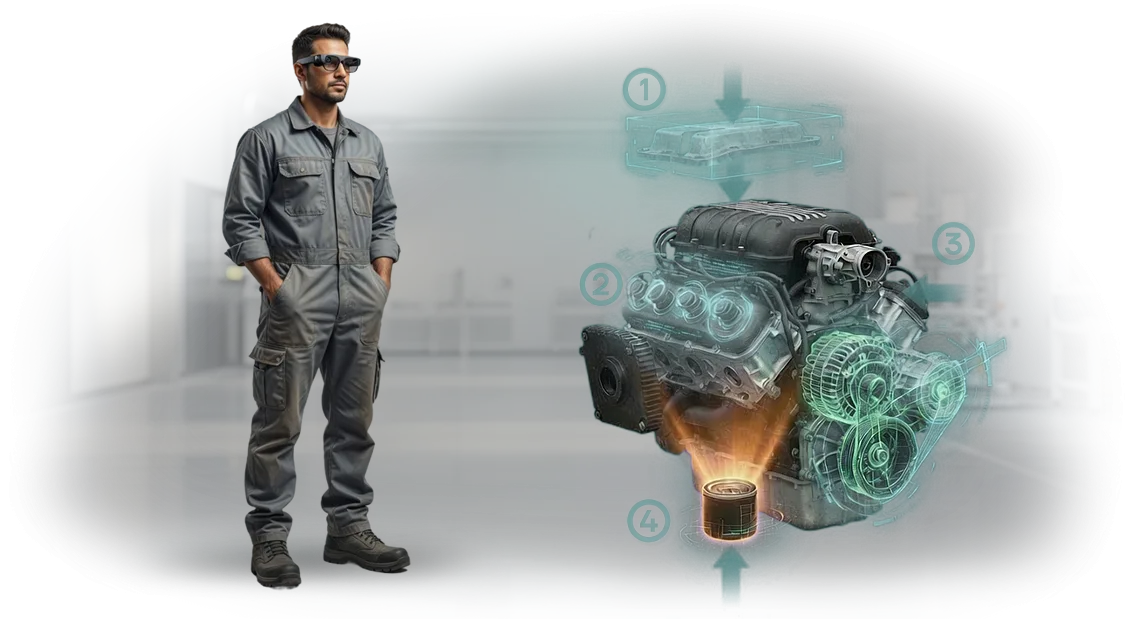
הדרכת AR לעובדים פותרת בעיה זו בדרך שונה מהותית: העובד רואה הנחיות שלב-אחר-שלב ישירות על הציוד—באמצעות טאבלט, סמארטפון או משקפי AR.
אין צורך לשנן מאות עמודים של הוראות; הם פשוט עוקבים אחר רמזים חזותיים. זמן הקליטה מתקצר משבועות לכמה ימים, ומספר הטעויות יורד דרמטית.
יצרנים גדולים כמו סימנס כבר משתמשים ב-AR להדרכת עובדים במפעליהם—הגישה הוכחה כיעילה בייצור אמיתי, לא רק בתנאי מעבדה.
הטכנולוגיה אינה דורשת החלפת ציוד או השבתת סדנאות: מספיק להתקין אפליקציה על מכשירים קיימים.
אנו עוזרים לחברות להטמיע הוראות AR לציוד תעשייתי ללא הוצאות מיותרות. המהנדסים שלנו מפתחים תרחישי הדרכה שמחזירים את ההשקעה במהירות על ידי הפחתת זמני השבתה, הקטנת פגמים והאצת קליטת עובדים חדשים. אתה מקבל מערכת עובדת, לא רק ניסוי.
מה מציאות רבודה מביאה להדרכת עובדים
הדרכת עובדים מסורתית פירושה הרצאות ארוכות, עבודה עם הוראות נייר, וסיכון לטעויות על ציוד אמיתי. עובד חדש נכנס לסדנה לאחר שבועות, והכשלונות הראשונים עדיין מתרחשים בגלל אי-הבנה של התהליכים.
מציאות רבודה משנה את עצם הפורמט של ההדרכה. במקום דיאגרמות מופשטות, אדם רואה הנחיות שלב-אחר-שלב ישירות על הציוד: איזה כפתור ללחוץ, היכן להזין את החלק, היכן ממוקמת יחידת ההרכבה.
זה מקצר את תקופת ההסתגלות פי כמה—העובד מתחיל לתרום ערך כבר מהמשמרות הראשונות.
בטיחות העבודה מגיעה גם היא לרמה חדשה. תרגול תרחישי חירום ומצבים לא סטנדרטיים מתרחש בסביבה וירטואלית, ללא סיכון לבריאות האדם או לשלמות המכונות. טעות בהדרכה כבר לא עולה בכספי תיקון או בזמני השבתה של קו הייצור.
יעילות ההדרכה הופכת למדידה: אתה רואה איזה שלב גורם לקשיים לכל הקבוצה ומתאים את התכנית, במקום להסתמך על "טמפרטורה ממוצעת בבית החולים". הידע כבר לא תלוי במצב הרוח של החונך ולא אובד כשהצוות משתנה.
אנו עובדים על ציוד HoloLens מקצועי ובוחרים תרחישים לאזורים הספציפיים של הייצור שלך. התוצאה היא איכות פעולה יציבה, פחות פגמים ומהירות צפויה להבאת מומחים חדשים לרמת ביצוע מלאה.
אם אתה מעריך הדרכת עובדים ללא הפסדי ייצור ועם תוצאה ברורה, זה בדיוק התחום שבו מציאות רבודה מחזירה את ההשקעה הכי מהר. ספר לנו על איזו פעולה אתה רוצה להמיר לפורמט AR—נראה לך איך זה יעבוד באתר שלך.
פורמטים של הדרכת AR לעובדים למשימות בסדנה
כל סדנה תעשייתית מתמודדת עם אותו כאב: אי אפשר לאפשר לעובד חדש לגשת לציוד ללא שבועות של תיאוריה ועבודה מפוקחת. חונכים מנוסים מוסחים מהמשימות שלהם, וטעויות בהתחלה עולות כסף וזמן.
הדרכת AR לעובדים פותרת את זה: העובד רואה הוראות שלב-אחר-שלב במקום העבודה, ברגע הנכון ובקצב שלו.
חידדנו שלושה פורמטים של הדרכת AR ובוחרים אותם לפי המשימה הספציפית של הסדנה. המהנדסים שלנו עובדים על מכשירי AR מקצועיים (לדוגמה, HoloLens), אבל בכל פרויקט אנחנו מחליטים מה יותר פרקטי: טאבלט, סמארטפון או משקפיים.
| פורמט הדרכת AR | למי זה מתאים | מה זה נותן לסדנה |
|---|---|---|
| הדרכה בטאבלט/סמארטפון | תיקונים נדירים, הגדרות, פעולות מורכבות | גישה מהירה להנחיות ללא ציוד יקר, פחות טעויות |
| סימולטור AR במשקפיים | הדרכה המונית של עובדים חדשים | תרגול בטוח לפני עבודה עם המכונה, קליטה מהירה יותר |
| תמיכת AR מרחוק | קווים מורכבים, עזרת מומחה בזמן אמת | הפחתת זמני השבתה, העברת ידע ללא חונך בשטח |
הפורמט הסופי נבחר לאחר ביקורת: אנו סופרים את מספר הפעולות, תחלופת העובדים, מורכבות ההדרכה וזמן החונכים. הדרכת AR לעובדים אינה מחליפה חונכות חיה—היא מחזקת אותה.
העובד שואל פחות שאלות, מגיע לעבודה עצמאית מהר יותר, ואתה רואה בדוחות מי אישר מיומנות ומי צריך יותר תרגול.
איך מתבצע היישום: תוכנית שלב-אחר-שלב
יישום הדרכת AR לעובדי מפעל או אתר ייצור אינו קניית קופסה מוכנה אלא פרויקט עם שלבים ברורים ותוצאות מדידות. מבננו את התהליך כך שאתה שולט בכל שלב, והצוות לא עוצר את הייצור.
- תחקיר וסקירת משימות. אנו מנתחים בדיוק היכן עובדים מבזבזים זמן, עושים טעויות או לוקח להם זמן רב ללמוד. אנו בוחרים תרחישים שיניבו אפקט מהיר.
- הסכמה על היקף ולוחות זמנים. אנו קובעים את גבולות הפרויקט: כמה הוראות אנו יוצרים, לאיזה ציוד ובאיזה מסגרת זמן. אתה מקבל הערכת עלות לפני תחילת העבודה.
- הכנת תוכן. המהנדסים שלנו מגיעים לאתר שלך או עובדים עם התיעוד הטכני שלך. אנו ממירים דיאגרמות ונהלים לתרחישים ברורים של שלב-אחר-שלב—ללא טרמינולוגיה מורכבת.
- פיתוח הוראת AR. אנו יוצרים אב-טיפוס לאזור אחד ומראים אותו לך ולטכנולוגים שלך. לאחר ה"אישור" שלך, אנו מרחיבים אותו לשאר הפעולות.
- בדיקה עם המומחים שלך. אנו מריצים פיילוט במקומות עבודה אמיתיים, אוספים משוב ומבצעים התאמות. אתה רואה את התוצאה לפני פריסה מלאה.
- השקה והדרכת חונכים. אנו מיישמים את הפתרון ללא עצירת ייצור. אנו מעבירים זכויות ניהול לעדכון הוראות ומכשירים את העובדים שלך.
לאחר ההשקה, אנחנו לא נעלמים: אנחנו נשארים בקשר, תומכים בך בחודשים הראשונים ועוזרים להתאים הוראות לשינויים בציוד או בנהלים.
אתה מקבל לא שירות חד-פעמי אלא כלי עבודה שחוסך זמן הדרכה ומפחית את מספר טעויות המפעילים—מהיום הראשון לשימוש.
מה כלול במסירה: חבילה לאתר שלך
מה כלול במסירה: חבילה לאתר שלך לאחר ההשקה, אתה מקבל לא רק אפליקציה אלא מערכת עבודה מלאה. היא מכסה את כל המחזור: מהתקנה ועד שימוש יומיומי בייצור.
להלן היקף המסירה שיאפשר לעובדים שלך להתחיל לעבוד עם הוראות AR ביום המסירה.
- פלטפורמת AR מוכנה למשימה שלך — פתרון מוגדר שנפרס על הציוד שלך: טאבלטים, סמארטפונים או משקפי AR. הוא עובד מיד, ללא שינויים.
- ספריית הוראות AR — תרחישים שלב-אחר-שלב לפעולות הטיפוסיות שלך: הגדרה, תחזוקה, תיקון. ההוראות מראות ויזואלית היכן ללחוץ, מה להבריג והיכן לבדוק.
- חבילת מסמכים — מדריך מנהל, מדריך מפעיל וכללי שימוש בטוח. הכל בעברית, מובן ללא הכשרה טכנית.
- הדרכת צוות — אנו מקיימים הכשרה למפעילים ומנהלים ישירות באתר שלך, מרחוק או בפורמט היברידי. עובדים לומדים על פעולות אמיתיות, לא על תיאוריה.
- פאנל ניהול לשליטה — אתה מוסיף הוראות חדשות בעצמך, מעדכן שלבים ושולט באילו עובדים השלימו הכשרה. אין צורך במתכנת לכל שינוי.
- אינטגרציה עם התהליכים שלך — ייבוא דיאגרמות טכניות, תיעוד ונהלים למערכת. אנו משתמשים בחומרים הקיימים שלך במקום לכפות פורמטים זרים.
- אחריות ותמיכה — תמיכה טכנית לכל תקופת השימוש, עדכונים וייעוץ. אנו עוזרים לפתור בעיות במהירות כדי שהייצור לא ייעצר.
אנו גם מעבירים חומרי מקור וזכויות לפיתוח עתידי—אתה לא תלוי בנו לאחר ההשקה. במידת הצורך, אתה יכול להרחיב את המערכת לסדנאות חדשות או סוגי ציוד, תוך שימוש באותה חבילה כבסיס.
מקרה בוחן: כיצד הפחתנו זמני השבתה ושיפרנו איכות
הלקוח שלנו, מפעל בניית המכונות Gidromash, התמודד עם בעיה קלאסית: הגדרת מכבש ארכה עד שעתיים, ומפעילים חדשים הגיעו למהירות המתוכננת רק לאחר שלושה שבועות. שגיאות הגדרה הובילו לפגמים ולזמני השבתה לא מתוכננים, שעלו בהפסדים שנתיים משמעותיים.
הצענו להחליף נהלי נייר בהוראות AR כך שהעובד יוכל לראות הנחיות ישירות על הציוד.
יחד עם הטכנולוגים של המפעל, ניתחנו את עשר הפעולות המורכבות ביותר והמרנו אותן לתרחישי AR שלב-אחר-שלב.
העובד מרכיב משקפי AR או מכוון טאבלט—והמערכת מדגישה את הרכיבים הדרושים, מראה את רצף הפעולות ומאמתת ביצוע נכון. אין מדריכים עבים, אין שאלות חוזרות.
תוצאות היישום
בקו המכבשים ההידראוליים, לאחר חודשיים רשמנו שיפורים מדידים:
- זמן ההגדרה הופחת פי ארבעה—משעתיים ל-25 דקות.
- זמני ההשבתה של הציוד ירדו ב-35%, וסיפקו משמרות נוספות ללא גיוס עובדים.
- שיעור הפגמים ירד ב-28%—זה מייצג חיסכון שחושב לאחר ביקורת, רק עבור קו אחד.
- מפעיל חדש מגיע למהירות המתוכננת ביומיים במקום שלושה שבועות.
הנהלת המפעל העריכה את התוצאה, ולאחר שישה חודשים יישמנו הוראות AR בשלושה קווים נוספים. הלקוח משתמש בהן כעת כדי לתקנן את העבודה של כל הצוותים—וממשיך להרחיב את הפרויקט.
שאלות נפוצות על יישום מציאות רבודה
לפני יישום הדרכת AR, למנהלים יש שאלות טיפוסיות: האם הייצור ייעצר, כמה זה עולה, האם יצטרכו לקנות ציוד. אנו עונים מיד: העבודה נמשכת ללא עצירות, והמחיר תלוי בהיקף ההוראות. כדי להסיר את הספקות העיקריים, ריכזנו תשובות לשאלות מפרויקטים אמיתיים.
האם הייצור ייעצר במהלך היישום?
לא. הדרכת AR משולבת בתהליכים הקיימים: עובדים משלימים תדריכים קצרים בזמנים נוחים, ומשימות מופיעות ישירות במקום העבודה. הציוד לא עומד בטל—אנו עובדים במקביל לטכנולוגים שלך ולא מפריעים למשמרות.
האם נצטרך לקנות משקפי AR יקרים?
כדי להתחיל, מספיקים טאבלטים וסמארטפונים רגילים שכבר קיימים אצל העובדים. אם אתה רוצה לשחרר את הידיים לחלוטין—נספק משקפיים מקצועיים לתקופת הפיילוט, ואז תחליט אם אתה צריך אותם. היישום מתחיל ללא הוצאות הוניות.
כמה זמן לוקח ליצור הוראות?
פעולה טיפוסית בדרך כלל לוקחת 1–2 שבועות. אנו עובדים עם הטכנולוגים שלך ומנתחים כל שלב כדי שההוראה תהיה מדויקת ושימושית. תהליכים מורכבים לוקחים יותר זמן, אבל התוצאה נשארת צפויה.
מתי יופיע האפקט הכלכלי?
כבר לאחר ההוראות הראשונות: זמן ההדרכה מצטמצם, מספר הטעויות יורד, ועובדים מנוסים מקדישים פחות זמן לחונכות. נחשב את ההחזר הספציפי לאחר אבחון חינמי של התהליך שלך.
שלח בקשה להדרכת עובדים במציאות רבודה
השאר בקשה—ואנחנו נעשה את הצעד הראשון לקראת השקת תוכנית הדרכת ה-AR שלך. ניצור איתך קשר תוך יום עסקים אחד, נבהיר את המשימות שלך ונשלח הערכת עלות ולוחות זמנים ראשונית. אין מצגות מופשטות—רק פרטים על הציוד, התהליכים והצוות שלך.
מה תקבל לאחר פנייתך:
- חישוב עלות למשימה שלך. אנו קובעים את היקף העבודה, מספר ההוראות וזמן היישום. אתה יודע את התקציב מראש ויכול להשוות אותו לעלויות ההדרכה הנוכחיות.
- ייעוץ לגבי תרחישי שימוש. אנו מראים היכן הדרכת AR תניב את האפקט המקסימלי: קליטת עובדים חדשים, פעולות נדירות, עבודה עם ציוד יקר או שגיאות עובדים תכופות.
- הצעת פרויקט פיילוט. אנו מתחילים עם אזור אחד או הוראה אחת—אתה מעריך את התוצאה במקומות עבודה אמיתיים לפני הרחבת הפתרון.
- מפרט טכני ליישום. אנו מתעדים אילו הוראות אנו יוצרים, כיצד הן משתלבות בתהליך הקיים וכיצד אנו מודדים את יעילות ההדרכה.
- תוכנית השקה והכשרת מדריכים. העובדים שלך יוכלו לעדכן תוכן ולהוסיף הוראות חדשות באופן עצמאי, ללא מעורבות מפתחים.
לאחר הפיילוט, תקבל נתונים על מהירות הכשרת העובדים והפחתת השגיאות—על סמך זה קל להחליט על יישום מלא. השאר בקשה בעמוד זה, ונכין הצעה לייצור שלך.
כיצד לבחור פורמט הדרכה למאפייני הייצור שלך
בחירת פורמט הדרכה אינה שאלה של טכנולוגיה אלא שאלה של כלכלת ייצור. אין תכנית אוניברסלית: מה שעובד עבור סדנת הרכבה עם תחלופת עובדים גבוהה עשוי שלא להתאים לאזור עם מכונות ייחודיות ומפעילים מנוסים.
אז הצעד הראשון הוא לקבוע מה חשוב לך יותר: המהירות שבה עובד מגיע לעבודה עצמאית, עומק ההבנה של התהליך, או מזעור טעויות במצבים לא סטנדרטיים.
המהנדסים שלנו ניגשים לבחירת הפורמט באופן שיטתי.
אם הייצור הוא רציף ומגוון המוצרים משתנה לעתים קרובות, עובדים מקבלים הנחיות AR קצרות שמופיעות על הציוד ברגע הנכון—זה מפחית את זמן החיפוש אחר מידע ומקטין את הסיכון לערבוב חלקים או רכיבים.
כשמדובר ביחידה מורכבת ויקרה שבה עלות טעות גבוהה, אנו פורסים תרחישים מלאים עם הנחיה שלב-אחר-שלב ונקודות בדיקה—הדרכה כזו מאפשרת למתחיל לפעול בביטחון כבר לאחר המחזורים הראשונים.
אנו גם מתחשבים במי בדיוק ילמד. מתחילים ועובדים ללא ניסיון מרוויחים יותר מהוראות מפורטות עם הדגשה ויזואלית ומשוב.
עובדים מנוסים צריכים רק תזכורות קומפקטיות במקום העבודה—הם קולטים מידע גרפי במהירות ואינם דורשים הסברים ארוכים.
אם בייצור שלך קיימת מערכת חונכות, אנו כוללים חונכים בתרחיש: ההוראה אינה מחליפה אדם אלא מקלה עליו והופכת את העברת הידע לסטנדרטית.
אילוץ חשוב בבחירה: ההדרכה לא חייבת לעצור את הייצור. לכן, אנו מתכננים את הפורמט כך שההכנה תתנהל במקביל לעבודה השוטפת—או ישירות על הציוד במצב מוגן, או בעותק דיגיטלי שאינו דורש עצירת מכונות.
כתוצאה מכך, אתה מקבל פתרון שמשתלב בקצב הקיים במקום לדרוש משמרות ייעודיות או, גרוע מכך, עצירת הסדנה.
בואו נהיה ישירים: הפורמט האידיאלי מביא תועלת ניכרת תוך מספר שבועות בלבד—עובדים מסתגלים מהר יותר, מספר הטעויות וזמני ההשבתה הנלווים יורדים, וחונכים מפסיקים להיות צוואר בקבוק.
אם אתה ניגש לבחירה לא כקניית טכנולוגיה נוצצת אלא כפתרון משימות ייצור ספציפיות, התוצאה לא תאחר לבוא. אנו עוזרים לבצע בחירה זו על סמך ניתוח האתר שלך ולאחר מכן תומכים ביישום עם מדידת אפקט.