

לקוחות לא סומכים על השירות: הוראות AR למשאבות פותרות את הבעיה
תחזוקת משאבות היא תרחיש שבו טעות עולה ביוקר. בזמן שטכנאי מתייעץ במדריך נייר, הציוד עומד בטל, והמפעל מפסיד הכנסות.
אבל יש בעיה נסתרת: הלקוח לא יודע עד כמה השירות מבצע את עבודתו היטב, והאמון נשחק עוד לפני שחתימת דוח הקבלה.
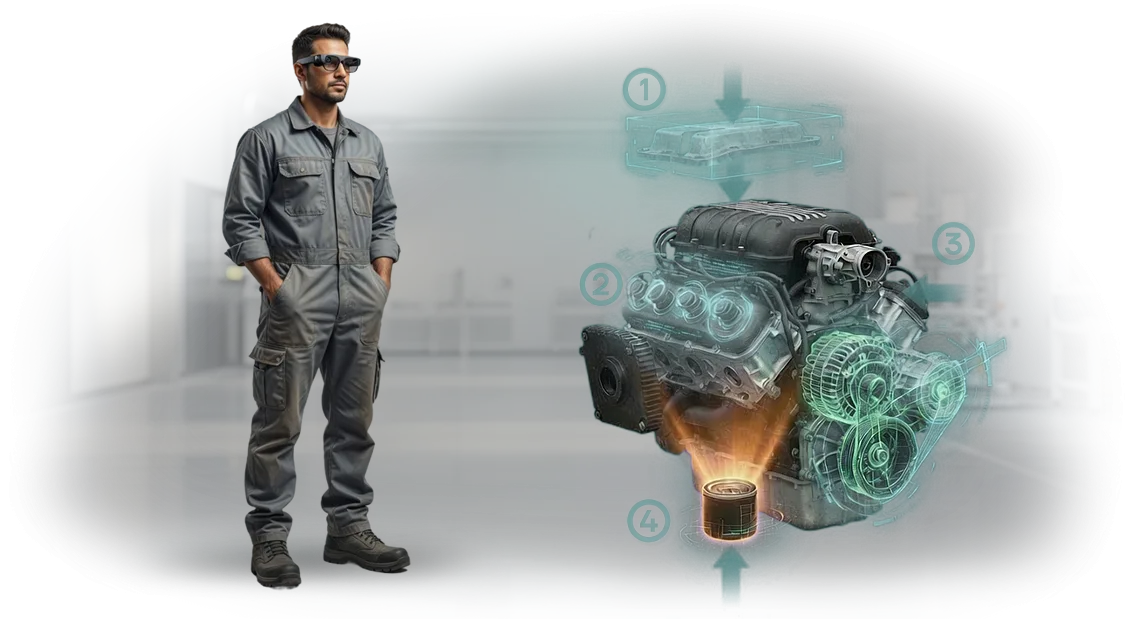
הוראות AR מציגות דיאגרמת פירוק ושלבי אבחון ישירות על גוף המשאבה. הטכנאי רואה איזה חלק להסיר, היכן להפעיל כוח, ואילו פרמטרים לבדוק קודם—בלי תיקיות עבות או ניחושים משרטוטים.
כל שלב מתועד במערכת, ומנהל השירות מקבל היסטוריית עבודה אובייקטיבית עבור כל ציוד.
עבור הלקוח, זו תועלת כפולה: הפחתת זמן השבתה עקב טעויות אנוש וטיעון חזק במשא ומתן.
אתה מראה ללקוח נוהל ברור במקום הסברים כמו "היינו צריכים לחפור מסביב." גישה זו מפחיתה מחלוקות אחריות וממצבת אותך כמומחה שסומכים עליו בתחזוקת צי משאבות שלם.
אנו מפתחים הוראות AR המותאמות לדגם הציוד הספציפי שלך ולתנאי העבודה של המהנדסים שלך: אלגוריתמים שלב-אחר-שלב, הדגשת רכיבים רלוונטיים, ואימות פעולות.
אנו מתחילים עם יחידת פיילוט אחת ומשכללים את התוצאות לפחות מחריגה אחת מכל עשר פעולות תחזוקה.
מה הוראות AR לתחזוקת משאבות מספקות: 5 יתרונות מרכזיים
תחזוקת משאבות היא תמיד איזון בין מהירות עבודה לסיכון טעויות. בזמן שעובד חדש מבין את הדיאגרמה, היחידה עומדת בטל, וזמן השבתה בייצור נושא עלות כבדה.
הוראות AR פותרות זאת: הטכנאי רואה הנחיות שלב-אחר-שלב ישירות על הציוד ופועל ללא דיחוי. מובילי שוק כמו Siemens כבר משתמשים בגישה זו—היא מעבירה את הניסיון של מומחים מובילים לפורמט אינטואיטיבי שכל אחד יכול להבין.
1. תיקון ותחזוקה מהירים יותר
אין צורך לחפש הוראות בתיקיות נייר או להיזכר ברצף הפעולות. העובד מבצע שלבים במקום, והזמן לכל פעולה יורד ב-30–40% בממוצע. עבור מחלקת שירות, זה אומר פחות זמן השבתה ויותר הזמנות עבודה שהושלמו במשמרת.
2. דיוק ופחות טעויות
הנחיות AR מראות בדיוק היכן נמצא הרכיב הנדרש וכמה כוח להפעיל. הסיכון לערבוב חלקים או לדילוג על שלב קריטי כמעט נעלם. פחות טעויות מתורגמות ישירות לחיסכון בתיקונים חוזרים ובחלקי חילוף.
3. הדרכה ללא עצירת ייצור
במקום שבוע של תיאוריה—מפגש היכרות קצר עם הוראת AR. עובדים חדשים יכולים לעבוד ביום הראשון, בעוד מנוסים מרעננים את הידע במהירות לפני משימה מורכבת. עלויות חונכות וקורסים יורדות באופן ניכר.
4. תקן איכות אחיד
כל המומחים שלך פועלים לפי אותה מתודולוגיה מוכחת. ללא קשר למי שנמצא במשמרת, התוצאה אמינה באותה מידה. זה חשוב במיוחד לחברות עם מספר אתרים ומתקנים מרוחקים.
5. חיסכון בתיקונים ובחלקי חילוף
תחזוקה בזמן בהנחיית הוראות מאריכה את חיי המשאבה ומפחיתה תקלות לא מתוכננות. מכונות נכשלות פחות, כך שהתקציב לחלקי חילוף ולעבודות חירום מנוצל ביעילות רבה יותר.
פורמטים של הוראות AR: הנחיות, הדרכה, מחזור מלא
פורמטים של הוראות AR נבדלים בעומק השילוב שלהם בזרימת העבודה: מהנחיה קצרה בשדה הראייה של המומחה ועד להדרכה מלאה בתיקון משאבה מורכב.
הכלל כאן פשוט: הפורמט חייב להתאים למשימה—אחרת אתה או משלם יותר מדי על פונקציונליות מוגזמת או לא משיג את האפקט הרצוי.
בפועל, אנו מבחינים בשלושה פורמטים עיקריים, שכל אחד פותר קבוצת משימות משלו:
| פורמט | מתי אנו משתמשים בו | מה הלקוח מקבל |
|---|---|---|
| הנחיות פשוטות | בדיקה שגרתית, ניטור פרמטרי משאבה, פעולות מהירות | פחות טעויות, הדרכה מהירה יותר למומחים חדשים, פחות קריאות שירות |
| הדרכה שלב-אחר-שלב | תחזוקה מתוזמנת, החלפת חומרים מתכלים, תיקונים סטנדרטיים | עמידה בנוהלי עבודה, פחות זמן השבתה, שליטה בפעולות של כל עובד |
| מחזור מלא | שיפוץ, אבחון, החלפת רכיבים, הפעלת ציוד | עבודה מורכבת המבוצעת על ידי הצוות שלך, כל השלבים מתועדים, תוצאות צפויות |
בחירת הפורמט משפיעה ישירות על עלויות אחזקת הציוד. הנחיות פשוטות משתלמות בתחזוקה שוטפת: הן מקצרות את זמן הפעולה ומונעות טעויות אופייניות.
המחזור המלא חשוב במיוחד במקומות שבהם מומחה פנימי לתחום צר הוא נדיר ויקר להבאתו לאתר.
אנו מתאימים את פורמט הוראת ה-AR לציוד ולרמות המיומנות של הצוות שלך. אנו מתחילים בביקורת תפעולית, מזהים את השלבים שבהם זמן אבוד וטעויות עולים הכי הרבה, ומציעים פתרון שמתייחס בדיוק למשימה שלך—בלי תכונות מיותרות, בלי תשלום יתר.
כיצד אנו מיישמים הוראות AR: מדרישות ועד השקה
כל יצרן ציוד מתמודד עם אותו כאב: עובדים חדשים לומדים לשרת מכונות ממדריכי נייר ארוכים, בעוד מומחים מנוסים פורשים ולוקחים איתם את הידע שלהם.
אנו סוגרים את הפער הזה עם תהליך יישום שקוף של הוראות AR—אתה תמיד יודע היכן הפרויקט עומד, מה קורה כרגע, ומתי ההדרכה תתחיל לייצר ערך.
שלבי היישום: מבריף ועד השקה
-
בריף וביקורת. אנו דנים במשימות שלך: אילו פעולות משאבה צריכות לעבור למציאות רבודה, כמה עובדים ישתמשו בהוראות, ואילו בעיות שירות אתה רוצה לפתור קודם.
-
ניתוח ציוד ותרחישים. אנו בוחנים תהליכים טכניים ונהלי תחזוקה אופייניים. אנו קובעים היכן הנחיות AR יספקו את ההשפעה הגדולה ביותר—לדוגמה, בהחלפת אטמים או בפירוק רכיבים.
-
מודלים תלת-ממדיים של רכיבים. אנו יוצרים עותקים דיגיטליים מדויקים של המשאבות שלך כך שהנחיות יוצגו על הציוד האמיתי בדיוק גבוה. העובד רואה חיצים ואנימציות ישירות על החלקים.
-
פיתוח הוראת AR ותוכן. אנו כותבים תסריטים שלב-אחר-שלב בשפת הטכנולוגים שלך: תוויות, רצפי פעולות, אזהרות על טעויות קריטיות. אנו מאמתים כל שלב על ציוד אמיתי.
-
בדיקה באתר שלך. אנו משיקים גרסת פיילוט יחד עם העובדים וצוות השירות שלך. אנו אוספים משוב ומתאימים את ההוראות לתנאי עבודה אמיתיים—תאורה, רעש, נוחות מחוות.
-
השקה והדרכת עובדים. אנו טוענים את ההוראות לטאבלטים או לסמארטפונים ומקיימים מפגשי הדרכה קצרים למכונאים ומהנדסים. בשבועיים–שלושה הראשונים, אנו נשארים מעורבים, עונים על שאלות ומשכללים פרטים במידת הצורך.
התוצאה אינה "מוצר גולמי" אלא מערכת מלאה שהמומחים שלך משתמשים בה מהיום הראשון. אנו תומכים בך בכל שלב, כך שהיישום מתרחש ללא עצירת ייצור או תקופת הסתגלות ממושכת.
התוצאה: עובדים שולטים בנהלים מהר יותר, עושים פחות טעויות, ותלויים פחות ב"שומרי ניסיון ייחודי."
מה אתה מקבל לאחר יישום הוראות AR
לאחר יישום הוראות AR, אתה מקבל לא רק פרויקט חד-פעמי אלא כלי עבודה שנשאר חלק מהמערכת התפעולית שלך.
התוצאה העיקרית היא יכולת חיזוי: עובדים מאתרים תקלות מהר יותר, עושים פחות טעויות בתחזוקת משאבות, וזמן השבתת הציוד יורד.
הנה מה שנשאר איתך לאחר סיום הפרויקט:
- הוראות AR מוכנות לשימוש לתחזוקת משאבות — תרחישים שלב-אחר-שלב המוצגים על ציוד אמיתי. העובד רואה את רצף הפעולות מול עיניו, ללא צורך להתייעץ במדריכי נייר.
- תיעוד טכני מעודכן — נהלים מובנים ורשימות בדיקה בפורמט דיגיטלי. קל לעדכן כאשר עיצובים או דרישות משתנים.
- הדרכת צוות — אנו מקיימים מפגש הדרכה למהנדסים ומפעילים כך שיתחילו להשתמש בהוראות AR בביטחון מיד. אנו מעבירים מיומנויות, לא רק קישור להורדה.
- תמיכה לאחר ההשקה — אנו מגיבים במהירות לשאלות, עוזרים להתאים תוכן ומתקנים אי-דיוקים. זו לא "מסירה והליכה," אלא תמיכה מתמשכת.
- אנליטיקת שימוש — ראה אילו פעולות לוקחות הכי הרבה זמן והיכן מתעוררות קשיים. אתה משתמש בנתונים אלה כדי לשפר תהליכים והדרכה.
- בסיס להרחבה — הפורמט המוכח משוכפל בקלות לרכיבים אחרים וסוגי ציוד תעשייתי: מאוורור ועד הידראוליקה.
כל התוצרים—הוראות, תיעוד וחומרי הדרכה—נשארים רכושך. אתה לא תלוי בנו בפעולות היומיומיות, והוראות ה-AR הופכות לחלק מתקן התחזוקה שלך.
מקרה בוחן: כיצד הוראות AR הפחיתו זמן השבתה של ציוד משאבות
במפעל ייצור מכונות אחד, כל שעת השבתה של ציוד משאבות עלתה סכום השווה לתקציב התחזוקה החודשי. תיקונים ארכו עד שש שעות כי מומחים בילו זמן בחיפוש תיעוד ולעתים קרובות הסתמכו על זיכרון. זה הוביל לטעויות, תקלות חוזרות והחמצת יעדי משמרת.
הצענו להחליף מדריכי נייר בהוראות AR: הטכנאי רואה הנחיות שלב-אחר-שלב המוצגות ישירות על מכלול המשאבה דרך טאבלט. אין צורך לדפדף בשרטוטים—המערכת עצמה מראה היכן ומה להבריג, ובאיזה סדר לבצע בדיקות. זמן ההדרכה לעובד חדש ירד משבוע ליומיים.
תוצאות המקרה מדברות בעד עצמן. זמן התיקון הסטנדרטי ירד ב-45%, טעויות הרכבה ב-60%. תקלות שנגרמו מתחזוקה לא נכונה כמעט נעלמו, ועבודה מתוזמנת ארכה חצי מהזמן. המפעל החזיר את ההשקעה בפיתוח תוך ארבעה חודשים—הודות להפחתת זמן ההשבתה.
עבורנו, פרויקט זה הוא דוגמה לאופן שבו הוראות AR הופכות את הכאוס של מדריכי נייר לתהליך שיטתי. חברת הלקוח פרסה את ההוראות הללו על כל שלושת קווי הייצור לאחר אזור הפיילוט הראשוני.
זמן השבתת המשאבות הפסיק להיות כאב ראש למהנדס הראשי, והמכונאים קיבלו כלי שמנחה ומאמת כל שלב.
כיצד לבחור את פורמט הוראת ה-AR הנכון למשימה שלך?
בחירת פורמט הוראת AR אינה שאלה של "מה יותר טרנדי" אלא של איזו בעיה אתה פותר.
לתחזוקת משאבות שגרתית, הנחיות פשוטות שלב-אחר-שלב מספיקות; תיקונים מורכבים דורשים פירוק תלת-ממדי אינטראקטיבי; והדרכת עובדים חדשים דורשת מצב ייעודי עם אימות פעולות.
ישנם רק שלושה קריטריונים: מורכבות הפעולות, מספר העובדים להדרכה, ותדירות הגישה להוראה. התקציב אינו הגורם המכריע—אנו מתאימים את הפורמט למשימה כך שלא תשלם יותר מדי על אפשרויות מיותרות. להלן טבלה הממפה משימות אופייניות לפורמטים.
| פורמט הוראת AR | מתי לבחור | מה זה נותן ללקוח |
|---|---|---|
| הנחיות שלב-אחר-שלב המוצגות על ציוד | תחזוקה מתוזמנת, החלפת חומרים מתכלים, פעולות פשוטות | מקצר את זמן הפעולה ואת שיעור הטעויות, דורש מעט הדרכה |
| פירוק תלת-ממדי אינטראקטיבי | תיקונים מורכבים, אבחון, החלפת רכיבים | מציג את המבנה הפנימי של המשאבה, מאפשר "להסתכל פנימה" לפני תחילת העבודה |
| רשימת בדיקה מאומתת ב-AR | בקרת איכות, אישור עבודה | מתעד כל שלב, מונע דילוג על פעולות קריטיות |
| סיוע מרחוק עם סמני AR | מצבי חירום, תקלות נדירות | מהנדס באתר עובד בהנחיית מומחה—ללא צורך בביקור מומחה |
להבהרה: הנחיות שלב-אחר-שלב הן התצורה הבסיסית ומכסות 80% ממשימות תחזוקת המשאבות. אם יש לך תחלופה גבוהה או צורך לקלוט מכונאים חדשים במהירות, אנו מוסיפים מצב הדרכה עם אימות פעולות.
לתיקונים מורכבים ואבחון מרחוק, אנו משתמשים במודלים תלת-ממדיים—הם משתלמים דרך הפחתת זמן ההשבתה.
בשלב הבריף, אנו מנתחים את הנהלים שלך, מספר העובדים ותקלות אופייניות—ומציעים פורמט שפותר את הבעיה ללא הוצאה מיותרת. אתה מקבל הוראת AR שמתאימה לתקציב ולזרימת העבודה שלך, לא "טכנולוגיה לשם טכנולוגיה."
שאלות נפוצות על יישום הוראות AR
לפני הזמנת הוראות AR, לקוחות שואלים לרוב על תאימות לציוד קיים, בטיחות ולוחות זמנים ליישום. זה נורמלי: כל כלי חדש לא צריך לעצור ייצור או לדרוש שינוי תהליכי ארוך.
להלן אספנו תשובות לשאלות הנפוצות ביותר. אם התרחיש שלך לא מופיע—פשוט כתוב לנו, ונעבוד על המצב הספציפי שלך.
האם הוראות AR יעבדו עם הציוד שלנו?
כן, אנו עובדים עם רוב דגמי ציוד המשאבות. הדרישה העיקרית היא טאבלט או סמארטפון שהעובד משתמש בו לצפייה בהוראה. אנו יוצרים הוראות לדגם הספציפי ולתנאי ההפעלה שלך. המומחים שלנו מבקרים באתר או עובדים מרחוק אם יש לך תיעוד טכני ותמונות.
האם זה בטוח לעובדים ולייצור?
הוראות AR אינן מפריעות לפעולת הציוד—הן מציגות הנחיות על מסך שהעובד מחזיק. המפעיל רואה פעולות שלב-אחר-שלב, מה שמפחית את הסיכון לטעויות במהלך התחזוקה.
המערכת פועלת באופן עצמאי ואינה מתחברת לרשתות המפעל, כך שאין לה השפעה על מחזור הייצור הראשי.
כמה זמן לוקח היישום?
לוח הזמנים תלוי במורכבות הפעולות ובמספר ההוראות. פרויקט אופייני אורך 2 עד 6 שבועות: מניתוח משימות ועד השקת פיילוט.
חשוב לציין, אנו לא עוצרים את העבודה שלך: הוראות מוכנות במקביל למחזור הייצור, ועובדים בודקים אותן במהלך משמרות ללא זמן השבתה נוסף.
האם קשה להכשיר צוות?
לא, הממשק פשוט—העובד צריך רק מיומנויות טאבלט בסיסיות. ההדרכה אורכת שעה עד שעתיים, כולל תדריך למנהלי צוותים.
בדרך כלל הצוות לומד את המערכת מבלי לעזוב את העבודה: ההוראות הראשונות נתמכות על ידי המומחים שלנו, ולאחר מכן העובדים עובדים באופן עצמאי.
מה לגבי תמיכה לאחר ההשקה?
אנו תומכים בפרויקט: אנו מעדכנים הוראות כאשר נהלים משתנים, מוסיפים פעולות חדשות ועונים על שאלות. תנאי התמיכה מותאמים אישית—מעדכונים חד-פעמיים ועד תמיכה שוטפת בייצור. זה מסיר את הסיכון שהוראות יתיישנו והמערכת תאבד מערכה.
בקש פיתוח הוראת AR למשאבות שלך
בקש פיתוח הוראת AR למשאבות שלך—ואנו נטפל בכל ההכנות. תקבל ייעוץ על יכולות הטכנולוגיה, הערכת עלות ראשונית ותוכנית יישום לצי הציוד שלך. בלי הבטחות מופשטות: רק פרטים למשימות שלך.
מה אתה מקבל לאחר שליחת הבקשה:
- ייעוץ מומחה: נזהה היכן הוראות AR יספקו את הערך הרב ביותר—מנהלי תחזוקה ועד הכשרת עובדים חדשים בעבודת משאבות.
- הערכת עלות ראשונית להיקף שלך: מספר יחידות הציוד, מורכבות הפעולות ופורמט ההוראה משפיעים על המספר הסופי—תדע אותו לפני תחילת העבודה.
- דוגמת הדגמה של הפורמט: נראה איך הוראת AR נראית בפועל כדי שאתה והצוות שלך תוכלו להעריך נוחות ובהירות.
- תוכנית יישום: שלבי פיתוח, לוחות זמנים ואחראים—מסלול ברור מבריף ועד השקה ללא הפתעות.
- מנהל ייעודי ותמיכה בכל שלב: אתה תמיד יודע את מצב הפרויקט ואת הצעד הבא.
- הבטחת תוצאה: לפני ההשקה אנו בודקים על הציוד שלך, ולאחר היישום אנו משכללים הוראות לפי משוב הצוות שלך.
שלח את הבקשה—וכבר בשבוע הבא המומחים שלך יכולים לעבוד עם הוראות AR. אנו עובדים מרחוק, כך שהפרויקט יכול להתחיל ללא ביקור באתר, וכל השאלות נפתרות בצ'אט עבודה.