

טעויות ייצור אלקטרוניקה שעולות ביוקר
כל אחוז של פגמים בהרכבת אלקטרוניקה מתורגם להפסדים ישירים: עבודות תיקון, מחיקת רכיבים, החמצת מועדי חוזה. בייצור שבו מחיר הטעות נמדד בקבוצות של מכשירים מוגמרים, האיכות הופכת למנוע הרווח העיקרי.
לעתים קרובות הבעיה אינה בידיים של העובדים, אלא בדרך שבה הם מקבלים מידע. הוראות לא יעילות — דיאגרמות נייר, קבצי PDF מפוזרים, טקסטים ארוכים — לא יכולות לעמוד בקצב של התהליך בפועל. עובד מבזבז זמן בחיפוש אחר השלב הנכון ועדיין יכול לטעות.
זה כואב במיוחד כשמדובר בהכשרת עובדים. הכנת תרכיבנית חדשה אורכת שבועות ודורשת חונך שנמשך מהעבודה שלו עצמו.
תחלופת עובדים מאלצת את המחזור הזה לחזור על עצמו שוב ושוב — כלומר אתה משלם פעמיים: על ההכשרה ועל הטעויות של העובדים החדשים.
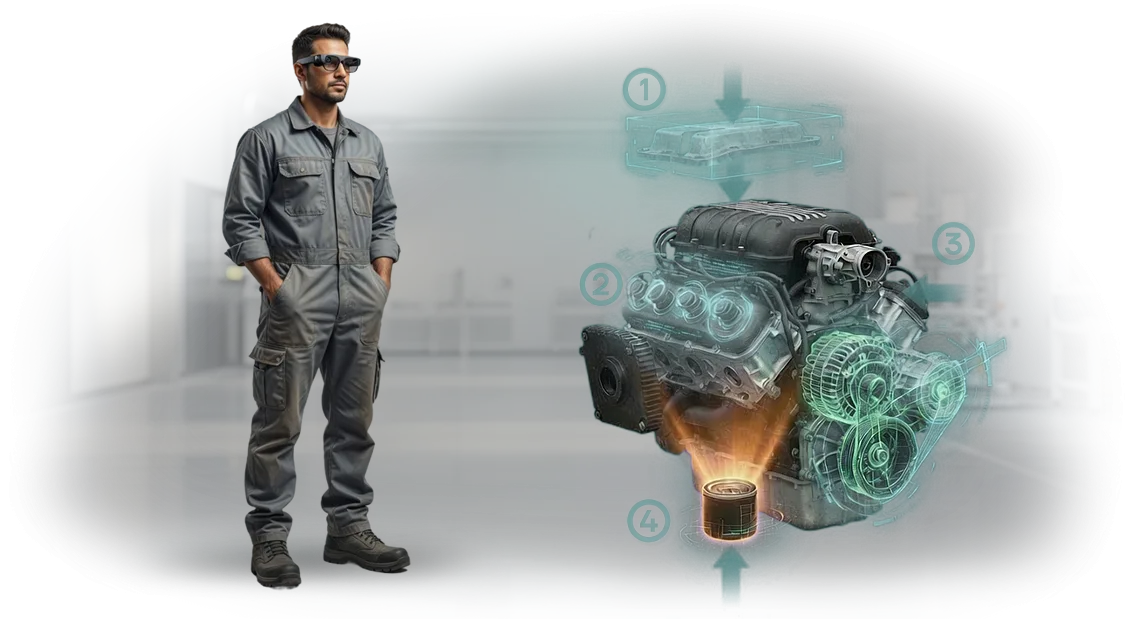
ניתן להפחית את ההפסדים האלה עם הוראות AR: הנחיות שלב-אחר-שלב ישירות על הציוד, בדיקה אוטומטית של כל פעולה, ותמיכה מרחוק ממומחה מנוסה במצבים מורכבים. העובד רואה מה לעשות באותו רגע ומצליח בפעם הראשונה.
בדיוק בגלל זה אנחנו מפתחים מערכות AR מפתח-ביד לייצור אלקטרוניקה: אנחנו מנתחים את התהליכים שלך, יוצרים הוראות, מיישמים אותן ומכשירים את הצוות שלך. אנחנו עובדים מרחוק, כך שהחיסכון לא מסתיים בפחות פגמים — אתה גם חוסך בהוצאות נסיעות ובזמן השבתה. כתוצאה מכך, הייצור הופך לצפוי וההפסדים לניתנים לניהול.
מה ייתן לארגון שלך יישום הוראות AR
כל מפעל אלקטרוניקה רואה הפסדים במקומות שבהם אפשר היה להימנע מהם: שגיאות מפעילים, קצב קליטה איטי של עובדים חדשים, וסיכוני פציעה ברצפת הייצור. הוראות AR סוגרות את הפערים האלה על ידי הצגת הנחיות שלב-אחר-שלב ישירות על הציוד.
העובד רואה מה לעשות ואיך, באותו רגע ממש — ללא מדריכי נייר, ללא ניחושים. היישום מחזיר את עצמו במהירות דרך שיפור בדיוק ובמהירות.
יתרון: פחות שגיאות צוות
המפעיל רואה את רצף הפעולות המדויק על המסך: איזה מחבר לחבר, איך לבדוק את המגע, ומה המומנט המותר. פעולות מורכבות הופכות לאינטואיטיביות, והסיכון לדילוג על שלב יורד פי כמה.
עבור ייצור אלקטרוניקה, זה אומר איכות קבוצתית עקבית, פחות פגמים ועבודות תיקון — חיסכון בחומרים ובזמן של המהנדסים.
יתרון: הכשרה וקליטה מהירים יותר
עובד חדש כבר לא צריך לבזבז שבועות על הבנת דיאגרמות והוראות. הנחיות AR בתחנת העבודה מחליפות את החונך בשלבים המוקדמים: האדם מבצע את הפעולה תוך הסתכלות על ההנחיה, לא על דף נייר.
מומחה מתחיל להניב תוצאות תוך ימים, לא חודשים — זה מאיץ את השקת קווים חדשים ואת החלפת הצוות.
יתרון: בטיחות במקום העבודה
ההוראות מזהירות על אזורים מסוכנים ומזכירות על הגנה לפני שהעובד מתחיל בפעולה. שגיאות רבות שמובילות לפציעות מסולקות באופן שיטתי: השלב הבא לא יופעל עד שיתקיימו דרישות הבטיחות. עבור מנהל, זה אומר פחות זמן השבתה, פחות ימי מחלה, וסיכון מוניטיני נמוך יותר.
החברה שהצוות שלנו מפתח עבורה הוראות AR לתהליכים הספציפיים של הייצור שלך — מפעולה בודדת ועד למחזור המלא של מחלקה.
אנחנו בוחרים תרחישים שיתאימו לצרכים של המפעילים והמהנדסים שלך ולא מייצרים "מוצר מדף." צור איתנו קשר כדי לקבל תוכנית יישום לאתר שלך ולהעריך את ההשפעה לפני הרכישה.
פורמטים של הוראות AR לייצור אלקטרוניקה
בייצור אלקטרוניקה, כל דקת השבתה וכל שגיאת הרכבה משפיעים ישירות על העלות ועל המועדים. הוראות נייר מתיישנות, סרטונים לא מספקים משוב, וחונך לא תמיד יכול להיות מוצב בכל קו.
הוראות AR פותרות את זה: העובד רואה הנחיות ישירות בשדה הראייה שלו, והמערכת מוודאת שהשלב אכן בוצע.
קיימים כמה סוגים של הוראות AR, וכל אחד מטפל במשימה שלו. הפורמט מותאם לסוג הציוד, לרמת המיומנות של הצוות, ולתהליך שצריך להאיץ: הרכבה, הגדרה, בדיקה, הכשרה. להלן איך אנחנו בדרך כלל משווים את האפשרויות עבור יצרני אלקטרוניקה.
| פורמט הוראת AR | משימות וסוגי ציוד מתאימים | מה הלקוח מקבל |
|---|---|---|
| הנחיות שלב-אחר-שלב עם זיהוי חלקים | הרכבת יחידות, התקנת PCB, עבודה על מכונות רב-פעולתיות | העובד רואה את השלב הבא מול עיניו; שגיאות ושאלות חוזרות פוחתות; קווים חוזרים לפעולה מהר יותר |
| עוזר מרחוק עם שיחת וידאו וסימון AR | אבחון והגדרה של ציוד מורכב, תקלות נדירות | המהנדס בשטח מציג את הבעיה למומחה מרחוק; אין צורך לחכות לביקור מומחה או לעצור את הייצור |
| בדיקת AR בסגנון רשימת בדיקה | בדיקה סופית, קבלת קבוצות, בקרת איכות (QC) | המערכת לא תאפשר לפספס אף פריט; דוח בדיקה נוצר אוטומטית — פחות תביעות ופחות עבודות תיקון |
| פירוק והרכבה תלת-ממדיים אינטראקטיביים | הכשרת עובדים חדשים, יחידות הרכבה מורכבות | חניכים מגיעים לקצב מהר יותר; העומס על החונכים פוחת; הידע לא אובד כשמתרחשת תחלופת עובדים |
בחירת הפורמט תמיד מתחילה בשאלה "מה בדיוק מאט את התהליך" — שגיאות תכופות, הכשרה ארוכה, תלות במומחים נדירים, או תיקונים ממושכים.
אנחנו עוזרים לזהות את זה וליישם הוראת AR שמספקת השפעה מדידה על הציוד שלך, בלי לשנות את כל מערכת הייצור.
איך אנחנו יוצרים הוראות AR: 6 שלבים
כל הוראה יעילה רק כשהעובדים באמת משתמשים בה והתוצאה נראית על רצפת הייצור. אנחנו מבנים את תהליך יצירת הוראת ה-AR כך שאתה שולט בכל שלב: מהבריף הראשוני ועד ההשקה, התמיכה ועדכוני התיעוד.
- בריף וסקר ציוד. אנחנו לומדים את אזור הייצור שלך, את הפעולות הטיפוסיות, את הנהלים ואת הנקודות שבהן שגיאות מתרחשות לרוב. אנחנו קובעים אילו הוראות יספקו את ההשפעה הגדולה ביותר ומסכמים על תוכנית עבודה.
- יישור תרחיש. יחד עם מהנדסי התהליך שלך, אנחנו עוברים על כל שלב של ההוראה העתידית: מה המפעיל רואה, באיזה סדר הוא פועל, ואילו הנחיות הוא מקבל. כל התיקונים מתועדים בפורמט נוח — אתה רואה את התהליך העתידי לפני שפיתוח מתחיל.
- יצירת תוכן AR. אנחנו מפתחים מודלים אינטראקטיביים, אנימציות והנחיות חזותיות שברורות גם לעובדים מנוסים וגם לחדשים. אנחנו מוודאים שהתוכן מוצג כראוי על המכשירים התעשייתיים שלך ומתאימים אותו לפרטי התאורה ותנוחת העבודה.
- שילוב בזרימת העבודה. אנחנו מגדירים אחסון והפעלה כך שההוראות לא מפריעות לעבודה המרכזית. ההוראה נפתחת בנגיעה אחת — ללא הגדרות מורכבות, חלונות נוספים או זמן השבתה.
- בדיקה באתר ייצור אמיתי. עובדי רצפת הייצור מריצים משמרת ניסיון עם הוראת ה-AR. אנחנו מודדים את זמן השלמת המשימה, מספרי שגיאות, ואוספים משוב. אם משהו לא נוח, אנחנו מתקנים אותו לפני ההשקה הסופית.
- השקה, הכשרה ותמיכה. אנחנו מכשירים את הצוות לשימוש בהוראות, מוסרים מדריך עזר מהיר וברור, ונשארים בקשר אחרי ההשקה. כשהנהלים משתנים, אנחנו מעדכנים את התוכן במהירות — לא תצטרך להמיר את ההוראות בחזרה לפורמט נייר.
התהליך הזה מבטל לחלוטין את המצב שבו אתה משלם על פיתוח "מצד שלישי" ומקבל תוצאה שלא מתאימה לייצור שלך. אתה תמיד יודע איפה הפרויקט עומד ויכול לבצע התאמות בלי לאבד את לוח הזמנים.
מה כלול במסירת הוראת AR
כל פרויקט מתחיל בהבנה ברורה של מה בדיוק אתה מקבל. אנחנו מרכיבים את חבילת מסירת הוראת ה-AR לייצור אלקטרוניקה כך שהיא מכסה את כל הצרכים שלך: מתוכן מוגמר ועד הכשרת צוות ותמיכה לאחר ההשקה.
- מערך הוראות AR מלא. תרחישים שלב-אחר-שלב למפעילים ומהנדסים: הרכבה, הגדרה, אבחון, תיקון. כל שלב מוצג ישירות על הציוד — העובד רואה הנחיות במקום לדפדף במדריך נייר.
- שילוב עם התהליכים שלך. אנחנו מטמיעים תרחישים בזרימת העבודה הקיימת: גישה דרך טאבלטים, משקפיים חכמים או תחנות עבודה קבועות. אין צורך לבנות מחדש את הקו — אנחנו משלימים אותו עם עוזר דיגיטלי אינטואיטיבי.
- הכשרת צוות. אנחנו מעבירים מפגשי הכשרה למפעילים ולמומחים טכניים: איך להשתמש בהוראת ה-AR, מה לעשות במצב חריג, איך למצוא במהירות את השלב הדרוש. עובדים מתחילים לעבוד באופן עצמאי כבר ביום ההשקה.
- עדכונים ותחזוקה. תמיכה טכנית לכל תקופת השימוש. אם התהליך, הציוד או הנוהל משתנים, אנחנו מתאימים את התוכן, והעובדים שלך ממשיכים לעבוד עם הגרסה העדכנית בלי זמן השבתה.
- ניטור ודיווח. מנהלים רואים איך משתמשים בהוראה: אילו פעולות מעלות שאלות, כמה זמן לוקחת ההכשרה, ואילו אזורים דורשים יותר תשומת לב. זה נתונים לשיפור תהליכים, לא רק סטטיסטיקה.
- חומרי הכשרה למחלקת ההדרכה. מדריכי עזר מוכנים וסרטוני הדרכה קצרים שניתן להשתמש בהם בגיוס עובדים חדשים ולקליטה מהירה. כך אתה לא תלוי במומחה יחיד ושומר על הידע בתוך החברה.
- תמיכה ביישום. אנחנו מלווים את הפרויקט מאתר הפיילוט ועד לפריסה מלאה: עונים על שאלות, עוזרים להגדיר תחנות עבודה, ומביאים את התהליך לפעולה יציבה. אתה מקבל לא "פיתוח לא גמור" אלא פתרון שעובד מהיום הראשון.
מקרה בוחן אמיתי: 30% פחות זמן השבתת ציוד
עבור יצרן אלקטרוניקה, זמן השבתה של פס ייצור משמעותו שעות אבודות ומועדי משלוח שהוחמצו. כל תקלה — חיפוש אחר מדריך נייר, קריאה לטכנאי הגדרה, המתנה לתגובה של מהנדס תהליך — מאריכה את התיקונים על פני שעות.
זו בדיוק הבעיה שאיתה הגיעה אלינו ElektroProm — מפעל עם שלושה אולפני הרכבה ויותר מ-500 מכונות.
איך הפרויקט היה מובנה
ניתחנו את פעולות החלפת הכלים והמעבר בין מוצרים התכופות ביותר. עבור כל אחת, יצרנו הוראות AR שלב-אחר-שלב שמופיעות ישירות בשדה הראייה של הטכנאי — על טאבלט או משקפי מציאות רבודה.
אין צורך לדפדף ב-PDF או להיזכר איפה כל רכיב נמצא: המערכת מדגישה את החלקים הרלוונטיים ומראה את רצף הפעולות.
תוך שבועיים, סימנו 15 יחידות מפתח על הקו ושילבנו את ההוראות עם מערכת הזמנות העבודה הקיימת. הכשרת הצוות ארכה שעתיים בלבד — הממשק אינטואיטיבי אפילו למי שעובד עם מציאות רבודה בפעם הראשונה.
תוצאות לאחר חודש אחד
המדד המרכזי — זמן לפתרון מצב חריג — ירד מ-1.5 שעות ל-40 דקות. לאחר החודש הראשון, זמן ההשבתה הקשור למעברים ירד ב-30%, ותוך רבעון הלקוח הזמין הרחבה של ההוראות לכל צי הציוד.
"בעבר, מומחה צעיר יכול היה ללכת לאיבוד אפילו בהחלפת חיישן פשוטה. עכשיו הם רואים כל שלב מול העיניים — השגיאות כמעט נעלמו, ואנחנו לא מפחדים למסור משמרת לעובד חדש," אומר המהנדס הראשי של ElektroProm.
מקרה הוראת ה-AR הוכיח ערך מדיד: הפרויקט החזיר את עצמו בפחות משלושה חודשים, והפריסה שלאחר מכן לאולמות אחרים אישרה — הגישה עובדת על כל ציוד.
איך לבחור את פורמט הוראת ה-AR הנכון למשימה שלך?
אין פורמט אוניברסלי של הוראת AR: התשובה תלויה במשימה שלך. זה בולט במיוחד בייצור אלקטרוניקה — אותה פעולה עשויה לדרוש הנחיה קומפקטית בתחנת העבודה, הכשרה מעמיקה לעובד חדש, או השתתפות מרחוק של מהנדס.
אז הקריטריון הראשון הוא לא מפרט טכני, אלא מי ישתמש בהוראה, איך ולשם מה.
כשעונים על השאלה "איזה פורמט הוראת AR מתאים," קודם כל הסתכלו על התנאים ברצפת הייצור. אם עובד מבצע רצף הרכבה מורכב, אתה צריך פורמט שמציג הנחיות על גבי הציוד האמיתי.
אם המטרה היא להכשיר אנשים חדשים במהירות, השתמשו בפורמט שלב-אחר-שלב עם הסברים וסרטונים מוטמעים. למצבים חריגים, פורמט העוזר המרחוק עובד היטב, שבו מומחה רואה בדיוק מה המפעיל רואה.
קריטריוני בחירה מעשיים מסתכמים בשלוש שאלות: מה העובד חייב להבין, באיזה פרק זמן, ומה תעלה טעות.
בייצור אלקטרוניקה, זה לעתים קרובות אומר שילוב של פורמטים: מצב הכשרה בסיסי בתוספת הנחיות עבודה על מודול ההרכבה. גישה זו מפחיתה פגמים, מחזירה את הקו לקצב מהר יותר, ומפחיתה את התלות בחונכים מנוסים.
אנחנו נעזור לך לבחור את הפורמט למשימה שלך: פשוט תאר את הפעולה ושלח סרטון של התהליך. בהתבסס על הניתוח שלנו, נציע גישה מתאימה, נצור גרסת הדגמה, ונתאים אותה לקצב הייצור שלך. אתה תקבל לא סתם עוד תוכנה, אלא כלי עבודה משולב בפעולות היומיומיות.
שאלות נפוצות על יישום הוראות AR
אספנו את השאלות הטיפוסיות שנשאלות לפני יישום הוראות AR בייצור אלקטרוניקה. אנחנו עונים בכנות — בלי פרטים טכניים, רק מה שמשפיע על ההחלטה שלך.
כמה עולה היישום ומתי הוא מחזיר את עצמו?
העלות תלויה במספר ההוראות ובמורכבות הציוד. בממוצע, פרויקט מחזיר את עצמו תוך 3-6 חודשים דרך הפחתת זמן הכשרה וזמן השבתה.
ההערכה המדויקת מחושבת לאחר הבריף — היא קבועה בחוזה ואינה משתנה במהלך התהליך.
האם זה תואם לציוד שלנו?
הוראות AR לא דורשות שינוי מכונות או קווים. מספיק טאבלט או סמארטפון שכבר קיימים אצל העובדים. אנחנו מתאימים את התוכן לדגמי הציוד שלך — מתחנות הלחמה ועד פסי הרכבה. שילוב עם תיעוד קיים ומערכת ההכשרה אפשרי גם כן.
כמה קשה לעובדים?
הוראות AR פועלות על העיקרון של "כוון את המצלמה — ראה את ההנחיה." המפעיל לא צריך ללמוד מערכת חדשה: כל הפעולות מוצגות ישירות על המסך, בתחנת העבודה שלו.
ההכשרה אורכת לא יותר משעה, וההתרגלות אורכת כמה משמרות. אחרי ההשקה, אנחנו נשארים בקשר ותומכים בצוות.
מה אם הציוד משתנה או מופיע דגם חדש?
עדכון הוראה הוא עריכה במקום אחד, לא צילום מחדש של כל התהליך. אנחנו מארגנים את זרימת העבודה כך שתוכל לבצע שינויים במהירות עם הצוות שלך או להזמין מאיתנו את השינוי.
מאגר ההוראות מאוחסן במרחב משותף אחד — נוח גם למומחים טכניים וגם למחלקת ההדרכה.
עדיין יש ספקות? כתוב לנו — תוך 15 דקות נסקור את המקרה שלך ונראה איך הוראות AR יכולות להשתלב בייצור שלך.נדבר על פרויקט הוראת ה-AR שלך?
אתה כבר יודע שמציאות רבודה מפחיתה את זמן ההכשרה ומקטינה את מספר השגיאות בהרכבת אלקטרוניקה. מה שנשאר הוא להבין איך זה עובד על היחידות והפעולות הספציפיות שלך.
אנחנו נספק ייעוץ ונכין הערכת עלות — בלי התחייבויות ובלי ביורוקרטיה מיותרת.
שלח בקשה ותקבל:
- הערכת עלות ראשונית לתרחיש שלך: מספר פעולות, סוג ציוד, מספר הוראות.
- ייעוץ על איך הוראות AR ישתלבו בתיעוד הקיים ובתהליכי בקרת האיכות שלך.
- הערכת לוח זמנים — מאתר פיילוט ועד להרחבה על פני אולם או המפעל כולו.
- התחלה מהירה: ההוראות הראשונות לפעולת ניסיון יכולות להיות מושקות תוך שבועות, לא חודשים.
- בחירת פורמט — טאבלט, סמארטפון או משקפיים, בהתבסס על תנאי העבודה והתקציב.
- תוכנית פעולה ברורה עם שלבים ותוצאות צפויות — בלי ערפל טכני.
גישה זו מאפשרת לך לקבל החלטה על סמך מספרים, לא הבטחות מופשטות. אתה תדע בדיוק מה אתה מקבל תמורת הכסף ומתי תראה את ההשפעה.
מלא את הטופס או שלח הודעה במסנג'ר המועדף עליך — נשיב תוך יום עסקים אחד, נשאל כמה שאלות הבהרה, ונשלח הערכה ראשונית. נתחיל בייעוץ קצר שכבר יחסוך לך זמן.