

כיצד הוראות AR פותרות את אתגרי אנרגיית הרוח
אנרגיית הרוח היא אחד התחומים התובעניים ביותר לתחזוקת ציוד: המתקנים פזורים באתרים מרוחקים, בעוד שגובה ותנאי מזג האוויר מגבילים מאוד את זמן העבודה.
במקביל, כל טעות במהלך אבחון או תיקון של רכיבי טורבינת רוח גורמת לזמן השבתה יקר — כל עצירה פוגעת ישירות בתפוקת החשמל ומשבשת את לוחות הזמנים של האספקה.
הכשרת צוות היא אתגר חריף במיוחד. מומחים חדשים זקוקים לחודשים של חניכה כדי להבין את המאפיינים של ציוד מיצרנים שונים, בעוד שמהנדסים מנוסים עמוסים לרוב בביקורי שטח.
כתוצאה מכך, חברות משקיעות משאבים בחיפוש אחר מומחים חיצוניים, מתמודדות עם תהליכי אישור ארוכים, ונאלצות לסכן את איכות העבודה כאשר צוות בשטח פועל כמעט "בעיוורון".
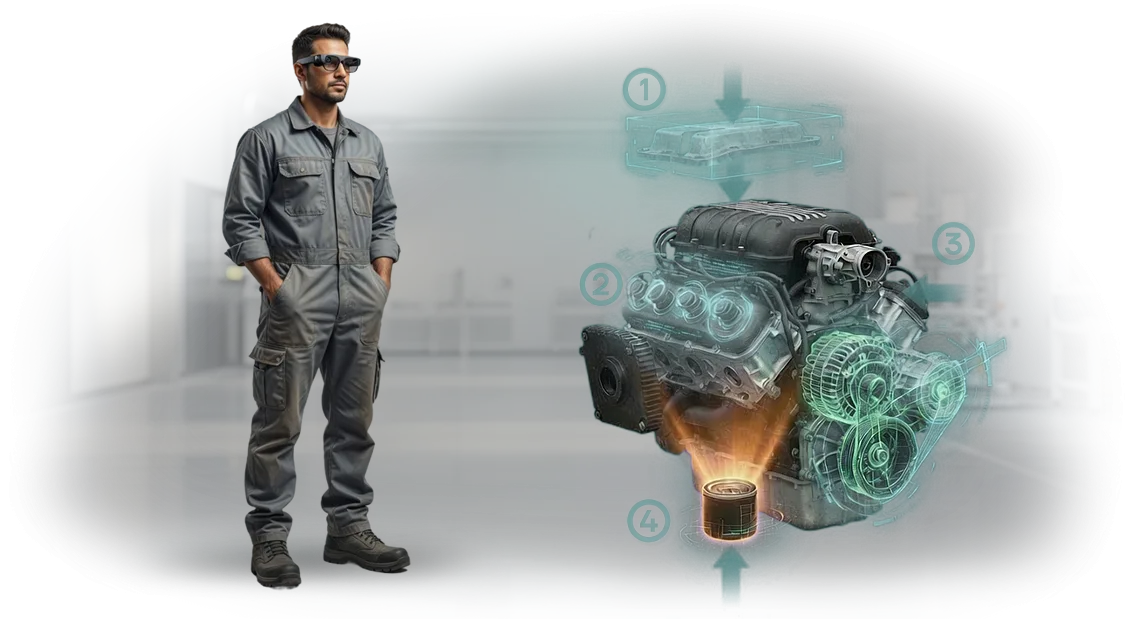
הוראות AR פותרות בעיה זו בדרך שונה מהותית: הנחיות שלב-אחר-שלב מוקרנות ישירות על הציוד האמיתי בשדה הראייה של המומחה.
הטכנאי בשטח רואה היכן נמצא הרכיב הנדרש, באיזה סדר לבצע את הפעולות, ואילו פרמטרים נחשבים תקינים — ללא מדריכים מגושמים, ניחושים או שיחות נוספות למשרד.
זה חשוב במיוחד באנרגיית הרוח, שבה הריחוק של המתקנים הופך ייעוץ מומחה ליקר ואיטי.
בנוסף, מערכת סיוע מרחוק מבוססת AR מחברת מהנדס מנוסה לאתר בזמן אמת. הם רואים בדיוק מה שהמומחה בשטח רואה ויכולים להצביע על הבעיה ישירות על התמונה — עם חיצים, הערות או הנחיות קוליות.
כך, מומחה אחד יכול לתמוך במספר אתרים מרוחקים בו-זמנית, והצוות מקבל סיוע ללא המתנה להגעת עמית בכיר.
יישום הוראות AR הופך את תחזוקת אנרגיית הרוח לצפויה: זמן האבחון מצטמצם, מספר השגיאות יורד, ועובדים חדשים מגיעים לעבודה עצמאית מהר יותר.
אלה בדיוק המשימות שאנו מטפלים בהן בפרויקטים התעשייתיים שלנו — אנו מתכננים ומיישמים הוראות AR המותאמות לסוגי ציוד ספציפיים, תוך התחשבות במאפייני האתרים והרגולציות שלכם.
מה מקבלים מהוראות AR באתר תעשייתי
אנרגיית הרוח אינה סולחת על טעויות: אבחון לא מדויק של להב או גונדולה מוביל לזמן השבתה של הטורבינה ולתיקונים לא מתוכננים. בינתיים, מומחים חדשים לוקחים חודשים לשלוט בציוד מורכב, ומנטורים מנוסים נדרשים במספר אתרים בו-זמנית.
תקנות נייר לא עוזרות — קוראים אותן ושוכחים מיד, במיוחד ברוח ובגובה.
הוראות AR פותרות זאת: הנחיות שלב-אחר-שלב מוקרנות ישירות על האובייקט. העובד רואה את הרכיב הנדרש, את רצף הפעולות הנכון ונקודות בקרה מבלי להסיח את הדעת על ידי דיאגרמות או חיפוש בתיעוד. אנו הופכים את המומחיות של המומחים הטובים ביותר שלכם להנחיות דיגיטליות שעובדות בכל אתר.
התוצאה העסקית היא קליטה מהירה: עולה חדש מתחיל לבצע פעולות סטנדרטיות פי שניים עד שלושה מהר יותר מאשר עם הכשרה מסורתית. הסיכון לשגיאות מופחת: המערכת מונעת פספוס של שלב חשוב ומתעדת פעולות שהושלמו. זה חוסך זמן עבודה של צוותי השירות ומפחית את אחוז הביקורים החוזרים.
הגישה כבר הוכחה כאמינה באתרים העובדים עם ציוד בתקני Vestas ושל יצרנים מובילים אחרים.
אנו בונים הוראות על פלטפורמה מקצועית התואמת לקסדות תעשייתיות וטאבלטים — זהו ביצועים יציבים בתנאי שטח, לא אב-טיפוס מעבדתי.
בסופו של דבר, אתם מקבלים כלי המשמר את המומחיות של החברה שלכם, מאיץ את השירות ומחזק את נאמנות העובדים. צרו קשר — נריץ פרויקט ניסיון על הציוד שלכם ונמדוד את ההשפעה על פעולה ספציפית.
פורמטים של הוראות AR למשימות הייצור שלכם
כל סוג של הוראת AR פותר משימה משלו, ולכן איננו כופים פורמט יחיד אלא בוחרים אחד לכל תחום ייצור. זה חשוב במיוחד באנרגיית הרוח: הציוד ייחודי, וזמן ההשבתה של טורבינה אחת משפיע על התפוקה של כל הצי.
הבחירה תלויה ברמת המיומנות של הצוות ובדחיפות המשימות — תחזוקה שוטפת, פתרון תקלות או הפעלה. כל תרחיש מכוסה על ידי הפורמט שלו: אתם מקבלים לא "תמונה יפה" אלא כלי שמפחית את זמן העבודה ואת שיעורי השגיאות.
שלושה פורמטים שצוותי שירות בוחרים
| פורמט AR | למי זה מיועד | מה זה מספק ללקוח |
|---|---|---|
| הוראות שלב-אחר-שלב | צוותי תיקון ושירות | רצף הפעולות מודגש על הציוד: הצוותים לא מבזבזים זמן בחיפוש תיעוד ולא מפספסים שלבים קריטיים בעת החלפת רכיבים |
| מודלים תלת-ממדיים מונפשים | מרכזי הדרכה, מחלקות פיתוח כוח אדם | המומחה רואה את המבנה הפנימי של גיר הלהבים בתנועה, מבין את המכניקה לפני היציאה לשטח, ומגיע לקצב עבודה מהר יותר |
| תמיכה מרחוק | מהנדסים ניידים, קבלני תחזוקה | מומחה מעיר על התמונה החיה מהאתר בזמן אמת: פעולות מורכבות מתבצעות ללא נסיעת המומחה הבכיר, וזמן ההשבתה מצטמצם |
קל לשלב בין הפורמטים: ניתן להשלים הדרכה על מודלים מונפשים עם תמיכה מרחוק במהלך המשימות העצמאיות הראשונות, כך שעולה חדש אף פעם לא נשאר לבד עם רכיב מורכב.
אנו מנתחים את הרגולציות שלכם ומרכיבים שילוב שמספק תוצאות כבר מעונת הפעילות הראשונה.
כיצד אנו מפתחים הוראות AR: 6 שלבים
אנו עובדים בשקיפות: אתם תמיד יודעים באיזה שלב נמצא הפרויקט ומה הצעד הבא. גישה זו חשובה במיוחד באנרגיית הרוח, שבה הוראות AR חייבות להתחשב במאפייני הציוד, תנאי העבודה של הצוות ודרישות הבטיחות.
התהליך מתוכנן כך שאתם שולטים בכל שלב ויכולים לבצע שינויים מבלי לפספס מועדים.
-
בריף וסקירת משימה — אנו לומדים את הציוד שלכם, התיעוד הקיים ותרחישי העבודה האמיתיים. אנו מגדירים אילו פעולות צריכות להיות מכוסות על ידי הוראות AR ואיזו תוצאה אתם מצפים.
-
תוכנית ותרחישים — אנו קובעים שלבי יישום, לוחות זמנים ותחומי אחריות. אנו מכינים תרחישים לאופן שבו מומחה יתקשר עם ההוראה — מההפעלה ועד השלמת המשימה.
-
פיתוח תוכן — אנו יוצרים הוראות AR: הנחיות שלב-אחר-שלב, סמנים חזותיים, אזהרות סיכון. התוכן מותאם לתנאים אמיתיים: תאורה, רעש, ציוד מגן.
-
אישור ופיילוט — אתם מקבלים אב-טיפוס עובד ובודקים אותו על פעולות אמיתיות. אנו אוספים משוב מהמהנדסים והטכנולוגים ומבצעים התאמות לפני ההשקה הסופית.
-
יישום והדרכה — אנו פורסים את המערכת על המכשירים שלכם, מגדירים גישה ומכשירים את הצוות. העובדים מתחילים להשתמש בהוראות מבלי לעצור את הייצור.
-
תמיכה ופיתוח — אנו נשארים בקשר לאחר ההשקה: מעדכנים הוראות לרגולציות חדשות, מוסיפים פעולות ומסייעים בהרחבת הפתרון לאתרים ומתקנים אחרים.
מה כולל מסירת פתרון AR לארגון שלכם
אתם מקבלים לא רק אפליקציה אלא פתרון מוכן לשימוש — מתוכן ועד הכשרת צוות. אנו מרכיבים חבילה למשימות הארגון שלכם כך שתוכלו להשיק הוראות AR תוך מספר שבועות במקום להבין את נבכי הטכנולוגיה בעצמכם.
המסירה כוללת:
- תוכן AR מותאם — כל ההוראות, הדיאגרמות והרגולציות מעובדות למודלים תלת-ממדיים אינטראקטיביים ואנימציות המקושרות לרכיבים ספציפיים של הציוד שלכם. העובדים רואים הנחיות ישירות על החלקים במקום לחפש מסמכי נייר.
- יישום למכשירים — עובד על סמארטפונים וטאבלטים מוכרים, כמו גם על משקפי AR שכבר נמצאים בשימוש בתעשייה. אין צורך בהחלפת צי או בהגדרה מורכבת.
- מערכת סיוע מרחוק — המומחה שלכם מתחבר למומחה בשטח ורואה מה הם רואים. המומחה מצייר חיצים ומשאיר הערות ישירות במסגרת, ועוזר להשלים תיקונים או כיוונונים ללא נסיעה לאתר.
- הכשרת צוות — אנו מקיימים מפגשי הדרכה למפעילים, מהנדסים ומומחים טכניים כדי שישתמשו בביטחון בפתרון ויוכלו להכשיר עולים חדשים. אנרגיית הרוח דורשת הכנה מהירה של כוח אדם — עם AR זה לוקח ימים, לא חודשים.
- תיעוד ורגולציות — אנו מוסרים מדריכים ברורים להתקנה, שימוש ועדכוני מערכת, יחד עם תבניות לצוות שלכם ליצירת הוראות חדשות.
- תמיכה טכנית ותחזוקה — אנו נשארים בקשר לאורך כל תקופת שיתוף הפעולה: מעדכנים תוכן, מספקים ייעוץ ומסייעים בהתאמת הפתרון לשינויים בציוד או בתהליכים.
- ניסיון ביישום — אנו חולקים תובנות מפרויקטים תעשייתיים ואנרגיית רוח כדי שתוכלו להימנע ממלכודות טיפוסיות ולהשיג תוצאות מהר יותר.
כל זה ארוז בתוכנית השקה ברורה עם לוחות זמנים ואחריות מוגדרים. אתם מקבלים נקודת כניסה אחת: אנו אחראים לביצועי הפתרון, בעוד הצוות שלכם מתמקד במשימות הייצור.
מקרה בוחן: יישום הוראות AR לאנרגיית רוח
עבור מפעילי חוות רוח, זמן השבתה הוא האויב העיקרי של ההכנסות. בזמן שהציוד עומד בטל, חשמל לא נמכר, והזמנת שירות חיצוני משמעותה ימי המתנה.
המורכבות גדלה בשל העובדה שטורבינות הרוח פזורות על פני שטח גדול, ומומחה אחד פיזית לא יכול להגיע לכל האתרים.
בנינו מערכת הוראות AR ותמיכה מרחוק ללקוח באנרגיית הרוח — נקרא להם VetroEnergo. המהנדסים רואים הנחיות שלב-אחר-שלב על מסכי הטאבלט שלהם ישירות על הציוד.
הליך מורכב מוחלף בתרחיש חזותי, ומומחה במשרד מתחבר ברגע הנכון, רואה בדיוק מה שהעובד בשטח רואה.
הנה תוצאות המקרה לאחר שלושה חודשי פעילות:
- זמן התגובה לתקלות ירד ב-40%;
- שיעור תיקונים מוצלחים בניסיון ראשון — 94% לעומת 72% קודם;
- הכשרת עובד חדש — 4 ימים במקום 3 שבועות.
המהנדס הראשי של הלקוח ציין: "נהגנו לחכות ימים להגעת היצרן; עכשיו המכונאי שלנו מטפל בזה במשמרת אחת.
המומחה מתחבר רק לשלב המורכב." לאחר הפיילוט, הלקוח הרחיב את הוראות AR לכל חוות הרוח ושילב אותן בתוכנית ההכשרה הסטנדרטית של הצוות.
מקרה זה מראה כיצד אנרגיית הרוח עוברת מתקנות נייר לכלי שמפחית עלויות והופך את השירות לבלתי תלוי בקבלנים חיצוניים. אנו מתאימים תרחישים כאלה לציוד שלכם, מוסרים את המתודולוגיה לצוות שלכם ומספקים תמיכה במהלך ההשקה.
מה אם יש לי דרישות ציוד ספציפיות?
דרישות ציוד ספציפיות אינן מחסום אלא מצב עבודה טיפוסי. כבר בנינו הוראות AR למתקני אנרגיית רוח לא סטנדרטיים שבהם לכל רכיב יש מאפייני יצרן ותפעול אמיתיים.
אלה בדיוק הפרויקטים שמספקים ערך מקסימלי: ההנחיות תואמות את התכנון בפועל, לא תבנית ממוצעת.
הגישה האישית מתחילה באבחון: המהנדסים שלנו בודקים תיעוד, תקנות תחזוקה ותרחישי עבודה אמיתיים של המומחים שלכם.
לאחר מכן אנו מקיימים סדרת פגישות עם טכנולוגים, מכונאים ומפעילים כדי להתחשב בכל הניואנסים — משלבי בטיחות קריטיים ועד כלים ספציפיים. כתוצאה מכך, הוראת ה-AR מדריכה את העובד דרך הרכיבים שלכם, עם הסובלנות והדרישות שלכם.
ציוד לא סטנדרטי פירושו לעתים קרובות שהוראות היצרן מקוטעות, מיושנות או מתארות רק פעולות בסיסיות. אנו מאחדים אותן לתרחיש חזותי אחד שקל לעדכן. התצורה השתנתה — המודל הדיגיטלי מתעדכן, לא המדריך המודפס. אתם מקבלים מסמך שחי לצד הציוד.
עבור אנרגיית הרוח, זה אומר גם בטיחות ומהירות. בגובה, בחללים סגורים, עובד לא צריך לדפדף בנייר או לחפש את הסעיף הנכון בטאבלט: הנחיות חזותיות מופיעות ישירות בשדה הראייה. זה מפחית שגיאות תיקון ותחזוקה, ופעולות לוקחות פחות זמן.
תארו את המאפיינים של הציוד שלכם — נכין קונספט יישום ונראה כיצד זה יעבוד בתנאים שלכם. זהו ניתוח מקדים ללא עלות וללא התחייבות, פשוט הצעד הראשון לפתרון עובד.
שאלות נפוצות על יישום הוראות AR
יישום הוראות AR באתר תעשייתי הוא צעד משמעותי, במיוחד כשמדובר בציוד מורכב ותקנות בטיחות מחמירות.
אספנו תשובות לשאלות נפוצות ממנהלים — כדי שתוכלו להעריך לוחות זמנים, סיכונים ותוצאות לפני תחילת הפרויקט.
כמה זמן לוקח ליישם הוראות AR?
פרויקט טיפוסי לוקח שבועיים עד ארבעה — תלוי במספר רכיבי הציוד ובמורכבות התרחיש. עבור אנרגיית הרוח, אנו עובדים לעתים קרובות במצב תמיכה מרחוק, מה שמאיץ את האישורים.
אנו קובעים לוחות זמנים בחוזה ומדווחים בכל שלב, כך שאתם תמיד יודעים היכן עומד הפרויקט. במידת הצורך, אנו משיקים את ההוראות הראשונות כפיילוט באתר אחד — זה מדגים תוצאות במהירות לצוות ולהנהלה.
האם הוראת ה-AR תהיה תואמת לציוד שלנו?
כן, אנו מתאימים את עצמנו לצי הציוד שלכם: טאבלטים, סמארטפונים או קסדות תעשייתיות — אין צורך בהחלפת תשתית קיימת. ההוראה מוקרנת על האובייקט האמיתי דרך מצלמת המכשיר, כך שהיא עובדת עם דגמים ישנים וחדשים כאחד.
בשיחת ייעוץ מקדימה, אנו מאשרים איזה ציוד נמצא בשימוש ומוודאים תאימות לפני תחילת העבודה. אם לרכיבים מסוימים יש גישה מוגבלת, אנו מתכננים את התרחיש כך שהעובד יראה את ההנחיות ללא תנועה מיותרת.
כמה זה בטוח לעובדים ולציוד?
הוראת AR אינה מפריעה לפעולת המכונה — היא הנחיה פסיבית המוצגת מעל האובייקט האמיתי. העובד רואה את רצף הפעולות אך מבצע את כל הפעולות הפיזיות בעצמו, בהתאם לרגולציות.
הבטיחות למעשה משתפרת: פחות שגיאות אנוש, במיוחד בעת שירות גנרטורים ולהבים. ההוראה יכולה לכלול בדיקות חובה ואזהרות אזורי סיכון, מה שמפחית את הסבירות למצבי חירום.
אילו ערבויות אתם מספקים על תוצאות?
אנו מבטיחים שהוראת ה-AR תעבוד על הציוד שלכם ותתאים לתרחיש המוסכם. אם הבדיקות חושפות אי-התאמות, אנו מתקנים אותן ללא עלות במהלך תקופת האחריות.
בנוסף, אנו מספקים תמיכה טכנית לתקופת התפעול: אנו מסייעים בעדכון הוראות כאשר הרגולציות משתנות או הציוד מוחלף. אתם אף פעם לא נשארים לבד עם המוצר.
כמה זה עולה ומתי זה מחזיר את ההשקעה?
העלות תלויה במספר התרחישים, רכיבי הציוד ומורכבות האינטגרציה. אנו מכינים הערכה שקופה לפני תחילת הפרויקט — ללא עמלות נסתרות או אפשרויות כפויות.
הפרויקט בדרך כלל מחזיר את ההשקעה באמצעות הפחתת זמן השבתה ופחות שגיאות צוות. זה חשוב במיוחד באנרגיית הרוח: כל דקה של השבתת טורבינה היא הפסד ישיר. הלקוחות שלנו רואים חיסכון כבר בחודש הראשון לשימוש בהוראות.
אם עדיין יש לכם שאלה שלא ענינו עליה, שלחו אותה דרך הטופס למטה. ניצור קשר ונבחן את המקרה שלכם באופן אישי.האם נדון במשימת הוראות ה-AR שלכם?
באנרגיית הרוח, זמן השבתת ציוד משמעותו הפסדים ישירים: אובדן ייצור חשמל, החמצת לוחות זמנים לתחזוקה ושיגור צוותים נוספים. במקביל, מכונאים חדשים מתאמנים חודשים, וצוות מרוחק בשטח חסר לעתים קרובות מנטור מנוסה.
הוראות AR מסירות את המחסומים האלה: העובד רואה על טאבלט או משקפיים מה לעשות ואיך, ישירות על רכיב הציוד.
כדי להתקדם במהירות, התחילו בפנייה. נכין הערכת עלות ונענה על שאלות ללא צלילה עמוקה לפרטים טכניים. מיד לאחר פנייתכם, תקבלו:
- ניתוח המשימה שלכם: האם פורמט ה-AR מתאים לציוד ולתרחישי התחזוקה.
- הערכת עלות ולוחות זמנים לצי הציוד שלכם, מספר הצוות ולוח התפעול.
- ייעוץ עם מהנדס ואנליסט עסקי: נסביר בדיוק כיצד ההוראה תשמש.
- דוגמאות עבודה לרכיבים ומנגנונים דומים — ראו את התוצאה לפני התחלה.
- תוכנית יישום פיילוט: אתר, מדדי יעילות, שלבים ואחראים.
גישה זו כבר הוכחה בפועל. "ציפינו לחודשיים, אבל היישום לקח שלושה שבועות. מכונאים מוצאים תקלות מהר יותר, ועולים חדשים מגיעים לקצב הנדרש ללא מנטור" — ראש שירות בחוות רוח ב-North Wind LLC.
השאירו פנייה — נחזור תוך יום עסקים אחד עם הערכה וצעדים ספציפיים הבאים. היישום מתחיל מיד לאחר אישורכם.