

תיקוני רכבת נמשכים זמן רב: איך פותרים את זה?
כשציוד נייד של רכבת נכנס לתיקון, כל שעת השבתה גורמת לשיבושים בלוח הזמנים, קנסות ואובדן הכנסות. תיקון ציוד רכבת הוא עבודה מורכבת הכוללת רכיבים רבים, שבה טעות אחת של מומחה יכולה להאריך את ההשבתה לימים.
במקביל, יש מחסור במהנדסים מוסמכים, התיעוד מפוזר, והוראות נייר מתיישנות מהר יותר ממה שמספיקים לעדכן אותן.
כל מנהל מכיר את התוצאה: הצוות מחפש את התרשים הנכון, בודק סובלנויות, וממתין לעצה מעמית מנוסה יותר. בינתיים, הרכבת עומדת בטלה, מוסך התיקונים מפספס את התוכנית, והלקוח דורש פיצוי על העיכוב.
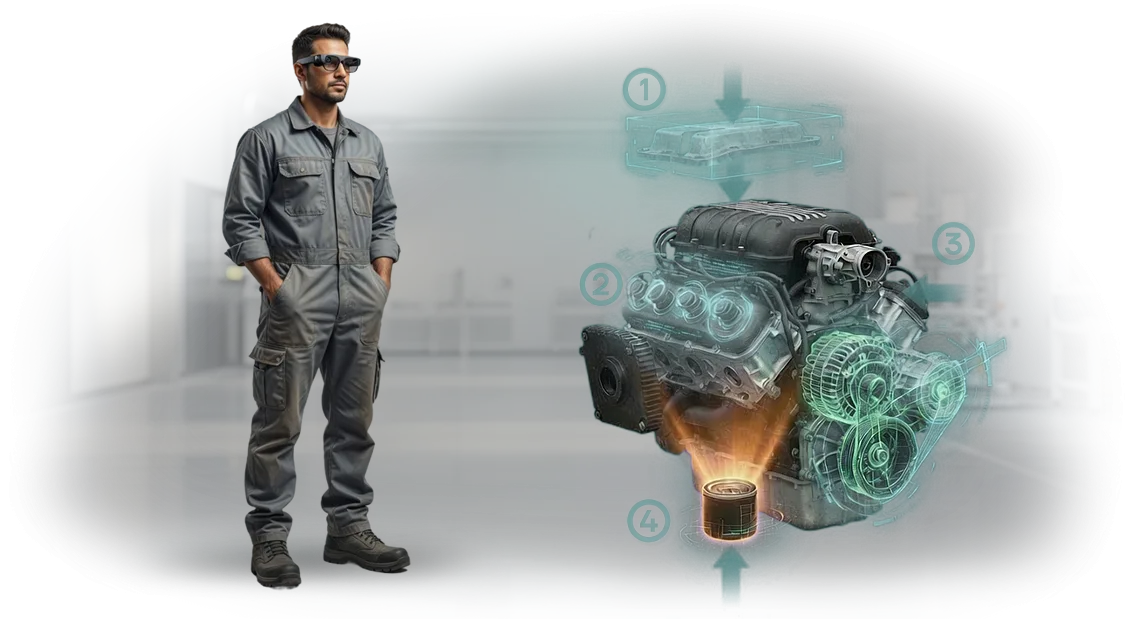
הוראות AR פותרות את הבעיה הזו: הן מציגות הדרכה שלב-אחר-שלב ישירות על הציוד, מציעות את רצף הפעולות, ומתריעות על טעויות לפני שהן קורות.
העובד רואה בדיוק מה לעשות ואיך לעשות זאת, ללא חיפושים ממושכים במדריכים וללא הסחת דעת של מנטור.
יישמנו הוראות AR לתיקוני רכבת ותיקוני ציוד תעשייתי במשך שנים. הגישה שלנו מקצרת את זמן התיקון, מורידה את שיעור הטעויות, ומפחיתה את התלות בניסיון האישי של מומחים בודדים.
זה בדיוק מה שמאפשר להחזיר ציוד נייד לשירות מהר יותר ובעלות נמוכה יותר — אנחנו פותרים את המשימה של צמצום ההשבתה, לא רק מציגים טכנולוגיה.
אילו יתרונות מקבלים ספקי שירות ולקוחות מהוראות AR
הוראות AR לרכבת הן דרך להפוך את התחזוקה של ציוד מורכב לתהליך צפוי ומהיר. השירות מקבל פחות השבתות ועלויות נמוכות יותר; הלקוח מקבל תיקונים באיכות גבוהה וביטחון בבטיחות.
תיקונים ותחזוקה מהירים יותר
מומחה רואה הנחיות שלב-אחר-שלב ישירות על הציוד במקום לדפדף במדריכי נייר ולשאול עמיתים. כל פעולה אורכת עשרות אחוזים פחות זמן, והציוד חוזר לשירות מוקדם יותר.
עבור רכבת, זה חשוב במיוחד: כל דקה של השבתת רכבת משמעותה הפסדים למפעיל.
דיוק בפעולות ללא טעויות
הוראות AR מציגות לא רק את רצף הפעולות אלא גם את המיקום המדויק של חלקים. המפעיל עוקב אחר אלגוריתם מוכח ולא מסתמך על זיכרון, כך שמבטלים עבודה חוזרת ונזק לרכיבים יקרים. עבור הלקוח, זו ערובה לכך שהעבודה מתבצעת נכון בפעם הראשונה.
הכשרת צוות מהירה
עובדים חדשים מתחילים לעבוד באופן עצמאי פי כמה מהר יותר כי המערכת מנחה אותם צעד אחר צעד בכל פעולה. הידע כבר לא תלוי במומחה ספציפי ונשמר דיגיטלית.
השירות יכול להרחיב צוותים ללא אובדן איכות, והלקוח מקבל רמת שירות גבוהה ועקבית.
שביעות רצון מוגברת של לקוחות
כשתיקונים נעשים במהירות וללא טעויות, הלקוח רואה תהליך שקוף ונותן אמון בשירות. זה מוביל לעסקים חוזרים וחוזים ארוכי טווח. עבור השירות, נאמנות כזו משמעותה עומס עבודה יציב לצוות ועלויות נמוכות יותר לרכישת לקוחות חדשים.
פורמטים של הוראות AR למשימות ארגוניות
כל משימת ייצור — מתחזוקה שוטפת ועד תיקוני חירום בשטח — דורשת פורמט הוראות AR משלה. חלק מהעובדים לומדים מהר יותר עם תרחישים שלב-אחר-שלב בטאבלט; אחרים מעריכים קשר חי עם מומחה.
לכן אנחנו בוחרים את הפורמט בהתאם לפעולה הספציפית, לרמת המיומנות של הצוות ולתנאי העבודה באתר.
בפועל, אנחנו משתמשים במספר סוגים של הוראות AR שניתן לשלב. לכולן דבר אחד משותף: העובד רואה הנחיות ישירות על הציוד ואינו מוסח על ידי תקנות נייר או ממשקים מורכבים.
זה מפחית טעויות ומקצר את זמן ההשבתה של הציוד — קריטי לתשתית רכבת, שבה כל שעת השבתה משפיעה על לוח הזמנים של התנועה.
| פורמט | למי מיועד | מה זה נותן ללקוח |
|---|---|---|
| הוראות AR שלב-אחר-שלב | צוותי תיקון, מפעילים | תקן עבודה אחיד, מינימום טעויות ועבודה חוזרת |
| AR עם תמיכת מומחה מרחוק | צוות שטח בקו | פתרון מהיר של מצבים חריגים ללא שליחת מומחה לאתר |
| תרחישי הדרכה ב-AR | עובדים חדשים, סטודנטים במכללות מקצועיות | קליטה מואצת, תרגול מיומנויות ללא עצירת ציוד |
| רשימות בקרה ב-AR | מפקחי משמרות, מהנדסי איכות | עמידה שקופה בתקנות, תיעוד ביצוע ואיכות העבודה |
| מפות אבחון אינטראקטיביות | שירותי אבחון וניטור | הצגה ברורה של מצב הרכיבים, בדיקות סובלנות מהירות |
בחרו פורמט בסיסי או בנו שילוב המותאם למשימות הארגון שלכם. בשלב התחקיר, נזהה אילו פעולות גורמות לקשיים הרבים ביותר ונציע תצורה אופטימלית. ניתן להתאים את כל הפורמטים לתהליכים, לתקנות הפנימיות ולדרישות הבטיחות שלכם.
שלבי פיתוח הוראת AR לרכבת
פיתוח הוראת AR לרכבת הוא תהליך שאנחנו מנהלים מהתחקיר הראשוני ועד ההשקה והתמיכה השוטפת. כל שלב שקוף: אתם יודעים מה תקבלו ומתי.
- תחקיר וסקר — אנו לומדים את הציוד, התקנות ותרחישי העבודה האופייניים שלכם. אנו מתעדים את המשימות שהוראת ה-AR צריכה לפתור ואת קריטריוני האפקטיביות שלה עבור הצוות.
- תוכנית ואישור — אנו מציעים את המבנה של ההוראה העתידית, השלבים, לוחות הזמנים ונקודות הבקרה. אתם מאשרים את התוכנית לפני תחילת העבודה — ללא שינויים בלתי צפויים בדרך.
- אב טיפוס על רכיב אמיתי — אנו מראים איך נראה תרחיש ה-AR על הציוד שלכם באמצעות פעולה מרכזית כדוגמה. בשלב זה קל לבצע שינויים ללא עיבוד מחדש של כל הפיתוח.
- פיתוח תוכן — אנו יוצרים מודלים תלת-ממדיים, אנימציות, הנחיות טקסט ולוגיקת אינטראקציה. אנו משתמשים בכלים מקצועיים כדי שההוראה תהיה מדויקת ומובנת לעובדים עם רמות ניסיון שונות.
- בדיקות בשטח — אנו בודקים את התרחיש יחד עם המהנדסים ומומחי הבטיחות התעסוקתית שלכם. אנו מבטלים טעויות ואי-דיוקים לפני שההוראה מגיעה למשתמשים.
- השקה, הדרכה ותמיכה — אנו פורסים את הפתרון על מכשירים, מאמנים את הצוות ומוסרים תיעוד. אנו תומכים בפרויקט לאחר ההשקה ומעדכנים הוראות AR כאשר התקנות או הציוד משתנים.
רצף זה עוזר לספק פתרון שבאמת נמצא בשימוש בפועל, לא רק "פיילוט". אתם תמיד יודעים באיזה שלב נמצא הפרויקט ומה הצעד הבא.
מה כלול במסירת הוראת AR
אתם מקבלים לא רק קבצים מפוזרים, אלא פתרון שלם עבור צוות התיקון והטכנולוגים שלכם. אנו מוסרים פרויקט סוהר: מיצירת תרחישי AR ועד הכשרת עובדים וחבילת תיעוד מלאה, כך שתוכלו להשתמש במערכת מהיום הראשון.
מה כלול בחבילת המסירה:
- תוכן AR מוכן עבור הציוד שלכם — הוראות שלב-אחר-שלב לתיקון, תחזוקה ואבחון של רכיבי רכבת. העובד רואה הנחיות ישירות על המסך: היכן נמצא החלק, באיזה כלי להשתמש ואילו פעולות לבצע.
- אינטגרציה עם זרימות העבודה שלכם — הפתרון פועל על טאבלטים וסמארטפונים שהמומחים שלכם כבר משתמשים בהם. אין צורך לרכוש חומרה חדשה או לשנות נהלים קיימים.
- הכשרת עובדים ומדריכים — אנו מקיימים סדנה לצוותי תיקון וטכנולוגים על שימוש ב-AR בעבודה היומיומית, איתור מהיר של הרכיב הנכון ותיעוד פעולות שבוצעו.
- תיעוד טכני ותקנות — תיאור מערכת מלא, מדריכי מנהל ומשתמש, וכרטיסי עזר למצבים נפוצים. מתאים לבקרת תאימות פנימית.
- עדכוני תוכן לאחר שינויים — כאשר הציוד עובר שדרוג או התקנות משתנות, אנו מעדכנים את הוראות ה-AR בתוך לוחות זמנים מוסכמים כך שהעובדים תמיד עובדים עם נתונים עדכניים.
- תמיכה ואחריות לפתרון — במהלך תקופת האחריות, אנו עונים על שאלות, עוזרים בתצורה ומתקנים תקלות במהירות כדי שהמערכת לא תישאר בטלה.
- הכשרת מנהלים — מפגש הדרכה נפרד למומחה שלכם לניהול עצמאי של גישה, הגדרת תפקידים ומעקב אחר סטטיסטיקות שימוש בהוראות AR.
חבילה זו מכסה את כל מחזור ההטמעה: אתם מקבלים את הכלי, אנשים מיומנים ותיעוד — ללא צורך להשלים פערים בעצמכם.
מקרה בוחן: איך צמצמנו השבתות במוסך עם AR
המצב במוסך מוכר לכל מי שמנהל תיקונים: קטר יושב בסדנה זמן רב מהמתוכנן, והצוות מבלה שעות בחיפוש אחר החלק הנכון או בלימוד תרשימי נייר.
שעת השבתה משמעותה שיבוש בלוח הזמנים של התנועה, אובדן הכנסות ועצבים מרוטים לשירות השיגור.
נתקלנו בזה בפרויקט אמיתי עבור מפעיל רכבת. המשימה הייתה פשוטה להגדרה וקשה לביצוע: לצמצם את זמן פעולות התיקון מבלי לשנות את התהליך המוכר או להכשיר צוותים במשך שבועות. כך נראה מקרה הבוחן שלנו ולאן הגענו.
גישה: להשלים, לא להחליף
לא יישמנו מערכת מורכבת שתדרוש ארגון מחדש של כל הסדנה. במקום זאת, לקחנו את ההוראות הסטנדרטיות והפכנו אותן לפורמט שעובד ישירות באתר העבודה.
טכנאי התיקון רואה הנחיה תלת-ממדית שלב-אחר-שלב עם הרכיב המטרה מודגש — אין צורך לחפש בניירות או לשנן דבר.
תוצאה: 30% פחות זמן תיקון
במהלך חודשיים של פרויקט הפיילוט, חידדנו את המתודולוגיה על פני 40 פעולות תיקון במוסך קטרים. הזמן הממוצע לעבודות מכניות ירד ב-30%.
בחישוב שנתי, זה אומר חיסכון של למעלה מאלף שעות השבתת ציוד — קיבולת שהמוסך הפנה מיד לתיקונים נוספים ולתחזוקה שוטפת.
מנהל הסדנה ציין גם בונוס בלתי צפוי: עובדים חדשים התחילו לתרום תוך כמה משמרות במקום כמה שבועות. הנחיות ה-AR ממלאות את תפקיד החונך, ומפחיתות את הסיכון לטעויות מחוסר ניסיון. לכן, לאחר הפיילוט, הלקוח ביקש מאיתנו להרחיב את הפתרון למוסכים שכנים.
שאלות נפוצות וחששות לפני הזמנת הוראת AR
הטמעת הוראות AR יכולה להיראות מסובכת עד שמבינים את הפרטים. לקוחות מודאגים לרוב שהטכנולוגיה לא תתאים לתהליכים הנוכחיים, תדרוש עלויות משמעותיות, או לא תהיה תואמת לציוד שכבר מותקן. להלן תשובות לשאלות הנפוצות ביותר שאנו שומעים במהלך דיוני פרויקטים.
עד כמה מורכבת האינטגרציה של הוראת AR לפעולות תיקון או תחזוקה קיימות?
ההטמעה אינה דורשת שינוי התקנות או הכשרה מחדש של הצוות. אנו מתאימים את ההוראה לתהליכים שלכם: עובד מרכיב טאבלט או מסתכל על מסך סמארטפון ורואה הנחיות המוצגות על הרכיב בפועל.
ההכשרה אורכת יום אחד, ואנו מטפלים בתמיכה במהלך פרויקט הפיילוט. אתם מקבלים כלי אינטואיטיבי שעובד לצד תיעוד קיים, לא במקומו.
האם AR יעבוד עם הציוד ותנאי העבודה שלנו?
אנו עובדים עם ציוד רכבת, מכונות תעשייתיות ומערכות שאיבה ודחיסה — כולל סדנאות עם רמות אבק גבוהות, רעידות ותנודות טמפרטורה. אנו בוחרים מכשירים עמידים ומתאימים את הממשק לדגם הספציפי.
אם הציוד כבר בשירות, קיימים השרטוטים והתקנות שלו — ותרחיש ה-AR נבנה על בסיס זה.
כמה זה עולה ומתי זה מחזיר את ההשקעה?
העלות תלויה במספר הרכיבים, במורכבות התרחיש ובפורמט המכשירים. אנו תמיד מחשבים את הפרויקט עבור המשימה הספציפית שלכם — למשל, צמצום זמן אבחון או הפחתת שגיאות הרכבה.
בהערכת העלות, אנו מראים כמה שעות עבודת צוות אתם חוסכים בחודש וכיצד הפרויקט מחזיר את עצמו. ברוב המקרים, הפחתת השבתות וליקויים מכסה את ההשקעה תוך כמה חודשים.
מה קורה להוראה אם הציוד או התהליכים משתנים?
הוראת AR אינה נייר סטטי אלא מערכת חיה. אנו בונים את היכולת לבצע עריכות ללא עיצוב מחדש מלא: עדכון טקסטים, החלפת סרטונים, הוספת שלב חדש. אתם מקבלים תיעוד עדכני שתמיד תואם למצב הנוכחי של הציוד. אנו מטפלים בתמיכה ובחידוד — לפי בקשה או לפי לוח זמנים.
כבר השלמנו פרויקטים עבור מוסכי שירות וסדנאות ייצור, כך שאנו יודעים להפוך הוראות סטנדרטיות לפורמט שבאמת נמצא בשימוש בעבודה. אם עדיין יש לכם ספקות, ספרו לנו על המשימה שלכם ואנו נציע פתרון עם תוכנית ברורה, לוח זמנים ועלות.הזמינו פיתוח הוראת AR וקבלו פתרון עובד
הצוות שלכם אחראי על זמינות הציוד הנייד ובטיחות הצוות. כל מקרה של השבתה שנגרמת מרצף פעולות שגוי משמעותו נסיעות מעוכבות והוצאות מיותרות.
הוראת ה-AR מציגה הנחיות שלב-אחר-שלב ישירות על ציוד הרכבת: העובד רואה מה לחבר ואיפה, גם ללא שנים של ניסיון.
פשוט השאירו פנייה: אנו נספק ייעוץ, נעריך את היקף העבודה ונציע לוחות זמנים. לאחר דיון בפרטים, תקבלו פרויקט עם תוצאה ברורה — מהדמו הראשון ועד ההטמעה המלאה.
מה אתם מקבלים בהזמנת הוראת AR מהצוות שלנו?
- הוראת AR המותאמת לדגם ציוד ספציפי או לפעולה סטנדרטית.
- עוזר מרחוק לצוות הרכבת — הנחיה מופיעה גם אם המנטור רחוק.
- הכשרת עובדים מבלי להוציא אותם מהעבודה, בתוספת אינטגרציה עם התקנות שלכם.
- ערובה לכך שזה עובד על הציוד שלכם ותמיכה לאחר ההשקה.
- יכולת הרחבה לרכיבים, קווים וסדנאות נוספים.
שלחו בקשת ייעוץ — אנו נראה כיצד הוראת ה-AR תעבוד בארגון שלכם ונשיק פרויקט פיילוט. מלאו את הטופס באתר, ואנו ניצור קשר תוך יום כדי לדון בפרטים.
איך לבחור את פורמט הוראת ה-AR הנכון למשימה של הארגון שלכם?
אין פורמט אוניברסלי להוראת AR — הוא נקבע על ידי שלושה קריטריונים: סוג הציוד, רמת המיומנות של הצוות והיקף המשימה.
עבור רכיבי רכבת מורכבים — כמו מערכת הבלימה של קטר או אלמנטי קו מגע עילי — נדרש תרחיש שלב-אחר-שלב עם הנחיות חזותיות ויכולת לקבל סיוע מומחה מרחוק.
עבור פעולות פשוטות, כמו החלפת חומרים מתכלים או בדיקות שגרתיות, מספיק כרטיס עזר קצר שמציג תרשים ישירות על האובייקט.
רמת המיומנות של הצוות משנה את עומק ההוראה.
צוותים מנוסים מגיבים טוב יותר לנקודות בדיקה קצרות: "בדקת את הרכיב — ראית את ההדגשה — רשמת את התוצאה." עובדים חדשים או צוות שעובד עם גרסת ציוד לא מוכרת זקוקים לתרחיש מפורט עם הסבר על כל שלב ומשוב.
טעות כאן היא יקרה, ולכן ההוראה חייבת לא רק להראות אלא גם לאשר שהפעולה בוצעה נכון.
היקף הארגון משפיע על גישת ההטמעה. עבור סדנה או מחלקה אחת, פתרון מקומי מספיק: עובדים משתמשים בהוראה בטאבלט והמפקח רואה סטטיסטיקות פעולה.
עבור רשת של מוסכים או ארגונים עם סניפים, תקן אחיד שנפרס באופן זהה בכל האתרים הוא יתרון גדול יותר.
במקרה זה, הוראת ה-AR הופכת לחלק מהתקנות: תרחיש שפותח פעם אחת נמצא בשימוש בכל המחלקות ללא אובדן איכות.
אנו עוזרים לכם לבחור את הפורמט למשימות הארגון שלכם: אנו מנתחים פעולות אופייניות, רמות מיומנות של צוות והיקף הטמעה. כתוצאה מכך, אתם מקבלים הוראה שמקצרת את זמן ההכשרה, מפחיתה את הסיכון לטעויות ומחזירה את ההשקעה במהירות דרך צמצום השבתות ציוד.