



ניווט במרכז לוגיסטי: למה לקוחות עוזבים בלי להזמין
מבקר מגיע למרכז לוגיסטי כדי למצוא במהירות את המחלקה הנכונה, לאסוף סחורה או להזמין. אבל שטחים עצומים, מדפים זהים ושילוט מבלבל גורמים להם להסתובב 15–20 דקות.
בזמן הזה, הרושם נהרס, וחלק מהאנשים אף פעם לא מגיעים למטרה שלהם — הם עוזבים בלי להזמין.
כל דקה אבודה היא הכנסה שאבדה. ללקוח לא אכפת איך המחסן מאורגן: הוא רוצה להגיע, לקבל את מה שהוא צריך, ולצאת.
אם הניווט שואב מהם אנרגיה וזמן, בפעם הבאה הם יבחרו במרכז לוגיסטי אחר — כזה שבו קיבלו אותם במהירות ובלי טרחה. הנוחות של המבקר מתורגמת ישירות להזמנות חוזרות.
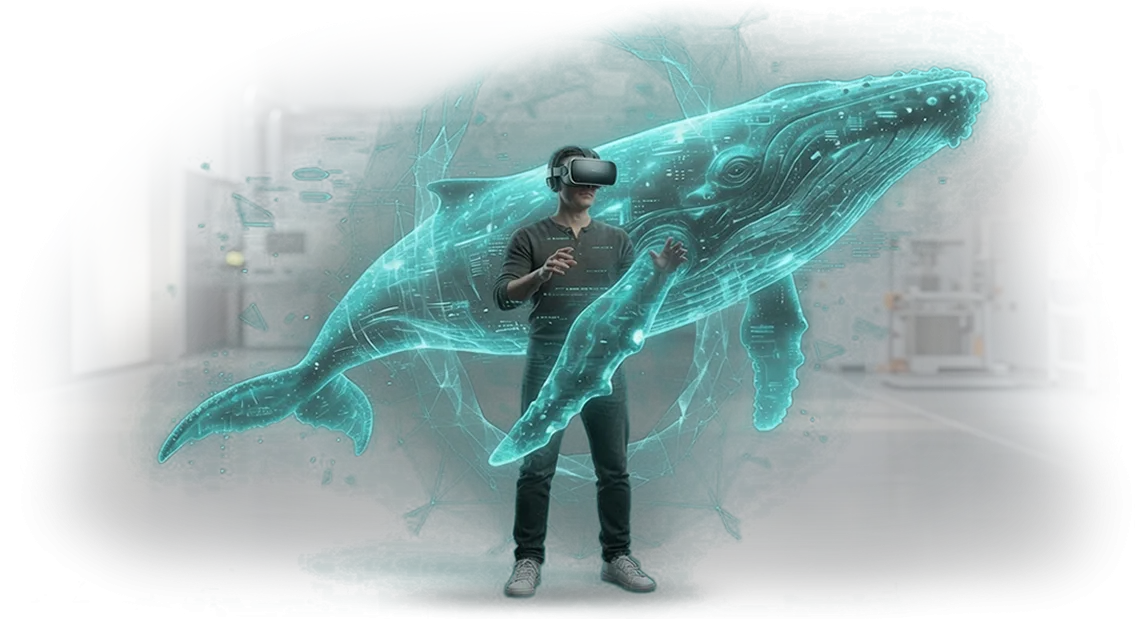
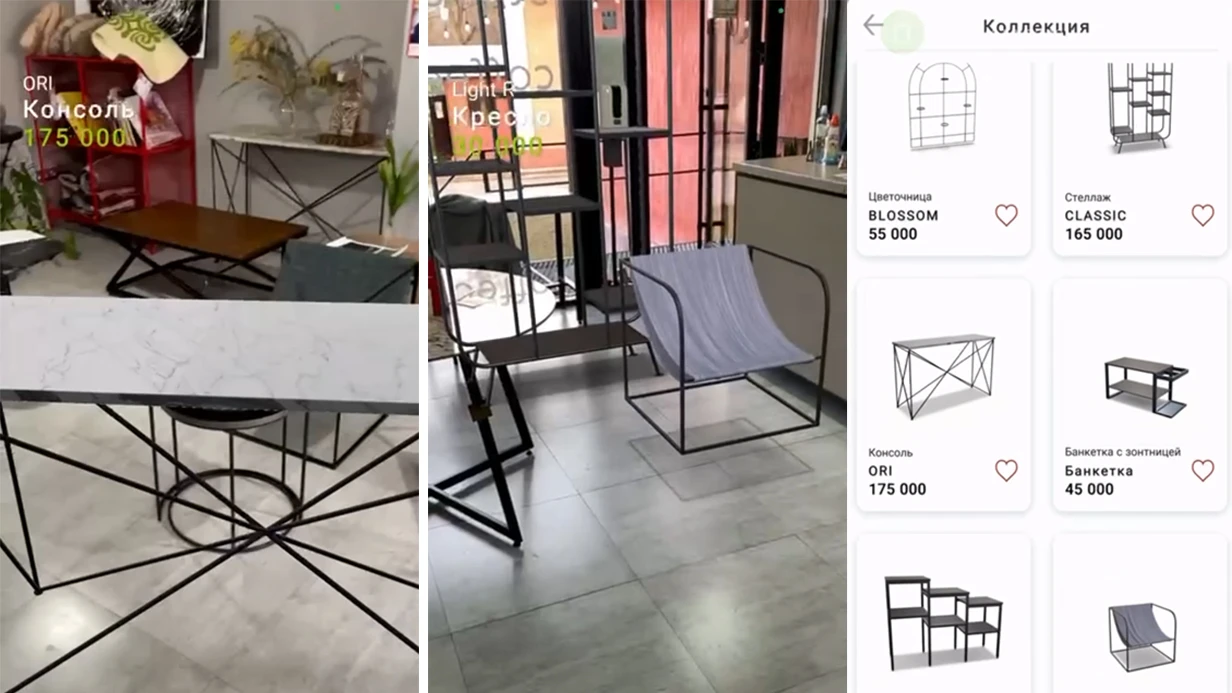
הפתרון הוא ניווט AR. מבקר מכוון את מצלמת הסמארטפון שלו למעבר בין מדפים, וחצים מופיעים על המסך ומובילים ישירות למחלקה הרצויה. אין צורך לפענח שלטים, למצוא צוות או לחזור לכניסת המחסן. כל מה שצריך זה כמה שניות כדי להתמצא.
עבור העסק, זה אומר פחות מבקרים שעוזבים בלי רכישה ונאמנות מוגברת. המרכז הלוגיסטי זוכה למוניטין של מקום שמעריך את הלקוחות שלו: איסוף מטען מהיר, מינימום שאלות, חוויה חיובית. זה גם שירות מודרני שמבדל אתכם מהמתחרים.
אנחנו מיישמים ניווט AR לא כהצהרה אופנתית, אלא ככלי שמחזיר הזמנות שאבדו. מבקרים מבלים פחות זמן בחיפוש, ואתם מקבלים יותר עסקאות שהושלמו. זו השקעה בנוחות שמשתלמת עם הביקורים החוזרים הראשונים.
מה מציאות רבודה מעניקה לעסק: 5 יתרונות מדידים
מציאות רבודה במרכז לוגיסטי היא לא על הטכנולוגיה — היא על מציאת מטען מהר יותר, פחות שגיאות והדרכת עובדים קלה יותר. היתרון המדיד הראשון הוא חיסכון בזמן.
עובדים חדשים מפסיקים להסתובב בחיפוש אחר האזור הנכון: רמזים ישירות בשדה הראייה שלהם מקצרים את זמן ההתמצאות וחיפוש המוצר בעשרות אחוזים. המסלול נבנה אוטומטית, כך שכל משמרת משלימה יותר הזמנות.
היתרון השני הוא נאמנות מוגברת מצד עובדים ושותפים. כשעבודת המחסן מפסיקה להרגיש כמו משימת "מצא את התא הנכון", אנשים מתעייפים פחות ומתפטרים בתדירות נמוכה יותר.
ולקוחות המרכז, מציאות רבודה הופכת לסימן של דאגה: הם רואים שאתם משקיעים בנוחות וחוזרים שוב.
היתרון השלישי הוא הכרת המותג. מרכז לוגיסטי עם ניווט AR נראה מודרני ומושך תשומת לב: אנשים מדברים עליו, מציגים אותו בתערוכות וברשתות החברתיות.
טכנולוגיה כזו פועלת כסימן איכות בלתי מוחשי — אנשים מגיעים אליכם לא רק לאחסון אלא גם לסטטוס.
רביעי — לידים חדשים. כלי דיגיטלי ייחודי הופך לחלק מההצעות המסחריות שלכם: הוא מעביר ללקוח שאתם צעד אחד לפני המתחרים. הדגמת ניווט AR במהלך משא ומתן מכריעה לעתים קרובות את תוצאות המכרז.
היתרון החמישי הוא איכות שירות הלקוחות. כשלקוח או שליח מגיעים למחסן, הם לא צריכים להתקשר ולשאול הוראות הגעה: הם רואים רמזים ברורים והולכים ישר לנקודה הנכונה. זה מפחית שגיאות, מקצר את זמן הקבלה והופך את האינטראקציה איתכם לנוחה.
ניתן למדוד את כל היתרונות הנ"ל: מהירות עיבוד משמרת, תחלופת עובדים, פניות חוזרות, אזכורים ברשתות חברתיות ומספר החוזים החדשים. אנו מתכננים ניווט AR סביב צרכי המרכז שלכם — מהבריף וניתוח תנועה ועד השקה ותמיכה שוטפת. אתם מקבלים לא רק אפליקציה אלא כלי עבודה לשיפור היעילות התפעולית והאטרקטיביות של המותג.
פורמטים של ניווט AR למרכז לוגיסטי: איך לבחור את ההתאמה הנכונה
במרכז לוגיסטי, ניווט פותר משימה מעשית: עובד מוצא במהירות סחורה, אזור שילוח או נקודת איסוף בלי לבזבז זמן על תרשימי נייר ושאלות.
פורמט היישום תלוי בהיקף המתקן ובמי ישתמש ברמזים — צוות מחסן, שליחים, נהגים או מבקרים.
פירקנו שלושה פורמטים סטנדרטיים של ניווט AR — מהשקה על סמארטפונים קיימים ועד מסופים נייחים באזור הטעינה. ההבדלים נעוצים במהירות היישום, בעלות ההרחבה ובעמידות בתנאי עבודה.
אפליקציה ניידת או מסוף נייח?
| פורמט | למי | מה זה נותן ללקוח |
|---|---|---|
| ניווט AR נייד | עובדים עם סמארטפונים אישיים או ארגוניים | השקה מהירה בלי רכישת ציוד נוסף, רמזים תמיד בהישג יד, עדכוני מסלול מרכזיים |
| מסוף AR נייח | אזורי טעינה, נקודות איסוף, שטחים פתוחים | פעילות 24/7 ללא תלות בסוללת הטלפון, רמזים גדולים וברורים, עמידות לאבק ואור חזק |
| אפשרות משולבת | תהליכים מעורבים: קבלה, שילוח, מלאי | ממשק אחד למשימות שונות, הרחבה הדרגתית ככל שהמחסן גדל, ניתוח תנועה אחיד |
לא משנה איזה פורמט תבחרו, הניווט משתלב בתהליכים קיימים ואינו דורש החלפת מערכת הנהלת החשבונות שלכם.
מספיק אינטגרציה עם מסד הנתונים של אזורי האחסון וכתובות המדפים — ואז העובד פשוט רואה חץ ושם אזור מולו.
אנחנו עוזרים לקבוע את האפשרות הנכונה במהלך בריף קצר: אנו מעריכים את השטח, מספר העובדים ותרחישי השימוש. בקטע ניסיון, אנו מראים כיצד הפורמט עובד בתנאים אמיתיים, ורק אז מרחיבים אותו על פני כל המרכז.
איך היישום עובד: מהבריף ועד השקת הניווט
בנינו את תהליך היישום כך שהוא לא יפריע לפעילות המרכז הלוגיסטי שלכם וייתן לכם שליטה בכל שלב.
במקום הבטחות מופשטות, אתם מקבלים תוכנית ברורה עם נקודות אישור — אתם רואים מה קורה ומקבלים החלטות לפני המעבר לשלב הבא.
-
בריף וזיהוי משימה. אנחנו מתחילים בראיון קצר עם מנהלים, עובדים והצוות שלכם. אנו מתעדים אזורי ניווט, עומסי שיא, מסלולים אופייניים ו"נקודות כאב" שגורמות לאנשים לבזבז זמן.
התוצאה היא מסמך המתאר את היעדים וקריטריוני הביצוע למערכת הניווט העתידית.
-
פיתוח התוכנית ותוכנית היישום. אנו מתכננים את לוגיקת המסלולים, מיקום הרמזים החזותיים ונקודות הסריקה. אנו מציגים את התוכנית על פריסת המתקן: היכן ימוקמו האלמנטים וכיצד הם לא יפריעו לציוד ולתנועת כוח אדם. לאחר אישורכם, אנו מאשרים את לוח הזמנים והעלות.
-
הכנה ואישור אבות טיפוס. אנו יוצרים את עיצוב הממשק, סגנון תצוגת השילוט והנחיות טקסט המותאמות למיתוג המרכז שלכם. אתם מקבלים אב טיפוס אינטראקטיבי שתוכלו לצפות בו בטאבלט או בטלפון. לפני ההשקה, יש לכם אפשרות לבצע עריכות ללא עבודה חוזרת בשטח.
-
יישום ובדיקות בשטח. אנו מגדירים את המערכת, מתקינים את הציוד הדרוש ובודקים אותה בתנאים אמיתיים — בשעות שונות של היום ובעומסים משתנים.
אנחנו עוברים בעצמנו על מסלולים מרכזיים ומבטלים אי-דיוקים כדי שעובדים ומבקרים לעולם לא יפגעו באזורים "מתים" בלתי נראים.
-
השקה והדרכה. אנו מעלים את הניווט לאוויר בלי לעצור את הפעילות. אנו עורכים מפגש הדרכה קצר לצוות שלכם, מספקים הוראות ועונים על שאלות. ההשקה מתבצעת תחת הפיקוח שלנו — לא גישת "מוסרים ושוכחים".
-
תמיכה ופיתוח. לאחר ההשקה, אנחנו נשארים בקשר: אנו עוקבים אחר יציבות, אוספים משוב מעובדים ולקוחות. כשצריך, אנו מתאימים מסלולים או מוסיפים אזורים חדשים במהירות. הניווט לא הופך לפרויקט שנשכח — הוא ממשיך לספק ערך ומתרחב בקלות.
תהליך זה מאפשר לכם לחזות את התוצאה, לראות את כל ההחלטות מראש ולהשפיע עליהן. בסופו של דבר, אתם מקבלים מערכת עובדת שעובדים מתחילים להשתמש בה מהיום הראשון — לא אחרי חודשים של התאמות.
מה כלול במסירה: חבילה מלאה להשקה
עבור מרכז לוגיסטי, יישום ניווט AR הוא לא רק פיתוח אפליקציה. אנו מרכיבים חבילת מסירה מלאה: גרסאות עבודה של האפליקציה, תיעוד והדרכה. אתם לא צריכים להבין בפרטים טכניים — אתם מקבלים פתרון שעובד מיד.
כל החומרים נמסרים ללקוח עם סיום הפרויקט, כך שכל מה שאתם צריכים כדי להשיק הוא למנות אדם אחראי בצד שלכם. להלן פירוט העבודה והמסמכים.
- אפליקציית AR מוכנה לשימוש עם מסלולים ונקודות ניווט ברחבי המתקן שלכם: עובדים רואים את נתיב התנועה ומוצאים את המדף או אזור הקבלה הנכון מהר יותר.
- הדרכת עובדים: מפגשים מעשיים לצוות ולמנהלי משמרות. הצוות לומד את המערכת בלי להתרחק מהמשימות הרגילות שלהם.
- מערך הוראות: מדריכים קצרים לתפקידים שונים — ממפעיל ועד מנהל. הם נשארים במאגר הידע ומאיצים את קליטת העובדים החדשים.
- התאמה לתהליכים שלכם: אנו מתחשבים בפריסת המרכז הלוגיסטי, בתקנות ובמסלולים האופייניים, כך שהיישום לא משבש את זרימת העבודה.
- תמיכה טכנית לאחר ההשקה: ערוץ תקשורת ייעודי עם מומחים ותגובות מהירות גם בעומסי שיא עונתיים.
- עדכוני מערכת: אנו משפרים את הניווט באופן קבוע, מוסיפים תכונות ועוקבים אחר תאימות ציוד.
כל היקף העבודה מתועד בחוזה, והתוצאות נמסרות עם תעודת קבלה. אתם מקבלים כלי עבודה שמקצר את זמן הנסיעה ומפחית את שיעור השגיאות של העובדים במרכז הלוגיסטי — בלי שלבים נסתרים או קבלן תחזוקה נפרד.
מקרה בוחן: איך ניווט AR קיצץ את זמן חיפוש המוצר בחצי
יישמנו ניווט AR עבור מרכז ההפצה RustekhLogistik, המאחסן מעל 12,000 פריטי מוצר על פני 25,000 מ"ר. המשימה הייתה פשוטה: לצמצם את הזמן שעובדי המחסן בילו במציאת התא הנכון.
לפני הפרויקט, החיפוש הממוצע ארך 14 דקות — עובד היה הולך לאורך המעברים, בודק תרשים נייר וחוזר אחורה אם טעה. אנשים חדשים לקחו שבועות כדי להשתלב, ושגיאות קטיף הובילו לערבובי מבחר.
הצענו פתרון מבוסס AR: עובד מכוון מצלמת טאבלט או סמארטפון למדף ורואה על המסך את המסלול לנקודת היעד — חצים, מחוון מרחק והדגשת תא.
אין מה לשנן: המערכת מובילה אותם ליעד ובודקת אוטומטית שהקוטף לקח את הפריט הנכון.
תוצאות חודש לאחר ההשקה:
- זמן החיפוש הממוצע ירד מ-14 ל-7 דקות — הפחתה של פי שניים;
- שגיאות הקטיף ירדו למינימום: המערכת מאשרת את התא באמצעות סריקה;
- הדרכת עובדים חדשים התקצרה ליום אחד — דיוק הקטיף כבר לא תלוי בניסיון.
"ציפינו לשיפור, אבל לא כל כך מהר", אומר מנהל המחסן. "מהירות עיבוד ההזמנות עלתה, והעובדים הפסיקו להתעייף מריצות במעברים. ניווט AR החזיר את ההשקעה בתוך העונה הראשונה."
מקרה זה הוא דוגמה אופיינית לאיך טכנולוגיות שנחשבו פעם למשחק פותרות היום משימות תפעוליות במחסן. אנו מטפלים בפיתוח, אינטגרציה עם מערכת הנהלת החשבונות שלכם והדרכת צוות. צרו קשר — נחשב כמה הצוות שלכם יחסוך על כל הזמנה.
איך לבחור פורמט ניווט למתקן לא סטנדרטי?
מתקן לא סטנדרטי הוא לא מכשול לניווט — זו סיבה להפוך אותו למותאם בדיוק לפריסה שלכם. במרכזים לוגיסטיים עם גיאומטריה מורכבת, מדפים גבוהים ואזורי אחסון מרובים, תוכניות שילוט סטנדרטיות לרוב לא עובדות.
אנחנו נוקטים בגישה אישית: אנו חוקרים את מסלולי התנועה האמיתיים של צוות וציוד, מזהים את נקודות המפתח והצמתים שבהם אנשים הולכים לאיבוד לרוב, ורק אז מציעים פורמט.
המפתח הוא לא לכפות על החלל שלכם תבנית מוכנה, אלא לבחור פתרון שמתחשב במאפייני המתקן הספציפיים. זה יכול להיות ניווט הקשור לנקודות ציון רצפה או קיר, מפה אינטראקטיבית עם חיפוש אזורים או אפשרות משולבת.
מה שחשוב הוא שהפורמט יהיה נוח לאנשים האמיתיים שמשתמשים בו: עובד מחסן, קוטף, נהג מלגזה, קבלן מבקר. לכן בשלב הבחירה אנו שואלים מי ישתמש בניווט ואיך, ואילו משימות הם פותרים לרוב.
אנחנו לא מוכרים פתרון סטנדרטי אחד. בהתחלה, אנו מבקרים באתר, אוספים את דרישות הצוות שלכם ומבהירים אזורים לא סטנדרטיים: שינויי גובה, עמודים, אזורים מוגבלים, מדפי אחסון זמניים.
לאחר מכן, אנו מפתחים מספר אפשרויות ניווט ובוחרים את זו שמספקת השפעה מקסימלית למקרה הספציפי שלכם. גישה זו מפחיתה את זמן מציאת המיקום, מורידה את שיעור השגיאות ומאיצה את קליטת העובדים החדשים.
אם אתם לא בטוחים איזה פורמט מתאים למרכז הלוגיסטי שלכם, זה לגמרי נורמלי. אנחנו נטפל בבחירה: נערוך ניתוח, נציע את האפשרות האופטימלית ונראה איך היא תעבוד במתקן הספציפי שלכם.
כל מה שנשאר לכם זה להשתמש בתוצאה — ניווט מהיר וברור שמתחשב בכל מאפיין של האתר שלכם.
שאלות נפוצות על ניווט: תשובות לפני תחילת הפרויקט
לפני תחילת פרויקט ניווט AR, לקוחות נוטים לשאול את אותן שאלות: כמה מהר אפשר ליישם את המערכת, האם צריך לעצור את הפעילות, מה קורה אם היא נכשלת. אנו עונים על העיקריות כדי שתוכלו לקבל החלטה בלי אי-ודאות.
כמה זמן אורך היישום?
פרויקט טיפוסי עולה לאוויר תוך 2–4 שבועות מקבלת נתוני המקור. רוב הזמן מוקדש להכנת המודל הדיגיטלי של המתחם והגדרת מסלולים, ואחריו כמה ימים של בדיקות והשקה.
פעילות המרכז לא נעצרת: ההפעלה מתבצעת ברקע ובזמן שנוח לכם.
האם הניווט תואם לתשתית שלנו?
אנו עובדים עם התוכניות והתרשימים שכבר קיימים אצל הלקוח: שרטוטים, סכמות דיגיטליות, תוכניות פינוי. אנו מתאימים אותם לפורמט הניווט בלי להחליף ציוד או לארגן מחדש תהליכים עסקיים. כל מה שאתם צריכים זה הטאבלטים או הסמארטפונים שכבר בשימוש במרכז.
אילו ערבויות אתם מספקים?
אנו מכניסים לחוזה את לוח הזמנים של ההשקה ואת מדדי הביצוע המרכזיים של הניווט: דיוק הכוונה, זמן תגובה, אחוז הפעלות מוצלחות. אם המערכת לא עומדת בפרמטרים המוצהרים, אנו משפרים אותה על חשבוננו. התמיכה הטכנית פעילה לאורך כל תקופת ההפעלה.
האם אנחנו צריכים להכשיר צוות?
אתם לא צריכים להקדיש יום נפרד להדרכה: הממשק אינטואיטיבי, ונכין מדריך קצר לעובדים. תוך 1–2 שעות, הצוות שולט בתרחישים המרכזיים — ממציאת אובייקט ועד תכנון מסלול מורכב. במידת הצורך, אנו עורכים הדרכה אישית לעובדי מפתח.
איך עובדת התמיכה לאחר ההשקה?
לאחר ההשקה, אנחנו לא נעלמים: צוות תמיכה נשאר בקשר, עונה לשאלות העובדים ועוקב אחר יציבות הניווט. אם הפריסה משתנה, אנו מעדכנים מסלולים לפי בקשה תוך כמה ימים. אנו גם מבצעים גיבויים קבועים של ההגדרות — כך שהמערכת יכולה להתאושש במהירות מכל תקלה.
בואו נדבר על ניווט למתקן שלכם? קבלו הערכת עלות ותוכנית
כל יום במרכז לוגיסטי, מבקרים ועובדים חדשים מבלים זמן בחיפוש אחר נקודות מפתח: מסופים, משרדים, אזורי איסוף. זה אומר שאלות נוספות לצוות, עיכובים ורושם כללי של חוסר ארגון.
ניווט מעוצב היטב עוזר להפחית את ההפסדים האלה — אבל איך יודעים איזה פתרון מתאים למתקן שלכם? אנחנו עוזרים לכם לגלות — בייעוץ.
השאירו פנייה ונכין הערכת עלות לפרויקט ותוכנית יישום. נתחיל בייעוץ ראשון: נדון בקצרה במצבכם, ואז ננתח את המתקן — ותקבלו תוכנית פעולה קונקרטית. כחלק מההערכה, אנו:
- מפרקים את המשימה: מי משתמש בניווט ואילו מסלולים קריטיים.
- חוקרים את הפריסה ונקודות המפתח: כניסות, מסופים, מעברים.
- מכינים את ההערכה: לוח זמנים, היקף עבודה, משאבים.
- מרכיבים תוכנית יישום המותאמת ללוח הזמנים של המרכז.
- בוחרים את פורמט ניווט ה-AR למתקן שלכם.
- מספקים משוב ועונים על שאלותיכם.
בסופו של דבר, אתם מקבלים תוכנית פעולה ברורה והבנה מה הניווט ייתן למרכז שלכם. כל ההמלצות מבוססות על המאפיינים הספציפיים של המתקן שלכם — בלי תשובות מוכנות מראש. השאירו פנייה ונחזור אליכם תוך יום עסקים אחד.