

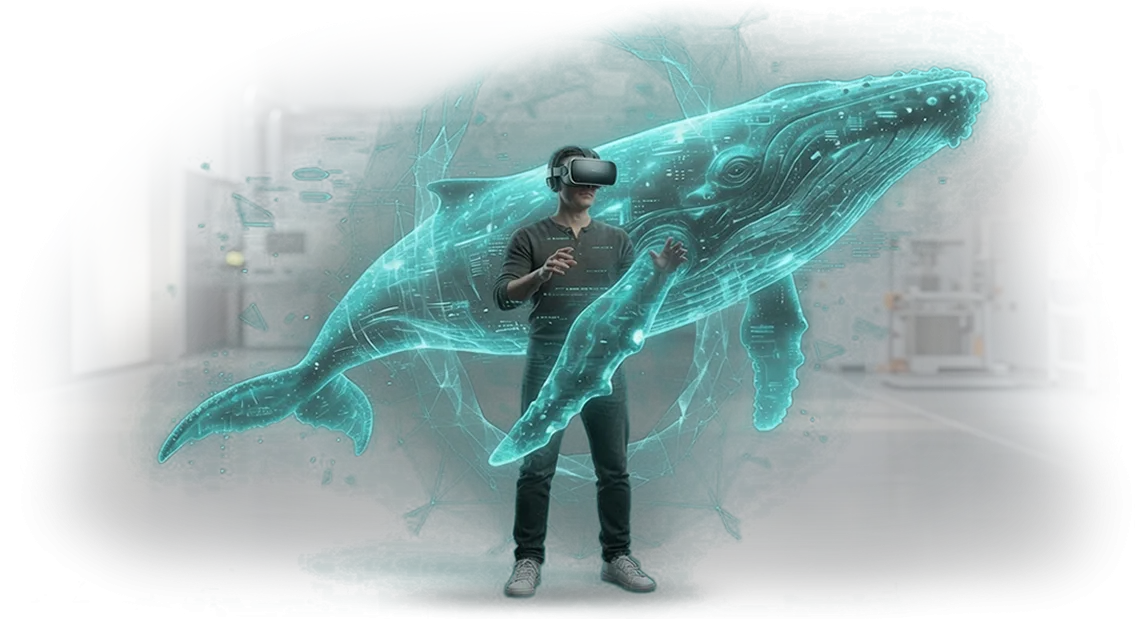


מדוע Meta Quest הוא התקן הסטנדרטי לפרויקטי VR עסקיים
לקוחות נמאסו מתוכן פסיבי: סרטונים, מצגות וחוברות כבר לא תופסים את תשומת הלב. אם תערוכה, אולם תצוגה או תוכנית הדרכה חסרים אינטראקטיביות, אנשים חולפים על פניהם ולוקחים איתם רק כמה רשמים משעממים.
כתוצאה מכך, עסקים מאבדים לידים, והמותג נשאר "כמו כולם" — ללא תדמית בלתי נשכחת או חיבור רגשי.
Meta Quest לעסקים הפך לפתרון שמשנה את התמונה הזו. זה לא רק משקף; זו מערכת אקולוגית מכווננת היטב שבה המשתמש נוחת מיד בעולם VR מובן, ללא הגדרות מסובכות או פחד מהטכנולוגיה.
המכשיר כבר מוכר לקהל הרחב, כך שמבקר או עובד לא מבזבז זמן בלהבין איך זה עובד — הם מתחילים ליצור אינטראקציה עם התרחיש שלך מיד.
זו הסיבה ש-Meta Quest נחשב לאמת המידה ליישומי VR: הוא מספק תוצאות צפויות בכל מקום.
עבור חברה, זה אומר כמה יתרונות מעשיים.
יישומי VR על Meta Quest מאפשרים להציג מוצר בפעולה ללא דגם פיזי, לבצע הדרכות ללא סיכון לאנשים או לציוד, וליצור פורמטים אינטראקטיביים שמעוררים באופן טבעי תמונות, דיונים וביקורים חוזרים.
הטמעת VR מפסיקה להיות ניסוי לשם גאדג'ט — היא הופכת לכלי שמשפיע באופן מדיד על טווח הגעה, נאמנות ומהירות קבלת החלטות.
אנחנו בונים פרויקטי VR על Meta Quest כבר כמה שנים ויודעים להפוך טכנולוגיה ליתרון עבור העסק שלך. אנחנו לוקחים על עצמנו את התרחיש, הפיתוח, ההגדרה והתמיכה — אתה מקבל כלי מוגמר, לא צעצוע "גולמי".
אם הלקוח שלך צריך לזכור, לנסות ולהאמין — התחל עם האינטראקטיביות ש-Meta Quest מספק.
מה הטמעת Meta Quest מספקת: יתרונות לתעשייה שלך
הטמעת Meta Quest היא כלי לפתרון אתגרים עסקיים ספציפיים. חברות זוכות למעורבות גבוהה יותר, הדרכה מהירה יותר ותהליכים בטוחים יותר — כלומר החזר השקעה מהיר.
הדרכת עובדים בתעשייה
סימולטורי VR מקצרים את זמן ההדרכה של עובדים חדשים פי שניים עד שלושה. עובד מתרגל פעולות בסביבה וירטואלית לפני שהוא נכנס לאתר בפועל: פחות טעויות, תאונות ופציעות. הציוד פועל באופן עקבי, כך שההדרכה לא תלויה בזמינות של מדריך.
בריאות ובטיחות
מציאות מדומה מאפשרת לרופאים לתרגל פרוצדורות מורכבות ללא סיכון למטופלים. חזרה על תרחישים מביאה מיומנויות לאוטומטיות — מהליכים בסיסיים ועד תגובה למצבי חירום. המרפאה זוכה בצוות מיומן יותר ובסיכונים מופחתים.
שיווק וקמעונאות
אזורי VR מושכים מבקרים ומחזיקים את תשומת הלב פי 5–10 יותר מאשר מסכים רגילים. תצוגת מוצר אינטראקטיבית או אולם תצוגה וירטואלי יוצרים "אפקט וואו" שמדברים עליו ברשתות החברתיות. המותג זוכה לטווח הגעה נוסף ללא הגדלת תקציב הפרסום.
התחומים האלה הם רק חלק מהתרחישים הזמינים. אנחנו בוחרים פתרון למשימה שלך: מקמפיינים חד-פעמיים ועד תוכניות הדרכה מתמשכות. עם מאות הטמעות מאחורינו, אתה מקבל מערכת עובדת, לא אב-טיפוס. זה הערך של העבודה איתנו.
פורמטים של יישומי VR: בחירת ההתאמה הנכונה למשימת הלקוח
לפני בחירת פורמט, חשוב להבין איזו משימה ה-VR פותר: הדרכת עובדים, מכירות או הדגמת מוצר. לכל משימה יש תצורה משלה — היא קובעת את התרחיש, הממשק ומספר המשתמשים בו-זמנית. אנחנו בוחרים את הפורמט לפי התעשייה והתקציב, לא להיפך.
להלן טבלת סיכום של פורמטים פופולריים של יישומי VR. אלה תרחישים סטנדרטיים שכבר הוכחו בפרויקטים עם לקוחות מתעשיות שונות.
| פורמט | למי זה מיועד | מה זה מספק ללקוח |
|---|---|---|
| סימולטורים וירטואליים | מחלקות הדרכה, משאבי אנוש, חברות ייצור | תרגול מיומנויות ללא סיכון לעובד וללא עצירת ציוד |
| VR לנדל"ן | יזמים, סוכנויות, מחלקות מכירות | הצגת תכניות ונכסים בכל שלב — מבור היסוד ועד בניין מוגמר |
| VR לקמעונאות | שיווק, מנהלי מותג, רשתות קמעונאיות | היכולת "למדוד" מוצר לפני רכישה והגדלת שיעור ההמרה של הזמנות |
| VR לבטיחות בעבודה | מפעלים תעשייתיים, בנייה, לוגיסטיקה | הדרכה למצבי חירום ללא כל איום ממשי על הבריאות |
| סימולטורים ארגוניים | רצפות ייצור, מחלקות שירות | חיסכון בחומרים מתכלים וקיצור זמן הכשרת עובד חדש |
ניתן לשלב פורמטים: למשל, תרחיש הדרכה ל-20 עובדים בו-זמנית ומצב משתמש יחיד לתרגול פעולה מורכבת. כל הפתרונות רצים על Meta Quest — הלקוח לא צריך להשקיע בתחנות עבודה יקרות.
כדי לבחור את הפורמט הנכון, מספיק בריף קצר: הגדירו קהל, תוצאה רצויה ולוח זמנים. נייעץ איזו אפשרות תניב את האפקט המקסימלי, נכין תרחיש הדגמה ונראה אותו על הנתונים שלך.
איך פועל פרויקט פיתוח VR: שלבי התהליך
תהליך ברור הוא מה שמבדיל פרויקט צפוי מ"כאוס יצירתי". עבור הלקוח, זה אומר לוחות זמנים ברורים, הסכמות קבועות ותוצאה הניתנת לאימות.
בנינו את שלבי פיתוח ה-VR כך שתראה התקדמות ותבין מה קורה בכל שלב.
-
בריף וניתוח משימה — אנו אוספים דרישות, מגדירים קהל ומציבים יעדי פרויקט. אתה מקבל הערכת לוח זמנים ראשונית ותוכנית עבודה.
-
קונספט ואב-טיפוס — אנו מראים איך היישום ייראה ואיך הוא יעבוד. אתה מאשר החלטות מפתח לפני שפיתוח מלא מתחיל.
-
אישור פרויקט — אנו נועלים את התרחישים, העיצוב והדרישות הטכניות. אתה מאשר את היקף העבודה ומבין על מה אתה משלם.
-
פיתוח ובדיקות — אנו בונים את היישום ובודקים אותו על מכשירים אמיתיים, כולל Meta Quest. אתה מקבל גרסאות ביניים ורואה התקדמות.
-
השקת מוצר VR — אנו פורסים את היישום, מגדירים אותו למשימות שלך ומכשירים את הצוות שלך. אתה מקבל כלי עובד, לא רק מודל.
-
תמיכה ביישום VR — אנו מתחזקים, מעדכנים ומשפרים את הפתרון על סמך משוב. אתה אף פעם לא נשאר לבד עם בעיות שעולות.
לאחר ההשקה, אנחנו נשארים בקשר ועוזרים לך לפתח את המוצר. זה מאפשר לנו להגיב במהירות לדרישות משתנות ולבקשות משתמשים. בסופו של דבר, אתה מקבל לא יישום חד-פעמי, אלא כלי עסקי ארוך טווח.
מה כלול במסירת פתרון ה-VR: החבילה העסקית
כשעסק מזמין פרויקט VR, חשוב להבין בדיוק מה אתה מקבל. הרכבנו את חבילת מסירת פתרון ה-VR עבור Meta Quest כך שאחרי ההשקה, כל מה שנשאר הוא להשתמש במערכת.
התכולה קבועה בחוזה — ללא סעיפים נסתרים או תוספות "נחמד שיש" בתשלום נוסף.
החבילה הסטנדרטית כוללת:
- יישום עבור Meta Quest — בנוי, מוגדר ומוכן להתקנה על המשקפים שלך. חבר — ותעבוד.
- תיעוד VR — הוראות ברורות להשקה, הגדרה וניהול. מתאים אפילו לעובדים ללא ניסיון טכני.
- הדרכת צוות ב-VR — מפגש מעשי עם הצוות שלך: מהדלקת המשקף ועד תרחישי שימוש יומיומיים.
- זכויות ורישיונות — זכויות רשמיות לשימוש בפתרון בעסק שלך, ללא הגבלות או תשלומים נסתרים.
- תמיכה ביישום VR — תקופת אחריות וקו ישיר לצוות שלנו לפתרון מהיר של כל שאלה.
- עדכונים ושכלולים — פיתוח תכונות מתוכנן ככל שהמשימות שלך גדלות.
החבילה הזו מכסה את כל מחזור החיים — מהתקנה ראשונה ועד תפעול יומיומי. אתה לא נשאר לבד עם הציוד, ומקבל לא "קופסת הבטחות" אלא כלי עסקי עובד.
אנחנו מתאימים את התכולה למשימה שלך: הדרכה, מצגת או שירות לקוחות — אנחנו דואגים לשאר.
מקרה בוחן: איך סימולטור VR הפחית פציעות עבודה בתעשייה
סקירת פרויקט
מפעל גדול להנדסת מכונות נתקל בעלייה בפציעות קלות בפס הייצור: עובדים חדשים עשו טעויות בעבודה עם ציוד מסוכן, והדרכות הבטיחות המסורתיות לא הניבו את האפקט הנדרש.
הצענו להחליף חלק מההדרכה בסימולטור VR המשחזר במדויק את מחזור הייצור ומצבי חירום. הוא בנוי על משקפי Meta Quest, שאינם דורשים מחשב חזק ומאפשרים להפעיל הדרכה ישירות על רצפת הייצור.
העובד נכנס לעותק וירטואלי של האתר, רואה את המכונות, הכלים והסיכונים האמיתיים. הוא לומד להגיב נכון למצבי חירום: עצירות חירום, שריפות, תקלות ציוד.
כל טעות מנותחת מיידית — המדריך צופה בפעולות המתאמן ונותן משוב, בעוד המערכת מתעדת התקדמות ונקודות חולשה.
תוצאה
שלושה חודשים לאחר ההטמעה, מספר הפציעות הקלות בקו ירד ב-60%. הטעויות בפעולות נחתכו בחצי, וזמן ההסתגלות של עובדים חדשים ירד משבועיים לשלושה ימים.
במשך שישה חודשים הוכשרו יותר מ-400 מומחים — ממתאמנים ועד מפעילים מנוסים, שהסימולטור עזר להם לרענן את כישוריהם.
הנהלת המפעל ציינה שהעובדים הפכו לבטוחים יותר ופחות נוטים להפר תקנות בטיחות.
מה שחשוב במיוחד הוא שהסימולטור הווירטואלי מאפשר לבחון ידע מבלי לעצור את הייצור — ההדרכה מתקיימת בהפסקות בין משמרות ואינה דורשת הוצאת אנשים מרצפת העבודה.
הלקוח האריך את החוזה להכשרת צוות בשני מפעלים נוספים וכלל את הסימולטור הווירטואלי בתוכנית ההדרכה הארגונית שלו. זה מאשר: השקעות בסימולטורים וירטואליים משתלמות באמצעות פחות פציעות, פחות זמן השבתה ותשלומי ביטוח נמוכים יותר.
איך לבחור פורמט יישום VR למשימה שלך?
כשמדובר בבחירת פורמט יישום VR, אין תשובה אחת שמתאימה לכולם — וזה נורמלי. מכשירים מודרניים, כולל משקפיים המבוססים על Meta Quest, יכולים לעשות הרבה: מסרטון 360 מעלות פשוט ועד סימולטור מלא.
ההבדל טמון באיזו משימה עסקית אתה פותר: מעורבות מהירה של מבקרים, הדרכת עובדים מעמיקה או רושם בולט לאורחי אירוע.
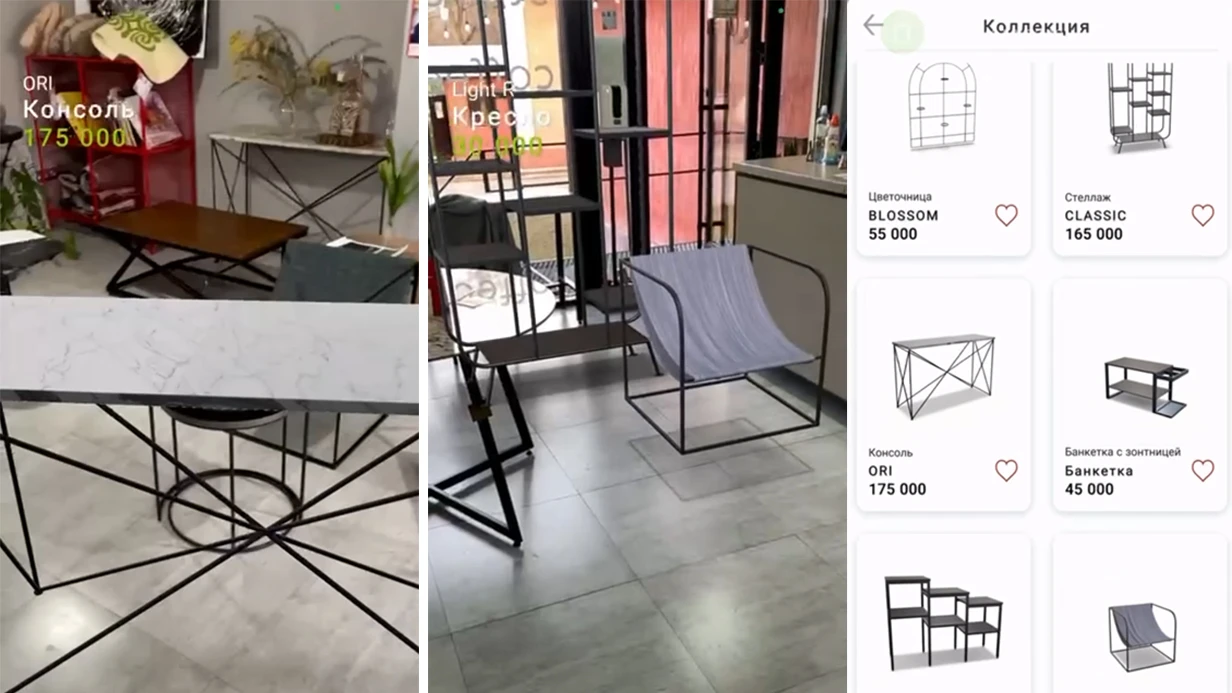
הקריטריון הראשון הוא המטרה. אם אתה צריך להציג מוצר שעדיין לא קיים בעולם הפיזי, בחר אולם תצוגה וירטואלי: הלקוח בוחן את האובייקט, משנה פרמטרים ומקבל החלטת רכישה ישירות במשקף.
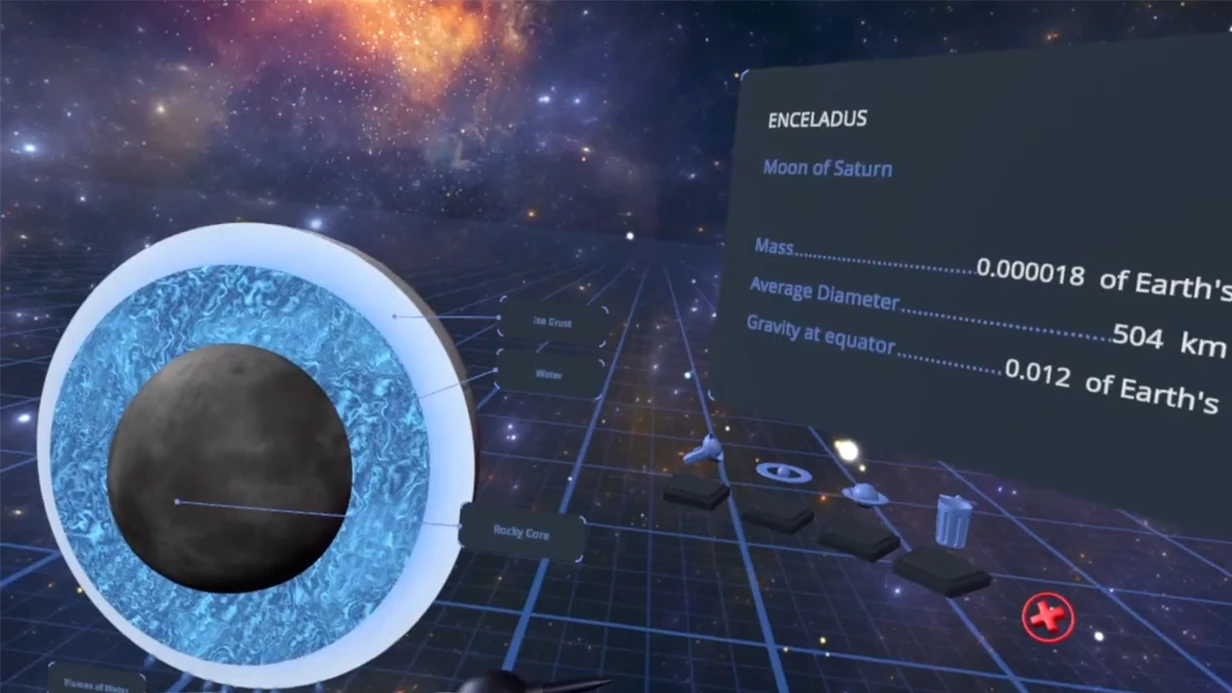
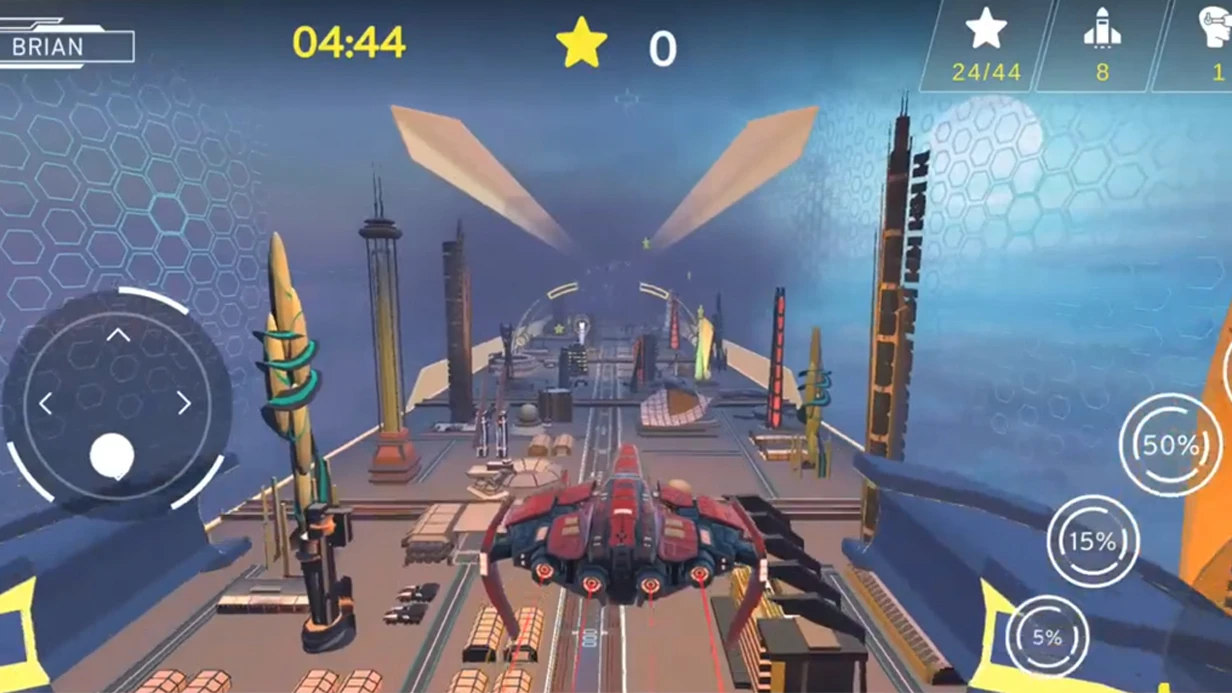
אם תרגול מיומנויות חשוב, סימולטור אינטראקטיבי עם משוב הוא הדרך. לאירועים, פעילויות VR קצרות יעילות: הן מחזיקות תשומת לב למשך 3–5 דקות ויוצרות רגשות שאורחים מפיצים ברשתות החברתיות בעצמם.
הקריטריון השני הוא התעשייה. בנדל"ן, טבילה מלאה עובדת: הליכה בקומות עתידיות לפני הבנייה. בקמעונאות — מעצבי תלת-ממד קומפקטיים לתצוגות ויישומים. בתעשייה — תרחישים שלב-אחר-שלב עם בקרת שגיאות.
בתערוכות וכנסים, פורמטים מרובי משתתפים עובדים הכי טוב, שבהם עד 10–12 אנשים מתקשרים בו-זמנית.
הקריטריון השלישי הוא היקף ותנאים. לאירוע המוני עם שטח מוגבל, תחנות VR נייחות הן הבחירה. אם אתה צריך להגיע לקהל מרוחק, פתרון חוצה-פלטפורמות שעובד על מכשירים שונים יתאים.
בשלב זה, חשוב שלקבלן יהיה ניסיון באופטימיזציה למשקפיים ספציפיים — זה מבטיח סשנים יציבים ללא פיגור, אפילו בעומס שיא.
בפועל, הבחירה תלויה בשילוב של גורמים אלה. לכן אנחנו לא מוכרים "מוצר סטנדרטי" — אנחנו מתחילים עם בריף קצר: תוך 30 דקות, אנו קובעים את הפורמט האופטימלי לתקציב ולציפיות שלך.
צור קשר — נראה לך איך להימנע מתשלום יתר על אפשרויות מיותרות ולקבל פתרון שמספק תוצאות מדידות.
שאלות נפוצות על הטמעת פרויקטי VR לעסקים
לפני השקת פרויקט VR, לקוחות מעלים את אותן שאלות: כמה זמן זה ייקח, האם פעילות החברה תיעצר, האם העובדים יתמודדו, ומה קורה אחרי מסירת הפרויקט.
זה נורמלי — VR לעסקים עדיין נראה כמו טכנולוגיה מורכבת, למרות שבפועל היא כבר מזמן הפכה לכלי עובד עם חוקים ברורים.
להלן תשובות לשאלות שאנו שומעים הכי הרבה. הן יעזרו לך לחזות תקציב, לוח זמנים ותוצאות לפני שהעבודה מתחילה.
כמה זמן לוקח לפתח פרויקט VR מאפס?
פרויקט סטנדרטי לוקח 6 עד 12 שבועות תלוי בהיקף. השבוע הראשון מוקדש לבדיקת משימה ואב-טיפוס — תראה איך המוצר ייראה ויעבוד לפני ששלב הפיתוח הראשי בכלל מתחיל. לוחות הזמנים קבועים בחוזה, לא "צפים" במהלך התהליך.
האם קשה לשלב VR בתהליכים עסקיים קיימים?
השילוב אינו דורש עצירת פעילות החברה. אנו מחברים את פתרון ה-VR ל-CRM או למערכת החשבונאות שלך באמצעות כלים מוכחים, ועובדים מתחילים לעבוד בסביבה החדשה מיד לאחר סשן הדרכה קצר. בפועל, ההטמעה אורכת 2–3 ימי עבודה.
האם הצוות שלי יוכל להתמודד עם הטכנולוגיה החדשה?
ממשקי VR מתוכננים להיות אינטואיטיביים — השליטה מבוססת על מחוות טבעיות ומבט, לא על ידיעת מדריכים טכניים. סשן הדרכה אחד של 1.5 שעות מספיק לצוות. אפילו אלה שמעולם לא עבדו עם טכנולוגיה יכולים לשלוט בתרחיש הבסיסי.
מה קורה אם הפרויקט לא מספק תוצאות?
אנחנו מציבים יעדים מדידים לפני ההתחלה: הגדלת המרה, קיצור זמן הדרכה, הגדלת טווח הגעה. החוזה כולל ערבויות על פרמטרים מרכזיים ותמיכה לאחר הפרויקט — אם משהו משתבש, אנחנו חוזרים ומשכללים את הפתרון, במקום להרים ידיים.
אלה הן רק חלק מהשאלות שעסקים מתמודדים איתם בהטמעת VR. ספר לנו על המשימה שלך — נכין תוכנית ראשונית, לוח זמנים וחישוב עלות לתרחיש שלך בפגישת עבודה אחת.הזמן יישום VR למשימות שלך היום
אתה כבר יודע למה אתה צריך VR: כדי למשוך לקוחות חדשים, להכשיר עובדים מבלי להוציא אותם מהעבודה, או להדהים אורחים באירוע. נשארת שאלה אחת — איך להתחיל במהירות ומאיפה בדיוק להתחיל.
בנינו את התהליך כך שהצעד הראשון נעשה ביום שבו אתה פונה אלינו: אתה שולח בקשה, אנחנו משוחחים, דנים במשימה וממפים את הדרך לתוצאה.
הנה מה שאתה מקבל מיד לאחר הפנייה:
- ייעוץ VR: אנו דנים במשימה שלך, בקהל היעד ובוחרים את הפורמט הנכון.
- הערכת היקף ולוח זמנים ראשונית לפני שאתה חותם על משהו.
- צוות המורכב לפרויקט שלך: מפיק, מפתחים, מעצבים — ממוקדים כולו במשימה שלך.
- הדגמת קונספט בתוך הימים הראשונים של העבודה.
- חוזה עם שלבים קבועים ודיווח שקוף.
- השקה ותמיכה לאחר השחרור: אנו משכללים, מפתחים ומכשירים את העובדים שלך.
גישה זו מסירה את הפחד העיקרי של הלקוח — "אין לי מושג מה יקרה בעוד חודש." אתה מקבל תוכנית שקופה, צוות קונקרטי ושליטה בכל שלב. פיתוח VR במפתח מלא אומר שאנחנו לוקחים על עצמנו את כל השאלות: מרעיון ועד שחרור ותמיכה.
הזמנת יישום VR עכשיו היא פשוטה: השאר בקשה באתר או התקשר אלינו — נסכים על זמן נוח לשיחה תוך יום. נתחיל בייעוץ VR, ואחריו — רק צעדים קונקרטיים ותוצאות מדידות.