

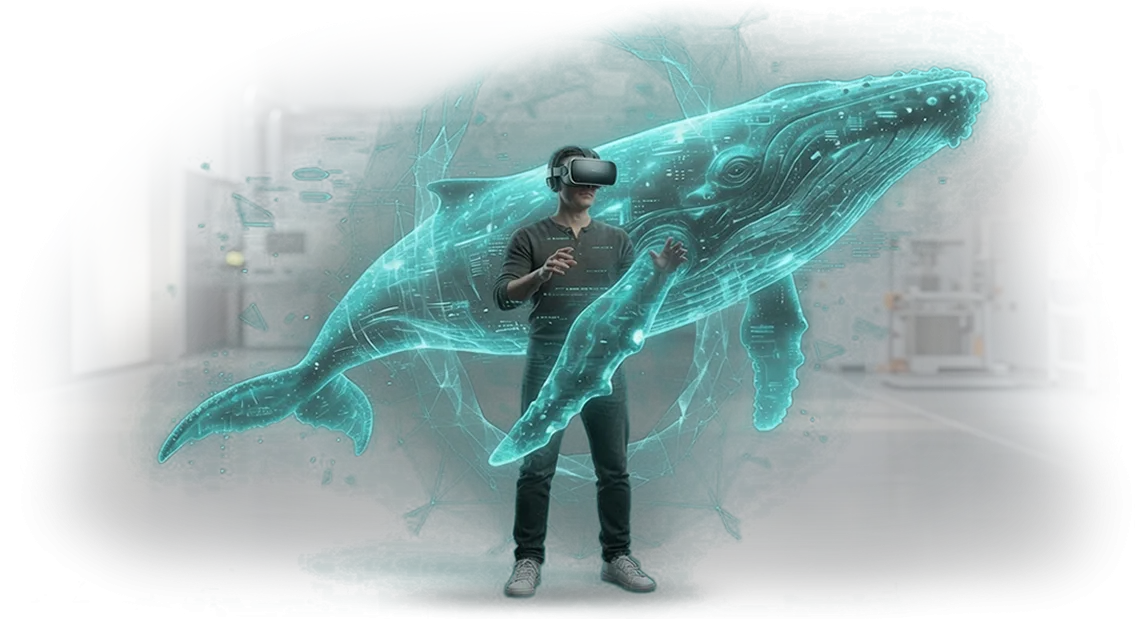
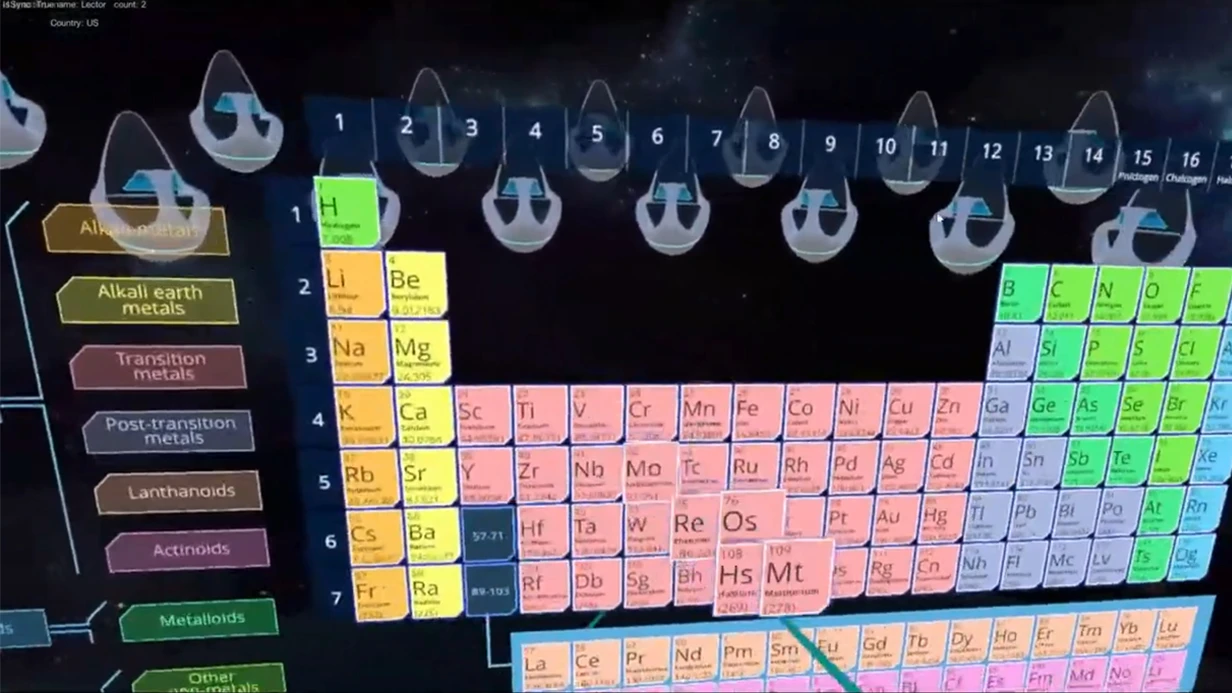


האם אתם מאבדים לקוחות ללא אפליקציית Apple Vision Pro?
לקוחות פחות ופחות מוכנים להחליף את תשומת הלב שלהם באתרים סטטיים ובאפליקציות מובייל רגילות — הם רוצים חוויה שתופסת ומעסיקה אותם.
אפליקציות AR/VR כבר הפכו לכלי תחרותי, ו-Apple Vision Pro הביא את הטכנולוגיות הללו לשוק ההמוני, והפך אותן למובנות ומבוקשות.
עסקים שנשארים בצד בכל הנוגע למחשוב מרחבי מאבדים בשקט נתח שוק ומפנים מקום לשחקנים זריזים יותר.
Apple Vision Pro משנה את כללי המשחק: במקום מסך מול עיני המשתמש, הם מקבלים סביבה סוחפת שבה אובייקטים וירטואליים משולבים בצורה חלקה בעולם האמיתי.
זו כבר לא טכנולוגיה אקזוטית — זה ערוץ חדש לאינטראקציה עם המותג, מהצגות מוצר ועד אולמות תצוגה וירטואליים והדרכות אינטראקטיביות.
החברות הראשונות שמאמצות פתרונות כאלה מתקבעות בתודעת הלקוחות כמובילות, בעוד אלו שמהססות נאלצות להדביק את הפער.
מנקודת מבט עסקית, מחשוב מרחבי מספק תוצאות מדידות: המרה גבוהה יותר באמצעות היכולת "לנסות" מוצר לפני הקנייה, נאמנות מוגברת באמצעות חוויה ייחודית, והגעה רחבה יותר באמצעות אפקט ויראלי.
עובדים לומדים מהר יותר עם הוראות AR, ומצגות הופכות לאירועים מרהיבים שזוכרים אותם במשך שבועות.
אנחנו עוזרים ללקוחות לא רק לבנות אפליקציית AR/VR, אלא ליצור סיפור עובד סביב Apple Vision Pro: מרעיון ואב-טיפוס ועד השקה מלאה ותמיכה. אתם מקבלים כלי שמבדל אתכם מהמתחרים ומחזיר את ההשקעה באמצעות מעורבות קהל. התחילו ראשונים — בזמן שהמתחרים רק בוחנים את הפלטפורמה החדשה.
אילו יתרונות אפליקציות מרחביות מביאות לעסק שלכם
אפליקציות מרחביות משנות את הלוגיקה המוכרת של אינטראקציה: הלקוח לא קורא על מוצר — הוא מוצא את עצמו בתוכו. עבור עסקים, זה לא רק טרנד טכנולוגי אלא כלי עבודה שמשפיע ישירות על מכירות, נאמנות ויעילות תפעולית.
בואו נבחן את היתרונות המרכזיים של אימוץ באמצעות Apple Vision Pro ופתרונות דומים כדוגמאות.
שיווק סוחף
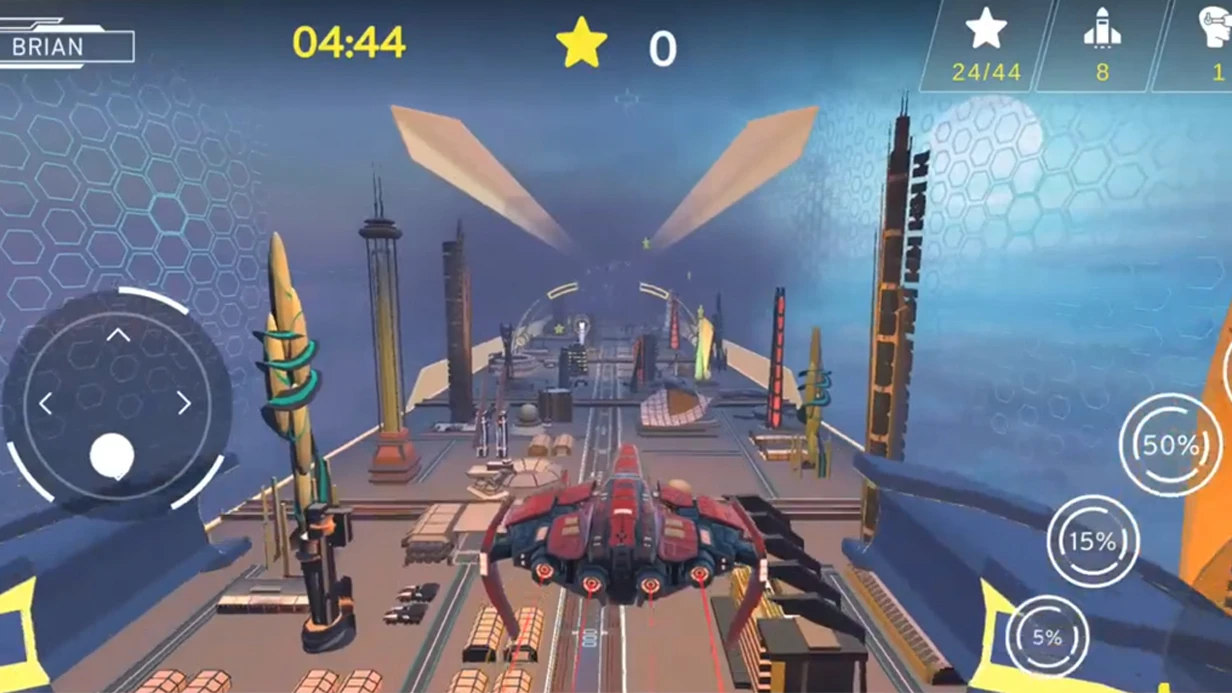
באנר רגיל או סרטון מתחרים על תשומת לב — חוויה מרחבית מחזיקה אותה לחלוטין. המשתמש לא מסתכל על מסך אלא נמצא בתוך סביבה שנוצרה עבורו, כך שהמסר של המותג נזכר הרבה יותר טוב.
פורמט זה מגביר מעורבות באירועים, באולמות תצוגה ובאתרים. אנשים חוקרים את המוצר בעצמם, חווים את התרחיש רגשית — וסביר שישתפו את ההתרשמות שלהם ברשתות החברתיות, ומרחיבים את ההגעה ללא תקציב פרסום נוסף.
ויזואליזציה של מוצר
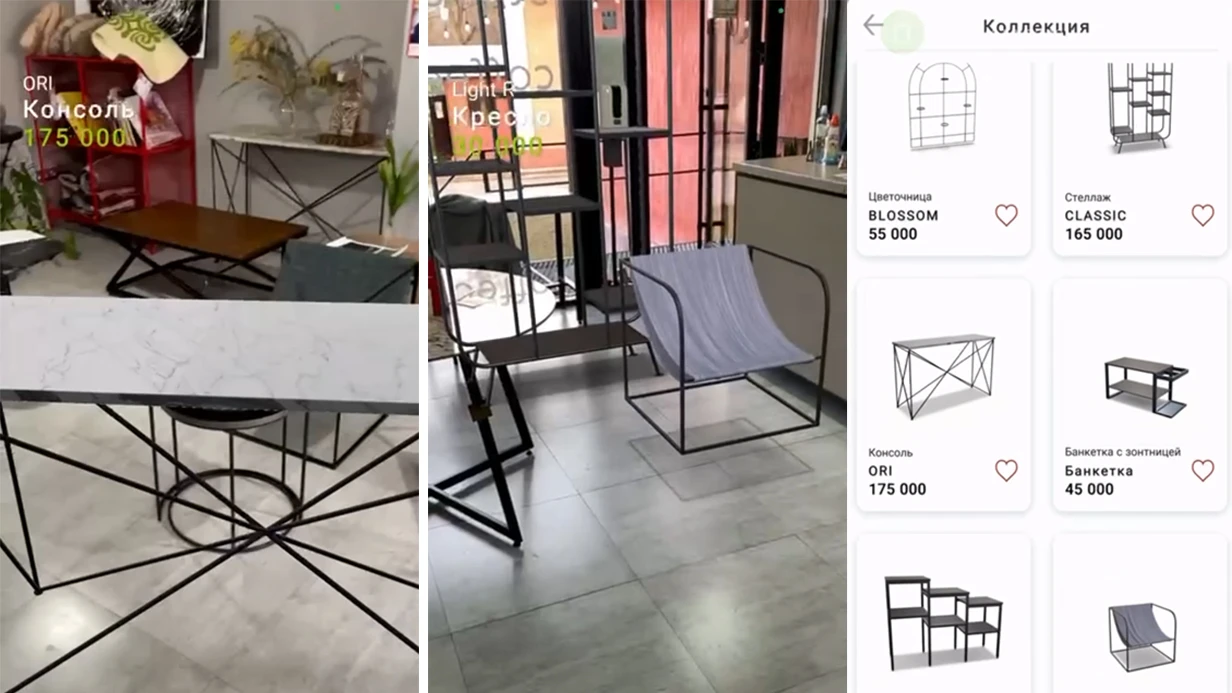
לקוחות רואים מוצר בקנה מידה אמיתי, בפנים הבית שלהם, או בהקשר הנכון — לפני קבלת החלטה. זה חשוב במיוחד לרהיטים, אלקטרוניקה, נדל"ן ומכוניות.
במקום "תדמיינו את זה בראש", אדם ממש מציב ספה בסלון שלו או מעריך את הגימור של דירה.
בהירות כזו מגבירה את המרת הלידים ומפחיתה החזרות: הלקוח כבר יודע מה הוא יקבל. אנשי מכירות מבזבזים פחות זמן על הסברים ועובדים עם קונה מוכן יותר.
הדרכת עובדים
הוראות מרחביות עוזרות לעובדים חדשים ללמוד תהליכים מהר יותר ללא סיכון של שבירת ציוד או יצירת מצב חירום. עובדים מתאמנים בסביבה בטוחה ואז עוברים לעבודה אמיתית עם מיומנות שכבר קיימת.
עבור חברות, זה אומר זמן קליטה קצר יותר והפחתת העומס על החונכים. בנוסף, סטנדרטיזציה של תרחישי הדרכה מבטלת את "הגורם האנושי": כל עובד מקבל הכנה איכותית באותה מידה.
אופטימיזציה של תהליכים
אבות-טיפוס דיגיטליים ומודלים מרחביים מחליפים דוגמיות פיזיות — זה מאיץ את יישור המוצר בין מחלקות וקבלנים. מעצב, מהנדס ומשווק רואים את אותו אובייקט מזוויות שונות ומגיעים להחלטה משותפת מהר יותר.
החיסכון בולט במיוחד בשלב השקת מוצר חדש: פחות איטרציות עם מודלים פיזיים, לוגיסטיקה זולה יותר ומהירות הגעה לשוק גבוהה יותר. כאן אפליקציות מרחביות מספקות החזר השקעה מהיר ומדיד.
אימוץ אפליקציות מרחביות אינו ניסוי לשם הטכנולוגיה — זו דרך להשיג תוצאות עסקיות קונקרטיות. אנחנו עוזרים לכם לבחור תרחיש למטרות שלכם, לעצב את הממשק ולהשיק פתרון שמחזיר את עצמו בפעולה.
פורמטים של פיתוח אפליקציות Apple Vision Pro לתעשיות שונות
Vision Pro פותח מרחב חדש לעסקים: זה לא רק משקפיים אלא דרך להציג מוצר, להכשיר עובד או להעביר מצגת ללא מגבלות פיזיות.
אנחנו עוזרים ללקוחות לבחור פורמט למשימה שלהם — מבדיקת השערה מהירה ועד פתרון מלא שמשתלב בתהליכי עבודה.
אנחנו בונים פיתוח Vision Pro סביב שלושה תרחישים עיקריים. לכל אחד יש ציר זמן והיקף משלו, אבל העיקרון המשותף הוא: אתם מקבלים אפקט עסקי ברור, לא רק טכנולוגיה.
| פורמט | למי | מה הלקוח מקבל |
|---|---|---|
| אב-טיפוס | קמעונאות, נדל"ן, תעשיית אירועים | אימות רעיון מהיר: חלון ראווה וירטואלי, תכנון דירה, אזור אירועים אינטראקטיבי — תוצאות תוך 2–3 שבועות |
| פרויקט פיילוט | בריאות, ייצור, לוגיסטיקה | בדיקה על משימות אמיתיות: הדרכת צוות, סיוע מרחוק, בקרת תפעול — 1–2 חודשים ללא עצירת תהליכים |
| מחזור מלא | עסקים גדולים, רשתות, מגזר ציבורי | אפליקציית Vision Pro מוכנה המשולבת במערכות הנהלת חשבונות, אנליטיקה ותמיכה טכנית — מ-3 חודשים |
בבריאות, אלה אפליקציות לוויזואליזציה של אנטומיה ותכנון ניתוחים; בייצור — הוראות AR ובקרת הרכבה; בקמעונאות — חדרי מדידה וירטואליים וקטלוגים.
נדל"ן משתמש ב-Vision Pro כדי להציג נכסים בכל שלב בנייה — קונים רואים את הדירה העתידית שלהם לפני שהבניין נמסר.
ללא קשר לפורמט, הצוות מטפל בפיתוח תרחישים, עיצוב ממשק ובדיקות על מכשירים אמיתיים. אתם מביאים את המשימה — אנחנו מחזירים מוצר עובד שמחזיר את עצמו באמצעות המרה גבוהה יותר, חיסכון בהדרכה או חוויית לקוח חדשה.
איך עובד פיתוח אפליקציות: שלבי הפרויקט
פיתוח אפליקציה ל-Apple Vision Pro הוא תהליך מנוהל שבו אתם רואים תוצאות בכל שלב ונשארים בשליטה על התקציב. השלמנו עשרות פרויקטי AR וחידדנו את המסלול מבריף ועד השקה ב-App Store, כך שהמסירה מתרחשת בזמן וללא הפתעות.
- בריף ומטרות. אנחנו דנים ביעדים עסקיים, פרופיל קהל ותרחישי שימוש. אנו קובעים קריטריוני הצלחה כך שתדעו בדיוק מה תקבלו בצד השני.
- אב-טיפוס ואישור. אנחנו בונים אב-טיפוס אינטראקטיבי על מכשיר אמיתי כדי שתוכלו "להרגיש" את האפליקציה העתידית לפני תחילת הפיתוח. כאן מאשרים את הלוגיקה והעיצוב החזותי.
- עיצוב ו-UX. אנחנו יוצרים ממשק המותאם למיוחדות של Apple Vision Pro — חלונות מרחביים, מחוות, מעקב עיניים. המטרה היא שמשתמשים ינווטו אינטואיטיבית ללא הוראות.
- פיתוח ואינטגרציות. אנחנו כותבים את הקוד ומחברים את השירותים והנתונים שלכם. אתם מקבלים גרסאות ביניים ורואים התקדמות בזמן אמת.
- בדיקות והשקת האפליקציה. אנחנו מוודאים ביצועים בתרחישים שונים, מתקנים בעיות ומפרסמים את האפליקציה ב-App Store. ההשקה מתבצעת בשליטתנו.
- תמיכה וצמיחה. אנחנו נשארים בקשר לאחר השחרור: עדכונים לגרסאות מערכת חדשות, הוספת תכונות וניטור יציבות.
מה כלול במסירת פתרון AR/VR
כאשר אתם רוכשים פתרון AR/VR, אתם מקבלים יותר מסתם אפליקציה — אתם מקבלים כלי עסקי מוכן לחלוטין. אנו מבנים את מסירת ה-AR כך שלאחר העברה והדרכת צוות, הצוות שלכם עובד ללא פיקוח מתמיד של הקבלן. כל פריט בחבילה עונה על השאלה "איך להשתמש ולפתח את המוצר."
- תיעוד פרויקט — תיאור מפורט של הלוגיקה, התרחישים והארכיטקטורה של הפתרון. העובדים שלכם מבינים איך הכל עובד ויכולים להעביר ידע במהירות בתוך הצוות במידת הצורך.
- קוד מקור — כולו שלכם. אתם לא תלויים במפתח יחיד ויש לכם חופש מלא לשינויים עתידיים או אינטגרציות עם מערכות אחרות.
- הוראות משתמש — מדריכים פשוטים ויזואליים לעבודה עם האפליקציה. המנהלים, היועצים או הלקוחות שלכם יכולים להבין במהירות כיצד להפעיל תרחיש ולקבל תוצאות.
- הדרכת צוות — אנו מקיימים מפגשים מעשיים עם העובדים שלכם כדי שישתמשו בביטחון בפתרון ויטפלו במשימות שגרתיות בעצמם.
- ניהול תוכן — אנו מעבירים זכויות ניהול תוכן כדי שתוכלו לעדכן באופן עצמאי קטלוגים, מבצעים או תרחישי הדרכה ללא מעורבות מתכנת.
- תמיכת אחריות — לאחר ההשקה, אנו זמינים לייעוץ, בדיקות תקופתיות ושיפורים קלים. אתם אף פעם לא נשארים לבד עם המוצר.
מקרה בוחן: פריסת אפליקציה מרחבית למרכז רפואי
המרכז הרפואי AlfaMed פנה אלינו עם בעיה אופיינית למרפאות: רופאים בילו עד שליש מכל פגישה בהסבר אבחנות ותוכניות טיפול, ובכל זאת מטופלים עזבו מבולבלים וחרדים.
לאחר הייעוץ, הם התקשרו שוב, שאלו שוב, ולעתים קרובות דחו טיפול — הנאמנות ירדה וזמני הפגישות נותרו לא מאוישים.
הצענו פתרון הבנוי על אפליקציה מרחבית ל-Apple Vision Pro.
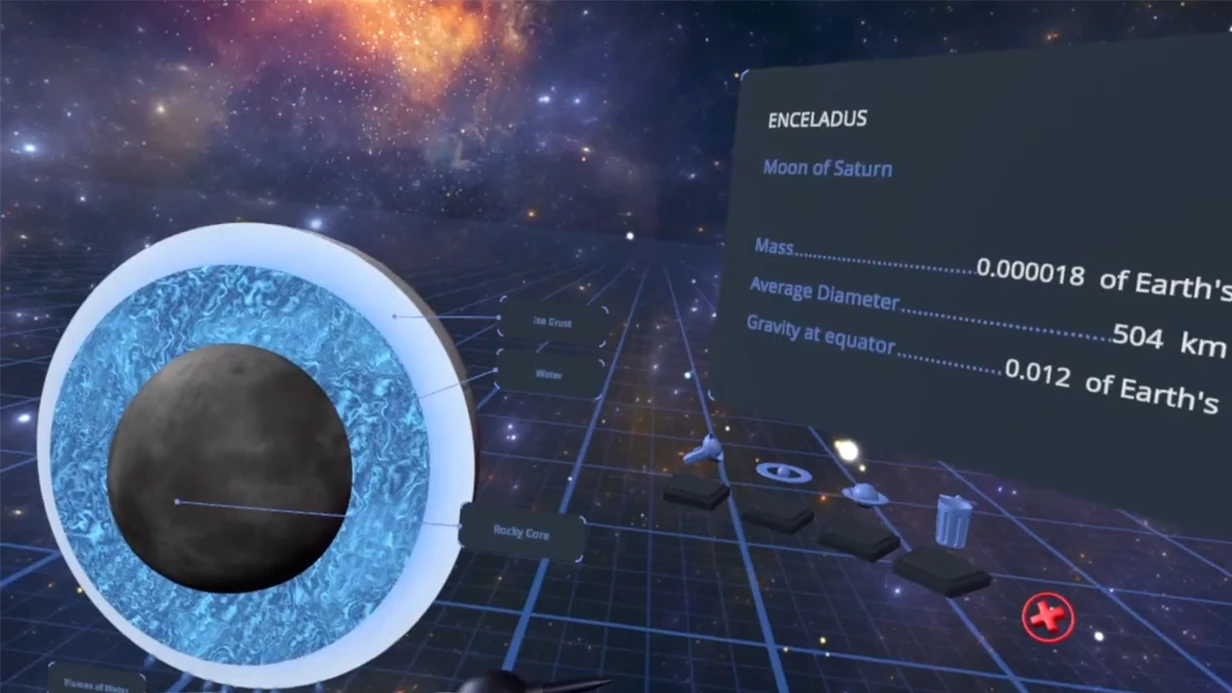
במקום תמונות שטוחות ומילים, הרופא מראה למטופל מודל תלת-ממדי של האנטומיה שלו — מדויק עד לאיבר הספציפי — ומאפשר לו "להסתכל פנימה" ולראות את הבעיה בעיניים שלו. זה מעביר את השיחה מהסבר מופשט לחוויה ויזואלית ברורה.
תוצאות לאחר היישום
לאחר השקת האפליקציה, זמן הייעוץ הראשוני הממוצע ירד ב-30% — רופאים כבר לא מבזבזים זמן על הסברים ארוכים, ומטופלים מבינים הכל תוך כמה דקות.
חלק המטופלים שקבעו פגישת המשך או בדיקה מתוכננת עלה ב-22%. זה הכנסה ישירה למרפאה: פחות זמנים פנויים, המרה גבוהה יותר מייעוץ לטיפול.
מדדנו גם שביעות רצון בנפרד: לאחר פגישה עם ויזואליזציה מרחבית, 9 מתוך 10 מטופלים דירגו את בהירות ההסברים כ"מצוינת" — בעבר הנתון היה חצי מזה.
ביקורות מזכירות יותר ויותר שמטופלים "סוף סוף באמת הבינו מה קורה" וממליצים על המרפאה לחברים. שיווק ויראלי חינמי שאינו דורש תקציב.
מה זה אומר לעסק
עבור הנהלת המרפאה, האפקט העיקרי אינו גורם ה"וואו" של הטכנולוגיה אלא תועלת תפעולית מדידה.
רופאים רואים יותר מטופלים ללא אובדן איכות, פחות בקשות הבהרה חוזרות מגיעות, והמרפאה זוכה למעמד של מרכז חדשנות — מה שמושך גם מטופלים וגם מומחים חזקים. האפליקציה המרחבית מחזירה את עצמה לא דרך חידוש אלא דרך ניצול גבוה יותר ונאמנות.
איך לבחור את פורמט הפיתוח הנכון למשימה שלכם?
בחירת פורמט ל-Apple Vision Pro תלויה ביעד העסקי, לא בטרנדים. סוגי אפליקציות AR משתנים במורכבות — מהצגת מודל תלת-ממדי פשוט ועד סימולטורי הדרכה אינטראקטיביים מלאים.
הבנת הסוג עוזרת להעריך באופן ריאלי תקציב ולוחות זמנים — לפני שהדולר הראשון מושקע.
אפליקציות AR פשוטות הן תצוגת מוצר: הלקוח רואה את הפריט בגודל אמיתי, משנה צבעים ופותח מפרטים. פתרונות כאלה מושקים תוך מספר שבועות ומתאימים לקמפיינים שיווקיים, מצגות ודוכני תערוכה.
פורמטים מורכבים יותר כוללים הדרכת עובדים, הוראות וירטואליות ועבודה משותפת על אובייקטים — אלה דורשים פיתוח לוגיקה, אינטגרציות ובדיקות, כך שהם לוקחים יותר זמן.
השאלה המרכזית היא: מה המשתמש צריך לעשות בתרחיש שלכם? אם צריך להראות ולעניין — פורמט בסיסי מספיק.
אם צריך להכשיר אדם, להדריך אותו בתהליך ולאסוף נתונים על פעולותיו — תצטרכו ארכיטקטורה מותאמת אישית ועיצוב זהיר של מסע המשתמש. לוחות זמנים ותקציב תלויים בכך ישירות: ככל שההתעמקות עמוקה יותר, כך מעורבים יותר שלבי עבודה.
אנחנו עוזרים לכם להחליט על פורמט לפני שמתחילים: אנו מנתחים את המשימה, מציעים את סוג אפליקציית ה-AR הנכון ונותנים לוחות זמנים ותקציב ריאליים.
עם יותר מעשר שנות פרויקטים של מציאות רבודה ווירטואלית מאחורינו, אנו מיד רואים את היקף העבודה, סיכונים נסתרים ותחומים שבהם אפשר לחסוך מבלי לוותר על איכות.
השאירו בקשה לייעוץ — ננתח את המשימה שלכם ונציע את האפשרות הטובה ביותר לתקציב וללוחות הזמנים שלכם. תקבלו תוכנית ברורה להשקת אפליקציית Apple Vision Pro שלכם, לא הבטחות מופשטות.
חששות נפוצים של לקוחות לגבי פיתוח AR/VR
לקוחות לעתים קרובות דוחים התחלת פרויקט AR/VR לא כי הם מטילים ספק בערך הטכנולוגיה, אלא בגלל אי-ודאות לגבי התהליך: לוחות זמנים, תקציב, אחריות ואבטחת מידע.
להלן אנו מתייחסים לחששות הנפוצים ביותר לפני תחילת הפיתוח ב-Apple Vision Pro ובמכשירים אחרים. תשובות כנות יעזרו לכם להבין בדיוק איך אנו מבנים את העבודה שלנו ומדוע בסופו של דבר אתם מקבלים תוצאה ולא ערימת סיכונים.
כמה זמן לוקח פיתוח אפליקציה?
לוחות הזמנים תלויים במורכבות התרחיש ובמספר המכשירים שהפתרון צריך לתמוך בהם. תצורת AR בסיסית עם תכונה מרכזית אחת אורכת 4–6 שבועות; פרויקט Vision Pro מלא עם עיצוב מותאם אישית ואינטגרציה עם המערכות שלכם אורך 2–4 חודשים.
אנחנו אף פעם לא נוקבים בתאריך "בערך": בשלב הבריף אנו נועלים את היקף העבודה, תוכנית שלבים ונקודות ביקורת. כל 1–2 שבועות אתם רואים תוצאות ביניים ויודעים שהפרויקט בלוח הזמנים.
איך מחושב העלות, והאם אני יכול להישאר במסגרת התקציב?
אנחנו לא עובדים על העיקרון חסר הבסיס של "כמה שיותר — יותר יקר". ההערכה בנויה מבלוקים שקופים: עיצוב תרחישים, פיתוח, בדיקות על מכשירים שונים ותמיכה. אתם מקבלים פירוט עד לכל שלב ותמיד יודעים על מה אתם משלמים.
אם התקציב מוגבל, אנו מציעים MVP: אנו משיקים את הליבה עם תכונה מרכזית ומוסיפים את השאר לאחר בדיקה עם משתמשים אמיתיים. כך אתם מקבלים מוצר עובד בזמן ובעלות ברורה, מבלי לשלם יתר על אפשרויות מיותרות.
אילו ערבויות אתם מספקים על התוצאה?
אנו מעגנים את ההתחייבויות שלנו בחוזה: לוחות זמנים קבועים, היקף עבודה וקריטריוני קבלה. אם בשלב כלשהו אתם מרגישים שהתוצאה אינה תואמת את הציפיות, אנו מבצעים תיקונים לפני שהפרויקט עובר למסירה סופית.
העבודה לא מסתיימת לאחר השחרור: אתם מקבלים תמיכת אחריות. אנו מנטרים יציבות, מעדכנים תאימות לגרסאות מערכת הפעלה חדשות ומתקנים באגים במהירות אם הם צצים בשימוש אמיתי.
האם זה בטוח לשתף איתכם את הנתונים והרעיונות שלנו?
הרעיונות והחומרים שלכם מוגנים בהסכם אי-גילוי משלב המשא ומתן ואילך. אנחנו לא משתמשים בתרחישים שלכם או בעבודה בפרויקטים אחרים ולעולם לא משתפים נתונים עם צדדים שלישיים.
מנקודת מבט של אבטחה טכנית, אנו משתמשים בסביבות שרת סגורות ובכלי פיתוח מוכחים. רק לצוות שעובד על הפרויקט יש גישה. עם סיום, אתם מקבלים זכויות מלאות לקוד המקור ולתיעוד.
אם עדיין יש לכם שאלה שלא ענינו עליה — כתבו לנו. נספר לכם איך פתרנו אתגרים דומים בתעשייה שלכם, נראה דוגמאות ונחשב עלות ראשונית תוך כמה ימי עבודה.מוכנים לדון בפרויקט שלכם עם המומחים שלנו?
בואו נתחיל בשיחה, לא בפורמליות: ספרו לנו איזו בעיה אתם רוצים לפתור, ואנחנו נציע פתרון הבנוי על Apple Vision Pro.
תקבלו ייעוץ ראשוני והערכת עלות — ללא התחייבויות וללא עומס פרטים טכניים, רק מה שחשוב לעסק.
במשך יותר מ-10 שנים, עברנו מניסויים מוקדמים לפריסות מסחריות, כך שאנחנו יודעים מה הופך פרויקט למוצלח.
כל ייעוץ הוא לא רק שיחה — זה הצעד הראשון לקראת השקה: נעזור לכם להבין היכן אפליקציה מרחבית תספק ערך אמיתי ללקוחותיכם וכמה מהר ההשקעה תחזיר את עצמה.
מה תקבלו כשתפנו אלינו
- ייעוץ עם מומחה למשימה הספציפית שלכם — נדון באילו מקרי שימוש של Vision Pro יספקו תוצאות מדידות: גידול במכירות, שמירת תשומת לב או נאמנות קהל.
- הערכת עלות בזמן סביר — לאחר בריף קצר, תקבלו את התקציב ולוח הזמנים ליישום כדי לתכנן הוצאות והשקה.
- הערכת רעיון מנקודת מבט של המשתמש — נייעץ מה באמת יעניין את הלקוחות שלכם ומה יעבור ללא תשומת לב.
- בחירה שקופה של קבלן — נראה דוגמאות של פרויקטים דומים ואת הקריטריונים שבהם כדאי להשתמש כדי להעריך תוצאות.
- הגנה על הרעיון שלכם — נחתום על הסכם אי-גילוי כך שהרעיון יישאר שלכם.
- תמיכה יציבה לאחר ההשקה — נמשיך ללוות את הפרויקט: עדכונים, שיפורים, ניתוח מדדים.
השאירו בקשה באתר או כתבו לנו בהודעה — נבחר דרך תקשורת נוחה. מנהל יבהיר כמה שאלות, יתאם זמן עם מומחה טכני ויחזור אליכם עם פתרון תוך יום עסקים אחד.
קחו את הצעד הראשון לקראת פרויקט שמבדל אתכם מהמתחרים — פשוט כתבו לנו.