



WebAR לעסקים: למה אתם מאבדים לקוחות בלי אינטראקטיביות
אתם משקיעים בפרסום, מריצים מבצעים, יוצרים מוצר איכותי — אבל הלקוחות עדיין עוזבים? הסיבה היא לא תמיד המחיר או השירות, אלא שההצעה שלכם לא מעוררת מעורבות.
הקונה המודרני מוצף במידע: הוא גולל בפיד תוך שניות, מתעלם מבאנרים, וזוכר רק את מה שבאמת הפתיע אותו. טקסט פשוט או תמונות כבר לא עובדים — צריך פורמט אחר.
שיווק בלי אינטראקטיביות מאבד את הכוח שלו. תמונות סטטיות ותיאורים לא מעוררים רגשות, ורגשות הם המנוע המרכזי של החלטות.
כשמתחרה נותן ללקוח את האפשרות "למדוד" מוצר במציאות רבודה, ואתם פשוט מדברים על היתרונות שלו — הבחירה הופכת להיות ברורה. לא מדובר בלקוחות בודדים שאובדים, אלא בקהלים שלמים.
WebAR סוגר את הפער הזה. זו טכנולוגיה שמציבה אובייקטים דיגיטליים על העולם האמיתי ישירות בדפדפן הסמארטפון — בלי התקנת אפליקציות, הרשמה או מכשירים מיוחדים.
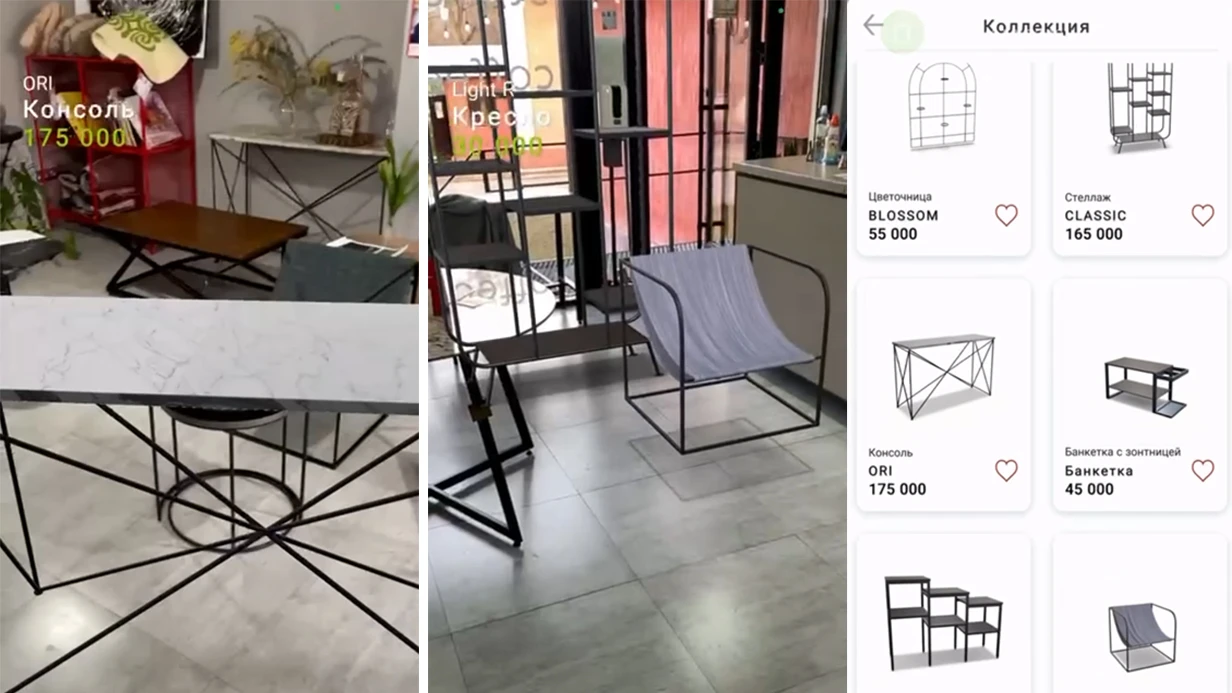
רק פותחים קישור או מכוונים את המצלמה לקוד QR, והלקוח רואה את המוצר שלכם בחדר שלו, על עצמו, על קיר המשרד או בחלון הראווה. חסם הכניסה מינימלי, כך שגם מי שרחוק מטכנולוגיה משתמש באינטראקטיביות.
מעורבות הקהל הופכת לטבעית: האדם לא צופה באופן פסיבי אלא מתקשר — מזיז אובייקטים, מחליף צבעים, משנה קנה מידה, מודד בגדים או מסדר רהיטים. השתתפות כזו נשארת בזיכרון לאורך זמן, בונה אמון במותג ומשפיעה ישירות על המרות.
יתר על כן, אנשים משתפים ברצון חוויות יוצאות דופן ברשתות החברתיות ובמסנג'רים — אתם מקבלים חשיפה חינמית ולידים חדשים בלי תקציב פרסום נוסף.
אנחנו עוזרים ליישם WebAR במהירות ובתוצאה ברורה. אין צורך לבנות מחדש את כל השיווק שלכם מאפס — רק להוסיף אינטראקטיביות לנקודות מגע מרכזיות: אתר, חלון ראווה פיזי, אריזה, חומרים פרסומיים.
כך אתם מפסיקים לאבד לקוחות בשלב גילוי המוצר ומקבלים כלי שעובד בשביל ההכנסות שלכם.
חמש סיבות ליישם מציאות רבודה בשיווק
המציאות הרבודה הפכה לכלי שיווקי עובד: היא מגבירה עניין במוצר ומשפיעה ישירות על מכירות. הנה חמש סיבות ליישם אותה בקמפיינים שלכם.
הגברת עניין ומעורבות
המציאות הרבודה הופכת צפייה לחוויה: האדם רואה את המוצר בסביבה שלו, לא בתמונה. אינטראקציה כזו מחזיקה תשומת לב הרבה יותר זמן, מה שאומר שהיא מוכרת בלי קריאות פעולה תוקפניות.
יותר לידים והמרה גבוהה יותר
היכולת "למדוד" מוצר מסירה ספקות לפני הרכישה. כשהלקוח רואה את התוצאה על עצמו, ההחלטה מתקבלת מהר יותר — ההמרה גדלה פי כמה בהשוואה לקטלוג רגיל.
הכרת המותג
אפקטים של מציאות רבודה שווה להשוויץ בהם: משתמשים משתפים תמונות וסרטונים עם פילטרים, וכל פוסט עובד כהמלצה. כך המותג מופיע בפידים של חברים ועוקבים בלי תקציב פרסום נוסף.
נאמנות לקוחות
חוויה מעניינת נזכרת ויוצרת רצון לחזור. בונוסים וירטואליים ומתנות דיגיטליות ייחודיות יוצרים חיבור רגשי למותג ומגדילים רכישות חוזרות.
נתוני לקוחות נוספים
אינטראקציה עם מציאות רבודה מראה מה בדיוק עניין אדם: באילו מוצרים הסתכל וכמה זמן למד אותם. הנתונים האלה עוזרים ליצור הצעות אישיות מדויקות ולחזות ביקוש.
פורמטים של פיתוח WebAR למשימות העסקיות שלכם
כל פורמט WebAR פותר משימה עסקית משלו: מהדגמת מוצר ועד שילוב הקונה במשחק. להלן תרחישים טיפוסיים שאנחנו מיישמים במפתח פתוח. בחרו את הקרוב ביותר למטרה שלכם, או שלבו כמה: אנחנו נעזור לכם להרכיב את הסט האופטימלי.
| פורמט | למי זה מיועד | מה הלקוח מקבל |
|---|---|---|
| מדידה וירטואלית | חנויות בגדים, חנויות אופטיקה, אולמות תצוגה לרהיטים, מותגי תכשיטים | הלקוח "מודד" את המוצר ישירות על עצמו או בחדר שלו — פחות החזרות ויותר ביטחון ברכישה |
| קטלוג אינטראקטיבי | יצרנים ומפיצים עם מבחר רחב | מוצר שקם לחיים בתלת-ממד מציג פרטים שתמונות לא יכולות להעביר: אפשר "לסובב" אותו, להחליף צבע או קונפיגורציה |
| אריזה חיה | FMCG, קוסמטיקה, מוצרי ילדים, מותגי פרימיום | הקונה מכוון את המצלמה לקופסה ומקבל משחק, מתכון או סרטון מותג — רכישות חוזרות וחשיפה ברשתות החברתיות |
| חומרי דפוס חיים | בנקים, חברות ביטוח, מסעדות, חברות תיירות | ברושור או תפריט הופכים למיני-אתר: אנימציה, ביקורות, מצגת וידאו — המדיה המודפסת עובדת פי כמה יותר זמן |
| מצגת אינטראקטיבית | חברות B2B, מחלקות מכירות, יזמים | במקום שקופיות סטטיות — פרויקט או תרשים תלת-ממדי שהשותף הפוטנציאלי חוקר בעצמו. זה מגדיל את ההמרה בעסקאות |
| פרסום מוגדל | סוכנויות שיווק, מחלקות קידום, מותגי אירועים | באנר או פוסטר הופכים למשחק או לחוויה אינטראקטיבית: מעורבות גבוהה יותר, עלות נמוכה יותר לחשיפה |
| כרטיס ביקור אינטראקטיבי | מומחים עצמאיים, עסקים קטנים, מנהלים בכירים | בן השיח סורק את הכרטיס עם הסמארטפון ונוחת לא על פרטי קשר משעממים, אלא על המצגת הדיגיטלית שלכם עם תיק עבודות וביקורות |
היתרון המרכזי של כל הפורמטים הוא השקה מיידית בלי התקנת אפליקציה: הלקוח פותח את המצלמה, רואה את התוצאה ומשתף אותה.
אנחנו מתאימים כל תרחיש למשפך המכירות שלכם ולהתנהגות הקהל — אתם מקבלים כלי שמובן לעובדים ונוח לקונים.
איך הפרויקט מתנהל: מבריף ועד השקה
בנינו את התהליך כך שתבינו בכל שלב מה קורה עם הפרויקט ומתי תקבלו את התוצאה.
אתם לא צריכים להבין בטכנולוגיות — אנחנו מטפלים בכל החלק הטכני ומראים באופן קבוע גרסאות ביניים כדי שתוכלו לבצע עריכות בלי עיכובים.
-
בריף והתעמקות במשימה. אתם מספרים לנו למי מיועד פרויקט ה-WebAR ולמה: איזה קהל, אילו מטרות, באיזה ערוץ הוא ישמש. אנחנו שואלים שאלות הבהרה ומגדירים מדדי הצלחה מדידים כדי שיהיה ברור מה נחשב לתוצאה.
-
קונספט ותרחיש. בהתבסס על הבריף, אנחנו מציעים כיצד המשתמש יתקשר עם אפקט ה-AR: מה הוא יראה, אילו פעולות יבצע, איך זה מתקשר למותג שלכם. אנחנו שולחים תיאור תרחיש ודוגמאות סגנון ויזואלי לאישור.
-
אישור ותוכנית עבודה. לאחר אישור הקונספט, אנחנו מגדירים את היקף העבודה, לוח הזמנים ותהליך האישורים. אתם מקבלים לוח זמנים עם נקודות ביקורת ברורות שבהן תוכלו להשאיר תגובה או לבקש שינוי.
-
פיתוח וגרסאות ביניים. אנחנו בונים גרסה עובדת של אפליקציית ה-WebAR ומוסרים אותה לבדיקה. אתם בודקים איך היא עובדת בדפדפן ושולחים משוב. ככל שתתנו אותו מוקדם יותר, כך נבצע עריכות מהר יותר — עריכות בשלב הזה כמעט לא משפיעות על לוח הזמנים.
-
בדיקה סופית במכשירים שונים. אנחנו מוודאים שהאפליקציה עובדת באופן עקבי בדגמי טלפונים פופולריים ובדפדפנים שונים. אנחנו מבטלים תקלות טכניות כדי שמשתמשים לא יתקלו בקריסות ברגע החשוב ביותר.
-
השקה ואינטגרציה. אנחנו מארחים את ה-WebAR בדומיין שלכם או בפלטפורמת הפרסום, יוצרים הוראה קצרה לצוות ומגדירים אנליטיקה כדי שתוכלו לראות את מספר ההפעלות ואת פעולות היעד של המשתמשים.
-
תמיכה לאחר ההשקה. אנחנו נשארים בקשר: עוזרים בעדכונים, משכללים את התרחיש אם המשימות שלכם משתנות, ומוודאים שהאפליקציה ממשיכה לעבוד באופן אמין. אחרי הפרויקט, אתם תמיד יודעים מי אחראי על התוצאה ולאן לפנות.
מה כלול במסירת הפתרון האינטראקטיבי
המסירה היא לא "קבצי מקור בארכיון," אלא פתרון מוכן שאפשר להשיק מיד לאחר ההעברה. אנחנו מרכיבים חבילה של שמונה בלוקים: מתרחישים ועד תמיכה לאחר ההשקה.
להלן הרכב הפרויקט המלא, כדי שתדעו מראש מה אתם מקבלים ואיך להשתמש בזה.
- תרחישים ולוגיקת אינטראקציה — תרחישים מחושבים היטב לאופן שבו המשתמש מתוודע למוצר. זה מפחית את העומס על העובדים שלכם, שלא צריכים להסביר לאורחים איך להשתמש בפתרון — הכל ברור אינטואיטיבית.
- מודלים תלת-ממדיים וגרפיקה — מודלים מפורטים וחומרים ויזואליים מותאמים לסוגי מכשירים שונים. הלקוח מקבל מוצר מושך ויזואלית שמחזיק תשומת לב ומגביר מעורבות.
- שילוב באתר שלכם — הצבת הפתרון בפלטפורמה שלכם עם מוני מעקב מחוברים. אתם מיד מתחילים לראות מאיפה מגיעים משתמשים ואיך הם מתקשרים עם התוכן.
- הוראות ותיעוד — תיאור פשוט וברור של איך לעבוד עם הפתרון ברוסית. העובדים שלכם יכולים להבין את ההתקנה בלי ידע מיוחד, ואנחנו תמיד זמינים להבהרות.
- הדרכה לצוות שלכם — הדרכה מעשית קצרה: איך להפעיל, להחליף תוכן ולנהל סצנות. אחרי ההדרכה, המומחים שלכם יכולים לעדכן חומרים בלי לערב מפתחים.
- תמיכה לאחר ההשקה — תחזוקה טכנית, ביקור מומחה בשטח במידת הצורך, ועדכונים שוטפים למכשירים חדשים. אנחנו מבטיחים פעולה יציבה בלי תקלות ברגעים קריטיים.
- דוחות שימוש — נתונים ברורים: כמה אנשים הפעילו את הפתרון, כמה השלימו את פעולת היעד, אילו אלמנטים עוררו עניין. זה בסיס לשיפור השיווק והגדלת ההמרה.
- קבצי מקור של הפרויקט — פריסות, סקריפטים, חומרים והגדרות בצורה סופית. אתם לא כבולים אלינו: תוכלו למסור את הפרויקט לצוות אחר או לעשות שימוש חוזר באלמנטים בפרויקטים חדשים.
מקרה בוחן: איך קמפיין WebAR החזיר את ההשקעה תוך חודש
רשת חנויות הרהיטים Komfort פנתה אלינו עם בקשה: איך לבלוט בזרם הפרסום ולהגביר מכירות בלי הנחות.
הצענו קמפיין WebAR: הלקוח סורק קוד QR בחלון הראווה או בחוברת, מכוון את המצלמה לפינה ריקה בדירה שלו, ורואה איך ספה או ארון נראים שם בגודל אמיתי. בלי אפליקציות או הרשמות — רק מצלמת סמארטפון וכמה שניות.
בחודש של הקמפיין קיבלנו 12,000 אינטראקציות, וערך ההזמנה הממוצע גדל ב-18% — אנשים בחרו יותר ספות בגודל מלא ומטבחים כי הם ראו איך הפריט משתלב בפנים.
ההמרה ממבקר באתר לפייה עלתה ב-24%, כשמחצית מההזמנות הגיעו דרך צפיית AR.
תקציב הפרסום של הקמפיין החזיר את עצמו תוך שלושה שבועות: הרווח ממכירות נוספות עלה על עלויות הפיתוח והקידום.
אחרי שהמבצע הסתיים, החנות שמרה על קטלוג ה-WebAR ככלי קבוע — עכשיו הוא עובד כחלון ראווה אינטראקטיבי לכל הקולקציות החדשות.
עבורנו, זה תרחיש טיפוסי: WebAR לא מבדר, הוא פותר משימה עסקית ספציפית — מסיר את הפחד מרכישה גדולה ומקצר את הדרך של הלקוח מעניין לתשלום. לכן קמפיינים כאלה מראים ROI מדיד ומחזירים את ההשקעה מהר.
שאלות נפוצות וחששות לפני ההשקה
שאלות וחששות לפני ההשקה הם נורמליים: הלקוח צריך לדעת שהפרויקט יעבוד עבור הלקוחות שלו, לא ידרוש מאמץ מהם, ויסתיים במסגרת זמן סבירה. אנחנו עונים על הספקות המרכזיים — בהתבסס על ניסיון עם עשרות פרויקטי WebAR.
עם אילו מכשירים זה תואם?
WebAR עובד בדפדפנים של סמארטפונים מודרניים — iOS ואנדרואיד. המשתמש לא צריך להוריד כלום: רק לפתוח קישור או לסרוק קוד QR. אנחנו מתאימים את התרחיש לדגמים שונים כדי לשמור על חלקות ואיכות.
כמה פשוט זה למשתמש?
בדרך כלל זה מסתכם בפעולה אחת — לכוון את המצלמה למסך או להפעיל את המצלמה מקישור, והחוויה האינטראקטיבית מופיעה. אנחנו מתכננים את התרחיש כך שכל משתתף יוכל להבין, גם בלי ניסיון קודם ב-AR.
האם זה בטוח?
כן. WebAR לא דורש התקנת אפליקציות ולא מבקש נתונים אישיים. נעשה שימוש בחיבור מאובטח, הגישה למצלמה נפתחת רק בזמן העבודה, ולא נשארים עקבות אחרי סגירת הדף.
כמה מהר ובאיזה מחיר?
לוחות הזמנים והעלות תלויים במורכבות התרחיש ובמספר המודלים התלת-ממדיים. פרויקט טיפוסי לוקח בין שבוע לשלושה שבועות; התקציב קבוע בשלב הבריף ולא משתנה במהלך התהליך. זה זול יותר מפיתוח אפליקציה ניידת נפרדת.
מה אם האינטרנט איטי?
אנחנו מתאימים את גדלי המודלים והעיבוד לרשתות חלשות כך שהחוויה מופעלת גם באינטרנט סלולרי 3G/4G. אם חלק מהמשתמשים נמצאים בתוך מבנים עם קליטה חלשה, נספק אפשרויות טעינה מוקדמת.
השאירו פנייה — וקבלו הערכת עלות
כדי להשיק פרויקט WebAR, אתם לא צריכים אתר נפרד או התקנת אפליקציה — רק דפדפן בסמארטפון. אבל כדי שזה יעבוד באופן אמין ויספק ערך, חשוב להעריך נכון את היקף המשימות, לוחות הזמנים וההשקעה. בדיוק בגלל זה אנחנו מציעים להתחיל בייעוץ והערכת עלות.
השאירו פנייה — ונכין הצעה מסחרית שמכסה את כל השאלות שלכם. הפגישה או ההתכתבות אורכת לא יותר מ-30 דקות, ואחריה תדעו בדיוק מה כלול בפרויקט ואילו תוצאות תקבלו.
- הצעה מסחרית עם הערכת עלות שקופה — אתם רואים על מה אתם משלמים, בלי עמלות נסתרות.
- הערכה מקצועית של היתכנות טכנית — אתם מיד מבינים אילו יכולות WebAR פותרות את המשימה העסקית שלכם.
- דוגמאות לפרויקטים דומים — אנחנו מראים מקרים מהתעשייה שלכם כדי שתראו איך זה עובד בפועל.
- המלצות על פורמט — נייעץ מה יותר אפקטיבי: קטלוג מציאות רבודה, חלון ראווה אינטראקטיבי או ניווט AR.
- תוכנית השקה עם שלבים ולוחות זמנים — אתם יודעים מה יקרה אחרי החוזה ומתי הפרויקט יהיה מוכן.
- תמיכה בכל השלבים — התאמות ושיפורים מתקבלים בלי ביורוקרטיה, ואנחנו נשארים בקשר אחרי ההשקה.
הערכת העלות היא חינמית ולא מחייבת אתכם לכלום. תקבלו מספרים ברורים ותוכנית פעולה, ואז תחליטו אם אנחנו ממשיכים יחד.
שלחו פנייה דרך הטופס למטה — נגיב תוך יום עסקים אחד וניתן לכם תחושת תקציב ולוח זמנים בהתכתבות.
איך לבחור את פורמט ה-WebAR הנכון למשימה שלכם?
בחירת פורמט WebAR היא לא משימה טכנית, אלא משימה שיווקית. הכל תלוי במטרה שהצבתם לקמפיין: להניע רכישה, לחזק את תדמית המותג, להכשיר עובדים או לבדר את הקהל.
הטכנולוגיה כאן היא רק כלי — העיקר הוא מה בדיוק המשתמש צריך לעשות אחרי האינטראקציה: להזמין, לשתף, לזכור או ליישם.
כדי לא לטבוע בפרטים, מספיק לענות על שלוש שאלות: כמה אנשים צריכים לראות את הקמפיין, כמה זמן הוא ירוץ, ואיזו פעולה אתם צריכים מהמשתמש.
בחירת הפורמט תלויה בזה — עם סמן, בלי סמן, עם זיהוי פנים או קשור למיקום. להלן דף רמאות פשוט לתרחישים עסקיים טיפוסיים.
| המשימה שלכם | פורמט WebAR מומלץ | תוצאה עסקית עיקרית |
|---|---|---|
| למשוך תשומת לב למוצר או למבצע | WebAR מבוסס סמן — לכוון את המצלמה ללוגו או לאריזה | חשיפה נוספת בלי התקנת אפליקציה, התחלה קלה |
| להראות את המוצר בפירוט ולהגביר מכירות | WebAR ללא סמן — המודל מופיע במרחב | המרה גבוהה יותר בזכות ויזואליזציה תלת-ממדית בקנה מידה אמיתי |
| לבדר את הקהל ולקבל אפקט ויראלי | מסכות פנים ופילטרים | שיתוף המוני ברשתות החברתיות, הכרת המותג |
| להכשיר עובדים או להראות אובייקטים גדולים | WebAR מקושר למיקום גיאוגרפי או לאובייקט | זמן הכשרה מופחת, הוראות ויזואליות |
לדוגמה, חנות מקוונת מרוויחה יותר מפורמט ללא סמן: הקונה רואה ספה או סמארטפון בחדר שלו, ויש פחות ספקות ברכישה.
ולקמפיין אירועים, פילטרי פנים עובדים טוב יותר — הם נותנים חשיפה מהירה כי כל משתתף משתף את התוצאה עם חברים.
אין פתרון אוניברסלי, אבל גם קשה לטעות אם מתחילים מהמטרה. אנחנו עוזרים לבחור את הפורמט למשימה ספציפית, לבדוק את התרחיש על קבוצה קטנה, ורק אז להשיק אותו לקהל כולו.
בסופו של דבר, אתם מקבלים לא רק צעצוע AR יפה, אלא כלי עם מדד ברור: כמה אנשים נחשפו, באיזו עומק, ואיזו פעולה הם ביצעו.