



Android ARCore — למה העסק שלך צריך אפליקציית מציאות רבודה
לקוחות מגיעים אל העסק שלך דרך הסמארטפון שלהם — ומצפים שאפליקציה ניידת תהיה יותר מסתם קטלוג: היא צריכה להיות עוזרת בקבלת החלטות.
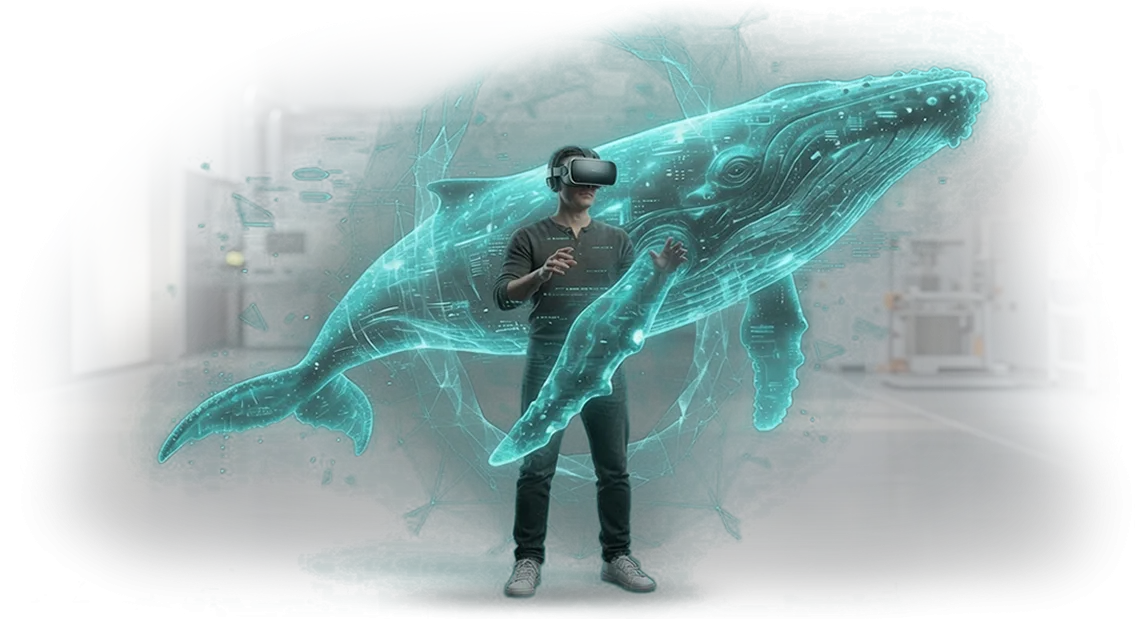
תמונות ותיאורים פשוטים כבר לא משכנעים: אנשים צריכים לראות איך מוצר נראה בתוך הבית שלהם, איך הוא מתאים להם, והאם המידה נכונה. מציאות רבודה פותרת את הבעיה הזו — היא מביאה אובייקט דיגיטלי לתוך המרחב האמיתי של המשתמש.
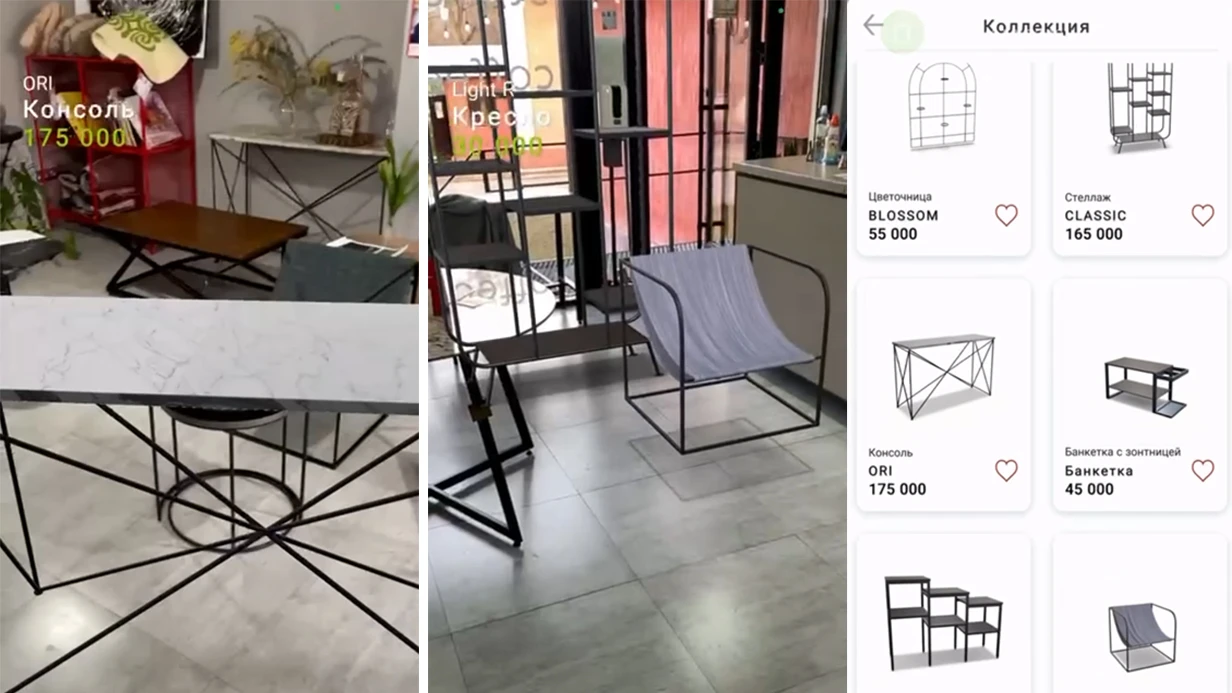
אפליקציה עסקית הבנויה על Android ARCore מאפשרת ללקוחות "למדוד" מוצר לפני הקנייה: למקם ספה בסלון, להתאפר, למדוד משקפיים, או לראות איך שלט ייראה על חזית בניין.
אפליקציית AR כזו עובדת על מיליוני מכשירי אנדרואיד, מה שאומר שהיא זמינה לקהל שלך ללא השקעה נוספת בציוד. עבור הלקוח, זו נוחות וביטחון בבחירה; עבורך, זו תוצאה מדידה.
הערך המרכזי של מציאות רבודה הוא המרה גבוהה יותר ופחות החזרות. כשקונים כבר ראו את המוצר בסביבה שלהם, יש סיכוי נמוך יותר שהם יתאכזבו או יבטלו הזמנה.
בנוסף, תרחיש AR מעורב יותר מאשר תצוגת מוצר רגילה: משתמשים מבלים יותר זמן באפליקציה, משתפים את חוויית ה"מדידה" שלהם ברשתות חברתיות לעתים קרובות יותר, וחוזרים לרכישות נוספות. זה בונה מודעות למותג ללא תקציב פרסום נוסף.
Android ARCore נותן לעסק יתרון חשוב נוסף — מהירות יישום. הטכנולוגיה כבר מוכחת ונתמכת על ידי מכשירים מרכזיים, כך שאין צורך בצי בדיקות של ציוד או באינטגרציות מורכבות.
אתה רק מגדיר את המטרה — ומקבל פתרון AR עובד בזמן קצר שמתחיל מיד לספק ערך: עוזר ללקוחות לבחור ועוזר לחברה שלך להרוויח.
אנחנו יוצרים פרויקטי AR לצרכים עסקיים אמיתיים כבר עשר שנים — מחלונות ראווה ועד קטלוגים אינטראקטיביים.
נעזור לך לזהות היכן מציאות רבודה תשתלם הכי מהר ונבנה אפליקציה ניידת לתרחיש שלך — עם דגש על תוצאות, לא טכנולוגיה לשם הטכנולוגיה.
מה אפליקציית AR משיגה לעסק שלך
להחזיק את תשומת הלב של הלקוח בזרם של פרסומות הופך לקשה יותר. תמונות וסרטונים רגילים כבר לא מעוררים את אותה תגובה — משתמשים גוללים על פניהם בשבריר שנייה.
אפליקציית AR מעבירה את האינטראקציה עם המותג למישור אחר לגמרי: במקום צפייה — השתתפות; במקום סיפור — חוויה חיה.
הלקוח רואה לא תמונה אלא אובייקט אינטראקטיבי ממש בחלל שלו — דרך מצלמת הסמארטפון, ללא מכשירים נוספים. הם יכולים "למדוד" מוצר, לראות איך רהיט משתלב בחדר, להחיות אריזה, או לצפות איך ציוד מורכב עובד. אינטראקציה כזו תופסת תשומת לב לדקות, לא שניות, ומשאירה רושם חי.
האפקט הזה מתורגם ישירות למכירות. כשאדם רואה מוצר בתנאים אמיתיים, בתוך הבית שלו או על עצמו, החלטת הקנייה הופכת להרבה יותר קלה. ספקות נעלמים, שיעורי ההחזרות יורדים, וחלק ההזמנות בערוצים הניידים גדל. עבור חנויות מקוונות ואולמות תצוגה, זו דרך לקצר את הדרך מעניין לרכישה.
AR עובד גם לשימור קהל. אפליקציה עם חוויות AR שימושיות או מבדרות היא סיבה לחזור: לחקור קולקציה חדשה, לראות איך מוצר חדש עובד, ולחוש רגשות חיוביים מהמותג שוב.
נוכחות קבועה בטלפון של הלקוח היא יותר מפרסומת חד-פעמית. היא בונה נאמנות, שמניעה הזמנות חוזרות.
יש גם עניין של הכרה. חוויה אינטראקטיבית יוצאת דופן היא נושא לשיחה שאנשים רוצים לשתף. תמונות וסרטוני AR שנוצרו על ידי משתמשים ופורסמו ברשתות חברתיות מספקים חשיפה אורגנית שלא עולה תקציב פרסום.
המותג נזכר כמודרני, מתמצא בטכנולוגיה וממוקד לקוח, מה שגורם לו לבלוט מול מתחרים.
המסקנה ברורה: אפליקציית AR היא כלי שפותר כמה מטרות עסקיות בבת אחת — מהגדלת מכירות ועד בניית מותג חזק. והיא עובדת לא כקמפיין חד-פעמי אלא כנכס ארוך טווח שממשיך לספק ערך כל יום.
פורמטים של פיתוח Android ARCore למשימה שלך
לקוחות מגיעים אלינו לא עם בקשה "לעשות אפליקציית AR" אלא עם משימה: למכור יותר, להחזיק תשומת לב, להפחית החזרות. פורמט מציאות רבודה על Android ARCore הוא כלי שפותר בעיה עסקית ספציפית אם התרחיש נבחר נכון. להלן הפורמטים האופייניים שאנו מיישמים והיתרון שכל אחד מהם מספק.
| פורמט | למי | מה זה נותן ללקוח |
|---|---|---|
| מדידת נעליים | חנויות נעליים, מרקטפלייסים | הקונה רואה את הדגם על הרגל שלו ובוחר מידה ללא חדר מדידה — פחות החזרות, יותר הזמנות. |
| מיקום רהיטים | סלוני רהיטים ואולמות תצוגה | הלקוח ממקם ספה או ארון בחדר שלו, בודק קנה מידה והתאמה לעיצוב — ומחליט לקנות מהר יותר. |
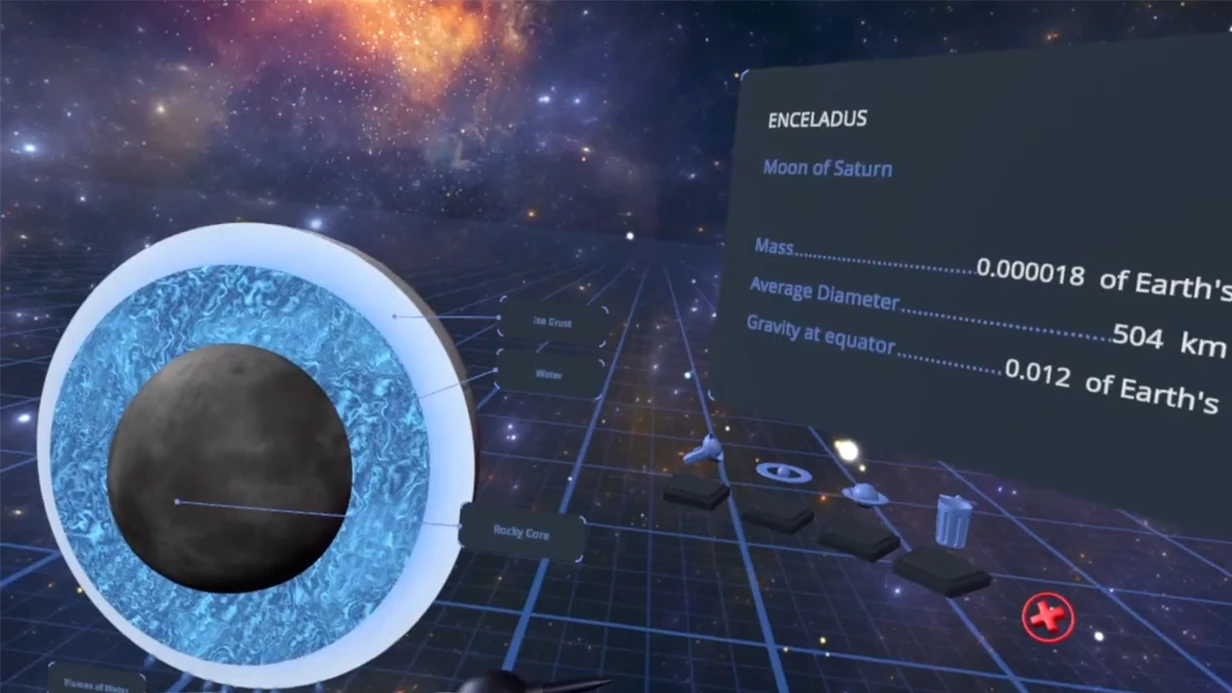
| מדריך אינטראקטיבי | מוזיאונים, תערוכות, מתחמי אירועים | מבקרים מכוונים את המצלמה למוצג ומקבלים מציאות רבודה עם סיפור או סצנת תלת-ממד — מעורבות גבוהה יותר וביקורים ארוכים יותר. |
| תצוגת מוצר | רשתות קמעונאיות, קטלוגים | מוצר מתעורר לחיים על המדף או באריזה שלו — הקונה מבין בדיוק מה הוא מקבל וסומך על המותג. |
אנחנו לא רק מציירים מודלי תלת-ממד; אנחנו מתכננים את התרחיש: איך המשתמש מתקשר עם האובייקט, אילו הנחיות הוא מקבל, ומה הוא עושה אחרי הצפייה.
הבסיס הטכני הוא פלטפורמת Android ARCore, שמבטיחה זיהוי יציב של משטחים ותאורה ברוב הסמארטפונים המודרניים.
עבור הלקוח, זה מתורגם לתוצאה צפויה: האפליקציה עובדת ללא דופי על המכשירים של הלקוחות שלו ונראית טבעית בכל תנאי.
שלבי פרויקט AR: מבריף ועד השקה
עבודה על פרויקט AR היא לא אוסף של "פיסות" קוד מבודדות אלא מסלול אחד שמוביל מרעיון לאפליקציה עובדת. השלמנו עשרות פרויקטים כאלה וחידדנו את התהליך כך שתבין מה קורה בכל שלב ואיזו תוצאה אתה מקבל. כך עובד פיתוח אפליקציות AR אצלנו.
-
בריף: אנחנו צוללים לתוך המשימה שלך. אנחנו מקשיבים למי האפליקציה מיועדת, איזו בעיה היא פותרת, ואיזו תוצאה אתה מצפה. בשלב זה אנחנו מגדירים את המטרות וקריטריוני ההצלחה כך שכל הצדדים מיושרים.
-
תוכנית ואב-טיפוס: אנחנו מראים את המוצר העתידי. אנחנו מכינים מפרט טכני, מפת מסכים ואב-טיפוס אינטראקטיבי. אתה רואה את הלוגיקה של האפליקציה לפני שפיתוח מתחיל — זה מאפשר לך להתאים פרטים במהירות ולהימנע מעבודות חוזרות יקרות מאוחר יותר.
-
עיצוב: אנחנו יוצרים סגנון ויזואלי למותג. אנחנו מציירים את הממשק, האנימציות ומודלי התלת-ממד שיתקשרו עם העולם האמיתי. אנחנו שמים דגש על נוחות שימוש: הלקוח לא צריך לקרוא מדריך כדי לקבל אפקט וואו.
-
פיתוח: אנחנו בונים את האפליקציה על Android ARCore. אנחנו משתמשים בפלטפורמת מציאות רבודה מקצועית למעקב יציב אחר משטחים ואובייקטים. זה מספק תמונה חלקה ותגובה מהירה — מה שמבדיל AR איכותי מצעצוע מאכזב.
-
בדיקות: אנחנו מוודאים על מכשירים אמיתיים. אנחנו מריצים את האפליקציה על דגמי טלפון שונים, בתאורה שונה ובתנאים שונים. המטרה שלנו היא שההשקה תעבור ללא הפתעות ושהמשתמשים יקבלו בדיוק את החוויה שתכננת.
-
השקה ותמיכה: אנחנו מוסרים את המפתחות. אנחנו מפרסמים את האפליקציה בחנויות, מגדירים אנליטיקה ומספקים הוראות לצוות שלך. אנחנו נשארים בקשר: מתקנים שגיאות במהירות, מוסיפים תכונות חדשות ומגדלים את הפרויקט יחד עם העסק שלך.
המבנה הזה חוסך לך זמן ותקציב — כל שלב מסתיים בתוצר ברור שאתה יכול לאשר או להתאים. בסופו של דבר, אתה מקבל לא "קופסה שחורה" אלא תהליך שקוף עם תוצאה צפויה.
מה כלול במסירת פתרון AR
הפרויקט לא מסתיים כשהאפליקציה נמסרת. אתה מקבל מוצר מוגמר כנכס חברה מלא: עם קוד, תיעוד וזכויות שנשארות אצלך.
זה אומר שניתן לפתח את הפתרון הלאה, להעבירו לקבלנים אחרים, או לשלבו בתהליכים שוטפים — בלי להתחיל מאפס.
אנחנו מכינים את המסירה כך שהצוות שלך יוכל להשתמש במוצר מיד, לא "להבין תוך כדי". החבילה כוללת כל מה שצריך להשקה, תמיכה ושיפורים עתידיים — מהוראות עבודה ועד מפגש הדרכה לעובדים. הנה בדיוק מה שאתה מקבל אחרי שהפרויקט מסתיים.
- קוד מקור מלא ומתועד של אפליקציית ה-AR. הוא נשאר אצלך, ואתה חופשי לשנות אותו — אתה יכול לשכור כל צוות לפיתוח המוצר.
- תיעוד ארכיטקטורה ולוגיקה בשפה פשוטה: מה מאוחסן איפה, איך עובדים התרחישים המרכזיים, איך להוסיף תכונות חדשות. זה חוסך שבועות של זמן קליטה למומחים חדשים.
- הוראות פרסום ועדכון — איך לשחרר גרסאות חדשות, להעלות builds ולעבוד עם חנויות אפליקציות. אתה מנהל את השחרורים בעצמך, ללא מתווכים.
- מדריך מנהל ומשתמש — כל מה שצריך כדי להגדיר, להשיק ולנטר את המערכת. מתאים גם לצוות טכני וגם למנהלים האחראים על תוצאות.
- מפגש הדרכה לצוות שלך — אנחנו מראים איך להשתמש בפתרון, איך לטפל במשימות נפוצות, ולמי לפנות במצבים חריגים.
- תמיכת אחריות לאחר ההשקה. לתקופה מוסכמת אנחנו מלווים את המוצר: מתקנים באגים, עוזרים בעדכונים ועונים לשאלות של המומחים שלך.
- מפת פרויקט טכנית — רשימת רכיבים, ספריות ושירותים בשימוש, עם הסבר מה כל אחד עושה. אתה תמיד יודע על מה הפתרון בנוי ומה התלויות קיימות.
החבילה הזו הופכת את המסירה לשקופה ומסירה את הסיכונים המרכזיים של הלקוח: תלות בספק מסוים, חוסר יכולת לבדוק את המבנה הפנימי, ובעיות נסתרות לאחר ההשקה. אתה מקבל מערכת עובדת ושליטה מלאה עליה.
מקרה בוחן: אפליקציית AR הגדילה מכירות לאולם תצוגה לרהיטים
לקוח בוחר רהיטים באינטרנט "בעין". הוא מגיע לאולם התצוגה — ועדיין לא בטוח איך הספה תיראה בסלון שלו. יותר מכל, הוא חושש מטעות במידה ובצבע. עבור עסק רהיטים, זה אומר המרה נמוכה והתלבטות ארוכה.
פתרנו את הבעיה הזו עבור אולם התצוגה Harmony.
בנינו אפליקציית AR קלה על Android ARCore: מבקר מכוון את מצלמת הסמארטפון לפינה ריקה באולם התצוגה ורואה כיסא או ספה בקנה מידה מלא — ויכול מיד להחליף ריפוד וצבע. אין מחלקות התקנה: האפליקציה נפתחת מהטלפון תוך כמה שניות.
המספרים שהבעלים ראה
בשבועיים, האפליקציה הורדה יותר מ-600 פעמים, ובמהלך מצגת של שעתיים אורחים יצרו 230 מפגשי מדידה. מבין אלה שמדדו רהיטים ב-AR, כל אדם שלישי ביצע רכישה — פי שניים משיעור ההמרה הממוצע של אולם התצוגה. חלק ההזמנות החוזרות גדל ב-40% לאחר מכן.
למה זה עבד
לא רק הראינו מודל תלת-ממד — הסרנו את הפחד מטעות. מבקרים "ממקמים" את הרהיט בחלל שלהם, מתוודעים אליו ומקבלים החלטה בטוחה.
עבור אולם התצוגה, זו גם דרך לבלוט: אנשים מספרים לחברים על תצוגות כאלה, כך שהמודעות גדלה ללא תקציב פרסום נפרד.
הגישה הזו עובדת גם לעסקים אחרים: חנויות בגדים, אלקטרוניקה וקוסמטיקה. שישה חודשים לאחר מכן, אולם התצוגה הזמין מאיתנו אפליקציה שנייה — למיקום רהיטים מקוון בדירות של לקוחות. כך AR הופך מניסוי לערוץ מכירות יציב.
תשובות לשאלות נפוצות על פיתוח AR
לפני שמתחילים פרויקט AR, לקוח חושב לא על טכנולוגיה אלא על השלכות: כמה זמן זה ייקח, איך זה ישפיע על התקציב, והאם זה יניב תוצאה מוחשית.
הפחד מהלא נודע חזק לעתים קרובות מהיתרון הנתפס — והפרויקט נדחה ללא הגבלת זמן בזמן שמתחרים תופסים את תשומת הלב של הלקוחות.
אנחנו מפתחים אפליקציות על Android ARCore כבר יותר מ-10 שנים, כך שאנחנו רואים בבירור חששות אופייניים. להלן תשובות קצרות וכנות לשאלות שאנחנו שומעים הכי הרבה.
האם פרויקט AR לוקח הרבה זמן לבנייה?
בממוצע, חודש עד שלושה חודשים, תלוי במספר התרחישים והתכונות. לוח הזמנים קבוע בחוזה לאחר הבריף, ואנחנו מפרקים את העבודה לשלבים: תראה את התוצאה הראשונה תוך שבועיים.
האם נצטרך לקנות מכשירים מיוחדים?
לא. רוב הסמארטפונים המודרניים של אנדרואיד תומכים ב-AR. בהתחלה, אנחנו בודקים על אילו דגמים האפליקציה תעבוד ומבצעים אופטימיזציה לקהל שלך — ללא עלויות ציוד נוספות.
איך נדע ש-AR ישתלם ולא יהיה רק "אפקט וואו"?
התחל עם תרחיש פיילוט: תכונה אחת, קבוצת יעד אחת, ומטרה מדידה — עלייה בלידים, רכישות חוזרות או מודעות למותג. זה נותן לך עובדות להרחבה, לא רק הבטחות יפות.
אם עדיין יש לך ספקות, שאל את שאלתך בעמוד או במהלך ייעוץ. אנחנו עונים ישירות, בלי אותיות קטנות או ייפוי.איך לבחור את פורמט אפליקציית ה-AR הנכון למשימה שלך?
בחירת פורמט אפליקציית AR מתחילה לא בטכנולוגיה אלא בשאלה: מה בדיוק המשתמש צריך לעשות, ואיפה זה קורה? אם המשימה היא להראות מוצר בבית של הלקוח, מצלמת סמארטפון מספיקה.
אם צריך להכשיר עובדים על ציוד מורכב, תצטרך סמנים וזיהוי מרחבי. תקציב, לוח זמנים ומהירות ההשתלמות של הפתרון — הכל תלוי בזה.
אנחנו עוזרים לך לבחור את הפורמט הנכון על סמך התרחישים העסקיים שלך: מדידה, ויזואליזציה של פנים, ניווט, הדרכה או הדגמת אירועים.
עבור כל אחד מהם, יש פתרון מוכח — בלי לשלם תוספת על פונקציונליות מיותרת ועם הבטחה שהוא משתלב באופן טבעי במסע הרגיל של הלקוח או העובד.
הקריטריון המרכזי הוא נוחות שימוש. המשתמש לא צריך להבין את הממשק: לכוון את המצלמה, לראות את האובייקט, לבצע את הפעולה הרצויה.
אנחנו בוחרים פורמט שדורש מינימום צעדים מהמשתמש, כך שהתוצאה נראית מיד — בין אם זה רכישה, ליד או רגע בלתי נשכח לאורחים.
אם אתה לא בטוח איזו אפשרות מתאימה, שלח לנו תיאור של המשימה שלך. נציע 2-3 פורמטים מתאימים עם הסבר מה כל אחד יביא לעסק שלך, ונבחר את זה שמגיע למטרה שלך הכי מהר.
הזמן פיתוח אפליקציית AR וקבל תוצאות
להתחיל פרויקט AR זה קל כשאתה לא צריך להיכנס לפרטים טכניים. אנחנו מטפלים בכל הפיתוח במפתח מלא: מרעיון ותרחיש ועד פרסום ותמיכה.
אתה מקבל מוצר עובד, לא רק אב-טיפוס — ואתה מתמקד במטרות עסקיות בזמן שאנחנו מטפלים ביישום.
הזמן אפליקציית AR מהצוות שלנו — ותוך כמה שבועות תראה תוצאה שאתה יכול להראות ללקוחות ולשותפים. אנחנו עובדים על Android ARCore ופלטפורמות AR אחרות, כך שהאפליקציה תפעל באופן אמין על רוב הסמארטפונים המודרניים.
מה אתה מקבל אחרי ביצוע הזמנה:
- מפרט טכני ותרחיש ברורים, מסוכמים לפני תחילת הפיתוח.
- שלבים שקופים: אתה רואה גרסאות ביניים ומבצע שינויים לאורך הדרך.
- אפליקציה מוכנה להשקה שפורסמה בחנויות — ללא שלבים נסתרים.
- הדרכה לצוות שלך: איך לנהל תוכן ולעדכן את האפליקציה.
- תמיכה טכנית לאחר ההשקה — אנחנו נשארים זמינים אם משהו משתנה.
- תיעוד מלא וחומרי מקור כדי שתוכל להמשיך לפתח את הפרויקט.
אנחנו עובדים לפי תוכנית שקופה: בריף — קונספט — פיתוח — בדיקות — השקה. בכל שלב אתה מקבל דוח ומבין מה קורה. אין "קופסאות שחורות".
צור קשר כדי לדון במשימה שלך: נשלח הערכת לוח זמנים ראשונית ונציע פתרון במסגרת התקציב שלך. זה ללא התחייבות.