



מדוע לקוחות עוזבים ללא Unity ליישומי VR/AR
מצגת רגילה או תצוגת תלת-ממד כבר לא תופסת תשומת לב: הלקוח גולל מעבר לדף תוך שניות ספורות, אף פעם לא מקבל תחושה של המוצר, והולך למי שמספק חוויה רגשית.
זה בולט במיוחד בשירותים ומוצרים מורכבים, שבהם מה שחשוב ביותר הוא לא המחיר אלא חוויית השימוש.
הסיבה מאחורי רוב הסירובים היא לא המוצר עצמו, אלא האופן שבו הוא מוצג. ללא טכנולוגיה אינטראקטיבית, קשה להראות קנה מידה, פרטים ותרחיש שימוש: הקונה רואה "תמונה" אבל לא מבין איך זה עובד בחיים שלו.
מתחרים שמציעים הדגמות VR/AR מנצחים כי הם נותנים לאנשים לנסות את המוצר לפני הרכישה.
כאן נכנסת Unity ליישומי VR/AR. היא מאפשרת לבנות סביבה חיה שבה הלקוח מתקשר עם האובייקט, משנה אותו, וחווה את התרחיש.
זה מעביר את השיחה מ"תראה, איזו תמונה יפה" ל"אתה כבר משתמש בפתרון." התוצאה היא המרה גבוהה יותר, מחזור מכירות קצר יותר, ופחות התנגדויות של "אנחנו צריכים לחשוב על זה."
הצוות שלנו סוגר את הפער הזה. אנחנו מתכננים ומשיקים פתרונות אינטראקטיביים שתופסים תשומת לב, מערבים מבקרים, והופכים עניין לשאילתה או לביקור חוזר. ללא חוויה סוחפת, הלקוח בוחר במי שהפתיע אותו. איתנו, אתם אלה שמפתיעים.
אילו אתגרים Unity פותרת בעסק שלכם
כל מטרה עסקית — ממשיכת תשומת לב ועד הגדלת מכירות — מושגת באמצעות מעורבות.
זו הסיבה ש-Unity הפכה לבסיס של פרויקטי VR/AR מודרניים: היא מאפשרת ליצור תרחישים אינטראקטיביים שתופסים את תשומת הלב של הלקוח ומספקים תוצאות מדידות. בדקו אילו מהיתרונות האלה תואמים את המטרות שלכם:
| משימה | מה הלקוח מקבל | תוצאה עסקית |
|---|---|---|
| משיכת תשומת לב הקהל | אינטראקטיביות שמושכת עין בתערוכה או בחלון ראווה | מודעות מותג גבוהה יותר, יותר אנשי קשר |
| שמירה על עניין | תרחיש סוחף שמזמין לראות אותו עד הסוף | זמן מוגדל של אינטראקציה עם המותג |
| איסוף נתונים | מכניקת משחק מתעדת פעולות משתמש | יותר לידים איכותיים |
| הגדלת מכירות | ניסיון וירטואלי או הדמיית מוצר | המרה גבוהה יותר לרכישה |
| הכשרת עובדים | סימולטורי VR בטוחים ללא סיכונים | הגעה מהירה יותר לביצועי יעד |
בכל מקרה, אפליקציית Unity לא רק מספקת "אפקט וואו" — היא עובדת לקראת מדדים ספציפיים: ביקורים חוזרים, משך סשן, מספר פניות.
הלקוח מקבל כלי שניתן להרחיב בקלות לערוצים שונים, מאירועים לא מקוונים ועד חנויות מקוונות.
זו הסיבה שכאשר עסק בוחר ב-Unity ל-VR/AR, הוא משקיע בצמיחת מדדים ברורה, לא בטכנולוגיה לשמה. כבר סיפקנו יותר מ-40 פרויקטים שבהם היתרונות האלה אושרו בפועל, מסימולטורי הדרכה ועד אולמות תצוגה וירטואליים. אם האתגר שלכם לא ברשימה — ספרו לנו עליו, ואנחנו נציע פתרון.
פורמטי פיתוח שמתאימים למשימה שלכם
כל עסק פותר את האתגר שלו: אחד צריך להראות מוצר שעדיין לא קיים, אחר צריך להכשיר צוות ללא סיכון, ושלישי צריך להשאיר מבקרים בדוכן.
אנחנו בוחרים פורמט VR/AR עבור התעשייה והתרחיש שלכם, כך שהתוצאה משרתת מטרה ספציפית — צמיחת מכירות, חיסכון או הכרה.
Unity היא בליבת כל פרויקט. היא מאפשרת לנו להתאים במהירות את הפתרון לפלטפורמות ומכשירים שונים מבלי לאבד מאיכות התמונה או ההיענות. להלן טבלת פורמטים אופיינית כדי שתוכלו לראות איזו אפשרות אתם צריכים.
| פורמט | למי זה מיועד | מה זה מספק | מתי להשתמש |
|---|---|---|---|
| יישומי AR לנייד | רשתות קמעונאיות, מותגי הלבשה וקוסמטיקה | הצגת מוצר וירטואלי על גבי המציאות, ניסיון, אריזה אינטראקטיבית | כשצריך למשוך לקוחות דרך סמארטפון ולהגדיל המרה לרכישה |
| אולמות תצוגה VR | יצרני טכנולוגיה, נדל"ן, סוכנויות רכב | הדגמת מוצר בקנה מידה 1:1 ללא דוגמה פיזית | כשאי אפשר לספק את המוצר או שהוא עדיין לא יוצר |
| מתקנים אינטראקטיביים | מארגני אירועים, דוכני תערוכה | דוכן מרתק, פינת צילום, חוויה בלתי נשכחת | כשצריך אפקט מרשים וזרם של אזכורים במדיה חברתית |
| סימולטורי הדרכה | תעשייה, בריאות, אנרגיה | תרגול מיומנויות ללא סיכון או עלויות חומרים מתכלים | כשטעות בעבודה אמיתית מסוכנת או יקרה |
איך הפיתוח עובד מבריף ועד השקה
אנחנו מבנים את התהליך כך שכל שלב פיתוח גלוי לכם: אתם מבינים מה קורה, מה אתם מקבלים בסוף, ואיפה בדיוק עומד הפרויקט. גישה זו מבטלת הפתעות ועוזרת לכם לשלוט בתקציב, בלוח הזמנים ובתוצאות הביניים.
- בריף וראיון — אנחנו צוללים לאתגר העסקי, חוקרים את הקהל ותרחישי השימוש. אתם מקבלים מסמך עם מטרות הפרויקט וקריטריוני הצלחה כדי שנהיה בטוחים שאנחנו מדברים באותה שפה.
- תכנון והערכת עלות — אנחנו מציעים את ארכיטקטורת הפתרון, מפרקים את העבודה לשלבים, וקובעים את לוח הזמנים והעלות. אתם רואים ממה מורכב התקציב, במקום לקבל סכום כולל ללא פירוט.
- אישור פרויקט — אנחנו מאשרים אבות טיפוס ותרחישי אינטראקציה לפני תחילת הפיתוח העיקרי. ביצוע תיקונים בשלב זה כמעט לא משפיע על התקציב אבל חוסך זמן בהמשך.
- יישום — אנחנו בונים את האפליקציה לפי התוכנית המאושרת. כל כמה שבועות אנחנו מציגים גרסאות ביניים, כך שתוכלו להעריך התקדמות אמיתית ולכוונן פרטים לאורך הדרך.
- בדיקות ועידון — אנחנו בודקים יציבות, שימושיות ותאימות למכשירים שהלקוחות שלכם משתמשים בהם. אנחנו מבטלים באגים לפני שהאפליקציה מגיעה למשתמשים.
- השקת האפליקציה — אנחנו מפרסמים את הפרויקט בחנויות המתאימות או פורסים אותו לאירוע שלכם. אנחנו עוזרים עם השחרור ומכשירים את הצוות שלכם אם נדרש ניהול תוכן עצמאי.
- תמיכה וצמיחה — אנחנו נשארים בקשר לאחר ההשקה: עוקבים אחר משוב, מציעים שיפורים ומציעים מקרי שימוש חדשים.
השורה התחתונה: שום דבר לא הולך לאיבוד ב"קופסה שחורה." אתם תמיד יודעים באיזה שלב נמצא הפרויקט, מה כבר נעשה, ומה תוצאות תקבלו בסיום. זו הסיבה שרוב הלקוחות חוזרים אלינו.
מה כלול במסירת האפליקציה
כשאתם מזמינים אפליקציית VR/AR מבוססת Unity, אתם מקבלים חבילה מלאה להשקה וצמיחה של המוצר. המסירה כוללת כל מה שצריך כדי להשתמש בתוצאה ביום המסירה, להעביר אותה למפתחים אחרים ולפתח אותה ללא הגבלות.
-
אפליקציה מוכנה להשקה. מוצר בנוי לפלטפורמות שבחרתם: משקפי מציאות מדומה, מכשירים ניידים או גרסת אינטרנט. האפליקציה עוברת בדיקות סופיות ורצה ביציבות בתרחישים אמיתיים. אתם מקבלים פתרון שניתן להשתמש בו בעסק מיד.
-
קוד המקור של הפרויקט. כל הקוד, הסצנות, הנכסים וההגדרות מועברים אליכם בצורה פתוחה. זה הקניין הרוחני שלכם; אתם לא קשורים לקבלן יחיד. כל מפתח עם הניסיון המתאים יוכל להמשיך את העבודה.
-
תיעוד הפרויקט. הוראות התקנה, הגדרה ותפעול של האפליקציה, בתוספת תיאור ארכיטקטורה. בזכותו, העובדים שלכם יכנסו לעניינים במהירות, ומפתחים חדשים לא יצטרכו להתחיל מאפס.
-
הכשרת הצוות שלכם. סשן מעשי לעובדים שלכם: ניהול תוכן, עדכון חומרים, משימות טיפוסיות. תוך שעה, הצוות רוכש כישורי עבודה בטוחים ויוכל לבצע שינויים בעצמו.
-
אחריות ותמיכה. לאחר ההשקה, אנחנו נשארים בקשר: מתקנים באגים, עונים על שאלות ועוזרים בהגדרות. תקופת האחריות קבועה בחוזה — אתם מוגנים מבעיות נסתרות.
-
סיוע בהשקה. אנחנו עוזרים בפרסום בחנויות אפליקציות, בדיקות על מכשירים אמיתיים ואינטגרציה עם המערכות שלכם. אתם משיקים את המוצר ללא סיבוכים טכניים.
כתוצאה מכך, אתם מקבלים יותר מסתם קבצים: אתם מקבלים פתרון עובד עם תיעוד מלא, הכשרה ותמיכה. היקף המסירה ותוצאות הפרויקט הספציפיות קבועים במפרט הטכני לפני תחילת העבודה — אתם יודעים מראש מה תקבלו.
מקרה בוחן: איך הגדלנו מכירות עם פתרון אינטראקטיבי
קונה לא יכול לדמיין איך ספה חדשה תתאים לסלון שלו — ודוחה את החלטת הרכישה.
עבור חברת הרהיטים MebelPro, זו הייתה הסיבה העיקרית להמרה נמוכה: מבקרים בילו זמן רב בגלישה בקטלוג אבל פחדו לבחור גודל או צבע ריפוד לא נכון.
מה עשינו
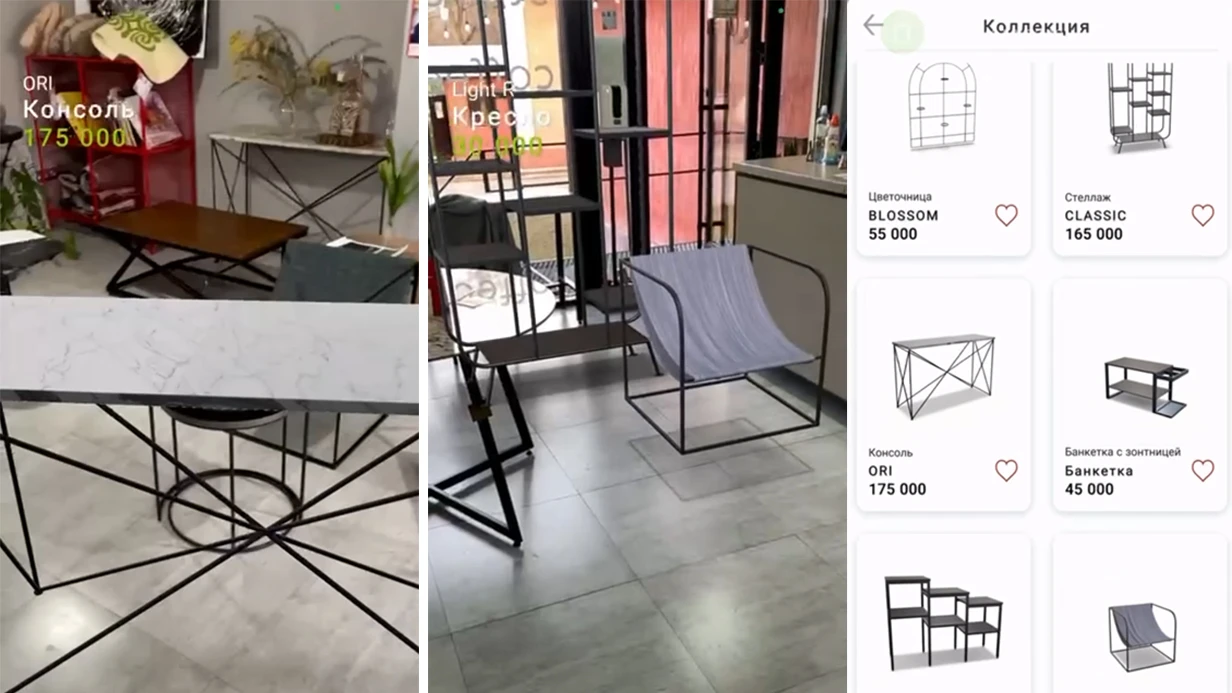
במקום תמונות רגילות, יצרנו קטלוג אינטראקטיבי — אולם תצוגה וירטואלי שעובד על סמארטפון, טאבלט ומשקפי VR.
המבקר בוחר דגם, משנה מיידית חומרים וריפוד, ואז "ממקם" את הרהיט בחדר שלו דרך מצלמת הטלפון.
אין צורך להוריד שום דבר — הכל נפתח בדפדפן, והפיתוח בנוי על מנוע מקצועי, שמבטיח ביצועים יציבים בכל מכשיר.
תוצאות היישום
תוך חודשיים, ההמרה מביקור לשאילתה גדלה ב-37%, וסל הקניות הממוצע גדל ב-20%. מספר ההחזרות ירד בכמעט חצי: קונים רואים מראש איך המוצר נראה בתנאים אמיתיים ונוטים פחות לבחור לא נכון.
MebelPro מאשרת את האפקט: "בעבר, לקוחות החזירו אחת מכל עשר הזמנות — הגודל או הצבע לא התאימו. עם הקטלוג האינטראקטיבי, ההחזרות כמעט נעלמו והמכירות המקוונות גדלו בצורה ניכרת.
כבר הזמנו מהצוות שלנו את השלב השני — חנות וירטואלית לקולקציה החדשה."
מקרה VR/AR זה מראה שאינטראקטיביות מחזירה את ההשקעה בחודשים הראשונים דרך מכירות גבוהות יותר ועלויות נמוכות יותר. בניית הקטלוג אורכת כארבעה שבועות, ולאחר מכן המערכת עובדת לבד — כל מה שצריך זה למלא אותה במוצרים חדשים.
אותה גישה מתאימה לסוכנויות רכב, חנויות בגדים ואולמות תצוגה לשיפוצים — בכל מקום שבו קונה צריך "לראות את המוצר בחיים האמיתיים" לפני הרכישה.
איך לבחור את פורמט הפיתוח הנכון?
בחירת פורמט פיתוח מתחילה לא בטכנולוגיה אלא בשאלה: מה המשתמש צריך לעשות, ואיפה זה קורה? האם צריך להסיח את דעתו לחלוטין מהמציאות ולהטביע אותו בסימולציה?
או, להיפך, להשאיר אותו במרחב האמיתי ולהוסיף לו אלמנטים דיגיטליים? התשובות לשאלות אלה קובעות איזה כלי מתאים: מציאות מדומה, רבודה או משולבת.
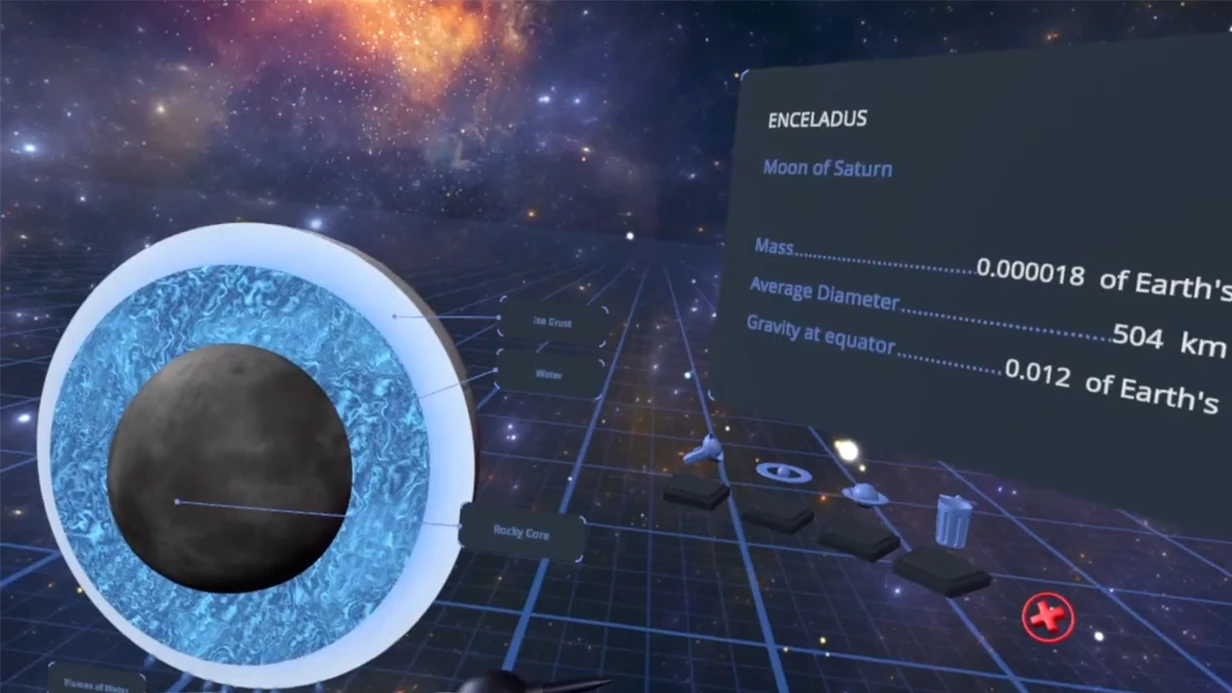
אם המשימה היא הדרכה לפעולות שבהן טעות יקרה, או הדגמת מוצר שעדיין לא קיים, VR היא הבחירה ההגיונית. המשתמש מרכיב משקפיים ומוצא את עצמו בתוך התרחיש: מפעיל ציוד, נע בחדר, מקבל החלטות.
פורמט זה ממקסם מיקוד ויוצר תחושת נוכחות. הוא עובד היטב להכשרת צוות, סיורים וירטואליים והצגות של אובייקטים גדולים.
אם הלקוח צריך לתקשר עם הסביבה האמיתית תוך קבלת הנחיות דיגיטליות, AR היא התשובה. דרך מצלמת סמארטפון או טאבלט, מידע מוצג על גבי אובייקטים אמיתיים: מפרטי מוצר, דיאגרמות הרכבה, הוראות הגעה.
זה נוח לדוכני תערוכה, ניווט, קמעונאות והוראות "במקום עצמו".
יש גם אפשרות שלישית — מציאות משולבת, שבה אובייקטים דיגיטליים לא רק צפים מעל אלא מוטמעים במרחב ומגיבים אליו. פורמט זה רלוונטי לעבודה משותפת עם מודלים תלת-ממדיים, עיצוב והדמיה מורכבת.
קריטריון הבחירה המרכזי הוא תרחיש השימוש והתוצאה העסקית הצפויה. אנחנו עוזרים ללקוחות להתאים את האתגר שלהם לפורמט הנכון כבר בשלב הבריף: אנחנו מבהירים את מספר המשתמשים, סוג המכשיר, תנאי ההפעלה והמדדים הנדרשים. בסופו של דבר, אתם מקבלים פתרון שעובד למען המטרה שלכם, לא רק הדגמה יפה.
ספקות נפוצים לפני תחילת פרויקט
לפני כל פרויקט VR/AR, ללקוח יש את אותם ספקות: האם זה יהיה מסובך מדי, האם לוח הזמנים יחליק, האם ההשקעה תתבזבז. זה נורמלי — שוק הטכנולוגיה החדשה מוקף במיתוסים.
בפועל, רוב הפחדים מוסרים בשלב הבריף, כשאנחנו הופכים את הרעיון לתוכנית ברורה עם לוחות זמנים ריאליים ותוצאות מדידות.
בואו נסתכל על החששות האופייניים שאנחנו שומעים הכי הרבה ונראה איך הם מטופלים בפועל.
"זה מסובך מדי — העובדים שלנו לא יבינו"
אנחנו מעצבים ממשקים כך שהם אינטואיטיביים ללא הכשרה מיוחדת. אנחנו נותנים לצוות סשן הכשרה קצר, מספקים חומרי עזר ותמיד נשארים בקשר. תהליך ההטמעה אורך 15 דקות עד שעה, ולאחר מכן העובדים עובדים באופן עצמאי.
"לא ברור מתי הפרויקט יסתיים וכמה הוא יעלה"
אנחנו קובעים את היקף העבודה, לוח הזמנים והעלות בחוזה לפני שמתחילים. הפרויקט מחולק לשלבים עם תוצאות ביניים — אתם רואים התקדמות ושולטים בתקציב בכל נקודה. אין הפתעות בסוף.
"מה אם זה לא יחזיר את ההשקעה?"
בשלב הבריף, אנחנו מחשבים את ההשפעה העסקית יחד איתכם: מה תהיה החשיפה, כמה תגדל המעורבות, כמה ביקורים חוזרים התרחיש יביא.
ברוב המקרים, VR/AR מחליף דוכנים יקרים וחומרים מודפסים, ולקוחות זוכרים את המותג שמפתיע אותם.
"מה אם הטכנולוגיה תתיישן או תתקלקל?"
אנחנו עובדים על מקצועי מוכח שערימה שקל לתחזק ולפתח. אתם מקבלים פתרון עובד עם אחריות ותמיכה לאחר הפרויקט. עדכון תוכן או הוספת תרחישים חדשים לא דורש התחלה מחדש — זה עידון סטנדרטי.
כמובן, לכל עסק יש שאלות ייחודיות משלו. אם החשש שלכם לא ברשימה, פשוט שאלו אותנו ישירות. נענה בכנות, ללא ז'רגון טכני, ובהתחשב באתגרים הספציפיים של החברה שלכם.הזמינו פרויקט וקבלו פתרון מלא
הזמנת פרויקט VR/AR היא לא רק בקשת שירות — היא התחלה של פרויקט שבו כל החלטה מסוכמת איתכם.
הצוות שלנו יוצר פתרונות לאירועים, קמעונאות, הדרכה ושיווק כבר יותר מ-10 שנים, מרעיון ועד מוצר מוגמר שמספק תוצאות.
מיד עם תחילת העבודה, אתם מקבלים סט כלים לשליטה מלאה:
- מפרט טכני קבוע והערכת עלות — ללא תוספות נסתרות או הוצאות בלתי צפויות;
- מנהל אישי — נקודת קשר אחת שמעדכנת אתכם בכל שלב;
- לוח זמנים עם תאריכים ברורים — אתם יודעים מראש מתי תקבלו את אב הטיפוס ואת הגרסה הסופית;
- גישה לגרסאות ביניים — בצעו תיקונים בזמן שהפתרון עדיין בייצור;
- בדיקות על ציוד אמיתי — ביטחון שהמוצר ירוץ עבור הלקוחות שלכם;
- המלצות קידום — איך להציג את הפתרון לקהל ולקבל החזר.
אנחנו עובדים עם Unity וציוד מקצועי — ערובה לתוצאות יציבות ללא קשר למורכבות המשימה. אתם לא צריכים להבין בטכנולוגיה: אתם מקבלים פתרון VR/AR מוגמר עם הוראות ותמיכה לאחר ההשקה.
כדי להתחיל, השאירו פנייה בטופס או שלחו לנו הודעה באחד המסנג'רים. נגיב תוך יום עסקים אחד, נדון ברעיון שלכם, נראה דוגמאות דומות ונציע תוכנית שמתאימה ללוח הזמנים והתקציב שלכם.