



לקוחות עוזבים לאלה שכבר משתמשים במציאות מעורבת (MR)
החומרים שלכם נראים אך נשכחים תוך שעה. מצגות, פוסטרים ואפילו סרטונים רגילים נתפסים כרקע: תשומת הלב של הקהל מתפזרת, והרגשות דועכים במהירות.
בינתיים, מתחרים כבר משתמשים במציאות מעורבת — פורמטים אינטראקטיביים שמערבים את הלקוחות בפעולה במקום בצפייה פסיבית. כתוצאה מכך, הדוכנים שלהם מושכים קהל, והלקוחות הפוטנציאליים שלכם הולכים לאלה שנתנו להם חוויה חדשה.
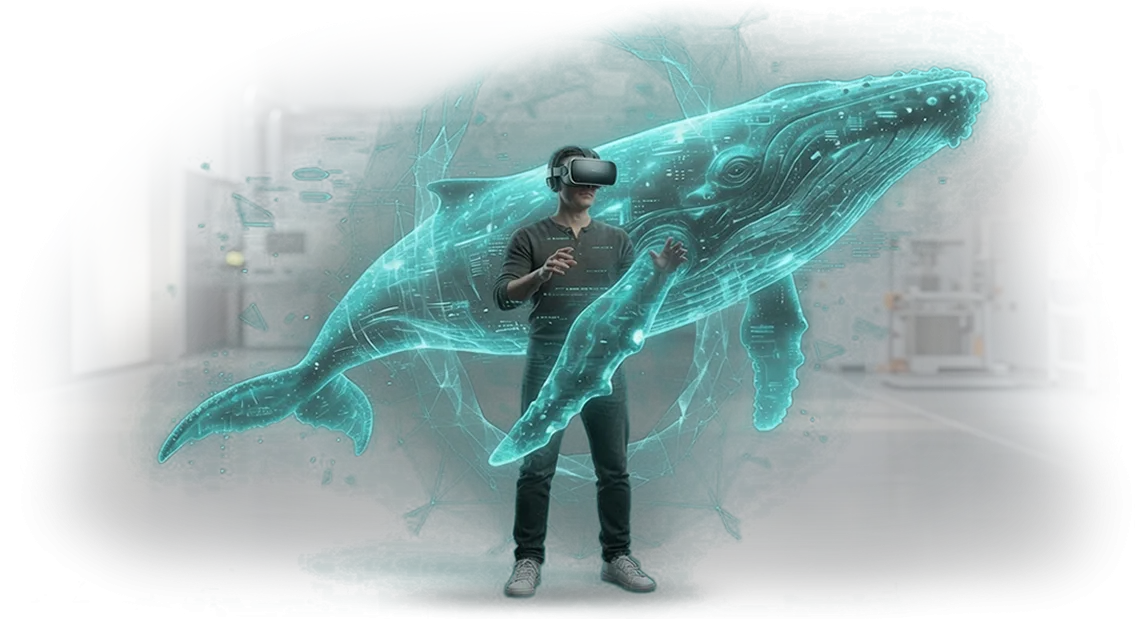
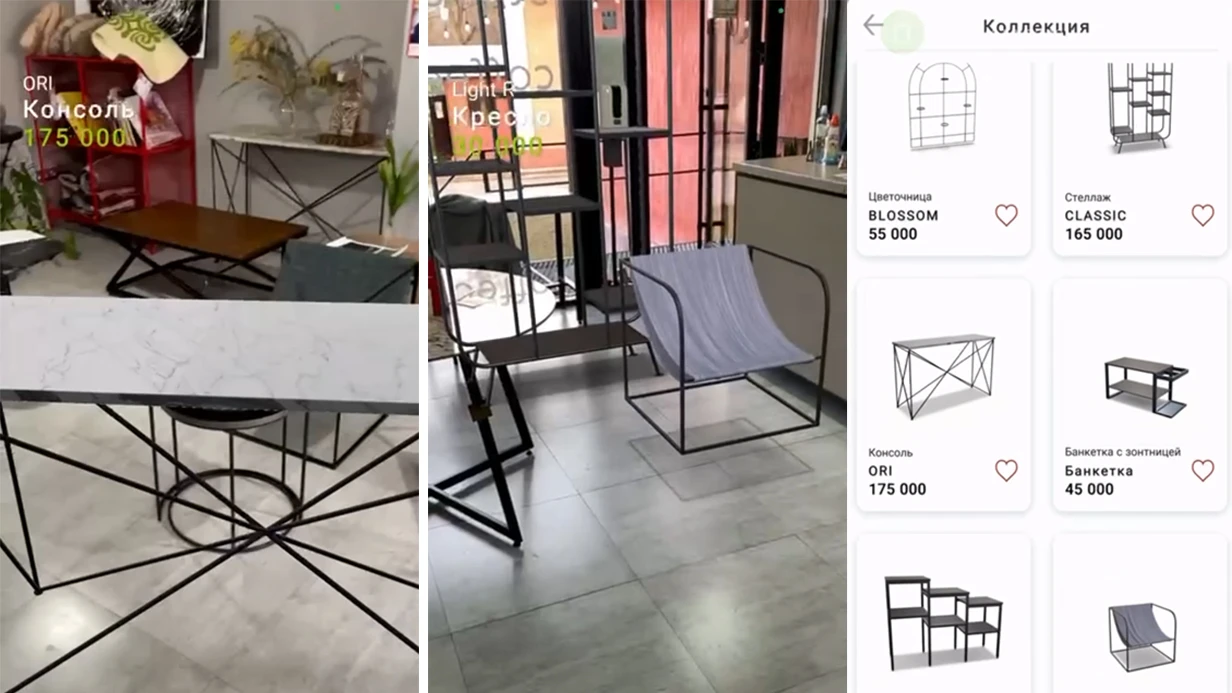
מציאות מעורבת (MR) משלבת מרחב פיזי עם אובייקטים דיגיטליים: הלקוח רואה את המוצר ממש באולם, יכול לסובב אותו, לבחון פרטים ולהריץ תרחיש שימוש.
האינטראקטיביות הזו מעבירה את השיחה ממחיר לערך: המבקר חוקר את ההצעה בעצמו במקום להקשיב לנאום של מנהל. זו ההשפעה שמחזיקה תשומת לב פי כמה וכמה יותר זמן מחומרים קונבנציונליים ומשאירה רושם חי בזיכרון.
עבור עסקים, זו לא רק חידוש טכנולוגי אלא כלי לצמיחת נאמנות לקוחות. כשאדם מתקשר עם מותג דרך מציאות מעורבת, הוא מרגיש חלוץ ומוכן יותר לשתף את החוויה עם עמיתים.
פורמטים אינטראקטיביים יוצרים יתרון תחרותי: אתם בולטים אפילו לצד שחקנים גדולים, ומציגים מומחיות וגישה מודרנית. לקוחות חוזרים לאלה שפותרים את הבעיות שלהם בדרך נוחה ומרשימה — ומביאים איתם אחרים.
אנחנו סוגרים את הפער הזה: אנו מפתחים מציאות מעורבת למטרות העסקיות שלכם, מהקונספט ועד ההשקה. במשך למעלה מ-10 שנים, עזרנו לעשרות לקוחות באירועים ושיווק להקדים את המתחרים שלהם.
ספרו לנו על הפרויקט שלכם — נראה לכם כיצד פורמטים אינטראקטיביים הופכים תוכן סטטי למקור של לידים ופניות חוזרות.
מה הטמעת פתרונות MR נותנת לעסק
הטמעת פתרונות MR היא כבר לא ניסוי — זה כלי מעשי שמחזיר את ההשקעה בחודשים הראשונים. חברות משתמשות במציאות מעורבת כדי להכשיר עובדים מהר יותר, לקצץ בעלויות ייצור וליצור תדמית מותג בלתי נשכחת. בואו נבחן את היתרונות שעסק מקבל אפילו בשלב פרויקט הפיילוט.
הגברת מעורבות וזיהוי
מצגת טיפוסית או סרטון מחזיקים תשומת לב רק לכמה דקות. פרויקט MR מטביע את הלקוח בתוך המוצר: הם רואים איך הציוד עובד, מתנסים במוצר או שולטים באב-טיפוס וירטואלי.
זו רגש שנדבק והופך לטווח הגעה — מבקרים משתפים את ההתרשמות שלהם ברשתות החברתיות, והמותג מקבל פרסום חינם.
לתערוכות ומצגות, זו גם דרך לבלוט מול מתחרים. דוכן אינטראקטיבי מושך תור, ואחרי האירוע יש תמונות ודיונים שממשיכים לבנות זיהוי.
הכשרת עובדים מהירה יותר
מציאות מעורבת מאפשרת לעובד חדש לעבור ישר לפרקטיקה במקום ללמוד מאות עמודי הוראות. העובד רואה רמזים ממש במקום העבודה: איפה ללחוץ, איך לחבר, מה לבדוק.
טעויות נעשות בסביבה וירטואלית בטוחה, ללא סיכון לשבירת ציוד או עצירת ייצור.
בהכשרה ארגונית, זה מפחית את העומס על המנטורים ומקצר את הזמן עד לכשירות. ניתן לחזור על תרחישים מספר בלתי מוגבל של פעמים, וניתן לעקוב אחר התקדמות כל תלמיד בדוחות.
הפחתת עלויות תכנון
בתכנון הנדסי, פתרונות MR מחליפים מודלים פיזיים ואבות-טיפוס יקרים. מהנדס תכנון רואה את המוצר העתידי בקנה מידה אמיתי, בודק הרכבה ומאתר שגיאות לפני תחילת הייצור. תיקונים לוקחים שעות במקום שבועות ואינם דורשים רכישת חומרים.
ללקוחות, זה אומר שקיפות: הם רואים את המוצר לפני תחילת הייצור ומבצעים שינויים מבלי לאבד תקציב. עלות הטעויות יורדת דרמטית, והזמן עד לשוק מתקצר.
ביטחון באספקה
הצוות שלנו, עם ניסיון של עשר שנים בטכנולוגיות אינטראקטיביות, עובד על הפרויקטים. אנו בוחרים ציוד מקצועי ומחסנית טכנולוגית מוכחת לכל משימה של לקוח, כך שהתוצאה יציבה וצפויה.
אתם מקבלים לא "אב-טיפוס יפה" אלא פתרון שמשתלב בתהליכים הקיימים ומספק ערך מדיד.
אם אתם רוצים להעריך את ההשפעה של MR על התרחיש שלכם, התחילו בפיילוט: נעזור לכם לבחור משימה שתניב תוצאות מהירות ותראה מספרים לפני ואחרי.
פורמטים של פרויקטי MR לתעשיות שונות
מציאות מעורבת (MR) מטילה אובייקטים דיגיטליים על המרחב הפיזי: מהנדס רואה מודל תלת-ממדי של ציוד ממש בסדנה, מנתח רואה הקרנה אנטומית על מטופל, ומפעיל רואה רמזי תיקון.
הלקוח מקבל לא "תמונה לראווה" אלא כלי שמאיץ תהליכים ומפחית הפסדים. המפתח הוא בחירת הפורמט הנכון למשימה ולתעשייה ספציפיים.
אנחנו לא מציעים פתרון תבניתי. לאחר ביקורת משימה קצרה, אנו בוחרים פורמט פרויקט MR — מתחנות עבודה למומחים בודדים ועד תוכניות הכשרה וסימולציה מקיפות. הטבלה שלהלן מסכמת תרחישים תעשייתיים טיפוסיים.
| פורמט MR | למי | מה זה נותן ללקוח |
|---|---|---|
| עיצוב מרחבי | מהנדסים, מעצבים, מכוני תכנון | בדיקת רכיבים וגישת שירות על מודל דיגיטלי לפני ייצור — פחות אבות-טיפוס יקרים, שינויים והשבתות |
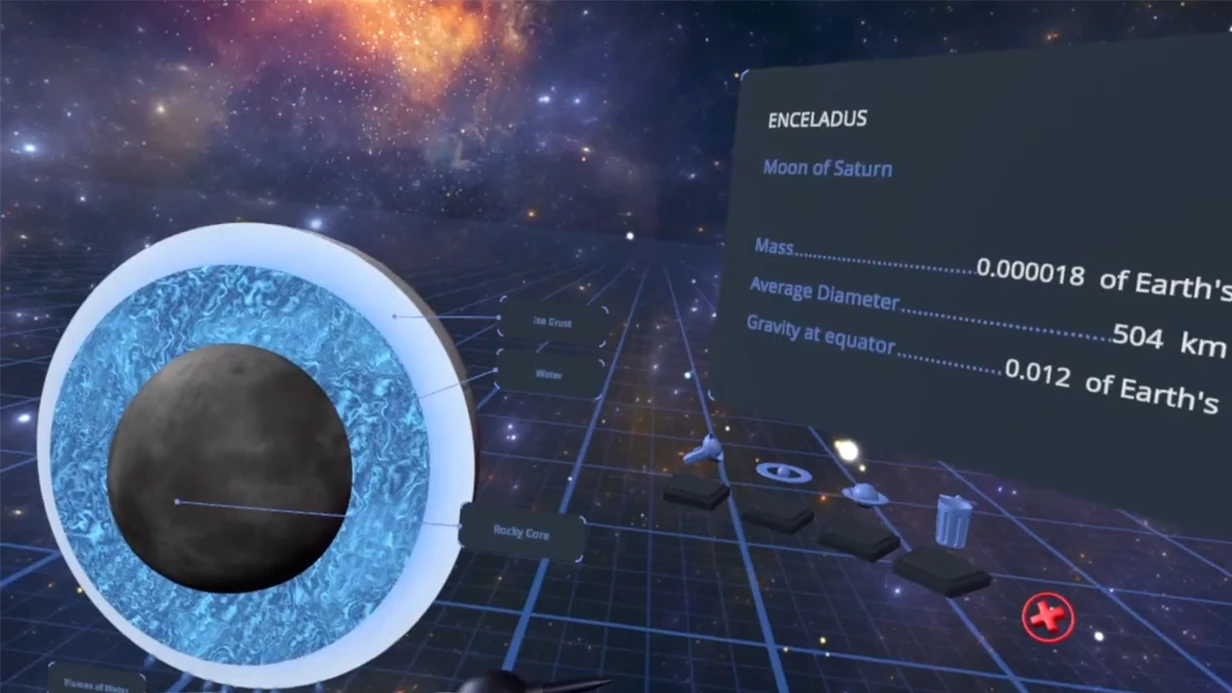
| סימולטורים רפואיים | מנתחים, מתמחים, מרכזי הכשרה רפואית | תרגול בטוח של ניתוחים מורכבים ולימוד אנטומיה תלת-ממדית ללא סיכון למטופל |
| הוראות אינטראקטיביות | חברות ייצור ושירות | הטמעת עובדים מהירה וסטנדרטיזציה של מיומנויות ממש במקום העבודה |
| סימולציות חירום | מחלצים, שירותי בטיחות, אתרים תעשייתיים | תרגול תגובת חירום עד כדי אוטומטיות בסביבה בטוחה — פחות טעויות באיומים אמיתיים |
כל פורמט מתאים את עצמו לתקנות שלכם, לסטנדרטים הארגוניים ולציוד הקיים. אנו תומכים בהטמעה, מכשירים עובדים ומספקים תמיכה טכנית, כך ש-MR הופך לכלי עבודה ולא פרויקט הדגמה חד-פעמי.
שלבי השקת פרויקט MR בחברה שלכם
אנחנו יודעים שהשקת פרויקט MR בחברה יכולה להיראות מורכבת: טכנולוגיה חדשה, הרבה אלמונים, סיכון לפספס מועדים. לכן התהליך בנוי כמסלול ברור של שישה שלבים — עם נקודות ביקורת שקופות בכל שלב ותמיכה שוטפת בסוף. אתם תמיד רואים מה קורה ומקבלים החלטות על סמך עובדות.
- בריף והתעמקות במשימה — אנו דנים במטרות: איזו בעיה עסקית אתם פותרים, מי ישתמש בפתרון, איזו תוצאה אתם מחשיבים כהצלחה. אנו נועלים תקציב ולוחות זמנים.
- תוכנית והצעה טכנית — על סמך הבריף, אנו מכינים קונספט: מה יקרה במציאות מעורבת, אילו תרחישים אנו מכסים, כיצד הפתרון משתלב בתהליכים הקיימים. אנו מיישרים קו על שלבי הטמעת MR ולוחות זמנים.
- אב-טיפוס ואישור — אנו מציגים אב-טיפוס עובד של התרחיש המרכזי. אתם רואים איך זה ירגיש בפועל ומבצעים עריכות לפני תחילת הפיתוח המלא.
- פיתוח סוהר — אנו בונים פתרון מלא: ממשקים לעובדים או ללקוחות, אינטגרציה עם המערכות שלכם, הגדרת ציוד. אנו מעדכנים אתכם מדי שבוע.
- השקה והכשרה — אנו פורסים את המערכת באתר שלכם או בענן. אנו מכשירים עובדים, מכינים מדריכים ותומכים במפגשי העבודה הראשונים כדי שההשקה תעבור חלק.
- תמיכה והתפתחות — אנו נשארים בקשר לאחר ההשקה: עונים על שאלות, מעדכנים תוכן, מוסיפים תרחישים. אם העסק שלכם משתנה, הפתרון מתפתח איתו.
רצף זה מבטל הפתעות ועלויות נוספות — אתם משלמים עבור שלבים ברורים ומקבלים כלי סוהר עובד, לא "קופסה שחורה" עם תוצאות בלתי צפויות.
מה כלול באספקת פתרון MR
אתם מקבלים לא רק "אפליקציה בקופסה" אלא כלי עבודה המשולב בתהליכי החברה. אנחנו יודעים שלקוחות צריכים להבין על מה הם משלמים ומה הם יקבלו, ולכן אנו תמיד מפרטים את היקף העבודה והתחייבויות האחריות בחוזה.
הנה מה שכלול בחבילת האספקה הסטנדרטית:
- אפליקציית MR למשימה שלכם — הכשרת עובדים, הדגמות מוצר, סיוע מרחוק או ניווט במתקן. הפתרון רץ על ציוד מקצועי ומספק תוצאות יציבות וללא תקלות.
- אינטגרציה עם המערכות שלכם — CRM, מערכת הנהלת חשבונות או מסד הזמנות. נתונים מסונכרנים אוטומטית; ההנהלה רואה את התמונה המלאה ללא העברה ידנית.
- הכשרת צוות — מפגשים מעשיים למנהלים ומשתמשים, הדרכה וסיורים בתרחישים אמיתיים. עובדים מתחילים לעבוד באופן עצמאי מהימים הראשונים.
- חבילת תיעוד — מדריכי משתמש, נהלי הפעלה וכרטיס עזר למצבים נפוצים. הכל כתוב בשפה פשוטה, ללא פרטים טכניים.
- תמיכת אחריות — ייעוץ, עדכונים ושיפורים במהלך התקופה המוסכמת. אתם תמיד יכולים ליצור קשר עם הצוות ולקבל פתרון לבעיה.
- פריסה על הציוד שלכם או תשתית ענן — ללא עלויות נסתרות או השבתה תפעולית.
כל פריט מושלם בשלב פרויקט ספציפי, וכל העבודה מתועדת בלוח זמנים עם מועדים. לאחר המסירה, אנו נשארים בקשר: אנו עוקבים אחר יציבות, אוספים משוב ומציעים שיפורים.
מקרה בוחן: פתרון MR לענקית תעשייתית
זה לא מבחן מעבדה אלא פתרון עובד עבור חברת בניית מכונות מאוחדת. הטמענו מציאות מעורבת במפעל שמנהל כמה מפעלים ומייצר ציוד מורכב. כאן, אפילו טעות קטנה בשלב התכנון גורמת לחודשים של השבתה ועלויות נוספות.
לפני ההטמעה, מהנדסי תכנון עבדו עם שרטוטים ומודלים, והרכבים התאמנו על רכיבים אמיתיים. כל שינוי תכנוני דרש אישורים ארוכים והפסקות ייצור.
הפתרון של MR הטיל אב-טיפוס דיגיטלי על מרחב הסדנה הפיזי — הצוות ראה את הרכיב העתידי לפני שהחלק הראשון אפילו נוצר.
תוצאות ההטמעה
זמן התכנון ירד בשליש: מהנדסים כבר לא מחכים למודלים פיזיים ובודקים השערות ישירות במציאות מעורבת. שגיאות הרכבה ירדו בחצי — עובדים רואים הוראות שלב-אחר-שלב על גבי הציוד האמיתי ולא מגיעים למדריכי נייר.
מעורבות העובדים עלתה ל-90%: במקום הרצאות משעממות, הם מקבלים עבודה אינטראקטיבית עם אובייקטים דיגיטליים. מומחים חדשים מגיעים למשימות עצמאיות פי שניים מהר יותר, ועובדים מנוסים מציעים בעצמם שיפורי ממשק.
התוצאה המרכזית היא הזמנה חוזרת. החברה הרחיבה את הפתרון לסדנה שכנה וכללה את MR בתוכנית הכשרת העובדים הסטנדרטית שלה. עבורנו, זה המדד הטוב ביותר: לקוח מרחיב פרויקט רק כשהוא רואה השפעה עסקית מדידה.
שאלות ותשובות על הטמעת MR
לפני אימוץ MR, לקוחות שואלים את אותן שאלות: תאימות, לוחות זמנים, תוצאות. אנו עונים עליהן מראש — כדי שתבינו מה תקבלו ואנחנו נעבוד מהר יותר.
האם MR תואם לציוד ולתוכנה שלנו?
כן. אנו מתכננים את הפתרון סביב המשימות שלכם והתוכנה הקיימת. בשלב הבריף, אנו מנתחים את צי הציוד שלכם ובוחרים את הפורמט האופטימלי — ממכשירים ניידים ועד משקפי מציאות מקצועיים. אינטגרציה עם CRM או מערכת מצגות מתרחשת ללא השבתה.
כמה זמן לוקח הפיתוח?
משבועיים עד כמה חודשים, תלוי בתרחיש. בשלב הבריף, אנו קובעים אבני דרך ותאריכים ברורים. אנו משיקים מוצר מינימלי בר-קיימא במהירות — אתם רואים את התוצאה ומבצעים עריכות בשלב מוקדם.
איך מודדים את ההשפעה של MR?
אנו מגדירים אנליטיקה: מספר אינטראקציות, זמן מפגש, ביקורים חוזרים. אתם רואים איך מבקרים מבלים זמן באזור ומחשבים החזר השקעה — בצורת נאמנות, הזמנות או מכירות.
האם נצטרך לקנות ציוד יקר?
לא. אנו משתמשים לעתים קרובות במכשירים ניידים שכבר יש לאורחים או לכם. לתרחישים מורכבים, אנו מציעים ציוד להשכרה או עוזרים למצוא אפשרות חסכונית. אתם משלמים על תוצאות, לא על חומרה.
מה קורה לאחר ההשקה?
אנחנו לא נוטשים את הפרויקט. אתם מקבלים תמיכה, עדכונים ושיפורי תרחישים. אם עולות שאלות, מהנדס זמין, והחבילה יכולה לכלול אנליטיקת ביצועים שוטפת.
בואו נדון במשימה שלכם ונציע פתרון MR
אנחנו יודעים שמציאות מעורבת היא טריטוריה חדשה לרבים, וללא סקירה מוקדמת קשה להעריך תקציב, לוחות זמנים ותוצאות סופיות. אז אנחנו מתחילים בשיחה קצרה: אתם מתארים את המשימה, אנחנו מסבירים כיצד MR יכולה לתת לה מענה.
שלחו בקשה, ותוך יום עסקים אחד תקבלו חבילת פתרון מלאה:
- ייעוץ ראשוני: אנו בוחנים את המצב שלכם ומייעצים היכן MR יכולה באמת לשפר תוצאות והיכן כלי פשוט יותר יספיק.
- חישוב עלות: הערכת תקציב שקופה המותאמת למשימות שלכם, ללא עמלות נסתרות או "הפתעות" בשלב הסופי.
- גרסת הדגמה: אנו מראים על התרחיש שלכם כיצד הפתרון יעבוד בשידור חי, לפני שאתם מקבלים החלטה סופית.
- הצעה מסחרית: אנו לוכדים לוחות זמנים, היקף ומחיר במסמך אחד ברור — ללא קסם מילולי.
- תוכנית השקה אישית: פירוט שלב-אחר-שלב כך שתבינו מה קורה בכל שלב ואיזו תוצאה תקבלו.
- תשובות לשאלות טכניות מהמומחים שלנו — במונחים פשוטים, ללא ז'רגון מורכב.
לפעמים, לאחר דיון, מתברר ש-MR לא נחוצה, ואנחנו אומרים זאת בכנות. אבל אם מציאות מעורבת מתאימה למשימה שלכם, תקבלו מסלול ברור מרעיון למוצר עובד.
השאירו בקשה — נדון במשימה שלכם, נחשב את העלות ונציע פתרון MR שמועיל לעסק שלכם.
איך לבחור את הפורמט הנכון של מציאות מעורבת (MR)?
מציאות מעורבת (MR) היא לא "טובה יותר באופן כללי" — הפורמט נבחר למשימה ספציפית. אין מתכון אחד שמתאים לכולם, ולכן אנחנו תמיד מתחילים בשאלות: מי הקהל שלכם, מה צריך לקרות לאחר האינטראקציה, ואיזו תוצאה אתם רוצים למדוד. התשובות מצמצמות מיד את האפשרויות המתאימות.
הקריטריון הראשון הוא סוג המשימה. להכשרת עובדים, אנו בוחרים תרחישים אינטראקטיביים עם מעקב אחר פעולות; למצגות מוצר, ויזואליזציה חיה וכניסה קלה; לאירועים, פורמט שאינו דורש הכנה ארוכה ומערב מבקרים בקלות.
חשוב להבין מה אדם צריך לעשות לאחר מכן: לשמר מידע, לקבל החלטת רכישה או לשתף את החוויה.
הקריטריון השני הוא התעשייה. בתעשייה, MR מטילה בנוחות הוראות על ציוד; ברפואה, היא ממחישה אנטומיה; בנדל"ן, היא מציגה פנים עתידי בקנה מידה אמיתי.
אנו מתאימים את הפורמט לפרטי השוק שלכם ולציפיות הקהל, כך שהטכנולוגיה פותרת את הבעיה העסקית האמיתית שלכם ולא רק גימיק נוצץ.
תקציב ולוחות זמנים מגדירים את ההיקף, לא אם משתמשים ב-MR בכלל. אם הזמן קצר או התקציב מוגבל, אנו מתחילים בפתרון קומפקטי — למשל, שכבת AR על הסביבה האמיתית שרצה על סמארטפון רגיל. מאוחר יותר, קל להרחיב לסביבת VR מלאה מבלי לעשות הכל מחדש.
השורה התחתונה: MR משתלמת כשהפורמט תואם למשימה. לכן אנחנו לא מציעים את האפשרות "היקרה ביותר" — אנו בוחרים תרחיש למטרות, לתעשייה וללוחות הזמנים שלכם.
השאירו בקשה — תוך יום עסקים אחד נחזור עם פורמטים מתאימים והערכת עלות.