



למה העסק שלך צריך HTC Vive: פתרון לבעיית ההדרכה המיושנת
עובדים מסיימים הדרכה, אבל חודש לאחר מכן לא מצליחים ליישם את הידע בפועל. הרצאות קלאסיות וסרטונים מספקים תיאוריה ללא התחושה של תהליך אמיתי — טעויות נעשות ממש במקום העבודה, כשהמחיר של כל אחת נמדד בזמן, בחומרים ובמוניטין. חברות מוציאות כסף על קורסים, אבל התוצאה עדיין תלויה במזל.
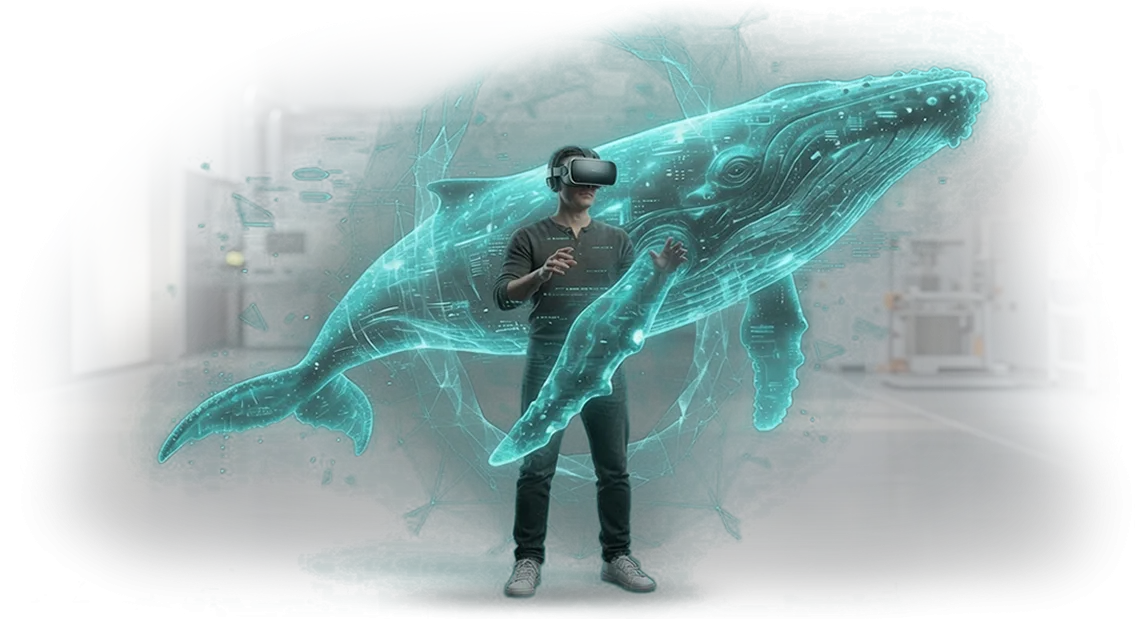
הפתרון הוא סימולטורי מציאות מדומה המבוססים על HTC Vive. הדרכת העובדים הופכת לפרקטיקה: העובד נכנס לסביבה הקרובה ככל האפשר למקום העבודה האמיתי ומבצע פעולות אמיתיות — אבל ללא השלכות על העסק.
תרחיש מורכב ניתן לחזור עליו עשרות פעמים עד שהמיומנות נטמעת. זו בדיוק החוויה שהדרכה רגילה לא יכולה לספק.
HTC Vive לעסקים אינו "משקפי גיימר", אלא כלי שמחזיר את היעילות להדרכה. תרגול מצבי חירום, עבודה עם ציוד יקר, אינטראקציה עם לקוחות — הדרכת VR הופכת את כל אלה לבטוחים, והתוצאה צפויה.
העובד מגיע לרמה הנדרשת מהר יותר, עושה פחות טעויות, ולא מפחד ממשימות קשות.
אנחנו בונים הדרכת VR סביב צרכי העסק שלך: מקורסי קליטה למתחילים ועד תרגולים שוטפים לצוותים מנוסים. אנחנו מחברים את החומרה, מגדירים את התרחישים, ותומכים בך בכל שלב — אתה מקבל כלי עובד, לא טכנולוגיה גולמית. הגדר את מערכת ההדרכה שלך פעם אחת — והמיומנויות יפסיקו להישמט.
מה מיישם הדרכת VR על HTC Vive משיג
הדרכת VR המבוססת על HTC Vive אינה תחליף אופנתי להרצאות, אלא דרך לשפר את יעילות ההדרכה מבלי לאבד את המיקוד ביעדים העסקיים.
כאן, היתרונות של VR נמדדים לא בשעות של חומר מואזן, אלא במהירות שבה עובד מתחיל להפיק תוצאות.
יתרון: מעורבות עובדים
קורסים רגילים מעייפים: שקופיות, הוראות, מבחנים. ב-VR, העובד נכנס למצב עבודה שבו הוא צריך לחשוב ולפעול. הודות לשקיעה מלאה, מעורבות העובדים גבוהה יותר באופן ניכר — החומר נקלט באמצעות פרקטיקה ולא באמצעות שינון.
זה מפחית את התחלופה הנגרמת מהדרכה שגרתית ומאיץ את קליטת העובדים החדשים. הצוות עצמו מבקש להמשיך את המפגשים, כי זה מעניין ושימושי.
יתרון: פחות טעויות
סימולטור וירטואלי מאפשר לתרגל פעולות מורכבות או מסוכנות ללא סיכון לאנשים ולציוד יקר. העובד חוזר על ההליך עד להשגת תוצאה בטוחה, בעוד המערכת מצביעה על אי-דיוקים.
כתוצאה מכך, מספר הטעויות בעבודה בפועל יורד באופן ניכר לאחר מחזורי ההדרכה הראשונים.
זה אומר פחות עבודות חוזרות, פחות פציעות ופחות תלונות לקוחות. כל טעות שעובד עושה ב-VR לא הופכת להפסדים עבור החברה.
יתרון: תגובה מהירה
בעבודה אמיתית, לעתים קרובות אין זמן לחשוב — צריך לפעול. תרחישי VR מלמדים לזהות סיכונים באופן מיידי ולקבל החלטות. העובד חווה תאונה, תקלת ציוד או לקוח קשה לפני שזה קורה במציאות.
פורמט זה מפתח מיומנויות תגובה מהירה ומפחית את התלות בניסיון של עמיתים ותיקים. החברה מקבלת רמת מוכנות צפויה, ללא קשר למי סיים את ההדרכה או מתי.
יישום הדרכת VR משתלם באמצעות הגברת מהירות העבודה והפחתת עלות הטעויות — ואלה יתרונות שאתה רואה במדדים תפעוליים כבר בחודש הראשון.
פורמטים של פרויקטי VR למשימה שלך
יש לבחור את הפורמט של פרויקט VR לא לפי סוג הציוד, אלא לפי המשימה שהוא פותר.
חלקם צריכים סימולטור לתרגול פעולות בסביבות מסוכנות, אחרים צריכים הצגה ויזואלית של פרויקט אדריכלי, ועוד אחרים צריכים סימולציה של פרוצדורות רפואיות לסטודנטים. אותו משקף HTC Vive יכול לכסות את כל התרחישים האלה אם האפליקציה מתוכננת כראוי.
אנחנו מפתחים אפליקציות עבור HTC Vive ומשקפיים מקצועיים אחרים, ולכן אנחנו מתאימים את הפורמט ליעד העסקי שלך, לא להיפך. הנה הפורמטים האופייניים שאנחנו עובדים איתם לרוב.
| פורמט | למי | מה זה נותן ללקוח |
|---|---|---|
| סימולטורי VR | חברות ייצור, מרכזי הדרכה | תרגול מיומנויות בטוח ללא סיכון לאנשים או למכונות; פחות זמן המוקדש להדרכה |
| ויזואליזציה אדריכלית | יזמים, משרדי אדריכלות, מעצבי פנים | הצגת הפרויקט לפני הבנייה; משקיע ולקוח רואים מיד את התכנון, התאורה, החומרים |
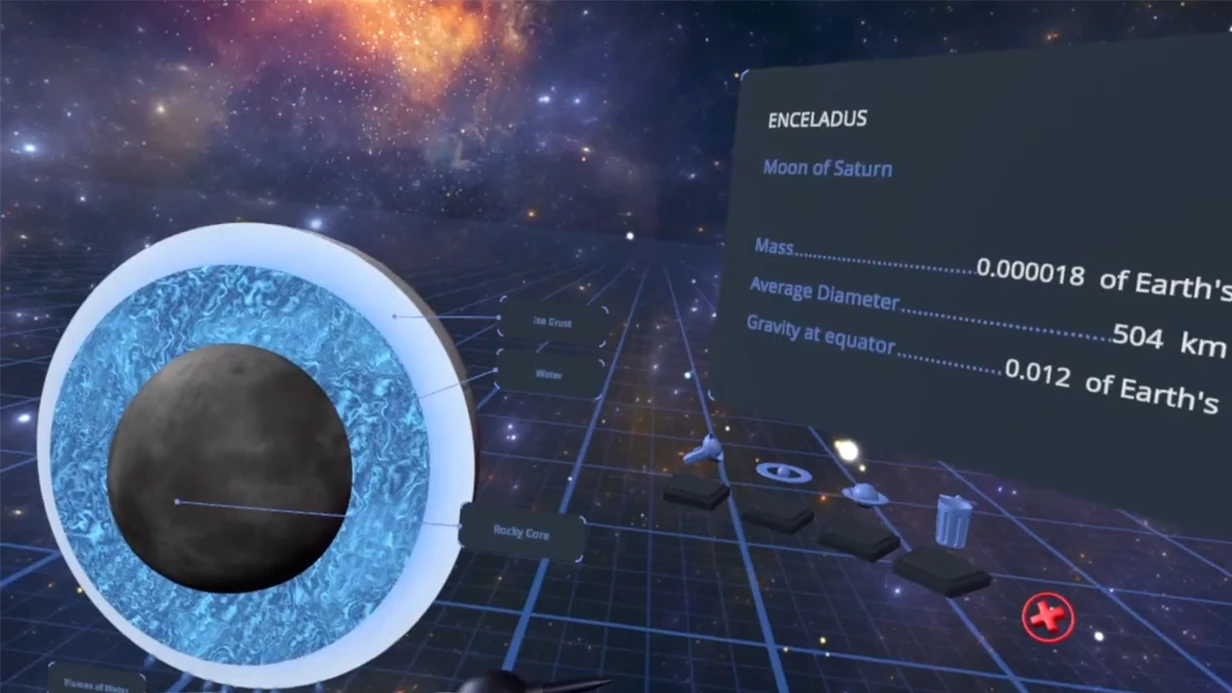
| סימולטורים רפואיים | אוניברסיטאות רפואיות, מרפאות | תרגול תרחישים נדירים ומורכבים ללא מטופל; צמיחת מיומנויות ללא לחץ וטעויות במציאות |
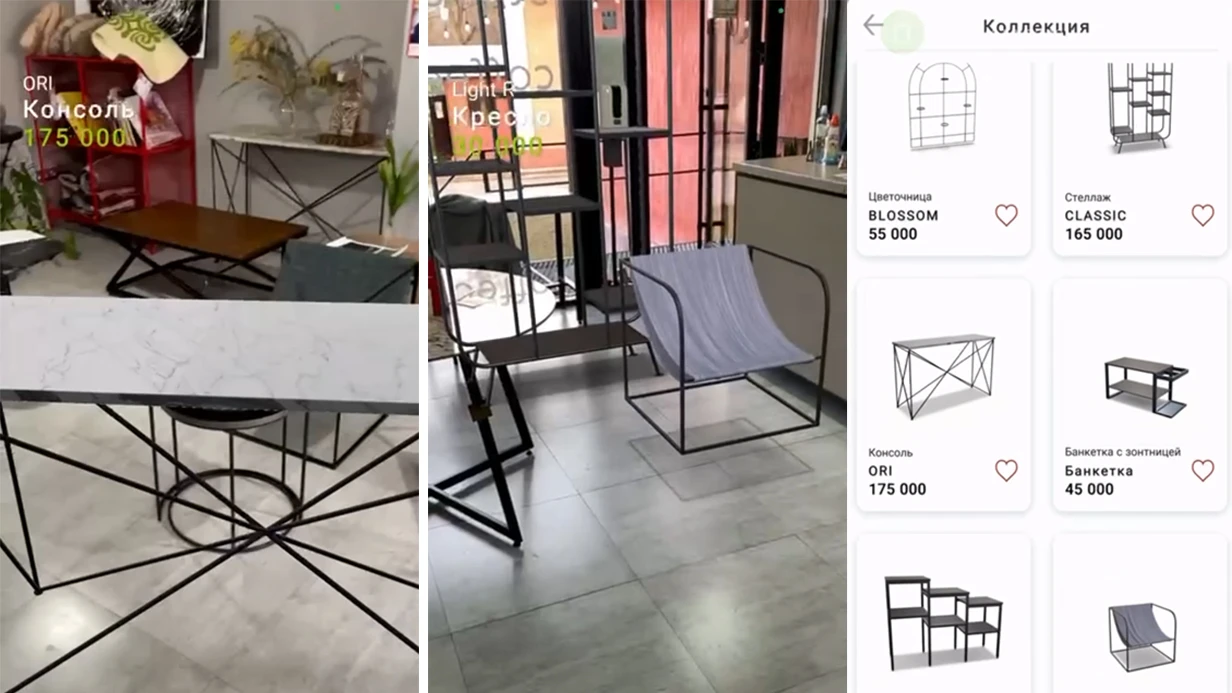
| אולמות תצוגה ותערוכות וירטואליים | קמעונאות, נדל"ן, תעשייה | הצגת מוצרים או מתקנים מרחוק; הגעה לקהלים מכל עיר ללא עלויות לוגיסטיקה |
| הדרכת עובדים וקליטה | אנשי משאבי אנוש, מנהלים | תקן הדרכה אחיד בכל הסניפים; עובדים חדשים מגיעים לקצב מהר יותר ועושים פחות טעויות |
בכל מקרה, אנחנו מפתחים את התרחיש כך שהוא מספק תוצאה מדידה: מפחית תאונות, מאיץ מכירות או חותך עלויות הדרכה. אם אינך בטוח איזה פורמט מתאים, התחל עם בריף קצר — נציע פתרון למשימה שלך.
איך אנחנו מפתחים פתרון VR: שלבי העבודה
חשוב שהלקוח יראה את המסע מהרעיון לתוצאה עובדת — לכן בנינו תהליך שבו כל שלב שקוף ומתואם. בשיחה הראשונה, אתה מספר לנו על המשימה שלך, ואנחנו מציעים פתרון שמתאים לתרחיש שלך.
עבור סימולטורים ואזורים אינטראקטיביים, אנחנו משתמשים בציוד מקצועי, כולל HTC Vive — זה מספק תמונה יציבה ותגובה מהירה לפעולות המשתמש.
- בריף — אנחנו נפגשים או משוחחים בטלפון, ותופסים את המטרה, הקהל והציפיות לפתרון ה-VR. אתה מקבל מסמך עם יעדי הפרויקט וקריטריוני הצלחה.
- תוכנית והערכת עלות — אנחנו מכינים תוכנית שלב-אחר-שלב, לוח זמנים ועלות מחושבת לאחר בדיקה. אתה מבין על מה אתה משלם ומתי תקבל את התוצאה.
- אישור תרחיש — אנחנו מראים כיצד משתמשים יתקשרו עם העולם הווירטואלי. אתה מבצע עריכות לפני תחילת הפיתוח — זה חוסך תקציב וזמן.
- פיתוח — אנחנו מרכיבים את הפתרון: ממשקים, תוכן, לוגיקה, אינטגרציות. כל 1–2 שבועות אנחנו מראים תוצאה ביניים כדי שתוכל לכוון את המסלול בשלב מוקדם.
- בדיקות והשקה — אנחנו בודקים את כל התרחישים על מכשירים שונים, מתקנים ליקויים, מתקינים את הציוד ומכשירים את הצוות שלך. אתה מקבל מערכת עובדת עם אחריות.
- תמיכה — אנחנו מתחזקים, מעדכנים ומוסיפים תוכן ככל שהמשימות שלך גדלות. יש לך איש קשר שמגיב תוך יום עסקים אחד.
גישה זו כבר הוכיחה את עצמה: לקוחות משיקים סימולטורי VR בלוח הזמנים ומקבלים פעולה יציבה וללא תקלות. אתה תמיד יודע באיזה שלב הפרויקט נמצא, ואנחנו יודעים בדיוק מה אתה צריך לתוצאה.
מה כלול במסירה: ערכה להשקת פתרון VR
אנחנו מספקים ערכה מלאה ומוכנה לשימוש: הציוד מוגדר, התרחיש טעון, האזור מכויל. כל מה שאתה צריך לעשות הוא לבחור מיקום — ואתה מוכן להשקה. זה VR במפתח פתוח: ללא איש IT נפרד וללא הזמנות נוספות נסתרות. הכל מגיע בערכה אחת. המסירה כוללת:
- ערכת חומרה מוגדרת — המשקף, הבקרים והחיישנים כבר נבדקו וכוילו עבור החלל שלך. הכל מתחבר ישירות מהקופסה — פשוט הפעל את החשמל.
- התקנה והגדרה של HTC Vive — מומחים יסדרו את הציוד, יכיילו את האזור ויבדקו את התרחיש לפני ההשקה. אין צורך לשכור קבלנים נפרדים להגדרה.
- תרחיש מותאם למשימה שלך — מצגת, הדרכה או מפגש בידורי כבר מותקנים ומוכנים לשימוש. אנחנו בודקים הכל מראש כדי להבטיח פעולה יציבה וללא תקלות.
- מדריך משתמש בעברית — הפניה קצרה לצוות: איך להפעיל, להשיק ולשנות הגדרות. כתוב במילים פשוטות עם תמונות ברורות.
- הדרכה ותמיכה — מהנדס יכשיר את הצוות שלך ויישאר בקשר ביום ההשקה. אם עולות שאלות, אתה אף פעם לא נשאר לבד עם הטכנולוגיה.
- אחריות ותמיכה — תיקון, החלפת חלקים ועדכוני תרחיש לפי בקשה. הציוד פועל באופן אמין, ואנחנו אחראים לתוצאה.
מקרה בוחן: איך סימולטור VR הפחית טעויות על רצפת המפעל
בייצור, כל טעות יקרה: מוצרים פגומים, השבתות קו, פציעות. הכשרת עובדים חדשים על ציוד אמיתי היא איטית ומסוכנת. לכן מפעל הנדסי הזמין מאיתנו סימולטור VR למפעילי מכונות.
פיתחנו את התרחיש על בסיס ציוד מקצועי HTC Vive — באמצעותו, עובדים מתרגלים פעולות בסדנה וירטואלית שבה אי אפשר לשבור ציוד או להיפגע. העובד רואה העתק מדויק של אזור העבודה שלו, יחד עם נהלי בקרה ובטיחות. לאחר הסימולטור, הם נכנסים לסדנה האמיתית מוכנים לחלוטין.
לאחר חודשיים, החברה דיווחה: מספר הטעויות ירד ב-42%, וזמן הקליטה קוצר משלושה שבועות לשבוע וחצי. שיעור הפגמים באזור כמעט נחתך בחצי, והחניך הממוצע מגיע לפריון המתוכנן שבוע מוקדם יותר.
מנהל הייצור ציין שמתחילים הפסיקו לפחד מהציוד — וזו תוצאה נפרדת.
השפעה עסקית
היישום חוסך לא רק את זמן המדריכים, ומפחית את עלויות ההדרכה, אלא גם חותך את ההפסדים ממוצרים פגומים. הסימולטור מחזיר את ההשקעה בתוך השנה הראשונה, ובזכות עדכוני תרחיש הוא נשאר רלוונטי כשתהליך הייצור משתנה. בעקבות הפיילוט, המפעל הזמין מודול שני — עבור בית המלאכה לתיקונים.
גישה זו עובדת לא רק לתעשייה. אנחנו מביאים ל-VR כל תהליך שבו דיוק ובטיחות חשובים: מהרכבת אלקטרוניקה ועד הפעלת מנוף. ספר לנו איזו משימה אתה פותר — נראה לך איך VR מאיץ אותה.
איך לבחור את פורמט פרויקט ה-VR הנכון?
בחירת פורמט פרויקט VR אינה עניין של טכנולוגיה, אלא של מטרות: מה אתה רוצה להשיג בסופו של דבר — למשוך תשומת לב, להכשיר עובדים, להציג מוצר או לאסוף נתונים.
הפורמט הנכון נקבע על ידי הקהל, תרחיש השימוש והתוצאה שאתה בונה לתוך הפרויקט.
כדי להימנע מתשלום יתר או מלקבל את הפורמט ה"לא נכון", הערך שלושה דברים: מספר המשתתפים, עומק השקיעה והצורך באינטראקציה. אם המבקר רק צריך להסתכל סביב, תצוגה פנורמית מספיקה.
אם אתה צריך ללמד פעולה, תצטרך סימולציה אינטראקטיבית מלאה עם מעקב ידיים ותנועה. אנחנו עובדים על ציוד מקצועי, כולל HTC Vive, ולכן אנחנו בוחרים פתרון על סמך המשימה, לא על סמך ארסנל חומרה קיים.
להלן טבלת עזר פשוטה שעוזרת ללקוחות להתמקד בבקשה הנכונה כבר בשלב הבריף.
| מצב הלקוח | פורמט מתאים | מה העסק מקבל |
|---|---|---|
| צריך להרשים אורחים וליצור סיפור חדשותי | מתקן VR "הסתכל ושתף" | הגעה במדיה חברתית, רגשות עזים, תמונות וסרטונים מהמבקרים |
| להכשיר עובדים לעבודה בטוחה עם ציוד | סימולטור VR אינטראקטיבי עם תרגול מעשי | מינימום טעויות במציאות, קליטה מהירה ללא סיכונים |
| להציג מוצר שעדיין לא קיים או גדול מדי | אולם תצוגה וירטואלי או מצגת בקנה מידה 1:1 | הבנה ברורה של המוצר, קיצור מחזור האישורים |
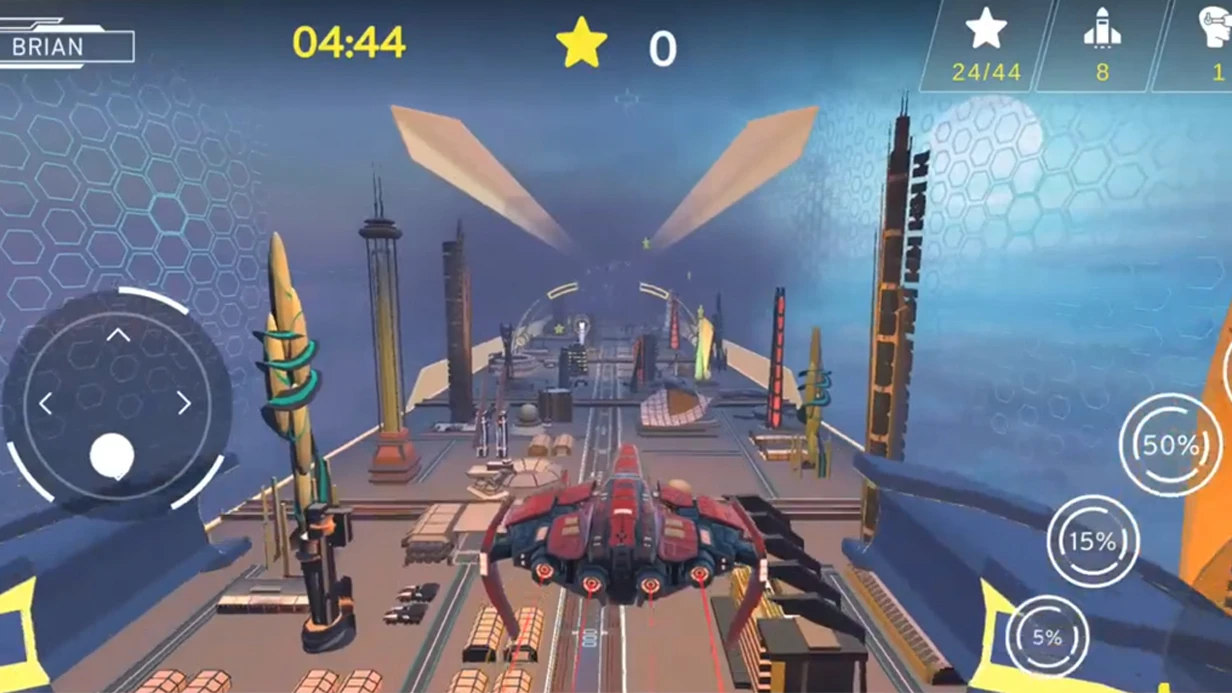
| למשוך מבקרים בדוכן ולאסוף אנשי קשר | משימת VR או משחק עם מסך סקר סופי | יותר זמן בדוכן, לידים, נתוני מבקרים |
| לבצע הדרכת עובדים בסניפים שונים | תרחיש VR להפעלה מרחוק | חיסכון בנסיעות, תקן הדרכה אחיד |
הבנת התרחיש שלך היא כבר חצי מהפתרון.
התפקיד של צוות הפיתוח הוא לתרגם את המטרה שלך לפורמט קונקרטי, להגדיר את נקודת הכניסה ומשך המפגש כך שהוא מספק תוצאה מדידה: יותר דקות בדוכן, המרה גבוהה יותר בהדרכה, או פחות טעויות.
אל תיתקע על הבחירה בין פורמט "יקר" ל"זול". בוא עם תיאור של הבעיה העסקית שלך — נציע אפשרות שפותר אותה ביעילות הנדרשת ובמסגרת התקציב שלך. השלב הבא הוא בדיקה עם קבוצה קטנה של משתמשים. זה מאפשר לך לכוונן את התרחיש לפני השקה מלאה ולחסל סיכונים בשלב האב-טיפוס.
שאלות נפוצות על פיתוח אפליקציות VR
אנחנו מבינים ש-VR היא טכנולוגיה צעירה ושאלות עולות לפני הזמנת אפליקציה. אספנו את הנפוצות ביותר ועונים ישירות, במונחים של תוצאות: לוחות זמנים, מורכבות, בטיחות ותמיכה שוטפת.
כמה זמן לוקח פיתוח אפליקציית VR?
לוחות הזמנים תלויים במשימה: מצגת מוצר פשוטה לוקחת 3–4 שבועות, אפליקציית הדרכה מלאה לוקחת 2–3 חודשים. אתה מקבל תוכנית מדויקת לאחר הבריף, ואנחנו רושמים אותה בחוזה כך שתאריך ההשקה ברור מהיום הראשון.
האם קשה למשתמשים להבין את ה-VR?
לא. אנחנו מעצבים את הממשק כך שיהיה אינטואיטיבי: אדם שעוטה את המשקף רואה רמזים, והשליטה מסתכמת בתנועות ידיים ומבט טבעיות. רוב האורחים והעובדים תופסים את ההיגיון בתוך הדקות הראשונות — אין צורך בהוראות או בהכשרה מוקדמת.
כמה זה אמין ובטוח?
אנחנו עובדים על ציוד מקצועי שאנחנו בודקים בכל שלב. האפליקציה נבדקת על מכשירים אמיתיים לפני ההשקה — כך שלא יהיו תקלות באירוע או במשרד שלך. התנאים הכספיים, הסודיות והאחריות מתועדים בחוזה.
מי מעדכן את האפליקציה לאחר ההשקה?
אנחנו נשארים בקשר: אנחנו מתחזקים את הפרויקט, מתקנים במהירות באגים ומוסיפים שינויים ככל שעולות משימות חדשות. התחייבויות האחריות ותנאי התמיכה מפורטים בחוזה — אתה תמיד יודע למי לפנות.
האם VR יכול להתמודד עם זרם אורחים באירוע רחב היקף?
כן, זה אחד התרחישים הנפוצים ביותר. אנחנו מחשבים את מספר המכשירים וזמן המפגש כך שהנקודה מושכת תשומת לב ומתמודדת עם העומס ללא תורים או עיכובים.
יש לנו ניסיון עם אירועים למאות ואלפי משתתפים — עם הזמנות חוזרות לאחר ההשקות הראשונות.
השאר בקשה: קבל תוכנית יישום VR והערכת עלות
אתה כבר יודע שאזור VR מושך תשומת לב ומעורר עניין אמיתי — אבל אתה לא בטוח איך לשלב אותו בפרויקט שלך ולהישאר במסגרת התקציב.
השאר בקשה לייעוץ — נבחן את המשימה שלך ללא עלות ונשלח לך תוכנית יישום עם הערכת עלות ברורה, לא מילים ריקות.
הצוות שלנו בונה פתרונות VR/AR לעסקים כבר 10 שנים ויודע להפוך טכנולוגיה לתוצאה קונקרטית: מבקרים מעורבים יותר, תשומת לב שנשמרת לאורך זמן, מודעות מותג גבוהה יותר.
במקום מצגת PowerPoint, תקבל תכנית מוכנה: איזה פורמט מתאים למקום שלך, כמה אנשים יכולים לעבור בשעה, ומה דרוש להשקה.
מה תקבל לאחר הגשת הבקשה:
- הערכת עלות ראשונית ל-VR המותאמת לתקציב וליעדים שלך — ללא סעיפים נסתרים.
- המלצת פורמט: אזור נייח, ערכה ניידת או פתרון היברידי.
- דוגמת תרחיש לתעשייה שלך — מאירועי חברה ועד דוכני תערוכה.
- הערכת לוחות זמנים ושלבי יישום — מה לעשות בכל שבוע.
- תשובות לשאלות על אחריות, תמיכה והכשרת העובדים שלך.
אנחנו עובדים על ציוד מקצועי, כולל HTC Vive — כך שאתה מקבל תוצאה יציבה, לא "אטרקציה שבורה". אנחנו עובדים עם סוכנויות אירועים, אולמות תצוגה, מרכזי הדרכה וחברות שמקיימות תערוכות וכנסים קבועים.
השאר בקשה באתר — נשלח לך את תוכנית יישום ה-VR והערכת העלות בתוך יום עסקים אחד. זה לא מחייב, אבל תקבל נתונים קונקרטיים ולוחות זמנים כדי לקבל החלטה.
מספר הבקשות לחודש זה מוגבל — אנחנו לוקחים לא יותר מחמישה פרויקטים בכל פעם כדי לתת לכל אחד תשומת לב ראויה.