



ניסיון AR: איך להגדיל מכירות ולהפחית החזרות
כשלקוח בוחר מוצר באינטרנט, הוא רואה רק תמונות ולא יכול למדוד את הפריט. זה יוצר ספקות: האם המידה תתאים? האם הצבע יעבוד? איך זה ייראה?
חלק משמעותי מהמבקרים עוזבים בלי להזמין, ובין אלה שכן מחליטים לקנות, עד שליש מהרכישות מוחזרות — במיוחד בקטגוריות ביגוד, נעליים ואביזרים.
ניסיון AR מסיר את המכשול הזה לפני התשלום. הלקוחות פשוט מכוונים את מצלמת הסמארטפון אל עצמם או אל החלל שלהם — והמוצר "מופיע" על התמונה בזמן אמת.
הקונה רואה איך הפריט נראה עליו, מחליף צבע או מידה, ומקבל החלטה בטוחה.
מותגים גלובליים כבר משתמשים בגישה הזו. ASOS מציגה ביגוד על סוגי גוף שונים, ספורה מציגה קוסמטיקה על הפנים.
עבור העסק שלך, זו הזדמנות להתבלט: לקוחות זוכרים שירות מודרני, מוכנים יותר לשתף תוצאות ברשתות חברתיות, וחוזרים לרכישות נוספות.
האפקט הכלכלי נובע משני גורמים. הראשון הוא המרה גבוהה יותר: בקרב מבקרים שמשתמשים בניסיון AR, חלק ההזמנות שהושלמו גדל פי 1.5–2.
השני הוא פחות החזרות: אחוז הפריטים הלא מתאימים יורד משמעותית, יחד עם עלויות הלוגיסטיקה ועיבוד ההחזרות.
אנחנו בונים ניסיון AR עבור המוצר שלך: אנו משלבים אותו בחנות המקוונת או באפליקציה שלך, מתאימים אותו לקטגוריות המוצר שלך, ומשיקים אותו בזמן קצר. אתה מקבל כלי שמגדיל הכנסות ומפחית עלויות בלי להרחיב את תקציב הפרסום.
ניסיון AR: יתרונות לעסק שלך
לקוח לא תמיד בטוח שמוצר יתאים לו — וזה המחסום העיקרי לרכישה. ניסיון AR מסיר אותו: הלקוח רואה את המוצר על עצמו לפני התשלום, כך שהוא מחליט מהר יותר ומוכן יותר להוציא כסף.
עבור העסק, זה עובד על ארבעה מדדים מרכזיים: המרה, החזרות, נאמנות ומודעות למותג. אלה בדיוק הפתרונות שאנחנו יוצרים בצוות שלנו — מפתח ועד מסירה ומותאמים למטרות של מותג ספציפי.
המרה גבוהה יותר
כשלקוח יכול "למדוד" מוצר במציאות רבודה, הוא מפסיק להתלבט. מחקרים מאשרים: תכונות AR מגדילות את ההמרה פי כמה, כי הלקוח כבר רואה את המוצר במרחב שלו ולא חושש מטעות.
עבור חנות מקוונת או מיקום פיזי, זה אומר הכנסות גבוהות יותר בלי הוצאות פרסום נוספות.
פחות החזרות
הגורם העיקרי להחזרות הוא ציפיות שלא מומשו. ניסיון AR מציג את המוצר עם פרופורציות אמיתיות ובהתחשב בסביבה, כך שהלקוח מקבל בדיוק מה שראה על המסך.
זה מפחית את שיעור ההחזרות, חוסך בלוגיסטיקה ומכירה חוזרת, וגם מונע עימותים עם לקוחות.
נאמנות גדולה יותר
לקוח שמוצא שנוח לו לקנות חוזר שוב. ניסיון AR הופך את תהליך הקנייה לקל ומהנה, והמותג נזכר כמודרני ואכפתי.
לקוחות מרוצים ממליצים על החנות לחברים ומשאירים ביקורות חיוביות — בונים בסיס של לקוחות חוזרים בלי מבצעים נוספים.
מודעות למותג
ניסיון AR הוא סיבה לדבר. לקוחות משתפים סרטוני ניסיון ותמונות ברשתות חברתיות, והמותג מקבל חשיפה חינמית ואזכורים אותנטיים.
הפורמט יוצא הדופן מבדל את החברה מהמתחרים ומחזק את תדמיתה כמובילה טכנולוגית שאכפת לה מלקוחותיה.
פורמטים למוצר שלך: מנעליים ועד קוסמטיקה
לקוחות זוכרים לא את תיאור המוצר, אלא את התחושה של "זה שלי." ניסיון AR מספק בדיוק את זה: אדם רואה איך נעלי ספורט מתאימות, איך שפתון נראה, או איך שעון יושב — לפני התשלום.
הפורמט הזה מגביר את הביטחון בבחירה ומפחית החזרות, כך שהוא מתאים כמעט לכל קטגוריה — רק שבנוי אחרת.
אנחנו מיישמים לרוב כמה פורמטים של ניסיון AR, ואנחנו בוחרים את האפשרות הנכונה לכל מוצר. הטבלה למטה מראה מה עובד עבור הקטגוריות הפופולריות ביותר.
| פורמט | למי | מה זה נותן ללקוח |
|---|---|---|
| נעליים | חנויות מקוונות, מותגי נעליים | רואה את הדגם על הרגל שלו מזוויות שונות, בוחר מידה בלי למדוד, ומחזיר פחות |
| ביגוד | מרקטפלייסים, מותגי אופנה | מודד את הפריט בתמונה או בזמן אמת, מעריך את ההתאמה ואיך זה עובד עם פריטי בסיס בארון |
| שעונים ותכשיטים | חנויות תכשיטים, חנויות אביזרים | "מודד" שעון או טבעת על פרק היד, צמיד על הצוואר, ומוצא שקל יותר להתחייב לרכישה יקרה |
| קוסמטיקה | חנויות קוסמטיקה, מכוני יופי | מורח איפור וירטואלית, מנסה גוונים שונים, ורואה איך הטון מתאים לגוון העור שלו |
| משקפיים וכובעים | אופטיקאים, חנויות אביזרים | רואה את עצמו עם משקפיים או כובע בפורמט תמונה ווידאו, מעריך את הצורה והסגנון בלי ללכת לחנות |
הפורמטים האלה קלים לשילוב באתר או באפליקציה הניידת שלך. אנחנו בוחרים פתרון לקטלוג שלך, מכינים מודלים תלת-ממדיים או משתמשים בתצלומים — ותוך כמה שבועות, הלקוחות שלך יכולים "למדוד" את המוצר שלך. איזה פורמט מתאים למגוון שלך? נראה לך בהדגמה עם המוצר שלך.
איך הפרויקט עובד: 6 שלבים מבריף ועד השקה
פיתוח ניסיון AR הוא לא "קופסה שחורה" עם תוצאות בלתי צפויות, אלא תהליך ברור. אנחנו מחלקים את הפרויקט לשישה שלבים כדי שתוכל לראות מה קורה בכל שלב, לשלוט בלוחות זמנים ולנהל את התקציב.
שישה שלבים מרעיון לכלי עובד
- בריף והבנת המשימה. אנחנו מגלים איך אתה רוצה לשמח לקוחות ומה אתה מחשיב להצלחה. שאילת השאלות הנכונות חוסכת שבועות של עבודה חוזרת.
- תוכנית והערכת עלות. אנחנו קובעים היקף, לוח זמנים ואבני דרך. אתה מקבל לוח זמנים ברור: מתי אתה רואה תוצאות ביניים ומתי אתה מקבל החלטות.
- פיתוח עם הצגה. כל שבוע אנחנו מציגים גרסה עובדת של ניסיון ה-AR על מכשיר. אתה מבצע התאמות תוך כדי — בלי הפתעות בסוף.
- אישור. אנחנו משלימים את כל הפרטים: סגנון, אנימציה, תרחישים. הגרסה הסופית מורכבת פעם אחת, לא נעשית מחדש ברגע האחרון.
- השקה. אנחנו ממקמים את הניסיון במקום שבו הקהל שלך יראה אותו: אתר, רשתות חברתיות, קוד QR בחנות. אנחנו מאמנים את הצוות שלך לעדכן מוצרים ולשנות תרחישים בעצמם.
- תמיכה. אחרי ההשקה, אנחנו מעדכנים תוכן, משכללים תרחישים ומציעים שיפורים שיעלו את ההמרה. אתה אף פעם לא נשאר לבד עם המוצר.
כל המסע אורך בין שבועיים לשישה שבועות, תלוי בהיקף. בכל שלב, אתה יודע מה קורה, כמה זה עולה ומה הלאה. בסוף, אתה מקבל ניסיון AR עובד שעוזר למשוך לקוחות ולהגדיל מכירות.
מה כלול: ערכת השקה
אתה מקבל לא רק אפליקציה, אלא ערכה מלאה להפעלת ניסיון AR מהיום הראשון. הכל כבר מוגדר, ארוז ונבדק על תרחישים אמיתיים — כל מה שנותר לך הוא לבחור פלטפורמה ולהזמין לקוחות.
- אפליקציה מוכנה — גרסה מהודרת לפלטפורמות היעד שלך, מותקנת על המכשירים שלך בלי עבודה נוספת.
- אינטגרציה עם התהליכים שלך — אנחנו מחברים אותה לאתר הקיים, לבסיס הלקוחות או למערכת הניהול שלך כך שנתוני הניסיון זורמים אליך אוטומטית.
- הכשרת צוות — אנחנו מעבירים מפגש למנהלים ולצוות: איך להשיק, לשנות מוצרים, לעקוב אחר אנליטיקה ולפתור בעיות טיפוסיות.
- אחריות לתוצאה — אנחנו קובעים לוחות זמנים וקריטריוני ביצוע בחוזה, ותומכים באפליקציה לאורך תקופת האחריות לאחר ההשקה.
- אנליטיקה ברורה — אתה רואה כמה מבקרים השתמשו בניסיון, אילו מוצרים הם ניסו, וכמה פעמים חזרו אליהם.
- תרחישים חדשים לפי בקשה — ככל שאתה גדל, אנחנו מוסיפים פונקציות: שמירת תוצאות, שליחתן במייל, המלצות "מתאים למידה שלך".
- תמיכה לאחר ההשקה — אנחנו נשארים בקשר, פותרים בעיות במהירות ומשכללים את האפליקציה לצרכים עסקיים חדשים.
בסוף, אתה מקבל כלי עובד, לא "מוצר חצי גמור." הצוות מאומן, האינטגרציה מוגדרת, והיעילות נראית במספרים — כל מה שנשאר הוא לקבל את ההזמנות הראשונות מלקוחות.
מקרה בוחן: צמיחה של 40% בהמרה לאחר היישום
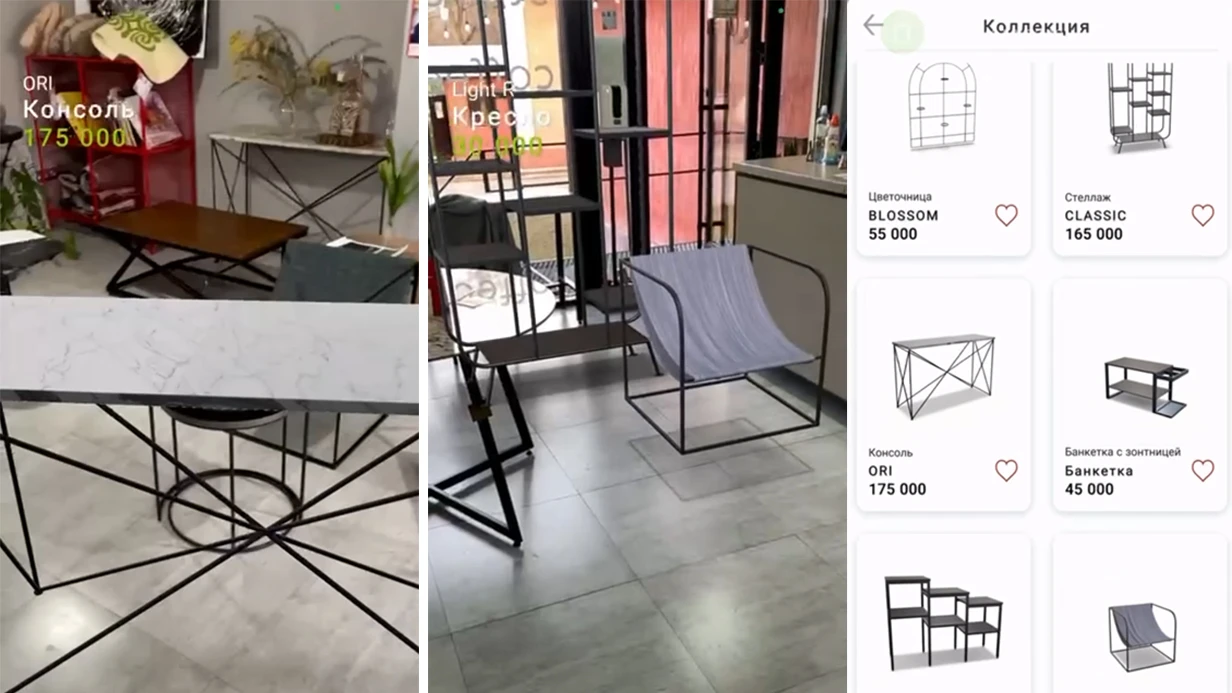
הצעד הראשון לפתרון היה בעיה פשוטה וכואבת: לקוחות בחרו ספה או ארון על סמך תמונות, ובבית גילו שהדגם לא מתאים במידה או בסגנון. כל טעות כזו הובילה להחזרה, לבזבוז זמן ולתסכול משני הצדדים. צוות המכירות בילה שעות על התכתבויות, והקונה הלך למתחרה.
הצענו להוסיף ניסיון AR: הלקוח מכוון את מצלמת הסמארטפון לחדר שלו ו"ממקם" את הרהיט שהוא אוהב בסביבה האמיתית. הפתרון נראה פשוט, אבל האפקט עלה על ציפיות הלקוח.
מה השתנה אחרי ההשקה
ההמרה מצפייה בכרטיס מוצר להזמנה עלתה ב-40% בשבוע הראשון. הלקוחות הפסיקו להתלבט: הם יכלו לראות איך הפריט משתלב בפנים וקיבלו החלטות מהר יותר.
במקביל, מספר ההחזרות ירד בחצי — אי-התאמות במידה כמעט הפסיקו להיות סיבה לדחייה.
בונוס נוסף היה התנהגות הלקוחות: אלה שהשתמשו בניסיון AR הוסיפו, בממוצע, 30% יותר פריטים לעגלה. הסיבה פשוטה — הם כבר "עיצבו" את החדר ורצו להשלים את המראה. יש לנו תמונת נתונים ברורה של זה, והמספרים נשארים יציבים גם שישה חודשים אחרי ההשקה.
המלצת לקוח
ראש המסחר האלקטרוני שיתף את התוצאות:
פחדנו שלקוחות לא יבינו איך להשתמש במצלמה. התברר ההפך — לקוחות מחפשים ספציפית מוצרים המסומנים "ניסיון" ובוחרים בהם. כתוצאה מכך, המכירות בפלח הזה גדלו ב-17% מסך ההכנסות. זה היה הפרויקט הכי טוב שלנו ברבעון.
למה זה עובד עבורך
כל עסק מקבל גרסה משלו לתוצאה: חלק מפחיתים החזרות, חלק מזרזים את מחזור המכירות, חלק מעלים את ערך ההזמנה הממוצע.
אנחנו מתאימים את המכניקה לקטלוג ולקהל שלך — לרהיטים זה ניסיון בחדר, לחנות ביגוד זה מדידה וירטואלית על הגוף, לסלון זה "מדידה" של פאה או משקפיים.
אנחנו תמיד מאמתים את התוצאה באמצעות מדדי המרה והזמנות חוזרות. אם אתה רוצה לשפר את ביצועי החנות שלך בצורה בולטת כמו במקרה שלמעלה — נתחיל בסקר קצר של המשפך שלך ונראה היכן ניסיון AR יכול להניב את הרווח הגדול ביותר.
תשובות לשאלות נפוצות של לקוחות
אנחנו מבינים: לפני השקת ניסיון AR, עולות ספקות מעשיים — מה אם הטכנולוגיה תיכשל, איך זה משתלב בפעילות השוטפת, וכמה זמן עד שנראה תוצאות. אנחנו עונים על השאלות המרכזיות בכנות, בלי אותיות קטנות.
מה אם האפליקציה או הציוד יתקלקלו ברגע הכי גרוע?
אנחנו מתכננים את זה מההתחלה. לפני ההשקה, אנחנו מבצעים בדיקה מלאה במקום שלך, וביום האירוע יש לנו ציוד גיבוי ומומחה זמין שפותר בעיות תוך דקות.
גם אם משהו משתבש, זה לא יעצור את האירוע שלך. אתה מקבל אחריות לפעילות רציפה — זה חלק מהחוזה, לא הבטחה מילולית.
איך ניסיון AR משתלב בתהליכים הנוכחיים שלנו — אתר, CRM, מיקומים פיזיים?
אנחנו לא כופים עליך לשנות את התשתית. אנחנו בונים מודול שמתחבר בקלות לאתר או לתצוגה שלך, ואוספים נתוני שימוש בפורמט שעובד עבורך.
כל האינטגרציה אורכת בין כמה ימים לשבוע, ואנחנו תומכים בה אישית: מגדירים, בודקים ומאמנים את הצוות שלך. אתה לא צריך מפתח פנימי — אנחנו מטפלים בזה.
כמה זמן נדרש מרעיון להשקה?
בממוצע — שבועיים עד ארבעה, תלוי במספר התרחישים והפלטפורמות. תראה את התוצאה הראשונה מיד אחרי הבריף: אב טיפוס שאתה יכול לגעת בו ולשנות לפני השלב המרכזי.
אחר כך אנחנו עובדים באיטרציות: אתה רואה התקדמות כל כמה ימים, לא רק בסוף. זה מסיר את הסיכון של "קיבלנו משהו אחר" ומאפשר לך להשיק בדיוק בזמן לאירוע או לקמפיין הפרסומי שלך.
מה לגבי תמיכה אחרי ההשקה?
אנחנו לא נעלמים אחרי המסירה. אנחנו חותמים על הסכם תחזוקה: מעדכנים תוכן, עוקבים אחר תאימות למכשירים חדשים ועוזרים בשינויים כשצריך.
אם לצוות שלך יש שאלות, הם כותבים לצ'אט התמיכה ומקבלים תשובה תוך יום עסקים אחד. זה עובד גם חודש וגם שנה אחרי ההשקה.
אם השאלה שלך לא מופיעה כאן — כתוב לנו, ונעבור איתך בכנות על המצב שלך. נשיב תוך יום עסקים אחד ונסביר איך ניסיון AR יעבוד עבור העסק הספציפי שלך.איך לבחור את הפורמט הנכון למשימה שלך?
אין פורמט ניסיון AR אחד נכון: מה שעובד מצוין לאולם תצוגה של רהיטים עשוי לא להתאים לחנות ביגוד. הבחירה תלויה בשלושה דברים — סוג המוצר, מטרות עסקיות והתנהגות לקוחות.
כשעונים על "איזה פורמט מתאים לנו," חשוב להסתכל לא על טרנדים, אלא על הבעיה הספציפית שהניסיון צריך לפתור.
הקריטריון הראשון הוא מה אתה מוכר. לפריטים גדולים (ספות, ארונות, מכשירי חשמל ביתיים), הלקוח צריך להבין את הקנה מידה והאם הפריט יתאים לפנים: כאן, השלכה על מרחב אמיתי היא אידיאלית.
לביגוד, אביזרים או קוסמטיקה, המפתח הוא איך המוצר נראה על אדם, כך שהתקשרות וירטואלית לגוף הלקוח עובדת הכי טוב. ככל שמוצר קשה יותר ל"מדידה" מנטלית, כך הפורמט צריך להיות מפורט יותר.
הקריטריון השני הוא המטרה העסקית. אם אתה נלחם בהחזרות תכופות ורוצה שהלקוח יעריך את המוצר בצורה מדויקת יותר לפני הרכישה, אתה צריך את הניסיון הריאליסטי ביותר האפשרי, תוך התחשבות במידה ובפרופורציות.
אם המשימה היא למשוך תשומת לב ולהגביר מודעות למותג, מספיקה מסכת AR בולטת ופשוטה שמתפשטת מהר ברשתות חברתיות. חלק מהפורמטים עובדים להמרה, אחרים לחשיפה — אלה כלים שונים בתוך אותה טכנולוגיה.
הנקודה השלישית היא איך הלקוחות שלך בדרך כלל מקבלים החלטות. חלק מגיעים עם בחירה מוכנה וצריכים רק אישור, בעוד אחרים "גולשים" בקטלוג ומשווים אפשרויות.
הממשק מתאים את עצמו להתנהגות הזו: רמזים ומעבר מהיר לקונים החלטיים, או מצב להשוואת כמה דגמים בבת אחת למי שעדיין מתלבט.
הכלל המרכזי הוא שהפורמט נבחר לא בשביל המראה, אלא בשביל משפך המכירות שלך. אנחנו עוזרים לך להגדיר את הקריטריונים ולבחור פתרון שמשפיע מדיד על ההמרה ומפחית את מספר ההחזרות — בלי ניסויים מיותרים או בזבוז תקציב.