

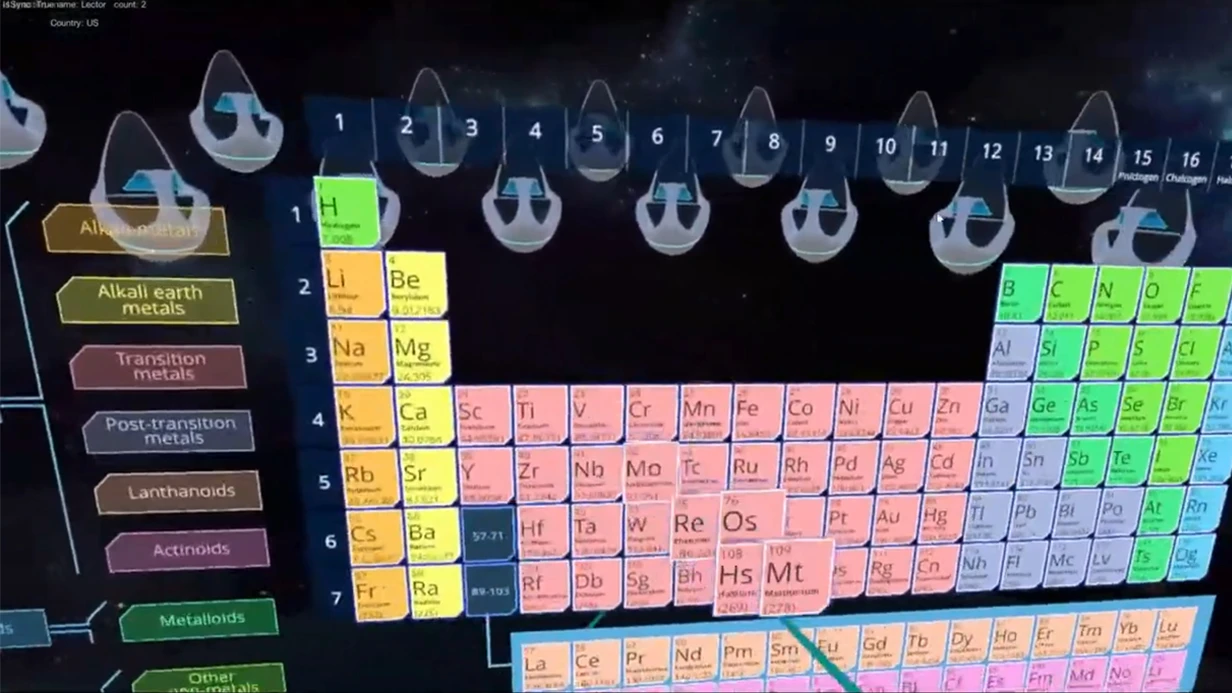


ייעוץ וביקורת פרויקטי VR/AR: למה חלק מהפתרונות לא עובדים
למה חלק מפתרונות ה-VR/AR עובדים שנים ומניבים רווח, בעוד אחרים צוברים אבק לאחר השקה של פיילוט? בדרך כלל, זה לא קשור לטכנולוגיה.
פרויקטי VR כושלים הם כמעט תמיד שגיאות יישום: מטרות מעורפלות, חוסר קשר לתהליכים עסקיים אמיתיים, והתעלמות מצרכי המשתמש הקצה. כתוצאה מכך, החברה מקבלת "דמו למצגות" שאף עובד או לקוח לא משתמש בו.
חברות מזמינות "פיתוח אופנתי" בלי להבין איך הוא ישתלב בפעולות המכירות, ההדרכה או השיווק. התוצאה היא תקציב מבוזבז, פספוס מועדים, ותסכול בצוות.
הסיבות לכישלון הן כמעט תמיד זהות: אין מקרה שימוש ברור, קהל יעד לא מוגדר, ואין חישוב של החזר השקעה.
ביקורת VR/AR בתחילת הדרך עוזרת לכם לראות את הסיכונים הללו ולהימנע מהם לפני שתחילת הפיתוח. אנו מנתחים את הבעיה העסקית, התהליכים הנוכחיים וערוצי האינטראקציה — ורק אז מציעים פתרון טכני.
אנחנו תומכים בפרויקטי מציאות רבודה ומדומה כבר למעלה מ-10 שנים. ביקורת מקדימה היא אבחון מהיר של המשימה שלכם: אנו מעריכים היכן הטכנולוגיה באמת תניב תוצאות והיכן היישום שלה רק יוסיף עלויות.
בסופו של דבר, אתם מקבלים תוכנית ברורה עם יעדים מדידים והמלצות — איך לגרום לפתרון לעבוד עבור העסק ולא רק להיות "דמו יפה." הביקורת מבטלת טעויות אופייניות וחוסכת את התקציב שלכם עוד לפני שתחילת הפיתוח.
מה ביקורת מקדימה של פתרון VR/AR נותנת לעסק שלכם
ביקורת פרויקט VR/AR אינה סקירת קוד טכנית אלא מבט על הפתרון מזווית פיננסית. אנו מנתחים כיצד הטכנולוגיה הנבחרת תשפיע על הדרכת עובדים, שיווק ומכירות, ומחשבים מתי ההשקעה תשתלם. התוצאה היא מסמך שמתרגם אסטרטגיה לשפת יתרונות ברורים.
ההשפעות העיקריות שתראו בביקורת:
-
חיסכון בתקציב. אנו מראים היכן VR/AR באמת יחזק את העסק שלכם והיכן כלים פשוטים יותר יפתרו את המשימה. אתם לא משלמים על תכונות מיותרות או מתחילים פיתוח "בעיוורון" — רק על מה שמניב תוצאות מדידות.
-
תחזית ROI ל-VR/AR. אנו מחשבים תרחישים: כמה עובדים ישלימו הדרכה, כמה לקוחות יראו את פתרון ה-AR, איך ההמרה תשתנה. אתם יודעים את תקופת ההחזר לפני שמתחילים — בלי הפתעות לאחר ההשקה.
-
הפחתת סיכון היישום. VR ו-AR דורשים משקפיים, כוח מחשוב ותמיכה שוטפת. הביקורת מזהה צווארי בקבוק מראש, כך שהפרויקט לא נתקע באמצע הדרך.
-
הדרכת VR אפקטיבית. אנו בודקים היכן הפורמט ישפר במהירות את כישורי הצוות והיכן קורסים רגילים מספיקים. אתם משקיעים רק בתרחישים שבאמת עובדים.
-
אנליטיקת שיווק AR. אנו מגדירים מדדים מהיום הראשון: חשיפה, מעורבות חוזרת, המרה ללידים ומכירות. כל מספר מוביל להחלטה ברורה.
במשך למעלה מעשר שנים, ערכנו עשרות ביקורות ואנחנו יודעים שהערכה מקדימה מפחיתה את עלויות היישום בשליש בממוצע. בהסתמך על ניסיון הצוות שלנו, אתם מקבלים החלטה בלי לסכן כסף על טכנולוגיה "יפה אבל חסרת תועלת."
פורמטי ייעוץ וביקורת: איך לבחור את המתאים
כשעסק שוקל פתרון VR/AR, השאלה הראשונה היא מאיפה להתחיל ואיך לא לבזבז את התקציב. פורמט העבודה תלוי בשלב הפרויקט: האם יש לכם רעיון מוכן, אב טיפוס עובד, או מוצר שכבר הושק.
אנו מציעים שלושה פורמטים — ביקורת, ייעוץ ותמיכה — ובפגישה הראשונה אנחנו עוזרים לכם לבחור את האופטימלי.
שלושת פורמטי העבודה
כל פורמט פותר משימה ספציפית. ביקורת חושפת חולשות ומראה מה לשפר. ייעוץ הופך רעיון לתוכנית ברורה עם תקציב ולוח זמנים. תמיכה מבטיחה שהפרויקט יישאר שימושי לאחר ההשקה.
| פורמט | מתי להשתמש | מה הלקוח מקבל |
|---|---|---|
| ביקורת פרויקט VR/AR | יש לכם מוצר עובד או אב טיפוס, למשל הדרכת VR | הערכה אובייקטיבית, רשימת שגיאות ותוכנית שיפור לפי סדר עדיפויות |
| ייעוץ יישום | אתם צריכים להשיק כיוון חדש, למשל שיווק AR | קונספט, הערכת עלות, מפרט טכני ותוכנית השקת פיילוט |
| תמיכה | הפרויקט חי וצריך להתפתח, למשל פתרונות AR תעשייתיים | בדיקות שוטפות, חידודים, אנליטיקת ביצועים |
איך לבחור פורמט
אם יש לכם אב טיפוס אבל התוצאות מאכזבות, התחילו בביקורת: היא תראה במהירות את אזורי הצמיחה. אם אין לכם עדיין פתרון, ייעוץ יחסוך לכם חודשים של זמן ותקציב על טעויות.
אם המוצר כבר מייצר נתונים, תמיכה תהפוך הצלחות חד-פעמיות לתוצאות שיטתיות. במהלך ייעוץ, נעזור לכם להחליט על פורמט ההתחלה וליצור תוכנית צעדים ראשונים.
שלבי פרויקט VR/AR: מבריף ועד השקה
עבודה על פרויקט VR/AR אינה "קסם וגמרנו" אלא תהליך מובנה שבו כל שלב מפחית סיכונים ומקרב אתכם לתוצאה מדידה.
אנחנו מובילים את הלקוח מבריף ועד השקה ותמיכה, כך שאתם מבינים מה קורה בכל שלב ואיך זה משפיע על העסק שלכם. להלן איך אנחנו מבנים יישום VR/AR.
- בריף VR/AR: הגדרת מטרות וקריטריונים. בתחילת הדרך, אנו אוספים את המשימה: מה צריך לשפר — מכירות, הדרכה, מודעות? אנו מגדירים את הקהל, מקרי השימוש וההשפעה הצפויה. זה הבסיס שמונע מהפרויקט לסטות מהמסלול.
- ניתוח תהליכים וביקורת. אנו לומדים את המצב הנוכחי שלכם: איך העבודה מאורגנת, אילו אילוצים קיימים, מי ישתמש בפתרון. התוצאה היא הבנה היכן VR/AR באמת יביא ערך והיכן כלים פשוטים מספיקים.
- אסטרטגיית יישום. אנו בוחרים את הפורמט: מציאות מדומה לטבילה מלאה, מציאות רבודה להצגת נתונים על גבי העולם האמיתי, או מציאות מעורבת. אנו מתארים תרחישים, שלבי פריסה ואינטגרציה עם המערכות שלכם. כאן אנו גם מחשבים את הכלכלה — כמה הפרויקט יחסוך או ירוויח.
- אב טיפוס ואימות קונספט. אנו יוצרים מודל עבודה מהיר של הפתרון — לא "גולמי" אבל מספיק כדי שאתם והעובדים שלכם תוכלו לבדוק אותו hands-on. אנו מסכימים על פרטים לפני שמשקיעים בפיתוח מלא. זה מאפשר לכם לראות את התוצאה מראש ולבצע שינויים בלי לשלם יותר מדי.
- פיתוח ואינטגרציה. אנו בונים אפליקציה מלאה ומחברים אותה למאגרי הנתונים, ה-CRM או חומרי ההדרכה שלכם. אנו עובדים עם ציוד מקצועי וכלים מוכחים — כך שאתם מקבלים מוצר יציב, לא "מקווה שזה יעבוד."
- בדיקות עם משתמשים אמיתיים. אנו מאמתים את הפתרון עם העובדים או הלקוחות שלכם: האם הוא נוח, מובן, האם הוא פותר את המשימות? אנו אוספים משוב ומחליקים פינות. זה השלב שבו אנחנו מביאים את המוצר למצב של "עובד ואהוב."
- השקת פרויקט VR ותמיכה. אנו מיישמים את הפתרון בשגרת העבודה היומיומית שלכם, מאמנים את הצוות ומספקים הוראות. אנחנו נשארים בקשר לאחר מכן: מעדכנים תוכן, מתחזקים ציוד, מוסיפים תרחישים חדשים. תמיכת VR/AR היא הערובה שלכם שהפתרון לא יתיישן תוך חודש.
סדר כזה — מבריף ועד תמיכה — מאפשר להשיק פרויקטים בזמן ובלי הפתעות, בעוד אתם רואים תוצאות ביניים בכל שלב ושולטים בתקציב.
מה מקבלים לאחר ביקורת פרויקט VR/AR
ביקורת פרויקט VR/AR אינה "אבחון" לשם סקרנות אלא כלי עבודה לקבלת החלטות. אתם מקבלים לא המלצות מופשטות אלא סט מסמכים שבהם תוכלו להשתמש כדי לתכנן תקציב, להרכיב צוות ולהשיק יישום. להלן הרשימה המלאה של התפוקות.
- דוח אנליטי — הערכה של המצב הנוכחי, היעדים העסקיים והפוטנציאל של פתרון VR/AR בנישה שלכם.
- מפת דרכים — רצף שלבים מפיילוט ועד סקיילינג, עם סדרי עדיפויות ואבני דרך בזמן.
- מפרט טכני — תיאור ברור של הפונקציונליות, קריטריוני קבלה ודרישות תוצאה שניתן למסור לקבלנים או לצוות הפנימי שלכם.
- תוכנית יישום — צעדים לשילוב הפתרון בתהליכי העבודה: מי מעורב, אילו משאבים נדרשים, איך להימנע מהשבתות.
- תוכנית הדרכה ותמיכה — איך עובדים או משתמשים ישלטו בכלי החדש ומי יתמוך בו לאחר ההשקה.
כל פריט הוא מסמך עצמאי שנשאר אצלכם וממשיך לעבוד גם לאחר סיום הביקורת. אתם יכולים להראות אותו למשקיעים, לדון בו עם הצוות הפנימי או להשתמש בו כבסיס למכרז בין מפתחים.
גישה זו מסירה את הפחדים העיקריים של הלקוח: "לא ברור מה יהיה" ו"לא ברור כמה זמן זה ייקח." ביקורת מהצוות שלנו הופכת רעיון VR/AR לתוכנית פעולה ברורה ושקופה, מדידה לפי זמן ותוצאות. אתם יודעים בדיוק מאיפה להתחיל ואיזו תוצאה לצפות.
מקרה בוחן: איך ביקורת חסכה תקציב ולוח זמנים של הדרכת VR
כשחברה מתכננת הדרכת VR לעובדים, התקציב נקבע לרוב "בערך": בלי ביקורת דרישות, בלי בדיקת תוכן ובלי הבנה איזה ציוד באמת נדרש.
התוצאה היא תשלום יתר על אפשרויות נוספות, לוחות זמנים מתארכים והדרכות שעובדים לא משתמשים בהן. בהתבסס על ניסיון הצוות שלנו, תרחיש זה מתרחש ב-7 מתוך 10 פרויקטים.
מקרה אחד להמחשה הוא רשת חברות ייצור שהתכוננה להקים סימולטור VR להדרכת צוות על ציוד מסוכן. התוכנית הראשונית: 8 חודשי פיתוח, מחזור מלא "מאפס", ורכישת ציוד מהשורה הראשונה לכל האתרים. התקציב היה על סף אישור, והסיכון לפספוס מועדים היה גבוה.
ערכנו את הביקורת בשבועיים: פירקנו את תרחישי ההדרכה, בדקנו אילו אלמנטים ניתן לקחת מהחומרים הקיימים של הלקוח, וחישבנו מחדש את הדרישות הטכניות למשימות בפועל.
התוצאה: חיסכון של 40% בתקציב — חלק מתרחישי ה-VR הורכב ממודלי תלת-ממד מוכנים של החברה, והציוד נבחר לא כ"מקסימלי" אלא כמספיק למשימות ספציפיות. לוח הזמנים קוצר בחודשיים הודות לעבודה מקבילה על תרחישים ותוכן.
מה זה אומר לעסק
ביקורת אינה סעיף הוצאה נוסף אלא כלי בקרה. היא מראה היכן התקציב מתבזבז, אילו שלבים ניתן לזרז ואיזו תוצאה ריאלית בלי לשלם יותר מדי.
באותו פרויקט, ההדרכה הושקה בזמן, העובדים השלימו את הסימולטור עם ציונים גבוהים, והלקוח חזר אלינו כדי לפתח את המערכת לכיוונים חדשים.
חיסכון בתקציב וקיצור לוחות זמנים הפכו לא לאפקט חד-פעמי אלא לבסיס לשיתוף פעולה ארוך טווח.
שאלות נפוצות: שאלות נפוצות על יישום VR/AR
כששוקלים יישום VR/AR, מנהלים בדרך כלל חוששים לא מהטכנולוגיה אלא מכישלון: ציוד יתקלקל, הפרויקט לא ישתלם, הצוות לא יקבל את החידוש. להלן אנו עונים על השאלות הנפוצות ביותר — בקצרה ולעניין.
מה אם הציוד יתקלקל או יתיישן במהירות?
אנו בוחרים חומרה למשימה שלכם, לא לדגם ה"חדש ביותר". הציוד מגיע עם אחריות, ואנחנו זמינים להחלפה או הגדרה מהירה. אנו מכניסים את התיישנות הדגם לתוכנית השדרוג — הפרויקט ממשיך לעבוד בלי השבתות.
איך אתם מעריכים ROI ל-VR/AR לפני ההשקה?
אנו מודדים את ההשפעה על המדדים העסקיים שלכם: מהירות הדרכת עובדים, המרת מכירות, ביקורים חוזרים של לקוחות. אנו מראים את נקודת האיזון בגרסת הדמו, לא לאחר השקה מלאה. אם התרחיש לא מסתדר, אנו מציעים בכנות פורמט אחר.
מה אם עובדים או לקוחות לא יקבלו את הטכנולוגיה?
אנו משלבים VR/AR בתהליך המוכר: ממשק אינטואיטיבי, הדרכת צוות, תרחישים פשוטים למתחילים. עבור לקוחות, זה הופך לחלק מהחוויה ולא למחסום, כך שלא נדרשת למידה מחדש.
מי אחראי לתוצאות לאחר ההשקה?
לאחר המסירה, אנחנו לא נעלמים: אנו מעדכנים תוכן, עוזרים עם ציוד ומחדדים תרחישים למשימות חדשות. יש לנו זמן תגובה קבוע לבקשות אחריות, ומנהל פרויקט ייעודי מוקצה לכל פרויקט.
בקשו ייעוץ לפרויקט VR/AR
לפני השקת פרויקט VR/AR, ללקוחות יש שאלות רבות: איזה ציוד לבחור, איך לשלב את הטכנולוגיה בתרחיש, האם ההשקעה תשתלם. בלי הערכה מומחית, קל לבזבז את התקציב על פתרון שלא יניב את האפקט הנדרש.
אנחנו עוזרים לכם להימנע מכך — התחילו בייעוץ קצר שבו נסקור את המשימה שלכם ונציע תוכנית פעולה בטוחה.
השאירו בקשה לייעוץ — ומומחה יחזור אליכם תוך יום עסקים אחד. אנו עורכים את ביקורת פרויקט ה-VR/AR הראשונית: אנו מעריכים את הרעיון, קהל היעד, ההיתכנות הטכנית ופוטנציאל ה-ROI.
לאחר השיחה, תקבלו רשימת בדיקה לפרויקט VR/AR — כלי מעשי שימושי בבחירת קבלן ובתכנון.
איך התהליך עובד
- אתם שולחים בקשת ייעוץ — דרך הטופס באתר או בטלפון; זה לוקח כמה דקות.
- אנחנו חוזרים אליכם תוך יום עסקים אחד כדי להבהיר את המשימה ולענות על שאלות ראשוניות.
- אנו עורכים ביקורת VR/AR: אנו מנתחים את התרחיש, הקהל, פורמט האירוע או המוצר והדרישות הטכניות.
- אנו שולחים לכם רשימת בדיקה לפרויקט VR/AR — תוכלו להשתמש בה כדי להעריך כל הצעה או רעיון משלכם.
- יחד עם מומחה, אנו דנים בתוצאות הביקורת וקובעים את הפתרון האופטימלי מבחינת תקציב ולוח זמנים.
- אנו מסיימים את תוכנית העבודה — לאחר מכן מתחילה ההכנה: אב טיפוס, בדיקות, השקה ותמיכה.
- התנעת הפרויקט — אנחנו לוקחים על עצמנו את היישום, ואתם מקבלים תוצאה יציבה במסגרת הזמן המוסכמת.
ייעוץ VR/AR אינו מחייב אתכם להזמין פיתוח — זו הזדמנות לקבל הערכה מקצועית ופרספקטיבה חיצונית רעננה. גם אם תחליטו לעבוד עם סטודיו אחר, רשימת הבדיקה וההמלצות נשארות אצלכם. קבעו ייעוץ כדי להשיק את הפרויקט שלכם בביטחון ובלי סיכונים מיותרים.
איך לבחור בין ביקורת חד-פעמית לתמיכה מלאה?
אין תשובה אחת שמתאימה לכולם — זה תלוי בשלב שבו נמצא פרויקט ה-AR/VR שלכם ואיזו תוצאה אתם צריכים מחר. אם זו החלטה חד-פעמית — להעריך רעיון, לבדוק היתכנות טכנית, למצוא נקודות חולשה לפני ההשקה — ביקורת חד-פעמית מספיקה.
אם הפרויקט חי — הוא יגדל, ישנה פונקציונליות, יתאים את עצמו למשימות עסקיות חדשות — אז ייעוץ שיטתי ותמיכה שוטפת מועילים יותר.
ביקורת חד-פעמית היא כמו בדיקה רפואית: אתם מקבלים את הדוח, מבינים מה לעשות, והולכים ליישם. תמיכה מלאה היא כמו רופא אישי שמלווה את הפרויקט לאורך כל הדרך: עוזר בתעדופים, מפקח על קבלנים, מונע הוצאות מיותרות. בואו נשווה את הפורמטים כדי שתוכלו לבחור את עומק שיתוף הפעולה שמתאים למצבכם.
| ביקורת חד-פעמית | תמיכה מלאה | |
|---|---|---|
| מתי זה מתאים | פרויקט בתחילתו או לפני השקה; צריך לאמת השערה | פרויקט שכבר בתהליך; מתוכננים פיתוח וגרסאות חדשות |
| מה מקבלים | הערכת מומחה, תוכנית פעולה, רשימת סיכונים | ייעוץ שוטף, בקרת איכות, תמיכה בקבלת החלטות |
| עומק המעורבות | ניתוח נקודתי לפי בקשה | הבנה מלאה של העסק והמוצר שלכם |
| לוח זמנים | מכמה ימים עד כמה שבועות | שותפות ארוכת טווח לאורך חודשים |
| תוצאה | תוכנית ברורה של "מה לתקן ולאן להמשיך" | ביטחון שהפרויקט מתקדם לעבר ROI ולא מאבד תקציב |
אם הפרויקט רק מתהווה ואתם רוצים להבין אם כדאי להשקיע בו, התחילו בביקורת. היא תענה על שאלות לגבי בחירת פלטפורמה, לוחות זמנים ריאליים וסיבוכים פוטנציאליים.
כשהמוצר כבר בשוק או מתכונן לסקיילינג, עדיף לעבור לתמיכה מלאה: אתם מקבלים מומחיות שעוזרת להימנע מטעויות יקרות ולהגיע למדדי היעד מהר יותר.
אנחנו עוזרים לכם להחליט על הפורמט במהלך פגישת היכרות קצרה: אנו דנים במשימות שלכם, מעריכים את ההיקף, ואומרים בכנות אם ביקורת חד-פעמית מספיקה או שנדרשת מעורבות ייעוץ שיטתית ועמוקה יותר. כך, אתם לא משלמים יותר מדי על דברים מיותרים ולא מסתכנים בפספוס של משהו חשוב.