



לקוחות לא יכולים לראות מוצרי חשמל ביתיים בתוך הפנים שלהם
קונה שבוחר מקרר או מכונת כביסה קונה "בעיוורון": הוא רואה תמונה באתר אבל לא יכול לדעת איך המוצר ישתלב במטבח או בחדר האמבטיה שלו.
הספקות משתלטים — ההזמנה נדחית, והלקוח בסופו של דבר מגיע לחנות אחרת שבה עזרו לו לדמיין את התוצאה.
עבור קמעונאי מקוון, זה אומר יותר מאשר מכירות אבודות — זה מייצר חוסר אמון: אם הלקוח לא בטוח לגבי הבחירה, הוא מתחיל לפקפק גם במוכר.
הוסיפו לכך החזרות: משלוח של מוצרים מגושמים שלא התאימו במידות או בסגנון פוגע בלוגיסטיקה וברווחיות.
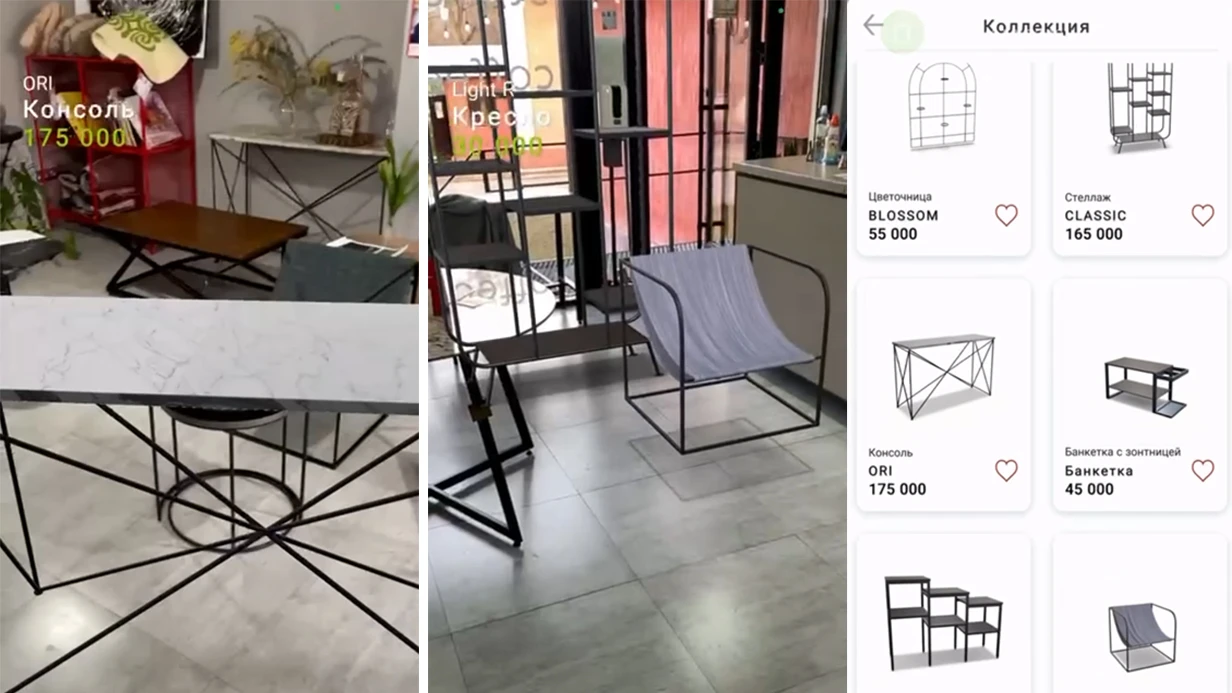
טכנולוגיית מציאות רבודה פותרת את הבעיה הזו: הלקוח פותח את מצלמת הסמארטפון שלו ו"ממקם" את הדגם שהוא אוהב ישירות בתוך המטבח שלו.
הוא רואה את הקנה מידה האמיתי, איך זה משתלב עם הגימור והרהיטים, האם הדלת נפתחת בחופשיות, והאם עדיין יש מספיק מרווח. זה הופך כרטיס מוצר מופשט לחוויית מדידה אישית.
עבור החנות, זה מתורגם להמרה גבוהה יותר ולנאמנות: לקוחות מחליטים מהר יותר ובביטחון רב יותר, בעוד החזרות שנגרמו מ"לא התאים" כמעט ונעלמות.
הקונים חוזרים לרכישות הבאות שלהם כי החנות טיפלה בפחד הגדול ביותר שלהם — לבחור לא נכון.
מה הדמיית מציאות רבודה משיגה למכירות ולאמון
קונה מוצרי חשמל ביתיים לעתים קרובות מהסס: האם המידה תתאים, האם הצבע ישתלב בפנים, האם דלת המקרר או מכונת הכביסה תפריע.
הדמיית מציאות רבודה מסירה את הספקות האלה לפני הרכישה — הלקוח פותח את מצלמת הסמארטפון שלו וממש "ממקם" את המוצר במטבח שלו.
הוא רואה איך הדגם נראה עם הארונות שלו, האם נשאר מרווח, וכמה בנוחות הדלת נפתחת. זה הופך רכישה מהגרלה להחלטה מושכלת.
מנקודת מבט עסקית, תרחיש זה מוביל ישירות לצמיחה בהמרות. כאשר הקונים רואים את המוצר בפנים שלהם, הם מחליטים מהר יותר ונוטים פחות לעזוב "כדי לחשוב על זה" או להמשיך לחקור בחנות אחרת.
הביטחון גם מוריד את שיעור ההחזרות: המוצר כבר תואם לציפיות כי הלקוח ראה אותו בסביבה אמיתית, לא באולם תצוגה סטרילי. זה חוסך כסף על לוגיסטיקה ומכירה חוזרת.
טכנולוגיית המציאות הרבודה גם מעלה את ערך ההזמנה הממוצע. אחרי שניסו דגם בפנים שלהם, הקונים מוכנים יותר לבחור גרסה גדולה או מסוגננת יותר — הפרש המחיר מוצדק על ידי ההבדל הנראה לעין בתחושת החלל.
תכונות נוספות גם קל יותר להדגים בבירור: רעש מובנה, מצבי עומס, תאורה — כל זה מתעורר לחיים בתרחיש שימוש, והלקוח נוטה יותר לקבל אפשרויות שימושיות.
נאמנות היא יתרון נוסף. חנות שמאפשרת ללקוחות "לנסות לפני קנייה" נתפסת כשותף מודרני ואכפתי. הקונה משתף את התמונה האינטראקטיבית במדיה החברתית, מתייעץ עם המשפחה, וחוזר למוצר הבא שלו. מציאות רבודה הופכת למקור של אמון, הזמנות חוזרות, ופרסום חינמי מפה לאוזן.
כל ההשפעות האלה פועלות יחד במעגל אחד: המרה גבוהה יותר, פחות החזרות, סל ממוצע גדול יותר, ונאמנות יציבה. הדמיית מציאות רבודה היא לא רק אלמנט טכנולוגי בחנות — היא כלי מכירות מעשי שמשתלם בכל שלב במשפך.
המפתח הוא בחירת תרחיש התצוגה הנכון והפיכתו לנוח עבור הלקוח — והתוצאות ייראו בתוך השבועות הראשונים.
פורמטים של הדמיית מציאות רבודה למוצרי חשמל ביתיים, מותאמים לצרכי הלקוח
קונה מוצרי חשמל ביתיים ממעט לדמיין איך מקרר גדול או מכונת כביסה ישתלבו במטבח או בחדר האמבטיה שלו. כאן בדיוק נוצרים הספקות והרכישות נדחות.
הדמיית מציאות רבודה מעבירה את המוצר מהקטלוג לחלל האמיתי של הלקוח לפני התשלום — כך שההחלטות מתקבלות מהר יותר ובביטחון רב יותר.
אנחנו מתאימים את הפורמט למטרה שלכם: בכל מקום שבו הלקוח פוגש את המוצר — באפליקציה, באתר, או בחנות ממותגת. להלן שלוש תצורות עבודה שכבר משיגות תוצאות.
| פורמט מציאות רבודה | למי זה מיועד | מה הלקוח מקבל |
|---|---|---|
| חדר מדידה בתוך האפליקציה | חנויות מקוונות ומותגים עם אפליקציה ניידת | הלקוח ממקם את דגם המוצר בחדר שלו, בודק תאימות ומידות, ועובר ישירות לתשלום. חלק הרכישות ללא היסוס גדל. |
| צפייה במציאות רבודה באתר | קטלוגים, מרקטפלייסים, אתרי יצרנים | מבקר פותח את כרטיס המוצר ורואה את המוצר בפנים שלו דרך מצלמת הסמארטפון. הזמן בדף וההמרה להוספה לסל עולים. |
| קטלוג אינטראקטיבי במיקום פיזי | אולמות תצוגה, חנויות ממותגות, תערוכות | היועץ מציג את כל קו המוצרים על טאבלט או מסך. אין צורך במחסן שלם — הלקוח רואה כל אפשרות בקנה מידה אמיתי. |
כל פורמט משתלב בקלות בתהליכים קיימים: האפליקציה, האתר, או זרימת העבודה של יועץ המכירות. אנחנו מטפלים בפיתוח ובאינטגרציה, והצוות שלכם מקבל כלי מכירות מוכן.
ההדמיה רצה על חומרה מקצועית ומספקת תמונה ריאליסטית — תאורה, צללים ופרופורציות המוצר תואמים למה שהלקוח יראה במשלוח. זה מסיר את הפחד הגדול ביותר — "מה אם זה לא יתאים" — ומפחית את מספר ההחזרות.
אם אתם צריכים להראות תוצאה במהירות, התחילו עם פורמט אחד והרחיבו אותו לערוצי מכירה אחרים. אנחנו נמליץ על התרחיש האופטימלי למצב הספציפי שלכם.
איך אנחנו משיקים פרויקט מציאות רבודה: מהבריף ועד לתמיכה
לקוח לא צריך תהליך כאוטי — הוא צריך מסלול צפוי מרעיון לפתרון מציאות רבודה עובד. לכן אנחנו מריצים פרויקטים בשלבים ברורים: אתם תמיד יודעים מה קורה, מתי התוצאה תהיה מוכנה, ואיפה יש לכם נקודת החלטה.
-
בריף. ראיון קצר על המטרות שלכם: איזה מוצר אנחנו מציגים, מי קהל היעד, איפה ישתמשו במציאות רבודה — בחנות, בתערוכה, או בקטלוג. הפלט הוא מסמך עם מטרות ותרחישים, כך שכולם מדברים באותה שפה.
-
תכנון. אנחנו בוחרים את פורמט היישום של מציאות רבודה: התאמה וירטואלית של מוצרים בפנים, קטלוג אינטראקטיבי, או דוכן תערוכה. אנחנו מעריכים לוחות זמנים והיקף — אתם רואים תוכנית ריאלית ללא שלבים נסתרים או הפתעות.
-
אישור קונספט. אנחנו מציגים אב טיפוס וסגנון ויזואלי על דוגמה אמיתית של המוצר שלכם. אתם רואים מראש איך התוצאה תיראה, ורק לאחר האישור שלכם אנחנו עוברים לפיתוח — זה מסיר את הסיכון של ציפיות לא תואמות.
-
פיתוח ובדיקות. אנחנו בונים את תרחיש המציאות הרבודה ובודקים אותו על מכשירים שונים ובתנאי תאורה שונים. אתם מקבלים גרסה יציבה שעובדת באופן עקבי עבור רוב המבקרים והלקוחות — בלי רגעים של "הכל נראה אדום" בזמן הכי גרוע.
-
השקה. אנחנו מגדירים את מיקום האפליקציה או הקטלוג: קישורים, קודי QR, גישה. אנחנו מאמנים את המנהלים והצוות שלכם לעבוד עם מציאות רבודה — כך שהם יוכלו להראות ללקוחות בעצמם איך "למקם" מכונת כביסה בחדר או לצפות במקרר בצבעים שונים.
-
תמיכה ואנליטיקה. לאחר ההשקה, אנחנו עוקבים אחרי אופן השימוש במציאות רבודה, אוספים משוב, ומבצעים חידודים. אם צריך כרטיסי מוצר חדשים או שינויי תרחיש בעוד כמה שבועות, אנחנו שם — זה לא דורש פרויקט חדש לגמרי.
התהליך הזה מבטל הפתעות: כל שלב מסתיים בתוצאה ברורה, ואתם תמיד יודעים מה נעשה ומה נותר לפני ההשקה.
מה כלול בחבילת פתרון המציאות הרבודה
כשאתם מזמינים הדמיית מציאות רבודה למוצרי חשמל ביתיים, אתם מקבלים חבילה מלאה — לא רק סקריפטים או אבות טיפוס בודדים.
אנחנו מתכננים מראש איך הפתרון יחיה באתר שלכם ובזרימת העבודה של המנהלים, ולכן המסירה כוללת את כל הרכיבים הבאים.
-
מודלים תלת-ממדיים של המוצרים שלכם — העתקים דיגיטליים של מקררים, מכונות כביסה, תנורים ומוצרים אחרים. המודלים נראים אמיתיים: פרופורציות ומרקמים מדויקים, כך שהקונה יכול לדמיין בקלות את הפריט במטבח או בחדר האמבטיה שלו.
-
אינטגרציה לאתר — אנחנו מחברים צפייה במציאות רבודה לכרטיסי מוצר מבלי לשנות את העיצוב או להאט את הדף. הלקוח לוחץ על "צפה בחדר שלי" — והמוצר מופיע בחלל שלו דרך מצלמת הסמארטפון.
-
לוח בקרה — ממשק אינטואיטיבי ברוסית. אתם מוסיפים דגמים חדשים בעצמכם, מעדכנים מחירים, מפעילים ומכבים מצב מציאות רבודה, ורואים כמה לקוחות השתמשו בתכונה.
-
הדרכת צוות — אנחנו מעבירים מפגש למנהלים ומשווקים על עבודה עם הלוח, עזרה ללקוחות בשימוש במציאות רבודה, ומענה לשאלות בהתכתבות.
-
תיעוד — תיאור מערכת תמציתי עם הוראות ואנשי קשר. אפשר למסור אותו לעובדים חדשים או לקבלן טכני.
-
אחריות ותמיכה — למשך החוזה, אנחנו עוקבים אחרי הפתרון, מעדכנים אותו עבור האתר שלכם, ומתקנים כל בעיה. אתם אף פעם לא נשארים לבד עם המערכת.
בסופו של דבר, זה כלי מוכן להגדלת המרות: הלקוח רואה את המוצר בפנים שלו ומקבל החלטת רכישה בטוחה יותר.
כל הפרטים מסוכמים ונבדקים מראש — כל מה שנשאר לכם הוא להשיק את הדמיית המציאות הרבודה ולהתחיל לקבל לידים ראשונים.
מקרה בוחן: צמיחה בהמרות לאחר יישום צפייה במציאות רבודה
קניית מוצרי חשמל ביתיים גדולים תמיד כרוכה בספק: איך המקרר או מכונת הכביסה ייראו במטבח או בחדר אמבטיה מסוים? ציפיות לא תואמות הן הגורם העיקרי לביטולי הזמנות והחזרות.
הצענו תכונת צפייה במציאות רבודה ללקוח שלנו, רשת קמעונאות מוצרי חשמל ביתיים, כדי לסגור את הפחד הזה. הקונה מכוון את מצלמת הסמארטפון לחדר, והדגם הנבחר מופיע בקנה מידה אמיתי, תוך התחשבות בצבעים ובמידות החלל.
חודש לאחר ההשקה באפליקציה ובאתר, המרת ההזמנות גדלה ב-34%, והחזרות שנגרמו מ"לא התאים במידה ובעיצוב" ירדו ב-20%.
עבור רשת שמעבדת אלפי הזמנות בחודש, זה עשרות מכירות שנחסכו וחיסכון ניכר בלוגיסטיקה הפוכה.
מנהל המסחר האלקטרוני של הלקוח מעיר: "בעבר, כל הזמנה שלישית למוצרים גדולים הגיעה עם ספקות, וחלק מהלקוחות החזירו את המוצר. עכשיו הקונים רואים את המוצר בפנים שלהם לפני ביצוע ההזמנה ומקבלים החלטות הרבה יותר בטוחות. השגנו צמיחה בהמרות ופחות החזרות בלי הנחות נוספות."
התוצאה הזו מראה: הדמיית מציאות רבודה למוצרי חשמל ביתיים היא לא קישוט לאתר אלא כלי מכירות עובד. היא מקצרת את המסע של הלקוח מספק לרכישה ובונה נאמנות — אחרי חוויה כזו, הקונים מוכנים הרבה יותר לחזור למוצר הבא שלהם.
איך לבחור את פורמט הדמיית המציאות הרבודה לחנות שלכם?
אין פתרון אחד שמתאים לכל חנות. פורמט המציאות הרבודה נבחר על סמך ארבע שאלות: מה אתם מוכרים, איפה הלקוח רואה את המוצר, מה התקציב שלכם, ומי קהל היעד שלכם.
בואו נעבור על כל קריטריון — כך תבחרו הדמיה שבאמת מגדילה מכירות ולא רק נראית טוב במצגת.
התחילו בסוג המוצר. מוצרים גדולים — מקררים, מכונות כביסה, תנורים — דורשים התאמה בתוך המידות האמיתיות של מטבח או חדר אמבטיה: הקונה רוצה לראות אם דלת פתוחה מפריעה ואיך הצבעים משתלבים.
מוצרים קטנים — קומקומים, שואבי אבק, מכונות קפה — מרוויחים מבדיקה מפורטת והגדלה, כך שקטלוג פשוט עם מציאות רבודה מספיק כאן.
הכלל פשוט: ככל שהמוצר גדול ויקר יותר, כך חשוב יותר להראות קנה מידה בפנים מאשר רק לסובב מודל על המסך.
לאחר מכן, העריכו את ערוצי המכירה שלכם. אם נקודת המגע העיקרית היא חנות מקוונת, אתם צריכים כפתור מציאות רבודה על כרטיס המוצר שנפתח ישירות בדפדפן, בלי התקנת אפליקציה.
עבור חנות פיזית, מסכים אינטראקטיביים וטאבלטים של יועצים עובדים טוב יותר: עובד "ממקם" מכונת כביסה בחדר אמבטיה וירטואלי ישירות מול הקונה ומראה איך הכל מתאים במידות.
הפורמט הזה מגדיל את הזמן ליד התצוגה ואת מספר השיחות עם היועץ — ולכן את ההמרה לרכישה.
התקציב קובע את עומק ההשקה. כדי להתחיל, מודול בסיסי שמכסה 10–15 מהפריטים הנמכרים ביותר שלכם מספיק, ואז אפשר להרחיב את הקטלוג בלי פיתוח חדש.
חשוב לבחור טכנולוגיה שמתרחבת בקלות: ההשקעה משתלמת מהר יותר כשהמציאות הרבודה עובדת על כל קו המוצרים ולא רק על דגם אחד. כלים משוכללים מאפשרים להוסיף דגמים חדשים תוך ימים, כך שעלויות התמיכה העתידיות נשארות צפויות.
קריטריון אחרון — הקהל. קונים צעירים שמחים לסרוק קוד QR ולחקור מוצרים במציאות רבודה מהסמארטפון שלהם, בעוד לקוחות מבוגרים יותר נוח להם יותר לדבר עם יועץ שמציג סצנת מציאות רבודה על טאבלט.
אם אתם מתכננים את שני התרחישים, הפורמט יכסה יותר מבקרים ולא ידחוק את אלה שמעדיפים אינטראקציה אישית. ענו על ארבע השאלות האלה — ותקבלו כלי שמאיץ את ההחלטה, מפחית החזרות, ומגביר את ביטחון הקונה לפני הרכישה.
שאלות נפוצות על יישום הדמיית מציאות רבודה
לקוחות שואלים לרוב על לוחות זמנים, עלות ותמיכה. אנחנו עובדים עם הדמיית מציאות רבודה למוצרי חשמל ביתיים כבר למעלה מ-10 שנים — אז הנה תשובות לשאלות היישום המרכזיות.
כמה זמן לוקח היישום?
פרויקט טיפוסי לוקח 2–4 שבועות. לוח הזמנים תלוי במספר הדגמים ובמורכבות הנכסים התלת-ממדיים. גרסה מהירה למוצר בודד יכולה להיות מוכנה תוך שבוע. אנחנו קובעים את לוח הזמנים בבריף כדי שתוכלו לתכנן את ההשקה.
איך מחושבת העלות?
התקציב מורכב מגודל הקטלוג, מורכבות הדגמים, ואינטגרציה עם האתר או ה-CRM שלכם. אנחנו מספקים הערכה שקופה לאחר הבריף — בלי עמלות נסתרות. היישום משתלם דרך המרת הזמנות גבוהה יותר, ואנחנו מדגימים זאת עם חישובים.
האם זה יעבוד עם ה-CRM שלנו?
כן, אנחנו מתאימים את ההדמיה לתשתית ה-IT שלכם. נתונים על המוצר הנבחר ופרטי הקשר של הלקוח מועברים ל-CRM שלכם — המנהלים מקבלים לידים חמים בלי הזנה ידנית.
מי מטפל בתמיכה לאחר ההשקה?
אנחנו נשארים בקשר: אנחנו מעדכנים את מגוון המוצרים, מוסיפים דגמים חדשים, ותומכים בצוות שלכם. בקשות טיפוסיות נפתרות תוך יום עסקים אחד. אנחנו יכולים גם לתחזק את הפרויקט באופן שוטף כצוות חיצוני.
השאירו פנייה להדמיית מציאות רבודה וקבלו חישוב עלות
השאירו פנייה להדמיית מציאות רבודה — ובתוך יומיים נכין חישוב עלות למשימה שלכם. בלי מקדמה, בלי התחייבויות: קודם תראו איך הטכנולוגיה עובדת על המוצר שלכם, ואז תחליטו אם העסק שלכם צריך את זה.
ייעוץ והדגמת ניסיון יעזרו לכם להעריך איך קונים "ימדדו" מוצרים בפנים שלהם. נראה לכם על מקרה אמיתי איך מציאות רבודה מגדילה את הזמן עם מוצר ומפחיתה שיעורי החזרה.
מה תקבלו אחרי יצירת קשר:
- חישוב עלות — הערכה שקופה להיקף שלכם: מספר דגמים, תרחישים, לוחות זמנים להשקה.
- ייעוץ — אנחנו מנתחים איזה שלב במשפך ירוויח הכי הרבה ממציאות רבודה.
- הדגמת ניסיון — על המוצר שלכם או דוגמה מהקו שלכם, כדי שתראו את התוצאה בשידור חי.
- הצעה מסחרית — עם לוחות זמנים, שלבים, אחריות ועלות סופית.
- המלצות אינטגרציה — איך להטמיע מציאות רבודה באתר, באפליקציה, או בנקודת מכירה פיזית.
- תמיכה לאחר ההשקה — עדכוני תוכן וחידודים לקולקציות חדשות.
השאירו את פניית המציאות הרבודה שלכם עכשיו — ועד מחר נשלח את החישוב ונציע זמן נוח להדגמה. זה לא מחייב אתכם בשום צורה, אבל נותן לכם הבנה קונקרטית של התקציב והשלבים הבאים.