



לקוחות לא רואים רהיטי ילדים בתוך הבית שלהם — ועוברים למתחרים
קונים של רהיטי ילדים מקבלים החלטות לא מתוך קטלוג אלא מתוך התחושה של "איך זה ייראה אצלי בבית." כל עוד הם רואים רק תמונה על רקע לבן, הם צריכים לדמיין מידות, צבעים וסגנון שמתאימים לחדר שלהם.
זה קשה, ולכן רובם דוחים את הקנייה: "צריך למדוד," "האישה תראה," "נחזור מאוחר יותר." אחרי כמה ימים, העניין מתקרר, והקונה עובר למי שהסיר את אי-הוודאות הזו.
לכן תמונות ותיאורים רגילים כבר לא מספיקים לרהיטי ילדים. הקונה המודרני מצפה שלפני הביקור בחנות התצוגה, יראו לו איך שידה, מיטה או שולחן ישתלבו בתוך הבית שלו.
הם רוצים לראות קנה מידה, שילובי צבעים, וכמה מקום נשאר למשחק. אם זה חסר, הבחירה הופכת להגרלה — וקניות בהגרלה נמשכות זמן רב.
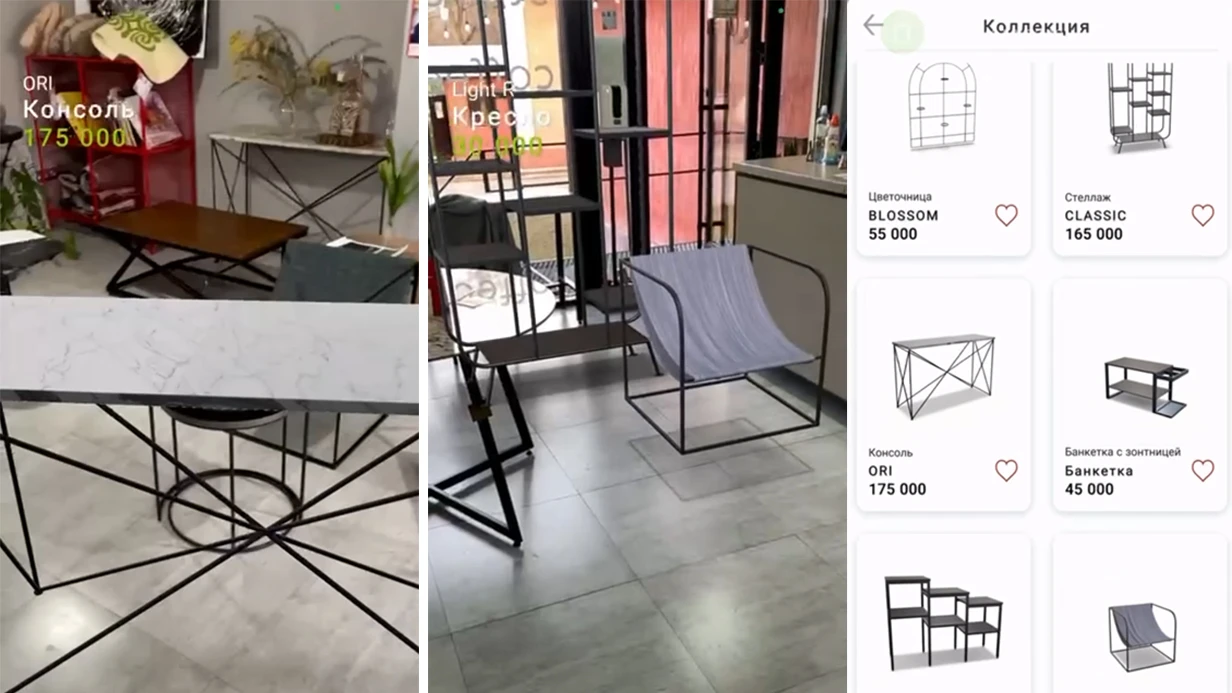
אנחנו סוגרים את הפער הזה עם ויזואליזציית AR. הקונה מכוון את מצלמת הטלפון לחדר — ורואה את רהיטי הילדים שנבחרו בקנה מידה אמיתי בתוך הבית שלו.
הם מזיזים את זה, משנים צבעים, מעריכים מרחק לשקעים ולדלת, מצלמים את התוצאה ומראים למשפחה. הרגע הזה של "ראו ודמיינו" הופך ספק להחלטה.
לחנויות וליצרנים, זה אומר פחות החזרות, מחזור מכירות קצר יותר, ויותר הזמנות כי הקונה מגיע לחנות התצוגה כבר לאחר שביצע בחירה.
ולבעל העסק זה אומר צמיחה צפויה בהכנסות ויתרון ברור על פני מתחרים שרהיטי הילדים שלהם נשארים תמונה שטוחה בקטלוג.
אילו יתרונות מקבלים מקטלוג AR
קניית רהיטי ילדים היא תמיד צעד אחראי. הורים חוששים שהמיטה לא תתאים במידה, שהצבע לא יתאים לטפט, ושהארון לא ייכנס לפינה. תמונות רגילות לא נותנות תמונה מלאה, ולכן החלטות נדחות לעיתים קרובות.
קטלוג AR פותר את הבעיה הזו: הקונה פותח את האפליקציה, מכוון את המצלמה לרצפה, ורואה את הפריט שנבחר בקנה מידה אמיתי. הצוות שלנו מפתח קטלוגים כאלה כבר למעלה מ-10 שנים ויודע להפוך התאמה למכירה. כתוצאה מכך, אתה מקבל לא רק חלון ראווה יפה אלא כלי שמגדיל הכנסות.
צמיחה במכירות וערך הזמנה ממוצע
כשקונים רואים רהיטים בחדר שלהם, הספקות נעלמים. הם מחליטים מהר יותר. לעיתים קרובות הקונה בוחר מיד סט שלם יותר — מיטה, ארון ושידה יחד, כי ב-AR קל לראות איך הם משתלבים. כתוצאה מכך, הסל הממוצע וההכנסות הכוללות גדלים.
אמון לקוחות
תצוגת מוצר שקופה ללא "שיפורים" בונה אמון. הלקוח יודע מראש איך הכל ייראה, כך שלא יתאכזב אחרי המשלוח. זה מפחית החזרות ומחזק את המוניטין — ממליצים עליך למשפחות צעירות אחרות.
חיסכון בחנויות תצוגה
אין צורך לשכור חנויות תצוגה גדולות ולהוביל דוגמאות. כל הקולקציה זמינה לקונה בכל זמן ובכל מקום. עלויות התערוכה נחתכות פי כמה, בעוד היעילות גבוהה יותר.
הגעה לקהל
כל קונה ישמח להראות את התאמת ה-AR לאמא או לחבר, לשתף סרטונים ברשתות החברתיות. אלה אזכורים חינמיים של המותג וקהל חדש שמגיע אליך כבר עם אמון.
פורמטים של פרויקטי AR/VR לרהיטי ילדים
קונה של רהיטי ילדים מחליט לא לפי קטלוג אלא לפי התחושה "איך זה ייראה בחדר שלי." הם מטילים ספק: האם המיטה תתאים במידה, האם השידה תתאים לטפט, האם הארון יהיה מגושם מדי. כל ספק הוא קשר אבוד וקנייה שנדחית.
ויזואליזציית AR וחדרי תצוגה VR מסירים את הספקות האלה לפני הקנייה. אנחנו מציעים שלושה פורמטים למשימות עסקיות שונות, מקטלוג ועד דוכן תערוכה.
פורמט קטלוג: AR באפליקציה
הלקוח מכוון את מצלמת הסמארטפון לרצפה — ורואה את המיטה או השידה בקנה מידה 1:1. הם יכולים להסתובב סביב הפריט, לשנות את צבע החזיתות, ולהעריך כמה מקום הוא יתפוס.
כך הקונה עובר מהר יותר מ"להסתכל" ל"להזמין," וחלק ההחזרות בגלל "לא התאים במידה" יורד.
חדר תצוגה VR: פנים בכף היד
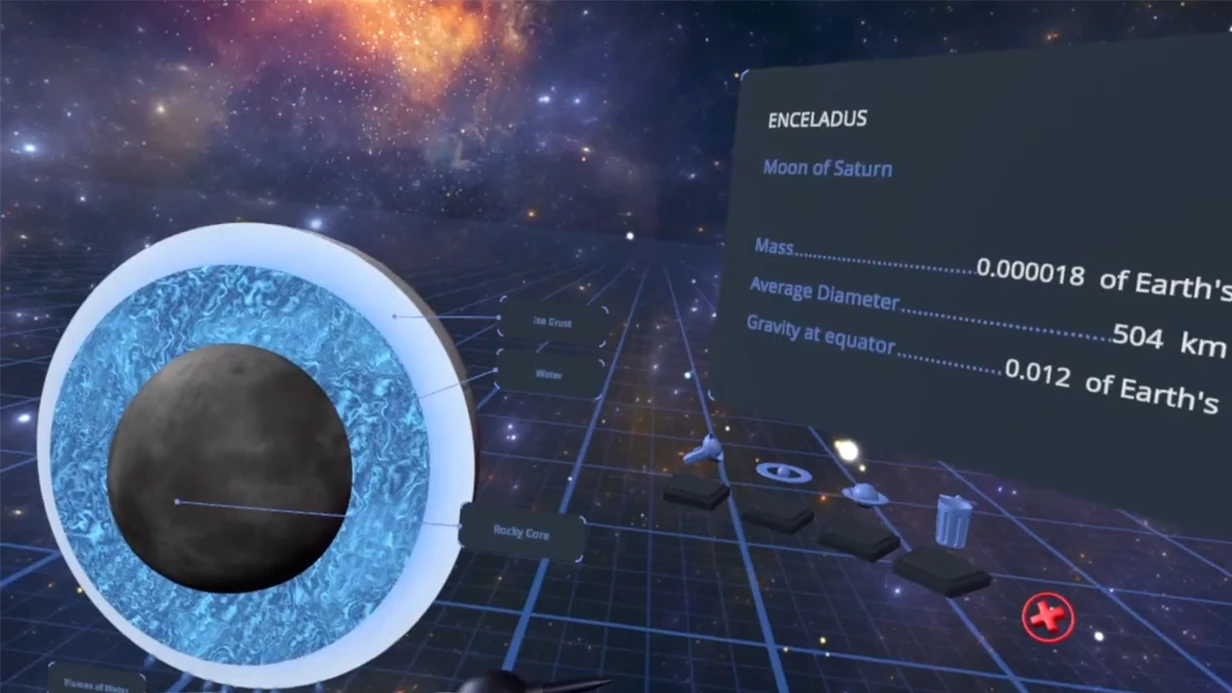
זהו קטלוג דיגיטלי לסלון או למשווק. הלקוח מרכיב משקפיים ומוצא את עצמו בחדר ילדים שבו הרהיטים שלך עומדים: הם מעריכים תאורה, חומרים ושילוב עם טקסטיל.
הפורמט משכנע את אלה שלא מוכנים לקנות "בעיוורון" — במיוחד הורים שבוחרים רהיטים לילד.
דוכן אינטראקטיבי: מגנט לאירועים
דוכן AR עם הקטלוג שלך משמש כאטרקציה עצמאית: אורחים עומדים בתור כדי "להציב" ארון בחדר ילדים וירטואלי ולצלם תמונות. זה מגביר את החשיפה ברשתות החברתיות ואוסף אנשי קשר שהופכים למכירות חוזרות.
| פורמט | למי | מה זה נותן ללקוח |
|---|---|---|
| AR בקטלוג | חנות מקוונת, מרקטפלייס | המרה גבוהה יותר ופחות החזרות |
| חדר תצוגה VR | סלון, חנות תצוגה, משווק | הצגה "חיה" משכנעת |
| דוכן AR | תערוכה, פתיחה, אירוע | זרם אורחים, תמונות, מאגר אנשי קשר |
פורמט אחד — פתרון עובד. כמה — יתרון על פני מתחרים. ספר לנו איפה אתה יוצר קשר עם הלקוח — נבחר פורמט למשימה שלך ונראה את התוצאה על המוצר שלך. הצוות שלנו
שלבי השקת פרויקט AR למשימה שלך
עבודה על פרויקט AR היא כמו השקת אירוע: כדי שהתוצאה תתאים לציפיות, צריך תהליך ברור. בנינו אותו כך שבכל שלב אתה יודע מה קורה ומקבל החלטות ללא אישורים מיותרים. להלן חמישה שלבים, מהשיחה הראשונה ועד תמיכה לאחר ההשקה.
-
בריף וסיור. יש לנו שיחה, מתעדים את המשימה: איזה רהיטים, איפה יראו את ה-AR, למי זה מיועד. אתה מקבל מסמך קצר עם מטרות וקריטריוני הצלחה — הוא הופך לבסיס לכל ההחלטות הבאות.
-
קונספט והערכת עלות. אנחנו מציעים פורמט AR — מצפייה פשוטה ועד התאמה מלאה עם בחירת צבע ותצורה. אנחנו מסכימים על היקף העבודה, לוח הזמנים והתקציב, ומתעדים אותם בתוכנית. כאן אתה רואה מה אתה מקבל תמורת הכסף שלך.
-
אב טיפוס עיצובי. אנחנו מראים איך סצנת ה-AR נראית על המסך: פנים, רהיטים, כפתורי שליטה. אתה עורך שינויים לפני תחילת הפיתוח — זה חוסך זמן ועצבים.
-
פיתוח ובדיקות. אנחנו בונים את האפליקציה או גרסת האינטרנט ובודקים על מכשירים אמיתיים כדי שהרהיטים ייראו טבעיים, יזוזו בצורה חלקה ולא "יצופו" על מסכים שונים. אנחנו שולחים גרסאות ביניים לשליטה שלך.
-
השקה ותמיכה. אנחנו מוסרים את המוצר המוגמר עם קישור ללקוחות ומפרסמים אותו בערוצים המתאימים. לאחר ההשקה, אנחנו נשארים בקשר: אם משהו לא עובד או צריך תיקון, הבקשה מטופלת תוך יום עסקים אחד.
באמצעות התהליך הזה, השקנו יותר מ-20 פרויקטים בנישות שונות, מקמעונאות ועד נדל"ן. בכל פעם הלקוח יודע באיזה שלב נמצא הפרויקט ולא נתקל בהפתעות.
אתה מקבל מערכת ברורה שבה כל שלב מוביל לתוצאה אחת — AR שמוכר את הרהיטים שלך, לא רק מדגים אותם.
מה כלול במסירת הפרויקט
אנחנו מוסרים לא רק אפליקציה אלא חבילה מלאה להשקת ויזואליזציית AR של רהיטי ילדים בתוך הבית של הלקוח שלך. אתה לא צריך להבין פרטים או לחפש קבלנים — המסירה כוללת כל מה שצריך כדי לעבוד מהיום הראשון.
- האפליקציה עצמה לויזואליזציה. הלקוח מכוון את המצלמה לחדר ורואה איך מיטת ילדים, ארון או שידה ייראו לפני הקנייה. זה מסיר את הפחד העיקרי של "מה אם זה לא יתאים."
- הוראות התקנה ושימוש ברורות. מינימום שאלות מהמנהלים והלקוחות שלך, התחלה מהירה ללא הדרכה ארוכה.
- חומרי מקור. מודלים תלת-ממדיים של הרהיטים שלך, הגדרות סצנה ותוכן שהכנו ומסרנו לך. אם צריך, אפשר להשתמש בהם לקטלוג, אתר או רשתות חברתיות.
- הדרכה לצוות שלך. אנחנו עורכים הדגמה למוכרים ולמנהלים, עונים על שאלות ומראים איך לשלב את הוויזואליזציה בתהליך המכירה — מהקשר הראשון ועד ביצוע ההזמנה.
- תמיכה טכנית במהלך ההשקה. אנחנו עוזרים בהתקנה, בדיקות ושימוש ראשון כדי שתקבל תוצאות ללא הפסקות או "תקלות" ברגע החשוב ביותר.
- המלצות ליישום. אנחנו מייעצים איך להראות את האפליקציה ללקוחות, אילו תרחישים עובדים טוב יותר, ואיך להגביר נאמנות דרך ביטחון בקנייה.
כך, אתה מקבל לא פיתוח "גולמי" אלא פתרון מוכן שאפשר להראות ללקוחות בחנות או בתערוכה כבר מחר.
כל המסמכים, המודלים וההוראות נשארים אצלך — אתה לא קשור אלינו ואם תרצה, תוכל לפתח את הפרויקט עם צוות משלך.
מקרה בוחן: איך קטלוג AR הכפיל מכירות
כשמפעל רהיטי הילדים "Rostok" פנה אלינו, חלון הראווה שלו היה סטנדרטי: תמונות, תיאורים, מידות.
לקוחות בחרו בעין ואז החזירו סחורה — "לא התאים לפנים," "הארון היה גדול יותר ממה שנראה." אלה לא היו מקרים בודדים אלא כאב מערכתי שאכל גם את המרווח וגם את אמון הלקוחות.
הצענו להשלים את הקטלוג עם מציאות רבודה. הורים יכולים "להציב" מיטה או שידה אהובה ישירות בחדר הילד, לראות את הגודל האמיתי, הצבע וההתאמה לטפט.
בלי סרטי מדידה או שרטוטים מחדש — האפליקציה מראה איך הפריט ייראה בחלל ספציפי. הלקוח מחליט בביטחון, והמנהל לא צריך לבזבז זמן על ייעוץ ארוך.
התוצאה הופיעה כבר בחודש הראשון: ההמרה מצפייה להזמנה הוכפלה. חלק המוצרים עם תג AR מכלל ההזמנות הגיע לכמעט 60%, וההחזרות בגלל "לא התאים במידה ובסגנון" ירדו בשליש בערך. המפעל החל לקבל יותר ביקורות אסירות תודה — החדר נראה בדיוק כמו באפליקציה.
היום הקטלוג האינטראקטיבי הוא ערוץ המכירות המרכזי של החברה לרהיטי ילדים. הלקוח נטש קטלוגים מודפסים ומשקיע את התקציב בפיתוח חלון הראווה.
עבורנו, זה המדד הטוב ביותר: הפרויקט החזיר את ההשקעה וממשיך לייצר מכירות ללא תמיכה שוטפת שלנו.
איך לבחור פורמט למשימה שלך?
בחירת פורמט ויזואליזציית AR לרהיטי ילדים מסתכמת לא בטכנולוגיה אלא במשימה שאתה פותר. רוצה להגדיל המרה בחנות המקוונת — צריך גישה אחת. מתכנן להפתיע מבקרים בתערוכה או בחנות תצוגה — אחרת.
המטרה קובעת כמה עמוקה תהיה הטבילה ואיפה בדיוק הקונה יפגוש את המוצר הווירטואלי.
הקהל גם משפיע על ההחלטה. הורים שבוחרים מיטה או שולחן מעריכים את הבהירות של "איך זה ייראה בחדר" ואת הבטיחות.
אם הם יכולים להציב רהיטים סביב הדירה שלהם תוך כמה דקות עם סמארטפון, האמון במוצר גדל, והספקות "האם זה יתאים במידה ובסגנון" נעלמים. זה עובד גם לקטלוגים מקוונים וגם לנקודות מכירה פיזיות.
הגורם השלישי הוא תקציב ההשקה. אנחנו בכוונה לא מציעים "הכי יקר ומורכב." במקום זאת, אנחנו מרכיבים 2–3 אפשרויות פורמט למטרה ולקהל שלך: מהתאמת AR פשוטה באפליקציה ועד חדר וירטואלי מלא לחנות תצוגה.
אנחנו מלווים כל אפשרות בהערכת תוצאה — מה הלקוח יקבל, איך מסלול הקנייה שלו משתנה, אילו מדדים אפשר לעקוב.
לכן, הצעד הראשון הוא תמיד ניתוח קצר של המצב שלך. אנחנו שואלים שלוש שאלות: מי קהל היעד שלך, איזו משימה אתה פותר, ואילו משאבים אתה מוכן להקצות.
רק אחרי זה אנחנו מציעים פורמט שיביא תועלת מקסימלית במסגרת התקציב שלך — בלי לשלם יותר מדי על פונקציות מיותרות ובלי לפגוע בנוחות הלקוח.
כך אתה לא בוחר טכנולוגיה בעיוורון, אלא מקבל כלי עובד: הקונה רואה רהיטי ילדים בתוך הבית שלו, מקבל החלטות בביטחון רב יותר, וחוזר ביתר רצון לקניות חדשות. ואנחנו לוקחים על עצמנו את היישום והתאמת הפורמט לערוץ המכירות שלך.
שאלות נפוצות לפני הזמנת ויזואליזציית AR
לפני הזמנת ויזואליזציית AR לרהיטי ילדים, בעלי עסקים שואלים את אותן שאלות: כמה זמן זה ייקח, מה זה יעלה, ומה קורה אם משהו משתבש. אנחנו עונים על הפחדים העיקריים — בלי פרטים טכניים, רק מה שמשפיע על התוכנית והתקציב שלך.
כמה זמן לוקח ליצור ויזואליזציית AR?
פרויקט סטנדרטי לוקח מ-5 ימי עסקים: אתה שולח מודל תלת-ממדי או תמונות של רהיטים, אנחנו יוצרים את הוויזואליזציה בפנים ובודקים על מכשירים שונים. אם המודל כבר מוכן ואינו דורש שיפור, אפשר לקצר את לוח הזמנים ל-2–3 ימים. אנחנו קובעים תאריכים מדויקים בחוזה לפני תחילת העבודה.
כמה זה עולה?
העלות תלויה במספר הפריטים, במורכבות הצורות ובצורך באינטגרציה עם האתר או האפליקציה שלך. אתה מקבל הערכה שקופה אחרי הבריף, בלי עמלות נסתרות.
לרוב אנחנו נכנסים לתקציב שהוקצה לצילום קטלוג בודד — בעוד ויזואליזציית AR עובדת עבור הלקוח שנים.
מהם הסיכונים, ומה קורה אם משהו לא בסדר?
הסיכון העיקרי הוא אי-התאמה בין הוויזואליזציה למוצר האמיתי. אנחנו מבטלים אותו באמצעות שימוש במודלים התלת-ממדיים המדויקים שלך או בנייתם משרטוטים עם קשירת מידות. במהלך הבדיקות, אתה רואה את התוצאה על המכשיר שלך ועורך שינויים.
לאחר מסירת הפרויקט, אנחנו מתקנים שגיאות ללא תשלום תוך חודש — זה מצוין בחוזה.
האם אני צריך לקנות ציוד מיוחד?
לא. הלקוחות שלך פותחים את הוויזואליזציה על סמארטפון או טאבלט רגיל דרך דפדפן או באפליקציה הניידת שלך. אתה לא צריך להתקין תוכנה או לקנות מכשירים נוספים. אנחנו מתאימים את הפתרון לדגמים המרכזיים כדי שהכל יעבוד ביציבות ללא השקעות נוספות.
האם תתמכו בנו לאחר ההשקה?
כן. אנחנו נשארים בקשר לאחר המסירה: אנחנו עוזרים לעדכן את הוויזואליזציה כשמגוון המוצרים משתנה, מוסיפים פריטים חדשים, ומוודאים שהכל עובד כראוי בגרסאות חדשות של מערכות ניידות. אתה יכול לפנות אלינו בכל זמן — זה חלק מהשירות, לא הצעה נפרדת בתשלום.
אם עדיין יש לך שאלות, כתוב לנו — נשלח דוגמאות של פרויקטים לרהיטי ילדים ונחשב לוחות זמנים למשימה שלך.הזמן פיתוח וקבל את הלקוחות הראשונים שלך
אנחנו יודעים איך הורים בוחרים רהיטי ילדים: הם רוצים לדמיין מיטה או ארון בחדר שלהם, אבל חוששים לטעות במידה, בצבע ובסגנון. ויזואליזציית AR מסירה את הספקות האלה — הקונה רואה רהיטים בפנים אמיתיים לפני ההזמנה. זה מקצר את הדרך מהפנייה לקנייה ומגביר את האמון במותג שלך.
אנחנו מפתחים אפליקציות AR ליצרנים ולמוכרים של רהיטי ילדים. אנחנו מטפלים בכל העבודה: מרעיון, עיצוב ומודלים תלת-ממדיים ועד פרסום בחנויות האפליקציות. אתה מקבל כלי מכירה מוכן שעובד על הסמארטפונים של הלקוחות שלך ללא ציוד מיוחד.
השאר פנייה — תוך יום עסקים אחד נחשב את העלות ואת לוח הזמנים לפרויקט שלך. נספר לך איזה פורמט ייתן תשואה מקסימלית: חדר התאמה באפליקציה, קטלוג מציאות רבודה באתר, או תצוגה בחנות.
מה אתה מקבל:
- חישוב מהיר תוך יום אחד — אתה מיד מבין תקציב ולוח זמנים לפני תחילת העבודה.
- מפרט טכני ברור — בלי מונחים מורכבים, ממוקד במשימות עסקיות ובמכירות.
- פתרון לקהל שלך — אנחנו בוחרים תרחיש נוח להורים ומגביר המרה.
- בדיקות על מכשירים אמיתיים — האפליקציה עובדת ביציבות בדגמי טלפונים פופולריים.
- תמיכה לאחר ההשקה — אנחנו עוזרים בעדכונים, אנליטיקה ושיפורים.
- תנאים שקופים — אנחנו מתעדים תוצאות ושלבים בחוזה; אתה תמיד יודע מה אתה מקבל.
רהיטי ילדים לא נקנים כל יום, ולכן חשוב לא לפספס את הרגע שבו משפחה מוכנה לבחור. ויזואליזציית AR עוזרת להפוך עניין לפנייה והזמנה. עשה את הצעד הראשון — כתוב לנו או השאר פנייה באתר. נדון במשימה שלך, נציע פורמט מתאים, ונראה איך להביא את הלקוחות הראשונים שלך.