





לקוחות לא יכולים לדמיין את הדלתות שלכם בתוך הבית שלהם
כשבוחרים דלת, הקונה מדמיין איך היא תיראה בכניסה לבית, איך היא תתאים לרצפה, לטפט ולרהיטים.
אבל קטלוגים רגילים ואולמות תצוגה נותנים רק רושם כללי — אי אפשר להעריך את הקנה מידה, את הצבע תחת תאורה ספציפית ואת המרקם של החומר. נוצרים ספקות, והרכישה נדחית בשבועות או לא מתרחשת בכלל.
עבור המוכר, זה אומר לקוחות אבודים, מחזור מכירות ממושך והחזרות תכופות — הקונה מזמין, ואחרי ההתקנה מבין שהדלת "לא מתאימה". הבעיה היא לא המבחר; זה שהלקוח לא יכול לראות את התוצאה מראש.
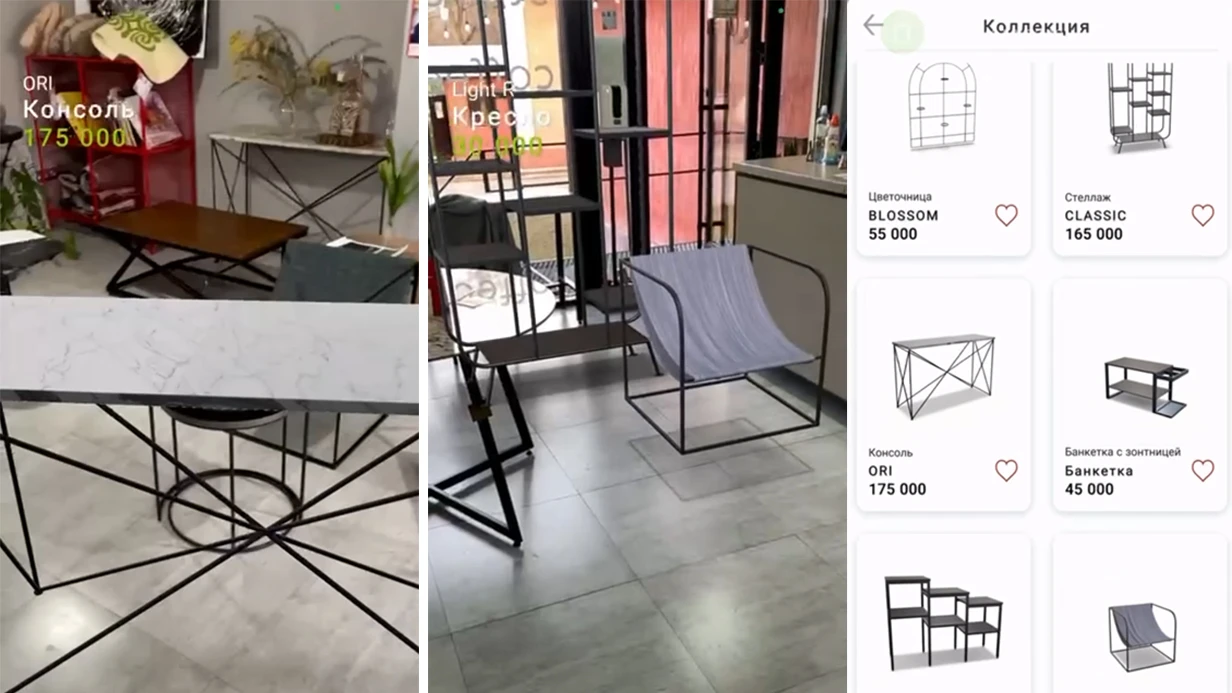
הפתרון הוא AR לדלתות. עם מציאות רבודה, הקונה מכוון את מצלמת הסמארטפון לפתח הדלת ורואה את הדגם הנבחר ישירות בתוך הבית שלו. הוא יכול לשנות צבע, מרקם ולהשוות אפשרויות — זה נקרא התאמת דלתות אונליין. גישה זו הופכת את הדמיית הפנים למציאותית ומסירה את הפחד המרכזי לפני הרכישה.
כתוצאה מכך, בחירת דלת הופכת למהירה ובטוחה. הקונה לא מנחש; הוא יודע בדיוק איך הדלת תיראה בבית שלו. הניסיון שלנו מראה: הטמעת הדמיית AR מגדילה את המרת ההזמנות פי 1.5–2 ומפחיתה את שיעור ההחזרות למינימום. לקוחות חוזרים לרכישות חוזרות וממליצים עליכם לחברים שלהם.
אנחנו צוות שמפתח פתרונות AR ליצרני דלתות ולמוכרים, שמשתלבים בקלות באתר או באפליקציה לנייד. נעזור לכם להשיק התאמת דלתות אונליין ולכוונן את תהליך הבחירה כך שלקוחות יפסיקו לדחות רכישות. השאירו פנייה — נראה לכם איך זה עובד עם המבחר שלכם.
איך AR עוזר למכור דלתות מהר יותר
קונה דלתות ממעט לדמיין איך הדגם הנבחר ייראה במסדרון שלו, מול הטפט ותחת התאורה שלו. הוא מהסס, דוחה את ההחלטה, עוזב כדי "להתייעץ עם האישה" — ולעתים קרובות לא חוזר. עבור אולם התצוגה, זה אומר עסקאות אבודות ובזבוז זמן של מנהלים.
קטלוג AR פותר את הבעיה הזו: הלקוח מכוון את הסמארטפון לפתח ורואה את הדלת בקנה מידה מלא בחדר שלו. צבע, מרקם, איך זה משתלב עם הרצפה והרהיטים — הכל נראה מיד.
ההתנגדות "מה אם זה לא מתאים" נעלמת עוד לפני המדידה, והמנהל לא צריך לתאר במילים מה הקונה רואה בסביבה האמיתית שלו.
התוצאה היא מחזור מכירות קצר יותר וסל קניות ממוצע גבוה יותר: הקונה בטוח בבחירתו, ולכן הוא מוסיף ביתר קלות אביזרים, מסגרות והרחבות.
והיכולת לשתף תמונה או סרטון של הדלת בתוך הבית שלהם הופכת את המותג שלכם לנראה יותר ומביאה לקוחות חדשים לאולם התצוגה.
"הפסקנו לאבד לקוחות בשלב הספק. בעבר, כל אדם שלישי עזב כדי לחשוב ולא חזר; עכשיו במהלך הקיץ, המכירות גדלו בכמעט שליש," מציין מנהל אולם התצוגה DveriProfi.
אנחנו מפתחים הדמיית AR לקטלוג שלכם: אנו מעלים את דגמי הדלתות שלכם, מגדירים סינון לפי גודל ופנים, ומטמיעים אותו באתר או באפליקציה שלכם. הכלי עובד על הסמארטפונים הרגילים של הלקוחות — אין צורך בתוכנות מיוחדות או בהדרכה. כל מה שאתם צריכים לעשות זה להראות את הקישור לקונה.
פורמטים של הדמיית דלתות: מקטלוג לחדר התאמה
לקוחות לא יכולים "למדוד" דלת לבית שלהם עד שהם רואים אותה בפועל. לכן, עם קטלוגים וחנויות, הקונה לעתים קרובות דוחה את ההחלטה והמכירות נמשכות.
הדמיית AR מסירה את המחסום הזה: אדם מסתכל על דלת במסדרון או בחדר שלו ישירות ממסך הסמארטפון — בלי נסיעות לאולם התצוגה ובלי משלוחי דוגמיות.
אנחנו מיישמים שלושה פורמטים של פרויקטי AR למשימות שונות — מ-QR פשוט בקטלוג ועד אולם תצוגה וירטואלי מלא. היישום אורך בין שבועיים לחודש, והתוצאה היא המרה מוגברת ופחות החזרות.
מה לבחור למשימה שלכם
| פורמט | למי | מה זה נותן ללקוח |
|---|---|---|
| קטלוג AR עם קודי QR | לאתרים, קטלוגים מודפסים, חומרי פרסום | הקונה פותח את המצלמה, מכוון אותה ל-QR ליד הדגם, ומיד רואה את הדלת בדירה שלו. יותר לידים מהקטלוג, פחות ספקות בהזמנה. |
| הדמיית QR על דוגמיות | לחנויות קמעונאיות, תערוכות, נקודות מכירה | מכוונים את המצלמה לדוגמית פיזית — אותה דלת מופיעה בקרבת מקום, אבל בפנים עם אפשרויות גימור שונות. הלקוח נשאר ליד התצוגה זמן רב יותר, והיועץ סוגר את העסקה ביתר קלות. |
| אולם תצוגה וירטואלי | לאולמות תצוגה עם שטח מוגבל ולמכירות אונליין | כל קטלוג הדלתות מורכב במרחב תלת-ממדי אחד: הלקוח "מסתובב" באולם, בוחר דגמים ולומד מרקמים. אין צורך במחסן דוגמיות גדול — הצגת המבחר הופכת לזמינה מכל מכשיר. |
| חדר התאמת דלתות | לחנויות אונליין ולקונפיגורטורים באתר | המשתמש מציב את הדלת הנבחרת בתוך הבית שלו, משנה צבע, אביזרים וסוג זיגוג, ומיד רואה את התוצאה. זה מגביר את האמון במוצר ומפחית את מספר ההחזרות לאחר ההתקנה. |
הפורמטים קלים לשילוב: למשל, משיקים קודם את קטלוג ה-AR, ומוסיפים אולם תצוגה וירטואלי חודש לאחר מכן. אנחנו מלווים את הפרויקט מהבריף ועד הפרסום, מאמנים את הצוות ומשאירים הוראות למשתמשים שלכם.
איך פיתוח הדמיית AR עובד
פיתוח הדמיית AR לדלתות הוא תהליך ברור שבו אתם רואים את התוצאה בכל שלב, לא "קופסה שחורה" למשך חודשים. אנחנו עובדים לפי תכנית שקופה: מהבריף הראשון ועד להשקת האפליקציה המוגמרת.
המטרה היא שלקוח אולם תצוגה או מבקר באתר יוכל לנסות דלת מול הבית שלו ולקבל החלטת רכישה.
- בריף והתעמקות במשימה. אנחנו מקשיבים איך אתם מוכרים דלתות, לומדים את הקטלוג ואת התנגדויות הלקוחות האופייניות. אנחנו מזהים היכן נדרשת הדמיה: באולם התצוגה, באתר, בתערוכה.
- אב-טיפוס ותרחיש שימוש. אנחנו מראים את מבנה האפליקציה: איך המשתמש בוחר דלת, מכוון את המצלמה לקיר ורואה אותה בחלל שלו. בשלב זה קל להתאים את הלוגיקה בלי עלויות נוספות.
- עיצוב ודגמי תלת-ממד. אנחנו יוצרים דגמי דלתות מציאותיים, מרקמים וממשק בסגנון המותג שלכם. כל המוצרים נראים כמו במציאות — מרקם, צבע, אביזרים.
- יצירת אפליקציית ה-AR. אנחנו מגדירים תצוגת דלת בזמן אמת: גודל, פרופורציות, מיקום בחדר. המשתמש רואה איך הדלת משתלבת בכניסה או בחדר השינה שלו.
- בדיקות על מכשירים שונים. אנחנו בודקים איך האפליקציה עובדת על טלפונים פופולריים, תחת תאורות שונות ועם משטחים שונים. אנחנו מתקנים באגים כדי שלא יהיו תקלות ברגע החשוב ביותר.
- השקה והטמעה. אנחנו מפרסמים את האפליקציה, מאמנים את המנהלים שלכם ומספקים הוראות. לאחר ההשקה, אנחנו נשארים בקשר ומשפרים פרטים על סמך שימוש אמיתי.
מה אתם מקבלים לאחר השקת הפרויקט
לאחר ההשקה, אתם מקבלים לא רק אפליקציה, אלא כלי עבודה מוכן לשימוש למכירות ולהצגת דלתות. אנחנו מוסרים חבילה מלאה: מפתרון ה-AR עצמו ועד פאנל ניהול שמשאיר את הקטלוג שלכם חי בלי מעורבות מפתחים.
מה כלול במסירת פרויקט ה-AR:
- אפליקציית AR עובדת — לקוחות "מציבים" דלתות בבית שלהם מהטלפון ורואים מיד איך הדגם מתאים לרצפה, לקירות ולאור. זה מפחית ספקות והחזרות.
- פאנל ניהול לעדכוני קטלוג — אתם מוסיפים דגמים חדשים, משנים מחירים ותיאורים ומסירים פריטים מיושנים בכמה קליקים. בלי פניות למחלקת IT.
- הוראות לצוות ולמשתמשים — חומרים פשוטים על איך להפעיל צפיית AR ולעבוד עם הקטלוג. ההדרכה אורכת פחות משעה.
- אנליטיקת שימוש — אתם רואים אילו דגמים נצפים ביותר, כמה זמן מושקע בצפייה ואילו פריטים מעוררים עניין. על סמך הנתונים, קל יותר לתכנן רכישות ותצוגות.
- תמיכה טכנית ואחריות — אנחנו תומכים בפרויקט לאחר ההשקה, עוזרים בעדכונים ופותרים בעיות במהירות כדי שהעבודה לעולם לא תיפסק.
החבילה הזו מכסה את הנקודה המרכזית: אתם מקבלים לא "אב-טיפוס גולמי" אלא ערוץ מכירות ניתן לניהול. הקטלוג תמיד מעודכן, לקוחות רואים דלתות בהקשר של הבית שלהם, ואתם מקבלים מספרים שאפשר לסמוך עליהם בפיתוח המבחר.
מקרה בוחן: יצרן דלתות הגדיל מכירות ב-30%
קונה בוחר דלת פעם אחת — ולעשרות שנים. אבל איך מראים לו את המרקם, הצבע ומשחק האור בפנים אם הדוגמית יושבת באולם התצוגה והשיפוץ כבר בעיצומו?
הלקוח חושש לטעות בגוון או בסגנון, ולכן הוא דוחה את ההחלטה, מבקר בחנויות, ולעתים קרובות בסופו של דבר בוחר דגם זול יותר ומוכר יותר.
הצענו למפעל ליצור קטלוג AR: קונה "מציב" כל דלת ישירות לחדר שלו דרך הסמארטפון — רואה אותה באור שלו, על הרצפה שלו, בפתח הקיר שלו.
בלי ביקורים באולם התצוגה, בלי "אבל איך זה ייראה אצלי". התוצאה עלתה על הציפיות.
מפעל דלתות פנים מהמרכז האירופי השיק קטלוג AR והגדיל מכירות ב-30% במשך שני רבעונים.
במקביל, ההמרה לרכישה בקרב משתמשי הקטלוג הייתה גבוהה פי שניים מאשר בקרב מבקרים רגילים באתר, וחלקם של הדגמים היקרים בהזמנות גדל ברבע: כשהלקוח רואה דלת בבית שלו, הוא בוחר פרימיום בביטחון רב יותר.
זה עובד פשוט: הקונה פותח את הקטלוג בטלפון או בטאבלט, מכוון את המצלמה לפתח — ורואה את הדגם הנבחר בקנה מידה של 1:1. הוא יכול לשנות צבעים, לצפות מזוויות שונות ואפילו לשמור תמונות כדי להראות למשפחה או למעצב.
עבור המפעל, זה לא רק "טריק" אלא כלי מכירות שהחזיר את עצמו תוך כמה חודשים.
מה זה אומר לעסק? פחות החזרות בגלל "הצבע הלא נכון", יותר הזמנות מאזורים ללא אולמות תצוגה, והחלטות רכישה מהירות יותר באופן ניכר.
אנחנו עדיין תומכים בפרויקט הזה: מעדכנים קולקציות, מוסיפים פורמטים ומבטיחים שהקטלוג עובד בצורה אמינה על כל מכשיר.
אם אתם מייצרים דלתות ורוצים שלקוחות יבחרו בכם ולא במתחרה, קטלוג ה-AR כבר הוכיח את יעילותו. ספרו לנו על המשימה שלכם, ונראה לכם איך להתאים את הפתרון הזה לקולקציה ולתקציב שלכם.
איך לבחור את פורמט ה-AR הנכון למשימה שלכם?
בחירת פורמט AR היא לא עניין של אופנה אלא של האופן שבו הקונה בדיוק מתקשר עם הדלתות שלכם. אם הלקוח צריך להשוות במהירות דגמים בקטלוג, פורמט קליל של "כוון מצלמה ותראה" מתאים לו.
אם זה אולם תצוגה יוקרתי שבו אווירה ופרטים חשובים, נדרש פתרון סוחף יותר. אנחנו מתאימים את הפורמט למשימה שלכם ולא מציעים פתרון אחד שמתאים לכולם — כך אתם מקבלים בדיוק את התוצאה שאתם מוכנים לשלם עבורה.
לקטלוג, מהירות ופשטות הם המפתח. הלקוח מכוון את הסמארטפון לעמוד או ל-SKU ומיד רואה איך הדלת משתלבת בבית שלו. הפורמט הזה לא דורש אפליקציות כבדות ועובד על טלפונים רגילים.
זה אידיאלי למרקטפלייסים ולאתרים עם מבחר גדול — הקונה מחליט מהר יותר, ואתם מפחיתים החזרות שנגרמות מעיצוב "בלתי צפוי".
לאולם תצוגה או לאולם תערוכות, הדמיית AR עובדת כמו יועץ אישי. מבקר רואה את הדלת בקנה מידה אמיתי, משנה צבעים ואביזרים במקום — בלי דוגמיות ובלי עמדות תצוגה נוספות.
זה מגדיל את זמן השהייה באולם התצוגה ומחזק את רושם המותג. הפורמט מאפשר להציג את כל אפשרויות המוצר בלי לתפוס שטח רצפה נוסף ועוזר למוכר להוביל את הלקוח לבחירה מהר יותר.
לחנות אונליין, טווח הגעה ודיוק חשובים. פורמט ה-AR מאפשר לקונה "להציב" דלת בחדר שלו בלי לצאת מהבית. הוא רואה איך הדגם מתאים לרצפה ולקירות, ומעריך קנה מידה ומרקם.
פרויקטים כאלה נעשים בדרך כלל במפתח מלא עם אינטגרציה לאתר שלכם — הלקוח מפעיל את ההדמיה בלחיצה אחת מכרטיס המוצר. זה משפיע ישירות על ההמרה ומפחית חששות מקנייה בלי בדיקה פיזית.
אם אתם לא יודעים איזה פורמט מתאים לכם, זה נורמלי. אנחנו מנתחים את המשפך שלכם, את סוג הקהל ואת המשימה, ואז מציעים את האפשרות האופטימלית. הפרויקטים שלנו כבר עוזרים למוכרי דלתות לקצר את מחזור המכירות ולהגדיל פניות חוזרות. התחילו עם בריף קצר — אנחנו נטפל בשאר עבורכם.
תשובות לשאלות נפוצות על הפרויקט
לפני השקת פרויקט, ללקוחות יש לעתים קרובות את אותן שאלות. אנחנו עונים עליהן בקצרה ולעניין — כדי שתבינו איך אנחנו עובדים, אילו לוחות זמנים לצפות ומה תקבלו כתוצאה.
כמה זמן אורך פיתוח הדמיית AR לדלתות?
פרויקט טיפוסי אורך שבועיים עד ארבעה שבועות. לוח הזמנים תלוי במספר הדגמים בקטלוג ובמורכבות התרחיש: צפייה פשוטה בדלת בפתח או שינוי מיידי של צבעים, גדלים וחומרים. בהתחלה, אנחנו קובעים את המועד בחוזה ועומדים בו.
באיזו דיוק הדלת "משתלבת" בפנים?
אנחנו מרכיבים את הדגם כך שהוא מתיישר עם הגיאומטריה של הפתח על מסך הסמארטפון או הטאבלט. הלקוח רואה תמונה מציאותית בזווית הנכונה — מספיק כדי להעריך איך הדלת משתלבת עם הרצפה, הקירות והרהיטים. במידת הצורך, אנחנו מתאימים את הדיוק לתנאי צילום ספציפיים.
על אילו מכשירים האפליקציה עובדת?
על רוב הסמארטפונים והטאבלטים המודרניים — גם iOS וגם Android. עבור הלקוח, זה אומר שהוא יכול לצפות בהדמיה על המכשיר שלו או על עמדת ההדגמה שלכם באולם התצוגה ובחנות. אין צורך לרכוש ציוד מיוחד.
איך מעדכנים את קטלוג הדלתות לאחר ההשקה?
מוסיפים דגמים חדשים, משנים מחירים ותיאורים ישירות בפאנל הניהול — בלי לשכתב את האפליקציה או לפרסם אותה מחדש בחנויות. אתם מנהלים את הקטלוג בעצמכם או מקצים לנו את העדכונים במסגרת הסכם תמיכה נפרד. המשתמש הקצה תמיד רואה את החנות העדכנית.
דונו בפרויקט שלכם עם הצוות שלנו
פרויקט לא מתחיל במפרט טכני אלא בשיחה על המשימה שלכם. דברו איתנו — נייעץ לכם איך לפתור אותה מהר יותר ובלי עלויות מיותרות, גם אם אתם עדיין לא יודעים בדיוק איך AR יכול לעזור לדלתות. השאירו פנייה לפיתוח — זה לגמרי לא מחייב.
- השאירו פניית פיתוח דרך הטופס או המסנג'ר. נחזור אליכם תוך יום עסקים אחד ונבהיר מה ההדמיה צריכה לפתור: הגדלת מכירות, הדרכת צוות או הצגת הקולקציה ללקוחות.
- חשבו את הפרויקט יחד איתנו. נבהיר את הפורמטים — סמן AR לקטלוג, אולם תצוגה וירטואלי או אפליקציה לנייד — נציע לוחות זמנים ונקבע את העלות לאחר אישורכם.
- אנחנו משיקים לאחר אישורכם. אתם מקבלים פתרון מלא במפתח אחד ותמיכה בכל שלב של היישום.
לאחר פנייתכם, אתם מקבלים לא רק הצעה מסחרית אלא תכנית פעולה ברורה לעסק שלכם.
- חישוב פרויקט מקדים הוא חינמי ולא מחייב עבורכם.
- לוחות זמנים שקופים: אתם יודעים מתי תקבלו את התוצאה עוד לפני תחילת העבודה.
- המלצות על פורמטים: מה כדאי יותר למשימה שלכם — הדמיית AR של דלתות בפנים, ניסיון וירטואלי או קטלוג אינטראקטיבי.
- דוגמאות לפרויקטים מוצלחים בתחום שלכם — הסתכלו על מקרי בוחן חיים לפני קבלת החלטה.
- מנהל אחד ייעודי לכל ההתקשרות — אתם לא צריכים להבין בתהליכים; פשוט תארו את המשימה שלכם.
- תמיכה לאחר ההשקה: נעזור להכשיר את הצוות שלכם ונענה על שאלות במהלך השימוש.
כדי להזמין פרויקט AR, אתם לא צריכים להיות מומחים טכניים — פשוט תארו את המשימה כפי שאתם רואים אותה לעסק שלכם. כתבו לנו, ובשלושה שלבים תקבלו כלי שעובד עבורכם כל יום.