



מדוע לקוחות לא קונים רהיטי מטבח ללא ויזואליזציה
בחירת רהיטי מטבח היא החלטה שלקוח לא מקבל ביום אחד.
ללא ויזואליזציה של הפנים, הם לא יכולים לדמיין כיצד מערכת הרהיטים תתאים לחלל בפועל: האם הצבע יתאים לקירות, האם זה ייראה מגושם מדי, והאם אזור העבודה יהיה ממוקם בנוחות.
הספקות הללו מעוררים את הפחד המרכזי — "מה אם זה לא ייצא כמו שדמיינתי." כתוצאה מכך, הלקוח דוחה את הרכישה, מחפש אפשרויות אחרות, והולך למתחרים שיודעים להציג את המוצר שלהם באור הטוב ביותר.
קטלוגים ותמונות באולם התצוגה לא פותרים את הבעיה: תמונה שטוחה מעוותת את קנה המידה, ודוגמאות מפנים אחרים לא יוצרות את התחושה של "המטבח שלי." הלקוח צריך לא רק קטלוג, אלא את היכולת לראות את מערכת הרהיטים העתידית בדירה שלו עצמו — תוך התחשבות בפריסה, בתאורה ובסגנון. זה בדיוק מה שחסר ברוב האולמות, ולכן מכירות המטבחים נתקעות.
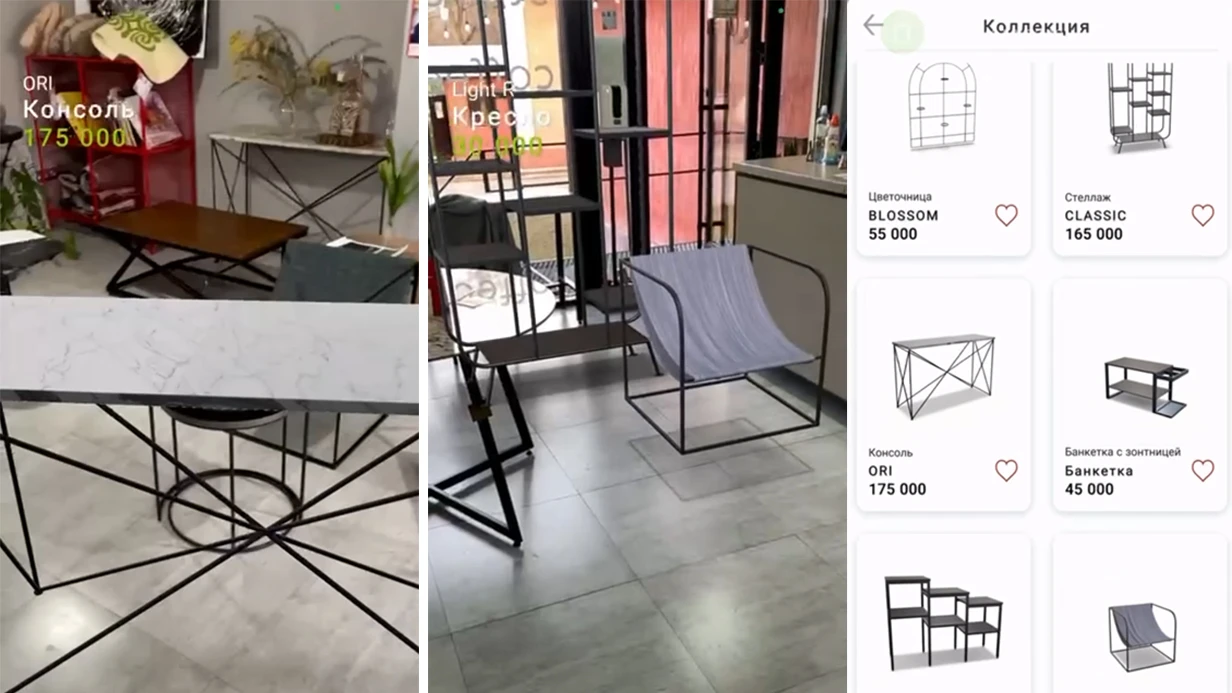
תצוגת AR סוגרת את הפער הזה: הלקוח מכוון את מצלמת הסמארטפון לחלל המטבח העתידי ורואה את הרהיטים הנבחרים בקנה מידה אמיתי, מזיז אותם ומשנה צבעים וחזיתות.
כך הספקות נעלמים, ההחלטות מתקבלות מהר יותר, והאמון במותג גדל. אנחנו — הצוות שלנו — מתמחים בפיתוח פתרונות כאלה ועוזרים לאולמות מטבחים להפוך "הסתכלות" ל"קנייה."
היתרונות של ויזואליזציית AR: צמיחה במכירות ואמון לקוחות
קניית רהיטי מטבח כרוכה תמיד בסיכון: הלקוח רואה תמונה בקטלוג אבל לא יכול לדמיין כיצד מערכת הרהיטים תתאים לפנים שלהם, האם היא תתאים בגודל ובצבע.
בגלל הספקות הללו, הם דוחים את ההחלטה, גולשים בעשרות אפשרויות, ולאחר הרכישה לעיתים קרובות מחזירים את המוצר.
ויזואליזציית AR מסירה את החששות הללו: הקונה "ממקם" את הדגם שהם אוהבים לתוך המטבח שלהם דרך מסך הסמארטפון, רואה אותו בקנה מידה אמיתי ובתאורה טבעית.
התוצאה העסקית ניתנת למדידה. הלקוחות שלנו מדווחים על עלייה של פי 2–3 בהמרת הזמנות: הקונה מחליט מהר יותר כשהם מבינים איך הרהיטים ייראו ספציפית בחלל שלהם.
חלק ההחזרות גם יורד — הציפיות תואמות את המציאות, כך שחוסר שביעות רצון מתרחש פחות. זה חשוב במיוחד עבור מערכות מטבח יקרות, שבהן טעות עולה ביוקר גם לקונה וגם למוכר.
הטכנולוגיה אמינה ופשוטה: בצוות שלנו אנו משתמשים בציוד מקצועי ובכלים מוכחים של מציאות רבודה שעובדים על סמארטפונים רגילים ללא סמנים מיוחדים או הגדרות.
הלקוח פשוט פותח את המצלמה ומכוון אותה לרצפה או לקיר — חישובי קנה מידה, פרספקטיבה ותאורה מתרחשים אוטומטית. התמונה נראית טבעית וריאליסטית, וזה גורם אמון מכריע.
זה מניע נאמנות למותג ולמוכר. הקונה תופס את השירות כדאגה להם, מוכן יותר לשתף התרשמויות ברשתות החברתיות, וחוזר לרכישות חדשות.
כתוצאה מכך, ויזואליזציית AR הופכת לא רק לתוספת טכנית, אלא לכלי מלא לצמיחת רווח וחיזוק המוניטין של החברה שלך.
רוצים את אותו הדבר? ספרו לנו על קטלוג רהיטי המטבח שלכם — נייעץ לכם כיצד ליישם ויזואליזציה במהירות וללא עלויות מיותרות, ולקבל תוצאות ראשונות במכירות הקרובות שלכם.
פורמטים להצגת רהיטי מטבח בפנים
לקונה של רהיטי מטבח קשה לדמיין כיצד מערכת הרהיטים תתאים לפנים שלהם. קטלוגים ותמונות רגילים לא מראים זאת — מה שצריך זה התאמה בחלל אמיתי, שבו נראים קנה המידה, הצבע וההתאמה לשאר העיצוב.
אנו מציעים מספר פורמטים של הדגמת AR: מוויזואליזציית web מהירה ועד מטבח וירטואלי מלא. אתם בוחרים את הפתרון למשימה ולשלב העסקה שלכם.
כל הפורמטים רצים על ציוד מקצועי וכלים מוכחים של הצוות שלנו, כך שהתמונה נשארת יציבה אפילו בסמארטפונים של השוק ההמוני.
| פורמט | למי | מה זה נותן ללקוח |
|---|---|---|
| ויזואליזציית AR בדפדפן | לאתר, רשתות חברתיות, קמפיינים פרסומיים | הקונה ממקם את מערכת הרהיטים במטבח שלהם ישירות בדפדפן, ללא התקנת אפליקציות — מגע ראשון מהיר עם המוצר. |
| אפליקציה ניידת | לאולמות תצוגה ומנהלי מכירות | הצגה אישית של פריסות וגימורים; הלקוח שומר את הפרויקט וחוזר לבחירה בבית. |
| מטבח וירטואלי | לאולמות תצוגה, תערוכות, פרויקטים מורכבים | הלקוח "מסתובב" במטבח העתידי שלהם, פותח ארונות, מעריך ארגונומיה, וחווה את הרכישה רגשית. |
הפורמט מותאם לשלב המכירה: בנקודת הכניסה, התאמת web מהירה מספיקה, בעוד ברגע קבלת ההחלטה, מטבח וירטואלי מלא עוזר.
אנחנו נעזור לכם לבחור את האפשרות הנכונה, להתאים אותה לקטלוג שלכם וליישם אותה כך שההדגמה תעבוד לצמיחת הכנסות.
איך הפרויקט מתנהל: מבריף ועד השקה
אנחנו מתחילים עם בריף, לא עם פרטים טכניים. אתם מספרים לנו על המשימה שלכם, ואנחנו מציעים תוכנית ברורה: מה נעשה, באיזה לוח זמנים, ואיפה אתם מעורבים בתהליך.
בכל שלב, אתם רואים את התוצאה הביניים ומקבלים החלטות מפתח — ללא קופסה שחורה, רק עבודה שקופה.
- בריף והתעמקות. אנחנו מבהירים היכן ויזואליזציית AR אמורה למצוא את רהיטי המטבח שלכם, איזה תוכן צריך להציג, ובאילו מכשירים מתוכנן להשתמש. הפלט הוא מפרט טכני ברור ותוכנית פרויקט מוסכמת.
- אישור קונספט. אנחנו בוחרים תרחיש: הקונה מכוון את המצלמה לתוכנית הדירה, מסדר רהיטים בפנים שלהם, או צופה בשילובים מוכנים מהקטלוג שלכם. אתם מאשרים את הפורמט שפותר את המשימה בצורה הטובה ביותר.
- יצירה והכנת מודלים תלת-ממדיים. אנחנו ממירים את רהיטי המטבח שלכם למודלים דיגיטליים באיכות גבוהה — תוך שמירה על טקסטורות, צבעים ופרופורציות. כאן נוצרת הריאליזם של הוויזואליזציה, שהיא כל עיקר הפרויקט.
- הרכבה והגדרת AR. אנחנו מרכיבים את הפרויקט, מגדירים כיצד הרהיטים מתנהגים בחלל, ובודקים על טלפונים וטאבלטים מדגמים שונים. אנחנו מראים גרסת הדגמה — אתם נותנים משוב, ואנחנו משלבים אותו בעבודה.
- השקת הוויזואליזציה. אנחנו ממקמים את הפתרון היכן שהלקוחות שלכם ישתמשו בו: באפליקציה שלכם, באתר שלכם, או בקטלוג לאנשי מכירות. אנחנו מגדירים אנליטיקה כדי שתוכלו לראות באיזו תדירות והיכן בדיוק מופעל AR.
- תמיכה ופיתוח. לאחר ההשקה, אנחנו עוקבים אחר יציבות ועוזרים בעדכונים. אם מופיעים מוצרים חדשים או נדרש תרחיש נוסף — אנחנו פשוט חוזרים לנקודה 1 ללא אישורים מיותרים.
מבנה זה מסיר אי-ודאות לפני ההתחלה. אתם יודעים מראש באיזה שלב לבדוק את תוצאת הביניים, איך להגיש משוב, ומה תקבלו בסופו של דבר — העבודה מתנהלת לפי לוח זמנים מוסכם, לא "כשיהיה מוכן."
מה כלול במסירת פרויקט AR לרהיטים
בהזמנת ויזואליזציית AR של רהיטי מטבח, חשוב להבין מה בדיוק אתם מקבלים כתוצאה. הרכבנו חבילת מסירה שקופה — אתם יודעים מראש על מה אתם משלמים ואיך זה יעבוד בעסק שלכם.
הנה מה שכלול בפרויקט:
- אפליקציית AR מוכנה למכשירים שלכם: הקונה מכוון את המצלמה למטבח שלהם ורואה איך הרהיטים הנבחרים נראים בחלל אמיתי. זה עובד ללא הגדרה מורכבת — רק קישור או קוד QR.
- קטלוג רהיטים שנטען לאפליקציה: המודלים שלכם — ארונות, שולחנות, חזיתות — עם צבעים ומידות עדכניים. הוספת פריטים חדשים — ללא בנייה מחדש של הפרויקט.
- אינטגרציה עם האתר שלכם: תצוגה ישירות מכרטיס המוצר, מה שמגדיל את המרת הלידים.
- הוראות והדרכת צוות: המנהלים שלכם מקבלים חומרים קצרים והדרכה כיצד להראות רהיטים ללקוח כדי לסגור עסקה מהר יותר.
- חשבון אישי או לוח מחוונים: אתם רואים סטטיסטיקות — כמה פעמים נפתח AR ואילו פריטים נצפו הכי הרבה. זה עוזר להתאים את המבחר והפרסום.
- תמיכה טכנית למשך החוזה: אנחנו עונים על שאלות ומעדכנים את האפליקציה כאשר מתרחשים שינויים, ועוזרים במצבים לא סטנדרטיים.
כל פריט הוא כלי עבודה שמשתלב במשפך המכירות שלכם. אתם מקבלים פתרון שניתן ליישם בתוך הימים הראשונים. פרויקט ה-AR עובד למודעות מותג וצמיחת מכירות, לא יושב כמשקל מת.
תוצאה: איך אולם רהיטים הגדיל מכירות פי 3
אולם הרהיטים "KuhniPro" פנה אלינו עם נקודת כאב חריפה: מכירות רהיטי מטבח היו תקועות.
קונים הגיעו לאולם התצוגה אבל לא יכלו לדמיין איך מערכת הרהיטים תיראה בדירה שלהם — עם קירות לא סטנדרטיים, פריסה ישנה או תאורה לקויה.
ייעוץ נמשך זמן רב, חלק מהלקוחות עזבו למתחרים, והחזרות התרחשו לאחר התקנה: "דמיינתי את זה אחרת."
איך עשינו את זה
חיברנו ויזואליזציית AR לקטלוג של האולם: דרך האפליקציה, הלקוח מכוון את המצלמה למטבח שלהם ורואה את מערכת הרהיטים הנבחרת בגודל אמיתי — תוך התחשבות בקירות, רצפה ותאורה.
ללא תמונות מופשטות, רק הקרנה חיה שניתן לבחון מכל הצדדים. המנהל כבר לא צריך לסחוב דוגמאות או ליצור עשרות הדמיות בפוטושופ — הכל קורה ישירות בפגישה, והלקוח מיד מתערב בבחירה.
תוצאה והחזר השקעה
בשלושה חודשים, האולם הגדיל מכירות פי 3. ההמרה מייעוץ להזמנה עלתה מ-12% ל-38%, והחשבון הממוצע עלה ב-25% — לקוחות בחרו בביטחון חזיתות יקרות יותר ואביזרים נוספים כשהם ראו איך הכל משתלב יחד.
ההחזרות לאחר התקנה ירדו ב-40%, וחלק ההזמנות החוזרות גדל: קונים מרוצים הביאו חברים וקרובי משפחה.
ההשקעה החזירה את עצמה תוך 4 חודשים — מהר יותר ממה שהבעלים ציפה. האולם עכשיו מרחיב את הפרויקט: מחבר קטגוריות רהיטים אחרות ומשתמש בוויזואליזציית AR כיתרון על פני מתחרים.
מקרה זה הוא הוכחה ברורה שהטכנולוגיה מביאה רווח מדיד, לא רק תמונה יפה. אם אתם רוצים תוצאה דומה לעסק שלכם — נתחיל בחישוב ההשפעה הפוטנציאלית.
איך לבחור פורמט ויזואליזציה למטרות החנות שלכם?
בחירת פורמט ויזואליזציה היא לא שאלה טכנולוגית, אלא שאלה של המטרות העסקיות שלכם. אם קונה לא יכול לדמיין איך מערכת המטבח תתאים לחלל שלהם, הם דוחים את הרכישה.
אז קודם כל קבעו מה חשוב לכם יותר: הגדלת המרת הקטלוג, הפחתת החזרות, או העלאת החשבון הממוצע.
עבור חנות רהיטי מטבח, ויזואליזציית AR הופכת לפתרון המעשי ביותר. היא מאפשרת לקונה "למקם" את הדגם הנבחר בחדר שלהם ישירות מהסמארטפון — ללא ביקור באולם התצוגה וללא פרויקטים תלת-ממדיים יקרים.
הלקוח רואה מידות אמיתיות, צבע וטקסטורה בתאורה שלהם, והמנהל מקבל טיעון מוכן לסגירת העסקה.
רבים חוששים ש-AR קשה ליישום או שמבקרים לא יבינו את זה. בפועל, זה עובד כמו מצלמה רגילה: מכוונים לרצפה, בוחרים דגם — והוא כבר עומד בחדר.
הכל קורה בדפדפן, ללא אפליקציות או ציוד נוסף. עבור החנות שלכם, זה אומר השקה מהירה ותרחיש מוכר ללקוח.
כדי לבחור את הפורמט הנכון, ייעוץ קצר מספיק: נבהיר אילו דגמים יש בקטלוג שלכם, מי הקהל שלכם, ובאיזה שלב הקונה מהסס הכי הרבה.
בהתבסס על זה, נציע פתרון AR שמתייחס בדיוק למשימות שלכם — ללא תשלום יתר על אפשרויות מיותרות. השאירו פנייה, ונכין אפשרויות עבור החנות שלכם.
שאלות נפוצות על ויזואליזציית רהיטי מטבח
לפני שפונים אלינו, ללקוחות יש בדרך כלל כמה ספקות טיפוסיים: כמה זה עולה, איך זה משתלב בתהליכים הנוכחיים, וכמה קשה יהיה לתחזק את הפתרון.
אנחנו עונים על השאלות המרכזיות כדי שתבינו איך אנחנו עובדים ומה לצפות מפרויקט ויזואליזציית AR לרהיטי מטבח.
כמה עולה ויזואליזציית AR של רהיטי מטבח?
העלות תלויה בגודל הקטלוג ובמורכבות הסצנות. עבור קו רהיטים קטן — תקציב אחד; עבור קטלוג מלא עם עשרות אפשרויות — אחר.
אנחנו מחשבים את הפרויקט באופן אישי וקובעים את האומדן לפני ההתחלה. זה לא משתנה במהלך התהליך אם הפרמטרים הראשוניים לא משתנים. אתם יודעים את הסכום מראש ויכולים לכלול אותו בתוכנית השיווק שלכם.
כמה זמן לוקח הפיתוח?
פרויקט טיפוסי לוקח שבועיים עד חמישה שבועות, תלוי במספר המודלים ובמורכבותם. במהלך הזמן הזה, אנחנו מצליחים להרכיב את הפתרון, לבדוק אותו ולמסור לכם הוראות.
בהתחלה, אתם מקבלים תוכנית עם תאריכים לכל שלב. אתם רואים תוצאות ביניים ומגישים משוב — לא יהיו הפתעות בסוף הפרויקט.
האם אנחנו יכולים לעדכן את הוויזואליזציה בעצמנו?
כן. אנחנו בונים פאנל ניהול אינטואיטיבי שדרכו אתם מעלים מודלים חדשים, משנים טקסטורות ועורכים תיאורים ללא מעורבות מפתחים. ההדרכה לוקחת שיחה קצרה אחת.
זה אומר שמערכת רהיטים חדשה או אפשרות צבע שונה מופיעה בקטלוג תוך דקות מההעלאה. אתם לא צריכים לחכות לנו או לשלם על כל שינוי.
ייתכן שיש לכם שאלות אחרות — שאלו אותן בצ'אט באתר, בטלפון או במסנג'ר. נגיב תוך יום עסקים אחד ונעזור להעריך תקציב למשימה שלכם.הזמינו ויזואליזציית AR והראו מטבחים ללקוחות
קונה בוחר מטבח עם העיניים: הם צריכים לדמיין איך מערכת הרהיטים תתאים לחלל שלהם, האם היא תתאים בגודל, בצבע ובסגנון. קטלוגים ותמונות רגילים לא מספקים ביטחון כזה — הלקוח מהסס ודוחה את הרכישה.
ויזואליזציית AR פותרת את הבעיה הזו: המטבח מופיע בחלל האמיתי של הקונה בקנה מידה 1:1, והספקות נעלמים.
אם אתם רוצים להזמין ויזואליזציית AR למטבח עבור האולם או אולם התצוגה שלכם — השאירו פנייה. ניקח את דגם המטבח שלכם או קטלוג שלם, ניצור סצנה אינטראקטיבית ונמסור פתרון סוהר. לאחר ההזמנה, אתם מקבלים לא רק "תמונה יפה" אלא כלי מכירות:
- סצנת מטבח AR עם גיאומטריה מדויקת וטקסטורות חומר — הלקוח רואה אותה כאמיתית.
- היכולת לשנות צבעי חזית, משטח עבודה ואביזרים ישירות באפליקציה — הקונה בוחר אפשרות לפנים שלהם.
- קישור מוכן וקוד QR לתצוגה בטאבלט או סמארטפון — באולם, בתערוכה או בביקור אצל הלקוח.
- הדרכת מנהלים: איך להראות מטבח AR, על מה להתמקד ואיך להתמודד עם התנגדויות.
- תמיכה ביישום ועדכוני ויזואליזציה כשאתם מוסיפים מודלים חדשים למבחר.
היתרונות העסקיים ברורים: הקונה רואה את המטבח העתידי בפנים שלהם לפני ההזמנה, מסכים לעסקה מהר יותר, ומחזיר את המוצר פחות. אתם בולטים בין אולמות רהיטים, ומנהלים מקבלים תסריט מכירות ברור.
השלב הבא הוא להשאיר פנייה באתר או במסנג'ר. נשלח בריף קצר, נבהיר את המשימות, ונציע להכין גרסת פיילוט לדגם אחד. כך תוכלו להעריך את התוצאה לפני הזמנת הקטלוג המלא.