



איך מוצרי חשמל למטבח מוכרים את עצמם: ויזואליזציית AR בפנים החלל
קונים של מוצרי חשמל למטבח rarely מדמיינים איך כיריים או מקרר שנבחרו ייראו במטבח שלהם.
זה מעלה את ההתנגדות העיקרית: "מה אם זה לא יתאים בגודל, בסגנון או בצבע?" כאן בדיוק ויזואליזציית AR בפנים החלל הופכת ספק לביטחון: הלקוח רואה את המוצר בקנה מידה אמיתי, בחלל שלו, תוך התחשבות בתאורה ובפריסה.
במקום תמונות מופשטות מהאתר — התנסות חיה.
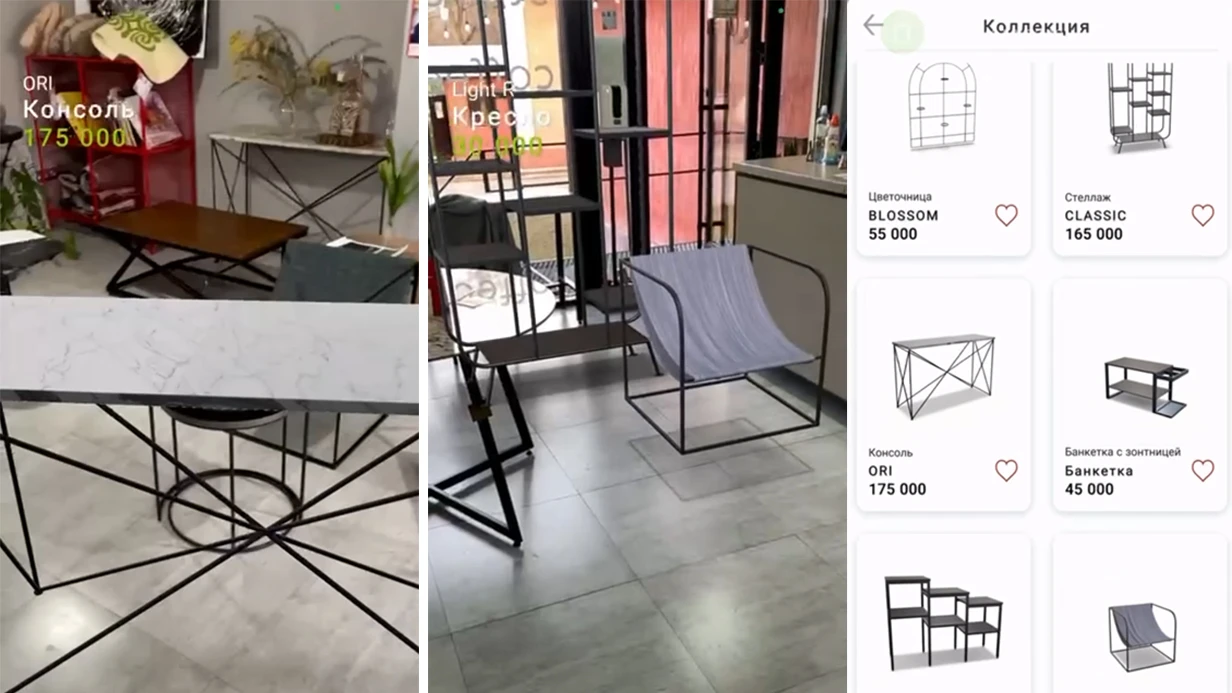
הקונה פותח את האפליקציה, מכוון את המצלמה למטבח שלו, והמוצר מופיע ממש בחדר: הוא יכול להסתובב סביבו, להביט בו מזוויות שונות, להעריך איך הוא משתלב עם חזיתות הארונות והמשטח, ולעבור בין דגמים וצבעים.
כל זה מסיר את ההתנגדויות העיקריות של "זה לא יתאים" ו"זה לא יעבוד", מה שמקצר משמעותית את מחזור קבלת ההחלטות.
עבור המוכר, זה אומר המרה גבוהה יותר ופחות החזרות: הלקוח מזמין את מה שכבר ראה בפנים החלל שלו ולעתים רחוקות יותר מתאכזב לאחר המשלוח.
בנוסף, ויזואליזציית AR מבדלת את המותג שלך מהמתחרים — קונים זוכרים את החנות שבה אפשר "למדוד" מוצרי חשמל כמו בגדים בחדר מדידה. זה גם עובד לנאמנות: אנשים רוצים להמליץ על החוויה הזו לחברים ולשתף אותה במדיה החברתית.
הפורמט מתאים לכל מגוון מוצרים — מכיריים וקולטי אדים ועד מקררים ומדיחי כלים.
מבחינה טכנית, הפתרון בנוי על כלים מקצועיים של מציאות רבודה, אבל עבור הלקוח הכל פשוט ביותר: אין צורך במדידות, במומחה או בהתקנת ציוד נוסף — רק סמארטפון וכמה דקות.
אנחנו מיישמים ויזואליזציית AR לצרכי הקטלוג שלך ומשלבים אותה בקפידה באתר או באפליקציה הקיימים שלך.
כתוצאה מכך, אתה מקבל כלי שמוכר מוצרי חשמל למטבח בעצמו: הוא מסיר פחדים בשלב הבחירה, מגביר אמון במותג ומקצר את הדרך מ"מעניין" ל"אני קונה". יתרה מכך, לקוחות משתפים התנסויות כאלה במדיה החברתית — זו חשיפה חינמית נוספת לקהל שלך.
אם תרצו לדון כיצד ויזואליזציית AR יכולה להשתלב באסטרטגיית המכירות שלכם, צרו קשר — נראה לכם דוגמה אמיתית.
מה מקבלים מהצגת מוצרים בתלת-ממד
כל קונה של מוצרי חשמל למטבח בוחר בעיוורון: איך מקרר או תנור ייראו בפנים החלל שלהם, האם הם יתאימו בגודל? הצגה בתלת-ממד מסירה את הפחד הזה — הלקוח רואה את המוצר בחלל שלו לפני הרכישה, סומך על ההצעה ומקבל החלטה מהר יותר.
היתרון הראשון הוא אמון מוגבר. כשהלקוח רואה תמונה ריאלית של המטבח שלו עם הדגם הנבחר, הספקות נעלמים: הוא מבין מה הוא יקבל ולא חושש לעשות טעות. השני הוא פחות החזרות.
לאחר שניסה את המוצר בפנים החלל, הקונה לא יתאכזב לאחר המשלוח: מידות, צבע וסגנון כבר סוכמו מראש, כך שהחזרות והחלפות הופכות לנדירות.
היתרון השלישי הוא ערך הזמנה ממוצע גבוה יותר. כשרואים איך מוצרים נראים כסט, הלקוח בוחר לעתים קרובות יותר דגם יקר יותר ומוסיף מדיח כלים מאותה סדרה למקרר — הרכישה גדלה מפריט בודד לסט מטבח שלם.
הרביעי הוא נאמנות: חוויה חיובית מחזירה את הלקוח למוצרים חדשים ומובילה להמלצות לחברים.
הדוגמה של Bosch מראה איך זה עובד: שילוב ויזואליזציה תלת-ממדית בקטלוגים ובקונפיגורטורים של מוצרים הגדיל באופן ניכר את ההמרה והאמון במותג.
קונים ש"מדדו" מוצרים בפנים החלל שלהם נוטים פחות לדחות את ההחלטה ומוכנים יותר לבחור דגמי פרימיום.
במילים פשוטות, זה כלי מכירה, לא רק תמונה יפה. הוא מקצר את הדרך מספק לרכישה, מעלה את ערך ההזמנה הממוצע ומחזק את מוניטין המותג — אתה מקבל תוצאה מדידה.
פורמטי ויזואליזציה למוצרי חשמל למטבח לפי המשימות שלך
כל משימה דורשת פורמט ויזואליזציה משלה — מה שעובד מצוין בחנות מקוונת לא תמיד מתאים לתערוכה או לאולם תצוגה. אנחנו בוחרים את הפתרון לפי המטרה שלך: מהטלת AR מהירה ועד חדר וירטואלי מלא.
תמונות פוטוריאליסטיות מסופקות על ידי בסיס Unreal Engine — הלקוח רואה את המוצר כאילו הוא כבר עומד במטבח שלו.
| פורמט | למי | מה זה נותן ללקוח |
|---|---|---|
| הטלת AR | קונה באתר או באפליקציה | מפעיל את מצלמת הסמארטפון ומציג מיד את המוצר הנבחר בפנים החלל שלו — ללא מדידות, התקנה או ניחושים בעין |
| חדר וירטואלי | תערוכה, אולם תצוגה, מצגת | שקיעה מלאה במטבח מעוצב: אפשר לשנות גימורים, לסדר מחדש מוצרים ולהעריך שילובים בזמן אמת |
| קטלוג אינטראקטיבי | מרקטפלייס, קטלוג יצרן | מאפשר לחקור את הדגם מכל הצדדים, לפתוח את הדלת, להביט פנימה ולהבין מידות ופונקציות בפועל |
הטלת AR שימושית במיוחד למכירות מקוונות: הלקוח לא צריך למדוד כלום, רק לכוון את המצלמה לפינה פנויה. החדר הווירטואלי יוצר תחושת נוכחות ועוזר בהחלטות על פריטים יקרים.
והקטלוג האינטראקטיבי הופך חקר מוצרים לתהליך מרתק שמחזיק תשומת לב הרבה יותר מתמונות רגילות.
לא משנה איזה פורמט תבחרו, כל אחד מהם מפחית את הסיכון להחזרות ומאיץ את החלטת הרכישה. נעזור לכם לקבוע את האפשרות הטובה ביותר לקהל ולמשימה שלכם — מוויזואליזציה בודדת ועד פתרון אינטראקטיבי מלא.
שלבי הפרויקט: מבריף ועד השקה
אנחנו יודעים: יכולת חיזוי חשובה לכם כשמדובר בוויזואליזציה של מוצרי חשמל למטבח בפנים החלל. אף אחד לא רוצה לחכות חודש לתוצאה ואז לגלות שהיא לא עובדת.
לכן התהליך מחולק לשלבים: בכל אחד מהם אתם רואים תוצאה ביניים ויכולים לבצע עריכות — בלי הפתעות בסיום.
- בריף ומטרות. אנו דנים ביעדים — תערוכה, קטלוג, אתר — ובמאפייני קו המוצרים שלכם. אנו קובעים לוחות זמנים ותקציב כך שתדעו את היקף העבודה מראש.
- קונספט ואישור. אנו מציעים תרחיש: איך הקונה "יציב" את המוצר במטבח — דרך סמארטפון או משקפי מציאות מדומה. אתם מאשרים את הכיוון לפני פיתוח מפורט, כך שאין עלויות נוספות.
- מידול תלת-ממדי. אנו יוצרים מודל המשכפל את הצורה, החומרים, הצבעים והמידות של המוצר שלכם. גם בשלב זה, הוויזואליזציה נראית כמו מוצר אמיתי — אפשר להראות אותה לעמיתים ולשותפים.
- אינטגרציה ובדיקות. אנו מטמיעים את התרחיש באתר או באפליקציה שלכם ובודקים אותו על דגמי מכשירים פופולריים. אנו מוודאים שהכל עובד ביציבות ובמהירות — המבקר לא יעזוב את העמוד בגלל תקיעות.
- השקה ותמיכה. אנו מפרסמים את הפתרון המוגמר ומכשירים את הצוות שלכם. לאחר ההשקה, אנחנו נשארים בקשר: מעדכנים תוכן, מבצעים עריכות ומייעצים לגבי משימות חדשות.
מה כלול במסירה כשמזמינים ויזואליזציית AR
אנחנו מוסרים לא רק אפליקציה, אלא כלי מכירה מוכן. המסירה כוללת את כל מה שצריך כדי להתחיל להשתמש בוויזואליזציית AR מהיום הראשון — בלי לערב מפתחים או הגדרות ארוכות.
- סצנת תלת-ממד מוכנה של מוצר החשמל שלכם. מודל שאי אפשר להבחין בינו לבין האמיתי: הצבע, מרקמי החומר ואפילו תאורת הפאנל משוחזרים במדויק. הלקוח מציב את המוצר במטבח שלו, פותח את מצלמת הסמארטפון ורואה איך זה נראה בחיים האמיתיים.
- הוראות לצוות. מדריכים ורשימות בדיקה ברורים: איך להפעיל את הוויזואליזציה, איך לעזור ללקוח לבחור את הזווית הנכונה ואיך לענות על שאלות טיפוסיות. הן משולבות בתהליך המכירה ולא נשארות ללא שימוש.
- זכויות תוכן. אתם מקבלים בעלות מלאה על כל חומרי המקור ועל גרסת ה-AR עצמה. ללא הגבלות שימוש: הפעילו את הוויזואליזציה בפרסום, בתערוכות, בסרטוני הדרכה — בכל מקום שתרצו.
- אינטגרציה עם האתר והמדיה החברתית שלכם. גישת אורח פועלת דרך קוד QR או כפתור בעמוד. הלקוח פותח את הוויזואליזציה מהסמארטפון שלו ללא התקנת תוכנה נוספת — זה מסיר את מחסום "תן לי לראות".
- הכשרת הצוות שלכם. אנו מקיימים מפגש מקוון למנהלים ולצוות המכירות כדי שיוכלו להשתמש ב-AR בביטחון גם באולם התצוגה וגם בשטח. לאחר ההכשרה, הם מקבלים הערות תזכורת וטיפים קצרים בווידאו.
- תמיכה טכנית בהשקה. בשבועות הראשונים, אנו עוזרים ליישם את הפתרון, בודקים אותו על מכשירים שונים ועונים על שאלות במהירות. אתם לא נשארים לבד עם הכלי החדש.
זו חבילה מלאה — מהמודל ועד הכשרת הצוות. אתם מכניסים את ה-AR לפעולה במהירות, והוא מתחיל לספק ערך: לקוחות מבלים יותר זמן עם המוצרים שלכם, מוצאים שקל יותר לקבל החלטות, ותמונות במדיה החברתית בונות הכרת מותג.
מקרה בוחן: מכירות מוצרי חשמל עלו ב-30% לאחר הוויזואליזציה
אחד הלקוחות שלנו — רשת קמעונאות מוצרי חשמל למטבח בשם TechnoDom — פנה אלינו עם כאב שוק טיפוסי: לקוחות החזירו מוצרים לעתים קרובות כי המוצר "לא התאים" לפנים החלל או התברר כגדול יותר ממה שנראה בתמונה. כל החזרה כזו משמעותה הכנסה אבודה, עלויות לוגיסטיקה ולקוח שעבר למתחרים.
הצענו להוסיף ויזואליזציית AR לאפליקציה הניידת ולדפי המוצר שלהם. במקום תמונות שטוחות — הקרנה חיה של מקרר, תנור או מדיח כלים ממש במטבח של הלקוח.
הפעל את המצלמה, כוון לקיר, ומיד רואים איך המוצר יתאים, האם יהיה מספיק מרווח והאם הצבע עובד. זה פשוט, מהיר ולא דורש כישורים מיוחדים.
בשלושת החודשים הראשונים של הוויזואליזציה, ההמרה מצפייה לרכישה עלתה ב-30%, ומספר ההחזרות בגלל "גודל לא נכון" ירד ברבע.
ערך ההזמנה הממוצע בקטגוריית המוצרים המובנים גדל ב-12% — קונים הפסיקו לפחד מדגמים יקרים ובחרו בביטחון רב יותר את מה שבאמת אהבו.
"לפני כן, איבדנו עד חמישה עשר אחוז מההזמנות כבר בשלב המשלוח. עכשיו אנשים מבינים בדיוק מה הם קונים בזמן שהם עדיין בוחרים.
זה שינה את היחס שלהם למוצר: ההחלטה מתקבלת מהר יותר ובמודעות רבה יותר," מציין המנהל המסחרי של TechnoDom.
מקרה זה מראה שוויזואליזציית AR פותרת לא משימות טכניות אלא מסחריות: היא מאיצה את הבחירה, מפחיתה החזרות ומגבירה נאמנות. תוך שישה חודשים, הלקוח הזמין ויזואליזציה לשתי קטגוריות נוספות — הזמנה חוזרת כזו הייתה ההערכה הטובה ביותר לתוצאה. אם אתם רוצים אפקט דומה, אנחנו מוכנים לדון ביישום למשימה שלכם.
איך לבחור את הפורמט הנכון למשימה שלכם?
הבחירה בפורמט ויזואליזציית AR תלויה באמת במשימה העסקית שאתם פותרים. אם המטרה היא מכירות, הלקוח צריך "למדוד" את המוצר במטבח שלו ולראות איך הוא משתלב בפנים החלל.
במקרה זה, AR עוזר להסיר את פחד הרכישה העיקרי — "מה אם זה לא יתאים" — ומאיץ את החלטת ההזמנה. הפורמט הזה עובד הכי טוב בנקודות מכירה, באתר או באפליקציית הסוכן.
אם המשימה היא הדרכה — למשל, עובדים או לקוחות — מה שחשוב ביותר הוא לא המראה אלא הוראות השימוש. ויזואליזציית AR יכולה להטיל טיפים על עצם אמיתי: איך לחבר את המוצר, להחליף פילטר או להגדיר מצב.
זה מפחית את מספר השגיאות וקריאות התמיכה, וניתן להכשיר עובדים חדשים מהר יותר ללא נוכחות מדריך.
לקטלוג או תצוגת מבחר, מדרגיות חשובה יותר: הציגו עשרות דגמים בחלל אחד, תנו לקונים להשוות במהירות ולבחור את הנכון.
כאן AR מביא את הקטלוג לחיים — במקום תמונות שטוחות, האדם רואה את המוצר בנפח ואפילו יכול לשנות צבעים או חומרי גימור. הפורמט הזה מגביר מעורבות וזמן שהייה עם המותג, מה שבתורו מגדיל את הסבירות לרכישה.
בפועל, משימות אלה חופפות לעתים קרובות, ואנחנו עוזרים לכם לבחור את הפורמט שיביא תוצאות מקסימליות בתרחיש הספציפי שלכם.
כל מה שצריך זה בריף קצר: אנו קובעים את המטרה, הקהל ונקודות המגע, ואז מציעים אפשרות ויזואליזציית AR שפותרת את המשימה שלכם ולא רק נראית מרשימה. השאירו פנייה — נראה דוגמאות לנישה שלכם ונחשב את לוח הזמנים.
שאלות נפוצות על יישום ויזואליזציה
יישום ויזואליזציית AR נראה מסובך עד שמסתכלים על הפרטים. אספנו תשובות לשאלות נפוצות של לקוחות — כדי שתבינו מה קורה בכל שלב ומי אחראי לתוצאה.
האם הוויזואליזציה קשה להתקנה? האם נצטרך לעצור את העבודה של המחלקה שלנו?
לא. ההתקנה וההגדרה אורכות יום או יומיים — אנחנו מטפלים בזה. הצוות שלכם לא צריך להבין בטכנולוגיה; מספיקים כישורי טאבלט או סמארטפון בסיסיים.
ההכשרה מתקיימת כמפגש קצר, ולאחריו הצוות מפעיל את הוויזואליזציה ופותח את הדגמים הנדרשים בעצמו.
כמה מהר הוויזואליזציה נטענת בתערוכה או באולם תצוגה?
האפליקציה נפתחת תוך שניות, וקטלוג המוצרים כבר בפנים. המבקר לא צריך להוריד כלום — המודל מופיע מיד אחרי כיוון המצלמה.
זה שומר על תשומת הלב של האורח ומונע תורים: יועץ אחד יכול להראות כמה אפשרויות פנים תוך כמה דקות ולעזור ללקוח לקבל החלטה.
האם זה עובד על הציוד שלנו?
כן, הוויזואליזציה תואמת לטאבלטים וסמארטפונים מקצועיים המשמשים בדרך כלל באולמות תצוגה ובאירועים. לפני ההשקה, אנו בודקים את דגם המכשיר הספציפי ובמידת הצורך מציעים השכרת ציוד. לא תצטרכו לקנות צי חדש — פשוט תשתמשו במה שכבר יש לכם.
מה אם משהו נשבר בדיוק במהלך אירוע?
אנו מספקים תמיכה טכנית לכל תקופת השימוש. במקרה של תקלה כלשהי, אנו מתחברים מרחוק ופותרים את הבעיה תוך יום עסקים אחד.
ובמהלך אירועים גדולים, אנו יכולים לשייך מומחה שיהיה בקרבת מקום ויתקן במהירות את הבעיה כך שהלקוחות שלכם לא ישימו לב להפסקה.
השאירו פנייה לוויזואליזציית AR וקבלו הצעה מסחרית
השאירו פנייה לוויזואליזציית AR למוצרי חשמל למטבח — ותוך כמה ימים תקבלו חישוב עלות, דוגמאות פרויקטים שהושלמו וייעוץ לגבי השקה.
נראה כיצד ויזואליזציה משפיעה על בחירת הקונה ואילו תרחישים יביאו את התשואה המקסימלית לעסק שלכם.
בהצעה המסחרית האישית, נכין:
- הערכת עלות לפי היקף המוצרים שלכם — מדגם בודד ועד קו שלם;
- דוגמאות פרויקטי AR למוצרי חשמל למטבח מהתיק שלנו;
- ייעוץ על פורמטים: קטלוג באפליקציה, עמדה אינטראקטיבית בחנות, ויזואלייזר מקוון באתר;
- תוכנית השקה עם שלבים ולוחות זמנים — מבריף ועד פרסום;
- המלצות לאינטגרציה עם ערוצי המכירה שלכם;
- תמיכה לאחר ההשקה: עדכוני מודלים וחידודים לפי תוצאות.
זה ללא התחייבות. תוכלו להעריך את העלות, להבין את לוח הזמנים ולהיות מסוגלים לקבל החלטת השקה מבלי לסכן את התקציב שלכם.
השאירו פנייה דרך הטופס — מנהל יחזור אליכם תוך יום עסקים אחד. נדון במשימה שלכם, נענה על שאלותיכם ונציע את האפשרות הטובה ביותר לפורמט המכירות שלכם.