



לקוחות עוזבים כי הם לא יכולים לראות רהיטי סלון בתוך חלל פנים
כשבוחרים רהיטי סלון, קונים מסתמכים לעתים קרובות על תמונת קטלוג ועל הדמיון שלהם. אבל לא כולם יכולים לדמיין איך ספה תיראה בפועל בחדר עם גימורים ותאורה ספציפיים.
זה מעלה ספקות: האם המידה תתאים, האם הצבע מתאים, האם זה ייראה מגושם? בזמן שהלקוח מהסס, הוא דוחה את הרכישה או הולך למתחרה שעזר להפיג את החששות האלה.
חוסר החלטיות הוא לא רק הזמנה אבודה—זו ירידה שיטתית במכירות. כל מבקר מהסס כזה דורש יותר זמן ייעוץ, מחזיר מוצרים לעתים קרובות יותר, וממליץ על החנות פחות.
כתוצאה מכך, הקטלוג שלך מאבד אמון, ותקציב השיווק שלך הולך למשיכת לקוחות חדשים במקום לערב את אלה שכבר מוכנים לקנות.
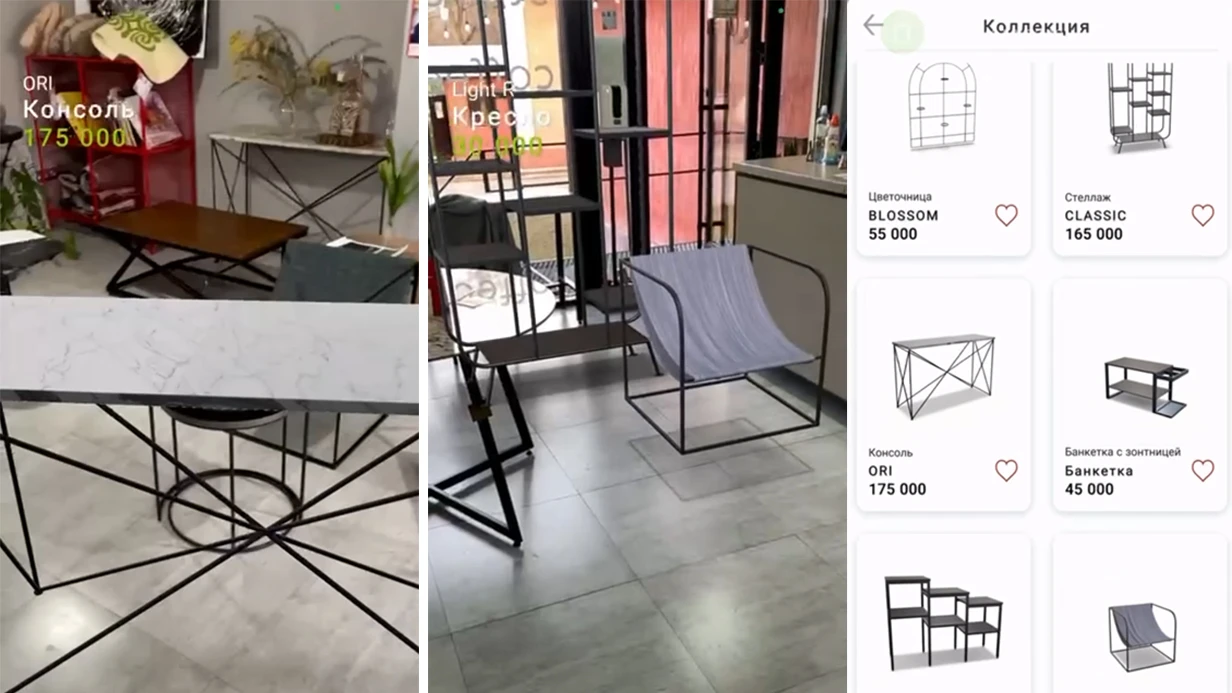
הפתרון—מציאות רבודה לרהיטים. היא מאפשרת לקונה לראות מוצר שהוא אוהב בסלון שלו לפני התשלום: להציב את הספה מול הקיר, לבדוק את הקנה מידה ואת ההתאמה לטפט, ולהעריך את הדגם מזוויות שונות. כך ויזואליזציה של פנים הופכת מתמונה מופשטת לחוויית לקוח אישית.
אנחנו מפתחים פתרונות מציאות רבודה שמשתלבים באתר ובאפליקציה הניידת שלך. הקונה מכוון את המצלמה לחדר, בוחר רהיטי סלון מהקטלוג, ומיד רואה אותם במרחב האמיתי. אין הגדרות מסובכות או התקנות תוכנה נוספות.
זה פותר את הספקות העיקריים של הקונה ומניע צמיחה במכירות רהיטים דרך החלטה בטוחה של "אני לוקח את זה".
פורמטים של ויזואליזציית רהיטים לחללי סלון
קוני רהיטי סלון לעתים קרובות דוחים את ההזמנה כי הם לא יכולים לדמיין איך ספה או ארון ייראו בחדר שלהם. זה הכי קריטי בסלון—החדר הכי גלוי, שבו טעות במידה או בצבע נראית מיד.
פורמט הוויזואליזציה מסיר את המחסום הזה: הלקוח רואה את הפריט בפנים אמיתיים ומחליט מהר יותר. השווינו שלוש אפשרויות עיקריות—ממציאות רבודה ועד אולם תצוגה וירטואלי.
כל פורמט מכסה שלב אחר—מהמפגש הראשון ועד להחלטת הרכישה. להלן השוואה לשלוש משימות טיפוסיות בעסקי רהיטים.
| פורמט | מתאים ביותר ל | תועלת עסקית |
|---|---|---|
| קטלוג מציאות רבודה באפליקציה ניידת | חנות מקוונת עם קהל קבוע | הקונה "מציב" רהיטים בסלון שלו—פחות החזרות והזמנות בטוחות יותר |
| ויזואליזציה באתר לחנות מקוונת | חנות ללא אפליקציה משלה | המבקר רואה את הסלון בפנים, מחליף צבעים, ומחליט לקנות מהר יותר |
| אולם תצוגה וירטואלי | סלון רהיטים, תערוכה או סטודיו | האורח שקוע באווירה—המותג נזכר ובולט מול המתחרים |
לא בטוחים איזה פורמט מתאים לקטלוג שלכם? נשלח דוגמאות ונראה לכם איך להגדיר צפייה ברהיטים כך שתשתלם כבר מהמכירות הראשונות.
איך פרויקט קטלוג מציאות רבודה מתפתח
כדי שקטלוג רהיטי סלון במציאות רבודה יספק ערך אמיתי—יותר הזמנות, פחות החזרות, ושימור קשב ארוך יותר—העבודה מתנהלת לפי תרחיש ברור.
אתם משתתפים בהחלטות מפתח, רואים תוצאות ביניים, ויודעים בדיוק על מה אתם משלמים—במקום לחכות ל"קופסה שחורה" בסוף.
-
בריף פיתוח. אתם מספרים לנו אילו דגמי רהיטים להציג, מי הלקוחות שלכם, ואיזו תוצאה אתם מצפים: מכירות גבוהות יותר, בחירה קלה יותר, או חשיפה ברשתות חברתיות. אנחנו מתעדים את המטרות ומציעים תרחיש שימוש לחדר אמיתי.
-
אישור עיצוב. בהתבסס על הבריף, אנחנו יוצרים את מבנה הקטלוג, הטקסטים והלוגיקה של זרימת העבודה. אתם רואים איך קונה מכוון את המצלמה לרצפת הסלון ו"מציב" ספה או ארון—ומאשרים את הקונספט לפני תחילת הפיתוח.
-
הכנת דגמים. אנחנו מתאימים דגמי תלת-ממד של רהיטים לקנה מידה אמיתי, תאורה ומרקמים. הספה לא "צפה" או נראית כמו צעצוע, כך שלקוחות סומכים על התמונה ומחליטים מהר יותר.
-
הרכבת גרסת בדיקה. אנחנו מחברים את הממשק והמציאות הרבודה, ומגדירים זיהוי חדר. אתם מקבלים גרסת בדיקה, בודקים אותה על מכשירי לקוחות, ומגישים שינויים לפי התחושה.
-
השקת האפליקציה. אנחנו מפרסמים את הקטלוג בחנויות האפליקציות או משתלבים באתר שלכם. אנחנו מאמנים את הצוות שלכם ומכינים מדריך קצר ללקוחות—ללא צורך בידע טכני מצידם.
-
תמיכה לאחר ההשקה. אנחנו נשארים בקשר: מעדכנים את התצוגה כשהקולקציות משתנות, מוסיפים פריטי רהיטים חדשים, ומנטרים יציבות. אם משתמשים מצביעים על נקודות חיכוך, אנחנו משפרים את התרחיש ללא השבתה ממושכת.
רצף זה נותן לכם תוצאה צפויה: אתם שולטים בכל שלב, מקבלים החלטות בזמן, ומקבלים כלי שבאמת מוכר את רהיטי הסלון שלכם.
מה כלול בחבילה ונשאר שלכם
כשהפרויקט מסתיים, אתם מקבלים יותר מסתם קישור הדגמה או גרסת בדיקה—אתם מקבלים חבילה מלאה שנשארת רכושכם. כל מה שיצרנו לויזואליזציית רהיטי סלון מועבר מוכן לשימוש מיד לאחר ההשקה. אין תלות נסתרת במפתח: הפתרון כולו שלכם.
- אפליקציה מוכנה לשימוש — יישום לסמארטפונים וטאבלטים שמאפשר ללקוחות "להציב" רהיטים נבחרים בסלון שלהם ולהעריך איך הם משתלבים בפנים. האפליקציה כבר מוגדרת לקטלוג ולזהות המותג שלכם.
- זכויות לפתרון שפותח — זכויות בלעדיות מועברות אליכם. אתם יכולים לשכפל את האפליקציה, להתאים אותה לקולקציות חדשות, או להשתמש בה לקטגוריות מוצרים אחרות ללא אישורים נוספים.
- הכשרת צוות — אנחנו מקיימים מפגש מעשי עם מנהלים ויועצי מכירות כדי שיוכלו להשתמש באפליקציה בביטחון ולהדגים אותה ללקוחות במהירות.
- מדריכים לעובדים — דפי עזר קצרים ומדריכי וידאו על איך לפתוח את האפליקציה, להוסיף דגם, ולשנות צבע קיר או תאורה. הם עוזרים לעובדים חדשים להתעדכן ביום אחד.
- תהליך עדכון תוכן — נוהל פשוט להוספת פריטי רהיטים חדשים או שינוי מחירים בעצמכם, ללא פנייה למפתחים בכל פעם.
- תיעוד טכני וגישה — תיאור יכולות הפתרון, הגדרות וחשבונות לצוות שלכם. אתם מקבלים שליטה מלאה על המערכת ויכולים לנהל אותה ללא מתווכים.
בסופו של דבר, אתם מקבלים כלי מכירות עובד, לא הדגמה זמנית. האפליקציה נשארת שלכם, העובדים שלכם יודעים如何使用 אותה, וניתן לעדכן קולקציות בכל עת.
זה אומר שההשקעה הראשונית שלכם ממשיכה לעבוד עבורכם—ללא דמי תמיכה חודשיים וללא נעילה לקבלן.
מקרה בוחן: איך מציאות רבודה הגבירה את המכירות של סלון
קוני רהיטי סלון פועלים רגשית אבל בזהירות. הם חוששים מטעות במידה או בצבע, ומאיך שספה תיראה ליד החלון והטפט. הספקות האלה דוחים רכישות לשבועות וגורמים להחזרות בגלל "לא הרגיש נכון."
עבדנו עם סלון הרהיטים Mebel Home והשקנו ויזואליזציית מציאות רבודה: הקונה מכוון את מצלמת הסמארטפון לחדר שלו, בוחר ספה או יחידת קיר מהקטלוג—ורואה את הפריט בקנה מידה אמיתי, בבית שלו, בלי מדידה אחת.
אין צורך בטאבלטים או הכשרה: הכל עובד על טלפון רגיל, והיועץ רק עוזר בקופה.
המספרים שהסלון ראה אחרי חודשיים
ההמרה מצפייה לרכישה גדלה פי 2.3.
כשלקוח רואה את הספה בסלון שלו, הוא מחליט במקום במקום לעזוב כדי "לחשוב על זה." ערך ההזמנה הממוצע עלה ב-37%: כשרואים את הקשר החדר, קונים בוחרים לעתים קרובות יותר דגם יקר יותר כי הם רואים איך הוא משנה את החלל.
ההחזרות ירדו ב-28%—הסיבה העיקרית להחזרות ("התברר כגדול/קטן מדי/צבע לא נכון") נעלמה. מציאות רבודה פותרת את שאלת הציפיות מול המציאות לפני התשלום.
למה זה עובד ומה הלאה
עם רהיטי סלון, הלקוח לא קונה חפץ—הוא קונה תמונה של החיים שלו. מציאות רבודה מספקת את התמונה הזו בכנות ובחיות—ולכן הסלון ראה גם 40% הזמנות חוזרות לפריטים בחדרים סמוכים. הכלי החזיר את ההשקעה בחודש הראשון, והגדרת הקטלוג לקחה פחות משבוע.
אם אתם רוצים לשחזר את התוצאה הזו, אתם לא צריכים להשיק מציאות רבודה בכל החנות. קטגוריה אחת—סלונים—מספיקה, והמספרים הראשונים יגיעו מהר יותר ממה שאתם מצפים.
איך לבחור פורמט ויזואליזציה למשימה שלכם
בחירת פורמט ויזואליזציה תמיד מתחילה בשאלה "מה הוויזואליזציה הזו אמורה להשיג לעסק?"—לא מטרנדים או אופנה.
לרהיטי סלון, המשימה עשויה להיות אחת—להראות ללקוח איך ספה או ארון ישתלבו בחדר הספציפי שלו. לעסק אחר, זה יכול להיות יצירת אפקט וואו בתערוכה. עד שתגדירו את המטרה, כל פורמט יהיה או מורכב מדי או לא משכנע מספיק.
בקצרה, בחירת ויזואליזציה מסתכמת בשני גורמים: איך הלקוח ישתמש במוצר שלכם וכמה גדולה המשימה.
להצגת ספה ספציפית בחדר האמיתי של הקונה, ויזואליזציית מציאות רבודה היא אידיאלית: האדם מכוון את המצלמה לפינה ריקה, רואה את הרהיטים שלכם על המסך, ומקבל החלטה מיד.
לטבילה בפנים מעוצבים במלואם—לדוגמה, להצגת קולקציית רהיטים שלמה בסגנונות שונים—אולם תצוגה וירטואלי מתאים יותר.
ואם המטרה היא לאפשר למבקרים באתר לשנות צבעים, חומרים ותצורת רהיטים בעצמם, אז קונפיגורטור תלת-ממד אינטראקטיבי הוא התשובה.
קנה המידה של המשימה גם קובע את הפורמט. לדגם ספה יחיד בעמוד מוצר, בדיקת מציאות רבודה קלה במכשיר נייד מספיקה. קו רהיטי סלון שלם שצריך להימכר בערים שונות ידרוש קטלוג וירטואלי עם בחירת וריאנטים.
אם אתם מכינים דוכן תערוכה שבו מבקרים יכולים "לסדר" רהיטים בסלון וירטואלי ולשתף את התוצאה ברשתות חברתיות, הפורמט משתנה שוב—כאן דיוק המידות חשוב פחות מהרושם והמעורבות.
אנחנו עוזרים לכם להימנע מטעויות בדיוק בשלב הבחירה. לפני תחילת הפיתוח, אנחנו מנתחים את המטרות שלכם, חוקרים את הקהל, ולומדים איך לקוחות מחליטים לקנות רהיטי סלון.
ואז אנחנו מציעים פורמט—לפעמים זה כלי יחיד, לפעמים שילוב של שניים, כמו ויזואליזציית מציאות רבודה לאתר ומצגת VR לאולם התצוגה. גישה זו חוסכת בתקציב הלקוח ומבטיחה שאתם משלמים על תוצאות, לא על "סתם טכנולוגיה."
רוצים לדעת איזה פורמט ויזואליזציה יעבוד למוצר שלכם? צרו קשר—נבחר פתרון שמתאים למשימה ולקנה המידה שלכם כך שרהיטי סלון יימכרו מהר יותר ולקוחות יחזרו לעוד.
מענה לספקות נפוצים לפני הזמנה
לפני הזמנת ויזואליזציית מציאות רבודה לרהיטי סלון, עולות אותן שאלות: האם המצגת תיכשל, כמה זמן עד שנראה תוצאות, ומה עושים כשהקטלוג מתעדכן. בואו נטפל בחששות העיקריים—כדי שתוכלו להחליט מהר יותר וללא סיכון מיותר.
מה אם יהיה כשל טכני במהלך המצגת?
ההדגמה רצה על ציוד מקצועי שאנחנו בודקים לפני האירוע ומגדירים למקום הספציפי. לפני ההצגה, אנחנו תמיד בודקים את התרחיש המלא ומכינים תוכנית גיבוי למקרי קיצון—לדוגמה, גרסת גיבוי של האפליקציה במכשיר אחר.
כתוצאה מכך, המבקרים שלכם רואים תמונה יציבה ואתם לא דואגים לטכנולוגיה. אם משהו משתבש, הצוות שלנו זמין ויכול לעזור תוך דקות.
כמה זמן לוקח הפיתוח ומה משפיע על לוח הזמנים?
פרויקט טיפוסי—ויזואליזציה של כמה פריטי רהיטים בפנים סלון—לוקח 2–4 שבועות. לוח הזמנים תלוי במספר הדגמים, הסצנות ופירוט המרקמים. בהתחלה, אנחנו יוצרים תוכנית ומראים תוצאות ביניים כדי שתוכלו לעקוב אחר ההתקדמות.
אם יש אירוע מתקרב, אנחנו יכולים להציע פורמט מואץ: אנחנו לוקחים את פריטי הקטלוג העיקריים ומקצרים את שלב האישורים. המפתח הוא לספק קבצי דגמים והפניות מראש—ואז המצגת הסופית בהחלט תעמוד בלוח הזמנים שלכם.
איך מעדכנים את קטלוג הרהיטים לאחר ההשקה?
אתם לא צריכים להזמין פיתוח מאפס. אנחנו בונים את התהליך כך שניתן להוסיף פריטים חדשים לאפליקציה הקיימת. אתם שולחים דגם תלת-ממד או קישור לאחד, ואנחנו מציבים אותו בחדר המתאים ומעדכנים את הפרויקט תוך כמה ימים.
כך קטלוג הסלון תמיד עדכני: הוסיפו קולקציה חדשה, ולקוחות רואים אותה במרחב מיד. עריכות בשמות, מחירים ותיאורים נעשות גם הן במהירות, ללא בנייה מחדש של המערכת כולה.
איזה ציוד נדרש למצגת ומי מספק אותו?
אתם לא חייבים לקנות מכשירים יקרים. אנחנו בוחרים טאבלטים או משקפיים למשימה שלכם: אזור נייח באולם תצוגה, בתערוכה, או הדגמה ניידת במיקום הלקוח.
אנחנו מגדירים את כל הציוד מראש ומאמנים את הצוות שלכם בשעה אחת—כל מנהל יכול להריץ את המצגת.
אם אתם מעדיפים להשתמש בחומרה משלכם, נבדוק תאימות ונכין הוראות. הדרישה היחידה היא מצלמה מודרנית וביצועים מספקים, שאנחנו מעריכים בשלב הבריף.
עדיין מתלבטים? השאירו פנייה, ונראה לכם הדגמה עם פריט רהיט משלכם תוך יום אחד. כך תראו איך הטכנולוגיה עובדת עבור הסלון שלכם.קבלו ייעוץ והערכת עלות לפרויקט שלכם
שלחו פנייה לפיתוח ויזואליזציית מציאות רבודה לרהיטי סלון—בשיחה קצרה נבהיר בדיוק איך הלקוחות שלכם יראו את הספות, הארונות ויחידות המדפים שלכם במרחב שלהם.
אתם לא צריכים להבין בטכנולוגיה: נדריך אתכם באפשרויות, פורמטים ולוחות זמנים, ותקבלו תוכנית פעולה ברורה.
מה תקבלו מיד לאחר הפנייה:
- ייעוץ מומחה VR/AR—נסביר אילו תרחישים באמת עובדים במכירת רהיטים ומאילו עדיף להימנע.
- דיון במטרות שלכם—נקשיב למה שחשוב לעסק שלכם: חשיפה רחבה יותר, פחות החזרות, או מעורבות לקוחות באולם התצוגה.
- הערכת עלות הפרויקט—נכין הערכה ראשונית ונספק לוחות זמנים ליישום למשימה שלכם.
- דוגמאות לפתרונות דומים—נראה איך ויזואליזציית מציאות רבודה כבר עוזרת לחנויות וסלונים אחרים למכור רהיטים.
- המלצות על פורמט—נייעץ מה לבחור: אפליקציה ניידת, ויזואלייזר אינטרנטי, או שולחן אינטראקטיבי בסלון.
- השקת ויזואליזציה—לאחר אישור, נטפל בהפקה ונספק כלי עובד שהלקוחות שלכם ישתמשו בו.
לאחר הוויזואליזציה, הקונה כבר לא צריך לנחש איך הסלון ייראה בפועל. הוא פותח את הטלפון, רואה את הספה שלכם בקנה מידה מלא, ומקבל החלטה בטוחה יותר—מה שאומר המרה גבוהה יותר והחזרות מינימליות. השאירו פרטים, ונחזור אליכם תוך יום עסקים אחד כדי לדון בפרויקט שלכם.