



איך למכור רהיטים מרופדים בלי אולם תצוגה?
קונה לא יכול לגעת בספה או בכורסה כשהוא יושב מול מסך. אפילו התמונות האיכותיות ביותר לא מעבירות את הקנה מידה, את מרקם הבד, או איך הרהיט ישתלב בחלל פנים מוגמר.
בגלל זה, הקונה מהסס, דוחה את ההחלטה, או עוזב לגמרי למתחרה שיש לו אולם תצוגה.
חוסר הוודאות הזה פוגע ישירות בהמרות וגורם להחזרות — הלקוח מקבל "לא מה שדמיין בכלל." החזרת רהיטים גדולים היא יקרה: לוגיסטיקה, סחורה פגומה, כסף ועצבים שאבדו.
בתוצאה, אתם מפסידים גם רווח וגם נאמנות לקוחות ממישהו שרק רצה להיות בטוח בבחירה שלו.
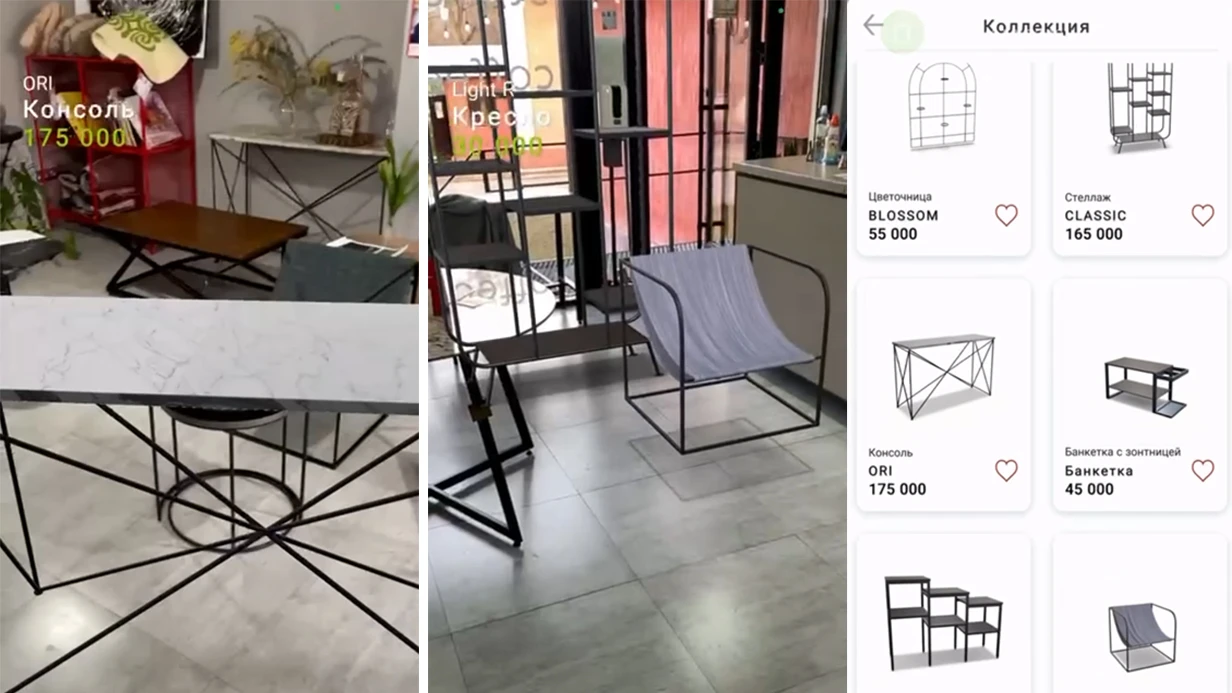
הפתרון הוא ויזואליזציית AR. היא מאפשרת ללקוחות "להציב" ספה או כורסה בחדר האמיתי שלהם ישירות ממסך הסמארטפון או הטאבלט.
אין צורך לנסוע לאולם תצוגה, להתקשר למעצב, או להסתמך על דמיון — הקונה רואה איך הרהיט מתאים לטפט, לפרקט ולתאורה שלהם.
קטלוג אינטראקטיבי עם מציאות רבודה הופך את האתר שלכם לחדר מדידה מלא. הלקוח משנה את צבע הריפוד, מזיז את הרהיט בחדר, ומעריך את המידות.
זה מסיר את ההתנגדויות העיקריות, מקצר את זמן ההתלבטות, ומעלה ניכר את ההמרה — ההזמנה הופכת לצעד הגיוני, לא להגרלה.
אנחנו מעצבים כלי AR כאלה כך שיהיו פשוטים ללקוחותיכם ורווחיים לעסק שלכם. פחות החזרות, יותר רכישות חוזרות, ועניין אמיתי בקטלוג — זו התוצאה שתקבלו תוך שבועות ספורים מההשקה.
מה ויזואליזציית AR נותנת לעסק שלכם
כשלקוח בוחר רהיטים מרופדים, המחסום העיקרי הוא הספק: "האם זה יתאים לחלל הפנים שלי, האם זה יהיה גדול מדי או כהה מדי?" האדם דוחה את ההחלטה, שואל קרובי משפחה לעצה, ולפעמים הולך למתחרה עם שירות ויזואלי יותר.
ויזואליזציית AR מסירה את חוסר הוודאות הזה לפני הרכישה: הלקוח מציב את הספה בחדרו דרך מסך הסמארטפון ומיד רואה את התוצאה.
כבר עזרנו לחברות רהיטים ליישם מציאות רבודה — והנה היתרונות שהיא מביאה לעסק.
- המרה גבוהה יותר. הקונה מפסיק לנחש ומקבל החלטות בקלות רבה יותר. כשהספה "עומדת" בסלון שלהם ישירות על המסך, חלק הרכישות שהושלמו גבוה ניכר מאשר עם קטלוג רגיל.
- פחות החזרות. האשליה של "מה אם זה לא מתאים" נעלמת כי הלקוח רואה את הקנה מידה האמיתי ואיך זה משתלב עם הטפט, הרצפה והאור. פחות אכזבות במשלוח — פחות בקשות החזרה.
- הגעה לקהל. כלי AR קל לשתף: הקונה מראה את הסרטון או צילום המסך לחברים, מפרסם ברשתות החברתיות. כל פוסט כזה הוא פרסום חינמי שמושך לקוחות חדשים.
- הכרת המותג. חברה שמציעה מציאות רבודה נתפסת כמובילת שוק מודרנית, לא כחנות רהיטים רגילה. זה בונה נאמנות ומעלה את ערך המותג בעיני הקהל.
יישום ויזואליזציית AR הוא לא סתם גימיק טכנולוגי אלא כלי מכירה עובד. הוא מקצר את הדרך של הלקוח מהשאלה "איך זה ייראה?" להזמנה, ונותן לשיווק פורמטים חדשים של תקשורת.
אם אתם רוצים להקדים את המתחרים בתחום הרהיטים המרופדים — זה הצעד שמשתלם תוך החודשים הראשונים.
פורמטים של ויזואליזציית AR לרהיטים מרופדים
קונה של רהיטים מרופדים לא יכול "להרגיש" ספה בחלל הפנים של הסלון שלו. ויזואליזציית AR מסירה את המחסום הזה: הלקוח רואה את הדגם בקנה מידה אמיתי בבית ומקבל החלטה מהר יותר.
אנחנו מציעים מספר פורמטים — מקטלוג נייד לחלון ראווה ברשתות החברתיות — כך שכל ערוץ מכירות עובד להגדלת ההכנסות.
| פורמט AR | למי זה מיועד | מה זה נותן לעסק |
|---|---|---|
| קטלוג נייד | לקוחות בחנות ובבית | המרה גבוהה יותר: הקונה בטוח בבחירה, פחות החזרות |
| מציאות רבודה באינטרנט | מבקרי האתר | יותר זמן בדף המוצר, סבירות גבוהה יותר להזמנה |
| AR ברשתות חברתיות | עוקבים וחבריהם | הגעה ויראלית והכרת מותג ללא תקציב פרסום |
| AR למנהלים | אנשי מכירות ויועצים | תשובות מהירות: הצגת הדגם ללקוח בהודעות או פנים מול פנים |
כל פורמט פותר משימה משלו: אחד דוחף לרכישה, אחר מרחיב את הקהל, השלישי מאיץ את עבודת מחלקת המכירות. מבחינה טכנית, אנחנו מסתמכים על ציוד מקצועי וכלים מוכחים — כך שהתוצאה יציבה בכל מכשיר.
נראה לכם איך הפורמט משתלב בתהליך המכירות הספציפי שלכם ונכין הדגמה עם הדגם שלכם.
איך הפרויקט עובד: שלבים ולוחות זמנים
אנחנו לא מסתירים את התהליך ב"קופסה שחורה": אתם תמיד רואים באיזה שלב נמצא הפרויקט, מה כבר נעשה, ומה הלאה. זה מאפשר לכם לתכנן קמפיינים פרסומיים והשקות בלי הפתעות — בדיוק בלוחות הזמנים שקבענו בחוזה. להלן המסלול הסטנדרטי של פרויקט ויזואליזציית AR לרהיטים מרופדים.
- בריף ומשימה. אנחנו דנים היכן ישמש ה-AR: בקטלוג, באתר, או באולם המכירות. אנחנו קובעים את רשימת דגמי הרהיטים, פעולת היעד של הלקוח, ולוחות הזמנים.
- תוכנית והערכת עלות. אנחנו קובעים את הפורמט (פתרון אינטרנטי ללא התקנת אפליקציה או יישום נייד), מספר הפריטים, והשלבים. לאחר האישור, אנחנו קובעים את התאריכים.
- הכנת מודל תלת-ממדי. אנחנו מתאימים את דגמי הרהיטים שלכם או יוצרים אותם מאפס — תוך התחשבות בבדים, במרקמים ובמידות האמיתיות.
- פיתוח תרחיש AR. אנחנו מגדירים זיהוי משטח רצפה, קנה מידה, וסיבוב אובייקט. אתם רואים את התוצאה הביניים בגרסת בדיקה ומספקים משוב.
- אישור וקבלה. אנחנו מציגים את הגרסה המוגמרת על המכשיר שלכם או באולם התצוגה של הלקוח. אנחנו מבצעים התאמות אחרונות לעיבוד צבע ולהתנהגות האובייקט.
- השקה. אנחנו מפרסמים את הפתרון באתר שלכם, באפליקציה, או על דוכן הדגמה. אנחנו בודקים אותו על מכשירים שונים כך שכל לקוח מקבל חוויה זהה.
- תמיכה ופיתוח. אנחנו עוקבים אחר יציבות, מאמנים את הצוות שלכם, ומוסיפים דגמים חדשים או פורמטים של אינטראקציה לפי הצורך.
בדרך כלל, פרויקט בסיסי לוקח 3–5 שבועות — מהבריף ועד אב-טיפוס עובד. לוח הזמנים המדויק תלוי במספר הדגמים ובמורכבות התרחישים, אבל תאריכי מפתח נקבעים בהתחלה ואינם משתנים לאורך הדרך.
כך אתם מקבלים לא רק פיתוח, אלא פרויקט ניתן לניהול עם תוצאה ברורה ותמיכה לאחר ההשקה.
חבילת מסירה: מה אתם מקבלים
אנחנו מוסרים לא רק יישום מוגמר, אלא ערכה מלאה לעבודה עצמאית. אתם מקבלים זכויות, קבצים, ותמיכה — כל מה שצריך כדי להשיק ויזואליזציית AR לרהיטים מרופדים ולנהל אותה בלי תלות מתמדת במפתח.
- קוד מקור — גישה מלאה לקוד הפרויקט. אתם הבעלים שלו ויכולים לשפר את הפתרון עם הצוות שלכם או עם כל קבלן אחר.
- תיעוד — הוראות ברורות להתקנה, הגדרה ועדכונים. העובדים שלכם יבינו במהירות את כל התהליכים בלי הדרכה נפרדת.
- הדרכת צוות — מפגשים חיים לצוות שלכם: איך להוסיף דגמי רהיטים חדשים, לשנות תוכן, ולעבוד עם פאנל הניהול.
- זכויות שימוש — זכויות מנוסחות חוקית למוצר ולכל מרכיביו. אין הגבלות רישיון או תשלומים נסתרים.
- פאנל ניהול — ממשק נוח לעדכון עצמאי של הקטלוג, המחירים והגדרות חזותיות. מנהל יכול לשנות את המבחר בכמה קליקים בלי לחכות למפתחים.
- תמיכת אחריות — במהלך תקופת האחריות, אנחנו מתקנים שגיאות ועוזרים בעדכונים בחינם, כך שאתם עובדים בלי השבתות.
- חומרי וידאו — הקלטות מפגשים וסרטונים קצרים לפעולות טיפוסיות. כשמגייסים עובדים חדשים, אתם משקיעים זמן מינימלי בהכשרתם.
עם החבילה הזו, אתם לא תלויים בנו לאחר מסירת הפרויקט. כל החומרים נשארים אצלכם, הצוות עובד עצמאית, והעסק מקבל כלי שקל להרחיב ולהתאים ככל שקו הרהיטים המרופדים שלכם גדל.
מקרה בוחן: גידול במכירות רהיטים לאחר AR
קונה של רהיטים מרופדים ממעט לקבל החלטה מיידית: הוא מטיל ספק אם הספה תתאים לסלון, אם הוא יאהב את הריפוד, אם הכורסה תרגיש "לא במקום" בחלל הפנים. הספקות האלה עולים לאולמות תצוגה עד 60% מהמכירות.
עבור רשת אולמות התצוגה "Soft House", יצרנו קטלוג AR. הקונה מכוון את המצלמה לחדרו ורואה את הספה בקנה מידה אמיתי, עם הצבע והמרקם הנכונים.
מה השתנה לאחר ההשקה
| מדד | לפני קטלוג AR | אחרי קטלוג AR |
|---|---|---|
| המרה מקטלוג להזמנה | 1.1% | 2.4% |
| ערך הזמנה ממוצע | קו בסיס | +23% |
| החזרות בגלל "לא נראה כמו שצריך" | 14% | 6% |
| זמן בחירת דגם | כ-3 ימים | כ-יום אחד |
התוצאה היא לא "וי לדוח" אלא אפקט מערכתי: החברה רושמת גידול במכירות רהיטים מרופדים בערוץ המקוון תוך החודש הראשון.
התרומה העיקרית של AR היא שהקונה רואה את הספה בדירה שלו ומפסיק לפחד מטעות בגודל ובצבע.
תמכנו בהשקה: עזרנו לסרוק מחדש את הדגמים בתלת-ממד, הדרכנו את המנהלים, ושילבנו את קטלוג ה-AR עם החנות המקוונת. שישה חודשים לאחר מכן, הלקוח חזר עם פרויקט חדש — אזורי חוויה סוחפים לאולמות תצוגה דגל. זה הסימן העיקרי: AR השתלם ככלי מכירה, לא כ"גימיק אופנתי."
שאלות נפוצות: יישום AR
השאלות הנפוצות ביותר לפני יישום AR נוגעות למורכבות האינטגרציה, איכות התצוגה, ולוחות זמנים של החזר השקעה. אנחנו עונים על בסיס פרויקטים אמיתיים ליצרנים וחנויות רהיטים מרופדים. אין מורכבות טכנית — רק מה שחשוב לעסק.
האם קשה לשלב AR בקטלוג?
לא. לרוב, זו גרסת אינטרנט שמשולבת באתר שלכם תוך 2–4 שבועות — בלי התקנת אפליקציה או שינוי תהליכים. אנחנו מטפלים בכל הצד הטכני: מכינים את המודלים התלת-ממדיים, מגדירים את צד השרת, ומספקים קישור מוכן. כל מה שאתם צריכים לעשות הוא למקם את הכפתור "צפה בחלל הפנים".
מה תהיה איכות התמונה?
אנחנו מצלמים בדים ומרקמים על ציוד מקצועי, כך שהצבע והמרקם משוחזרים במדויק. הקונה רואה ספה ריאליסטית בחדרו, לא ממלא מקום תלת-ממדי גס. המודלים מותאמים — AR עובד ללא השהיה אפילו בסמארטפונים בינוניים.
מתי ההשקעה תשתלם?
האותות הראשונים מופיעים תוך חודש: הזמן בדף גדל, פריטים מתווספים למועדפים לעתים קרובות יותר, וההחזרות יורדות. בניסיון שלנו, הפרויקט מחזיר את עצמו בעונת מכירות אחת דרך המרה גבוהה יותר וערך הזמנה ממוצע. אנחנו מחשבים את לוחות הזמנים המדויקים לפני ההשקה ומציגים אותם לכם לפני חתימת החוזה.
אנחנו מפתחים AR לעסקי רהיטים כבר יותר מ-10 שנים ותומכים בפרויקט לאחר ההשקה: מעדכנים מודלים, מוסיפים פריטים חדשים, ועוקבים אחר יציבות. אם יש לכם שאלות — כתבו לנו, ונשיב תוך יום עסקים.מוכנים לדון בפרויקט AR לרהיטים שלכם?
כן, אנחנו מוכנים. בואו נדון בפרויקט שלכם ונראה איך ויזואליזציית AR עוזרת למכור רהיטים מרופדים. הקונה מכוון את מצלמת הסמארטפון לפינה ריקה בחדר — ורואה את הספה או הכורסה שלכם עומדות שם בקנה מידה אמיתי. זה מסיר את הפחד מטעות ומאיץ את החלטת הרכישה.
הייעוץ חינמי וללא התחייבות. תוך 30–40 דקות, נבין איזה פורמט מתאים לכם ביותר: יישום נייד, קטלוג אינטרנטי עם מציאות רבודה, או דוכן אינטראקטיבי לתערוכה.
נסביר אילו משימות כל אפשרות פותרת ונגיד לכם בכנות מה יניב תוצאות ומה יישאר רק "גימיק."
מה תקבלו כשתפנו אלינו:
- ייעוץ אישי על AR לעסקי רהיטים;
- ניתוח המשימה שלכם: חנות מקוונת, אולם תצוגה, קטלוג, דוכן תערוכה;
- דוגמאות לפרויקטים שהושלמו ליצרני רהיטים מרופדים;
- הערכת עלות לקנה המידה והתקציב שלכם;
- תוכנית יישום ברורה עם לוחות זמנים ריאליסטיים;
- תשובות לשאלות על תמיכה ופיתוח עתידי של הפרויקט.
איך להתחיל? השאירו בקשה באתר — ניצור קשר תוך יום עסקים. נשאל כמה שאלות הבהרה על המבחר וקהל היעד שלכם, נסכים על שיחה, ונכין אפשרויות פתרון ראשוניות.
נחשב את העלות במהירות ובשקיפות: תקבלו הערכה עם שלבי עבודה ברורים. אין עמלות נסתרות ואין "אותיות קטנות" — רק מה שבאמת נחוץ להגדלת המכירות. כתבו לנו, ויחד נמצא את הפתרון הטוב ביותר לרהיטים שלכם.