



לקוחות עוזבים כשהם לא יכולים לראות איך הריצוף נראה בפנים הבית
לקוח נכנס לחנות ריצוף, רואה עשרות אפשרויות של למינציה, עץ מהונדס וויניל קוורץ, אבל לא יכול לדמיין איך הן ייראו בדירה שלו.
דוגמית על מעמד היא לא ויזואליזציה של פנים: קנה מידה, תאורה ואיך זה משתלב עם הרהיטים נשארים בגדר תעלומה. ההחלטה על הריצוף נדחית, והלקוח עוזב כדי "לחשוב על זה" — לעתים קרובות לתמיד.
היועץ מבזבז זמן בניסיון לשכנע, אבל הספקות לא נעלמים. ריצוף הוא רכישה יקרה, וטעות עולה הרבה. חלק מהעסקאות נופלות בדיוק בגלל חוסר בהירות.
ואלה שכן קופצים למים חוזרים עם תלונה: "זה לא נראה כמו שדמיינתי."
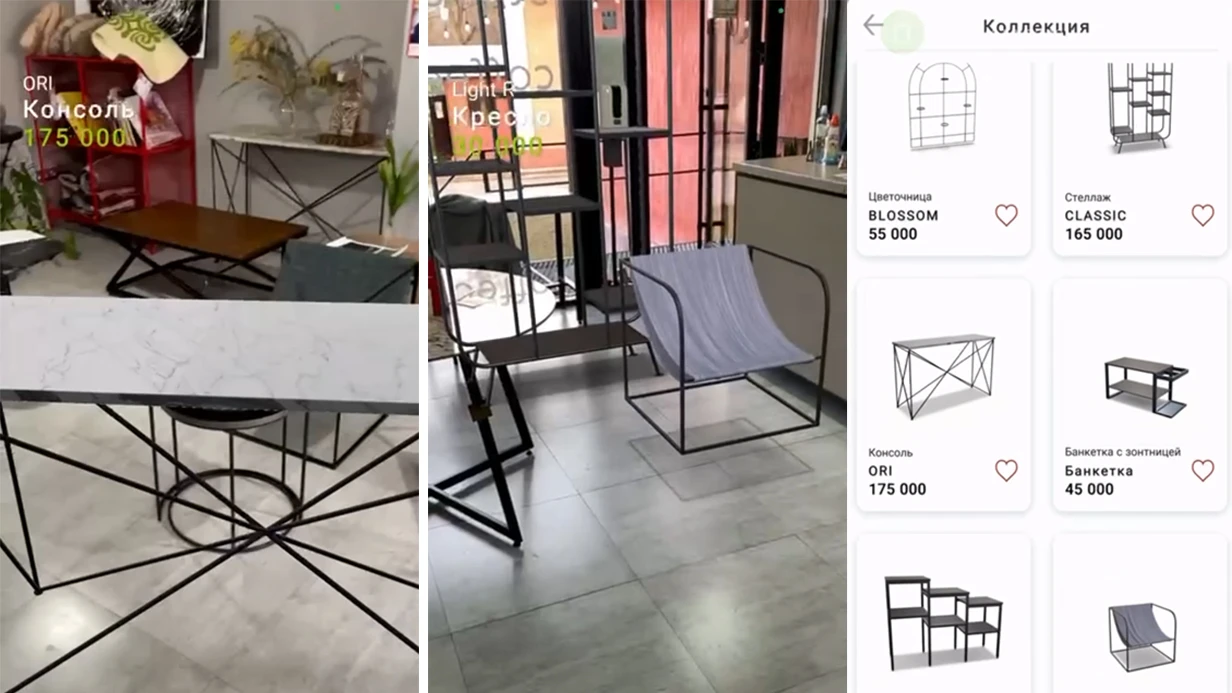
מציאות רבודה סוגרת את הפער הזה. AR בחנות או באתר מאפשרת ללקוחות "למדוד" ריצוף על הרצפה שלהם בזמן אמת. פשוט מכוונים את המצלמה או מעלים תמונה של החדר — והלקוח רואה איך הלמינציה או הפרקט משתלבים בפנים.
זו תצוגה מקדימה של התוצאה לפני הרכישה, תוך התחשבות בקנה מידה אמיתי, תאורה ורהיטים.
הלקוח יכול להשוות שתיים או שלוש אפשרויות ריצוף, לשנות את התאורה או לראות איך החדר נראה בשעות שונות של היום — תהליך הבחירה הופך להחלטה מחושבת.
זה נוח באותה מידה להזמנות מקוונות: מעלים תמונה של הדירה ומקבלים תוצאה ברורה בלי לצאת מהבית.
בסופו של דבר, מקבלים יותר עסקאות סגורות ולקוחות נאמנים שחוזרים לפרויקטים חדשים וממליצים על החנות לחברים. החזרות בגלל פער בציפיות יורדות, ויועצים כבר לא צריכים לנהל משא ומתן ארוך עם לקוחות מתלבטים.
ושירות שמאפשר ללקוחות "למדוד" ריצוף מבדל את החנות שלכם מהמתחרים.
מה מציאות רבודה מביאה לעסק שלכם ולמה היא אמינה
כשלקוח בוחר ריצוף, הוא מסתמך על דוגמית קטנה או תמונה בקטלוג. אבל איך החומר ייראה בחדר שלו תחת תאורה אמיתית נשאר בגדר תעלומה. כתוצאה מכך, ההחלטה נמשכת, וחלק מהרכישות מוחזרות אחרי ההתקנה.
מציאות רבודה מסירה את אי-הוודאות הזו. הקונה מכוון את מצלמת הסמארטפון לרצפה ורואה את הריצוף הנבחר ישירות בפנים הבית שלו, ושופט איך זה משתלב עם הרהיטים והאור. הוא מקבל החלטה מהר יותר, וההמרה להזמנה עולה באופן ניכר.
האמינות של AR תלויה בטכנולוגיית הוויזואליזציה. אנחנו עובדים עם ציוד מקצועי ומשתמשים באלגוריתמי יישור משוכללים — התמונה יציבה ולא זזה כשהמצלמה נעה. אז אתם מקבלים לא צעצוע, אלא כלי מכירות אמין.
החברה שלנו כבר יישמה ויזואליזציית AR עבור רשת חנויות ריצוף. לקוחות השתמשו בניסיון הווירטואלי בכמויות גדולות, ומנהלים ציינו עלייה בהמרה בהשוואה לייעוץ רגיל. פירוט מלא נמצא במחקר המקרה שלנו.
אנחנו מתכננים פתרון למשימה הספציפית שלכם: אפליקציה ניידת, קטלוג אינטראקטיבי או עמדה בתוך החנות. אנחנו מטפלים בכל המחזור — מהגדרת המשימה ועד ההשקה ותמיכה טכנית, כך שהשירות לא ייכשל ברגע הקריטי ביותר.
פורמטים של פרויקט AR להצגת חומרים בפנים הבית
לקוח בוחר ריצוף מדוגמית קטנה, ואז מטיל ספק איך זה ייראה בחדר כולו. כתוצאה מכך, ההחלטה נמשכת, וחלק מהרכישות חייבות להיות מוחזרות. פורמטי AR מציגים את החומר ישירות בפנים הבית של הקונה — על הרצפה שלו ותחת התאורה שלו.
אנחנו עוזרים לכם לבחור את הפורמט המתאים לצרכי העסק שלכם — מהדגמה מהירה באתר ועד תצוגה בתוך החנות. כל אחד משלושת התרחישים משרת מטרה משלו: הגברת המרה, קיצור זמן הבחירה או הגדלת ערך ההזמנה הממוצע.
שלושה פורמטי AR להצגת ריצוף
| פורמט | המתאים ביותר עבור | מה זה נותן ללקוח |
|---|---|---|
| אפליקציה ניידת | רשתות של אולמות תצוגה ומשווקים | הקונה "מודד" את הריצוף בחדר שלו, שומר את האפשרויות שהוא אוהב, ומגיע לחנות עם החלטה מוכנה — המרה גבוהה יותר וערך הזמנה ממוצע גבוה יותר |
| Web-AR ללא התקנה | חנות מקוונת וקטלוג מוצרים | מבקר פותח צפייה בתלת-ממד בלחיצה אחת מהסמארטפון — פחות נטישות, יותר זמן באתר, נתח גבוה יותר של הזמנות מקוונות |
| אולם תצוגה AR בסלון | נקודות מכירה פיזיות | היועץ מציג את החומר בפנים שונים תוך כמה דקות — מחזור הבחירה מתקצר והאמון במותג גדל |
הפורמטים קלים לשילוב: מתחילים עם Web-AR לחנות המקוונת, מוסיפים אפליקציה ללקוחות חוזרים, או אולם תצוגה למיקום דגל — ניישם פרויקט מותאם למודל העסקי שלכם.
איך פרויקט ויזואליזציית ריצוף ב-AR מתנהל
פרויקט ויזואליזציית ריצוף ב-AR מתנהל כתהליך ברור של שישה שלבים. אתם תמיד יודעים מה קורה, מי אחראי על מה, ומתי התוצאה תהיה מוכנה.
המטרה העיקרית: תוך מספר שבועות, הלקוחות שלכם יכולים "למדוד" ריצוף לפנים הבית שלהם ישירות ממסך הסמארטפון.
שלבי הפרויקט
- בריף וניתוח משימה. אנחנו דנים במגוון הריצוף, בתרחישי השימוש ובקהל היעד. אנחנו קובעים אילו מוצרים צריכים להיכנס לקטלוג ואיך תעדכנו את המידע ללא מעורבות מפתחים.
- אב-טיפוס ואישור. אנחנו מראים איך המשתמש מתקשר עם המצלמה: בחירת ריצוף, כיוון לרצפה ושינוי זווית הצפייה. אתם רואים את המוצר העתידי לפני תחילת התכנות ויכולים להתאים את ההיגיון.
- עיצוב ממשק. אנחנו מעצבים את המסכים והפקדים בסגנון המותג שלכם. אתם מאשרים את המראה — ואז המפתחים עובדים לפי העיצוב המוסכם.
- פיתוח מודול AR. אנחנו בונים את האפליקציה: זיהוי משטחים, שכבת טקסטורה והתאמה ריאלית לתאורה ולפרספקטיבה. אנחנו משתמשים בכלים מקצועיים כך שהתמונה תיראה טבעית בכל חדר.
- בדיקה על מכשירים אמיתיים. אנחנו מוודאים ביצועים בדגמי טלפונים שונים ותחת תנאי תאורה שונים. אתם מקבלים גרסה יציבה שלא תאכזב אתכם במהלך מצגת או מבצע.
- השקה ותמיכה. אנחנו מפרסמים את האפליקציה בחנויות, מגדירים גישה למנהלים שלכם ומנטרים את פעולתה. אנחנו תומכים בפרויקט לאחר ההשקה: הוספת אפשרויות ריצוף חדשות ועדכון פונקציונליות.
בסופו של דבר, אתם מקבלים כלי מכירות, לא רק אפליקציה. כל שלב מספק תוצאה ברורה שניתן לאשר ובמידת הצורך להתאים מבלי לפספס מועדים.
מה כלול במסירה: ערכה מלאה למצגות ומכירות
קונה רואה קטלוג או דוגמית קטנה אבל לא תמיד מבין איך הריצוף ייראה בדירה או במשרד שלו.
זה המחסום העיקרי במכירות: הלקוח מהסס, דוחה את התשובה ועוזב כדי "לחשוב על זה." ערכת המסירה שלנו פותרת בדיוק את הבעיה הזו — היא הופכת ספק להחלטה והופכת את המנהלים שלכם לבטוחים יותר.
מה כלול בערכה:
- אפליקציית ויזואליזציית AR — הלקוח רואה את הריצוף הנבחר ישירות על הרצפה שלו דרך מצלמת טאבלט או סמארטפון, ללא צורך במומחה שיגיע ויבצע מדידות. הוא מיד מבין אם הגוון והמרקם מתאימים ומקבל החלטת רכישה מהר יותר.
- הוראות לעובדים — תרחישים פשוטים שלב אחר שלב לשימוש באפליקציה, המיועדים למנהלי אולמות תצוגה ונציגי מכירות. אין צורך לשלוט בטכנולוגיה מורכבת: עקומת למידה מינימלית מהיום הראשון.
- הכשרת צוות — מפגשים מעשיים קצרים לצוות שלכם: איך להדגים את הריצוף, אילו שאלות לשאול את הלקוח במהלך הוויזואליזציה ואיך לסגור את העסקה במקום. ההכשרה יכולה להתבצע מרחוק, ללא השבתה.
- חומרי מקור וזכויות תוכנה — אתם מקבלים את החבילה המלאה ולא תלויים במפתח בפעולות השוטפות. המומחה שלכם יכול ליצור ויזואליזציות חדשות לפריסות טיפוסיות.
- תמיכה טכנית ועדכונים — סיוע בכל שלב: הגדרה, השקה והוספת דוגמיות ריצוף חדשות למבחר. כשיוצאת קולקציה חדשה, אתם מודיעים לנו ואנחנו מעדכנים את הקטלוג באפליקציה.
- השקה מהירה במפתח — זמן מינימלי מחתימת החוזה ועד הדגמה עובדת. אנחנו מארגנים את התהליך כך שתוך כמה ימים העובדים שלכם כבר מציגים את הוויזואליזציה ללקוחות אמיתיים.
כל פריט בערכה הוא חלק ממערכת מכירות אחידה, לא רק אוסף קבצים. אתם מקבלים לא "אפליקציה לשם האפליקציה," אלא כלי מוכן שמסיר התנגדויות ומגביר המרה על רצפת המכירות.
מחקר מקרה: איך ויזואליזציית AR האיצה את בחירת החומרים והגדילה הכנסות
קוני ריצוף מקבלים לעתים קרובות את ההחלטה לא באולם התצוגה, אלא אחרי שבועות של התלבטות. דוגמיות קטלוג נראות שונה מאיך שהן נראות באור יום, וקשה לדמיין איך למינציה תיראה במסדרון או איך עץ מהונדס ישתלב בסלון.
בסופו של דבר, הלקוח עוזב כדי "לחשוב על זה" — וחוזר רק ב-30% מהמקרים. עבור אולם התצוגה, זה אומר עסקאות אבודות ושעות מבוזבזות של יועצים.
פתרנו את הבעיה הזו עבור רשת אולמות התצוגה «Parket-Style». פיתחנו אפליקציית ויזואליזציית AR ניידת שעובדת ישירות על הסמארטפון של הלקוח.
פשוט מכוונים את המצלמה לרצפה — והריצוף הנבחר מופיע בחדר תוך התחשבות בתאורה ובפרספקטיבה אמיתיים. הלקוח יכול לעבור בין עשרות קולקציות, לשנות את הצבע וכיוון ההתקנה, ולשמור תמונות כדי להתייעץ עם המשפחה.
מה השתנה
זמן הבחירה ירד משבוע ליום או יומיים. ההמרה מייעוץ לרכישה עלתה ב-30%, והביקורים החוזרים באולם התצוגה הוכפלו — קונים חזרו עם החלטה מוכנה והזמינו לא רק ריצוף, אלא גם חומרים נלווים.
התוצאה העסקית העיקרית: ההכנסות של אולם התצוגה גדלו ב-25% בשלושה חודשים ללא הגדלת תקציב הפרסום.
המוכרים קיבלו זמן פנוי — ייעוץ עכשיו אורך 10–15 דקות במקום שעה — ומספר ההחזרות בגלל "לא תואם לפנים" ירד פי שלושה.
המקרה הזה מראה שוויזואליזציית AR היא לא בידור אלא כלי מכירות עובד שמחזיר את ההשקעה תוך רבעון אחד. אם אתם צריכים להאיץ את תהליך הבחירה ולהגדיל הכנסות — בואו נדבר על איך להתאים את התרחיש הזה למבחר שלכם.
איך לבחור את פורמט הוויזואליזציה המתאים למשימה שלכם?
כשלקוח בוחר ריצוף, הוא רוצה לראות אותו בפנים הבית שלו, לא על מדף.
אז פורמט הוויזואליזציה הנכון הוא זה שמקצר את הדרך מ"מעניין" ל"אני לוקח." אין תשובה אחת שמתאימה לכולם, אבל יש מדריך ברור: בחרו את הפורמט שבו מתקבלת החלטת הרכישה.
לאולם תצוגה — ויזואליזציית AR ישירות באולם. מבקר מכוון מצלמה לדוגמית או לטאבלט ורואה איך הריצוף נראה בחדר שלו תחת תאורה שונה.
זה מסיר את הפחד העיקרי — "מה אם זה ייראה אחרת בבית" — ודוחף אותם להזמין כאן ועכשיו, בלי לדחות.
לחנות מקוונת — ויזואליזציה מקוונת שעובדת מהסמארטפון של הלקוח. בדף המוצר, כפתור "צפייה בפנים" מאפשר להם להעלות תמונה משלהם או לבחור פריסה טיפוסית. המכניקה הזו מגבירה את הביטחון בבחירה, מפחיתה החזרות ומגבירה את ההמרה בקטלוג.
לתערוכה או אירוע — אזור מציאות רבודה אינטראקטיבי. אורחים סורקים את הדוכן, מחליפים ריצוף על מסך גדול ומשתפים את התוצאה מיידית במדיה החברתית. כאן, הוויזואליזציה עובדת לטובת חשיפה וזכירת מותג, ויוצרת סיבה לגשת ולהישאר.
כלל הבחירה העיקרי: אל תהמרו על הטכנולוגיה המרשימה ביותר, אלא על נקודת המגע. אם הלקוח מחליט בבית — אתם צריכים פורמט מקוון; אם באולם — מצלמה על הדוגמית; אם בתערוכה — דוכן מרתק.
בכל מקרה, הפורמט צריך להיות גלוי מהמסך הראשון ולעבוד ללא הוראות — אז הוא מביא הזמנות ולא רק הפתעה.
מה אם הלקוח מפחד להשתמש באפליקציית AR?
אתם מודאגים שהצוות שלכם לא יבין את אפליקציית AR ושהיא תאט את מכירות הריצוף? אין צורך. אנחנו מעצבים את הממשק כך שיהיה מובן למי שאין לו הכשרה טכנית, ובהשקה אנחנו תומכים בצוות שלכם עד שהם בטוחים לחלוטין.
בדיוק בגלל זה בנינו הכשרה, מדריך פשוט ותמיכה בתהליך. ראו איך אנחנו מטפלים בחששות העיקריים:
איך אתם מאמנים עובדים?
אנחנו מעבירים מפגש הכשרה קצר ישירות במשרד שלכם או באמצעות שיחת וידאו — 30–40 דקות, פעם אחת. המנהל לומד לבחור ריצוף, לשנות צבע ופריסה ולהציג את התוצאה ללקוח על המסך. אנחנו מספקים דף רמזים עם השלבים והמסכים כדי שיוכלו לבדוק בכל עת.
האם קשה למנהל להתרגל לממשק?
הממשק פשוט בכוונה: כפתורים גדולים, רמזים בכל שלב וכפתור "חזור" לביטול פעולה. הריצוף נבחר ב-2–3 הקשות, כמו בקטלוג רגיל.
אי אפשר לטעות — האפליקציה אומרת מה לעשות הלאה ולא מאפשרת להמשיך להגדרה שאינה תואמת.
מי תומך בנו בהשקה ואחריה?
בימים הראשונים, אנחנו משייכים מלווה אישי. הם זמינים בשעות העבודה, מגיבים תוך 15 דקות ויכולים להתחבר למסך שלכם במידת הצורך כדי לעזור לפתור מצב.
אחרי חודש, אתם מקבלים גישה למאגר ידע עם סרטוני הדרכה ועדכונים — הכשרת עובדים חדשים כבר לא דורשת את המעורבות שלנו.
השורה התחתונה פשוטה: אפליקציית AR לוויזואליזציית ריצוף הופכת לכלי עבודה, לא למקור לחץ. אנשי המכירות שלכם מייעצים בביטחון, ולקוחות רואים את הפנים העתידיים לפני ביצוע הרכישה.מוכנים להציג את המוצרים שלכם ללקוחות במציאות רבודה?
קונה בוחר ריצוף לא לפי תמונה בקטלוג, אלא לפי התחושה של "איך זה ייראה בבית שלי." מציאות רבודה מספקת את התחושה הזו מיידית: הלקוח מכוון את מצלמת הסמארטפון לרצפה ורואה איך למינציה, פרקט או אריח נראים בפנים הבית שלו. אנחנו בונים אפליקציות כאלה ליצרני ריצוף וקמעונאים במפתח מלא.
השאירו פנייה — ותוך יום עסקים אחד נספק ייעוץ, נציג הדגמה על הדוגמיות שלכם ונכין חישוב עלות שקוף. תקבלו מספרים ולוחות זמנים קונקרטיים ותבינו איך כלי AR ישתלם בעסק שלכם.
לאחר מכן העבודה מתנהלת לפי התוכנית:
- פנייה וייעוץ — אנחנו דנים במבחר שלכם, בנקודות המכירה ובתרחישי השימוש.
- הדגמה על הדוגמיות שלכם — אתם רואים איך הקולקציות שלכם נראות במציאות רבודה.
- הערכת עלות ולוח זמנים — אנחנו קובעים את היקף העבודה, התקציב ותאריך הסיום.
- פיתוח ואישור — אתם שולטים בתהליך ורואים גרסאות ביניים.
- השקה ותמיכה — אנחנו מפרסמים את האפליקציה, מאמנים את הצוות ומספקים תמיכה לאחר ההשקה.
כתוצאה מכך, אתם מקבלים:
- ייעוץ והערכה ברורה ללא חיובים נסתרים.
- הדגמה על הדוגמיות שלכם לפני חתימת החוזה.
- המרה גבוהה יותר: הקונה לומד את המוצר זמן רב יותר ומחליט בביטחון רב יותר.
- פחות החזרות: הלקוח רואה את הריצוף בפנים הבית שלו, לא "בתמונה."
- כלי מוכן לאנשי מכירות — קל להם יותר להתמודד עם התנגדויות.
- היכולת להוסיף קולקציות חדשות ללא עיבוד מחדש של האפליקציה.