



פריטי עיצוב הולכים לאיבוד בתמונות — הלקוחות לא יכולים לראות אותם בתוך הפנים שלהם
פריטי עיצוב נראים מושכים בתמונות, אבל הלקוחות לא יכולים לדמיין איך הם ישתלבו בפנים שלהם. קנה מידה, איך הם משתלבים עם הרהיטים, צבעי הקירות והתאורה — כל זה נשאר בגדר תעלומה.
עולות ספקות: "האם זה יעבוד בבית שלי?" "האם זה יהיה בגודל הנכון?" הספקות האלה הם בדיוק מה שגורם ללקוחות לדחות רכישה או אפילו לוותר עליה לחלוטין.
בגלל זה, אתה מפסיד מכירות והמבחר שלך נראה פחות מושך משל המתחרים. אלה שכבר מציגים פריטי עיצוב בסביבה מוגמרת מטפלים בהתנגדויות לפני שהם בכלל מדברים עם לקוח.
בזמן שהקטלוג שלך הוא רק תמונות, המתחרים מציגים את הפריט בתוך פנים, והקונה מחליט מהר יותר.
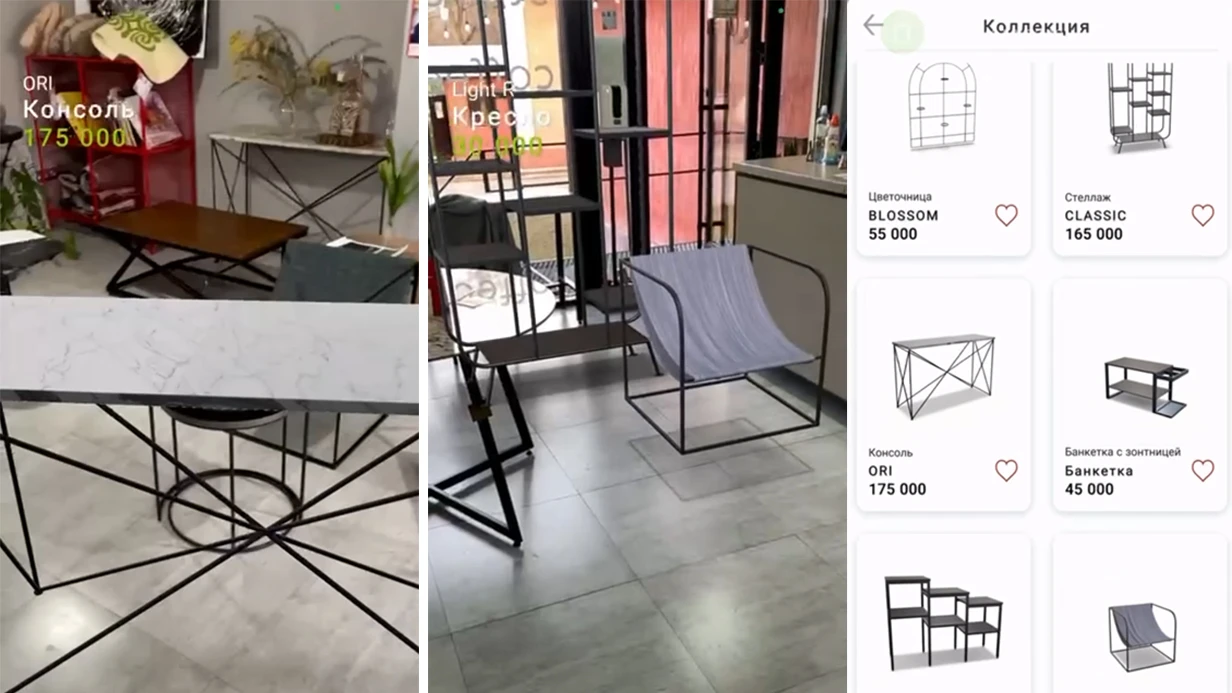
ויזואליזציית AR פותרת את הבעיה הזו. אנחנו מקימים פתרון שבו תמונה של פריט העיצוב מוצגת על גבי מצלמת הסמארטפון. הלקוח רואה איך אגרטל, מנורה או פאנל קיר נראים בקנה מידה אמיתי בחלל שלו.
זו לא תמונה מופשטת אלא ויזואליזציה מדויקת שמסירה את הפחד מלעשות בחירה שגויה.
הקונים מקבלים ביטחון בהחלטה שלהם, ואתה מקבל המרה גבוהה יותר ופחות החזרות.
החנות הופכת למקום שאנשים מבקרים בו בשביל התחושה של "זה בהחלט שלי." אנחנו נעזור לך ליישם ויזואליזציית AR במפתח מלא כך שפריטי העיצוב שלך כבר לא ילכו לאיבוד בתמונות ויתחילו להניע מכירות.
מה אתה מקבל מוויזואליזציית AR בקטלוג ובאולם התצוגה שלך
ויזואליזציית AR הופכת את הקטלוג ואת אולם התצוגה שלך למקום שבו הלקוחות רואים את פריט העיצוב בפנים שלהם לפני הקנייה. במקום תמונה מופשטת על מדף, הם מקבלים ניסיון ריאלי: קנה מידה, צבע, איך זה עובד עם רהיטים ותאורה.
זה מסיר את ההתנגדות המרכזית — "אבל איך זה ייראה בבית שלי?" — ומקצר את הדרך מהעניין להזמנה.
התוצאה העיקרית היא מעורבות גדולה יותר. המבקרים מבלים פי כמה יותר זמן עם מוצר, בוחנים אותו מזוויות שונות, וסביר יותר שישתפו את החוויה במדיה החברתית.
עבור הקטלוג, זה אומר המרה גבוהה יותר: דפים עם ויזואליזציית AR מייצרים יותר פעולות רצויות, ולקוחות חוזרים ל"נסות" פריטים אחרים.
אפקט נוסף הוא פחות החזרות. כשהקונים רואים מראש איך פריט עיצוב ישתלב בחדר, הציפיות תואמות את המציאות. זה מפחית החלפות ותלונות, וחוסך תקציב על לוגיסטיקה ומכירה חוזרת.
ויזואליזציית AR מגדילה את ערך ההזמנה הממוצע: לקוח ש"ניסה" פריט נוטה פחות לבחור באפשרות הזולה ביותר. הם רואים ערך ואיכות, לא רק מחיר.
זה גם מגביר את המודעות למותג — הפורמט החריג נזכר, אנשים מדברים עליו, ואולם התצוגה עצמו הופך למקום שהם חוזרים אליו בשביל החוויה.
לסיכום, יישום ויזואליזציית AR משתלם דרך מעורבות, פחות החזרות, ערך הזמנה ממוצע גבוה יותר ומודעות למותג.
אתה מקבל לא רק תכונה נחמדה אלא כלי מכירות שעובד בכל שלב — מהמבט הראשון בקטלוג ועד לביקור החוזר באולם התצוגה.
פורמטים של ויזואליזציית AR למשימה שלך
הלקוחות בוחרים עיצוב עם העיניים: הם צריכים לדמיין איך אגרטל, מנורה או פאנל קיר ייראו בחדר שלהם. תמונות רגילות לא מעבירות קנה מידה אמיתי, ולכן הלקוחות מהססים ודוחים את ההחלטה.
ויזואליזציית AR מתקנת את זה: הפריט מופיע ישר בתוך הפנים וניתן לבחון אותו מכל הצדדים. וכל מה שצריך זה סמארטפון — ללא הורדות או התקנות.
הפורמט תלוי במקום שבו אתה פוגש את הלקוח: בקטלוג מקוון, באולם תצוגה או בתערוכה. הרכבנו ארבעה תרחישים מוכחים, מקטלוג אינטראקטיבי ועד מדבקת AR לאירועים. בחר את זה שפותר את הבעיה שלך, או שלב אותם.
| פורמט AR | למי | מה זה נותן ללקוח |
|---|---|---|
| קטלוג אינטראקטיבי | חנויות מקוונות, מרקטפלייסים | המבקרים רואים את הפריט בפנים שלהם לפני הקנייה, פחות החזרות ויותר הזמנות |
| תצוגת AR | חנויות קמעונאיות, אולמות תצוגה | הקונים "מנסים" את המוצר בעמדה, מתעכבים יותר ליד התצוגה ומשתפים את החוויה ביתר קלות |
| אולם תצוגה וירטואלי | יצרנים, חברות סיטונאיות | כל המבחר בתלת-ממד ללא עלות משלוח דוגמיות, קל להציג את הקולקציה לשותפים |
| מדבקת AR | אירועים, תערוכות | האורחים סורקים את הסמן ומקבלים מודל תלת-ממדי אינטראקטיבי — זה מעסיק אותם ויוצר נקודת שיחה |
אנחנו בוחרים את הפורמט המתאים ומטפלים בכל הפיתוח: מודלים תלת-ממדיים, אינטגרציה לאתר או לאפליקציה שלך, ותמיכה. אתה לא צריך מומחים טכניים בצוות — אתה פשוט מקבל כלי עובד שמגדיל את שיעורי הרכישה ואת הזיכרון של המותג.
איך אנחנו יוצרים ויזואליזציית AR לפריטי עיצוב ב-5 שלבים
פיתוח ויזואליזציית AR לפריטי עיצוב הוא תהליך ברור של חמישה שלבים. אנחנו מתחילים לא עם הטכנולוגיה אלא עם המשימה שלך: איך הלקוחות בוחרים עיצוב, איפה הם נושרים, מה מפריע להחלטת הרכישה. אנחנו מגדירים את המטרה מראש — מודעות גדולה יותר למותג, יותר הזמנות או פחות החזרות.
- בריף וניתוח — אתה משתף מידע על המבחר, קהל היעד ותרחישי השימוש: אתר, אולם תצוגה, קטלוג. אנחנו קובעים על אילו מכשירים AR יעבוד כדי שלא נצטרך לעשות שום דבר מחדש בשלבים מאוחרים יותר.
- קונספט ואב-טיפוס — אנחנו מראים איך פריט העיצוב נראה במציאות רבודה: קנה מידה, חומרים, אור. אתה מקבל אב-טיפוס לבדיקת ההשערה ללא השקעה בפיתוח מלא.
- אישור — אתה בודק את ויזואליזציית ה-AR על סמארטפונים וטאבלטים אמיתיים ומבצע עריכות במראה ובהתנהגות של הפריט. אנחנו מתעדים את השינויים ומעדכנים את אב-הטיפוס מיד.
- פיתוח ובדיקות — אנחנו בונים את סצנת ה-AR, ומכוונים איך היא מעובדת בתנאי תאורה שונים, סוגי מצלמות ומשטחים. אנחנו בודקים את המוצר על כמה דגמי מכשירים כך שכל לקוח יקבל תמונה יציבה וללא תקלות.
- השקה ותמיכה — אנחנו פורסים את הוויזואליזציה באתר שלך, באפליקציה שלך או דרך קוד QR ברצפת המכירה. לאחר ההשקה, אנחנו נשארים איתך: מתקנים פרטים, מוסיפים אובייקטים חדשים ומעדכנים תוכן ללא מחזורי אישור ארוכים.
בדרך זו, אתה מקבל לא רק "ניסיון" של עיצוב על המסך, אלא כלי מכירות עובד: הלקוחות רואים את הפריט בפנים שלהם, מקבלים החלטות בביטחון רב יותר ומחזירים מוצרים פחות. אתה שולט בכל שלב ויודע בדיוק מה תקבל עד מועדים ספציפיים.
מה כלול בפתרון ה-AR לעסק שלך
החבילה כוללת כל מה שצריך כדי להשיק ולהשתמש בוויזואליזציית AR כל יום, מהאפליקציה עצמה ועד להדרכת צוות ואחריות. אתה מקבל פתרון מלא במפתח — ללא שלבים נסתרים וללא עלויות מפתיעות.
-
אפליקציית AR מוכנה לשימוש לפריטי העיצוב שלך. הלקוח מכוון סמארטפון לקטלוג או לקוד QR ורואה איך הפריט נראה בפנים שלו. עובד על מכשירי iOS ו-Android ללא תוכנות נוספות.
-
הוראות משתמש. חומרים קלים להבנה לצוות שלך: איך להפעיל את הסצנה, איך להציג אותה ללקוח ומה לעשות במצב חריג. הכל כתוב בשפה פשוטה, ללא צורך ברקע טכני.
-
הדרכת צוות. מפגש הדרכה קצר למנהלים שלך — הם ילמדו להדגים את הוויזואליזציה בעצמם ולענות בביטחון על שאלות הקונים. ההדרכה אורכת לא יותר משעה ומתקיימת בפורמט נוח.
-
אחריות על תקינות הפתרון. אנחנו מכניסים את ההתחייבויות לחוזה. אם מתרחשת שגיאה, אנחנו מתקנים אותה במהירות ועל חשבוננו כדי שלא תאבד לקוחות.
-
תמיכה בשטח באירועים. המומחה שלנו יגיע לתערוכה או למצגת שלך, יקים את הציוד וייעץ לאורחים אישית. אתה מתמקד במשא ומתן במקום בציוד.
-
עדכונים ותמיכה. אנחנו מעדכנים את האפליקציה באופן קבוע לגרסאות מערכת חדשות ומכשירים. התמיכה מגיבה בשעות העבודה בטלפון או בהודעות.
בסופו של יום, אתה מקבל חבילה מלאה להשיק ויזואליזציית AR בעסק שלך — האפליקציה, ההדרכה, ההוראות ותמיכה אמיתית בכל שלב. כל מה שנשאר זה להציג מוצרים ללקוחות ולראות את המעורבות שלהם גדלה.
מקרה בוחן: איך ויזואליזציית AR הגדילה מכירות לסלון רהיטים
סלון הרהיטים "הרמוניה" פנה אלינו עם נקודת כאב נפוצה: הלקוחות לקחו זמן רב בבחירת ספות ושידות, אבל ברגע האחרון נסוגו מהרכישה. הסיבה — חוסר ודאות אם הפריט ישתלב בפנים שלהם.
הם היו עוברים על קטלוג רגיל, אבל רק מעטים יכלו לדמיין את קנה המידה ושילובי הצבעים.
הצענו קטלוג AR: הלקוח מכוון את מצלמת הסמארטפון לחדר שלו, בוחר פריטי עיצוב וריהוט מהקולקציה, ורואה אותם בגודל אמיתי, בזווית הנכונה ובתאורה שלו.
זה שינה את השיחה בחנות: במקום "תחזור ותסתכל שוב," המנהל יכול היה להראות מיד איך הפריט יעמוד בבית הלקוח.
מספרי המקרה
בתוך חודשיים, המכירות של הסלון גדלו ב-30%. הלקוחות בילו פי שלושה יותר זמן בקטלוג ה-AR מאשר בקטלוג הרגיל, והייעוצים ירדו מ-40 דקות ל-15. הם גם ציינו פחות החזרות: הפריטים תאמו יותר ויותר את הציפיות.
עבור בעל עסק, זה בעצם איש מכירות נוסף שלעולם לא לוקח יום חופש. קטלוג ה-AR לא דורש הכשרת צוות או הוצאות פרסום נוספות — הוא מחזיק תשומת לב בעצמו ומוביל את הלקוחות להחלטה.
אם אתה רוצה את אותה תוצאה, בוא נדבר על המבחר והקהל שלך: נראה לך כמה שבועות ייקח לפרויקט להחזיר את עצמו.
שאלות נפוצות על פיתוח אפליקציות VR/AR/MR
לפני הזמנת אפליקציית AR לפריטי עיצוב, לקוחות תמיד שואלים את אותן שאלות: כמה זה עולה, מה לוחות הזמנים ומה קורה אם משהו משתבש. אנחנו מתייחסים לחששות המרכזיים כדי שתבין מה אתה מקבל ותוכל לתכנן את ההשקה בביטחון.
כמה עולה הפיתוח לקטלוג שלי?
העלות תלויה במספר פריטי העיצוב ובמורכבות התרחיש. עבור קולקציות קטנות, זה דומה לצילום מוצר בודד, אבל האפליקציה עובדת לאורך זמן ומגדילה את ההמרה. אנחנו נותנים הערכת עלות מדויקת לאחר הבריף — ללא תשלום.
מה לוחות הזמנים?
פרויקט טיפוסי לוקח 2–4 שבועות מהבריף. אם אתה צריך את זה לתערוכה או למבצע עונתי, אנחנו מציעים לוח זמנים מואץ עם תאריכי מסירה קבועים.
מה לגבי אבטחה ואמינות?
אנחנו מוסרים את קוד המקור ומספקים תמיכה מובטחת: אנחנו מתקנים שגיאות בחינם ומתאימים את הפרויקט לעדכוני פלטפורמה. גישה זו עובדת בעשרות פרויקטים שלנו — אנחנו בדרך כלל פותרים בעיות תוך יום או יומיים עסקיים.
האם הפורמט הזה יתאים לעסק שלי?
ויזואליזציית AR לפריטי עיצוב יעילה במיוחד לריהוט, טקסטיל ואביזרים: הלקוחות רואים את המוצר בחדר שלהם, מחליטים מהר יותר, וההחזרות פוחתות. לא בטוח? נראה לך איך זה עובד על הפריטים שלך — ללא תשלום.
איך לבחור את פורמט הוויזואליזציה המתאים לחלל שלך
בחירת פורמט ויזואליזציה מתחילה במשימה, לא בטכנולוגיה.
כשמדובר בפריטי עיצוב, הלקוחות לא קונים אובייקט — הם קונים את התחושה ש"זה ישתלב בפנים שלי." אז התשובה ל"איזה פורמט אני צריך?" תלויה במקום שבו האדם מקבל את ההחלטה: באולם התצוגה או מול מסך.
לאולם תצוגה, הבחירה הנכונה היא תצוגת AR. המבקר רואה את החלל האמיתי, ואתה מראה על מסך טאבלט או טלפון איך הפריט הנבחר ייראה בדירה שלו.
זה מסיר את ההתנגדות המרכזית — "אני לא יכול לדעת איך זה נראה" — מעצב לא צריך לסחוב דוגמיות כבדות, ומוכר מקבל כלי ייעוץ פשוט.
עבור קטלוג מקוון, מודלים תלת-ממדיים אינטראקטיביים עובדים טוב יותר. הקונה בוחן את העיצוב מכל הצדדים, משנה את הזווית ואת קנה המידה, ומעריך את המרקם בקצב שלו.
זה מגדיל את האמון במבחר ומפחית באופן ניכר את ההחזרות — הלקוחות כבר יודעים בדיוק מה הם מזמינים ופחות מתאכזבים.
לעתים קרובות המשימה דורשת שילוב של פורמטים: תצוגת אולם יוצרת את הרושם, ומודלים תלת-ממדיים בקטלוג מניעים את הרכישה. אנחנו עוזרים לך לבחור את הפתרון האופטימלי לחלל, לקולקציה ולערוצי המכירה שלך. במהלך הייעוץ, נציע פורמט שמניב תוצאות מקסימליות ללא עלויות נוספות.
השקת ויזואליזציית AR לעסק שלך — מה ישתנה
לקוח לא יכול לדמיין איך אגרטל, מנורה או כורסה ייראו בחדר שלו. הם דוחים את ההחלטה, מהססים, ולעתים קרובות בסופו של דבר מחזירים את המוצר או פשוט הולכים למתחרה.
ויזואליזציית AR לפריטי עיצוב מסירה את הספקות האלה: הלקוחות רואים את האובייקט בפנים שלהם לפני הקנייה ומחליטים מהר יותר.
הנה מה שמשתנה לאחר ההשקה:
- בקשה — אתה משאיר בקשה באתר, אנחנו חוזרים אליך תוך יום עסקים אחד ומבהירים אילו פריטי עיצוב צריך להציג ב-AR.
- ייעוץ — אנחנו מנתחים את המשימה שלך: קטלוג, תצוגה, אולם תצוגה או קמפיין פרסומי. אנחנו מציעים היכן ל-AR תהיה ההשפעה הגדולה ביותר.
- הערכה — אנחנו מכינים הערכת עלות שקופה להיקף שלך: מספר פריטים, לוחות זמנים, פורמט אינטגרציה. ללא עמלות נסתרות.
- הדגמה — אתה מקבל גישה לגרסת בדיקה עם פריטים אמיתיים מהקטלוג שלך. אתה בודק את איכות העיבוד ואת השימושיות בטלפון שלך.
- השקה — אנחנו פורסים את ויזואליזציית ה-AR על הפלטפורמה שלך: חנות מקוונת, אפליקציה ניידת או מסך אינטראקטיבי בחנות.
לאחר ההשקה, הלקוחות מבלים פי 2–3 יותר זמן עם המוצר, מחזירים פריטי עיצוב פחות, וסביר יותר שישתפו את התוצאה במדיה החברתית. אתה מקבל כלי מכירות ברור שעובד גם באתר שלך וגם במיקום הפיזי שלך.
השאר בקשה — אנחנו לא גובים תשלום עבור הייעוץ או ההערכה, וגישת ההדגמה תראה לך בדיוק איך ויזואליזציית AR נראית עם הפריטים שלך. נתחיל עם מוצר אחד, ואז תוכל להרחיב לקטלוג כולו.