



לקוחות לא רואים את שטח העבודה בתוך החלל הפנימי — והם עוזבים
כשאתה מציג ללקוח תוכנית קומה או עיבוד שטוח, הוא רואה דיאגרמה, לא את שטח העבודה העתידי שלו. קשה לו לדמיין איך חדר הישיבות, החלל הפתוח או אזור הלובי ייראו בתוך החלל הפנימי, איך האור ייפול, ואיך הרהיטים ישתלבו.
כתוצאה מכך, המצגת הופכת לסדרה של שאלות "מה אם…", וההחלטה נדחית בשבועות.
כל עיכוב הוא סיכון לאבד את הלקוח בשלב המצגת. בזמן שהם מהססים, המתחרים כבר מציגים את הפרויקט שלהם עם ויזואליזציה חיה, והלקוח הולך למי שהמשרד העתידי נראה אצלו מיד.
וזה לא רק לגבי עסקאות גדולות — אפילו עסקים בינוניים בוחרים במי שמסיר את אי-הוודאות.
ויזואליזציית AR סוגרת את הפער הזה. אתה מציג את שטח העבודה ישירות בתוך החלל הפנימי הקיים: הלקוח רואה איך השולחנות, חדרי הישיבות והקבלה יהיו מסודרים, איך העובדים נעים, ואיפה עוברים המסלולים הראשיים.
הם יכולים "להסתובב" במשרד העתידי לפני שהשיפוץ בכלל מתחיל, להעריך את הקנה מידה, הצבעים והחומרים — ולומר "כן" כבר בפגישה הראשונה.
אנחנו יוצרים בדיוק ויזואליזציות כאלה: ריאליסטיות, קלות להצגה בטאבלט או במשקפי AR. הלקוחות שלך מפסיקים לנחש ומתחילים לדמיין תוצאה קונקרטית — מה שאומר שהם סומכים עליך וחותמים על החוזה מהר יותר.
מה ויזואליזציית AR נותנת לעסק שלך?
ויזואליזציית AR של שטח עבודה הופכת מצגת רגילה לחוויה חיה: הלקוח רואה את החלל הפנימי העתידי על המסך שלו — עם הרהיטים הנכונים, התאורה והפרטים.
זה מסיר את ההתנגדות המרכזית, "איך זה ייראה במציאות?" ומאיץ את החלטת הרכישה. עסקים מקבלים הזדמנות להראות מוצר בצורה שאי אפשר להראות בתמונה או במודל פיזי.
מבקרים ולקוחות מגיבים לטכנולוגיית AR אחרת מאשר לחומרים רגילים. הם מתעכבים באזור ההדגמה, חוקרים את החלל, מצלמים תמונות ומשתפים אותן ברשתות החברתיות.
כל פוסט כזה הוא חשיפה נוספת בלי להוציא כסף על פרסום: חברים ועוקבים של קונים פוטנציאליים רואים אותך.
במונחים של הכרת המותג, ויזואליזציית AR עובדת לתדמית החברה. פרויקטים שבהם אפשר "לנסות" את החלל לפני השלמתו נזכרים וגורמים לאנשים לרצות לדבר עליהם. חברה שמשתמשת בטכנולוגיה מודרנית נתפסת כבעלת רמת מומחיות, לא רק כספקית שירות.
ויזואליזציית AR חוסכת זמן באישורים. במקום סדרה של תיקונים ועיבודים חוזרים, הלקוח רואה את התוצאה מיד ומבצע שינויים לפני תחילת העבודה. זה מפחית מחלוקות ומגביר אמון: הלקוח מבין שהוא יקבל בדיוק מה שראה על המסך.
בסופו של דבר, ויזואליזציית AR של שטח עבודה פותרת שלוש משימות עסקיות בבת אחת: מושכת תשומת לב, מגבירה את הכרת המותג ומאיצה את סגירת העסקה. אתה מקבל יתרון תחרותי שלקוחותיך מבחינים בו מהשניות הראשונות של הפגישה איתך.
פורמטים של ויזואליזציית AR: בחר לפי המשימה
בחירת פורמט ויזואליזציית AR לשטח עבודה היא לא עניין של טכנולוגיה — אלא של איך תציג את התוצאה. לקוח אחד צריך רק תמונה סטטית כדי לאשר את הפריסה. אחר צריך מודל חי שהוא יכול לתפעל במהלך המשא ומתן.
כדי להימנע מתשלום יתר ובזבוז זמן, ענה על שלוש שאלות: מי יצפה במצגת, מה חשוב יותר — מהירות קבלת החומר או תחושת הנוכחות — ואיפה תציג אותה. לכל תשובה יש פורמט מתאים משלה.
| פורמט | למי זה מיועד | מה זה נותן ללקוח |
|---|---|---|
| עיבוד סטטי | לאישור הפריסה מול ההנהלה | תמונה מהירה וברורה לאישור, עלות מינימלית |
| סיור וירטואלי | להצגת משרד או שטח עבודה ללקוח מרוחק | תחושת נוכחות, החלל נראה כמכלול, קל לצפייה אונליין |
| מודל תלת-ממדי אינטראקטיבי | לתערוכות, אולמות תצוגה, פגישות עם לקוחות מפתח | האורח משנה את הגימורים בעצמו, מזיז רהיטים, רואה את הקנה מידה — תשומת הלב נשמרת זמן רב יותר |
מודל AR אינטראקטיבי נותן את האפקט המקסימלי בהדגמות חיות: אדם מסתכל על המסך ורואה את שטח העבודה בקנה מידה אמיתי. זה עובד טוב יותר מכל שקופית כי הלקוח משתתף במקום רק לצפות.
במהלך ייעוץ, נייעץ לך איזה פורמט יכסה את המשימה שלך בלי תקציבים מיותרים. שלח לנו תיאור פרויקט — נכין תוכנית של שלושה פורמטים עם לוחות זמנים ותוצאות משוערים.
איך הפרויקט מתנהל: מבריף ועד השקה
אותו תרחיש חוזר עם לקוחות רבים: הרעיון קיים, אבל לא ברור כמה זמן ייקח הפיתוח, מי אחראי על מה, ומתי תיראה התוצאה.
כדי להסיר את אי-הוודאות הזו, בנינו תהליך שבו אתה תמיד יודע באיזה שלב נמצא הפרויקט ומה יקרה בהמשך.
אנחנו עובדים לפי תוכנית שקופה של שישה שלבים — מהבריף הראשון ועד ההשקה. אתה מקבל לוחות זמנים ברורים, נקודות אישור ותקשורת ישירה עם הצוות בלי מתווכים.
- בריף והתעמקות במשימה. אנחנו דנים למה צריך את פתרון ה-AR: להציג מוצר ללקוחות, להאיץ מכירות או להרשים מבקרים. אנחנו מתעדים את המטרות, הקהל והתוצאה הצפויה.
- תוכנית והערכת עלות. אנחנו מכינים את הקונספט, מתארים את תרחיש השימוש וקובעים לוחות זמנים. אתה רואה את היקף העבודה המלא ומבין על מה אתה משלם.
- אישור אבטיפוס. אנחנו מראים איך האפליקציה תיראה ואיך היא תעבוד. אנחנו מבצעים התאמות לפני תחילת הפיתוח הראשי — זה חוסך זמן ותקציב.
- פיתוח ובדיקות. אנחנו מרכיבים את הפתרון על ציוד מקצועי ובודקים אותו על מכשירים שונים. אתה מקבל ביצועים יציבים בלי הפתעות ביום ההשקה.
- סקירה סופית איתך. אנחנו מספקים גרסת הדגמה, ואתה בודק אותה אישית או עם הצוות שלך. במידת הצורך, אנחנו משכללים את הפרטים.
- השקה ותמיכה. אנחנו מפרסמים את האפליקציה, מאמנים את העובדים שלך ונשארים בקשר. אם תרצה לשנות או להרחיב משהו — אנחנו כאן.
בכל שלב, אתה מתקשר ישירות עם האדם שמבצע את הפרויקט. אין "המנהל יעביר למפתח" — רק מחזור אישור קצר והחלטות מהירות.
בממוצע, פרויקט אורך משבועיים עד חודשיים תלוי במורכבות, ואתה תמיד רואה בדיוק באיזה שלב אתה נמצא.
מה כלול במסירה: ערכה מלאה לתוצאות
אתה מקבל לא רק מודל וירטואלי, אלא פתרון מוכן למצגות ולשימוש יומיומי. אנחנו מרכיבים את החבילה כך שהצוות שלך יוכל להפעיל הכל מיד — בלי לגייס קבלנים או להתמודד עם פתרון תקלות ארוך.
- מודל תלת-ממדי מוכן של שטח העבודה — העתק מדויק של המשרד או אולם התצוגה שלך. אפשר להציג את החלל הפנימי בקנה מידה אמיתי, לשנות זוויות ולהזיז רהיטים בלי מהלכים פיזיים.
- תסריט מצגת ללקוחות ושותפים — תוכנית הדגמה שלב אחר שלב. אתה יודע מראש איך לנהל את הפגישה, מה להראות ואיזה תשובות לתת לשאלות.
- הוראות וחומרים ברורים — הגדרת ציוד, הפעלת התוכנית ופעולות טיפוסיות מתוארות בשפה פשוטה. אפילו מי שעובד עם מציאות רבודה בפעם הראשונה יכול להתמודד.
- הדרכה לצוות שלך — מפגש מעשי שלאחריו העובדים משתמשים בביטחון בפתרון ומציגים את הפרויקט למבקרים וללקוחות בעצמם.
- תמיכה לכל תקופת השימוש — אנחנו עונים על שאלות, עוזרים בעדכונים ופותרים במהירות בעיות טכניות בשעות העבודה. אתה אף פעם לא נשאר לבד עם בעיה.
- אפשרות להמשך פיתוח למשימות שלך — אם יופיעו אזורים חדשים, חללים פתוחים או תרחישים, נרחיב את המודל ונעדכן את ערכת החומרים.
החבילה הזו חוסכת ממך תשלומי יתר מיותרים וכאוס תקשורתי: אתה מקבל מיד את ערכת הכלים המלאה לעבודה עם מציאות רבודה. ואנחנו נשארים איתך אחרי מסירת הפרויקט — כל עוד הפתרון עובד לטובתך.
מקרה בוחן: איך AR עזר להציג משרד לפני הבנייה
כשלקוח מתכנן משרד, הוא מקבל החלטות על סמך שרטוטים, עיבודים ומודלים פיזיים. אבל לדמיין את שטח העבודה בפועל — איך האור ייפול, איפה למקם בנוחות את חדר הישיבות, האם המעבר יהיה צר מדי — זה כמעט בלתי אפשרי.
זו בדיוק המשימה שיזם בשם «Megapolis» הביא אלינו: הם היו צריכים להראות לשוכרים את המשרד העתידי לפני שהבנייה בכלל החלה.
בנינו ויזואליזציית AR של שטח העבודה שניתן היה להפעיל מטאבלט ישירות באתר.
ראש המחלקה "הסתובב" במשרד העתידי, הזיז מחיצות, העריך את המרחקים בין עמדות העבודה וראה איך החלל הפנימי מתיישר עם מערכות הבניין.
זו לא הייתה רק תמונה יפה — זה היה כלי לאישור הפריסה מול השוכר והמשקיע.
התוצאה עלתה על הציפיות. הפריסה אושרה בפגישה הראשונה — בעבר זה לקח עד שלוש איטרציות עם תיקונים.
אפילו לפני תחילת הבנייה, אבטיפוס ה-AR עזר לזהות שלושה אזורים בעייתיים: מעבר צר מדי ליד חדר השרתים, מיקום לא נוח של חדר הישיבות יחסית לכניסה, ותאורה לא מספקת בעמדות העבודה.
כל הבעיות נפתרו על הנייר, לא בבטון, מה שחסך כשבועיים מלוח הזמנים והפחית משמעותית את תקציב העיבודים החוזרים.
מה נשאר ללקוח
הוויזואליזציה המוגמרת של שטח העבודה לא "מתה" אחרי ההשקה. היזם משתמש בה במצגות לשוכרים חדשים — אדם מיד רואה איך המשרד העתידי שלו ייראה ומקבל החלטה מהר יותר.
שישה חודשים אחר כך, החברה חזרה עם הזמנה לקומה השכנה, ואחר כך — למסעדה באותו מתחם. בקשות חוזרות הן המדד המרכזי: ויזואליזציית AR מחזירה את ההשקעה עוד לפני שהקירות נבנים.
איך לבחור פורמט למשימה שלך?
בחירת פורמט לא מתחילה בטכנולוגיה, אלא במשימה שאתה פותר עבור העובדים או הלקוחות שלך. שטח עבודה בתוך חלל פנימי הוא אובייקט שאפשר להציג בקנה מידה מלא, לשנות את הפריסה שלו ולהוסיף רהיטים או תאורה.
התשובה הנכונה תלויה במה שאדם צריך לעשות עם האובייקט הזה — להסתכל, לגעת, להזיז, לאשר.
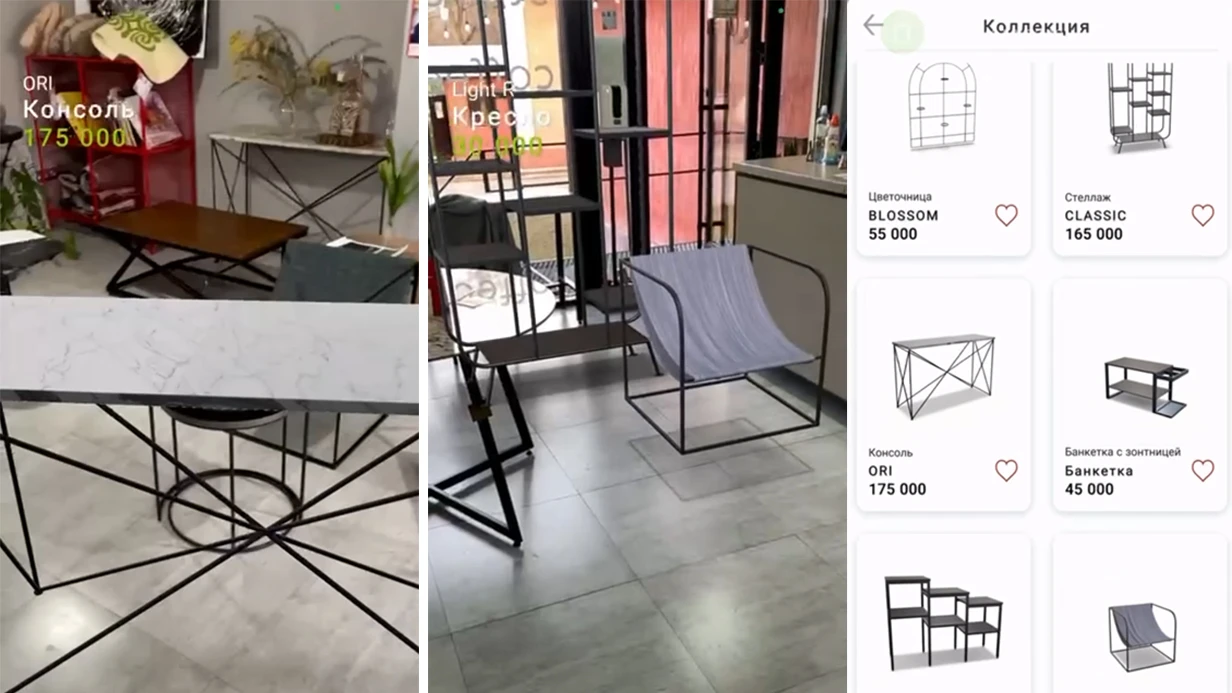
אם אדם צריך "לנסות" שטח עבודה במשרד שלו, מציאות רבודה מספיקה: הוא מכוון את המצלמה ורואה איך שולחנות, מדפים או מחיצות משתלבים בחלל הפנימי הקיים.
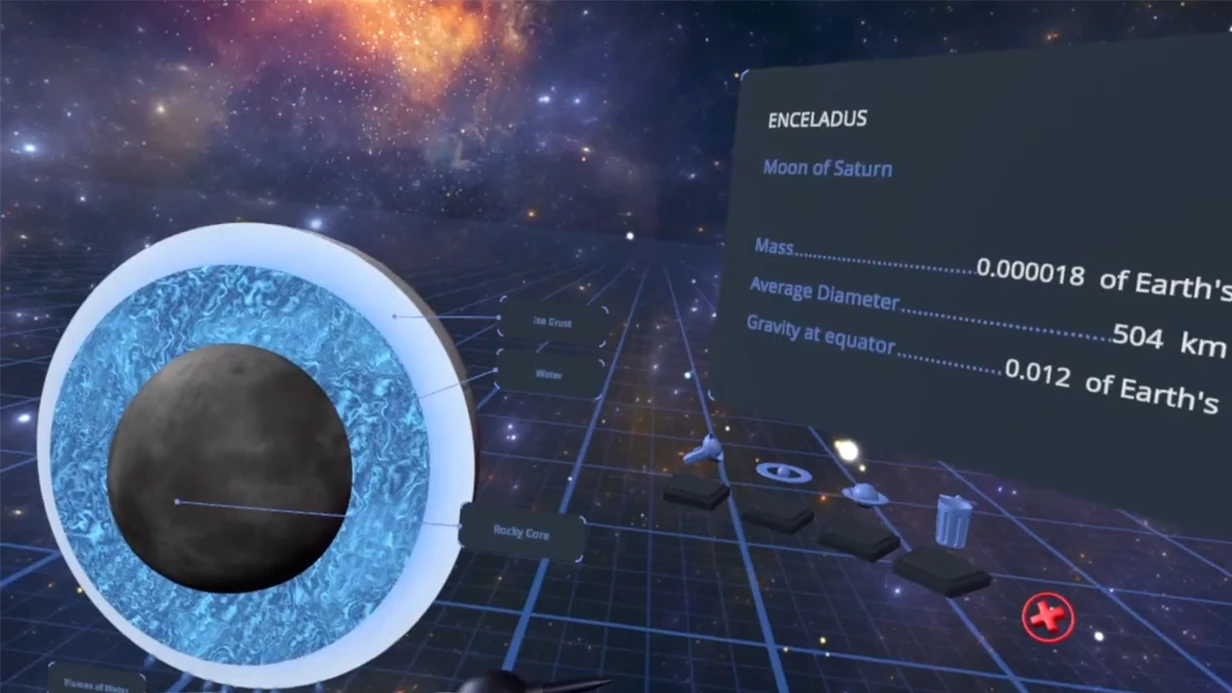
אבל אם אתה צריך להראות חלל חדש לגמרי שעדיין לא קיים, מציאות וירטואלית היא הבחירה הנכונה — היא יוצרת תחושת נוכחות ומאפשרת "להסתובב" במשרד העתידי.
מציאות מעורבת משלבת את שני התרחישים כשחשוב למזג אובייקטים דיגיטליים עם אנשים ודברים אמיתיים, למשל במהלך דיון משותף על הפריסה.
כדי להימנע מבחירה שגויה, שאל את עצמך כמה שאלות: מי ישתמש בפתרון — אדם אחד או עשרות מבקרים; האם התוצאה נדרשת על מסך או רק במשקפיים; באיזו תדירות אתה מתכנן לבצע שינויים.
דרישות נוחות השימוש חשובות כאן יותר ממפרטי ציוד: אם המשתמשים שלך הם עובדים ללא הכשרה טכנית, בחר תרחיש עם הכשרה מינימלית וממשק אינטואיטיבי.
הקריטריון המרכזי הוא לא כמה הפורמט "יפה", אלא התוצאה הסופית: אישור פריסה מהיר יותר, עניין מוגבר בדוכן, זמן קבלת עבודה קצר יותר.
אם אתה לא בטוח, נעזור לך לבחור את הפורמט המתאים למשימה שלך בהתחלה, נציג אפשרויות הדגמה ונתעד את הדרישות בבריף. ככה אתה מקבל פתרון שבאמת עובד בעסק שלך, בלי עיבודים חוזרים או עלויות מיותרות.
התייחסות לספקות נפוצים לפני ההזמנה
לפני הזמנת ויזואליזציית AR של שטח עבודה, ללקוחות יש לרוב ספקות לגבי לוחות זמנים, אפשרות לשינויים ותאימות לציוד. זה נורמלי — אנחנו שומעים את השאלות האלה בכל בריף. אנחנו עונים ישירות ומגבים בערבויות בחוזה.
במשך יותר מ-10 שנים, השלמנו יותר ממאה פרויקטים במציאות רבודה, אז אנחנו יודעים איפה יכולים לצוץ סיכונים. התפקיד שלנו הוא להקל על החרדה לפני ההתחלה ולהפוך את התוצאה לצפויה.
להלן תשובות לשלוש השאלות הנפוצות ביותר. לחץ על שאלה כדי להרחיב את התשובה.
כמה זמן לוקח הפיתוח?
לוחות הזמנים תלויים במורכבות: ויזואליזציית AR סטנדרטית של שטח עבודה אורכת 2–4 שבועות, פרויקטים מורכבים — עד חודשיים. אחרי הבריף, אתה מקבל תוכנית מדויקת עם תאריכים. לוחות הזמנים קבועים בחוזה, ואנחנו מציגים תוצאות ביניים בכל שלב.
מה אם יידרשו שינויים בדרך?
שינויים הם חלק נורמלי מהעבודה. אנחנו מתכננים את הפרויקט באופן אינקרמנטלי, כך שאתה יכול להתאים פרטים בלי לעצור את הפיתוח. אנחנו דנים בכל שינוי, מעריכים את השפעתו על לוחות הזמנים והתוצאה — וממשיכים.
על איזה ציוד הפתרון יעבוד?
אנחנו עובדים עם מכשירים שכבר קיימים אצל העובדים או הלקוחות שלך: סמארטפונים וטאבלטים מודרניים דורשים אין השקעה נוספת. אם אתה צריך משקפי מציאות רבודה, נבחר דגמים תואמים ונעזור ברכישה.
הזמן ויזואליזציית AR של שטח העבודה שלך היום
כדי להזמין ויזואליזציית AR של שטח עבודה, אתה לא צריך להבין בטכנולוגיות ופורמטים. פשוט השאר בקשה לייעוץ — משם, נבהיר את המשימה, נראה דוגמאות רלוונטיות ונציע פתרון שמתאים לתקציב וללוח הזמנים שלך.
התהליך נראה כמו מפת דרכים ברורה:
- בקשה — אתה שולח את פרטי הקשר שלך ומתאר בקצרה את המשימה: סוג החלל, מה צריך להראות ולמי מיועדת הוויזואליזציה.
- ייעוץ — אנחנו מפרקים את תרחיש השימוש: מצגת ללקוח, אישור הנהלה, פורמט תערוכה או הדרכת עובדים.
- הערכת עלות ודוגמאות — אתה מקבל הערכת עלות ומבחר פרויקטים שהושלמו כדי לראות מראש את רמת הפירוט ופורמטי המסירה.
- אישור הזמנה — אנחנו מסכימים על לוחות זמנים והיקף עבודה מדויק, ומגבשים את ההסכמות.
- יישום — אנחנו יוצרים את ויזואליזציית ה-AR, מציגים תוצאות ביניים בשטח העבודה שלך ומבצעים התאמות.
- השקה ותמיכה — אנחנו מוסרים את הפתרון המוגמר, עוזרים לשלב אותו בתהליכים שלך ונשארים בקשר לשיפורים נוספים.
ככה, ויזואליזציית AR הופכת לכלי עבודה: אתה מציג את החלל העתידי לעובדים, לשותפים וללקוחות לפני שמתרחשים שינויים. השאר בקשה לייעוץ — נשלח את הערכת העלות והדוגמאות באותו יום.