



לקוחות לא יכולים לראות איך מערכות אחסון ישתלבו בפנים הבית שלהם
בחירת מערכת אחסון היא תמיד מעשה של דמיון. הלקוח מסתכל על שרטוט או תמונה של ארון ומנסה לדמיין איך הוא ייראה במסדרון, בחדר השינה או בארון הבגדים שלו.
אבל הדמיון של כל אחד עובד אחרת: אדם אחד רואה את התוצאה המוגמרת, ואחר רואה רק קופסה מופשטת עם מדפים.
וברוב המקרים, חוסר הבהירות החזותית הוא זה שגורם לקונה לדחות את ההחלטה, לעבור למתחרה, או לבקש שוב ושוב "להראות עוד אפשרויות."
ללא ויזואליזציה של הפנים, המכירה הופכת לניחוש. הלקוח מטיל ספק בקנה המידה, בצבע, באופן שבו זה יתאים לרהיטים הקיימים שלו, וחושש לטעות במידות.
כל ספק משמעותו זמן ניהול מבוזבז, סבב נוסף של משא ומתן, והסיכון שהקונה ילך למי שטורח להראות את התוצאה לפני הרכישה.
בעיה זו משפיעה הן על קטלוגים מקוונים והן על אולמות תצוגה: אפילו תצוגה חיה לא מראה איך דגם ישתלב בחדר הספציפי שלהם.
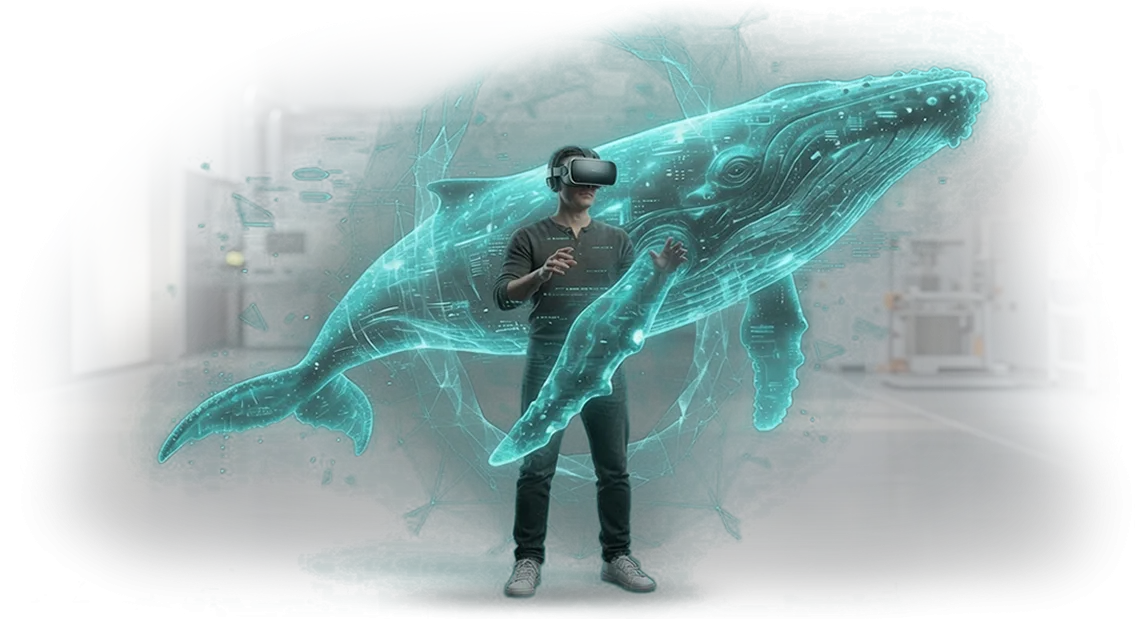
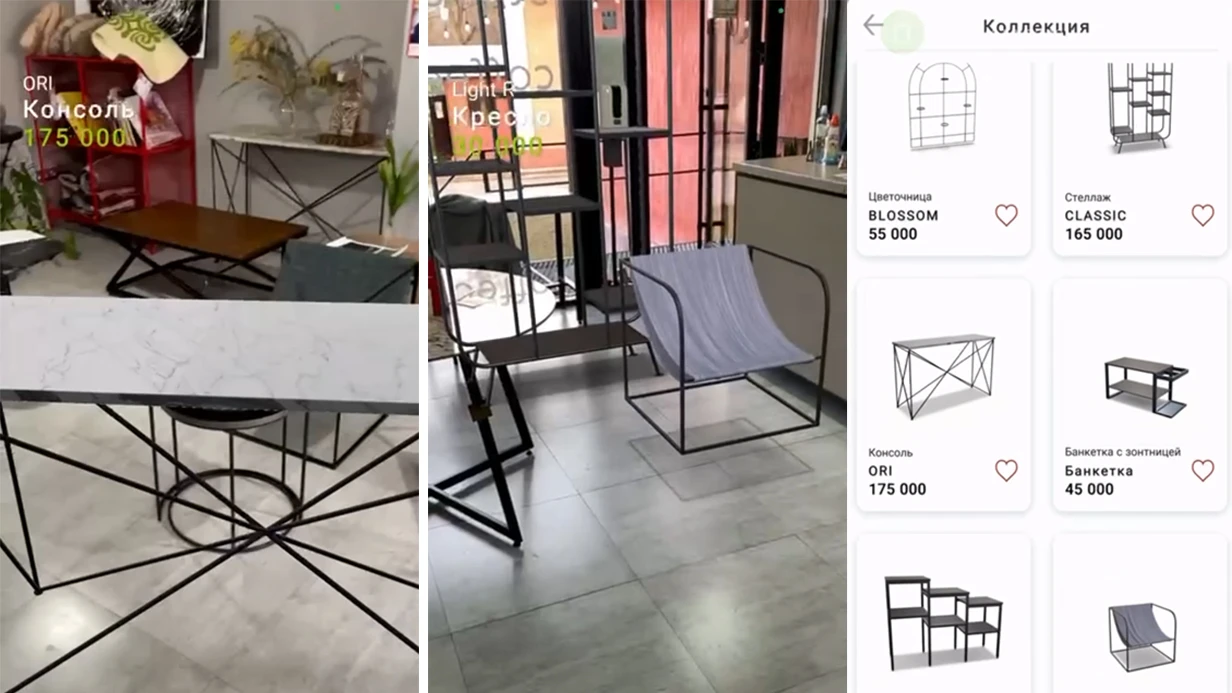
טכנולוגיית המציאות הרבודה מסירה לחלוטין את המחסום הזה. פשוט כוונו את מצלמת הסמארטפון לפינת החדר — ומערכת האחסון שנבחרה מופיעה ממש בחלל של הלקוח, בקנה מידה אמיתי ובהתחשב בתאורה.
AR לרהיטים כבר מזמן חדלה להיות חידוש אקזוטי והיא כיום כלי מכירה עובד שמקצר את הדרך מעניין לרכישה.
הלקוח רואה איך הארון או יחידת המדפים ישתלבו בפנים הבית שלו, מזיז אותם, משנה צבעים וקונפיגורציות — ומקבל החלטה בטוחה.
זה בדיוק מה שאנחנו מביאים לעסק שלכם: אנחנו מתכננים קטלוגים אינטראקטיביים ותצוגות תלת-ממד של מוצרים שעובדות על כל סמארטפון מודרני. במקום תמונות מופשטות — ניסיון חי.
אנחנו, עם ניסיון של למעלה מעשר שנים, עוזרים ליצרנים ולמוכרים של מערכות אחסון להפוך ויזואליזציה של פנים הבית לטיעון המכירה החזק ביותר שלהם. אנחנו מטפלים בנקודת הכאב הזו מקצה לקצה: מהקונספט ועד להשקת פתרון שהלקוחות שלכם ישתמשו בו מדי יום.
מה העסק מרוויח מוויזואליזציית AR של מערכות אחסון
תארו לעצמכם: קונה בוחר ארון בגדים, יחידת מדפים או ארון קיר. הוא מסתכל על תמונות באתר אבל לא יכול לדעת אם המבנה יתאים למסדרון שלו, אם הוא יגרום לחדר להיראות עמוס, או אם הוא יתאים לרהיטים שלו.
בסופו של דבר, הוא דוחה את ההחלטה, משווה עשרות דגמים, ולעתים קרובות נוטש את הרכישה לחלוטין. ואם בכל זאת מוזמנת הזמנה — החזרות אינן נדירות כי המציאות לא תאמה את הציפיות.
ויזואליזציית AR משנה את זה: הלקוח מכוון את מצלמת הסמארטפון שלו לחלל שלו ורואה את מערכת האחסון בקנה מידה מלא. הוא יכול לשנות את הצבע, את הקונפיגורציה ולהזיז את האובייקט. אנשים מבינים בדיוק מה הם יקבלו לפני שהם משלמים — ומקבלים החלטות במהירות.
אנחנו מפתחים פתרונות כאלה עבור יצרנים ומוכרים של מערכות אחסון. הנה מה שזה מביא לעסק שלכם:
- המרת מכירות גבוהה יותר. כשקונה "מנסה" מוצר בפנים הבית שלו, הפחד מטעות נעלם. הזמנות מתבצעות לעתים קרובות יותר ומהר יותר — בהתבסס על הפרויקטים שלנו, ההמרה גדלה פי אחד וחצי עד פי שניים.
- פחות החזרות וביטולים. ויזואליזציה מדויקת מבטלת בעיות עם גודל, צבע וסגנון. לקוחות מתאכזבים פחות מרכישה, מגישים פחות החזרות, ולא משאירים ביקורות שליליות.
- הכרת מותג והגעה חינמית. חוויית לקוח יוצאת דופן עם AR היא משהו שאנשים רוצים לשתף. משתמשים מקליטים את המסכים שלהם, מפרסמים סרטונים במדיה החברתית ומספרים לחברים — המותג זוכה לחשיפה ללא תקציב פרסום.
- ערך הזמנה ממוצע גבוה יותר. כשקונים רואים מערכת אחסון בחלל שלהם כמכלול, הם מוכנים יותר להוסיף מודולים, מדפים ואביזרים נוספים. זה מגדיל את סכום ההזמנה ואת הרווחיות.
יישום ויזואליזציית AR אינו דורש ציוד מורכב מהלקוחות שלכם — מספיק סמארטפון. זוהי דרך מעשית להגדיל מכירות ולהפחית עלויות החזרות. צרו איתנו קשר — נראה לכם דוגמאות ונחשב את ההשפעה עבור מגוון המוצרים שלכם.
פורמטים של ויזואליזציית AR: מאפליקציית מובייל ועד אולם תצוגה VR
כל פורמט ויזואליזציית AR פותר משימה משלו. בתערוכה צריך אפקט של טבילה; באתר, מצגת מהירה וברורה; במדיה החברתית, סיבה לשתף.
אנחנו מתאימים את ויזואליזציית מערכת האחסון לתרחיש שלכם כך שהלקוח יוכל לראות את הארון או יחידת המדפים העתידית שלו בפנים הבית שלו לפני ביצוע הרכישה.
| פורמט | למי | מה זה נותן ללקוח |
|---|---|---|
| אפליקציית מובייל | אולמות תצוגה, חנויות רהיטים, ייעוץ אישי | איש המכירות מראה איך הדגם ישתלב בחדר של הקונה ודן בפרטים במקום |
| ויזואליזציית אינטרנט | אתר חברה, קטלוג | מבקרים "מנסים" את מערכת האחסון בעצמם, ללא שיחות או פגישות — זה עובד מסביב לשעון |
| מסנני AR ומסכות | מדיה חברתית, קמפיינים פרסומיים | תוכן אינטראקטיבי קל שאנשים משתפים בסטוריז, ומשיגים חשיפה ללא תקציב נוסף |
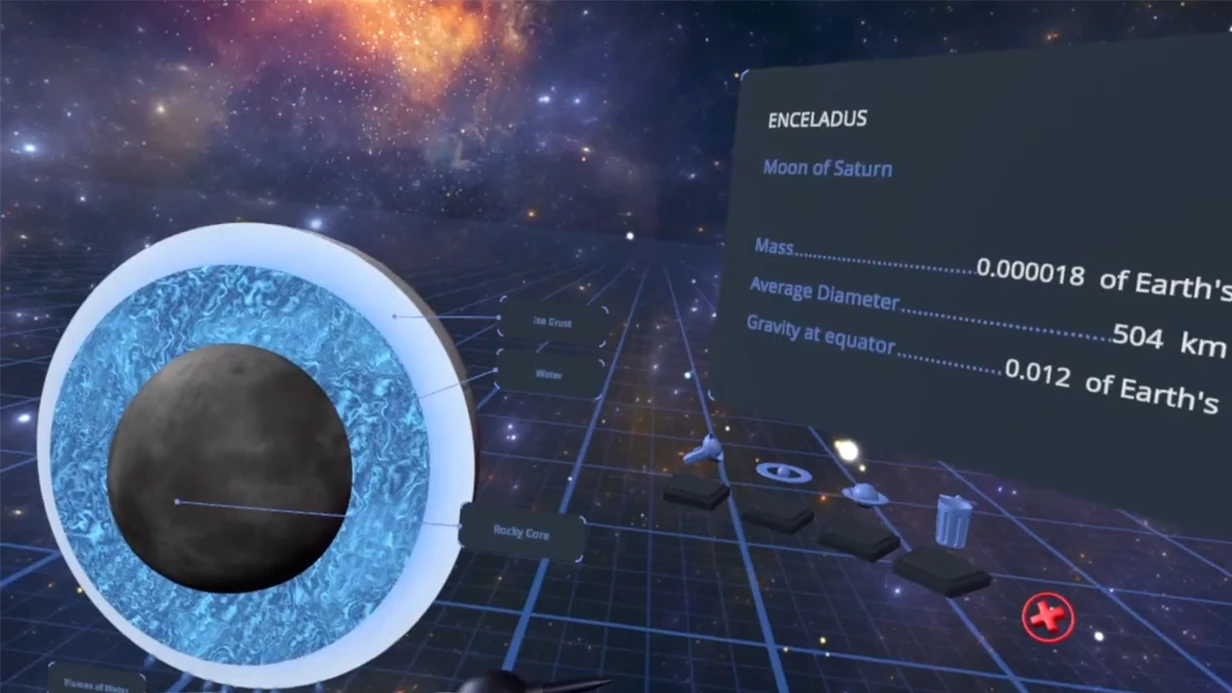
| אולם תצוגה VR | תערוכות, מצגות, אולמות תצוגה | טבילה מלאה: הלקוח "הולך דרך" פנים הבית עם הרהיטים שלכם וזוכר את המותג |
אתם לא חייבים לבחור רק אחד. אפליקציית מובייל עובדת היטב למכירות אישיות, ויזואליזציית אינטרנט מכסה את מבקרי האתר, ואולם תצוגה VR עושה רושם באירועים.
אנחנו נעזור לכם להרכיב סט של פורמטים שמתאים לתקציב ולמטרות שלכם — מפתרון יחיד ועד חבילה מלאה שעובדת בכל שלב של המכירה.
השוואת פורמטים לפי קריטריונים מרכזיים
בחירת פורמט ויזואליזציית AR קובעת ישירות כמה מהר ובאיזו רחבה מערכת האחסון שלכם תודיע על עצמה.
חלק מהפורמטים משיגים חשיפה מקסימלית ללא עלויות התקנה, אחרים מספקים מעורבות עמוקה של הלקוח, ואחרים יוצרים אפקט "וואו" בשטח. כדי לשמור על פשטות, ריכזנו את ההבדלים המרכזיים בטבלה אחת.
ההשוואה מכסה שלושה קריטריונים: חשיפה לקהל, מורכבות היישום, וסוג העסק המתאים ביותר לכל פורמט.
| קריטריון | AR מבוסס דפדפן (ללא התקנה) | אפליקציית מובייל | אזור AR באתר |
|---|---|---|---|
| חשיפה לקהל | מקסימלית: נפתח דרך קישור או קוד QR | מוגבלת: דורשת הורדת אפליקציה | מקומית: עובד רק בנקודת המכירה |
| מורכבות היישום | נמוכה: משתלב עם אתר, קטלוג, קמפיינים במייל | בינונית: פיתוח, פרסום, עדכונים | גבוהה: ציוד, התקנה, כוח אדם |
| המתאים ביותר עבור | חנויות מקוונות, קטלוגים, מרקטפלייסים, קמפיינים פרסומיים | רשתות קמעונאיות, תוכניות נאמנות, לקוחות חוזרים | אולמות תצוגה, תערוכות, מצגות, אירועים |
תנו למטרה המרכזית שלכם להנחות אתכם. אם המטרה שלכם היא להראות מערכת אחסון לכמה שיותר קונים ולהתגבר על ההתנגדות "איך זה ייראה בבית שלי", לכו עם הפורמט מבוסס הדפדפן.
אפשר לחבר אותו תוך כמה ימים והוא מתחיל לעבוד עם הקהל הקיים שלכם ללא צעדים נוספים מצד הלקוח.
לעבודה עם לקוחות חוזרים, שבהם ביקורים חוזרים והתאמה אישית חשובים, אפליקציה מתאימה יותר.
ואם אתם מתכננים אירוע, אולם תצוגה או דוכן תערוכה, אזור AR יוצר תחושת נוכחות ומחזיק את תשומת הלב של המבקר פי 3–5 יותר מאשר מסך רגיל. המפתח הוא לא לנסות לעשות הכל בבת אחת.
רשימת בדיקה לבחירת פורמט:
- הגדירו את המטרה שלכם: חשיפה רחבה, עבודה עם לקוחות נאמנים, או אפקט אירועי.
- העריכו את המשאבים שלכם: תקציב ולוח זמנים. הפורמט מבוסס הדפדפן מתחיל הכי מהר.
- בדקו עם משתמשים אמיתיים: הראו לשניים או שלושה קונים ואספו משוב.
- בקשו פרויקט הדגמה — תראו את התרחיש במו עיניכם ותקבלו החלטה ללא סיכון.
איך הפרויקט מתנהל: מבריף ועד השקה
בנינו את תהליך פרויקט ה-AR עבור מערכות אחסון כך שתוכלו להיות בטוחים בתוצאה. להלן שלבי הפיתוח שאנחנו עוקבים אחריהם עם כל לקוח. אתם מעורבים בהחלטות מפתח, כולל אישורי עיצוב, ותמיד יודעים מה קורה. גישה זו מאפשרת לכם לראות את המוצר העתידי מראש ולהימנע מעבודות חוזרות יקרות.
-
בריף וגילוי. אנחנו לומדים את מערכות האחסון, הפנים והקהל שלכם. אתם מקבלים תוכנית ברורה עם שלבים ולוחות זמנים.
-
קונספט ותרחישים. אנחנו מציעים כיצד הלקוח יתקשר עם ויזואליזציית ה-AR. בשלב זה קל להתאים את הרעיון לפני תחילת הפיתוח.
-
אב טיפוס ומודל תלת-ממד. אנחנו יוצרים תמונה ראשונית של הפנים עם מערכת האחסון. אתם רואים איך התוצאה תיראה ומבצעים עריכות.
-
אישור עיצוב. אנחנו מחדדים את המראה החזותי והלוגיקה בפירוט. אתם מאשרים את אבות הטיפוס — ורק אז מתחיל הפיתוח.
-
פיתוח ובדיקות. אנחנו בונים את האפליקציה על ציוד מקצועי ובודקים אותה על מכשירים שונים. אתם מקבלים מוצר יציב ללא דאגות.
-
השקה ותמיכה. פרסום, הדרכת צוות ותמיכה שוטפת. לאחר השחרור, אנחנו נשארים בקשר ומעדכנים את האפליקציה לפי בקשותיכם.
מה כלול בתוצרי הפרויקט: חבילה מלאה לשיווק שלכם
אתם מקבלים יותר מסתם אפליקציית AR — אתם מקבלים כלי מוכן למכירת מערכות אחסון.
אנחנו מוסרים סט מלא של נכסים, הוראות והדרכה כדי שתוכלו להשתמש בויזואליזציה באולם התצוגה, באתר ובמצגות מחוץ לאתר מהיום הראשון — ללא מעורבות של מפתחים.
הנה מה שכלול בתוצרי הפרויקט:
- קבצי מקור ומודלים תלת-ממדיים של מערכות האחסון שלכם. אתם נשארים הבעלים של כל החומרים — תוכלו להעביר אותם למעצבים או להשתמש בהם לחומרים מודפסים.
- אפליקציית AR עובדת לסמארטפונים וטאבלטים. הלקוח או המנהל מכוונים את המצלמה — ומערכת האחסון מופיעה בפנים הבית האמיתי: ארון, יחידת מדפים, ארון בגדים, מודול מטבח.
- הוראות השקה והתקנה. מדריכים ברורים, שלב אחר שלב: איך להדגים את הוויזואליזציה למבקרים, איך להטמיע אותה באתר או במדיה החברתית, איך להכין חדר לצילום.
- הדרכת צוות. אנחנו מקיימים מפגש הדרכה למנהלים ומשווקים: הם ילמדו להראות ללקוחות איך מערכת אחסון תיראה בביתם. זה מפחית תלות בתמיכה טכנית ומאיץ מכירות.
- חבילת שיווק. צילומי מסך, סרטונים וטקסטים מוכנים לאתר, למצגות ולפרסומות. אתם לא צריכים להבין איך להציג AR — פשוט השתמשו בחומרים המוכנים.
- תמיכה טכנית לאחר ההשקה. אנחנו עונים על שאלות, מלווים את ההדגמות הראשונות ועוזרים עם כל ניואנס. התמיכה כלולה בפרויקט.
החבילה המלאה מאפשרת לצוות שלכם להפעיל את ה-AR במהירות: מנהלים מדגימים מערכות אחסון בתלת-ממד, השיווק מקבל תוכן מוכן, ולקוחות מקבלים תמונה ברורה של הרהיטים העתידיים שלהם. אתם לא צריכים להבין בטכנולוגיה — הכל כבר ארוז ומופעל.
מקרה בוחן: איך ויזואליזציית AR הגדילה את המכירות של מפעל רהיטים ב-30%
מפעל רהיטים התמודד עם נקודת כאב טיפוסית: לקוחות לקחו זמן רב בבחירת מערכות אחסון אבל לא יכלו לדמיין איך ארון או יחידת מדפים ישתלבו בחדר שלהם.
תמונות הקטלוג לא העבירו תחושת קנה מידה, כך שההחלטות נדחו, וחלק מההזמנות הלכו למתחרים שהציעו דוגמאות "חיות". הצענו לסגור את הפער הזה עם ויזואליזציית AR.
לפרויקט הפיילוט, בחרנו קו של מערכות אחסון מודולריות. הלקוח מכוון את מצלמת הסמארטפון שלו לקיר ריק ורואה דגם ארון בגודל אמיתי: הוא יכול לפתוח את הדלתות, להסתכל פנימה, לשנות את צבעי החזית ולסדר מחדש את המדפים.
זה הופך את הבחירה ממופשטת לפעולה ברורה ומוחשית. המותג הראשון שהשיק את הוויזואליזציה הזו היה МебельПро — הם הסכימו לבדוק את הפורמט עם לקוחות אמיתיים.
תוצאות היישום עלו על הציפיות. ברבעון הראשון, מכירות מערכות האחסון בהזמנה אישית גדלו ב-30%, החשבון הממוצע גדל ב-18%, וההחזרות עקב "זה לא תואם את המידות" כמעט נחתכו בחצי.
מנהלים הפסיקו לבזבז שעות בהסברים בטלפון — הלקוח רואה מה מתאים לו מיד.
התוצאה החשובה ביותר לעסק היא שהפרויקט המוצלח לא נשאר מבצע חד-פעמי. ויזואליזציית AR הפכה לחלק קבוע ממצגת המכירה: היא מוטמעת באתר ומשמשת באולם התצוגה.
קונים ש"ניסו" רהיטים במציאות רבודה חוזרים להזמנות חוזרות — הם כבר לא צריכים לנסוע לאולם התצוגה כדי לבדוק איך זה יתאים לחדר חדש. כלי אחד הגדיל הן את המכירות הראשוניות והן את נאמנות הלקוחות.
שאלות נפוצות על יישום ויזואליזציית AR
יישום ויזואליזציית AR עבור מערכות אחסון נראה מסובך רק עד ההשקה הראשונה. במציאות, זה כלי עובד שעוזר ללקוחות "לנסות" ארון, ארון בגדים או מזווה לפני ההזמנה.
חששות לגבי מורכבות ולוחות זמנים נובעים בדרך כלל מחוסר ידע בפרטים — אז ריכזנו כאן תשובות לשאלות המרכזיות.
כמה זמן ייקח היישום?
בדרך כלל בין כמה ימים לשבועיים, תלוי במספר התרחישים. אנחנו עושים הכל במפתח אחד: אתם מקבלים אפליקציה מוכנה שהצוות שלכם יכול להשתמש בה בטאבלטים ובטלפונים ללא כישורים מיוחדים.
מה אם הציוד ייכשל באירוע?
אנחנו עובדים עם חומרה מקצועית המיועדת לעומסים גבוהים ותמיד תומכים בהשקה. אם משהו משתבש, המהנדס שלנו פותר את הבעיה במהירות, והתמיכה הטכנית נשארת במקום גם לאחר מסירת הפרויקט.
כמה זה עולה?
העלות דומה להשכרת דוכן תערוכה, אבל ההשפעה נמשכת הרבה יותר: ויזואליזציית AR משמשת באולם התצוגה, בתערוכות ובמהלך ייעוץ מקוון.
הכלי מחזיר את עצמו באמצעות הגדלת הזמנות, מכיוון שהלקוח רואה את התוצאה העתידית לפני ביצוע הרכישה.
האם הצוות שלנו יתמודד עם הפורמט החדש?
הממשק בנוי על מחוות פשוטות: סיבוב, הזזה, החלפת חזית. הצוות שלכם מודרך תוך שעה, ובתוך יום הכל מתנהל כרגיל.
מה אם יש לכם דרישות ספציפיות לפרויקט שלכם?
ללקוחות עם משימות לא סטנדרטיות בדרך כלל הכי קשה למצוא קבלן: הצעות מוכנות לא מתאימות, וספקים לא רוצים לצאת מהפתרונות המוכנים שלהם.
זהו תרחיש נפוץ בוויזואליזציית AR — במיוחד כשמדובר במערכות אחסון, שבהן הניואנסים של חלל ספציפי, חומרים ומטרות עסקיות חשובים.
אנחנו בונים במודע את העבודה שלנו כך שדרישות אישיות לא הופכות למכשול אלא הופכות ליתרון תחרותי.
פרויקט AR לא סטנדרטי אינו "מקרה קשה" עבורנו — זו משימה שגרתית: אנחנו מתאימים את הפונקציונליות לתהליכים ולתרחישי השימוש שלכם במקום להציע פתרון "ארוז" שתצטרכו לחדד על חשבונכם.
אם אתם צריכים להראות ללקוח איך דגם ארון ספציפי ישתלב בפנים הבית שלו, או להדגים מגוון מוצרים בפריסה יוצאת דופן — אנחנו מעצבים את הממשק והלוגיקה סביב התרחיש הזה.
ציוד מקצועי וכלים מעודנים מאפשרים לנו ליצור אבות טיפוס במהירות ולבצע שינויים מבלי למתוח את לוח הזמנים. אתם לא מבזבזים זמן בהסבר "למה אי אפשר" — אנחנו מחפשים דרכים להפוך את זה לנוח ונכון עבור הלקוח שלכם.
אז אם יש לכם משאלות ספציפיות לוויזואליזציית מערכת אחסון, אל תהססו להשמיע אותן. ככל שתספקו יותר פרטים בשלב הבריף, כך נתאים את הפתרון בצורה מדויקת יותר לתהליכים העסקיים האמיתיים שלכם.
התאמת הפרויקט מתרחשת בכל שלב — מפיתוח התרחיש ועד לליטוש הסופי — כך שהתוצאה תואמת לחלוטין את ציפיות הלקוחות שלכם ומספקת ערך מדיד לכם.
האם נדון בפרויקט שלכם? נשמח לייעץ
השאירו פנייה באתר שלנו — ואנחנו נייעץ לכם על הפרויקט, נחשב את העלות ונציע פתרון המותאם למטרותיכם.
אנחנו מתמחים בוויזואליזציית AR של מערכות אחסון לפנים הבית: ארונות, ארונות הזזה, ארונות בגדים, יחידות מדפים. במשך למעלה מ-10 שנים, אנחנו עוזרים ליצרני ומוכרי רהיטים להציג מוצרים כך שלקוחות אומרים "כן" כבר בקטלוג.
מה תקבלו לאחר פנייה:
- הערכת פרויקט מדויקת ואומדן עלות פיתוח — ללא עמלות נסתרות או עבודה מיותרת.
- פורמט ויזואליזציה המותאם לתקציב ולמטרות העסקיות שלכם: מקטלוג מובייל ועד קונפיגורטור תלת-ממד מלא.
- מקרי בוחן מוכנים לחברות רהיטים ויצרני מערכות אחסון — ראו איך AR עוזר להגדיל המרה.
- לוח זמנים ותוכנית יישום — תדעו מתי תקבלו את התוצאה המוגמרת ותוכלו להשיק את הפרסום שלכם.
- המלצות לשילוב הוויזואליזציה בחנות המקוונת, באולם התצוגה או במצגת — כך שקונים יראו מיד את המוצר בחלל שלהם.
- תמיכה בכל שלב: מקונספט ועיצוב ועד השקה ותמיכה טכנית.
- תשובות לשאלות על ציוד ודרישות לקוח — כך שהלקוחות שלכם ימצאו את זה קל לשימוש.
הצעד הראשון פשוט, והערך מיידי. השאירו פנייה לייעוץ AR, ונחזור אליכם תוך יום עסקים אחד. נדון בפרויקט שלכם, נעזור להעריך את העלות ונראה לכם את הדרך המהירה ביותר לתוצאות — ללא התחייבויות וללא מקדמה.