



קונים לא יכולים לראות איך רהיטי פינת אוכל ייראו בביתם
כאשר אדם בוחר רהיטי פינת אוכל בקטלוג מקוון, המחסום העיקרי הוא לא המחיר ולא המבחר, אלא חוסר היכולת לדמיין את הפריט בתוך הפנים שלו.
תמונות על רקע ניטרלי או בסביבת סטודיו נראות יפה, אבל הן לא עונות על השאלה המרכזית: "איך השולחן הזה ייראה בפינת האוכל שלי, ליד הארון שלי ומול הטפט שלי?" הקונה מתחיל להתלבט, גולש בין אפשרויות, דוחה את ההחלטה — ולעתים קרובות עוזב למתחרה שהצליח להציג את המוצר בצורה חיה יותר.
עבור עסק רהיטים, ספקות כאלה הופכים להפסדים ישירים. אחוז נמוך של רכישות שהושלמו, עגלות נטושות, ואחרי המשלוח — גם החזרות, כי בחדר אמיתי המוצר נראה שונה מאשר בתמונה. כל מקרה כזה פוגע באמון בחנות ופוגע ברווחים.
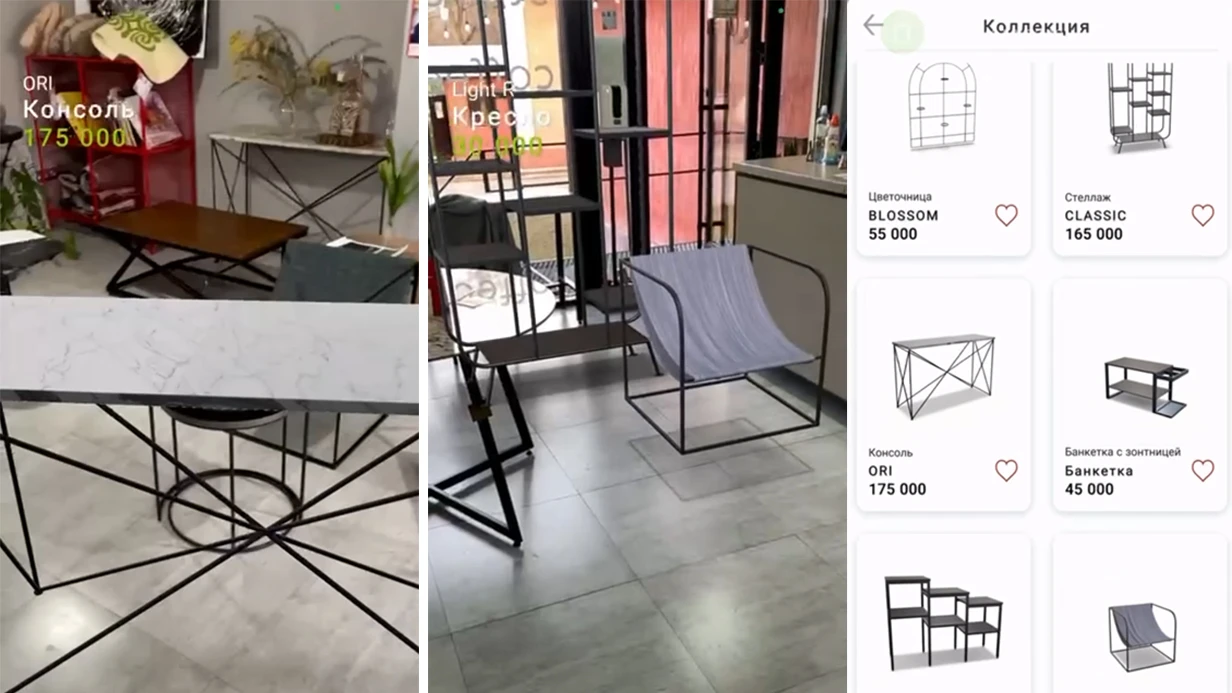
מציאות רבודה לקטלוג פותרת את הבעיה הזו. הקונה מכוון את מצלמת הסמארטפון שלו אל פינת האוכל, והרהיט שנבחר מופיע ישירות בחדר בקנה מידה מלא.
אפשר לראות איך השולחן משתלב עם הרצפה והתאורה, האם הוא נכנס בנישה, והאם הוא מעמיס על החלל. זה הופך רכישה מהגרלה להחלטה מודעת.
אנחנו יוצרים פתרונות כאלה לקטלוגי רהיטים. ויזואליזציית הרהיטים המוגדרת עובדת על כל סמארטפון מודרני ללא אפליקציות מיוחדות או הדרכה. שלבו אותה בקטלוג שלכם — והקונים יפסיקו להתלבט, אחוז ההחזרות ירד, ואמון המותג יגדל. זה בדיוק מה שאנחנו עושים: אנחנו הופכים ספקות של קונים לרכישות בטוחות.
מה הוויזואליזציה נותנת בכל שלב של הבחירה
נקודת הכאב המרכזית עבור קונה רהיטי פינת אוכל היא חוסר הוודאות בבחירה. כאשר הם רואים איך סט נראה בפנים שלהם, הספקות נעלמים. במקום תמונה מופשטת מהקטלוג, יש סצנה ריאליסטית עם הטפט, התאורה והפריסה שלהם.
זה מסיר את המחסום המרכזי: הפחד ש"זה ייראה אחרת במציאות." ההמרה בקטלוג גדלה — יותר פניות ורכישות מהניסיון הראשון.
טעות בקנה מידה או בצבע היא סיבה נפוצה להחזרות שפוגעות ברווחיות. ויזואליזציית AR מראה פרופורציות אמיתיות: הקונה רואה אם שולחן אוכל לשישה אנשים יתאים או אם יהיה יותר מדי מקום פנוי.
הם מקבלים החלטה מושכלת, כך שאחרי קבלת הרהיט אין הפתעות לא נעימות. זה חוסך בתקציב הלוגיסטיקה ומגן על המוניטין של החברה.
מעט יצרנים וחנויות מציעים כלי "לנסות רהיט על עצמך." מי שעושה את זה ראשון נזכר לאורך זמן ובולט בין המתחרים.
הקונים עצמם משתפים תמונות וסרטונים של הוויזואליזציה ברשתות החברתיות — זו חשיפה חינמית ואמון מותגי הולך וגדל. הקונה מגיע כבר "מאוהב" במודל ספציפי ומשווה מחירים פחות.
ויזואליזציה אומניצ'אנלית — חוויה אחידה בכל הערוצים, מהאתר והאפליקציה הניידת ועד לטאבלט של היועץ בחנות — מעצימה את האפקט. קונה יכול להתחיל את הניסיון בבית, להמשיך באולם התצוגה, ולהשלים את ההזמנה באינטרנט. זה מגדיל את ההמרה בכל שלב: מהמגע הראשון ועד לרכישה חוזרת.
פורמטי תצוגת AR לרהיטי פינת אוכל: קטלוג, ניסיון בפנים
בחירת הפורמט תלויה במשימה שריהוט פינת האוכל פותר: להציג מבחר רחב, לעזור לדמיין את המוצר בחלל אמיתי, או להחזיק את תשומת הלב של מבקר בנקודה פיזית. אנחנו מכסים את כל שלושת התרחישים — אתם מקבלים פתרון לערוץ המכירות שלכם, לא "סתם אפליקציה."
הנה פורמטי תצוגת ה-AR הבסיסיים שאנחנו מתאימים לקולקציה ספציפית ולתהליכים עסקיים. הם מכסים את מסע הקונה מהמפגש הראשון עם דגם ועד להחלטת הרכישה.
| פורמט | למי | מה זה נותן לקונה |
|---|---|---|
| קטלוג אינטראקטיבי | חנות מקוונת, אתר יצרן רהיטי פינת אוכל | הקונה צופה במודלים בתלת-ממד, משנה צבע וחומר — הם לא עוזבים לאתר אחר בחיפוש אחר "מראה אמיתי." הזמן בדף וחלק הפניות גדלים. |
| ניסיון רהיט בפנים | חנות עם משלוח והרכבה, מרקטפלייס | הקונה "ממקם" שולחן אוכל וכיסאות בחדר שלהם באמצעות מצלמת הסמארטפון. הם רואים קנה מידה אמיתי, בודקים התאמה עם טפט ותאורה — פחות החזרות ומחלוקות על צבע. |
| תצוגת AR לנקודה פיזית | אולם תצוגה, סלון רהיטים, תערוכה | מבקר מכוון את המצלמה לסמן או פוסטר ו"מסדר" רהיטים בבית. זו חוויה מרשימה שנזכרת ומעוררת פוסטים ברשתות החברתיות — חשיפה נוספת למותג שלכם. |
כל אחד מהפורמטים יכול להיות משולב באתר שלכם, בגרסה הניידת או בטאבלט של יועץ המכירות. במידת הצורך, אנחנו משלבים קטלוג וניסיון בממשק אחד: הקונה בוחר תחילה דגם ואז מיד צופה בו בחדר שלהם — ללא הורדת אפליקציות נפרדות.
תצוגת AR קומפקטית תופסת מקום מינימלי באולם המכירות ועובדת על סמארטפון רגיל ללא ציוד נוסף. זו הדרך הקלה ביותר לנסות את הטכנולוגיה על קולקציה אחת ואז להרחיב אותה לכל המבחר.
איך הפרויקט מתנהל: בריף, אישור, השקה ותמיכה
אנחנו מבנים את העבודה כך שבכל שלב אתם מבינים מה קורה ומה אתם מקבלים כתוצאה. אין צורך להבין בטכנולוגיות — בריף קצר, כמה אישורים ובדיקה סופית בסמארטפון שלכם מספיקים.
- בריף קצר. אתם עונים על 5–7 שאלות: אילו דגמי רהיטי פינת אוכל אנחנו מציגים, איפה הקונים יראו אותם, ואיזה פנים קרוב יותר לקהל שלכם. זה לוקח לא יותר מ-15–20 דקות.
- בחירת תרחישי תצוגה. יחד אנחנו מחליטים איך הקונה יפתח את ויזואליזציית ה-AR: דרך כפתור בקטלוג, מברקוד על התג, או דרך קוד QR בפרסומת. הפורמט תלוי בזה, אבל לא העלות שלו.
- אישור פריסת הפנים. אנחנו מכינים חדר וירטואלי לרהיטים שלכם: סגנון, תאורה, גימור. אתם מסתכלים על צילומי מסך ומאשרים את הפריסה — רק אחרי זה אנחנו מתחילים למלא אותה בדגמים.
- יצירת מודלי תלת-ממד של רהיטים. אנחנו מעבירים את המוצרים שלכם לצורה דיגיטלית: פרופורציות מדויקות, מרקמי עץ, בדים, אביזרים. המודל נראה טבעי ליד סביבה אמיתית.
- הרכבה ובדיקה. אתם מקבלים קישור, פותחים את הוויזואליזציה במכשיר שלכם ורואים איך השולחן או הכיסא משתלבים בחדר. בשלב הזה קל לבצע עריכות — לשנות צבע, גודל או מיקום.
- השקה. אנחנו ממקמים את הוויזואליזציה במקום שסוכם: באתר, בקטלוג או באפליקציה. אנחנו מכינים הוראות קצרות למנהלים שלכם כדי שיוכלו לעזור לקונים להבין איך זה עובד.
- תמיכה לאחר ההשקה. אנחנו מייעצים, מתקנים פרטים ומוסיפים דגמים חדשים באותו פורמט. אם שולחן חדש יופיע בעוד כמה חודשים, נוסיף אותו ללא עיבוד מחדש של כל הוויזואליזציה.
הליך זה מגן גם עליכם וגם עלינו: אתם יודעים מראש מה תקבלו, ואנחנו לא מבזבזים תקציב על עיבודים חוזרים עקב אי-הבנות. בכל שלב אתם מקבלים החלטה — התהליך נשאר שקוף והתוצאה צפויה.
מה אתם מקבלים כתוצאה משיתוף הפעולה
הכנו חבילת מסירה שמכסה הכל — מאפליקציה מוכנה לשימוש ועד להדרכת העובדים שלכם. אתם מקבלים לא רק תוכנה, אלא כלי עבודה נתמך בתיעוד וידע. להלן רשימת בדיקה של מה כלול בתוצאת שיתוף הפעולה.
- אפליקציית AR עובדת לוויזואליזציה של רהיטי פינת אוכל בפנים. היא כבר מנוקה באגים ומוכנה לשימוש: קונים יוכלו למקם את השולחן הנבחר בחדר שלהם ולהעריך איך הוא משתלב עם טפט, רצפה ופריטים אחרים.
- קוד מקור וכל חומרי הפרויקט. שקיפות מלאה ועצמאות — אתם יכולים לפתח את הפתרון עם כל צוות או קבלן ללא תלות בנו.
- תיעוד ברור — הוראות להתקנה, מילוי קטלוג הרהיטים ופרסום עדכונים. העובדים שלכם יבינו אותו במהירות ללא ייעוץ נוסף.
- הדרכת צוות — נערוך סדנה למנהלים ומנהלי מערכת: איך לעבוד עם האפליקציה, להעלות דגמים חדשים, להגדיר סצנות ולעזור לקונים לבחור רהיטים.
- תמיכה במהלך ההשקה — בימים הראשונים לאחר המסירה אנחנו זמינים, עוזרים לשלב את הפתרון בתהליכי העבודה ועונים על שאלות במהירות.
- אחריות ופוסט-פרודקשן — אנחנו קובעים התחייבויות בחוזה, ואחרי קבלת העבודה מבצעים התאמות נדרשות ללא אישורים ארוכים.
חבילה זו מאפשרת לכם להשיק ויזואליזציית AR מבלי לעצור תהליכי עבודה: כל מה שצריך כבר מחושב ומועבר אליכם יחד עם האפליקציה.
תוצאה ליצרן אמיתי: דוגמה ומספרים
יצרן רהיטי פינת אוכל MebelGrad פנה אלינו עם נקודת כאב ברורה: הקטלוג מוכר תמונות מושכות היטב, אבל אחרי המשלוח, כל הזמנה חמישית הוחזרה — השולחן "לא מתאים לפנים." השקנו עבורם ויזואליזציית AR: הקונה פותח את האתר, מכוון את המצלמה אל פינת האוכל וממקם את הדגם הנבחר בקנה מידה אמיתי. אחרי שלושה חודשים אספנו את המדדים — והנה מה שקרה.
מספרים אחרי ההשקה
-
צפיות בקטלוג הוכפלו — אנשים הפסיקו לגלול בין כרטיסים; הם התחילו "לנסות" רהיטים. הזמן הממוצע באתר גדל, ופריטים שאיש לא פתח קודם החלו לקבל 60% יותר צפיות.
-
ההמרה לפניות עלתה ב-34% — כאשר קונה רואה את השולחן בחדר שלהם, הם מפסיקים להתלבט. פחות נטישות עגלה, יותר פניות ממוקדות מאותם ערוצי פרסום, ללא הגדלת תקציב התנועה.
-
החזרות עקב "לא תואם לסגנון" ירדו ב-40% — עם קטלוג ה-AR, הקונה מקבל תמונה ריאליסטית של הגודל והצבע לפני הקנייה.
זה חסך כסף בלוגיסטיקה הפוכה והפחית את העומס על המחסן, והמנהלים הפסיקו לבזבז זמן על אישורים חוזרים של הזמנות.
אחרי התוצאות האלה, הלקוח הזמין ויזואליזציית AR לשתי קווי מוצרים נוספים — הפעם ללא בדיקות פיילוט. עבור עסק רהיטים, זה לא קישוט אתר אלא כלי מכירות שמחזיר את ההשקעה מהר יותר מקמפיין פרסומי.
איך לבחור את הפורמט הנכון למשימה שלכם?
אין פורמט אוניברסלי — הוא נקבע לפי המשימה ותקציב הפרויקט. אם אתם צריכים להכיר לקונה במהירות מבחר רחב של רהיטי פינת אוכל, קטלוג AR מספיק.
אם חשוב להסיר ספקות לפני קניית סט יקר, ניסיון וירטואלי יתאים. ולקראת השקת מוצר חדש או אירוע, פתרון פרומו עם אפקט מעורבות.
| פורמט | מתי הוא מתאים | מה זה נותן לקונה |
|---|---|---|
| קטלוג AR | מבחר גדול, בחירה מהירה, תקציב מוגבל | הקונה רואה את הדגם על רקע המטבח שלהם, משווה אפשרויות מבלי לצאת מהבית, פחות החזרות |
| ניסיון וירטואלי | רהיטים יקרים או מותאמים אישית, מחזור מכירות ארוך | ביטחון ברכישה, פחות ספקות, המרה גבוהה יותר וערך הזמנה ממוצע גבוה יותר |
| פתרון פרומו | השקת קולקציה, תערוכה, טעימות, פתיחת אולם תצוגה | רגשות אורחים מרשימים, תמונות בלתי נשכחות, חשיפה ויראלית ברשתות החברתיות והכרה מוגברת |
לכל משימה, אנחנו בוחרים פורמט שמתאים לתקציב. הקטלוג נותן התחלה מהירה וחשיפה, הניסיון נותן עומק עיבוד ומכירות, והפרומו נותן אפקט תדמיתי ופינה חדשותית.
בייעוץ, אנחנו עוזרים לכם לבחור את האפשרות למטרה שלכם — למכור יותר, להגביר נאמנות או להצהיר הצהרה נועזת למותג. היקף העבודה, לוח הזמנים ועלות הפרויקט תלויים בזה.
אנחנו עונים על חששות נפוצים לפני תחילת פרויקט
לפני תחילת פרויקט, אנחנו כמעט תמיד שומעים את אותן שאלות. לוחות זמנים, מורכבות יישום, ריאליזם תמונה — חשוב להבין מראש מה תקבלו וכמה מהר. להלן אנו עונים בכנות על החששות המרכזיים כדי שההחלטה תהיה מושכלת.
כמה זמן לוקח פיתוח ויזואליזציית AR לרהיטי פינת אוכל?
הכל תלוי במספר הדגמים והתרחישים. לפרויקט טיפוסי, זה לוקח 3 עד 6 שבועות. חשוב לציין, אתם מקבלים לא תוכנה "גולמית" אלא פתרון מוכן שניתן להשתמש בו מיד בחנות או בתערוכה. אנחנו קובעים את לוח הזמנים בחוזה ומציגים תוצאות ביניים שלב אחר שלב.
כמה קשה היישום לעובדים?
הממשק ברור ללא הכשרה מיוחדת: מנהל בוחר דגם, ממקם אותו בחדר ומשנה אותו בכמה קליקים. ההדרכה אורכת לא יותר משעה, ובמידת הצורך אנחנו מעבירים אותה לכל הצוות. כך שהעובדים שלכם יתחילו להשתמש בוויזואליזציה כבר ביום הראשון.
האם התמונה תהיה ריאליסטית מספיק?
כן, התמונה קרובה ככל האפשר למוצר הרהיט האמיתי. אנחנו משתמשים בציוד מקצועי ובהגדרות עיבוד מוכחות כדי להעביר מרקם עץ, תאורה וקנה מידה. תראו מראש איך שולחן או כיסאות מסוימים משתלבים בפנים.
האם אתם יכולים להשתמש בוויזואליזציה הקיימת שלנו?
כמובן. אם כבר יש לכם מודלי תלת-ממד או תמונות, אנחנו מתאימים אותם ל-AR. זה חוסך תקציב וזמן, והתוצאה נשארת אחידה. בהתבסס על מה שכבר קיים, נציע את הדרך האופטימלית לשיפור.
אילו ערבויות לתוצאה אתם מספקים?
אנחנו קובעים את לוח הזמנים, היקף העבודה וקריטריוני האיכות בחוזה. לפני ההשקה הסופית, אתם רואים גרסת בדיקה עם הדגמים הנבחרים — אנחנו מבצעים עריכות ורק אחרי אישור אנחנו מספקים את הגרסה הסופית. אנחנו אחראים לפעולה תקינה במהלך שלב הפרויקט.
נדון במשימה שלכם? נתחיל עם בריף קצר
כל משימת ויזואליזציה של רהיטי פינת אוכל היא ייחודית: חלקם צריכים ניסיון AR בקטלוג, חלקם אולם תצוגה וירטואלי, וחלקם מתכננים להכיר לקונים מבחר חדש בתערוכה. כדי להציע בדיוק את הפורמט שיפתור את המשימה שלכם, אנחנו מתחילים עם בריף קצר וחינמי.
לאחר שליחת בקשת פרויקט, תקבלו הערכת לוח זמנים ועלות, כמו גם המלצת פורמט — ממודול AR פשוט ועד אולם תצוגה וירטואלי מלא.
הבריף ייקח לא יותר מ-15 דקות, ואנחנו בדרך כלל שולחים תשובה עם ההערכה תוך שני ימי עסקים.
מה תקבלו אחרי הפנייה אלינו:
- בריף חינמי: כמה שאלות הבהרה במקום אישורים ארוכים ומיילים אינסופיים.
- הערכת עלות ולוח זמנים להיקף המבחר ומספר הדגמים שלכם.
- בחירת פורמט הוויזואליזציה למשימה שלכם: לחנות מקוונת, אולם תצוגה פיזי או מצגות לשותפים.
- תוכנית השקה ברורה עם שלבים ותאריכים — אתם תמיד יודעים באיזה שלב הפרויקט נמצא.
- דוגמאות לעבודה שלנו עם משימות דומות, כדי שתוכלו לראות את התוצאה לפני שמתחילים.
- תמיכה בכל השלבים: מאישור פריסות ועד פרסום הפתרון.
השאירו בקשה לפרויקט — ונתחיל עם בריף. נדון בפרטים, נבחר את פורמט הוויזואליזציה האופטימלי ונכין הערכת עלות כך שהקונים שלכם יוכלו לראות את רהיטי פינת האוכל בפנים שלהם לפני ביצוע רכישה.