



למה לקוחות דוחים קנייה של טפטים וצבע
היסוס ברכישה הוא האויב מספר אחת של המכירות בקטגוריית הטפטים והצבע. אדם רואה צבע שהוא אוהב בקטלוג אבל לא יכול לדמיין איך הוא ייראה על הקירות של הסלון שלו באור יום ובתאורת ערב.
הפחד מבחירה בגוון הלא נכון חזק יותר מהרצון לקנות, ולכן ההחלטה נדחית בזמן שהלקוח "חושב על זה".
כתוצאה מכך, הלקוח עוזב את החנות בלי לקנות—ולעתים קרובות הולך למתחרה שעזר לו לדמיין את התוצאה. בזמן שהלקוח מהסס, הוא משווה הצעות, מחפש השראה ברשתות חברתיות, ומאבד עניין במבחר שלכם.
כל לקוח שאבד הוא לא רק הכנסה שאבדה היום, אלא גם הסיכון שהוא לעולם לא יחזור.
הבעיה מחמירה בגלל המבחר העצום: מאות גווני צבע ומרקמי טפטים מציפים את החושים. ככל שיש יותר אפשרויות, כך קשה יותר לקבל החלטה בלי דוגמה ויזואלית.
הלקוח צריך לא רק דוגמה, אלא את היכולת לראות איך הצבע הנבחר משתלב עם הרהיטים, הריצוף והתאורה שלו.
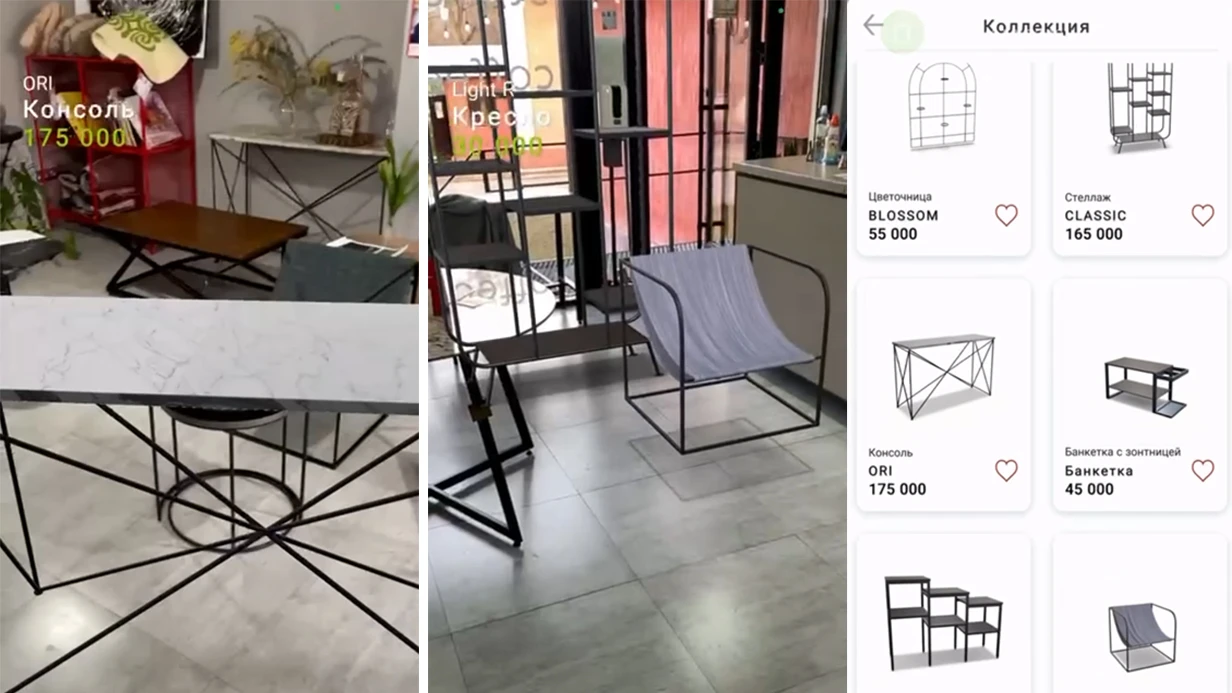
ניסיון AR בפנים הבית פותר את זה: הלקוח מצלם את החדר שלו, מעלה אותו למסך בחנות או באתר, ו"מורח" את הטפט או הצבע על הקירות בכמה קליקים.
הפורמט הזה מסיר את הפחד המרכזי—"מה אם זה ייראה אחרת"—ומקצר את זמן הבחירה מכמה ימים לדקות. הלקוח עוזב עם רכישה, ואתם מקבלים המרה גבוהה יותר ופחות החזרות שנגרמות מציפיות שלא מומשו.
אנחנו עוזרים לעסקים להטמיע ניסיון טפטים ובחירת צבע כאלה, כך שהיסוס של לקוחות יפסיק להשפיע על ההכנסות שלכם.
מה ניסיון AR נותן למכירות שלכם
קונה טפטים או צבע לעתים קרובות מהסס: איך הצבע ייראה על הקיר, תחת תאורה שונה, לצד הרהיטים? הספקות האלה מאריכים את ההחלטה ומפחיתים את ההמרה.
ניסיון AR מסיר את הפחד מטעות: הלקוח רואה את החומר ממש בתוך הבית שלו לפני הקנייה.
המרת הזמנות גבוהה יותר
כשלקוח "מנסה" טפט על החדר שלו, הוא מפסיק לנחש ועובר מהר יותר לתשלום. בניסיון שלנו, בחירה אינטראקטיבית מגדילה את חלק ההזמנות שהושלמו ב-20–30%—כלומר יותר הכנסות בלי הוצאות פרסום נוספות.
פחות החזרות ובלבול במבחר
טעות בצבע או במרקם היא הסיבה הנפוצה ביותר להחזרות של חומרי גמר. ניסיון AR מראה את המרקם ואת עיבוד הצבע לפני התשלום, כך שהלקוח מקבל בדיוק מה שציפה לו. כתוצאה מכך, ההחזרות פוחתות, והלוגיסטיקה והמשלוחים החוזרים מפסיקים לאכול מהרווחים.
נאמנות וקניות חוזרות
שירות שעוזר ללקוחות לבחור נזכר. הקונה חוזר לחנות, ממליץ לחברים, ומוכן יותר לנסות קולקציות חדשות. כך, ניסיון AR הופך עסקה חד-פעמית לקשר ארוך טווח עם הלקוח.
שירות נוסף ללקוח
אתם מציעים כלי שרוב המתחרים אין להם. הלקוח לא רק קונה חומרי גמר—הוא מקבל ביטחון בשיפוץ שלו. זה מחזק את תדמית המותג ומגדיל את הסל הממוצע באמצעות מכירה צולבת של מוצרים נלווים.
אנחנו מפתחים פתרונות AR על ציוד מקצועי—כך שהתמונה נשארת ריאליסטית בכל מכשיר. פרויקט כזה לוקח 2–3 שבועות ומחזיר את ההשקעה בתוך החודשים הראשונים.
פורמטים של ניסיון AR לטפטים וצבע למשימות שונות
בקמעונאות, קשה למכור טפטים וצבע "בעיוורון": הלקוח לא יכול לדמיין איך הצבע ישב על הקירות של החדר שלו או איך הוא ייראה באור יום ובאור ערב. בגלל זה, הבחירה נמשכת, וחלק מההזמנות מוחזרות אחרי הדבקת הטפט.
ניסיון AR מעביר את החומר לתוך הפנים האמיתי של הלקוח—הספקות נעלמים, וההחלטות מתקבלות מהר יותר.
אבל לחנות, לסטודיו לעיצוב ולחברת בנייה יש משימות שונות.
נקודת מכירה צריכה לעניין את הלקוח ולעודד הזמנה ממש באזור המכירה; סטודיו צריך לאשר במהירות שילובים של טפטים, צבע ורהיטים עם הלקוח; חברת בנייה צריכה להראות את הגמר העתידי של נכס לפני תחילת העבודה, כדי להימנע ממחלוקות ועבודה חוזרת. אנחנו מכינים פורמט AR לכל אחד מהתרחישים האלה.
| פורמט | למי זה מיועד | מה זה נותן ללקוח |
|---|---|---|
| קטלוג אינטראקטיבי עם ניסיון | חנות קמעונאית לטפטים וצבע | הלקוח "מורח" את החומר על הקירות של החלל שלו ומבצע הזמנה ממש שם—המרה וסל ממוצע גבוהים יותר |
| ניסיון מקצועי לפרויקטים | סטודיו לעיצוב, אדריכל | הצגת שילובים של טפטים, צבע ומרקמים בפנים אמיתי ללקוחות—אישור פרויקט מהיר יותר, פחות תיקונים |
| ויזואליזציה של גמר לנכס | חברת בנייה, יזם | אישור ברור של הגמר בשלב המכירה או המסירה—פחות תלונות, מחלוקות ועבודה חוזרת |
אתם מקבלים לא הדגמה יקרה, אלא כלי מכירה עובד: ניסיון AR משתלב בתהליך שלכם—מהמגע הראשון עם הלקוח ועד העסקה. כל מה שנשאר הוא לבחור את הפורמט למשימה הספציפית שלכם—ואנחנו נטפל בשאר.
איך אנחנו מיישמים ניסיון AR ב-4 שבועות
אנחנו מבינים: לעסק, מהירות היישום חשובה כמו התוצאה הסופית. לכן תהליך יצירת ניסיון AR לטפטים וצבע נכנס לארבעה שבועות—עם שלבים ברורים, לוחות זמנים שקופים ונקודת אחריות אחת. אתם יודעים מראש מתי תקבלו את הכלי המוגמר שיתחיל לייצר לידים.
שלבי יישום ניסיון AR
- בריף לאפליקציית AR. תוך 1–2 ימים אנחנו דנים במבחר שלכם, במקרי השימוש ובמטרות: מה חשוב יותר—ייעוץ בחנות, בחירה אונליין, או שניהם. אנחנו מתעדים את הדרישות לקטלוג ולוויזואליזציה.
- תוכנית עבודה ואישור. אנחנו מכינים תוכנית מפורטת לפי שבועות: אילו משימות מבוצעות, אילו חומרים נדרשים מכם, מי אחראי על כל שלב. אתם מאשרים את התוכנית—ואנחנו מתחילים.
- פיתוח ניסיון AR. אנחנו יוצרים אפליקציה או מודול אינטרנט שבו הלקוח שלכם מכוון את המצלמה לקיר ורואה איך נראה הצבע או הטפט הנבחר. אנחנו מראים אב טיפוס עד סוף השבוע השני—אתם רואים את המוצר חי, לא מתיאור.
- בדיקות ותיקונים. אנחנו בודקים ביצועים במכשירים ובתרחישים שונים: תאורה, מרקם קיר, פלטפורמות ניידות. אנחנו מתקנים ניואנסים כדי שהמשתמש יקבל תוצאה יציבה וצפויה.
- השקת פרויקט AR. אנחנו מטמיעים את הפתרון באתר או בנקודת המכירה שלכם, מגדירים גישה ומכשירים צוות אם צריך. עד סוף השבוע הרביעי, ניסיון ה-AR עובד בתנאים אמיתיים.
- תמיכה ואנליטיקה. אחרי ההשקה, אנחנו נשארים בקשר: אנחנו עוקבים איך משתמשים מתקשרים עם הניסיון, מבצעים שיפורים ועוזרים להרחיב את הקטלוג. אתם מקבלים לא שירות חד-פעמי, אלא כלי שגדל עם העסק שלכם.
כל שלב מסתיים בתוצאה ברורה שאתם יכולים לראות ולהעריך. כך אתם שולטים בתהליך ומבינים על מה הכסף והזמן מושקעים. ואנחנו דואגים לצד הטכני—כל מה שנדרש מכם הוא לספק נתוני מבחר ולאשר החלטות.
מה אתם מקבלים בפתרון המוגמר
כשאתם מזמינים פיתוח של ניסיון AR לטפטים וצבע, אתם מקבלים מוצר מוגמר, לא אב טיפוס "גולמי". חבילת המסירה כוללת כל מה שצריך להשקה ולפעילות יומיומית: מהאפליקציה עצמה ועד הוראות לצוות שלכם. הנה מה שתמצאו בפתרון המוגמר.
- אפליקציה ללקוחות שלכם: הקונה מכוון את המצלמה לקיר ורואה איך נראה הצבע או הטפט הנבחר בפנים הבית שלו. זה מגביר את ביטחון הרכישה ומפחית החזרות.
- פאנל ניהול: אתם מנהלים את הקטלוג בעצמכם—מוסיפים קולקציות חדשות, משנים מחירים, מעדכנים תיאורים. אין צורך במתכנת; הכל נעשה דרך ממשק ברור.
- הוראות השקה: מדריך שלב-אחר-שלב להתקנה, הגדרה וצעדים ראשונים—גם אם מעולם לא עבדתם עם AR.
- הכשרה לצוות שלכם: אנחנו עורכים מפגש הכשרה מקוון למנהלים וליועצים כדי שיוכלו להדגים את האפליקציה ללקוחות בביטחון.
- עדכונים ותמיכה טכנית: אנחנו עוקבים אחר תאימות למכשירים חדשים, משחררים עדכונים ועונים על שאלות לאורך כל תקופת שיתוף הפעולה.
כתוצאה מכך, אתם מקבלים כלי שעובד בלי מעורבות מתמדת של מפתחים. ניהול אפליקציית ה-AR מסתכם בעדכון הקטלוג ומעקב אחר סטטיסטיקות—כל השאר כבר מוגדר למשימה שלכם. אם צריך פיתוח נוסף לפורמטים חדשים, אנחנו ניכנס לפעולה לפי בקשה נפרדת.
מקרה בוחן: רשת קמעונאית עם צמיחה של פי 2 בהמרה
בחנות שמוכרת טפטים וצבע, הבעיה המרכזית היא שלקוחות לא יכולים "לנסות" את הגמר בחדר שלהם. הקונה מסתכל על דוגמה קטנה, מהסס, עוזב לחשוב, ולעתים קרובות לא חוזר.
פתרנו את זה על ידי הטמעת ניסיון AR: מבקר מכוון את מצלמת הסמארטפון לקיר ומיד רואה איך נראה הגליל או הצבע הנבחר בפנים הבית שלו—תוך התחשבות בתאורה ובמרקם.
הרשת הקמעונאית השיקה את הניסיון הזה בשש נקודות מכירה וקיבלה תוצאה מדידה. במשך חודשיים של פעילות, ההמרה ממבקר לקונה הוכפלה, וזמן הבחירה הממוצע ירד מ-35 ל-12 דקות.
הלקוחות הפכו בטוחים יותר: החזרות של טפטים ש"לא תאמו את הצבע" ירדו בשליש.
המספרים שהבעלים רואים
חישבנו את צמיחת ההמרה באמצעות קבלות בפועל והשווינו תקופות זהות לפני ואחרי ההשקה—לא היו שינויים אחרים בחנות באותה תקופה.
גם עקבנו בנפרד אחר ביקורים חוזרים: לקוחות שהשתמשו בניסיון חזרו לקנות צבע או טפט נוסף פי 1.8 יותר.
מנהל הרשת ציין: "בעבר, יועץ בילה 20 דקות על לקוח אחד ולא תמיד סגר את המכירה. עכשיו המבקר בוחר בעצמו, ממש משחק עם צבע, ואנחנו מצליחים לשרת פי שניים אנשים. חודש אחר כך, הזמנו הרחבה לקו הילדים."
מקרה ה-AR הזה אינו סיפור חד-פעמי: אחרי התוצאות הראשונות, הרשת הזמינה הרחבה לקטלוג הצבע ובחירה אונליין באתר.
הטכנולוגיה מספקת ערך מדיד, לא רק "אפקט וואו". אם אתם רוצים את אותה תוצאה—התחילו בייעוץ, ואנחנו נראה לכם איך לחשב את החזר על ההשקעה עבור החלל שלכם.
איך לבחור את הפורמט הנכון לתקציב ולמשימות שלכם?
בחירת פורמט מציאות רבודה היא לא שאלה של טכנולוגיה, אלא שאלה של התאמה למטרות שלכם. אם אתם צריכים להכיר ללקוחות טפטים או צבע חדשים בלי חנות בקנה מידה מלא, ניסיון AR מבוסס דפדפן מספיק.
אם המטרה היא להגדיל את הסל הממוצע ולתת ללקוחות ביטחון לפני רכישה, צריך פורמט אינטראקטיבי יותר.
הנה שלוש האפשרויות המרכזיות לפי תקציב ומשימות.
| פורמט | למי זה מיועד | מה זה נותן ללקוח |
|---|---|---|
| ניסיון AR פשוט בדפדפן | חברות עם תקציב מוגבל שצריכות התחלה מהירה | הלקוח רואה איך טפט או צבע נראים בחלל שלו בלי להתקין אפליקציות. אתם מקבלים חשיפה ולידים ראשונים תוך כמה שבועות. |
| קטלוג אינטראקטיבי עם AR | עסקים בינוניים שרוצים להגדיל המרה | הקונה משנה צבעים ומרקמים בזמן אמת, שומר אפשרויות מועדפות ורואה את המחיר מיד. קטלוגים כאלה מגדילים את חלק ההזמנות החוזרות ומפחיתים החזרות בגלל "לא ניחש את הצבע." |
| אפליקציה מותאמת אישית | רשתות גדולות ויצרנים שצריכים שליטה מלאה | מערכת אקולוגית בבעלות מלאה: היסטוריית רכישות, מבחר מותאם אישית, תשלום מובנה. אתם מקבלים נתונים על העדפות לקוחות וכלי לנאמנות. |
איך מחליטים? התחילו מהשאלה: איזו תוצאה אתם צריכים—חשיפה מהירה, המרה גבוהה יותר או נאמנות ארוכת טווח? למשימה הראשונה, גרסת דפדפן עובדת; לשנייה, קטלוג עם מציאות רבודה; לאפקט מקסימלי, אפליקציה מלאה.
אנחנו לא קושרים את עצמנו לפורמט אחד ספציפי ונבחר אפשרות לתקציב שלכם. תקבלו הערכת עלות ולוחות זמנים ברורים עוד לפני תחילת הפיתוח—כל מה שנשאר הוא לבחור את התרחיש הנכון.
תשובות לספקות נפוצים לפני הזמנה
ספקות לפני הזמנה הם חלק נורמלי בכל פרויקט. במיוחד כשמדובר במציאות רבודה: זה נראה מסובך, יקר ובלתי צפוי. אנחנו שומעים את השאלות האלה מכל לקוח שני, אז אספנו תשובות כנות לפחדים המרכזיים.
מה אם אפליקציית ה-AR תתקלקל ביום הכי חשוב?
זה קורה כשחוסכים בבדיקות. אנחנו נותנים אחריות על אפליקציית ה-AR: אחרי ההשקה, אתם מקבלים תקופה קבועה שבה אנחנו מתקנים את כל השגיאות והתקלות בחינם.
לפני אירוע, אנחנו מבצעים בדיקות עומס כדי שהמערכת תעבוד גם עם מספר שיא של משתמשים בו-זמנית.
איך עובדת תמיכה בפרויקטי AR אחרי ההשקה?
אתם לא נשארים לבד עם האפליקציה. תמיכה בפרויקט AR כוללת מנהל ייעודי, ערוצי תקשורת לבקשות ומדיניות תגובה: תקלות קריטיות נפתרות תוך כמה שעות.
אנחנו גם עוקבים אחר תאימות לסמארטפונים חדשים ומעדכנים את האפליקציה כדי שהיא תעבוד עבור רוב הלקוחות שלכם.
מה אם הלקוחות לא יאהבו את המכניקה?
אנחנו מפחיתים את הסיכון הזה עוד לפני ההשקה: אנחנו מרכיבים קבוצת מיקוד מהקהל שלכם, בודקים תרחישים ומבצעים התאמות. אתם לא צריכים לנחש מה "יתפוס"—אנחנו מראים תגובות משתמשים אמיתיות ומשכללים את המוצר לפני שהוא מגיע למשתמש ההמוני.
אילו סיכוני פיתוח AR מחכים לנו, ומי מכסה אותם?
סיכוני פיתוח AR בדרך כלל קשורים ללוחות זמנים, תקציב ויישום טכני. אנחנו מתעדים אותם בהתחלה, קובעים את התוכנית והמחיר בחוזה, ומספקים בשלבים—אתם רואים תוצאה עובדת כל 1–2 שבועות.
אם משהו חורג מהתוכנית, אתם יודעים על זה מראש ובוחרים את הפתרון, במקום להתמודד עם הפתעה בסוף.
במהות, אנחנו מורידים מכם את כאב הראש התפעולי: אתם מתמקדים באירוע ובשיווק, ואנחנו דואגים שה-AR יעבוד, יתקבל היטב ויספק תוצאות מדידות.חשבו את העלות של ניסיון AR לקטלוג שלכם
קוני טפטים וצבע לעתים קרובות דוחים רכישות כי הם לא יכולים לדמיין איך הגמר ייראה בחדר שלהם תחת תאורה שונה ועם הרהיטים שלהם.
ניסיון AR מסיר את ההתנגדות הזו ברגע הבחירה: האדם "מורח" את הקטלוג שלכם על הקיר דרך מסך הסמארטפון ומקבל החלטה בטוחה יותר.
אנחנו יוצרים פתרונות כאלה כבר למעלה מ-10 שנים ויודעים איך להפוך כלי AR לנקודת צמיחה עבור החנות שלכם.
כדי לעזור לכם להבין את התקציב ואת לוחות הזמנים, נחשב את הפרויקט עבור הקטלוג שלכם—שלחו בקשה, ותוך יום תקבלו תוכנית מקדימה והערכת עלות.
חישוב העלות כולל:
- ניתוח הקטלוג שלכם (מספר מק"טים, סוגי גמר, צילומים);
- בחירת פורמט: ניסיון באתר, באפליקציה ניידת או במסנג'ר;
- הערכת המאמץ הנדרש להכנת מודלים תלת-ממדיים ועיבוד צבע;
- רשימת פונקציות נחוצות לתרחיש המכירות שלכם;
- תוכנית אינטגרציה עם הקטלוג והחנות המקוונת;
- המלצות להשקה והכשרה למנהלים שלכם;
- לוחות זמנים לפיתוח ושלבים עם עלות קבועה.
ההערכה לא תשתנה אחרי תחילת העבודה—כל הפרטים קבועים בחוזה. אתם מקבלים תוכנית ברורה, לא הבטחות מופשטות.
מלאו בקשה קצרה לחישוב עלות ניסיון AR—נחזור אליכם, נברר את הפרטים ונכין הצעה תוך יום עסקים אחד. זה לגמרי לא מחייב, אבל תדעו את העלות של כלי צמיחת ההמרה שלכם.
העלות מחושבת אחרי הבדיקה.