




הוראות הרכבה ב-AR: כשההוראות הרגילות לא עובדות
אפילו ההוראות המפורטות ביותר, בין אם על נייר או בפורמט דיגיטלי, אינן מגנות מפני שגיאות הרכבה. כאשר יש חלקים רבים והתרשים אינו תואם למיקום בפועל של ההרכבה, עובד מבזבז דקות יקרות בחיפוש אחר הפתרון הנכון.
ככל שהמוצר מורכב יותר, כך עולה הסיכוי שאדם יבלבל את סדר הפעולות או ימקם חלק בצורה לא נכונה.
כל שגיאת הרכבה כזו משמעותה פגמים, עבודות חוזרות ועיכובים במשלוחים. עובד שנחפז או לא הוכשר כראוי עולה לעסק בזמן, בחומרים ובמוניטין.
ואם ההרכבה מתבצעת לא על ידי מומחה מנוסה אלא על ידי עובד חדש, או אפילו על ידי לקוח שקנה רהיטים, ציוד או מכונות מוכנים, המצב הופך קריטי.
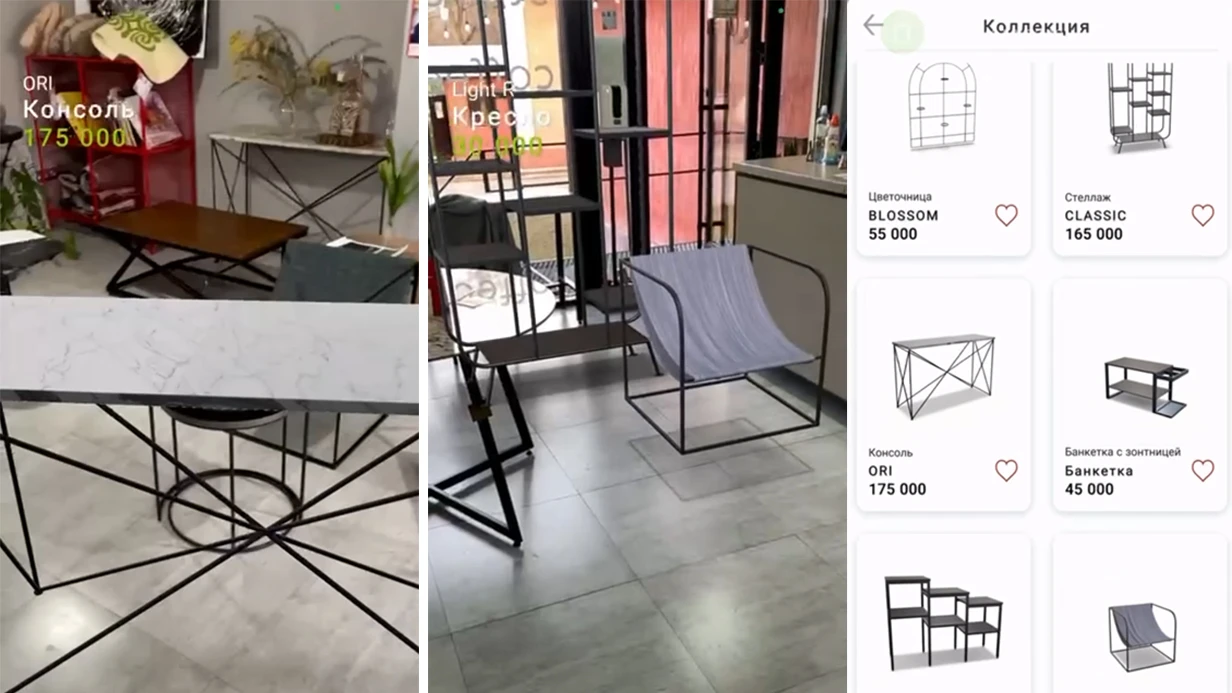
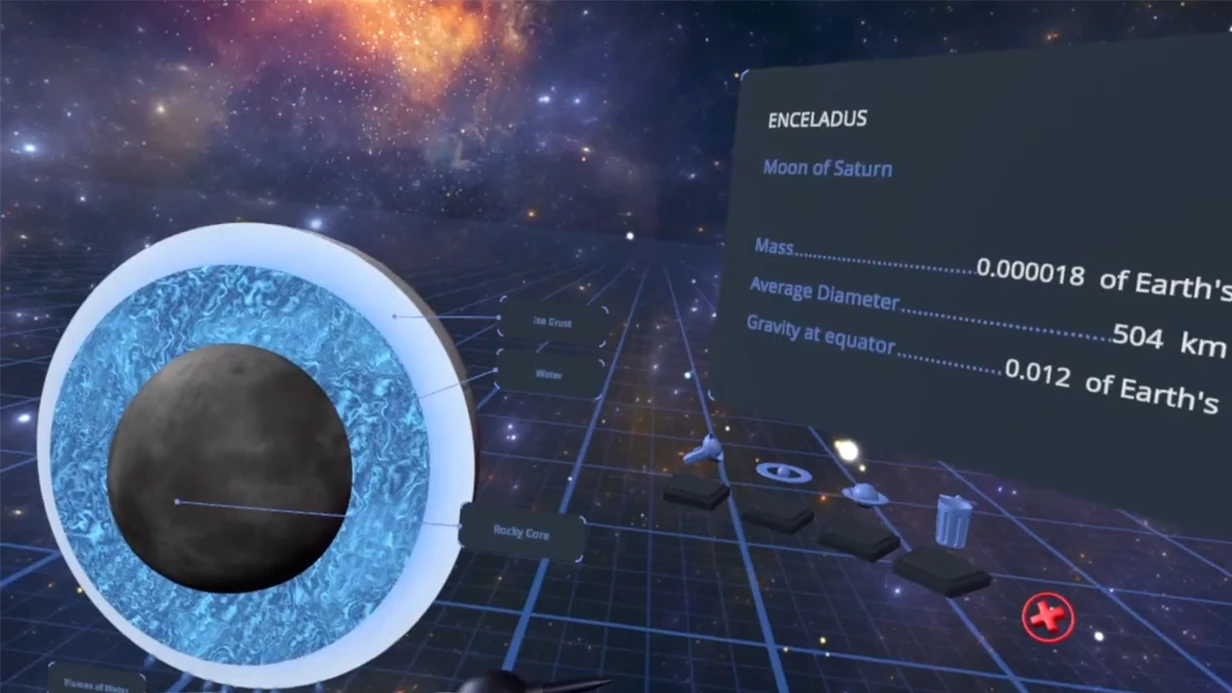
כאן נכנסות לתמונה הוראות הרכבה ב-AR. הן הוראה ויזואלית שמקרינה רמזים ישירות על החפץ הפיזי: החלק הנדרש מודגש, חץ מראה את הכיוון, והשלב הבא מופיע אוטומטית.
העובד כבר לא מחפש שרטוט בעיניים — הוא רואה את ההוראה בהקשר של העבודה. כתוצאה מכך, שגיאות ההרכבה מצטמצמות למינימום, וזמן הפעולה מופחת משמעותית.
הוראות AR כאלה קל להתאים לייצור ספציפי: הן מתאימות גם לפעולות פס ייצור חוזרות וגם להרכבות ייחודיות ומורכבות. עובד חדש מגיע לקצב עבודה מהר יותר, ומומחה מנוסה כבר לא מסתמך על זיכרון.
העסק מקבל איכות עקבית ופחות השבתות, בעוד הלקוח זוכה לביטחון שהמוצר יורכב כראוי.
אנו מפתחים הוראות הרכבה ב-AR למשימות של החברה שלך: החל מתכנון הוראה ויזואלית ועד לפריסה על המכשירים הניידים של העובדים. ננתח את הפעולה שלך, נמצא את המקומות שבהם שגיאות מתרחשות לרוב, ונכסה אותן עם רמז ויזואלי במציאות רבודה.
מה פתרון AR מספק: פחות שגיאות, הטמעה מהירה יותר
כל שגיאת הרכבה משמעותה חומרים שאבדו, שעות של תיקון והסיכון להחמצת מועדים. הוראות טקסט ושרטוטים דורשים קריאה מדוקדקת ומעבר בין המסמך לחלק, והתוצאה עדיין תלויה בגורם האנושי.
פתרון AR נייד משנה את התהליך עצמו: העובד רואה הנחיה שלב-אחר-שלב ישירות על החפץ האמיתי, בקצב שלו, מבלי להפריע לעבודה.
אנו בונים יישומים כאלה על ARCore — טכנולוגיית המציאות הרבודה המוכחת של גוגל, שעובדת בצורה אמינה ברוב הסמארטפונים והטאבלטים המודרניים. אין צורך במשקפיים מיוחדים או בציוד יקר — העובד משתמש בטלפון נייד או בטאבלט מוכר. זה הופך את הוראות ה-AR לנגישות לכל מתקן ייצור, מחסן או מחלקת שירות.
ההשפעה העסקית העיקרית היא פחות שגיאות. כאשר הנחיה מופיעה בשדה הראייה ברגע הנכון ומדגישה את השלב הבא, מספר הפגמים והעבודות החוזרות יורד באופן ניכר.
החברה חוסכת בחומרים ובזמן, והכי חשוב — היא לא מספקת מוצר פגום ללקוח. ההשפעה השנייה היא מהירות ההכשרה.
עובד חדש מגיע לרמת עבודה תוך ימים, לא שבועות: הוא מבצע מיד פעולה אמיתית עם הנחיה במקום לשנן הוראות. זה מאיץ את קליטת העובדים החדשים וקווי ייצור חדשים.
יש גם תוצאה שלישית — שביעות רצון גבוהה יותר. עובדים מפסיקים להשקיע מאמץ בחיפוש מידע במדריכי נייר, נכנסים פחות ללחץ ומתעייפים פחות. זה משפיע ישירות על תחלופת העובדים ועל איכות העבודה הכללית.
בסופו של דבר, הוראות הרכבה ב-AR משתלמות בשלושה תחומים בו-זמנית: פחות הפסדים, התחלה מהירה יותר וצוות יציב.
פורמטים של הנחיות AR למשימה שלך
לכל משימת הרכבה בייצור יש תרחיש משלה: בבית המלאכה יש קצבים מסוימים, בשטח — קישוריות, ובאתר הלקוח — רמת מיומנות.
לכן, פורמט הוראת ה-AR נבחר לפי נקודת השימוש: העובד מקבל הנחיה "כאן ועכשיו," והעסק מקבל פחות פגמים.
להלן האפשרויות הסטנדרטיות שסביבן אנו בונים פתרונות. התהליך הטכני שלך נשאר שלך; רק הדרך שבה מוצגת ההוראה משתנה.
| פורמט AR | קהל יעד | מה זה נותן ללקוח |
|---|---|---|
| הנחיות AR לרצפת הייצור | מרכיבים, מפעילי מכונות | פחות שגיאות, קצב עבודה מהיר יותר |
| הוראות AR בשטח | מתקינים, מהנדסים | שרטוטים ונקודות בקרה ללא חיבור אינטרנט יציב |
| הרכבה ב-AR מול לקוח | קונים | פחות פניות לתמיכה |
בבית המלאכה, עובד רואה ישירות על החלק היכן לחבר אלמנט ואיזה כלי להשתמש — זה מסיר שאלות טיפוסיות ומפחית עבודות חוזרות.
לשימוש בשטח, אנו יוצרים פורמט עצמאי: המהנדס פותח את המשימה ורואה את סדר הפעולות ואת אזור הבקרה ללא אינטרנט. הסיכון לדילוג על נקודת הרכבה פוחת, והקבלה מתבצעת לפי קריטריונים ברורים.
הרכבה מול לקוח היא סיפור נפרד: הקונה חייב להרכיב את המוצר כראוי בפעם הראשונה, מבלי להתקשר לתמיכה. הנחיות שלב-אחר-שלב מדגישות טעויות טיפוסיות ומסירות את הפחד מהוראות "מורכבות".
אנו מתאימים את הפורמט לתרחיש שלך. סמארטפון או טאבלט מספיקים — אין צורך במשקפיים יקרים ואין צורך בהכשרה מחדש. אתה מקבל כלי שמספק תוצאות במהירות.
איך הפרויקט עובד: מהבריף ועד ההשקה
הטמעת הוראת הרכבה ב-AR לא צריכה להיות "קופסה שחורה" עבורך. אנו מבנים את הפרויקט כך שבכל שלב אתה מבין מה קורה, מה אתה מקבל ומתי התוצאה תהיה מוכנה. זה מונע החמצת מועדים ושינויים בלתי צפויים ברגע האחרון.
להלן המסלול מהבריף ועד ההשקה ברוב הפרויקטים שלנו. ניתן להתאים את השלבים למשימה, אך הרצף והתזמון שלהם קבועים בחוזה.
- בריף והתעמקות. אנו מנתחים למי מיועדת ההוראה: עובדים, לקוחות או שותפים. אתה מספק דיאגרמות הרכבה, סרטונים או נהלים — אנו הופכים אותם לתרחיש הוראת AR.
- תוכנית והערכת עלות. אנו מסכמים על מספר השלבים, המכשירים שעליהם היישום ירוץ והיקף התיקונים. אתה מקבל מועדים ועלות קבועים — ללא תוספות נסתרות.
- אב-טיפוס ואישור. אנו יוצרים גרסת טיוטה של שלב אחד או שניים מרכזיים: איך נראות ההנחיות, איך המשתמש עובר בין הרכבות. אתה מבצע שינויים בשלב המוקדם ביותר — זה הרבה יותר זול מאשר לעשות הכל מחדש אחרי הפיתוח.
- פיתוח ויצירת תוכן. אנו בונים את הגרסה המלאה של ההוראה: מודלים תלת-ממדיים, אנימציות, הנחיות קוליות וטקסטואליות ולוגיקת מעברים. כל זה מורכב ליישום נוח.
- בדיקות והשקה. אנו בודקים את היישום על מכשירים אמיתיים — בתנאי תאורה שונים, על דגמי סמארטפונים וטאבלטים שונים. אנו פותרים בעיות, מתקינים את היישום על המכשירים שלך ומכשירים את הצוות.
- תמיכה. לאחר ההשקה, אנו נשארים בקשר: נעדכן את ההוראה אם חלקים משתנים, נוסיף שלבים חדשים או נתרגם אותה לשפה אחרת.
כל שלב מסתיים בתוצאה קונקרטית — אתה תמיד רואה התקדמות. זו הסיבה שבממוצע, הוראת הרכבה ב-AR מושקת תוך 2–4 שבועות, ותיקונים בשלב אב-הטיפוס אינם משפיעים על התקציב.
מקרה בוחן: איך הנחיות AR האיצו את ההרכבה ב-30%
מפעל רהיטים פנה אלינו עם בעיה: הרכבת דגמים חדשים ארכה זמן רב מדי, ובגלל תחלופת עובדים, חלק מהפעולות בוצעו על ידי עובדים חסרי ניסיון. כל שגיאה הובילה לעבודה חוזרת ולהחמצת מועדי משלוח. הוראות נייר וסרטוני הדרכה לא עזרו — אנשים עדיין דילגו על שלבים.
פיתחנו יישום AR נייד שמציג הנחיות שלב-אחר-שלב ישירות על המוצר האמיתי. העובד מכוון את המצלמה לחלק — ורואה חצים, הדגשות של ההרכבות הנדרשות ואימות התקנה על המסך. בלי תיאוריה: המערכת מראה את השלב הבא בדיוק כשצריך אותו.
התוצאה עלתה על הציפיות: זמן ההרכבה הממוצע ירד ב-30%, ומספר הפגמים במהלך ההתקנה צנח פי שלושה.
עובדים חדשים הגיעו לפריון המתוכנן תוך יומיים בלבד במקום עשרה — ההכשרה החלה להתבצע במקום העבודה, מבלי להפריע לתהליך.
לאחר חודש הפעילות הראשון, הלקוח הזמין התאמה לקו מוצרים שני והחל להשתמש ביישום לבקרת איכות. המפעל בודק כעת ניווט AR ברחבי המחסן כדי להפחית את זמן החיפוש אחר רכיבים. מקרה זה מאשר: הוראות AR משתלמות כבר בשלב הראשון של ההטמעה.
איך לבחור את פורמט הוראת ההרכבה ב-AR המתאים למשימה שלך?
ראשית, חשוב להבין שבחירת פורמט הוראת הרכבה ב-AR נקבעת לא לפי מידת "המתקדמות" של הטכנולוגיה, אלא לפי שלושה פרמטרים: מורכבות הפעולות, מספר העובדים שישתמשו בהוראה והתנאים שבהם מתבצעת ההרכבה.
אם המשימה פשוטה — שלושה עד חמישה שלבים, פעולות חוזרות, הכשרת עובדים חדשים — תרחיש קל עם הנחיות שלב-אחר-שלב על תמונת המצלמה יעבוד.
אם ההרכבה מורכבת, עם הרכבות רבות ומיקומים לא סטנדרטיים, נדרשת גישה עמוקה יותר עם עיגון לאובייקט או לחלל ספציפי.
הדרישות מהוראה בדרך כלל מסתכמות בבהירות לאדם ללא ניסיון, מהירות השקה וקלות עדכון.
בפועל, זה אומר שהעובד פותח את ההוראה על סמארטפון או טאבלט, רואה את ההנחיה, חוזר על הפעולה ועובר לשלב הבא. אין הגדרות מורכבות ואין הכשרה ארוכה: ככל שפחות פעולות לפני תחילת העבודה, כך אנשים משתמשים בהוראה ביתר רצון.
אלה בדיוק הקריטריונים שהופכים לבסיס לבחירת הפורמט — אנו תמיד מבהירים אותם לפני תחילת הפיתוח.
הוראת הרכבה טובה ב-AR נראית בתוצאות עסקיות: פחות עבודות חוזרות, קליטה מהירה יותר של עובדים חדשים ופחות תלות במנטורים מנוסים. זה חשוב במיוחד אם חלק מהפעולות מתבצעות מרחוק או באתרים שונים.
במקרים כאלה, הפורמט חייב לעבוד בצורה אמינה באותה מידה גם בבית המלאכה וגם בשטח — אחרת ערכה של ההוראה אובד.
אנו עוזרים לך לקבוע את הפורמט הנכון מבלי להיכנס לפרטים טכניים: אנו מנתחים את הקהל, את תרחיש השימוש, את הדרישות מההוראה ואת התנאים באתר.
לאחר מכן אנו מציעים פתרון שפותר בדיוק את הבעיה שלך — מבלי לשלם יותר מדי על פונקציונליות מיותרת. אתה לא צריך להבין בפרטי היישום; מספיק לתאר את תהליך ההרכבה ואת התוצאה הרצויה, ואנחנו נדאג לשאר.
חששות נפוצים: מה אם הציוד לא תומך בזה?
להתלבט לפני הטמעת הוראות AR זה נורמלי: אתה אחראי על התוצאה, וכל טכנולוגיה חדשה יכולה להיראות מסוכנת.
אנו שומעים שלוש שאלות לרוב: "מה אם הציוד לא תומך בזה?", "מה אם העובדים לא יצליחו להתמודד?" ו"כמה זה עולה?" אנו עונים בקצרה ולעניין — בלי פרטים טכניים, רק מה שחשוב לעסק שלך.
מה אם הסמארטפונים או הטאבלטים שלנו לא תומכים במציאות רבודה?
תאימות היא הדבר הראשון שאנו בודקים לפני חתימת החוזה. אתה שולח לנו את רשימת המכשירים שכבר יש לעובדים שלך — אנו בודקים את היישום עליהם ואומרים לך בכנות היכן זה יעבוד ללא בעיות והיכן עשויה להידרש התאמה.
ברוב המקרים, אפילו דגמים מהדור הקודם מספיקים: אנו משתמשים בפורמטי הוראה קלים שאינם דורשים חומרה חזקה.
אם חלק מהמכשירים מיושנים מדי, נציע תרחיש חלופי — למשל, גרסת אינטרנט שנפתחת בדפדפן ללא התקנה. הנקודה המרכזית: אתה לא קונה ציוד חדש; אתה משתמש במה שכבר יש לך.
האם העובדים לא יתקשו — ויעצרו את הייצור?
אנו מעצבים את הממשק כך שיהיה מובן למי שרואה AR בפעם הראשונה. אין תפריטים מורכבים: כוון את המצלמה לחלק — וקבל הנחיה. ההכשרה אורכת שעה או שעתיים, כולל הדרכת בטיחות, לא ימים או שבועות.
כדי לבטל את הסיכון להשבתה, אנו משיקים אזור פיילוט או קו הרכבה אחד. התמיכה הטכנית עובדת בשידור חי במשמרות הראשונות: אם לעובד יש שאלה, הוא לא מפסיק לעבוד — הוא מקבל סיוע מרחוק. לאחר אישור התוצאות, אנו מרחיבים את הפתרון לאזורים אחרים מבלי לעצור תהליכים.
כמה זה עולה ומתי זה משתלם?
עלות ההטמעה מחושבת באופן אישי — היא תלויה במספר ההוראות ובהיקף. מה שחשוב יותר הוא זה: הוראות AR משתלמות באמצעות הפחתת פגמים, הרכבה מהירה יותר ופחות זמן הכשרה לעובדים חדשים.
לקוחות בדרך כלל רואים את ההשפעה כבר במהלך השקת הפיילוט, כאשר מספר השגיאות יורד ומהירות הפעולות עולה.
אתה משלם לא על טכנולוגיה, אלא על תוצאה מדידה: פחות עבודות חוזרות, הגעה מהירה יותר של עובדים חדשים לתפוקה מלאה ודיוק שאינו תלוי בזיכרון האנושי. נכין עבורך חישוב החזר השקעה לתהליך שלך — ללא התחייבות.
אם עדיין יש לך ספקות, שאל אותנו שאלה ישירה — נראה לך, באמצעות הדוגמה שלך, איך הפתרון יעבוד ואילו יתרונות הוא יביא. אנו מוכנים לערוך הדגמה באתר שלך, עם הציוד שלך והעובדים שלך.הזמן פיתוח פתרון AR במפתח אחד
כל דקת השבתה על פס ייצור עולה כסף, ושגיאות שנגרמות מהוראות שטוחות מובילות לעבודות חוזרות ועיכובים.
הוראות AR מקרינות הנחיות ישירות על הציוד האמיתי — המפעיל רואה היכן למקם חלק, כמה כוח להפעיל בעת הידוק ומה לעשות הלאה.
אבל כדי שהפתרון יעבוד בצורה אמינה על מכשירים שונים ובתנאים אמיתיים, הוא לא צריך רק להיות "מצויר" — צריך לתכנן וליישם אותו כראוי.
אנו לוקחים על עצמנו את הפיתוח מההתחלה ועד הסוף: מהבריף ועד ההשקה והכשרת העובדים שלך. אתה מקבל כלי עבודה מוכן לשימוש, לא "דמו" גולמי שצריך לסיים מאוחר יותר. זו הסיבה שלקוחות נשארים איתנו שנים וחוזרים לתרחישים חדשים.
לאחר פנייתך אלינו, תקבל:
- ניתוח של המשימה שלך והערכה היכן AR באמת יניב אפקט;
- תוכנית עבודה ברורה עם מועדים ריאליים;
- חישוב עלות במפתח אחד — ללא תוספות נסתרות;
- המלצות על מכשירים ותרחישי שימוש;
- מפרט טכני ואב-טיפוס לפני השקת הגרסה המלאה;
- תמיכה לאחר ההשקה והכשרת צוות.
כל מה שאתה צריך לעשות הוא לשלוח בקשה — נגיב תוך יום עסקים אחד, נבהיר את הפרטים ונציע פתרון שמתאים לייצור או לעסק שלך.
הזמן פיתוח פתרון AR במפתח אחד — תוך מספר שבועות בלבד, העובדים שלך יעבדו מהר יותר ועם פחות שגיאות. חשב את העלות כבר עכשיו: פשוט כתוב לנו, ונכין הצעה אישית.