



מדוע פרסום בגימיפיקציה מבדל את המותג שלך
פרסום מסורתי הולך ונעלם מעיני הצרכנים: אנשים משתיקים את הסאונד, גוללים מעבר לבאנרים בלי להסתכל, ולעולם לא מחזיקים את המבט יותר מכמה שניות. תשומת הלב של הקהל היא המשאב הנדיר ביותר, ופשוט להגביר את הווליום כבר לא עובד.
הלקוח מוציא את התקציב, והחשיפה הופכת למספרים ללא תגובה — המותג לא נזכר, אף אחד לא חוזר אליו, ואף אחד לא מדבר עליו.
פרסום בגימיפיקציה משנה את חוקי המשחק. במקום צפייה פסיבית, האדם מקבל חוויה אינטראקטיבית: הוא מחליט איך להשתתף, מבצע פעולות פשוטות, ונמשך לתוך התהליך.
פורמט זה מחזיק את תשומת הלב פי כמה וכמה יותר זמן ויוצר רגשות אמיתיים — בדיוק מה שאורחים, לקוחות ומשתמשים מקשרים למותג.
פרסום אינטראקטיבי לא עובד על חשיפה; הוא עובד על מעורבות קהל, כך שהתוצאה נראית מיד: אנשים לא רק רואים את המסר — הם חווים אותו.
עבור עסקים, זה אומר בריחה מהרעש האינפורמטיבי חסר הפנים. בעוד המתחרים מריצים פוסטים סטטיים ופרומו סטנדרטי, המותג שלך מציע משחק שאנשים רוצים להשלים, להקליט בוידאו, ולהראות לאחרים.
כך צומחת המודעות למותג, יחד עם אזכורים במדיה החברתית וחלק החזרות על פניות. החותם הרגשי שנשאר מחוויית גימיפיקציה נמשך זמן רב, וזה בדיוק מה שהקונה זוכר ברגע הבחירה.
אנחנו עוזרים למותגים ליישם גימיפיקציה דרך אפליקציות AR למובייל: דרך מודרנית, נראית לעין וניתנת למדידה כדי לבלוט אפילו בסביבה התחרותית הצפופה ביותר.
אנחנו מפתחים את התרחיש סביב המטרה שלך, מוסיפים מכניקות משחק, ומשלבים הכל עם קמפיין הפרסום שלך — כך שהמנגנון מספק לא רק חשיפה אלא תוצאות עסקיות אמיתיות.
מה מספק פרסום בגימיפיקציה: 5 יתרונות עסקיים מדידים
פרסום בגימיפיקציה הופך מודעה רגילה לחוויית מציאות רבודה מרתקת. במקום צפייה פסיבית, המשתמש מתקשר עם המותג, מה שמשפיע ישירות על הזיכרון ועל כוונת הרכישה. להלן חמישה יתרונות מדידים שעסק מקבל מגישה זו.
היתרון הראשון הוא מעורבות גבוהה יותר ומודעות למותג. משתמשים מבלים פי כמה וכמה יותר זמן עם פרסום AR מאשר עם באנר רגיל.
הם חוקרים אובייקטים וירטואליים, משלימים משימות, וחשים רגשות — והרגשות האלה הופכים לקשורים היטב למוצר שלך, מה שהופך את המותג לקרוב ומובן יותר.
היתרון השני הוא הרחבת החשיפה. משחק בוהק ויוצא דופן הופך בעצמו לנושא חדשותי. המשתתפים משתפים את התוצאות שלהם במדיה החברתית ומזמינים חברים, כך שהפרסום שלך מתפשט אורגנית בקרב קהל היעד ומביא לקוחות פוטנציאליים חדשים.
היתרון השלישי הוא לידים באיכות גבוהה. כדי להשתתף במשחק, משתמשים לעתים קרובות משאירים את פרטי הקשר שלהם או מסמנים את תחומי העניין שלהם.
אתה מקבל מאגר של לידים חמים שכבר הראו תשומת לב למותג שלך, ואתה יכול להעביר אותם הלאה במשפך המכירות עם הסתברות גבוהה להמרה.
היתרון הרביעי הוא הגדלת מכירות. גימיפיקציה מאפשרת לשלב הנחיות רכישה ישירות בתרחיש: להעניק בונוסים, להנפיק קודי פרומו, ליצור הצעות לזמן מוגבל.
זה הופך את העניין במשחק להכנסה בפועל ומחזיר את ההשקעה בקמפיין הפרסום.
היתרון החמישי הוא נאמנות לקוחות. חוויה חיובית עם מציאות רבודה נשארת בזיכרון לאורך זמן. לקוחות מוכנים הרבה יותר לחזור לרכישות חוזרות ולבחור במותג שלך על פני מתחרים, מה שמגדיל את חלק ההזמנות החוזרות.
כתוצאה מכך, אתה מקבל לא רק קידום משעשע אלא כלי שיווקי עובד. כל אחד מהיתרונות לעיל ניתן למדידה: על ידי מעורבות, חשיפה, המרות והזמנות חוזרות.
זה הופך את הגימיפיקציה לבחירה רציונלית לשיפור האפקטיביות השיווקית של העסק שלך.
פורמטים של אפליקציות AR למטרות שונות
בחירת פורמט AR מתחילה בשאלה: איזו תוצאה העסק צריך? אם המטרה היא השקה רועשת ואזכורים במדיה החברתית, פילטרי AR עובדים. אם צריך להחזיק תשומת לב על המוצר ולגרום לאנשים לחקור את התכונות שלו — משחקי AR. וכשהמשימה היא להוביל את הלקוח לרכישה — קטלוג AR אינטראקטיבי.
אנחנו בונים פתרונות AR לכל אחת מהמטרות האלה: מפילטרי מצלמה ועד מכניקות משחק מלאות ואולמות תצוגה במציאות רבודה. להלן טבלה שמקלה על בחירת פורמט למשימה הספציפית שלך.
| פורמט | למי | מה זה נותן ללקוח |
|---|---|---|
| פילטרי AR | מותגים שצריכים חשיפה ויראלית במדיה החברתית ומודעות גוברת | מעורבות קהל המוני, אלפי סלפי ותמונות עם המוצר, חשיפה חינמית דרך שיתופים |
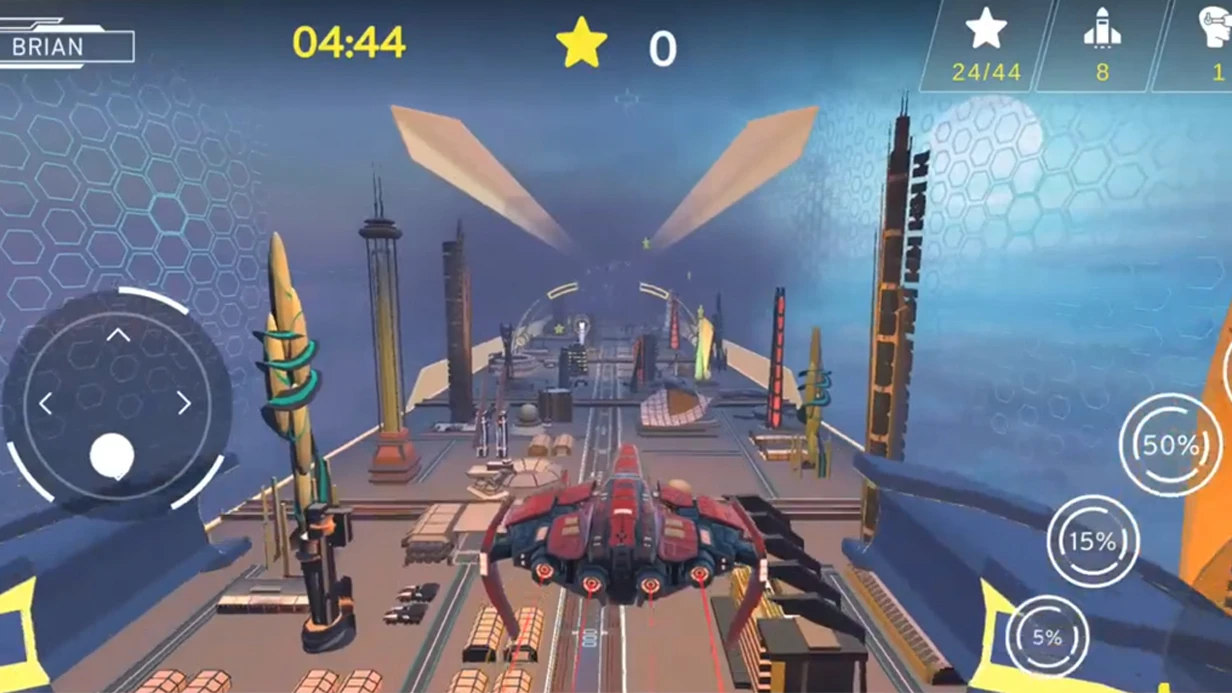
| משחקי AR | חברות שרוצות להחזיק תשומת לב על המוצר ולבנות חיבור רגשי | מכניקות מרתקות, סשנים ארוכים, השקות חוזרות, איסוף נתוני העדפות |
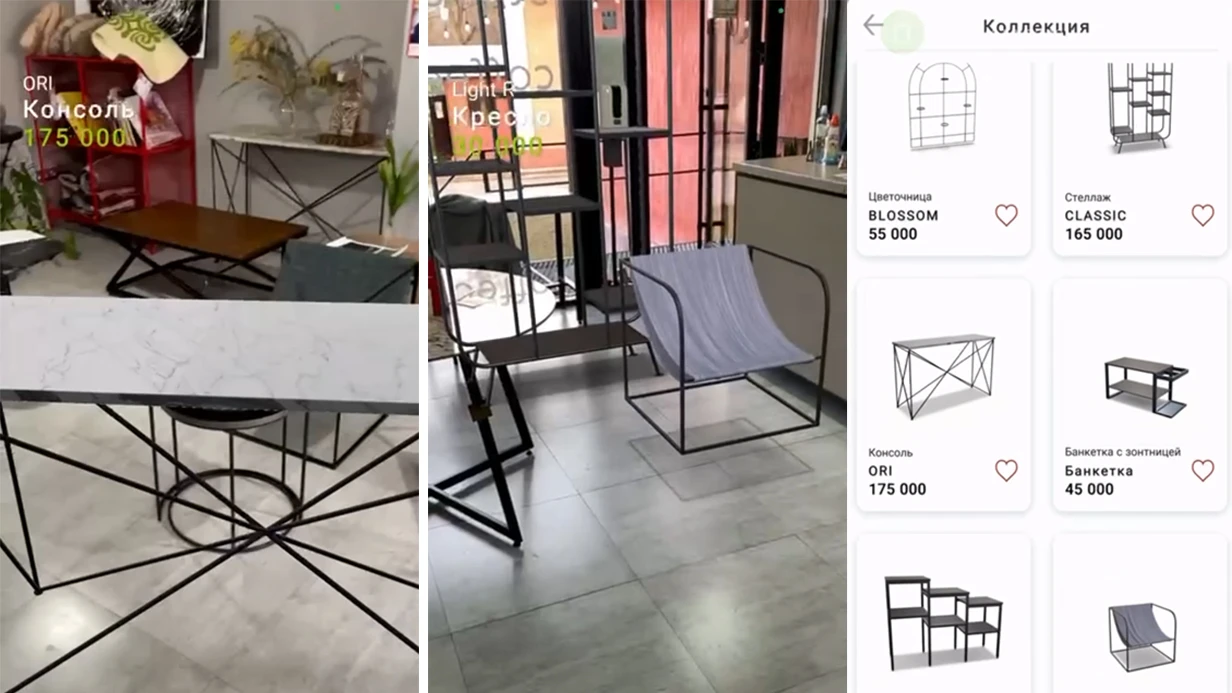
| קטלוגים אינטראקטיביים | חנויות ומותגים באופנה, רהיטים, קוסמטיקה ואלקטרוניקה | היכולת "למדוד" מוצר לפני רכישה, המרה גבוהה יותר, פחות החזרות |
אם המשימה היא קמפיין בקנה מידה מלא, קל לשלב בין הפורמטים. לדוגמה, פילטר AR מביא את הקהל למשחק AR, והמשתתפים בו מקבלים גישה לקטלוג אינטראקטיבי עם קוד פרומו. עם השילוב הזה, אנחנו מספקים את המחזור המלא: תשומת לב → מעורבות → פעולה.
המפתח הוא לזהות נכון את נקודת המגע עם הלקוח. אנחנו עוזרים לך לבחור את הפורמט ולהשיק אב טיפוס כבר בשלב הבריף, כך שהלקוח יוכל לראות את הכיוון לפני שפיתוח מתחיל.
איך עובד פיתוח אפליקציות AR: תוכנית שלב אחר שלב
פיצלנו את פיתוח אפליקציות AR לשלבים ברורים כך שתמיד תדע מה קורה ואילו החלטות צריך לקבל. גישה זו עוזרת לך לשלוט בתקציב ובלוחות זמנים, והכי חשוב — לבצע שינויים בזמן ללא עלויות מיותרות.
-
בריף והגדרת מטרות. אנחנו צוללים לתוך העסק שלך, חוקרים את הקהל והמטרות. אנחנו קובעים כיצד מכניקות AR יעזרו להגדיל מעורבות ומכירות.
-
תרחיש ואב טיפוס. אנחנו מראים כיצד המשתמש יתקשר עם המציאות הרבודה: אילו פעולות, תגמולים ובונוסים מעורבים. אנחנו מסכימים על המכניקות לפני שפיתוח מתחיל — זה חוסך זמן וכסף.
-
סגנון ויזואלי. אנחנו יוצרים עיצוב שמחזק את המותג ומעורר את הרגשות הנכונים. אתה מקבל מוקאפים לאישור ויודע בדיוק איך האפליקציה תיראה.
-
פיתוח האפליקציה. אנחנו בונים את התוכנית עם כל ההחלטות המוסכמות בראש, תוך שימוש בכלים מקצועיים. התוצאה היא גרסה יציבה שרצה בצורה חלקה על טלפונים מודרניים.
-
בדיקות ועידון. אנחנו בודקים תרחישים על מכשירים אמיתיים, מזהים נקודות חולשה ומבטלים אותן. אתה מקבל מוצר מלוטש מוכן להשקה.
-
השקה ופרסום. אנחנו מפרסמים את האפליקציה בחנויות האפליקציות, מגדירים אנליטיקה ומאפשרים מעקב אחר מדדי מפתח. אתה מיד רואה כיצד קמפיין ה-AR משפיע על חשיפה וביקורים חוזרים.
-
תמיכה וצמיחה. אנחנו מנטרים ביצועים, מעדכנים תרחישים ותגמולים, ומוסיפים מכניקות חדשות על בסיס נתונים. זה הופך את האפליקציה לנכס ארוך טווח ולא לכלי חד-פעמי.
מה כלול במסירת פרויקט AR
לאחר השלמת הפרויקט, אתה מקבל לא רק "אפליקציה בחנות" אלא ערכת עבודה מלאה לפיתוח פרסום בגימיפיקציה.
כל מה שיצרנו בשלבי הפיתוח מועבר בפורמט מובן — כך שהצוות שלך יכול להשתמש בתוצאות מיד, ללא תלות בנו.
המסירה הסופית כוללת:
- אפליקציית AR מוגמרת למכשירים ניידים — שפורסמה או מוכנה לפרסום, עם פרסום בגימיפיקציה מוגדר למטרות שלך.
- תוצאות הפרויקט: דוחות בדיקות, מדדי מעורבות, רשימת יעדים שהושגו — כדי שתוכל לראות את ההשפעה של ההשקעה שלך.
- קבצי מקור של הפרויקט: כל החומרים ששימשו בפיתוח, כולל גרפיקה, סצנות והגדרות — אתה נשאר הבעלים המלא.
- הדרכה לצוות שלך: קורס מעשי קצר על איך לעדכן תוכן, לשנות מכניקות ולהוסיף רמות חדשות ללא מעורבות מפתחים.
- תיעוד: הוראות ברורות להתקנה, תפעול ותמיכה נוספת באפליקציה — למנהלים ולמשווקים.
- תמיכה טכנית לאחר ההשקה: תקופת אחריות שבה אנחנו מתקנים במהירות כל בעיה ועוזרים בעדכונים.
חבילה זו מבטלת את הפחד הגדול ביותר של הלקוח: "נקבל את התוצאה ולא נדע מה לעשות איתה." להיפך, יש לך כל מה שצריך כדי לגדל את הפרויקט בעצמך או להזמין מאיתנו מכניקות חדשות על גבי תשתית קיימת.
מקרה בוחן: הגדלת מודעות למותג עם AR
בפרויקט אחד לרשת בתי הקפה BrewLab, השקנו קמפיין AR שנבנה על טכנולוגיית ARCore: לקוח מכוון את המצלמה לכוס, והדמות המותגית "מתעוררת לחיים" ממש על האריזה.
במקום פרסום סטטי — מיני-משחק שבו אוספים פולי קפה ומרוויחים קוד פרומו להנחה. המכניקה פשוטה ואינה דורשת התקנת אפליקציה: הכל עובד ישירות בדפדפן.
תוצאות הקמפיין הראו שמציאות רבודה מחזיקה תשומת לב עשרות מונים יותר מאשר פורמטים סטנדרטיים. זמן האינטראקציה הממוצע עם סצנת ה-AR היה 2 דקות ו-40 שניות — מספיק זמן לאורח לתפוס את ערך המותג ולחוש רגש.
המעורבות עלתה על 45% מכל מי שהפעיל את המצלמה: אנשים שיחקו, צילמו מסכים ושיתפו.
במהלך חודש הקידום, המדיה החברתית צברה יותר מחצי מיליון פוסטים עם האשטאג המותגי — מעולם לא ראינו חשיפה כזו בקמפיינים קונבנציונליים עם תקציב דומה.
למה פרסום בגימיפיקציה עובד
משחק-פרסומת נזכר דרך פעולה. האורח לא גולל מעבר לבאנר; הוא מתקשר באופן פעיל עם הדמות — זה בונה חיבור רגשי עם המותג.
מכניקת "הרווח הנחה" דוחפת בנוסף לרכישה, כך ש-AR משרת לא רק פונקציה של בניית תדמית אלא גם מניע מכירות.
עבור הלקוח, פורמט זה מועיל גם כי התוצאה ניתנת למדידה.
אנחנו אוספים סטטיסטיקות על מספר הסשנים, עומק האינטראקציה והוויראליות, ואז ממירים אותם למדדים ידידותיים לעסק: עלות למשתמש מעורב, חשיפה ומספר הפניות החוזרות.
לאחר הקמפיין, הלקוח קיבל מכניקה מוכנה והשתמש בה שוב בקידומים הבאים, תוך הרחבת ההצלחה לערים אחרות.
איך לבחור את הפורמט הנכון למטרה שלך?
בחירת פורמט AR תלויה באיזו מטרה אתה מציב לפרסום שלך. אם המטרה היא חשיפה מקסימלית והפצה ויראלית, מסכה או פילטר קלילים עם אלמנטים של המותג מספיקים.
אם אתה צריך לעסוק אנשים יותר לעומק עם המוצר, להראות את היתרונות שלו, או לאסוף פרטי קשר, משחק מציאות רבודה אינטראקטיבי הוא ההתאמה הטובה יותר.
בחירת הפתרון מתחילה בקהל. תחשוב אם הלקוחות שלך מוכנים להוריד אפליקציה למען קידום, או שהם מעדיפים לפתוח את המצלמה ולקבל את החוויה מיד.
אפשרויות פשוטות עובדות היטב עבור הקבוצה הראשונה; עבור השנייה, פתרונות שנפתחים בלחיצה אחת ללא שלבים נוספים הם הדרך.
מטרות הפרסום מגדירות את מכניקת הגימיפיקציה. תרחיש משחק מחזיק תשומת לב פי כמה וכמה יותר זמן מאשר באנר רגיל: האדם מבלה ברצון עם המותג, מנסה שוב ומשתף את התוצאה. זה מגביר מודעות ויוצר אסוציאציה חיובית דרך רגש.
לפני בחירת פורמט, שאל את עצמך: מה צריך לקרות אחרי האינטראקציה? אם האדם צריך לבצע רכישה — בנה קריאה לפעולה ובונוס לתוך חוויית ה-AR. אם אתה צריך שימור — הוסף התקדמות, רמות או תגמול על השקות חוזרות. גם מורכבות התרחיש וגם התקציב תלויים בזה.
אנחנו עוזרים לך לבחור את הפתרון הנכון: אנחנו מנתחים את המטרה שלך, הקהל וערוצי הקידום, מציעים שניים או שלושה פורמטים של גימיפיקציית AR, ונותנים המלצות ליישום. כך, אתה מקבל כלי שעובד למטרה הספציפית שלך — לא רק טכנולוגיה אופנתית.
שאלות נפוצות על פיתוח פתרונות AR
לפני שפרויקט AR יוצא לדרך, ללקוח תמיד יש כמה שאלות מפתח: מה קורה אם האפליקציה נכשלת, מי אחראי לתוצאה, וכמה מאובטחים הנתונים.
להלן, אנחנו מפרקים את החששות האופייניים — בדיוק איך אנחנו עונים להם ללקוחות לפני תחילת העבודה.
מה קורה אם האפליקציה מתקלקלת באמצע אירוע?
אנחנו בונים את זה לתוך תהליך הפיתוח. לפני ההשקה, אנחנו מריצים בדיקות עומס וחזרה על מכשירים אמיתיים, וביום האירוע מהנדס בתורנות מנטר יציבות.
אם קורה משהו בלתי צפוי, יש לנו תרחיש גיבוי ותוכנית התאוששות מהירה כך שקמפיין הפרסום או המצגת שלך לא ייעצרו.
מי אחראי לסיכונים ומה האחריות מכסה?
האחריות מכסה את התפעול התקין של האפליקציה במסגרת התרחיש המוסכם. אנחנו מציינים לוחות זמנים, רשימת מכשירים נתמכים והתנהגות צפויה בחוזה — כל מה שמשפיע על התוצאה של האירוע שלך.
אם נמצא באג שבאשמתנו, אנחנו מתקנים אותו במהירות וללא תשלום, כך שלוחות הזמנים שלך לעולם לא נפגעים.
כמה האפליקציה בטוחה למשתמשים ולנתונים שלהם?
אנחנו פועלים בהתאם לתקנות הגנת מידע אישי, לא אוספים מידע מיותר, ומספקים לך הגדרות פרטיות.
עבור אורחים, זו פשוט חוויה אינטראקטיבית בסמארטפון שלהם — ללא הרשמה או הרשאות חודרניות שמפחידות אנשים. לא תצטרך להסביר למבקרים למה האפליקציה צריכה גישה לאנשי הקשר או למיקום שלהם.
האם אתם עוזרים לאחר ההשקה, או שאתם מוסרים את הפרויקט "כמו שהוא"?
לאחר ההשקה, אנחנו נשארים בקשר: אנחנו עונים על שאלות, מנטרים תאימות לגרסאות מערכת חדשות, ומבצעים שינויים כשצריך. אתה יכול לסמוך על תמיכה לתקופה מוסכמת, ולאחר מכן לבחור פורמט תחזוקה שמתאים למטרות שלך. הדבר החשוב הוא שאתה מקבל לא "קופסת קוד" אלא כלי עסקי עובד.
אם יש לך ספקות אחרים — שאל אותנו ישירות, ונסביר בכנות איך העבודה תתנהל ואיפה האתגרים הפוטנציאליים. גישה זו עוזרת למנוע הפתעות ולהשיק את הפרויקט עם סיכונים ברורים ותוצאה מובטחת.מוכן להשיק את פרויקט ה-AR שלך? צור קשר
ספר לנו איזו משימה אתה רוצה לפתור עם AR — ואנחנו נציע פתרון מותאם לנישה שלך. הפיתוח מתחיל בייעוץ קצר ולוקח פחות זמן ממה שנדמה: אנחנו משיקים את רוב הפרויקטים תוך חודש.
אתה רואה ושולט בכל שלב:
- אתה שולח פנייה — אנחנו חוזרים אליך תוך יום עסקים אחד.
- אנחנו מבהירים את מטרות הגימיפיקציה: הגדלת מודעות, מעורבות אנשים בקידום, הנעת רכישות חוזרות.
- אנחנו מחשבים עלות ולוחות זמנים ושולחים לך תוכנית עבודה.
- אנחנו מסכימים על התרחיש ומוקאפ סצנת ה-AR לפני הפיתוח.
- אנחנו בונים אב טיפוס ומבצעים תיקונים.
- אנחנו משיקים את הקמפיין, מגדירים קודי QR והוראות לצוות.
- אנחנו מספקים דוח: חשיפה, פעולות משתמש והמרה לפעולת היעד.
לאחר יצירת קשר, אתה מקבל לא רק גיליון מחירים אלא הצעה מלאה למשימה שלך. נספר לך איזה פורמט AR יביא תוצאות — אפליקציה עצמאית, אפשרות מבוססת דפדפן, או אינטגרציה עם שילוט דיגיטלי.
מה אנחנו כוללים בעבודה:
- ייעוץ חינמי וניתוח המצב שלך;
- הערכת עלות לפני תחילת העבודה ותקציב קבוע;
- אב טיפוס הדגמה לפני התשלום הסופי;
- התאמה לסמארטפונים של המבקרים — ללא צורך בהתקנת תוכנה מורכבת;
- הוראות לצוות ולמשתמשים;
- תמיכה במהלך הקמפיין ואנליטיקה לאחר מכן.
צור איתנו קשר — נדון ברעיון שלך, נענה על שאלותיך ונציע תאריכי התחלה. אתה יכול להזמין פיתוח AR בלחיצה אחת.