



הדרכת תיקון ציוד: כיצד לשמר לקוחות ולהפחית החזרות
עובדים חדשים במרכזי שירות מבלים שבועות בלימוד כיצד לתקן ציוד. בזמן שהם צוברים ניסיון, הלקוחות ממתינים זמן רב יותר, טכנאים עושים טעויות, וחלק מההזמנות חוזרות עם אותן תקלות.
כל החזרה כזו היא לא רק כסף שאבד על חלקי חילוף, אלא גם מכה למוניטין: הלקוח עובר למתחרים ומספר לאחרים על החוויה הרעה.
המחיר של טעות בתיקון מכשירי חשמל ביתיים גבוה יותר ממה שנראה. זה אומר ביקור חוזר, אבחון חוזר, חלק הרוס וזמן אבוד.
עבור בעל עסק, הבעיה העיקרית היא לא מורכבות הציוד עצמו, אלא כמה מהר טכנאי חדש מתחיל לעבוד היטב. אם ההדרכה נמשכת זמן רב, מרכז השירות מפסיד הכנסות ולקוחות שלא מוכנים לחכות.
הוראות מסורתיות וסרטונים לא משיגים את האפקט הרצוי: מתחיל עדיין חושש לגעת במכלולים מורכבים, ומדריך חייב להיות מוסח מההזמנות שלו.
כתוצאה מכך, עובדים מנוסים עמוסים יתר על המידה, בעוד מתחילים לומדים דרך ניסוי וטעייה—טעויות יקרות שיוצאות מתקציב החברה.
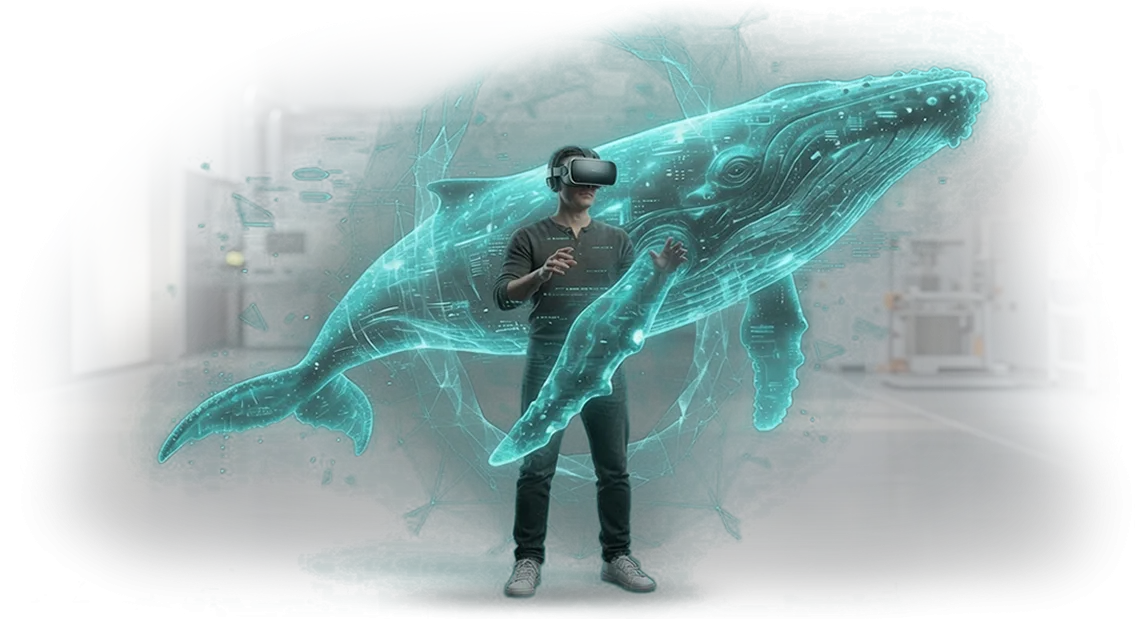
אפליקציית הדרכה ב-AR פותרת בעיה זו. ישירות בעמדת העבודה, הטכנאי רואה רמזים, רצפי שלבים ונקודות פירוק קריטיות המוצגות על גבי האובייקט האמיתי.
הטעויות פוחתות במהלך ההדרכה, והביטחון מגיע מהר יותר—העובד מתחיל לייצר רווח במקום הפסדים מוקדם יותר.
הפחתת ההחזרות משפיעה ישירות על שימור לקוחות: אדם מרוצה מתיקון חוזר לשירות וממליץ עליו לחברים. עבור מרכזי שירות, זו הזדמנות לקצץ בעלויות ולשפר את איכות השירות מבלי להרחיב את הצוות.
אנו עוזרים ליישם פתרון AR כזה, תוך התחשבות במאפייני הציוד שלך, בתהליכים וברמת המיומנות של הטכנאים.
מה נותן מדריך AR לצוות השירות ולעסק
הדרכת תיקון ציוד היא תמיד איזון בין זמן עד לכשירות ואיכות עבודה. תדריכים מסורתיים ונהלים על נייר לוקחים זמן ממומחים מנוסים, ומתחילים עדיין עושים טעויות במהלך הפעולות העצמאיות הראשונות שלהם.
מדריך AR פותר בעיה זו אחרת: הוא מציג את התהליך ישירות על הציוד האמיתי, כך שהמיומנות נבנית מהיום הראשון.
אנו מפתחים אפליקציות AR ניידות לצוותי שירות המבוססות על Google ARCore, טכנולוגיה שמזהה במדויק דגמי ציוד ומציגה רמזים בזמן אמת. העובד רואה חיצים, דיאגרמות ונקודות בקרה מבלי להיות מוסח על ידי הוראות. עבור מנהל, זה אומר תוצאות מהירות יותר ושקיפות הדרכה.
קליטה מהירה של עובדים חדשים
במקום שבועות של תיאוריה, תרגול מיד. העולה החדש מרכיב משקפיים או פותח את האפליקציה בסמארטפון, מכוון את המצלמה לציוד ומבצע את הפעולה שלב אחר שלב: הברג, החלף, בדוק. כל שלב מודגש, כך שאין צורך לשנן את הרצף.
פחות טעויות במהלך תיקונים
רמזי AR מזהירים על רגעים קריטיים: בורג שגוי, מומנט לא נכון, אזור מסוכן. המערכת מציעה מה לעשות הלאה ומאשרת כאשר הפעולה בוצעה כראוי.
פגמים וקריאות חוזרות של לקוחות פוחתים, והשירות פועל בצורה חלקה יותר—אפילו כשאין טכנאי בכיר בקרבת מקום.
הדרכה מרחוק מבלי להפריע לעבודה
מומחה מעיר אחרת יכול להתחבר מרחוק לעובד ולראות את שדה הראייה שלו. הם מנחים פעולות בקול ומציירים רמזים ישירות על המסך.
זה מאפשר לרשת שירות להכשיר צוות בסניפים ללא נסיעות עסקים, והניסיון של המהנדסים הטובים ביותר משותף לכל הצוות.
עבור עסק, זה אומר התאקלמות מהירה של עובדים, פחות טעויות ואיכות שירות עקבית בכל מקום. אפליקציה שפותחה פעם אחת עובדת על הסמארטפונים של העובדים—אין צורך לרכוש ציוד יקר. ומנהל מקבל כלי שמחזיר את עצמו כבר אחרי המומחים הראשונים שהוכשרו.
פורמטים של אפליקציה למרכזי שירות ויצרנים
אותה פלטפורמת AR פותרת משימות שונות בהתאם למי שמשתמש בה. עבור יצרן, חשוב להכשיר צוות לסטנדרטים אחידים של תיקון; עבור מרכז שירות, למצוא תקלות מהר יותר; ועבור סוכן, להראות ציוד ללקוח לפני רכישה.
הרכבנו שלושה פורמטים סטנדרטיים של אפליקציה לכל תרחיש. כולם בנויים על אותו בסיס, כך שאינך משלם על פיתוח מאפס—אתה פשוט מתאים את הממשק והתוכן לקהל היעד.
| פורמט | למי | מה הוא מספק |
|---|---|---|
| הדרכה והסמכה | יצרנים | סטנדרט תיקון אחיד בכל הרשת: עובדים מתאמנים על מודלים תלת-ממדיים אינטראקטיביים, והמנהל רואה את ההתקדמות של כל אדם. פחות טעויות, קליטה מהירה יותר. |
| עוזר תיקון | מרכזי שירות | מציג הוראות שלב אחר שלב ישירות על גוף הציוד: מה להבריג, היכן ללחוץ, היכן להחליף חלק. האבחון מואץ, וקריאות למוקד פוחתות. |
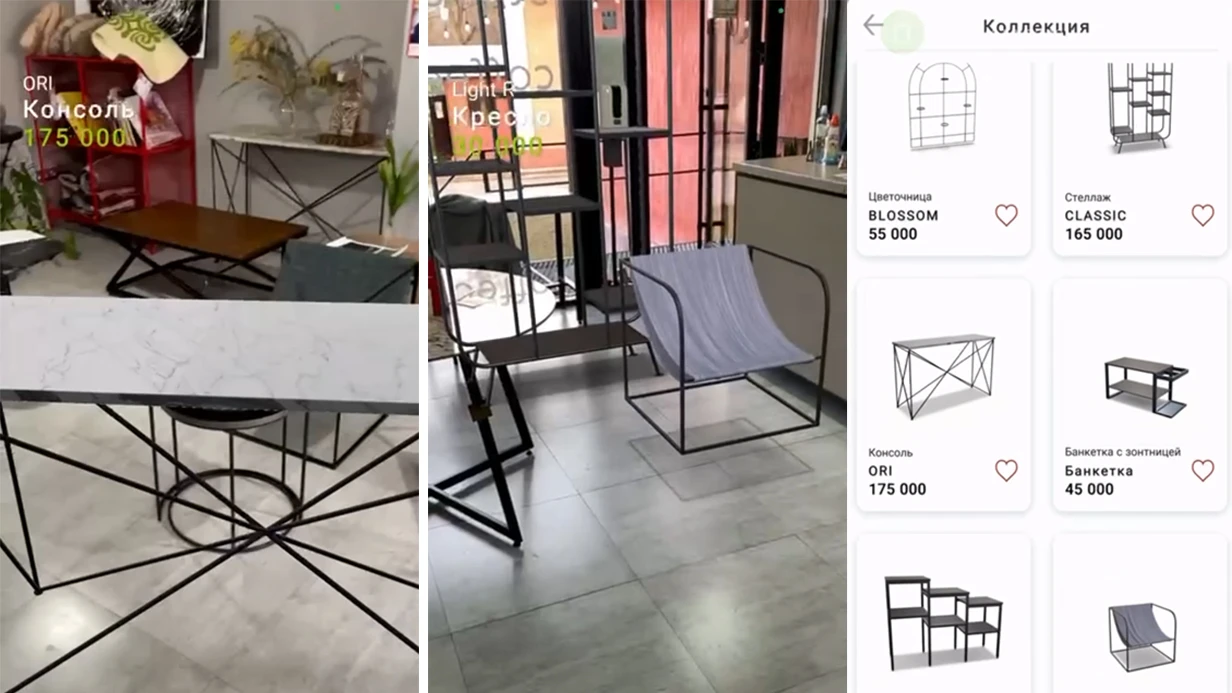
| קטלוג והדגמה | סוכנים וצוותי מכירות | הקונה רואה כיצד הציוד ישתלב בחלל שלו וכיצד הוא עובד בחתך או בתנועה. הדגמות AR מגבירות מעורבות והמרה למכירה. |
עבור יצרנים, היתרון המרכזי הוא בקרת איכות תיקון בכל רשת הסוכנים ללא ביקורי שטח. מרכז שירות כבר לא תלוי ב"ידיים מוזהבות" של טכנאי יחיד, וסוכן מקבל כלי שמוכר במקום מצגת משעממת.
כל שלושת הפורמטים קלים לשילוב: אפשר להתחיל עם הדרכה ואז להוסיף את קטלוג הסוכנים—הנתונים והממשק לא יצטרכו להיבנות מחדש. אנו נבחר את התצורה האופטימלית למשימה שלך במהלך תדריך חינמי ונראה כיצד AR יעבוד על הציוד שלך.
כיצד עובד הפרויקט: מתדריך ועד השקה ותמיכה
כל שלב בפיתוח שקוף: אתה רואה מה קורה ומבין על מה אתה משלם. מהתדריך הראשון ועד תמיכה לאחר ההשקה—ללא "קופסאות שחורות" וללא הפתעות. אתה מקבל את כל ההחלטות המרכזיות, ואנו עוזרים להפוך אותן לתוכנית.
- תדריך והתעמקות. אנו לומדים כיצד הדרכת תיקון ציוד עובדת כיום, היכן זמן אובד וטעויות חוזרות. אנו מגדירים יעדים, לוחות זמנים וקריטריוני הצלחה.
- תרחישים ואב-טיפוס. אנו מראים כיצד עובד יראה שלבי תיקון ב-AR. אתה מאשר את התרחיש לפני תחילת הפיתוח—ללא עבודה חוזרת בשלבים מאוחרים יותר.
- פיתוח עם הדגמות. כל 2–3 שבועות אנו מציגים גרסה עובדת. אתה רואה התקדמות ומתאים את הכיוון בעוד זה עדיין זול.
- בדיקות בסדנה. אנו בודקים את האפליקציה באור בהיר, בתנועה ועם טאבלטים ביד. אנו מכווננים אותה לפעולה יציבה על מכשירי העובדים.
- השקה והטמעה. אנו מגדירים התקנה, מאמנים מנהלים ועוזרים לשלב את האפליקציה בתהליך ההדרכה. אתה מקבל כלי מוכן לשימוש.
- תמיכה ופיתוח. לאחר ההשקה, אנו נשארים בקשר: עדכונים לציוד חדש, הוראות חדשות, תמיכת משתמשים. האפליקציה גדלה יחד עם העסק שלך.
"שקיפות פירושה שהלקוח תמיד יודע מה קורה ומה הוא יקבל בהמשך", אומר מנהל הפרויקט שלנו בצוות. לכן בכל שלב אתה מקבל דוחות ברורים, לא פרטים טכניים.
מה כלול במסירה: ערכה לעבודה עצמאית
לאחר סיום הפרויקט, אתה מקבל לא רק קישור לאפליקציה, אלא ערכה מלאה לעבודה עצמאית. היא כוללת כל מה שצריך כדי להשתמש בהדרכת תיקון AR בתרגול היומיומי—ולפתח אותה הלאה ללא מעורבות מתמדת של הצוות שלנו.
המסירה כוללת:
- אפליקציית AR עובדת למכשירים ניידים. עובד מכוון את המצלמה לציוד ורואה הוראות שלב אחר שלב ישירות על המסך—מה לפרק, באיזה סדר ולמה לשים לב.
- ספריית תוכן AR: מודלים תלת-ממדיים של מכלולים וחלקים, אנימציות פירוק והרכבה, רמזים אינטראקטיביים. זהו בסיס מוכן לבניית כל תרחישי ההדרכה.
- תרחישי הדרכה המותאמים למשימות שלך: מקורס מבוא למתחילים ועד מקרי אבחון מורכבים. כל תרחיש מונח שלב אחר שלב, עם נקודות בקרה וקריטריוני הערכה.
- לוח בקרה למנהל. אתה עורך רצפי שלבים, מוסיף מודלים חדשים ומתאים רמזים בעצמך—מבלי לערב מפתח וללא השבתה בהדרכה.
- חומרי הדרכה למדריכים: נהלי כיתה, רשימות הערכה לעובדים והמלצות לשילוב שיעורי AR בתוכנית ההדרכה הקיימת.
- קבצי מקור וזכויות לכל התוכן. אתה מקבל זכויות שימוש, עידון ושינוי—אתה יכול לעבוד עם כל צוות או לפתח את הפרויקט בעצמך.
- הדרכה לצוות שלך ותיעוד. אנו מעבירים ידע בעבודה עם לוח הבקרה, בתוספת תיעוד טכני מלא—כך ששאלות לא יעלו גם לאחר סגירת הפרויקט.
פריט חשוב אחד הוא הזכויות לחומרים. אתה לא נעול לסטודיו: כל התרחישים, המודלים ותוכן ה-AR שנוצרו שייכים לך. אם תרצה, תוכל להרחיב את הספרייה, להגדיל את ההדרכה לקטגוריות ציוד אחרות או להביא קבלנים חדשים.
הערכה בנויה כך שהדרכת תיקון ציוד עובדת ככלי עצמאי לעסק שלך, לא כפיתוח חד-פעמי.
מקרה בוחן: הוראות AR ברשת שירות—תוצאות תוך 3 חודשים
כאשר לרשת שירות יש כמה מאות טכנאים ודגמי ציוד מתעדכנים כל עונה, ההדרכה הופכת לבעיה.
הוראות סטנדרטיות ומפגשי הדרכה בשטח לוקחים שבועות וכסף: בעוד כמה מכונאים ממתינים לקורס, אחרים עובדים בדרך הישנה ומאבדים לקוחות.
הצענו להחליף הוראות מילוליות במדריך AR—עובד מכוון את המצלמה למודול ציוד ורואה דיאגרמה שלב אחר שלב של פירוק, אבחון והחלפת חלקים ישירות על גבי המכשיר.
הלקוח הוא רשת פדרלית לתיקון מכונות כביסה ומקררים. הם ביקשו לא "טכנולוגיה לשם הטכנולוגיה", אלא כלי ברור שיאיץ את המעבר של עובדים חדשים לעבודה עצמאית.
תוך 3 חודשים, פרסנו הוראות AR ב-120 מרכזי שירות, התאמנו תוכן ל-12 הדגמים הנפוצים ביותר והכשרנו 40 מדריכים פנימיים.
הפריסה התנהלה ללא עצירת פעולות השירות: טכנאים לא היו צריכים מחשב חדש או ציוד מיוחד—הכל רץ על טאבלטים וטלפונים סטנדרטיים.
תוצאות היישום
המדדים המרכזיים הראו שינוי עסקי אמיתי, לא "מצגת יפה". זמן ההכשרה של עובדים חדשים קוצר משלושה חודשים לשלושה שבועות—פי ארבעה מהר יותר להכשיר טכנאי להזמנות עצמאיות.
מספר הטעויות במהלך אבחונים ראשונים ירד ב-40%, וקריאות חוזרות לאותו תיקון צנחו פי שלושה. הלקוח גם ציין שהשקת דגמים חדשים דורשת כעת רק עדכון של הוראה דיגיטלית—אין יותר נסיעות של מדריכים לאזורים שונים.
משוב לקוח
מנהל רשת השירות סיכם:
"הוראות AR פתרו את נקודת הכאב המרכזית—מהירות ההדרכה. בעבר, הכנת טכנאי לקחה רבעון, ובמשך כל הזמן הזה הם עשו טעויות או קראו לצוות בכיר. עכשיו חניך עוקב אחר הרמזים מההתחלה, כמו טכנאי מנוסה.
אנו מתכננים להרחיב את המדריך לכל קטגוריות התיקון ולכלול אותו בקליטת כל צוות חדש."
עבורנו, פרויקט זה אישר ש-AR בהדרכת תיקון הוא לא בידור, אלא כלי עבודה שמחזיר את עצמו דרך מהירות העובדים ואיכות השירות.
אם לחברה שלך יש את אותה נקודת כאב, נחזור תוך 3 חודשים עם תוצאה מדידה, כמו במקרה בוחן זה. רשת שירות Master+
כיצד לבחור פורמט הדרכה למשימה שלך?
בחירת פורמט הדרכה היא לא תבנית אחת שמתאימה לכולם; זו החלטה שתלויה במשימה הספציפית שלך.
חשוב להבין מה אתה מצפה: ללמד מתחיל את יסודות תיקון הציוד, להפחית טעויות בקרב טכנאים מנוסים, או להכין במהירות צוות לעבודה עם דגם ציוד חדש.
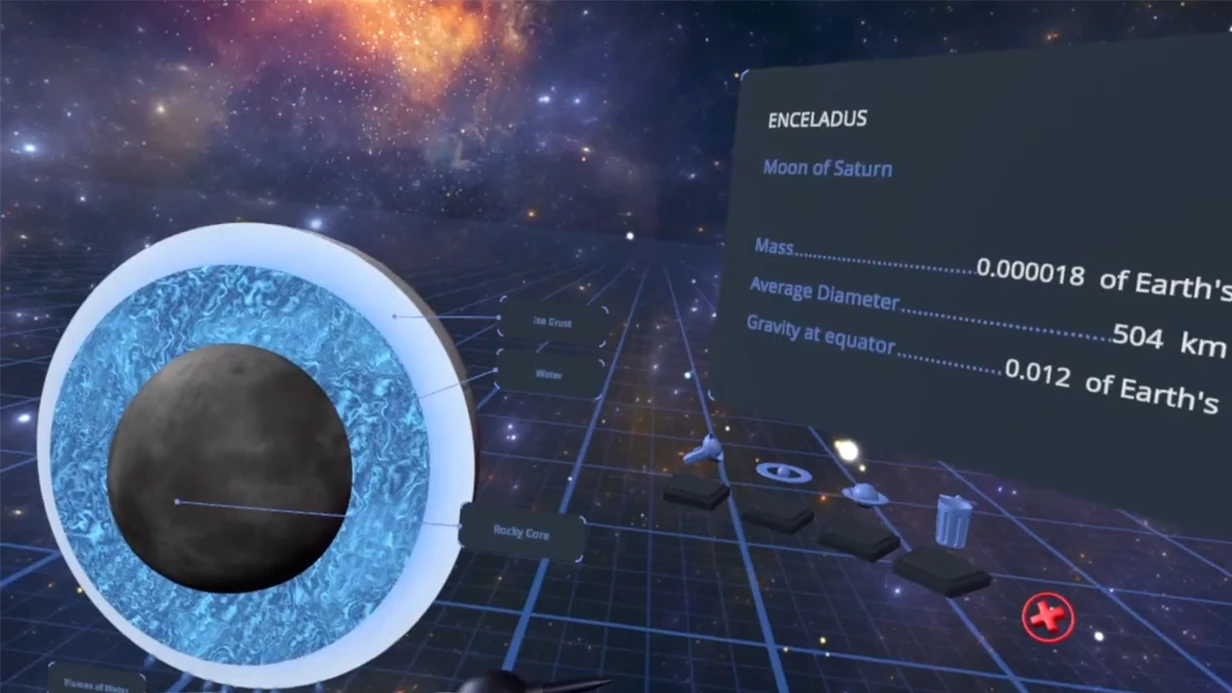
אם אתה צריך להראות את מחזור העבודה המלא, כולל פעולות נדירות ומסוכנות, מציאות מדומה היא התאמה טובה. העובד מתאמן בסביבה בטוחה ושולט באלגוריתם עד שהוא הופך לאוטומטי, מבלי לסכן חלקי חילוף או להוציא ציוד משירות.
אם הציוד כבר נמצא במרכז השירות והמשימה העיקרית היא לעזור לטכנאי ישירות במהלך התיקון עם רמזים ודיאגרמות תלת-ממדיות חזותיות, מציאות רבודה יעילה יותר: היא מציגה הוראות על גבי האובייקט האמיתי ומפחיתה את מספר הטעויות.
כדי להחליט, שאל את עצמך שלוש שאלות. כמה אנשים צריכים להיות מוכשרים, ועד כמה רמת המיומנות הנוכחית שלהם משתנה? באיזו תדירות דגמי ציוד משתנים, והאם תצטרך לעדכן חומרי הדרכה במהירות?
אילו תוצאות הכי חשובות לך—פחות זמן תיקון, פחות פגמים, או היכולת להכשיר עובדים מרחוק בערים שונות? התשובות מצמצמות מיד את בחירת פורמט ההדרכה ומבטלות עלויות מיותרות.
אנו עוזרים לך לבחור את הפורמט הנכון למשימה שלך במהלך ייעוץ חינמי.
נראה דוגמאות של פרויקטים להדרכת תיקון ציוד, נבהיר את המצב הספציפי שלך ונציע את האפשרות שתניב תוצאות מהר ביותר—מבלי להיות קשורים לטכנולוגיה ספציפית לשם הטכנולוגיה עצמה.
זה מגיע ללא התחייבויות, אבל נותן לך ביטחון שאתה מקבל החלטה המבוססת על עובדות ולא על ניחושים.
תשובות לספקות נפוצים לפני שמתחילים
לפני כל פרויקט, עולות ספקות: האם הציוד יתקלקל, מי יתמוך בפתרון לאחר ההשקה, ועד כמה ריאלי לקבל תוצאה עובדת? אספנו תשובות לשאלות נפוצות כדי שתוכל לקבל החלטה ללא סיכונים מיותרים.
אנו עובדים על בסיס שקוף: אנו קובעים לוחות זמנים והיקף עבודה בחוזה ומציגים גרסאות ביניים בכל שלב.
תמיכה טכנית נשארת לאחר ההשקה—מומחים זמינים כדי להבטיח שהאפליקציה רצה ביציבות על המכשירים שלך ועובדים יכולים להשלים הדרכה ללא בעיות.
מה קורה אם הציוד מתקלקל במהלך ההדרכה?
האפליקציה עצמה לא יכולה לפגוע במכשיר—היא רצה במצב סטנדרטי ואינה דורשת הרשאות מיוחדות. אם הטלפון נגמרת הסוללה או ניזוק, ניתן להמשיך את הסשן במכשיר אחר ללא אובדן נתונים. במהלך ההטמעה, אנו מתאימים הגדרות כך שגם דגמים ישנים וגם חדשים עובדים ביציבות.
מי אחראי על תחזוקת האפליקציה לאחר ההשקה?
אנו לא נוטשים את הפרויקט לאחר המסירה. החוזה כולל התחייבויות אחריות ותקופת תמיכה: במהלך הזמן הזה, אנו מתקנים באגים במהירות, עוזרים בעדכונים ומספקים ייעוץ לעובדים.
אם אתה צריך פיקוח שוטף, אנו לוקחים על עצמנו תחזוקה מלאה—מניטור ועד פיתוח מודולים חדשים.
אילו ערבויות יש לנו שהאפליקציה תפתור את הבעיה שלנו?
אנו מתחילים עם תדריך שבו אנו מתעדים יעדי הדרכה וקריטריוני יעילות—כך תוכל להעריך את התוצאה בעצמך. אנו מציגים גרסאות ביניים לפני השחרור הסופי, כך שתוכל לראות כיצד האפליקציה עובדת לפני ההשקה.
החוזה מפרט לוחות זמנים, היקף ואחריותנו למסירת הפונקציונליות המוצהרת.
אם עדיין יש לך שאלה שאינה ברשימה זו, שאל אותנו ישירות—נספר לך אם הפתרון יעבוד בתרחיש שלך ונעזור לפתור כל ספק שנותר.השאר בקשה—נחשב את הפרויקט שלך ביום עסקים אחד
מלא את טופס הבקשה—זה ייקח כמה דקות.
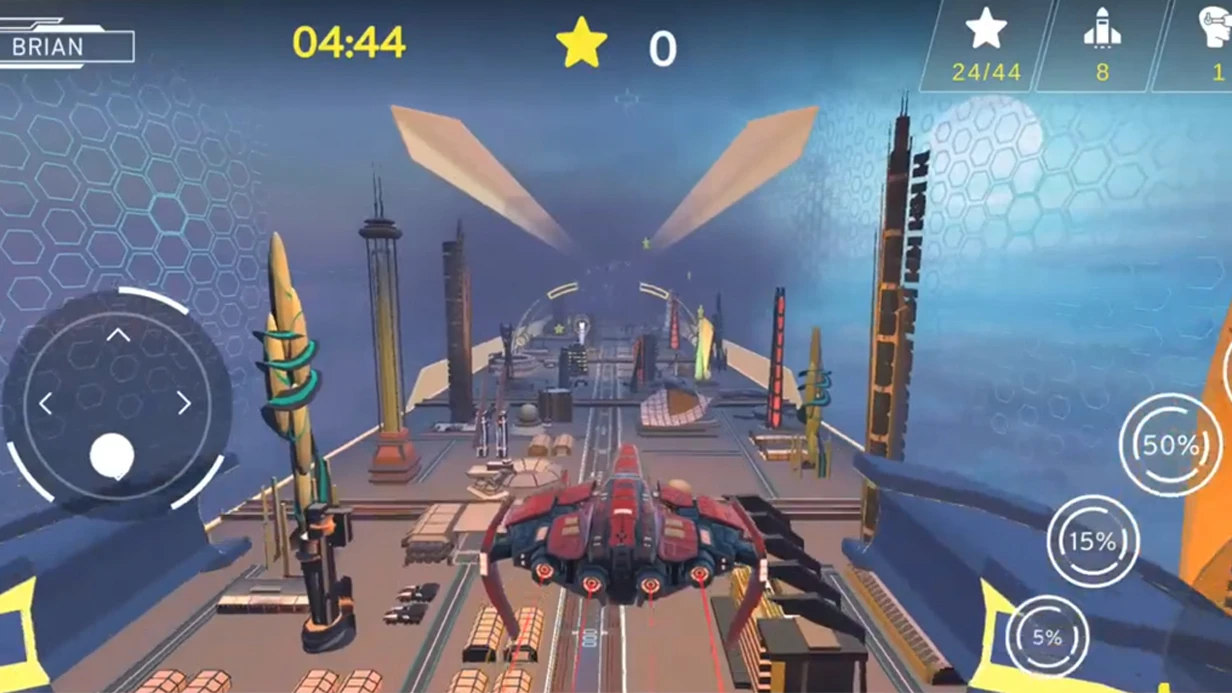
בתוך יום עסקים אחד, תקבל הערכת פרויקט עם לוחות זמנים ברורים והיקף עבודה, וייעוץ חינמי יעזור לך להבהיר את המשימה ולבחור פורמט יעיל: רמזי AR לתיקונים, סימולטור VR או הדרכה סוחפת.
גישה זו מסירה סיכונים ועלויות בלתי צפויות. אתה יודע את תוכנית העבודה מראש, שולט בכל שלב ומבין כיצד הפתרון המוצע יגביר את מהירות הכשרת העובדים ויפחית את מספר הטעויות.
לאחר פנייתך, אתה עובר כמה שלבים פשוטים:
- ייעוץ חינמי: אנו דנים במשימה שלך, בקהל ובתוצאה הצפויה.
- הערכת פרויקט: בתוך יום עסקים אחד, אנו שולחים לוחות זמנים, היקף עבודה ועלות.
- תדריך ותוכנית: אנו מתעדים דרישות, תרחיש הדרכה ותנאים טכניים.
- אב-טיפוס: אנו מראים כיצד עובד יתקשר עם האפליקציה לפני תחילת הפיתוח.
- חוזה והשקה: אנו מסכמים פרטים, חותמים על מסמכים ומתחילים בעבודה.
- תמיכה: אנו מוסרים את הפתרון, מאמנים את הצוות שלך ונשארים זמינים לשיפורים.
לאחר ההשקה, אתה לא נשאר לבד עם המוצר: אנו כאן כדי להתאים את התרחיש, להוסיף מודולים חדשים או להרחיב את תוכנית ההדרכה. השאר בקשה—עד מחר תהיה לך תוכנית פעולה ברורה, הערכת לוחות זמנים והצעה מסחרית.